




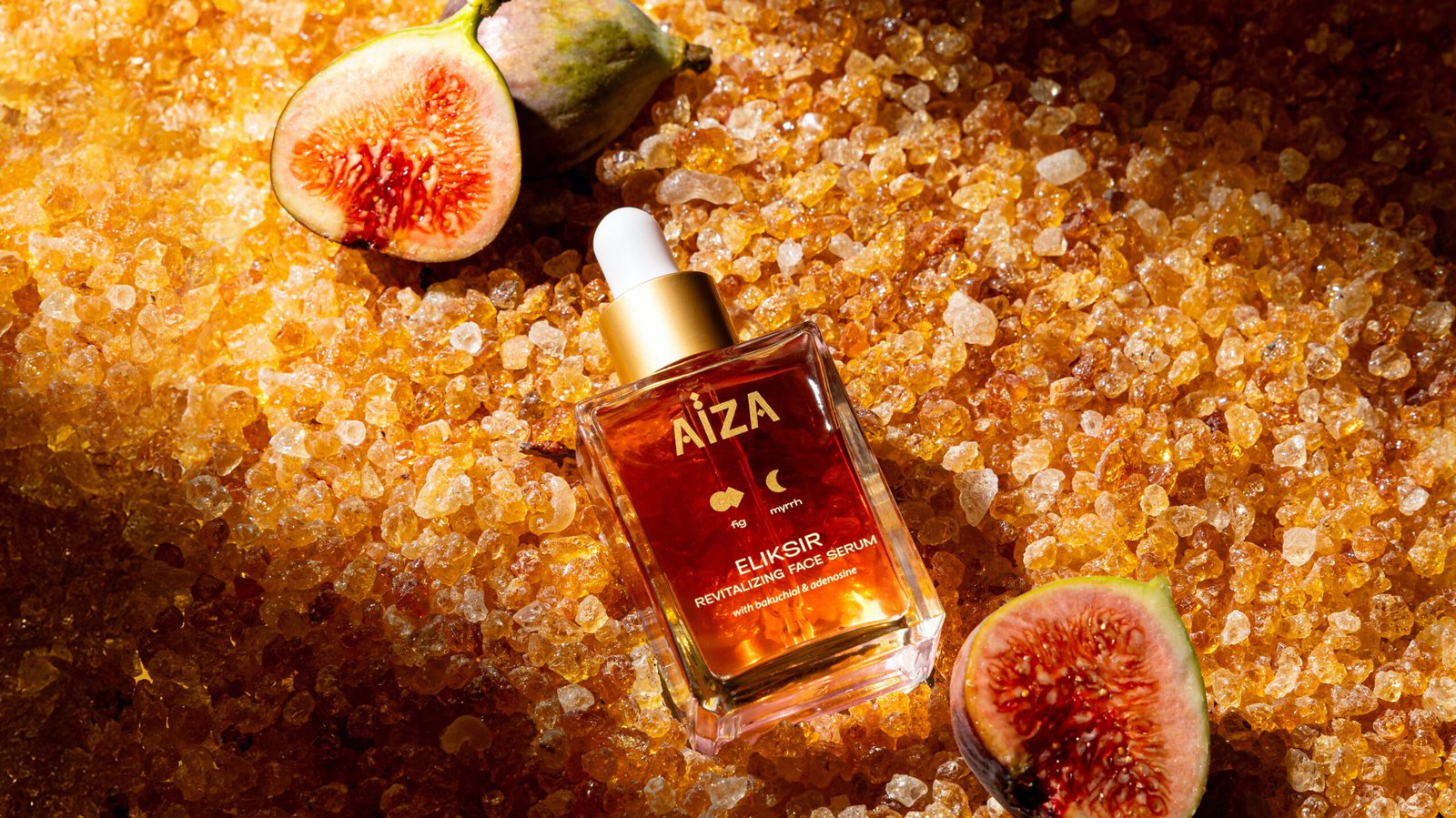
AIZA launches in Dubai with a premium take on modern Arab beauty
For Dubai’s beauty scene, AIZA is a signal of timing. The region’s consumer has become both more discerning and more open to brands that reflect local identity in a modern register.
A new premium beauty label in Dubai arrived with a clear point of view: Arab beauty as a contemporary, export-ready category that keeps its cultural references intact while meeting global expectations for performance and formulation standards. AIZA, founded by Shubham Poddar, enters skincare and haircare with a proposition built on regional ingredients and rituals, formulated in international laboratories across Korea, Japan, and Italy.

At the center of AIZA’s positioning is a deliberate translation of heritage into product language that can travel. The name itself is framed as an idea of value and identity, drawn from Arabic roots associated with honor and preciousness. That framing matters, because AIZA does not treat Arabia as a backdrop. It uses Arabia as the source material: dates, black seed, and frankincense appear as headline ingredients, presented alongside widely recognized cosmetic actives such as peptides, hyaluronic acid, and biotin.
This is a familiar formula in modern beauty, yet the execution is important. Consumers are fluent in actives, and they expect results. They also want story, sensoriality, and a brand world that extends beyond a functional routine. AIZA’s press materials lean into that full stack: formulas that aim for visible impact, and products described as experiential, with bakhoor and rose notes in hair mists and a lip balm infused with dates and honey.
The “clean” conversation is also handled in a way that signals global ambition. AIZA states alignment with strict clean beauty standards, referencing benchmarks “such as Clean at Sephora,” while also specifying alcohol-free, cruelty-free, and vegan positioning, with honey noted as an exception. This matters editorially because “clean” now reads less like a single claim and more like a set of decisions: what a brand chooses to include, what it chooses to leave out, and how transparently it communicates those trade-offs. By naming specific standards as reference points, AIZA is speaking to an audience that expects definable criteria rather than vague reassurance.
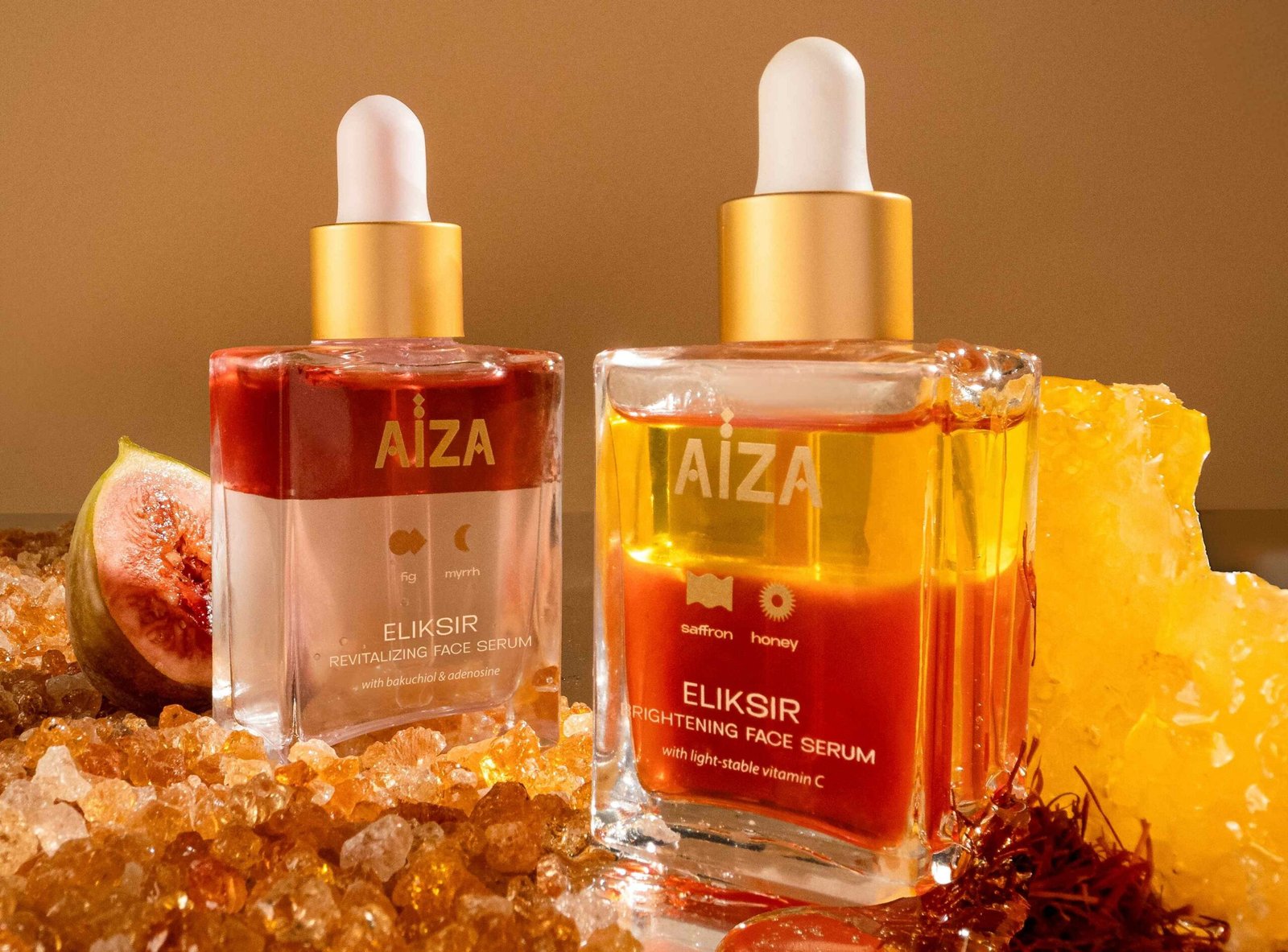
AIZA’s manufacturing footprint across Korea, Japan, and Italy is a strategic signal: it borrows credibility from places that already carry authority in formulation, packaging discipline, and product development culture, while keeping the ingredient narrative anchored in the Middle East. In practical terms, it positions AIZA to compete on shelves where “Made in” still influences trust.
The brand’s visual identity reinforces the same intent. Its emblem is built around the Nuqta, described as a poetic starting point of Arabic calligraphy, merged with a modern dot as a symbol of continuity and forward motion. In a market that is saturated with minimalism, the decision to foreground a culturally specific signifier is a statement: AIZA wants recognition that goes beyond packaging trends, and it wants its origin story to be legible at first glance.
Share


WE RECOMMEND
20 Best Longevity and Wellness Destinations Around the World
A longevity trip begins with a simple choice: to go somewhere where the days are shaped around feeling better and returning with…

Quiet shift: trading city life for space
Power is changing its address. Leaders are trading density for clarity, building lives where calm luxury, health, and clean attention shape every…
Oman. Five Hotels for Calm Luxury
Oman has become a reference point for calm luxury in the region. From mountain plateaus and remote peninsulas to quiet coastal enclaves,…
