



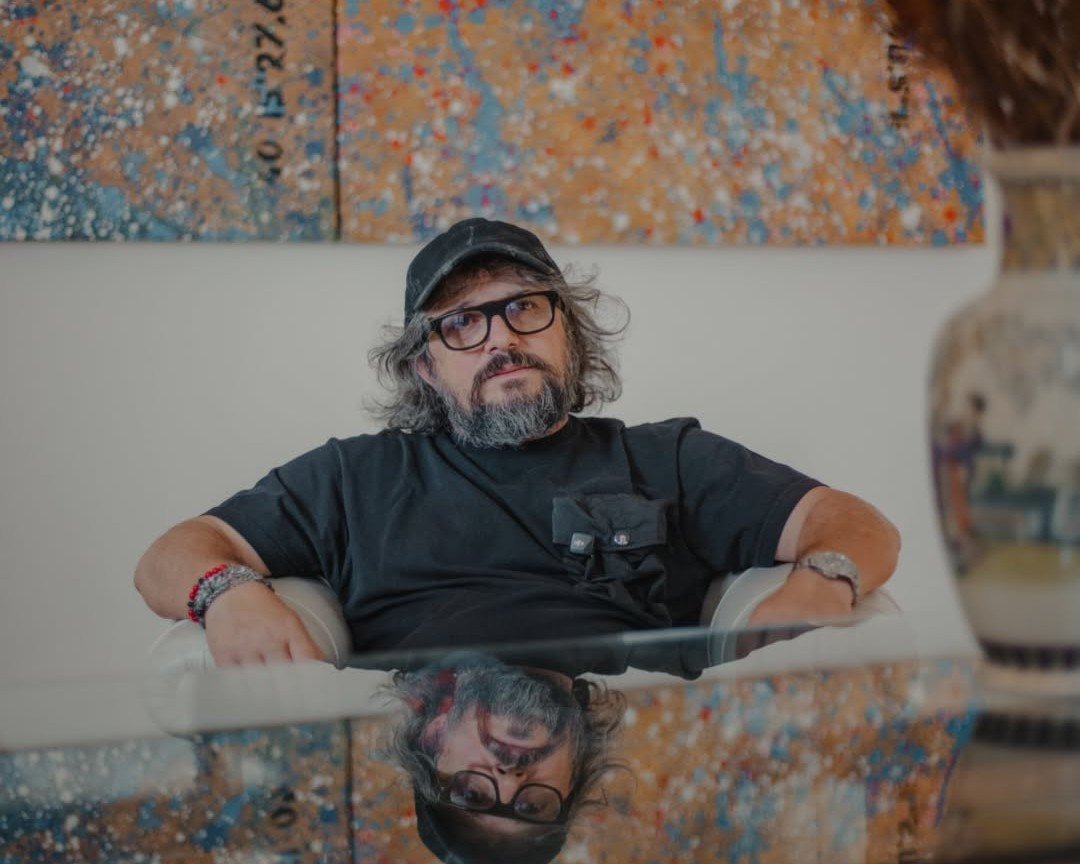
@agron_hoti
CLIO: A Desert Artwork You Can Experience and Feel
We sit down with contemporary artist Agron Hoti, the creative force behind CLIO, a 10-kilometre land art set to launch in Dubai’s Margham desert – one of the most ambitious art projects the region has seen.
CLIO is described as a 10-kilometre installation and one of the most ambitious art projects. When did you realize this idea had to exist at this scale?
The idea of CLIO was born from the desire to transform the Dubai desert into a “living canvas.” To represent a theme so vast and inclusive, it was necessary to go beyond traditional boundaries, creating a work that ranks among the largest art installations in the world. It is not just about size. It is a space to experience, designed for movement, encounter, and participation.
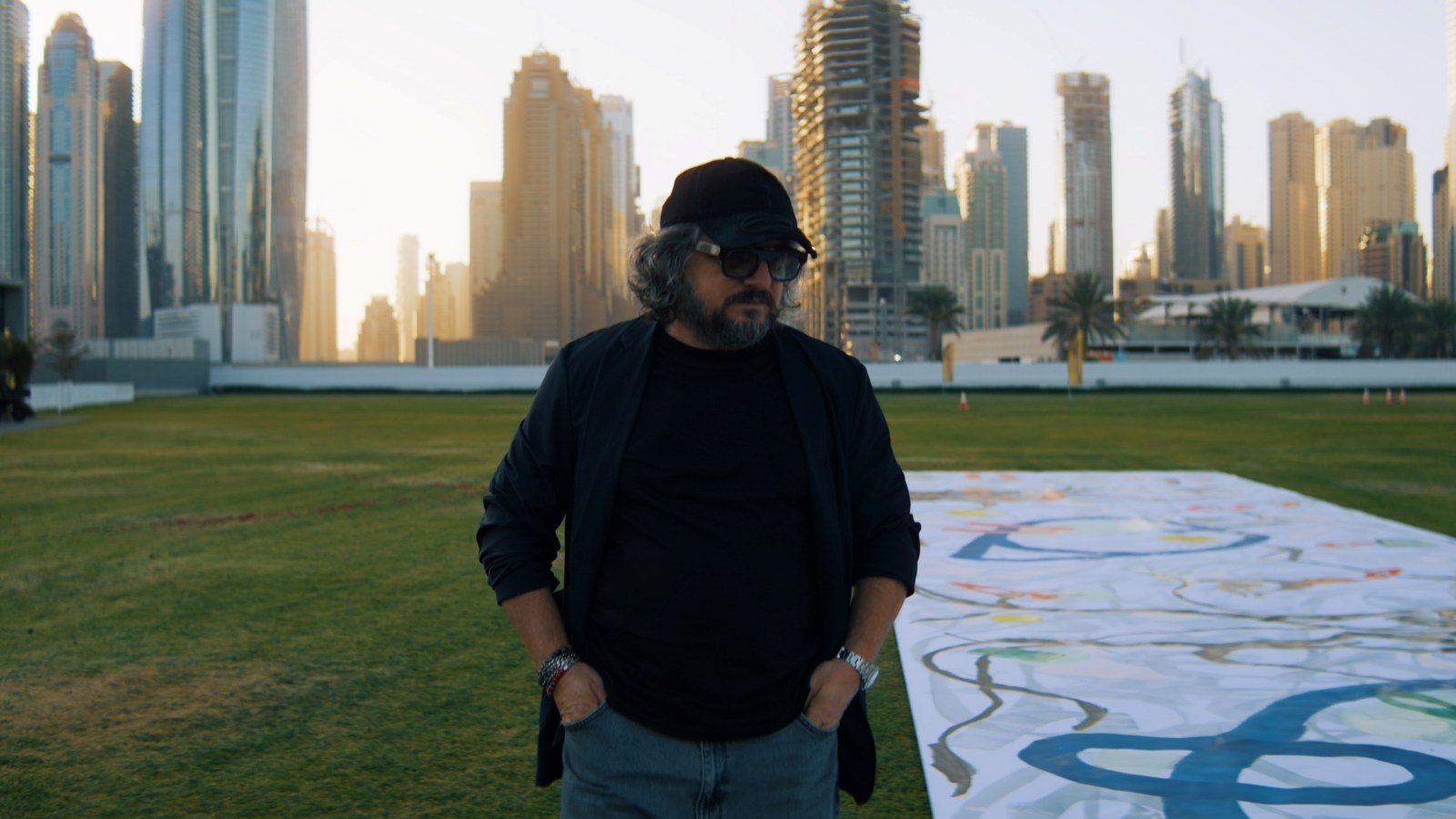
The project is presented as a visual story of humanity. How do you translate such a theme into an artistic language?
I do not tell the story of humanity in a linear way. CLIO is made up of 25,000 certified modules, each of which can be read as a chapter, yet the true meaning emerges in the eyes of those who experience the work. I paint to create a connection: I work on large formats, letting the work emerge from my state of mind. Painting becomes a universal language, capable of transcending cultural, geographical, and generational differences.
The first segment was unveiled at Skydive Dubai recently. What did that gesture mean to you as an artist?
Revealing the first 250-square-metre segment was far more than a simple operational milestone: it was an experience that brought together art and performance. Flying above the work transformed the creative act into pure emotion, allowing me to glimpse what visitors will feel as they move through CLIO. In that moment, I saw the work come alive as a space to inhabit and feel.
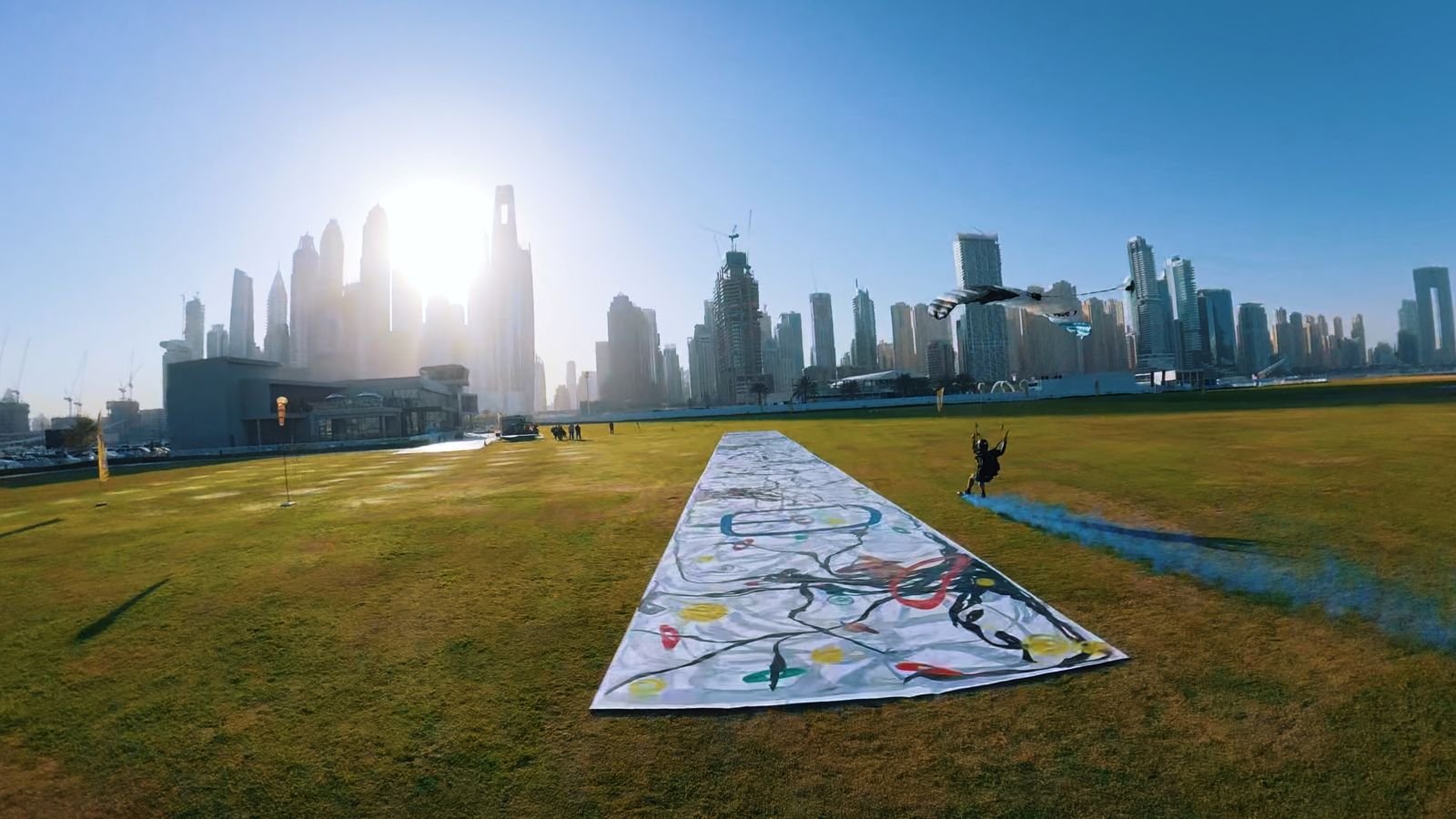
“Flying above the work transformed the creative act into pure emotion, allowing me to glimpse what visitors will feel as they move through CLIO”
You speak about inclusion as a core value of CLIO. How does that idea appear in the visual structure of the work?
Inclusion is at the heart of CLIO and can be seen in every part of the work. The experience can be approached in different ways: by walking through it at ground level or by observing it from above. It is an open space, designed to welcome millions of people and offer each individual an experience. Materials and colors are chosen to create harmony and a sense of openness and belonging. Every element encourages encounter and participation, transforming the journey into a shared experience. At the same time, the entire CLIO Desert Park grows through collective work, supported by those who have believed in CLIO and continue to contribute to its development.
How is creating a project like CLIO different from creating a traditional canvas, especially when it is meant to be experienced both from the ground and from the air?
CLIO is not a canvas to look at. It is a space to inhabit. Unlike a traditional painting, every element must function on a monumental scale, coherent both for those moving across it and for those viewing it from the sky. Visitors’ movement becomes part of the experience itself. Working on such large formats requires direct, immediate gestures, attention to materials, and consideration of perspective, so that every viewer, at any height, can feel the same emotional intensity. It is a balance between freedom of interpretation and visual coherence, between the artist’s action and the presence of those who move through the space.
CLIO brings together art, architecture, technology, and public participation. Where do you see the boundary between the artist’s authorship and the audience’s experience?
In CLIO this boundary is intentionally blurred. The work originates from my vision, but it comes to life only when people move through, observe, and experience it. Every step, every glance, every different perspective contributes to completing the work. CLIO is an ongoing dialogue: authorship sets the rules, but the experience of those who traverse it becomes an integral part, making every visit personal.
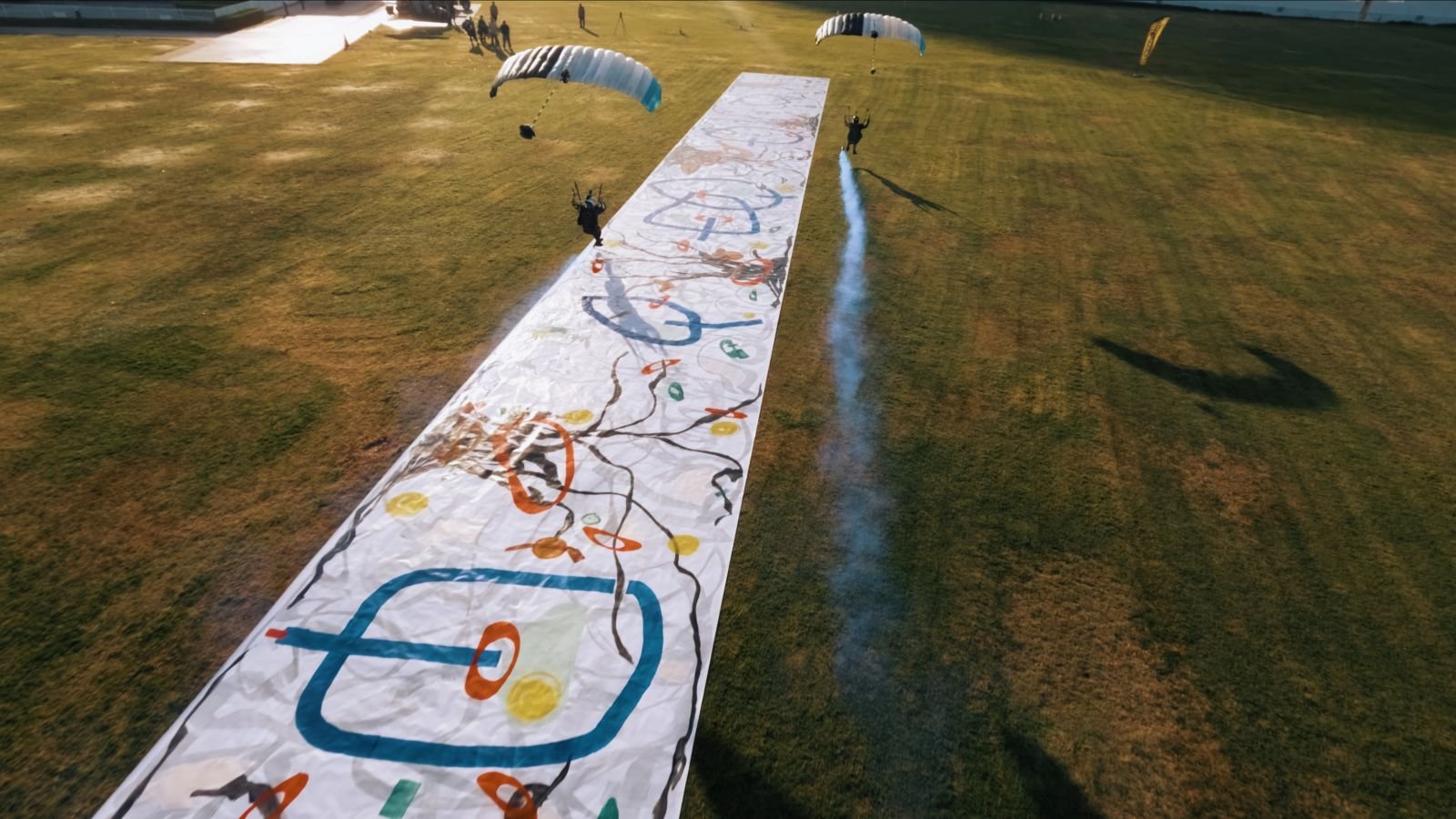
“The work originates from my vision, but it comes to life only when people move through, observe, and experience it”
How has Dubai’s desert landscape shaped your artistic decisions for this project?
Walking through the desert, I immediately sensed the perfect setting for CLIO: a natural landscape that holds the roots and history of this land. My goal is to add artistic value without overshadowing the landscape, while enhancing the desert’s inherent beauty. CLIO emerges from the dialogue between art and nature, connecting with the life of the city that has grown over the years.
What do you want a person to feel in the first few seconds of encountering CLIO, before they begin to interpret its meaning?
I want them to feel wonder and awe at the immensity of the space. Before interpreting its meaning, I hope they perceive the work as alive and welcoming: a place where art becomes a shared language.
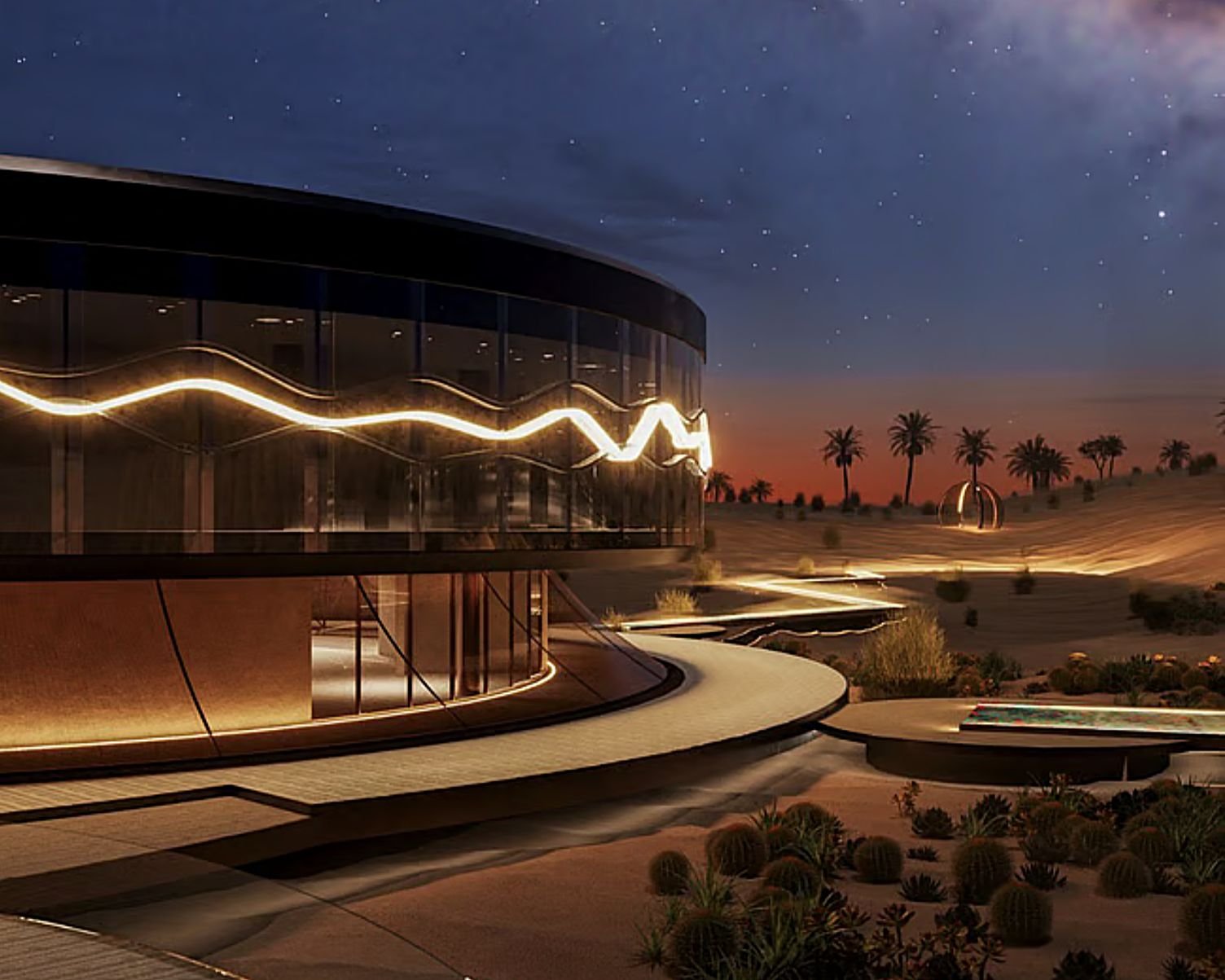
Looking ahead, what kind of cultural role do you want CLIO to play in the UAE?
I believe the cultural future of the UAE is already vibrant and growing. With CLIO, I want to contribute by sharing emotions, colors, and signs of inclusion. The work becomes an open space, capable of bringing people together, and transforming culture into a shared experience. It is a project meant to leave a living, lasting imprint, and I am proud to bring it to life.
Share


WE RECOMMEND
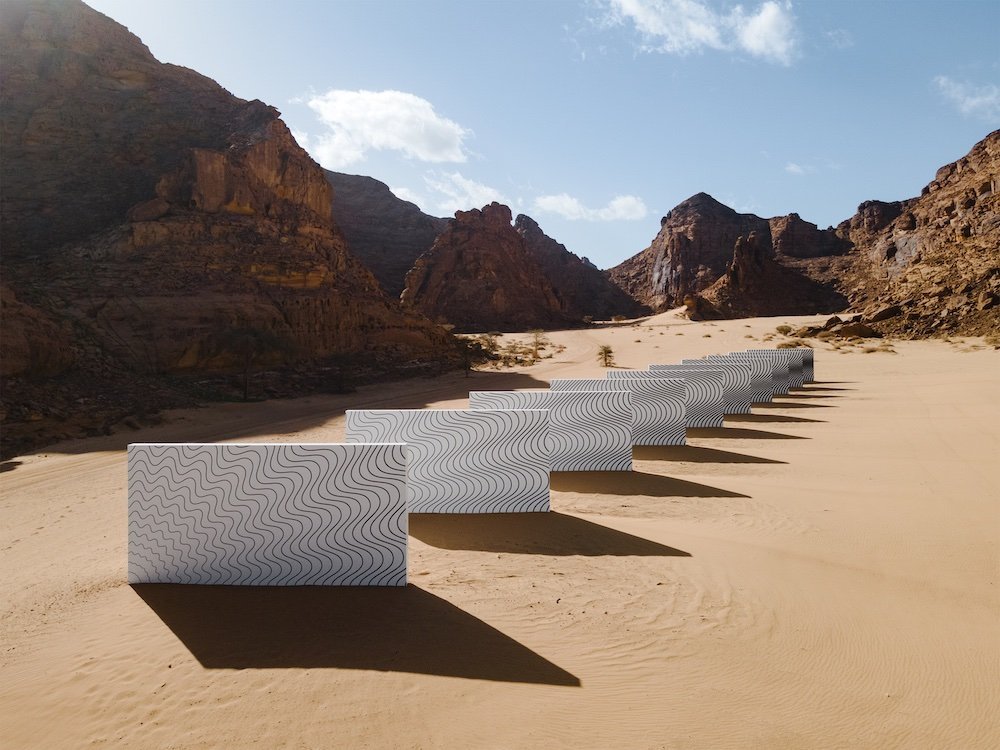
Desert X AlUla returns with a theme inspired by Kahlil Gibran
Desert X AlUla 2026 turned AlUla’s canyons into an open-air route of 11 new site-specific installations, with Kahlil Gibran’s Space Without Measure
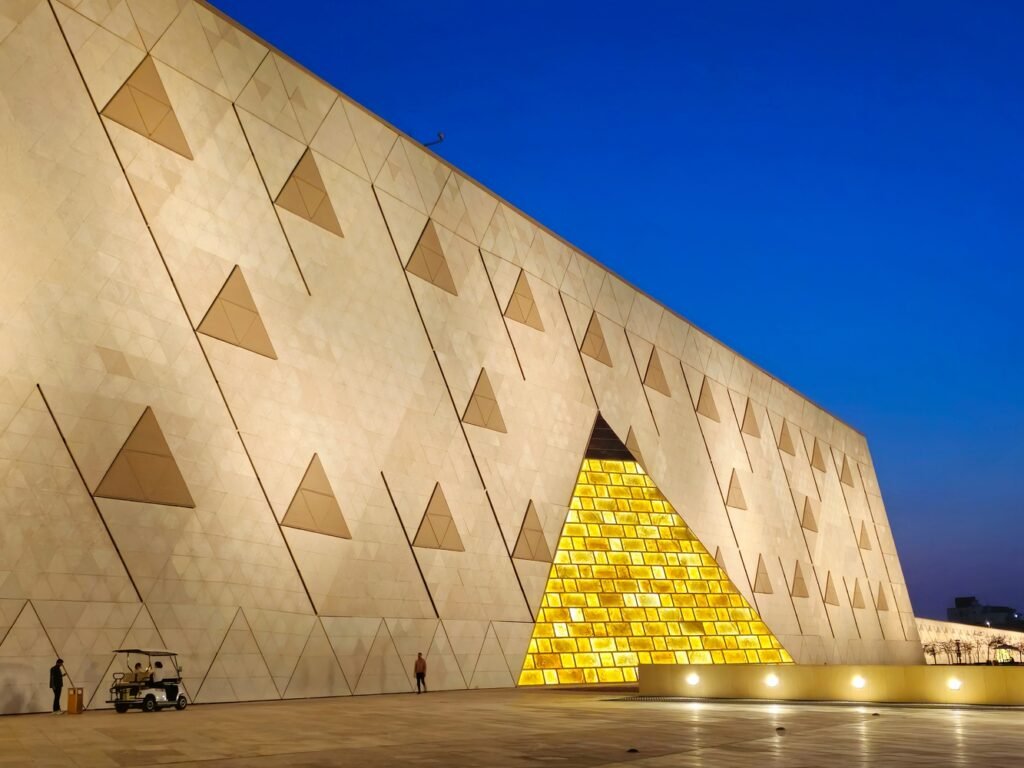
Why Cairo’s Grand Egyptian Museum Is Worth the Trip
A pyramid-view museum built for scale and clarity – with Tutankhamun’s full 5,398-piece collection, the Ramesses II colossus, and galleries that finally…
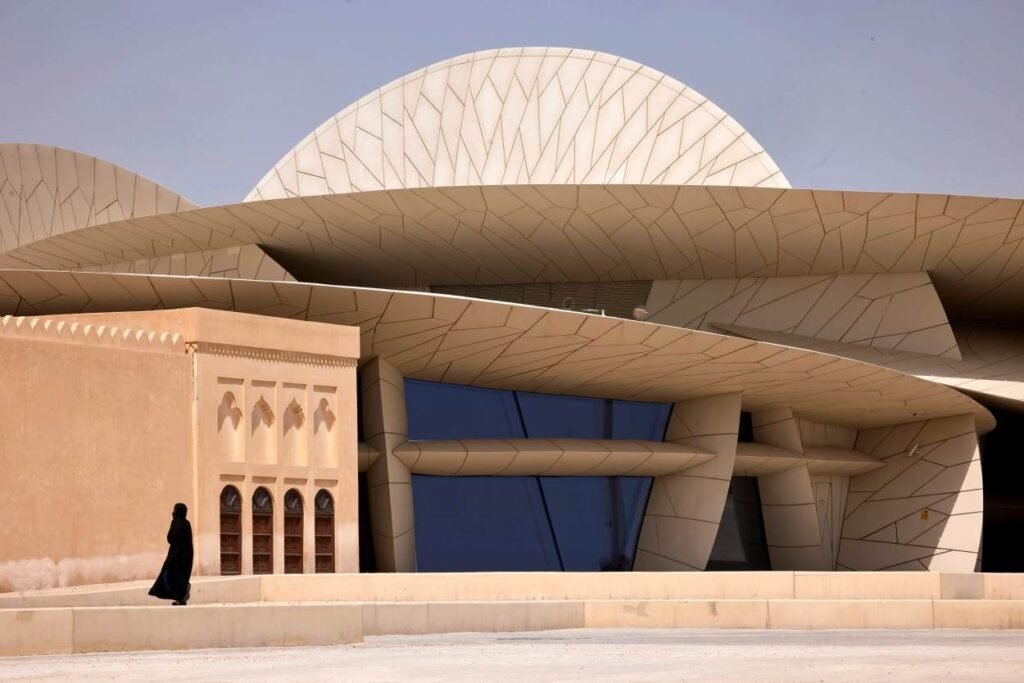
Art Basel Qatar: why Doha’s art moment matters beyond the fair
From February 5 to 7, 2026, Doha steps into the global art spotlight with the launch of Art Basel Qatar, marking a…
