




Sohum Wellness Sanctuary – A Place of Quiet Power in Dubai
We spoke with founder Tanya Mansotra about her approach to deep stress recovery and why Dubai needs a place where Ayurvedic practices stay deep in a fast city.
Sohum Wellness Sanctuary – A Place of Quiet Power in Dubai
We spoke with founder Tanya Mansotra about her approach to deep stress recovery and why Dubai needs a place where Ayurvedic practices stay deep in a fast city.
Al Quoz has a talent for reinvention. Warehouses become galleries, studios become cafes, and a serious wellness address has appeared for people who want their nervous system to slow down in a fast life. Sohum Wellness Sanctuary sits in the middle of Dubai with the composure of a place that knows exactly why you came: less noise, more clarity, and a calm that lasts longer than an hour.
Founder Tanya Mansotra is direct about how it began. “Sohum was never intended as a business idea. It began as a personal search for balance during a demanding phase of life,” she says.
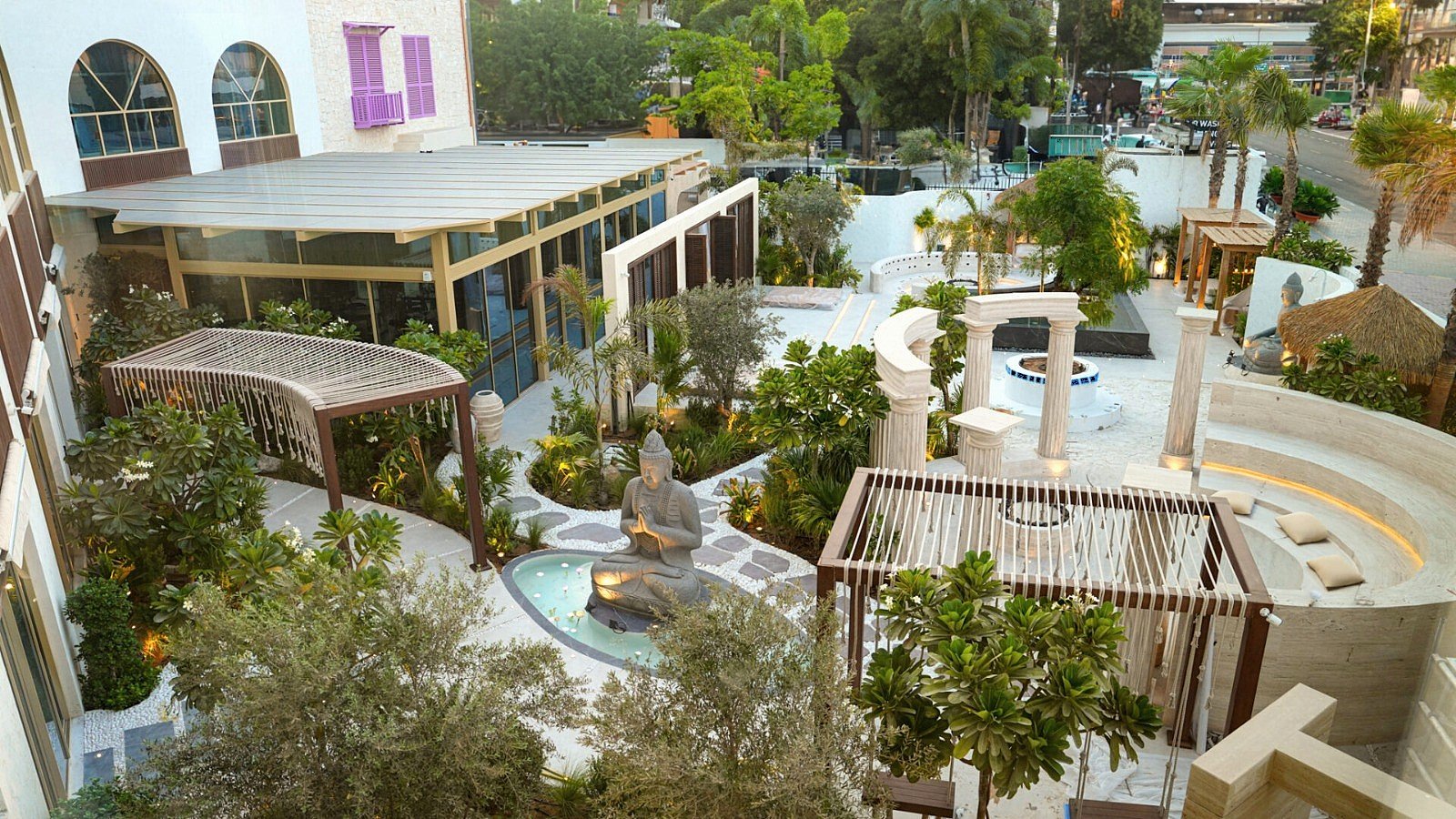
The shift came when she realized that the steadiness she found through Ayurveda and conscious living should not stay private and could be translated into an urban format for everyone. “It created clarity, resilience, and steadiness within me – and I saw how deeply that was missing in modern urban life. Sohum became a way to make those principles accessible to others.”
The word “Sohum” comes from a Sanskrit mantra translated as “I am that”. The concept is felt in the way the space is positioned: “a luxury holistic wellness destination in the heart of Dubai, built around transformative experiences that combine ancient wisdom with contemporary indulgence.”
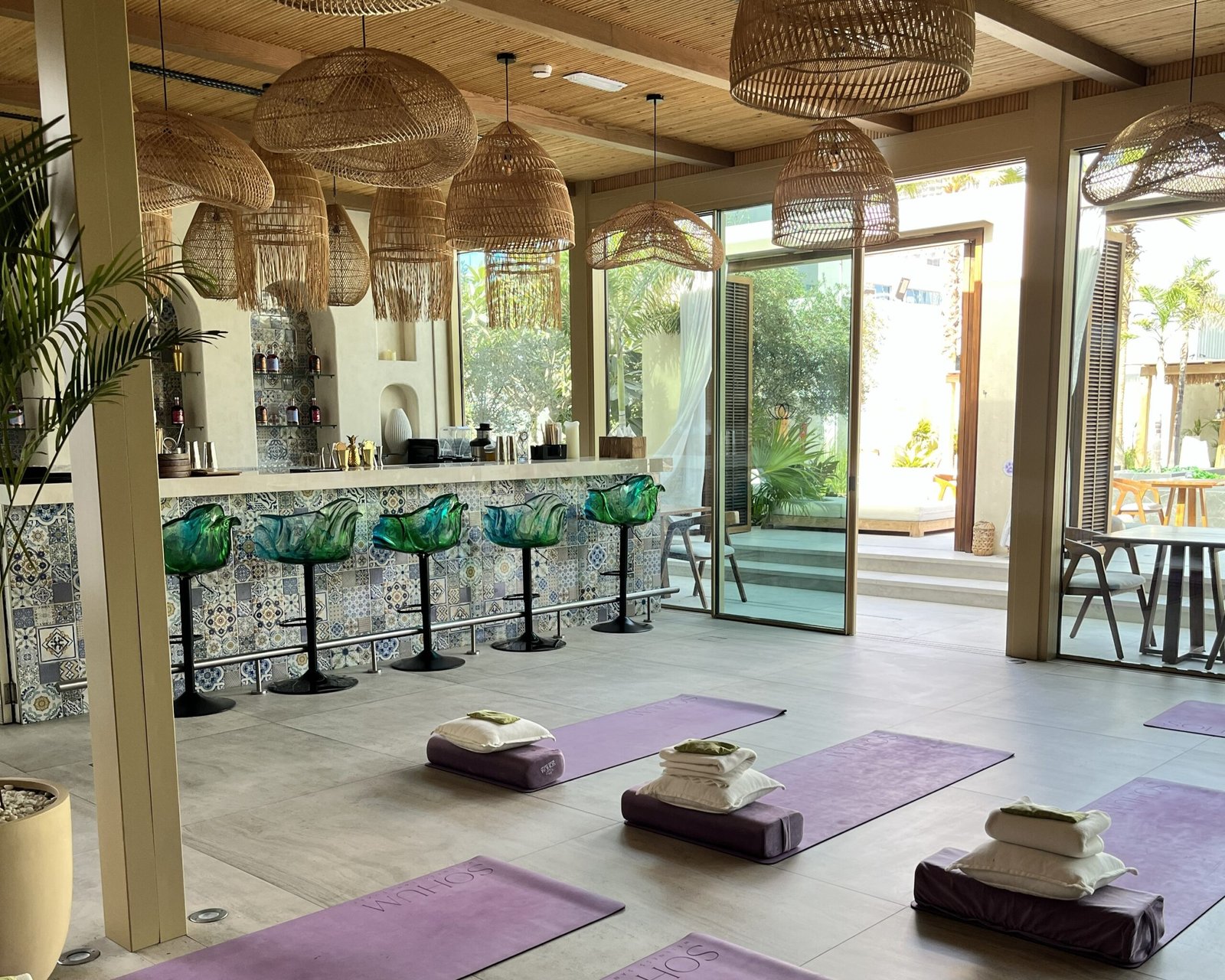
The menu moves through Ayurveda and beyond it: Abhyanga, Shirodhara, Pinda Sweda, Kati Basti, Mukha Abhyanga, plus Thai, Balinese, Swedish and deep tissue massage. Yoga and meditation sit alongside sound healing and breathwork. There are saunas and plunge pools, with treatment rooms designed for quiet focus.
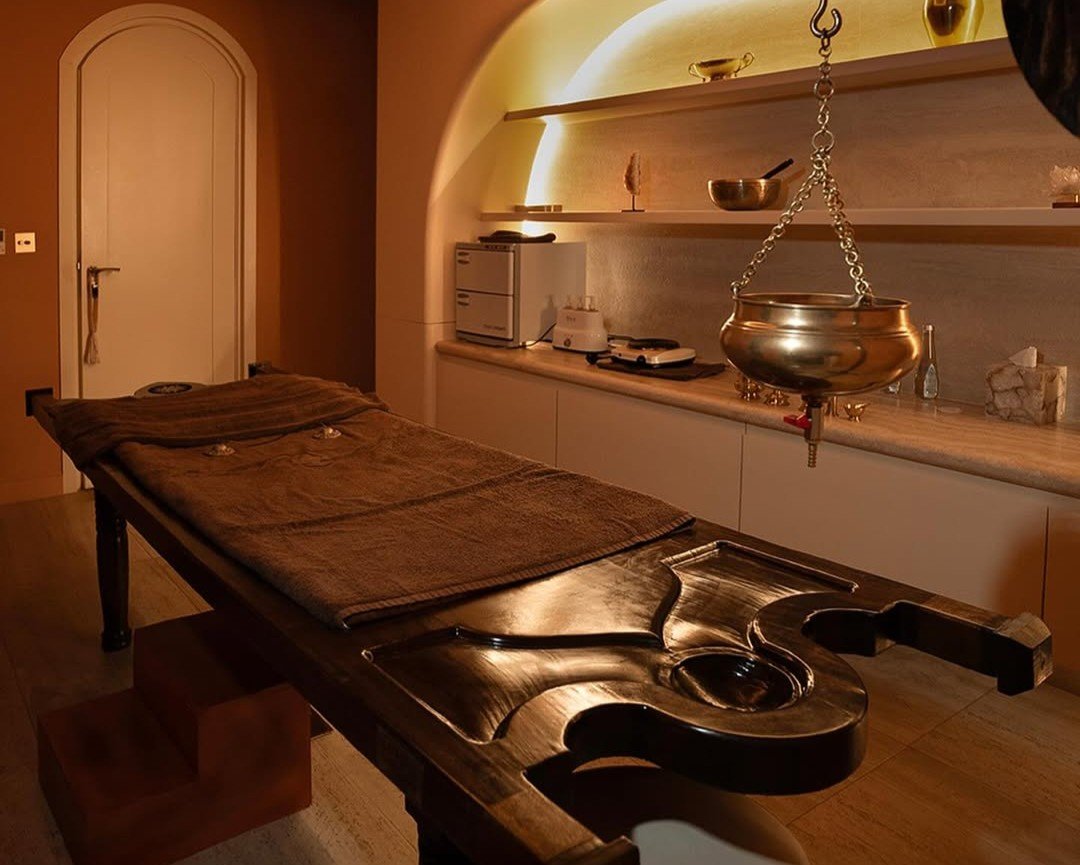
What makes Sohum relevant to Dubai is the way tradition gets translated into the cadence of the city. “Ayurveda is timeless because it is rooted in human nature. The key is translation,” Tanya says.
She speaks about speed and refinement, and she is specific about the balance she is aiming for: “In Dubai, life moves quickly, so the space must feel relevant without losing integrity. We respect traditional frameworks, but we present them in a way that fits contemporary schedules, aesthetics and expectations. The depth remains intact, the delivery evolves.”
This insistence on depth keeps returning in how she measures results. A beautiful atmosphere, she suggests, can impress you for a short time. The real proof arrives later, after the appointment, when people begin to shift habits without being told to. “Transformation reveals itself in subtle ways, when a guest returns for continuity,” she says.
She watches for practical markers: “When they begin adjusting their lifestyle, sleep patterns, eating habits or emotional awareness after a consultation. When they say, ‘Something shifted.’ Real depth is quiet. It is measured in long-term behavioural change.”
Her own background helps explain why Sohum Wellness feels so broad. Tanya was drawn early to healing arts, with formal training across nutrition, yoga, Reiki, crystal healing and sound healing. She holds instructor grounding in Hatha, Vinyasa and Yin yoga.
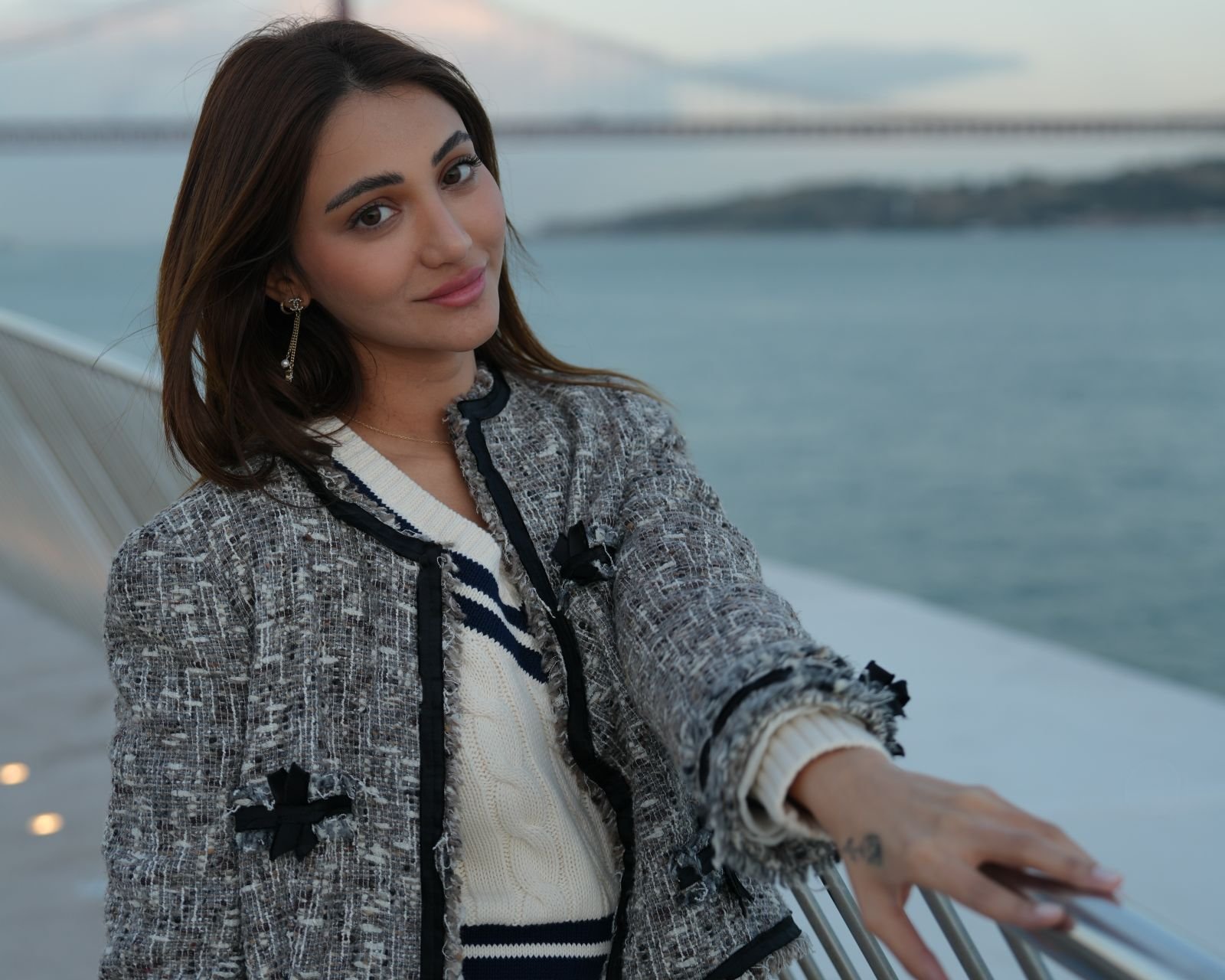
“Today, more guests are seeking emotional clarity and sustainable wellbeing. People are asking deeper questions about stress, purpose and long-term vitality. The appetite for wellness is growing”
She also speaks openly about her preference for Ayurveda, framing it as lived experience. This matters in Dubai, where wellness can slide into trend-chasing. Sohum reads as a place with a point of view. That point of view is increasingly aligned with what high-functioning Dubai clients ask for right now. “There is a clear shift happening,” Tanya says.
She describes an evolution away from simple relaxation and toward emotional clarity and long-term steadiness: “Today, more guests are seeking emotional clarity and sustainable wellbeing. People are asking deeper questions about stress, purpose and long-term vitality. The appetite for wellness is growing, but they want it delivered in a grounded way.”
Her personal definition of wellbeing is practical. “For me, wellbeing is rhythm,” she says, then outlines a daily routine that sounds simple and, in a city like this, quietly radical. “Mornings begin with silence, no phone, breath and warm water. I follow simple Ayurvedic principles: mindful eating, awareness of energy, and rest when needed. In the evenings, I consciously reduce noise and light, conversations, devices. It is all about consistency.”
It is discipline without drama, which also becomes her wider cultural argument. “I would like to normalise rest as discipline,” she says. “In fast cities, self-care gets treated like a luxury add-on. Wellbeing should not feel like an escape from life, but an integrated part of it.”
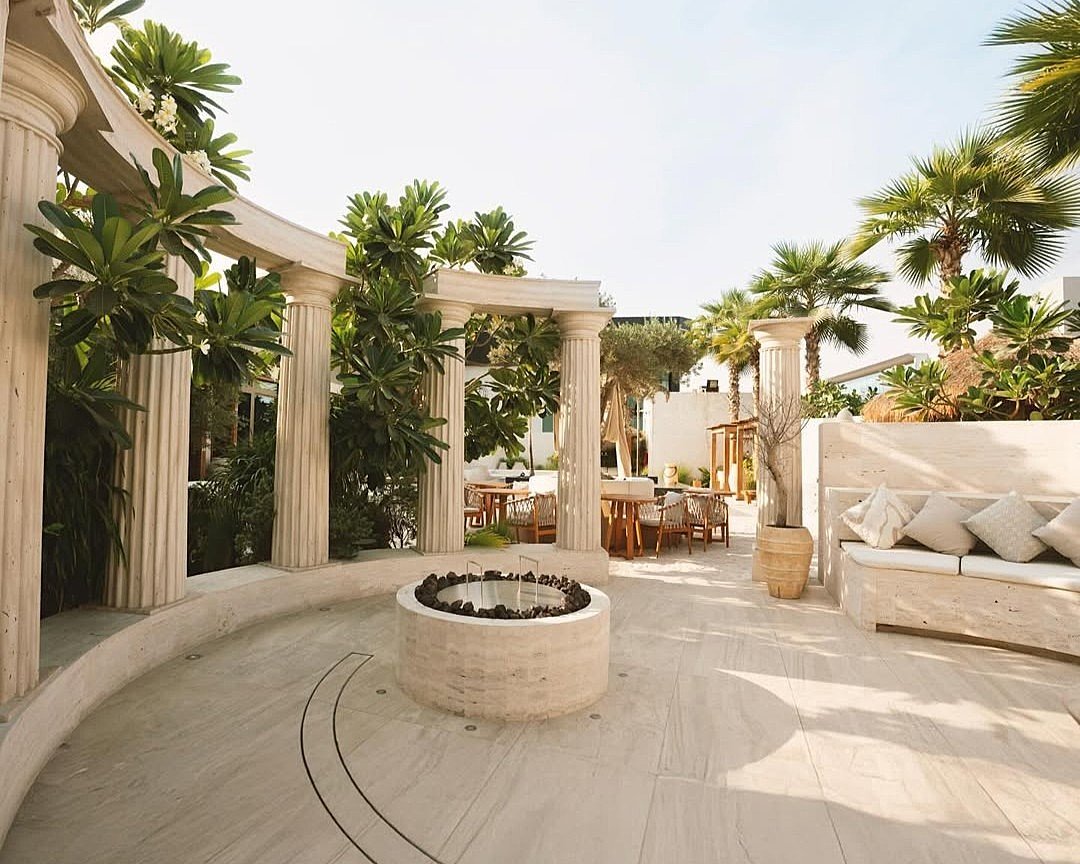
Sohum even gets the small lifestyle details right. There is a beautiful vegan restaurant (dog and cat friendly), that says more about Dubai’s current cultural texture than a hundred marketing lines. It also anchors the sanctuary in daily life: you can come for a consultation, book a treatment or sound session, stay for tea and meals, and then step back into the city without breaking the mood.
In the next phase, Tanya frames Sohum as a bridge – “between tradition and modernity, ambition and balance.”
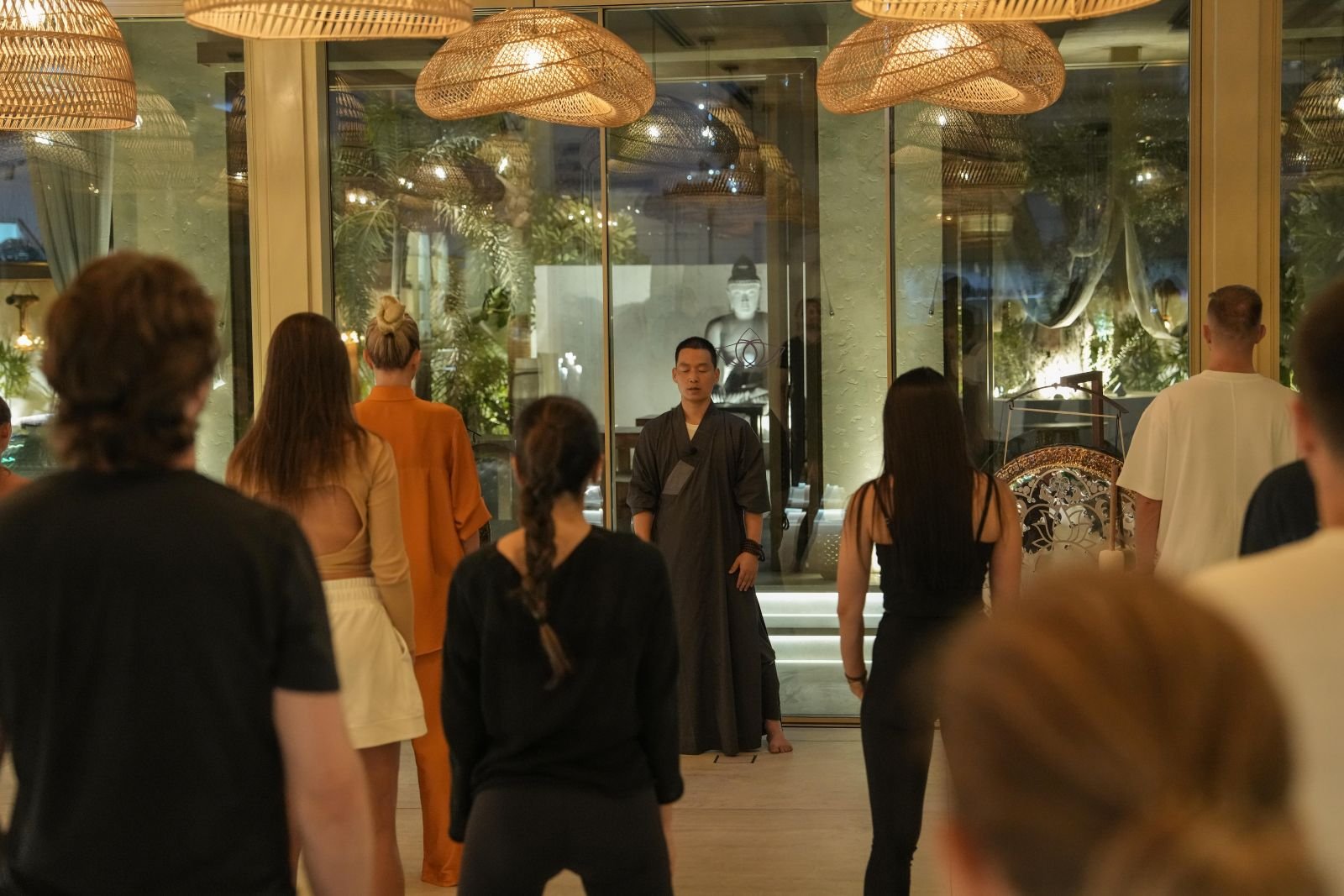
It is an ambitious statement, and it lands because it maps onto what Dubai actually is: a place of intensity that still wants elegance and stability. Her goal is to raise the standard for urban wellness with Ayurveda and awareness as something you can measure in your choices later. “Over the next few years, I hope Sohum continues to raise the standard for what urban wellness can look like: intelligent, rooted in Ayurveda, design-conscious, and genuinely transformative.”
Share



WE RECOMMEND
Mark Sands: “The Most Valuable Outcome Is a Shift in Mindset”
In our interview with Mark Sands, Vice President of Wellness at Six Senses Hotels, we discuss what defines a meaningful wellness experience…
20 Best Longevity and Wellness Destinations Around the World
A longevity trip begins with a simple choice: to go somewhere where the days are shaped around feeling better and returning with…
