



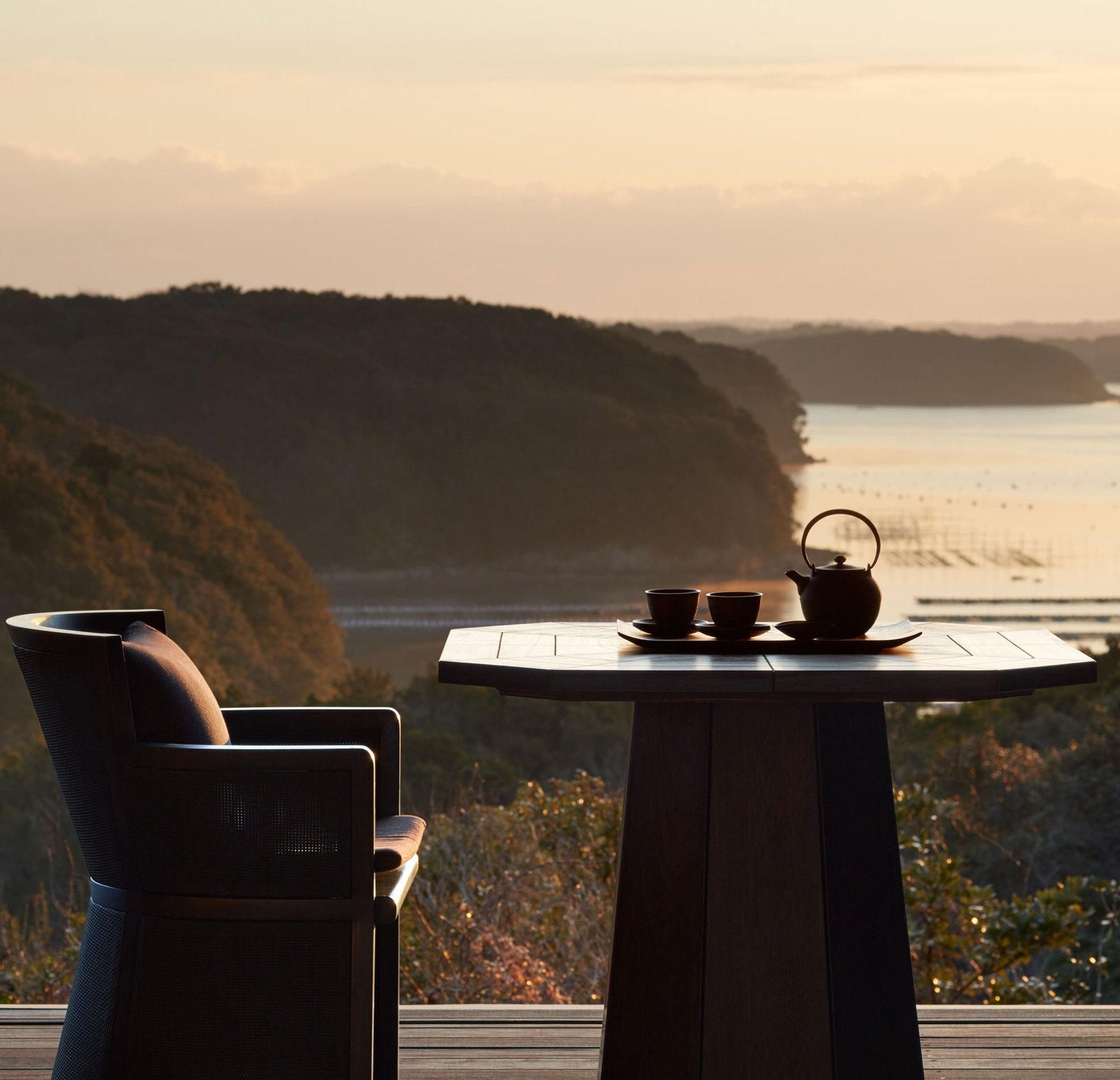
Hotel Amanemu
Why Wellbeing is Becoming the New Logic of Luxury: An Editor’s View
Ten years ago, status was read through objects. Today, it is increasingly measured in quality of life and access to environments that restore you. The logic of luxury is changing.
Exhaustion as the New Context
I’m an editor. I look at trends professionally and with a certain degree of scepticism. Five years ago, the word “wellbeing” still sounded to me like marketing packaging for lifestyle publications. But then I started noticing something different. The people I spoke with – designers, entrepreneurs, artists, financiers – stopped talking about new collections and trips to Ibiza. They started talking about not being able to sleep properly. About feeling drained even on holiday. About wanting “just some quiet.”
This was not a coincidence. It was a pattern I kept hearing again and again in conversations with people from completely different worlds.
Classical luxury was built on the logic of display: I own what most people cannot. Watches you can’t simply walk in and buy. A home in a place tourists don’t reach. A table at a restaurant without a menu. The entire system worked as long as people had something to demonstrate – energy, presence, the desire to be seen.
After the pandemic, that mechanism began to falter. People discovered the most inaccessible resource of all: their own inner state. Calm. Focus. The sense that you are actually living your life, rather than just surviving your own schedule.
This is why Six Senses builds hotels around the concept of longevity rather than pools. Why Porsche offers clients stress management coaching alongside a test drive. Why LVMH is investing in brands connected to health and mindfulness – this isn’t a PR gesture, it’s a strategic reading of the market.
The Beautiful Noise People Got Tired Of
As an editor, I also see the other side of this shift, from the inside of the industry. For a long time, we – media, brands, designers – created beautiful stories. We promised a way of life. We sold perfection. Every shoot was flawless. Every piece of content, inspiring. And it worked, as long as readers wanted inspiration.
But inspiration also has its limits. Especially when the gap between an inspiring image and real life is filled with anxiety. People started tiring of beauty that has nothing to do with them. Of luxury that takes effort just to believe in.
The strongest pieces that come into my inbox today are not about things. They’re about places. About how a specific hotel or retreat did something that no productive holiday before it managed to do – gave someone back their energy, their clarity, their sense of inner groundedness. That feeling, after a few days, that you’ve found your footing again. People write about this carefully, almost shyly, as though confiding something too personal. Those are the letters I read to the end.
According to the McKinsey Global Wellness Report 2024, 73% of premium consumers in Europe and the US say that mental health and physical recovery are priorities when choosing services and brands, ranking them above aesthetics and status.
The Global Wellness Institute estimates the global wellness economy at $6.3 trillion in 2024, making it larger than the pharmaceutical industry. But the more important point is where that money is going. It is moving into personalised health protocols, sleep architecture, and spaces designed to lower cortisol through the physical environment itself.
A New Hierarchy of Desires
Wellbeing as the logic of luxury is about a reordering of values at the level that marketers call an aspirational shift. Here is what sits behind that shift:
Time without switching – hours when no screen, no chat demands a response. This is what costs more than any material gift today.
Physical recovery as a practice – not a one-off treatment every six months, but a conscious relationship with the body: an osteopath for some, rethinking food for others, or simply moving in a way the body actually wants – rather than whatever the schedule allows.
Spaces that heal – architecture, biophilia, acoustics, light. People pay more for environments that physiologically reduce stress.
Slow experiences – not ten countries in twelve days, but two weeks in one place, with enough empty time to actually feel it.
Self-knowledge – biomarkers, genetic testing, continuous health monitoring. Data about one’s own state has become part of the premium conversation.
When I say people are looking for restoration, I mean something very specific. Return to inner balance. The ability to feel their own body again, their own rhythm, their own centre. That has become the scarcest thing in a world where attention is bought and sold every second.
What This Means for Brands – and for Us
The brands that read this shift early are already rewriting their narratives. Aesop operates as a ritual of everyday life. Tumi sells the idea of a more composed, intentional way of travelling. Net-a-Porter has long embedded wellbeing into its editorial logic of luxury. None of this is accidental.
The story of Aman is telling: a hotel network built on radical seclusion at a time when everyone else was competing on star ratings. Today, Aman is pushing further into longevity, immersive wellness programmes, and personalised recovery.
But what matters more is what’s happening to us. All of us, in different ways, are relearning how to value what doesn’t show up in photographs. The absence of background anxiety. The feeling that a day was lived by your own logic, not someone else’s. The quality of sleep.
Wellbeing has become so rare that it now qualifies as a luxury.
I don’t think traditional luxury will disappear. Beautiful things will remain beautiful things. But their capacity to say something meaningful about the person who owns them is shifting. What carries weight today, more and more, is the quality of life a person has managed to build for themselves.
That is both the journalistic and the human task for us at Lightberg Magazine – to treat wellbeing as a serious way of thinking about how we live, recover, and protect quality of life. And to stop spending the most irreplaceable resource on things that don’t bring you back to yourself.
Luxury has become quieter. And that quiet now carries real value.

Share


WE RECOMMEND
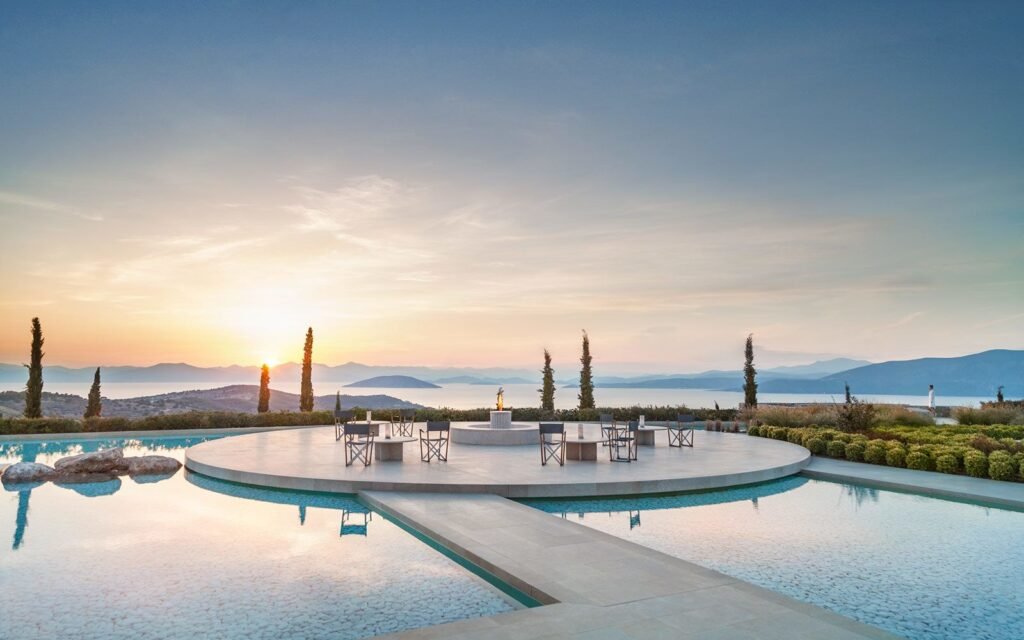
20 Best Longevity and Wellness Destinations Around the World
A longevity trip begins with a simple choice: to go somewhere where the days are shaped around feeling better and returning with…
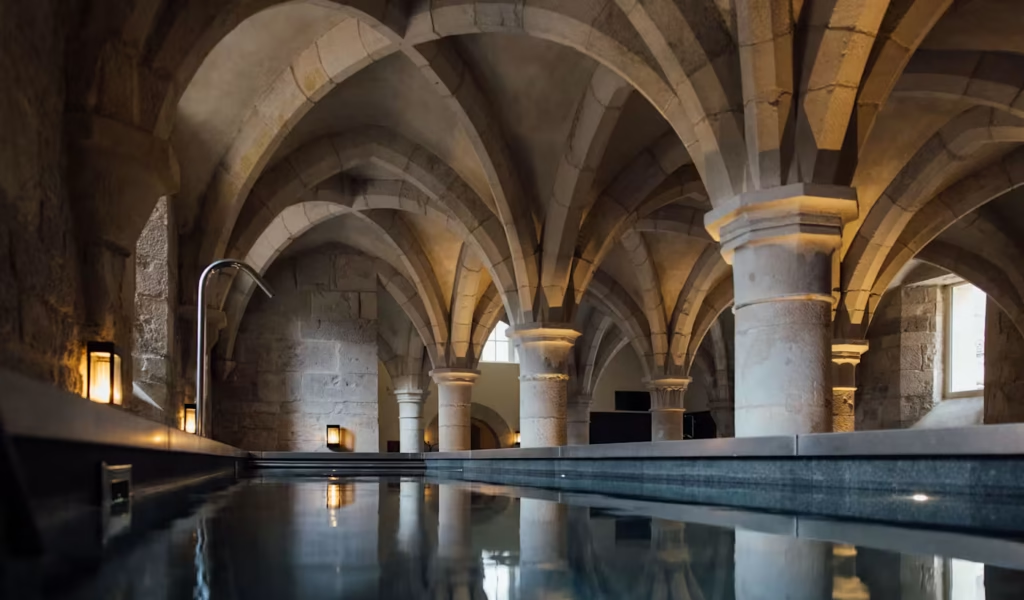
6 European Destinations with a Wellbeing Focus This Summer
From the Cyclades to the French Alps and Burgundy, a new generation of stays is shaping travel around wellbeing and meaningful nature…
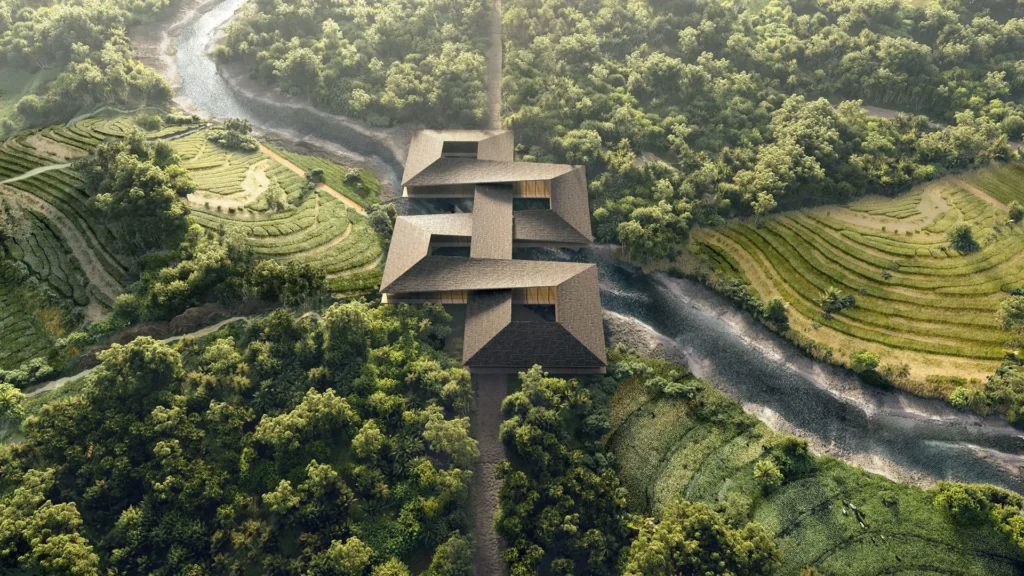
Bhutan’s Gelephu Mindfulness City: Can a New Kind of Capitalism Be Built From Scratch?
Bhutan is building more than a new city in Gelephu. It is testing whether economic growth, cultural identity, and wellbeing can be…
