




Sleep in the Sky: How Private Aviation Is Redesigning Rest
For most travelers, flying is a compromise with the body: dry air, engine noise and a half‑sleep. VistaJet offers a different script: sleep as a conscious restoration ritual.
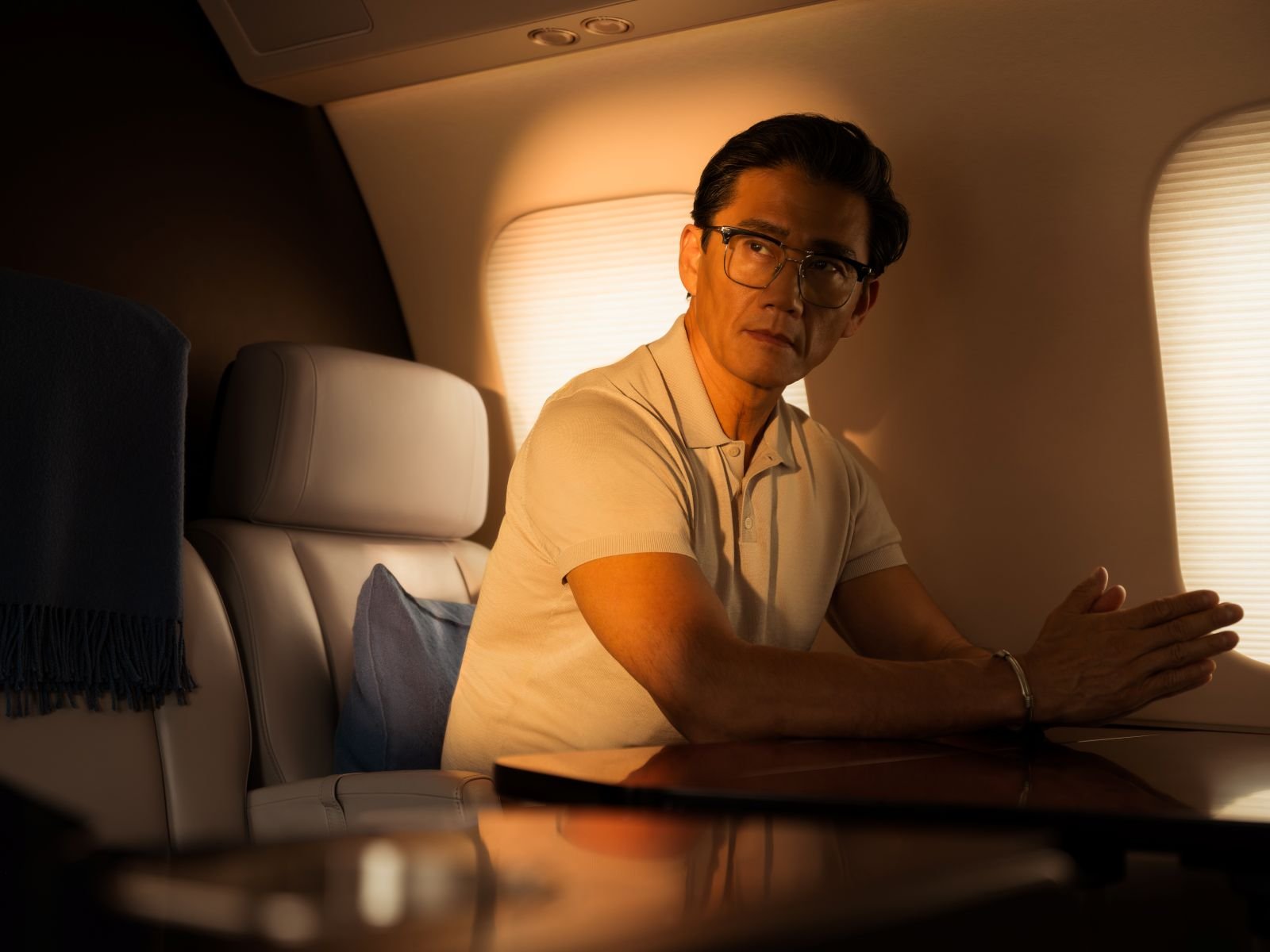
Somewhere over the Persian Gulf, the light outside the window shifts – the sky turns almost inky, and inside the VistaJet cabin of a Bombardier Global 7500 someone is already asleep, even though dawn in Europe is still hours away.
Anyone who moves often between time zones knows how exhausting it can be. The mind tries to stay useful. The body arrives later. You step out of the aircraft with a meeting ahead, a dinner in the evening, perhaps another flight the next day, and somewhere beneath the polished surface of travel there is the quiet cost of being constantly in motion.
For a long time, luxury travel was built around speed, privacy and access. The private terminal, the direct route, the car waiting on arrival, the cabin where the world can be held at a distance. As life accelerates, the real question becomes simpler: how do you arrive rested, clear and ready for the day ahead?
VistaJet’s Sleep program answers that question through one of the simplest and most elusive human needs: real rest.
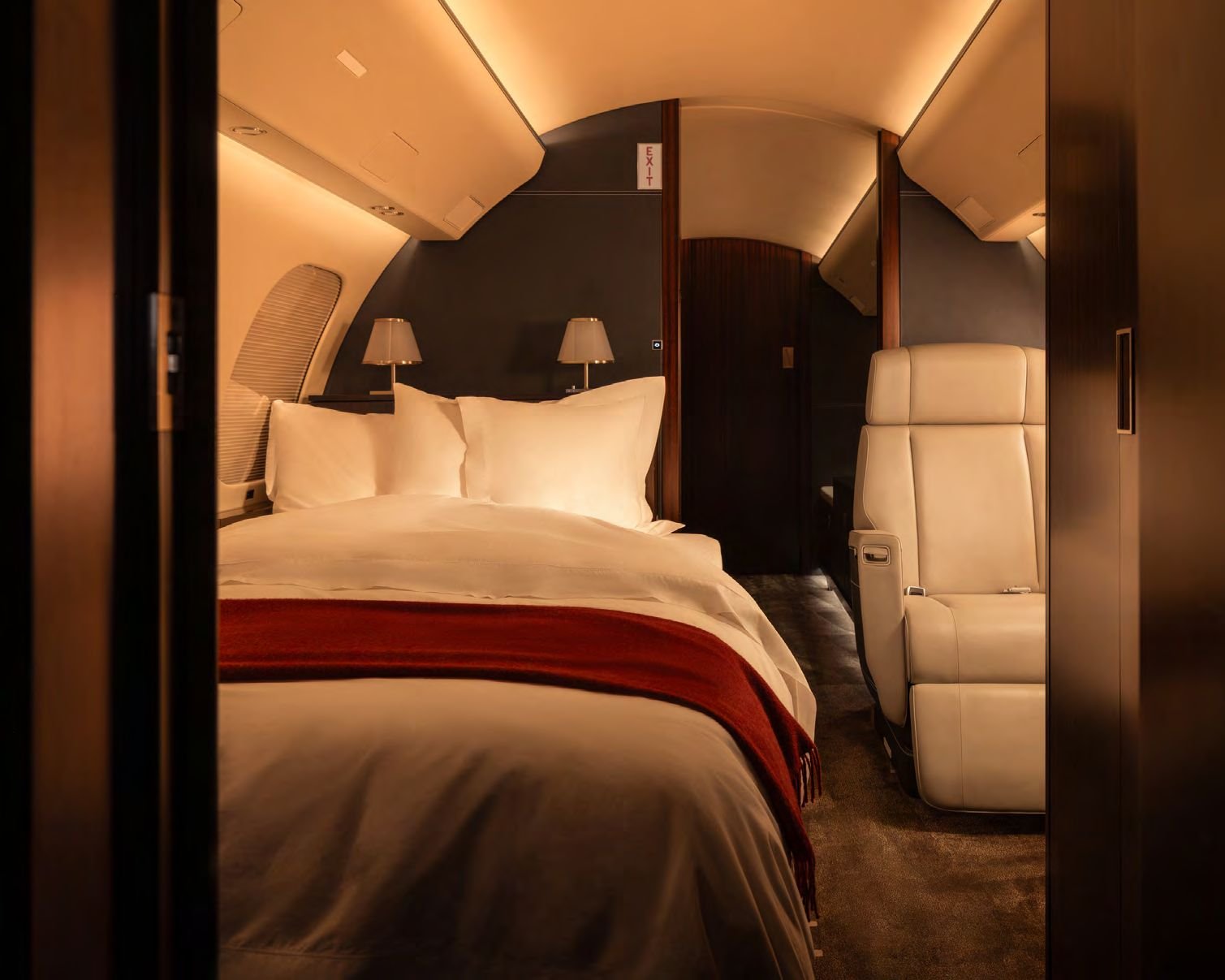
The program treats sleep on board as a guided process, shaped through time, light, temperature, food and the smallest gestures of care. It begins before the passenger closes their eyes. On boarding, the cabin time can be aligned with the destination, inviting the body to begin adjusting before arrival. Meal service is timed around that shift. The cabin temperature move into the cooler 15-19°C range that supports deeper sleep. Devices are placed away from the sleeping space. Caffeine gives way to herbal infusions. A book, a journal, a dimmed cabin and a bed prepared in the sky become part of the same quiet choreography.
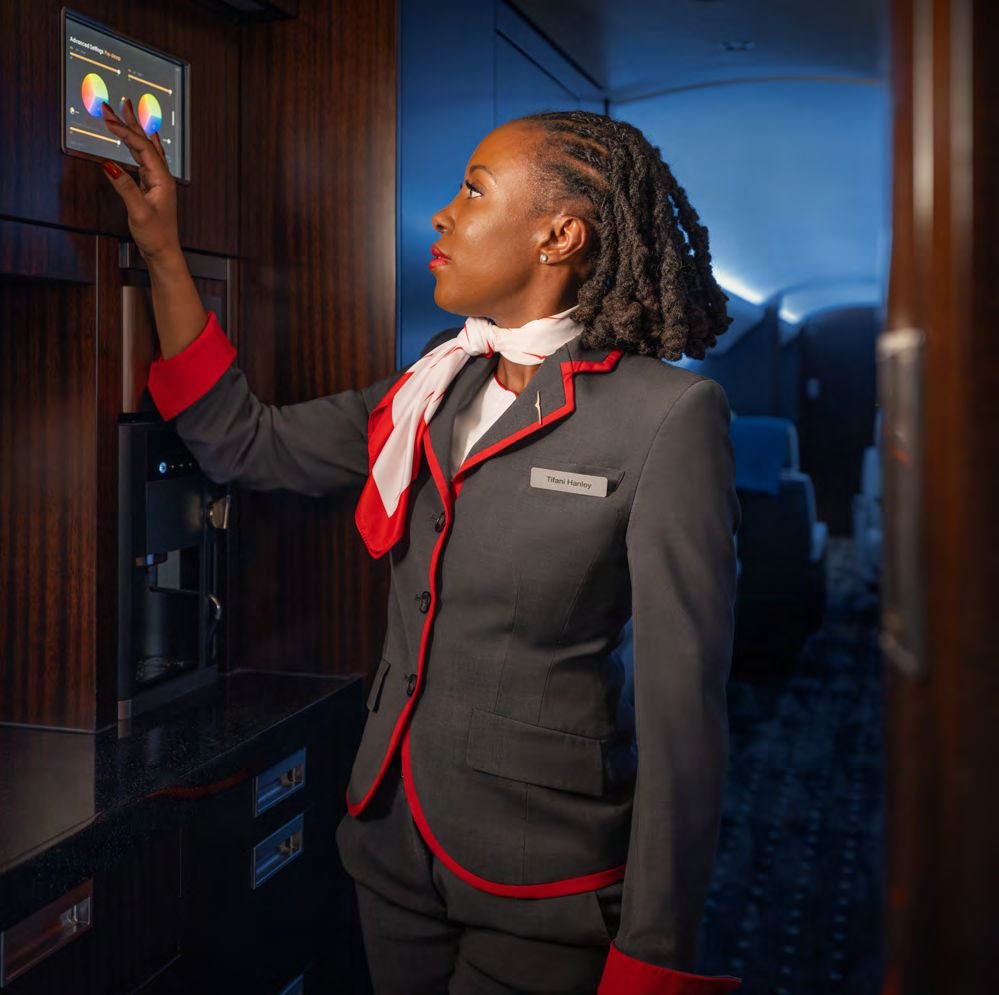
The cabin can be prepared with hypoallergenic bedding and pillows, pyjamas, blackout eye masks and bio-based foam earplugs. From there, the Cabin Host manages the shift into sleep through service timing, darker lighting and a quieter cabin state.
Behind the language of circadian rhythm and performance sits a very human desire: to be taken care of at the exact moment when the body is most vulnerable.
There is an emotional intelligence of this idea. Sleep on a plane usually feels like something stolen in fragments: twenty minutes between engine noise and turbulence, a half-dream interrupted by service, a stiff neck, a dry mouth, a strange sense of waking in the wrong life. VistaJet is trying to make those hours feel intentional.
There is something almost old-fashioned in that. A warm drink. A book before bed. A room made darker and cooler. Someone understanding when to lower the lights and when to leave you alone. Behind the language of circadian rhythm and performance sits a very human desire: to be taken care of at the exact moment when the body is most vulnerable.
On longer flights, the aircraft itself becomes part of the sleep architecture. Vista Jet’s Global 7500 offers a quieter cabin and pressure managed closer to 4,000 feet, easing the physical strain of high-altitude travel. Its dynamic lighting system can simulate the movement of daylight to help the body move toward the time zone of arrival.
There are practical options for different kinds of rest. A 20-45 minute power nap is designed for a quick reset. A 2-3.5 hour sleep window gives the body time to pass through a fuller cycle, including REM, with a better chance of waking clear. But the real point is larger than the duration. The cabin becomes a space where rest is protected.
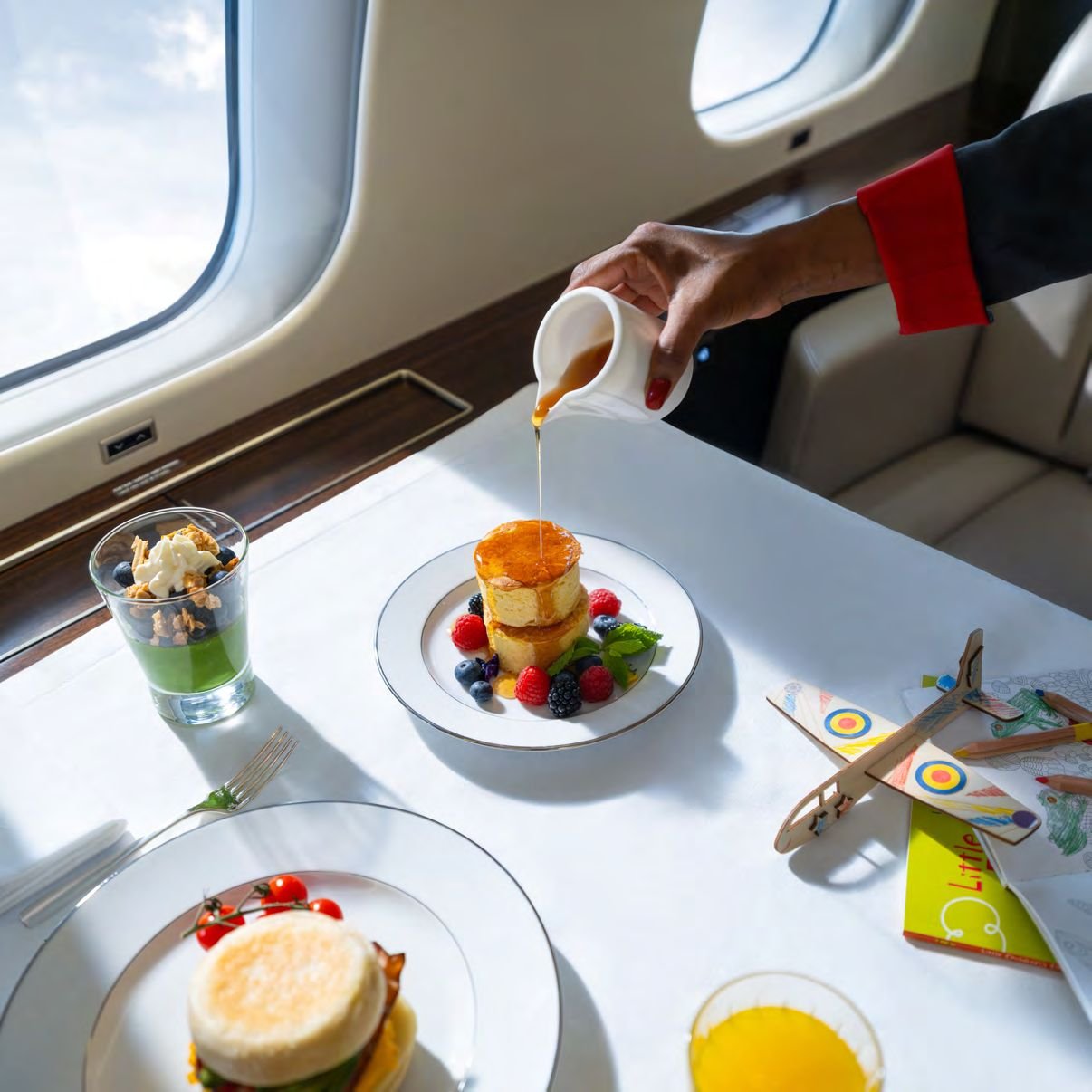
The waking matters as much as the sleep. Instead of a sudden return to brightness and movement, the cabin can warm slightly and the light can rise gradually. Breakfast follows with hydration, juices, electrolyte-rich drinks and lighter dishes shaped by VistaJet’s in-house nutrition expertise. The morning is treated as a transition, which is exactly what waking up over another continent actually is.
VistaJet also extends the idea beyond the aircraft through sleep-focused partners on the ground. Lanserhof in Austria and Germany offers NeuroSleepRest with biofeedback sessions and sleep analysis. Six Senses Zighy Bay in Oman works with sleep assessments, massage, aromatherapy and sound healing. Zulal Wellness Resort in Qatar brings in nighttime rituals rooted in Traditional Arabic and Islamic Medicine, while Chiva-Som Hua Hin combines sleep hormone testing, apnea screening and supportive treatments.
Together, these names point to a wider shift in luxury wellbeing. Sleep is moving out of the bedroom and into the architecture of travel itself. It is becoming part of how a journey is designed, from the moment you board to the morning after arrival.
Perhaps this is why the idea feels timely. The rarest luxury today is the ability to remain stable while moving fast. To cross continents and still feel present. To land with enough clarity for the conversation ahead. To wake up somewhere above the Gulf, or the Atlantic, or the edge of Europe, and feel that the night has given something back.
In the end, the most refined part of the experience may be its simplest promise: to make the hours in the sky belong to the body again.
Share




WE RECOMMEND
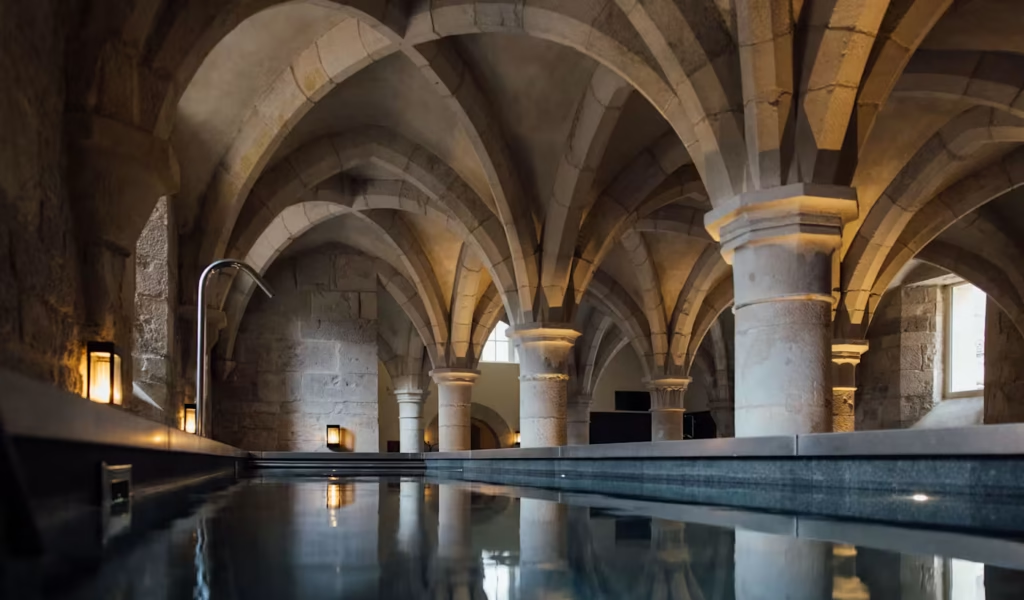
6 European Destinations with a Wellbeing Focus This Summer
From the Cyclades to the French Alps and Burgundy, a new generation of stays is shaping travel around wellbeing and meaningful nature…
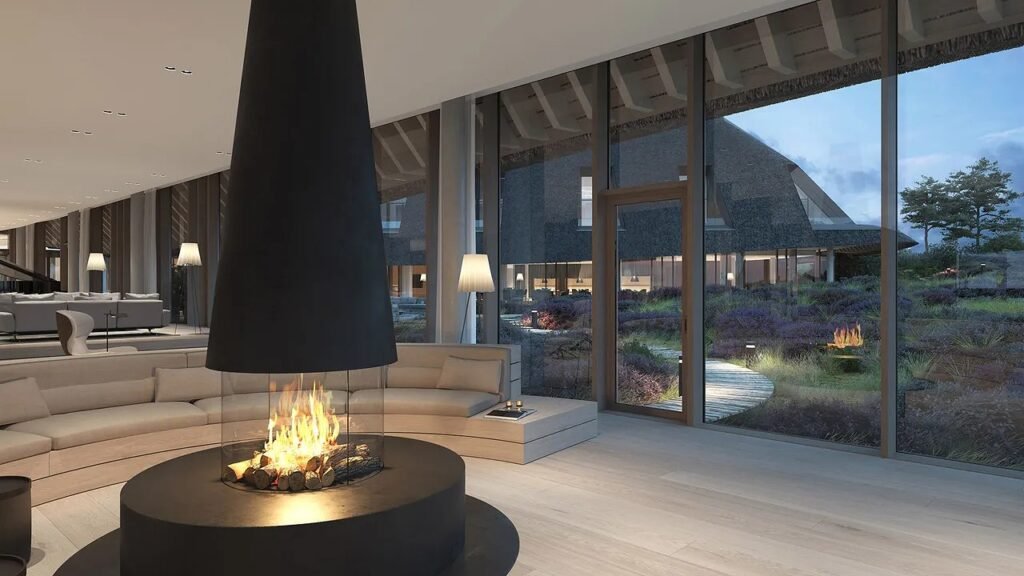
The New Era of Premium Travel: Hotels Built for Recovery and Sleep
Today, more travelers arrive at a hotel with a specific goal: recover quickly. A new kind of hospitality is quietly taking shape…
Private Banking: Wealthy Are Spending Less On Status And More On Longevity
As performance and clarity start to influence deals and decisions, private banking is beginning to place health inside wealth strategy, alongside assets…
