




Quiet shift: trading city life for space
Power is changing its address. Leaders are trading density for clarity, building lives where calm luxury, health, and clean attention shape every choice.
Quiet shift: trading city life for space
Power is changing its address. Leaders are trading density for clarity, building lives where calm luxury, health, and clean attention shape every choice.
For decades, cities served as a public language of success. The skyline, the pace, the address, and the calendar all signaled access. Deals moved faster when you stayed close. Influence felt tangible when it lived within a short drive of boardrooms, galleries, private clubs, and airports. For many leaders, being in the city became more than logistics. It became identity.
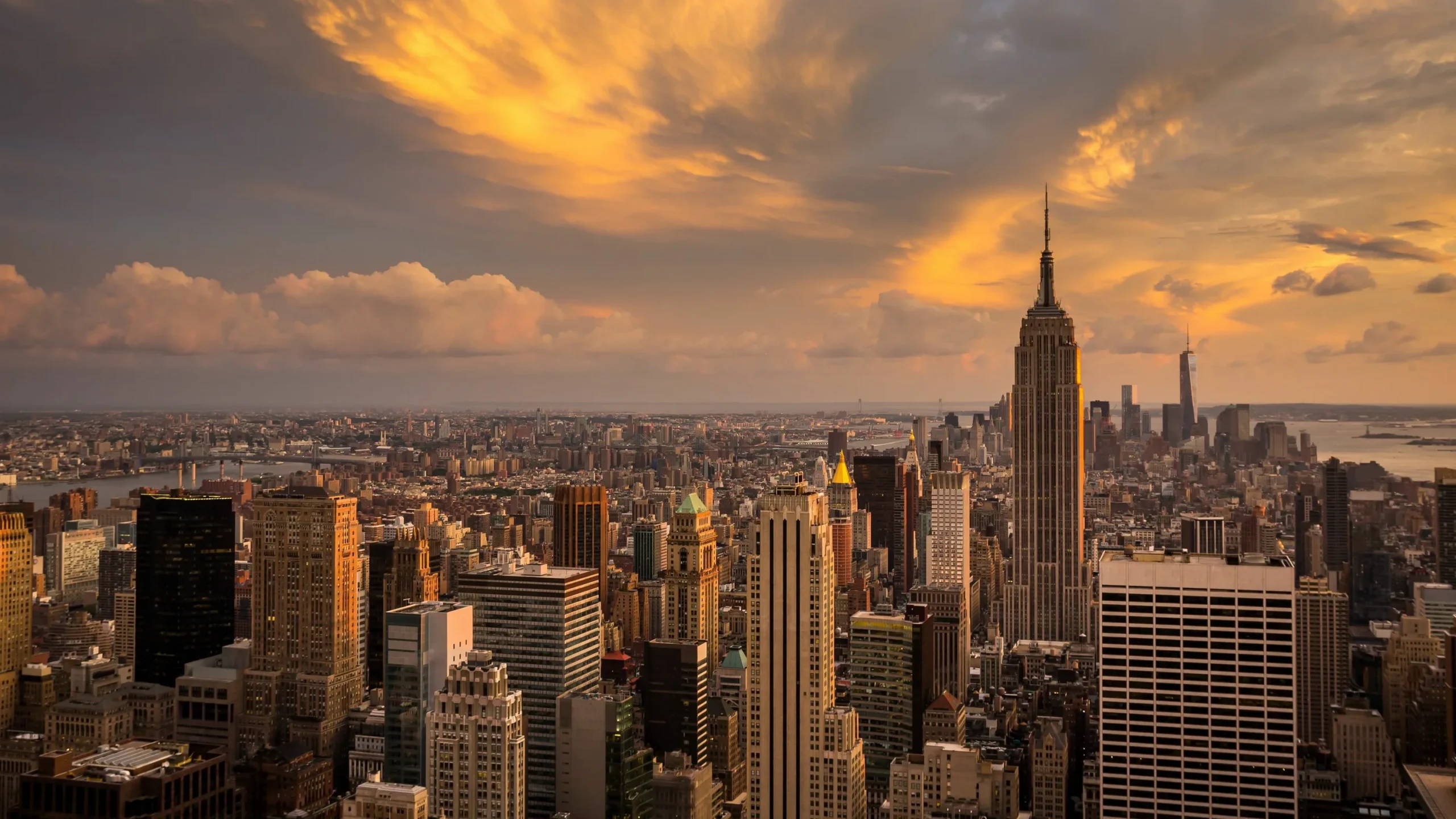
It has grown through accumulation. A gradual fatigue that status could not offset. A sharper awareness of the hidden costs of constant stimulation. A sense that time in dense urban environments can compress attention and thin out recovery, even when life looks perfect on paper. Today, many decision-makers are choosing distance with purpose. They build lives with fewer nights in capitals and more time near water, desert, forest, or mountains. They choose spaces that support sleep, steadier energy, and longer thinking cycles.
Leadership has always demanded stamina, yet the contemporary version demands it in a new way. The tempo of communication keeps rising. Visibility keeps widening. Expectations keep extending into evenings, weekends, and travel days. When the margin for error shrinks and the consequences of burnout rise, environment turns into infrastructure. The place around you becomes part of how you govern your attention.
Cities reward acceleration. They offer endless options, constant input, and a permanent sense of movement. They also carry a sensory load that the body absorbs quietly. Sleep fragments. Focus breaks more easily. The nervous system stays keyed up. Decision-making begins to lean toward reaction rather than precision.
Many leaders already know that judgment, creativity, and emotional regulation rely on physiology. The quality of thinking depends on sleep, breathing patterns, light exposure, and the rhythm of the day. You can push through for a while. Eventually the body pushes back, often through irritability, fatigue, and a narrowing of mental range. Remote work accelerated the viability of location choice, yet the deeper change came from permission. Permission to ask a previously impolite question. Does this environment still serve the quality of my thinking.
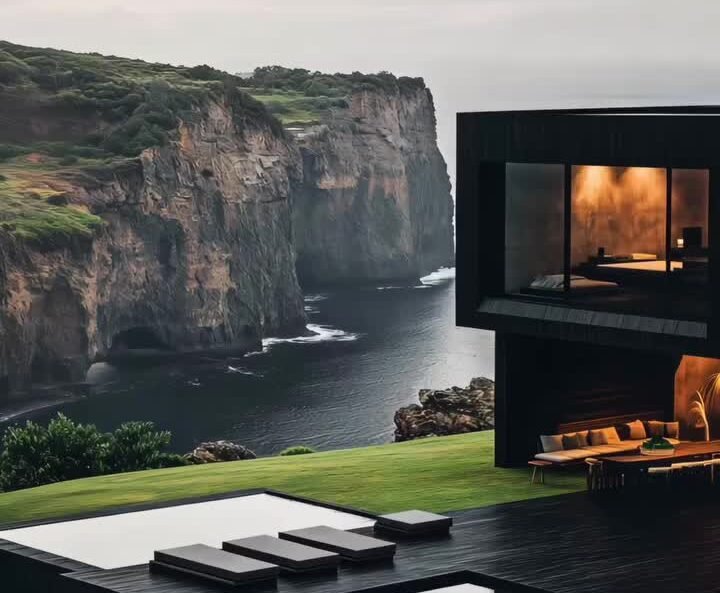
For a growing number of people, the answer leads elsewhere. The new map of power favors mobility and selectivity. Some choose secondary cities with softer rhythms. Others live between two places across seasons. Many create hybrid lives with a stable base and a global circuit. The common thread is criteria. Access to nature. Lower noise. Reliable routines. Spaces that allow the mind to settle without effort.
This pattern appears most clearly among people whose calendars remain full. Influence now travels faster than bodies, and many leaders notice that presence has shifted from geography to output, trust, and relationships. The old assumption that proximity equals relevance has started to loosen.
There is also a psychological layer. Cities reward performance because they multiply witnesses. Outside them, the performance layer thins. The day becomes less interrupted. The mirror changes. Some people feel exposed by that simplicity. Others experience a relief they did not anticipate.
Luxury changes meaning in this context. It becomes less about density of options and more about quality of state. Silence becomes valuable. Air and light become assets. Time regains texture. Health becomes integrated rather than scheduled as a separate project. From the outside, this transition can look understated. There are fewer declarations and fewer visible markers. The evidence shows up in choices. Fewer flights. More deliberate calendars. Longer stays in places that support recovery. A growing confidence that distance can strengthen precision.
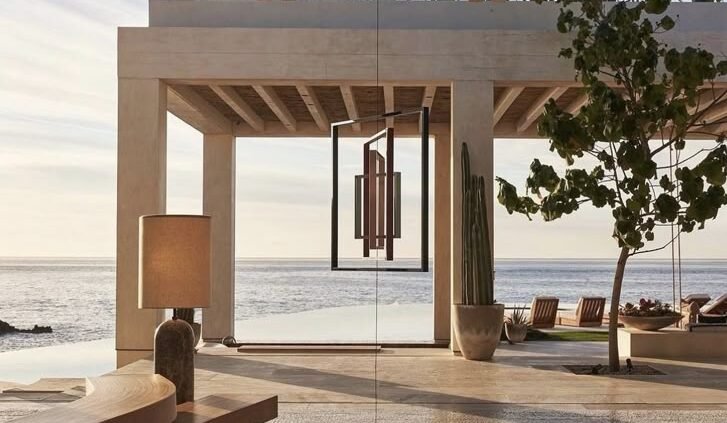
The internal result often carries the real reward. Decisions arrive with less urgency and more clarity. Creativity returns without force. Relationships regain patience. The body stops negotiating for recovery and starts receiving it through the structure of the day.
Cities will still remain magnets for talent, capital, and culture. They will keep producing energy and opportunity. But a new layer of leadership life is growing alongside them, built around clarity and sustainability.
Share


WE RECOMMEND
20 Best Longevity and Wellness Destinations Around the World
A longevity trip begins with a simple choice: to go somewhere where the days are shaped around feeling better and returning with…

AIZA launches in Dubai with a premium take on modern Arab beauty
For Dubai’s beauty scene, AIZA is a signal of timing. The region’s consumer has become both more discerning and more open to…
Unique Wellness Retreats across the Gulf Region
These five wellness retreats in the GCC were selected for their focus on structured recovery. Save for future planning.
