



Are brain bars the next big thing?
Brain bars are turning cognitive wellness into a daily ritual, and Dubai’s Akari is one of the clearest local signals that the trend is ready for scale.
“Brain bars” sit at the intersection of cafe culture, functional nutrition, and performance-minded wellness. The format is simple: a menu built around ingredients marketed for focus, calm, and mental clarity, served in a space that feels closer to a studio than a coffee shop. The category has been growing quietly for years through nootropics, functional coffee, and adaptogen-led drinks. In 2025, several trend forecasts started calling out “brain health” as a mainstream priority for wellness and hospitality, with nootropic-infused drinks and brain-focused supplements moving into the center of the conversation.
Dubai is an unusually good test market for this idea. The city has the density of high performers, the spending power to support premium functional concepts, and a consumer base that treats wellness as part of daily life. Akari’s Brain Bar is one of the clearest local signals that “brain-first” hospitality is shifting from niche to habit.
What a brain bar actually is
A brain bar tends to cluster around “clarity”, “focus”, “balance”, “reset”, and “calm energy”. The delivery format tends to be collagen add-ins, botanicals, adaptogens, and “superfoods”, with an emphasis on taste and ritual.
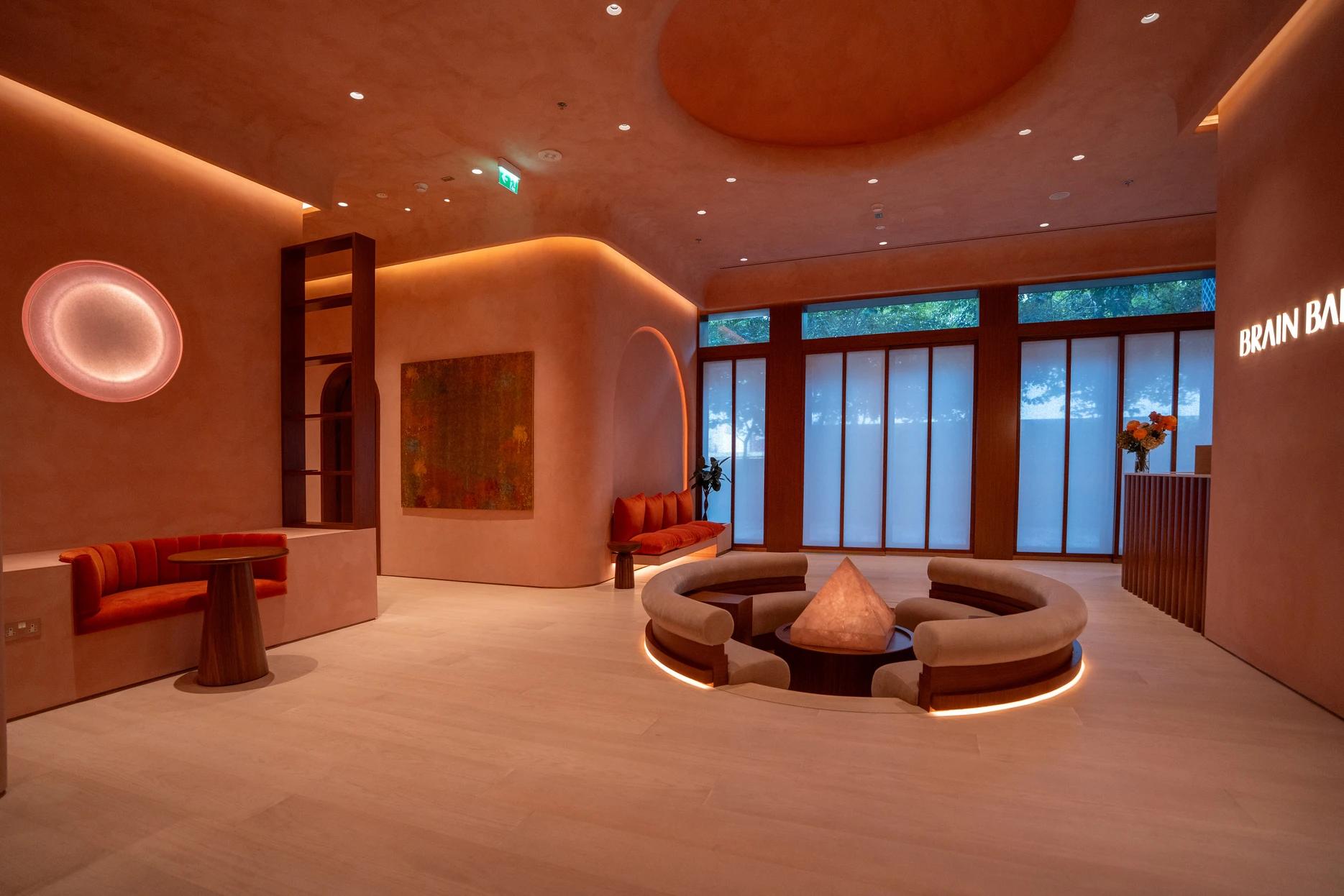
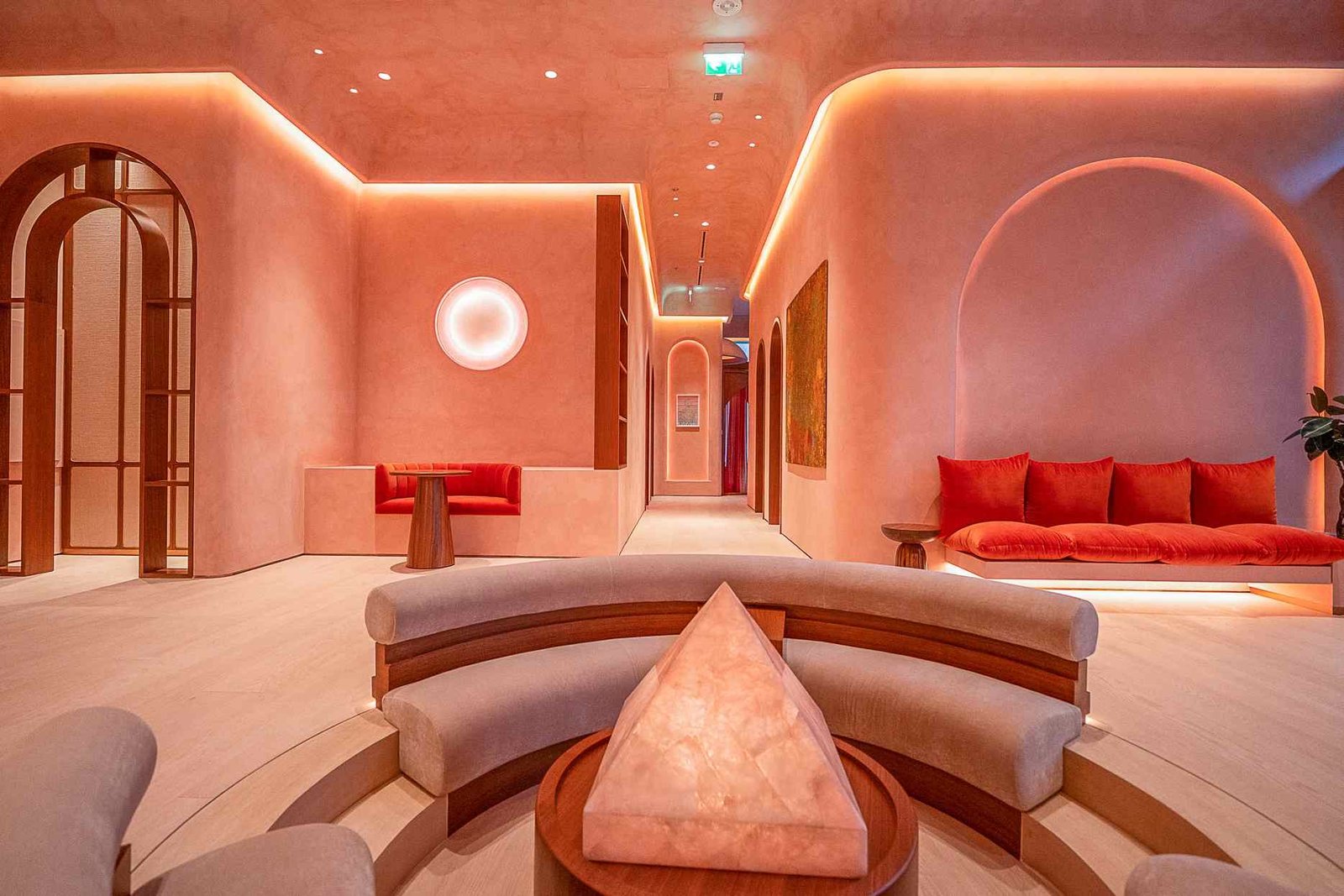
Akari describes its Brain Bar as “the UAE’s first Brain Bar”, and frames it as a restorative pause designed to support mental clarity and inner balance, with drinks built from “adaptogens and botanicals” plus “collagen and superfoods.” This is important: the brand message is not “coffee with extras”. It is hydration and snacking presented as a daily cognitive-care ritual.
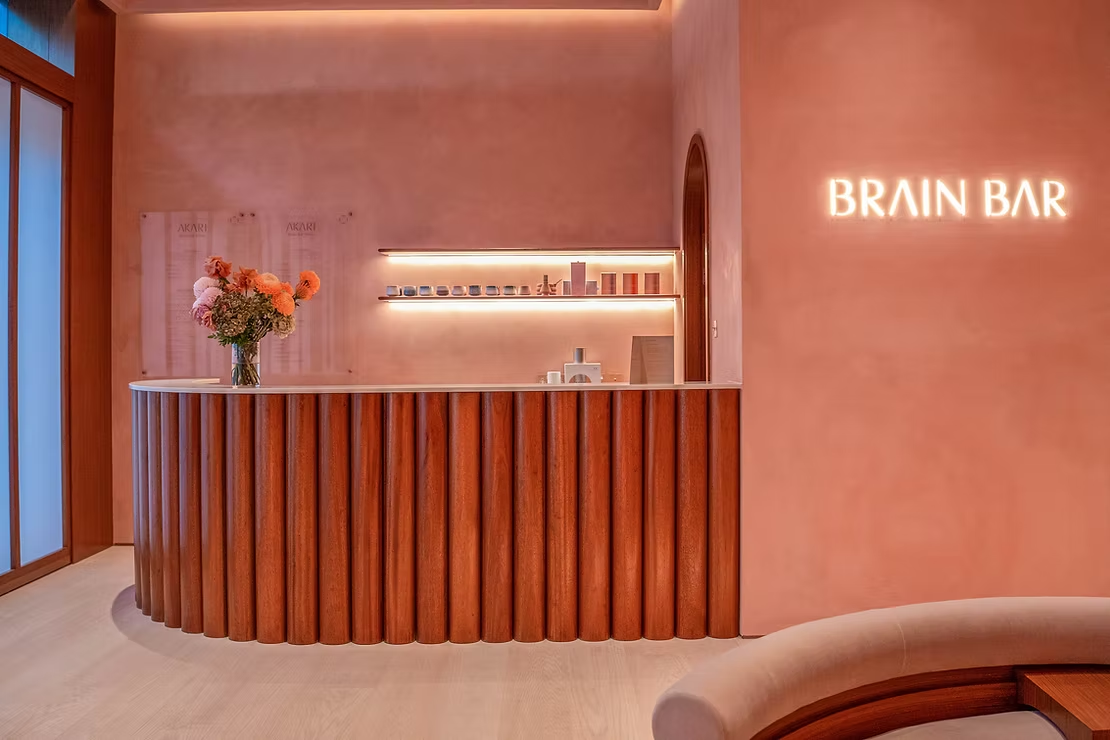
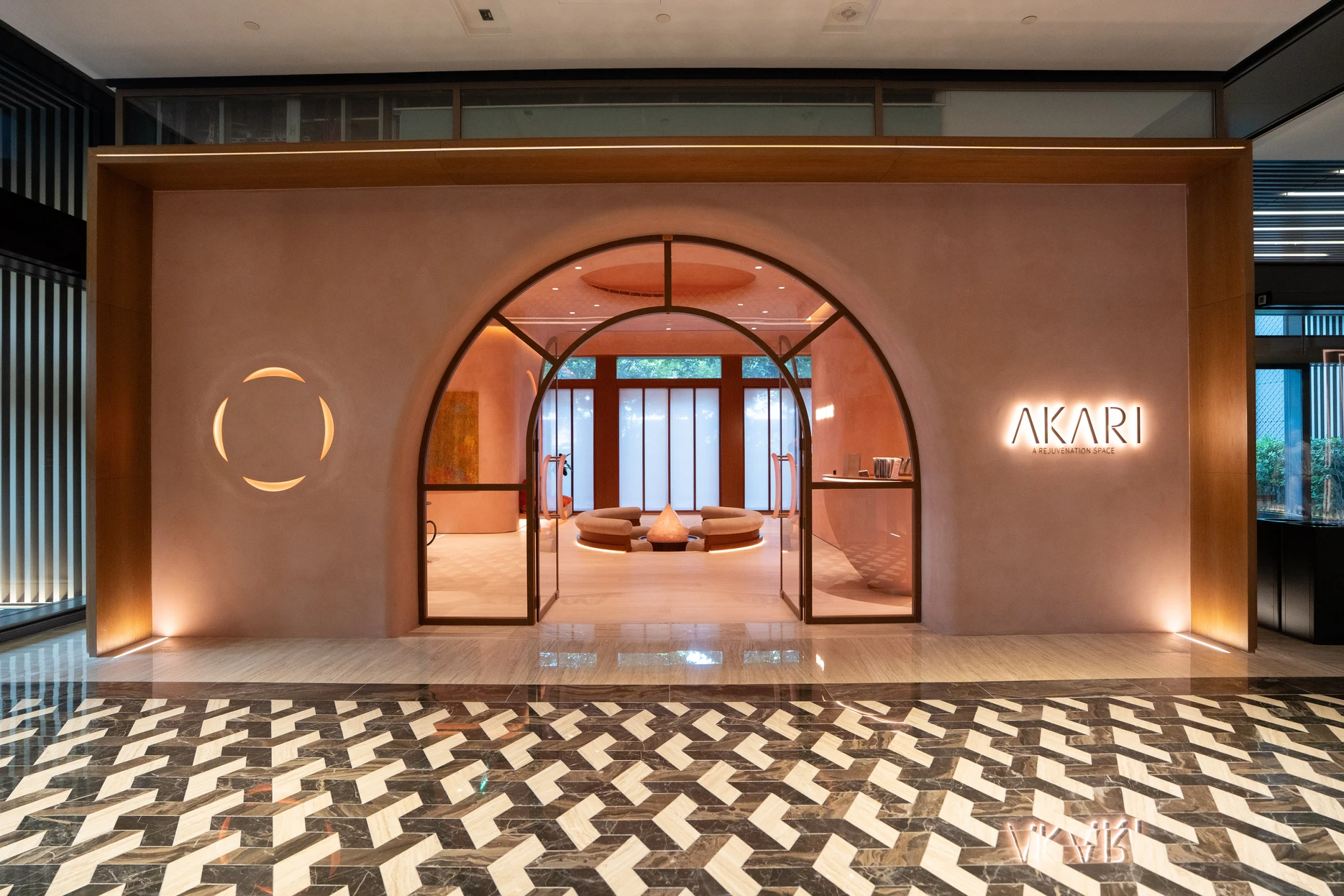
Akari specifically places the Brain Bar inside a science-led wellness center offering red light therapy and IHHT (intermittent hypoxia-hyperoxia training). Akari’s Brain Bar is a useful case study because it is part of a wider wellness destination in One Central, with a positioning anchored in science-led therapies and a calm, curated environment. That structure makes “brain bar” feel less like a retail gimmick and more like a hospitality layer inside a longevity routine.
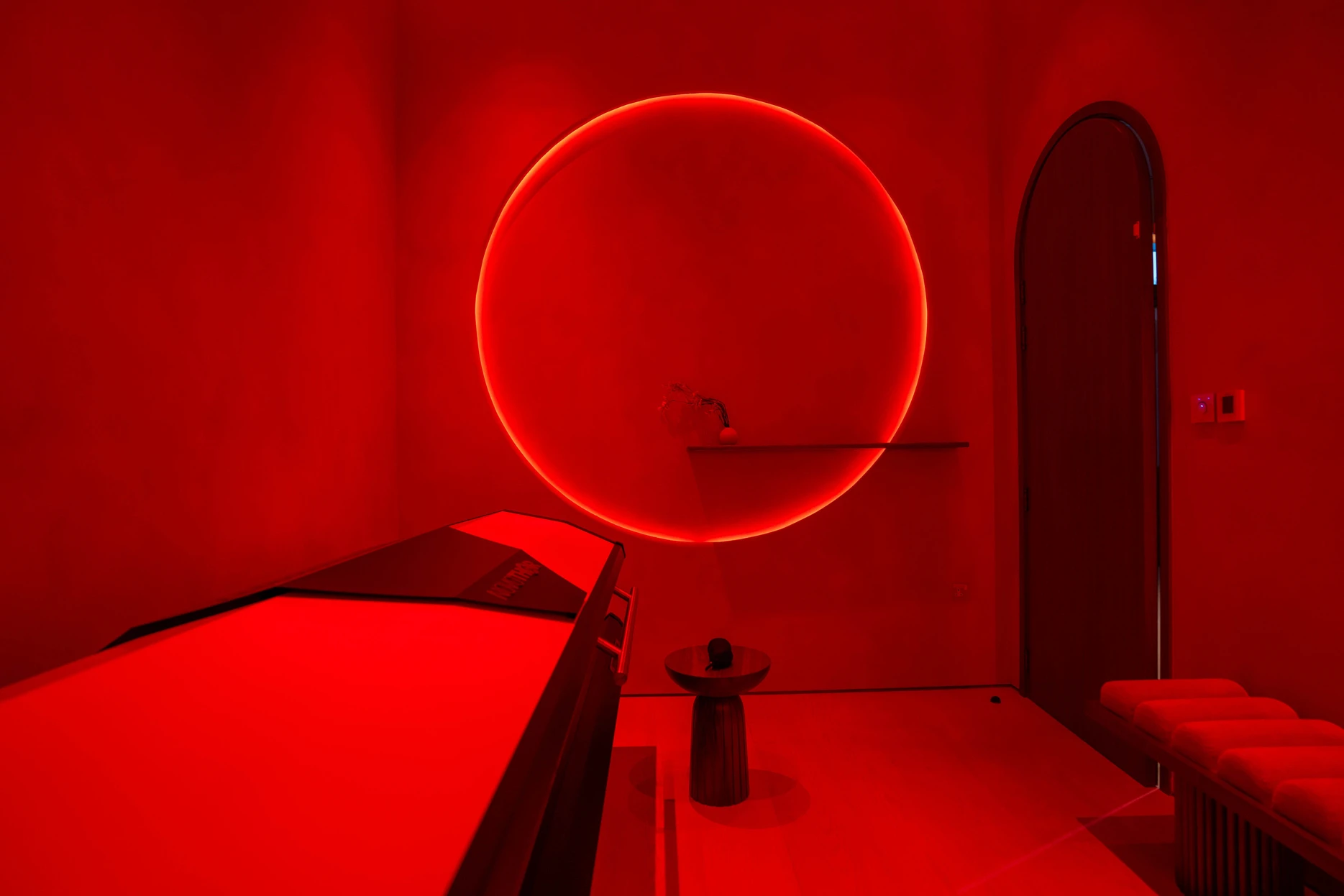
It also reflects Dubai’s current direction: wellness spaces that blend treatment, design, and functional nutrition under one roof. As more concepts follow that template, the brain bar format becomes easier for customers to understand and easier for operators to monetize.
Two forces are pushing brain bars forward.
First, “brain health” has become a headline wellness category rather than a specialist topic. Accor’s 2025 wellness trends, for example, lists brain supplements and nootropic-infused drinks among the notable directions in the market.
Second, functional food and beverage has matured from novelty ingredients to ingredient systems. Trade coverage highlights nootropics and specific compounds such as L-theanine gaining attention in food and beverage applications, with claims commonly anchored around a calm-focused state rather than stimulant intensity.
In other words: the consumer has learned the vocabulary, the market has learned the packaging, and hospitality has learned the experience design. A brain bar becomes credible when it respects the boundary between “supports” and “treats,” and when it treats ingredients as tools with limits.
Some ingredients used in brain-focused products have meaningful research behind them in specific contexts, while outcomes depend on dose, baseline status, and the person. Omega-3s offer a good example of nuance: research reviews and meta-analyses suggest associations between omega-3 intake and reduced risk of cognitive decline in some populations, while supplementation effects vary across groups and disease stages.
Botanicals and adaptogens require even more caution. Ashwagandha is widely used and often described as generally safe, yet credible safety resources document case reports of clinically apparent liver injury linked to products labeled as containing ashwagandha. That does not make the ingredient “bad.” It makes transparency, sourcing, and consumer screening part of responsible brand behavior. This is the line brain bars need to hold: ingredient optimism paired with ingredient discipline.
So, are brain bars the next big thing?
Brain bars have a credible runway, especially in Dubai, because they fit how people already live here: fast schedules, high cognitive load, and a willingness to pay for experiences that feel both premium and practical. The concept sits between a cafe and a wellness studio, which makes it easier to turn into a habit than a clinic appointment. If operators keep menus simple and transparent, the category can become the “daily layer” of longevity: hydration, low-sugar functional drinks, and a calm environment that supports focus and nervous-system downshifts.
Brain bars become durable when they operate as responsible functional hospitality: transparent ingredient lists with dosages, restrained claims, staff trained to explain what each drink supports, and a menu structured around realistic outcomes.
Share



WE RECOMMEND
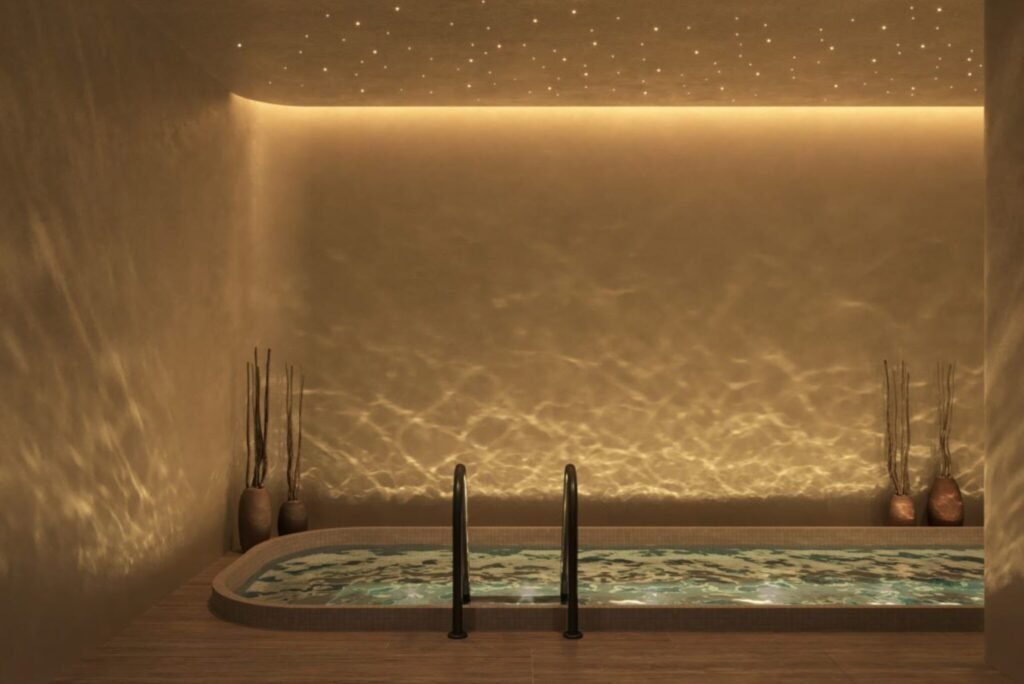
Sacra is bringing a first-of-its-kind bathhouse concept to Dubai
Built around hot-and-cold bathing and long-stay rituals, it frames premium bathhouse culture through a longevity-first lens.
Quiet shift: trading city life for space
Power is changing its address. Leaders are trading density for clarity, building lives where calm luxury, health, and clean attention shape every…
Oman. Five Hotels for Calm Luxury
Oman has become a reference point for calm luxury in the region. From mountain plateaus and remote peninsulas to quiet coastal enclaves,…
