



Inside Diriyah Contemporary Art Biennale 2026
Go for the installations, stay for JAX – an industrial maze turned into a slow, immersive walk through light, sound and scale.
Saudi Arabia’s most compelling art event of the season lands where you least expect it: a former industrial quarter at the desert’s edge. The Diriyah Contemporary Art Biennale 2026 spreads through JAX District in historic Diriyah, where vast warehouses become a field of light, sound, film and large-scale installations. From January 30 till May 2, the third edition gathers artists from across regions and generations and places Riyadh firmly on the itinerary for collectors, curators and culturally curious travellers moving through the Gulf.
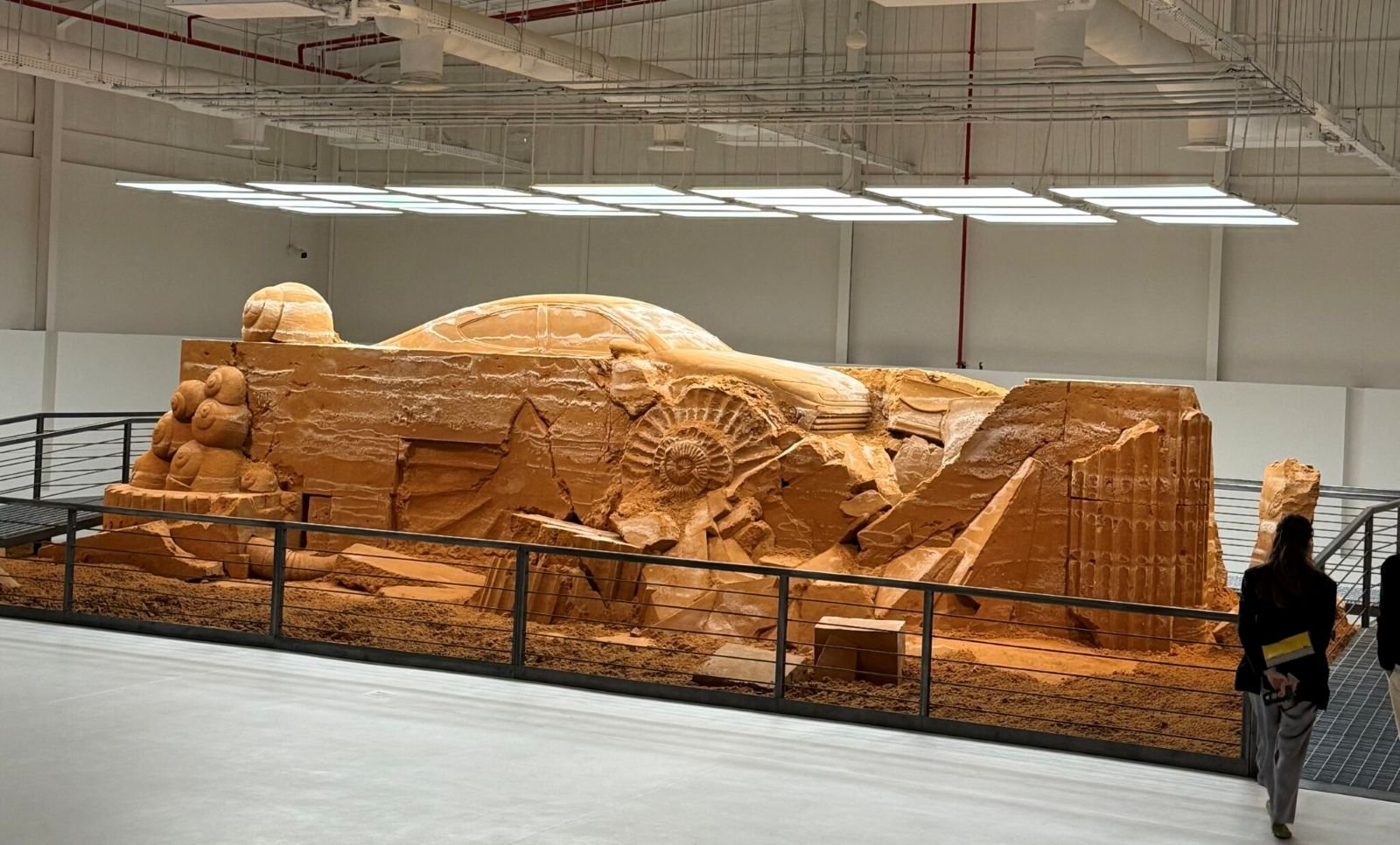
Nomadic traditions of the Arabian Peninsula, with their cycles of departure and return, become a living metaphor for contemporary life in motion.
The curatorial spine is a phrase that reads like a mirror of the current decade: “In Interludes and Transitions”. In Diriyah, it opens into something grounded and physical. Nomadic traditions of the Arabian Peninsula, with their cycles of departure and return, become a living metaphor for contemporary life in motion between cities, timelines, identities, and the porous line where digital experience meets the body. The desert enters the exhibition language as a place of potential and pause, a space that holds silence without emptiness, and offers reorientation. You move through the biennale the way you move through a day that changes you slightly: not through a single climax, but through intervals, shifts, and quiet turning points.
For an international audience used to crossing borders and time zones, the framework lands fast. Climate pressure and resource scarcity appear as a background hum. So do questions of mobility, displacement, and fragile borders, along with the tension between inherited forms and accelerated futures. Yet Diriyah gives these themes a distinctly Gulf refraction. A sound work can carry the rhythms of wind and port cities. A video installation can cut between archival traces of caravan routes and contemporary images of container logistics and airport lounges. The effect is subtle and consequential: the Arabian Peninsula reads as a starting point for interpreting the world’s present, with its own vocabulary of movement, trade, memory and adaptation.
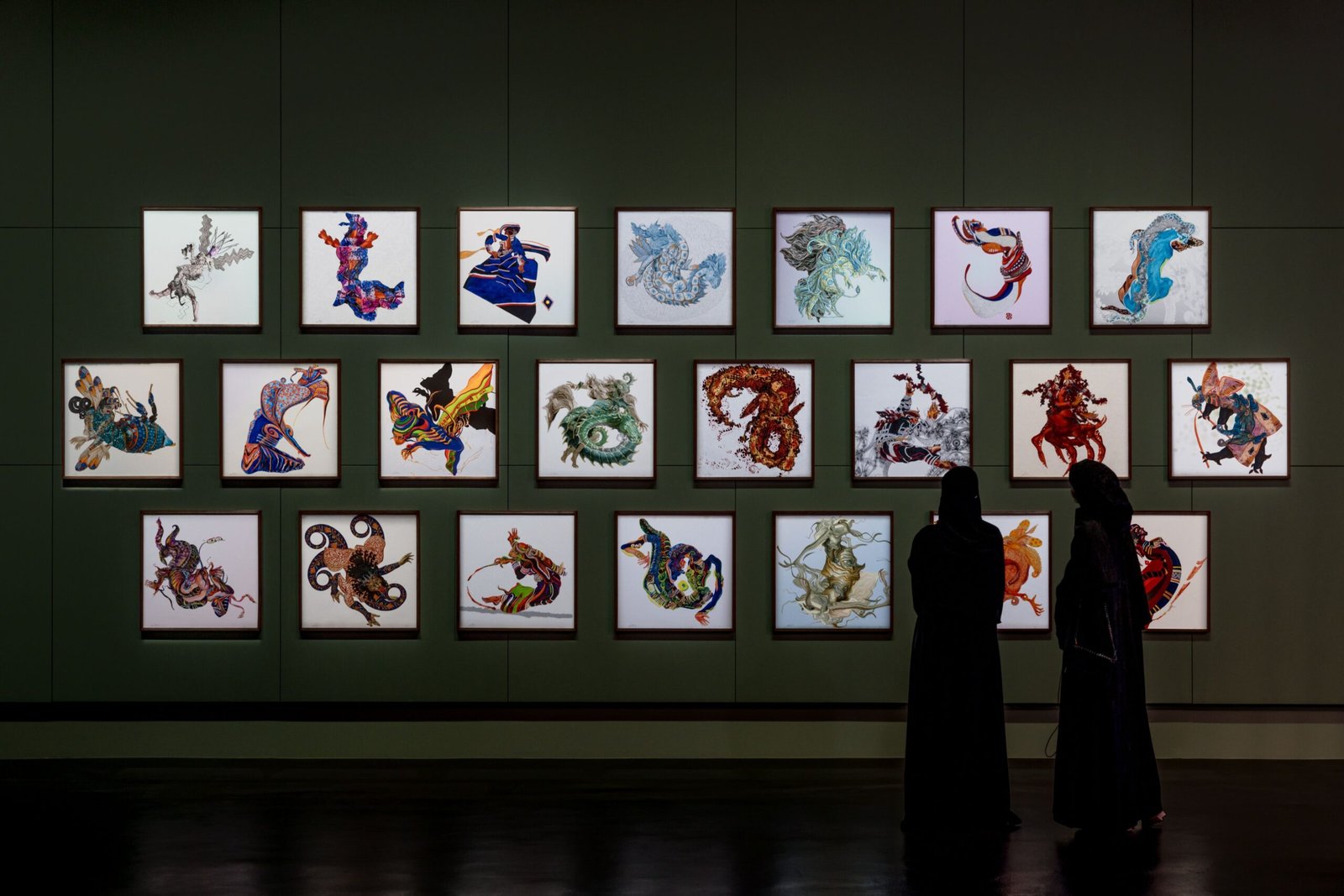
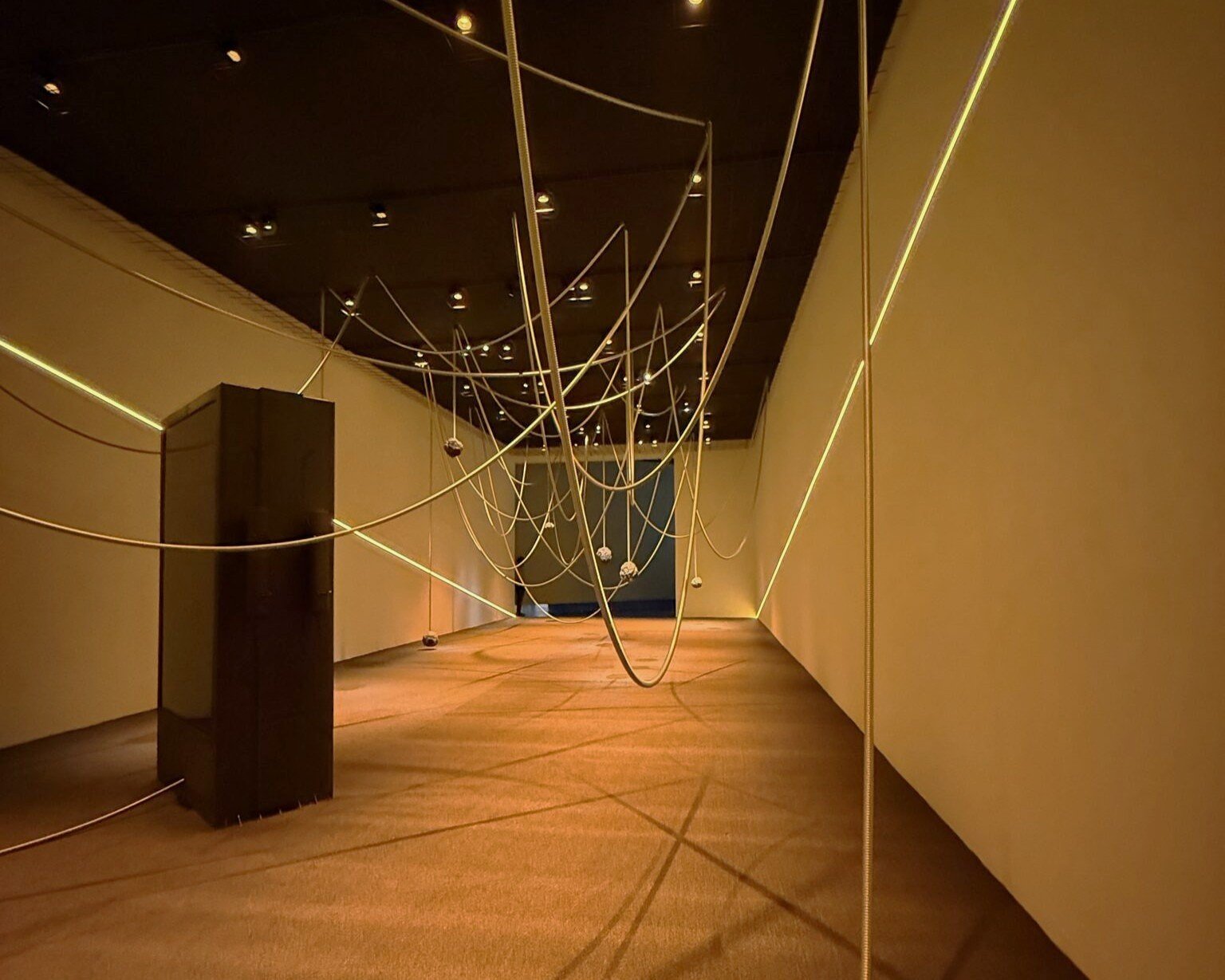
The artist list reflects that ambition. Recognised names from Europe, the US and Asia appear alongside influential voices from the Arab world and a rising wave of Saudi artists whose work is travelling quickly beyond the region. The energy differs from the polished choreography of the classic art capitals. In JAX, the encounter feels more tactile, more exposed, more willing to hold friction between histories, languages and media. Monumental installations share space with intimate works on paper. Meditative pieces sit near works that carry political charge. You might enter a sculptural landscape that reads like a mirage rendered in steel and fabric, then step into a dark room where a single-channel film opens a personal story of exile and return with restraint and precision.
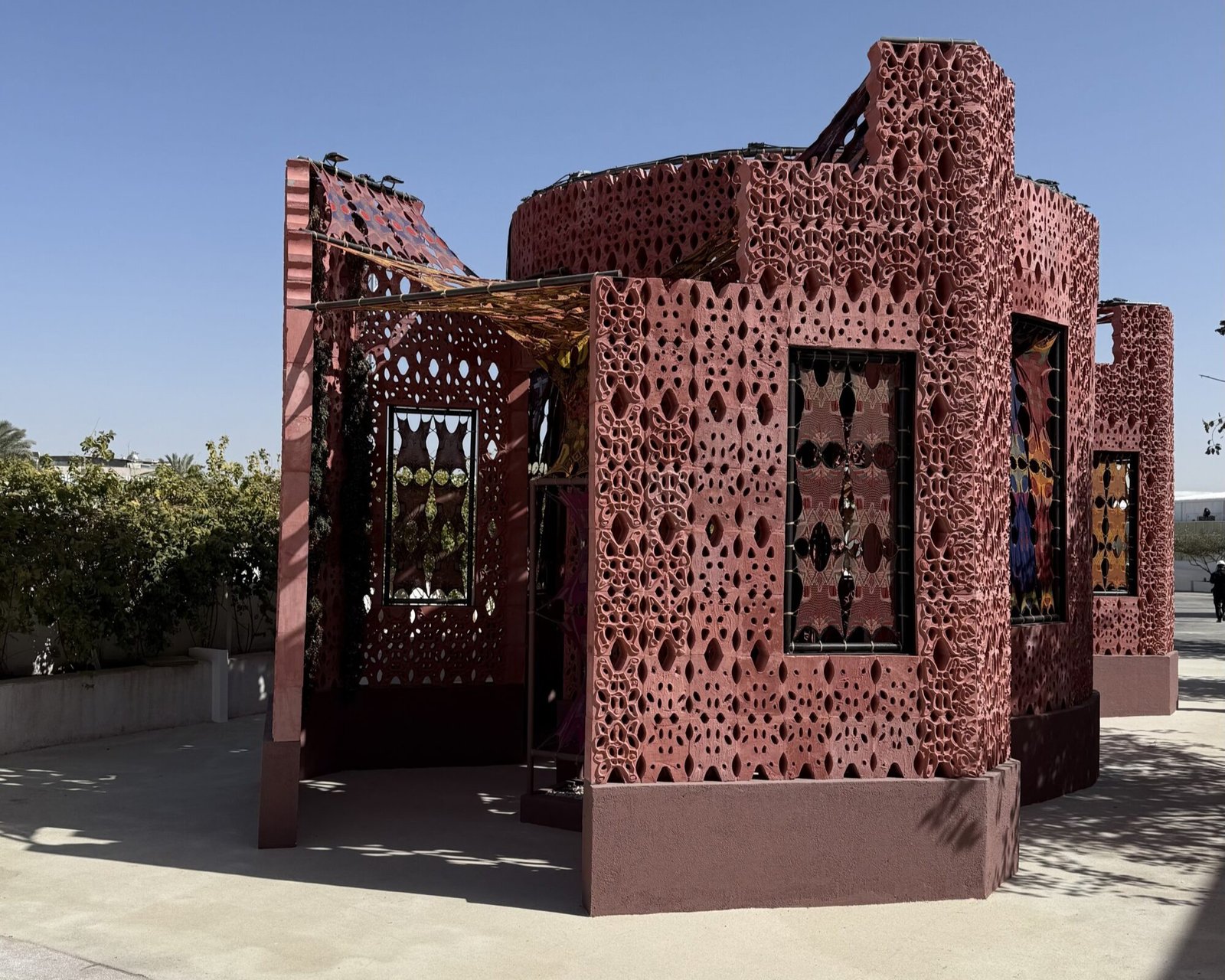
JAX District shapes this experience as much as the artworks do. Once a cluster of concrete warehouses and industrial yards, it now functions as a growing ecosystem of studios, galleries and performance spaces. High ceilings, raw surfaces and exposed structures create a satisfying counterpoint to nearby At-Turaif, the UNESCO-listed mud-brick heritage site that holds the story of the first Saudi state. Diriyah’s emotional voltage lives in that adjacency. Heritage sits next to industry, and contemporary art stands a short distance from traditional architecture. You feel the time layers at once: the pre-oil past, the accelerated present, and a future being imagined at speed.
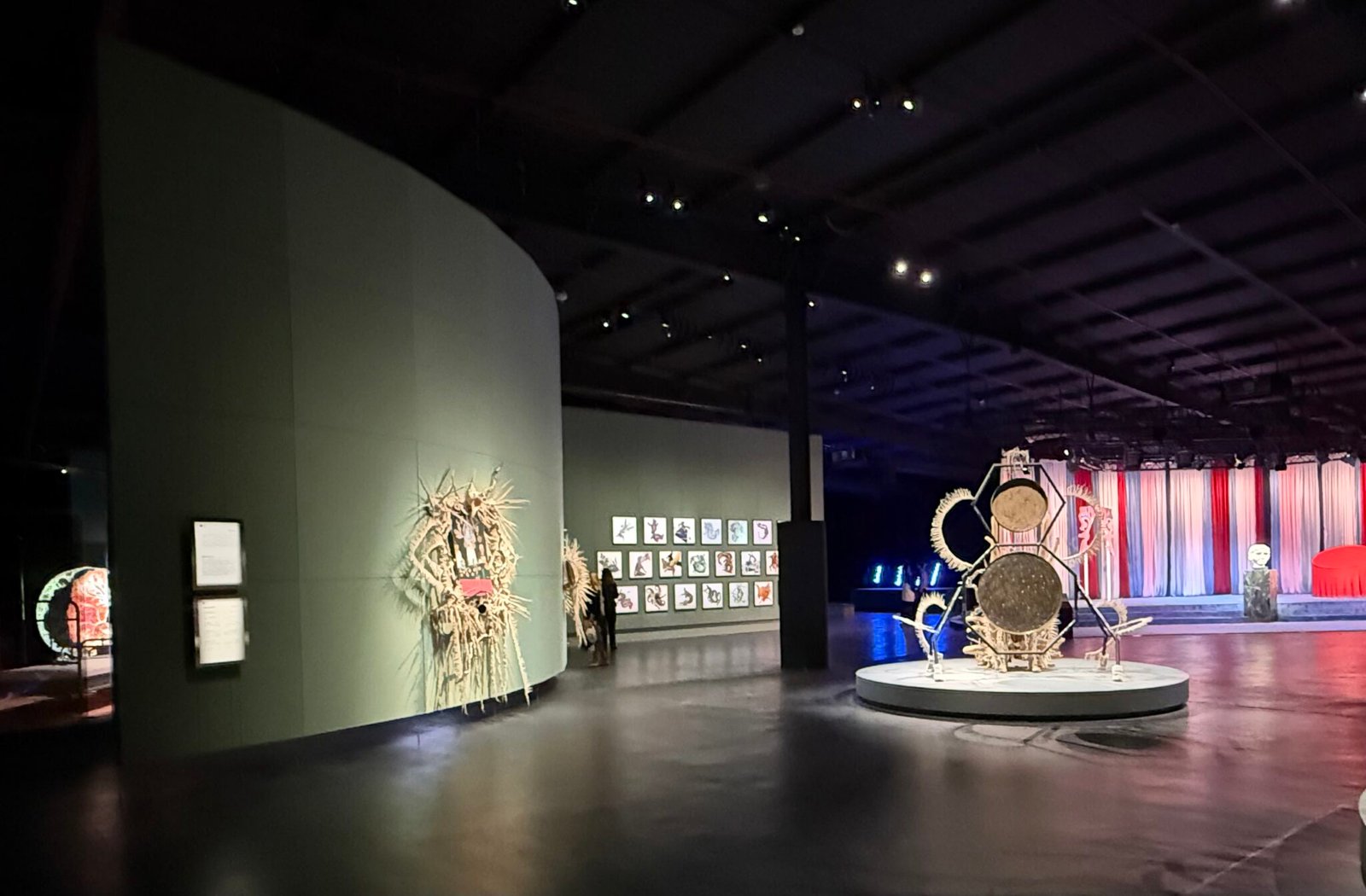
For visitors arriving from Dubai or other Gulf hubs, Diriyah feels both legible and unexpectedly distinct. The language of luxury is present in private tours, discreet VIP lounges and design-led cafes, yet the mood turns inward. Contemporary art here operates as soft power with a contemplative edge. Many of the strongest works reward slowness: reading, listening, returning, staying long enough for your attention to settle. A sound piece asks for twenty minutes of your day and gives you a different nervous system by the end of it. A quiet installation in glass or textile reveals itself as your eyes adjust to fine shifts of light. The biennale becomes a rare permission to reset attention, which can feel like the most valuable currency in the region’s high-speed cultural calendar.
Contemporary art here functions as soft power, with a quieter, more contemplative tone. Many of the strongest works reward slowness.
A day at the biennale can flow into a morning walk through At-Turaif, an afternoon hammam in the destination’s newer high-end hotels, and a slow dinner under open sky in a courtyard restaurant that makes time feel less transactional. For travellers with a wellness lens, the reset comes through culture rather than escape: the desert air, the scale of the halls, the rhythm of walking between vast spaces and smaller rooms, the material presence of the works. Together they create the sense of stepping out of ordinary time and into a different tempo, one where the mind has space to reorganise itself.
Strategically, the Diriyah Contemporary Art Biennale sits within the country’s cultural vision and signals Saudi Arabia’s role as a producer of narratives, platforms and institutions that can shape the region’s conversation. For the Gulf, it tightens the network of art capitals within a short flight radius, with Riyadh and Diriyah joining the orbit that already includes Dubai, Sharjah, Doha and Abu Dhabi. For international collectors, curators and cultural nomads, it adds a stop to the annual calendar that offers intellectual depth, a strong sense of place, and a different kind of luxury: the ability to move slowly through ideas.
Share


WE RECOMMEND
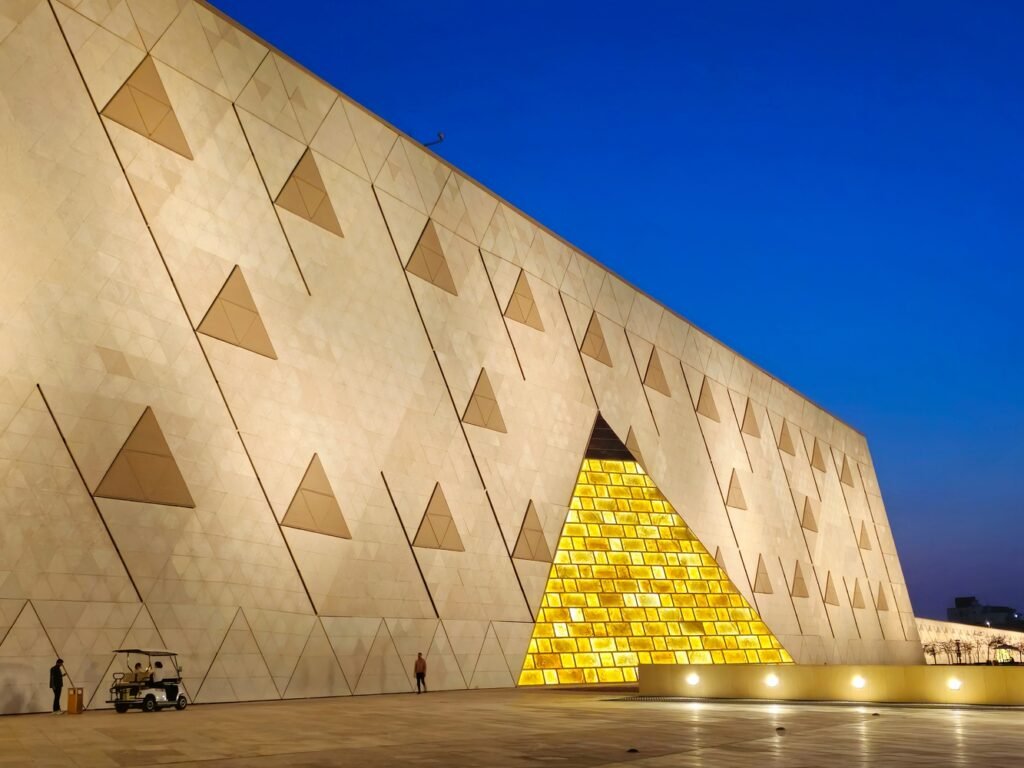
Why Cairo’s Grand Egyptian Museum Is Worth the Trip
A pyramid-view museum built for scale and clarity – with Tutankhamun’s full 5,398-piece collection, the Ramesses II colossus, and galleries that finally…
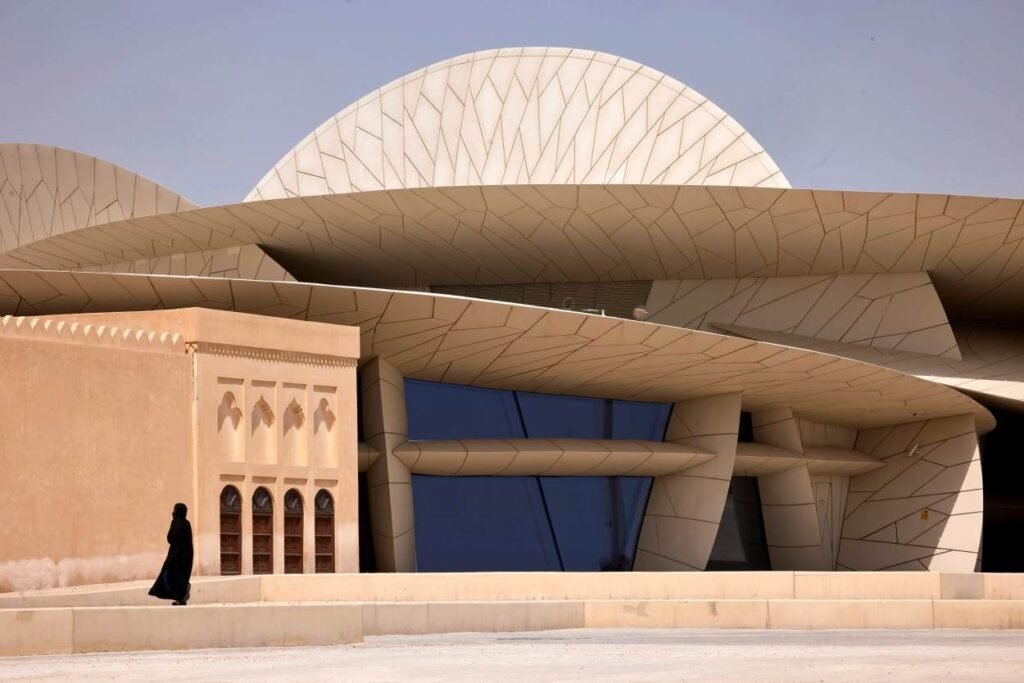
Art Basel Qatar: why Doha’s art moment matters beyond the fair
From February 5 to 7, 2026, Doha steps into the global art spotlight with the launch of Art Basel Qatar, marking a…
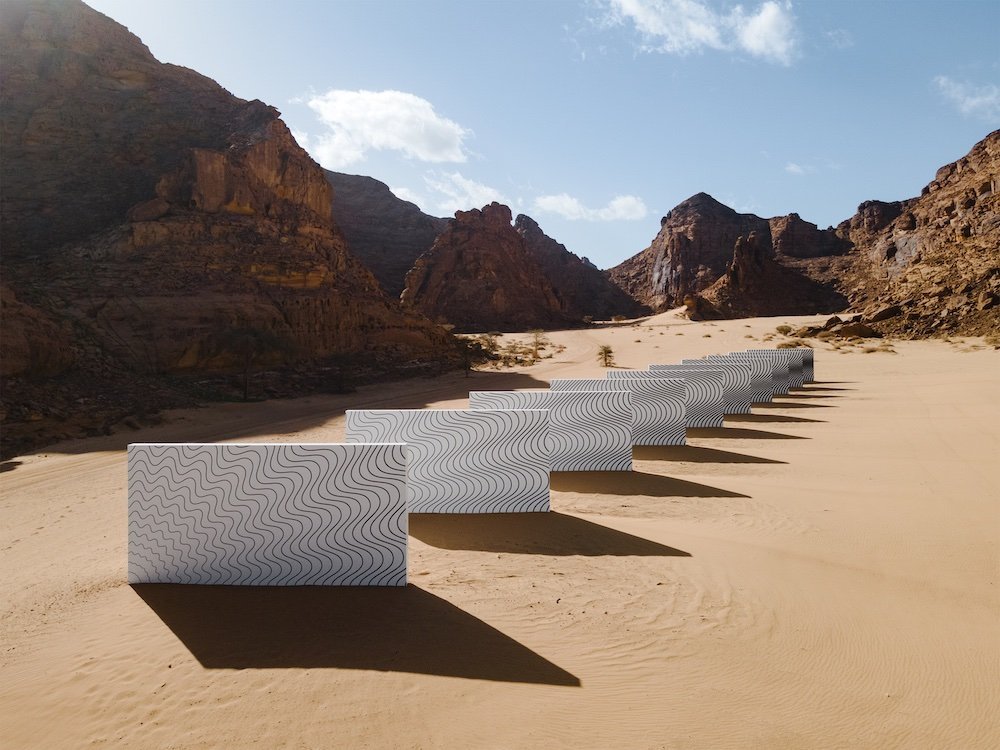
Desert X AlUla returns with a theme inspired by Kahlil Gibran
Desert X AlUla 2026 turned AlUla’s canyons into an open-air route of 11 new site-specific installations, with Kahlil Gibran’s Space Without Measure
