




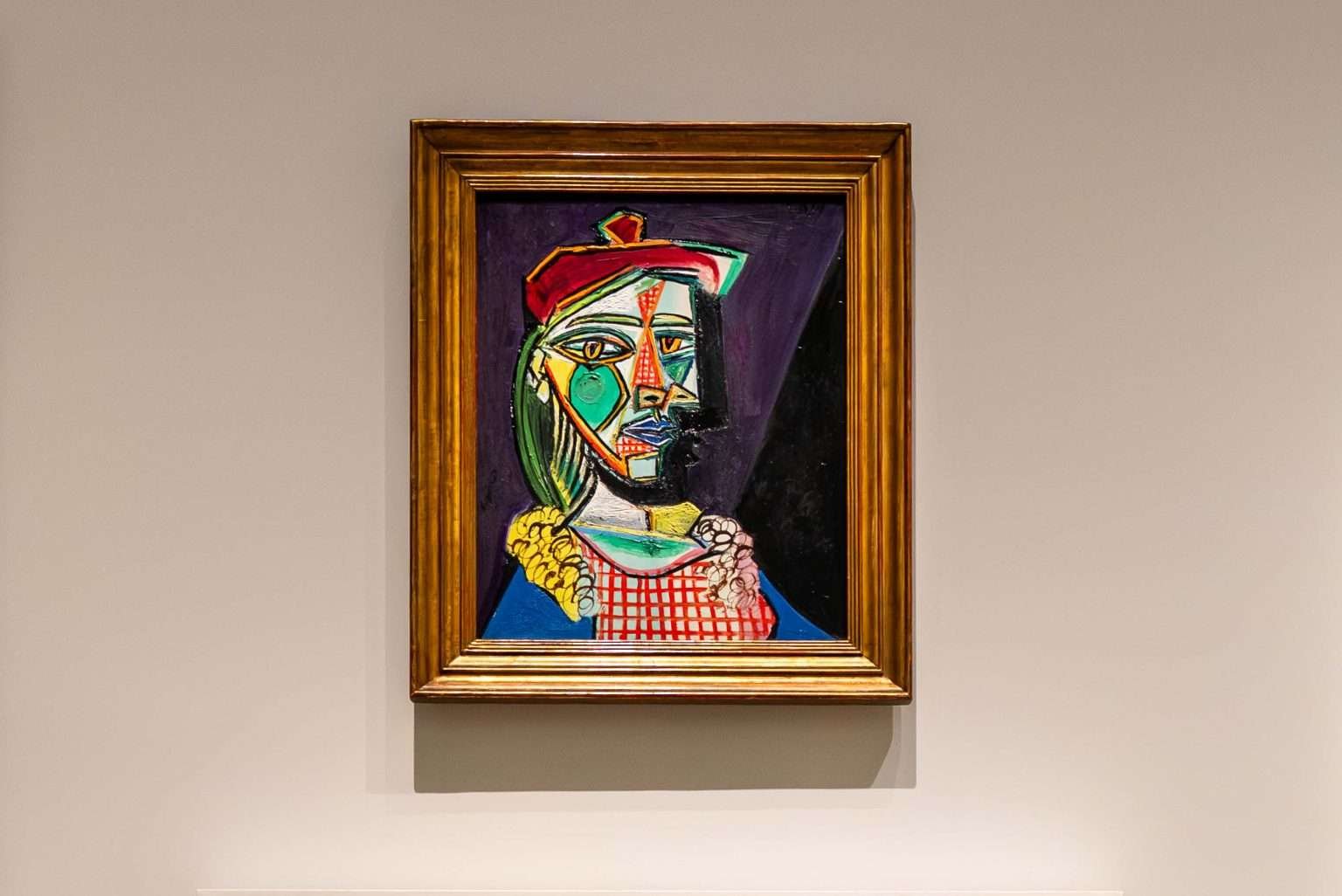
Now on view: Picasso, the Figure at Louvre Abu Dhabi
Why go to see Picasso at Louvre Abu Dhabi, and what can it offer today if you need a shift in perspective and state?
Picasso arrives in Abu Dhabi the way he always does, through a name that carries its own weather. You think you know what you are walking into, and then the rooms begin to argue with your certainty.
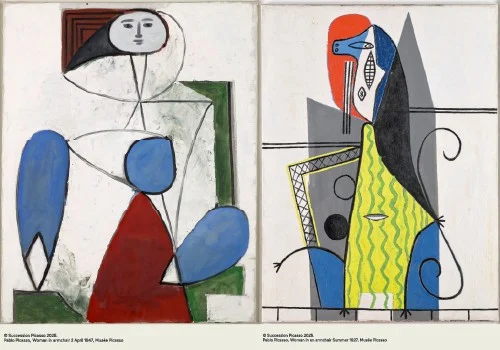
Picasso, the Figure at Louvre Abu Dhabi runs from 21 January to 31 May 2026. The premise is disarmingly direct: the human figure, tracked across Picasso’s shifting decades of invention. Yet the effect is less linear than it sounds. The figure keeps changing roles. It becomes portrait, it becomes construction, it becomes mask, it becomes a kind of private theatre where desire and fear rearrange anatomy on their own terms. The show asks you to watch the method, not the legend.
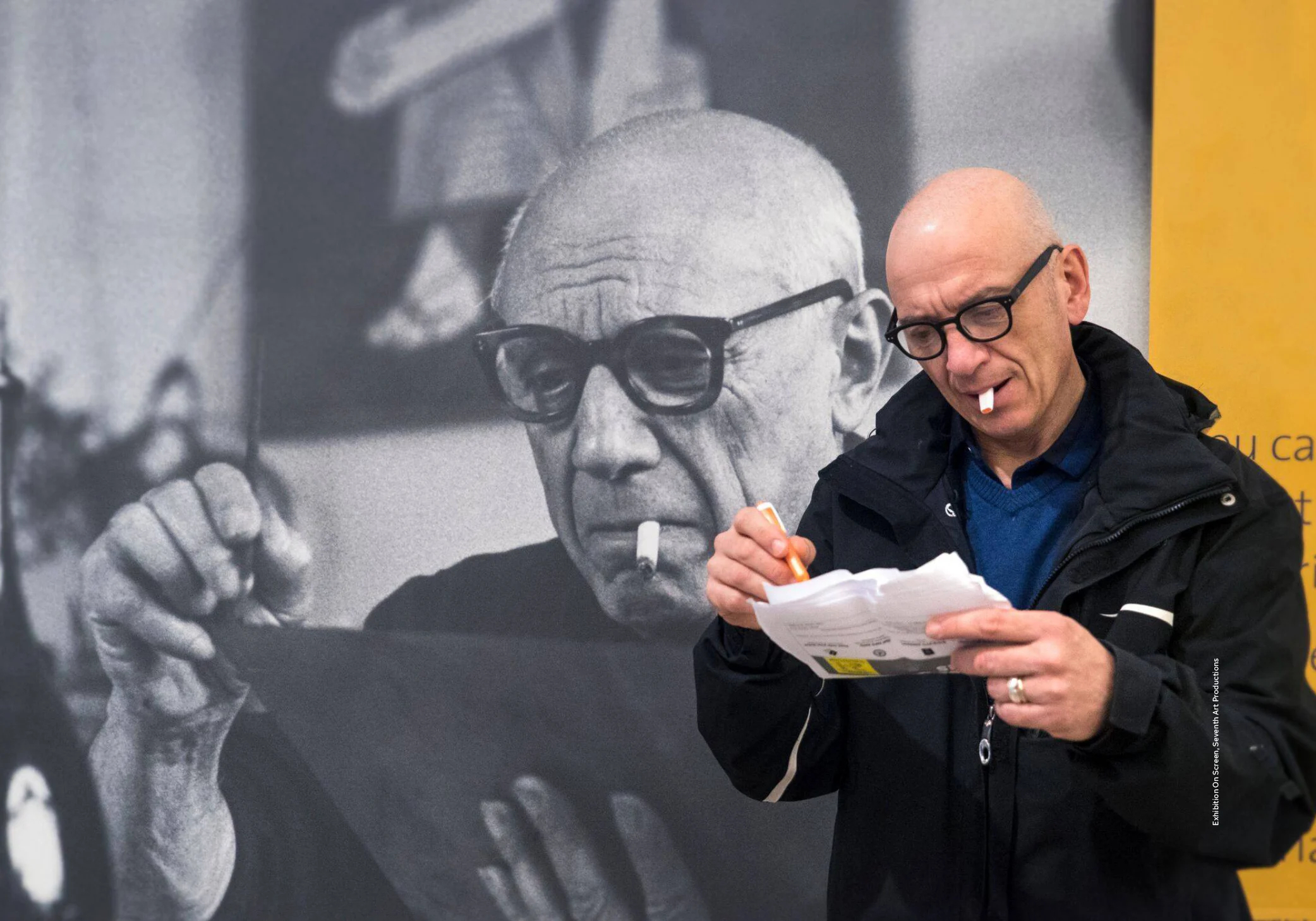
Louvre Abu Dhabi frames the exhibition as a journey through shifts in the figure, from classical and hieratic references to hybrid and surrealist transformations and later reinventions, and that curatorial logic gives you a clean way to read the rooms without leaning on art-history labels. You start watching decisions: what he removes, what he exaggerates, what he splits, and what he insists on keeping.
This exhibition also says something specific about the Gulf’s cultural moment. Abu Dhabi already has the architecture, the district logic, and the seasonal programming; what it is building now is public attention at museum scale. A Picasso show like this shifts the conversation from “major names” to how visual language is made. The collaboration with Musee national Picasso-Paris and France Museeums signals that the exhibition is being treated as a curatorial statement, not a decorative import.
If you go, go with one question: when does the figure feel human, and when does it turn symbolic? Track that threshold. In one room, the body carries psychology through face and posture; in another, it becomes an engineered object, almost architectural; later, it moves into a dream logic where anatomy bends toward narrative. You do not need to “understand Picasso” to feel the shift – you just need to stay attentive to how quickly a body can become a sign.
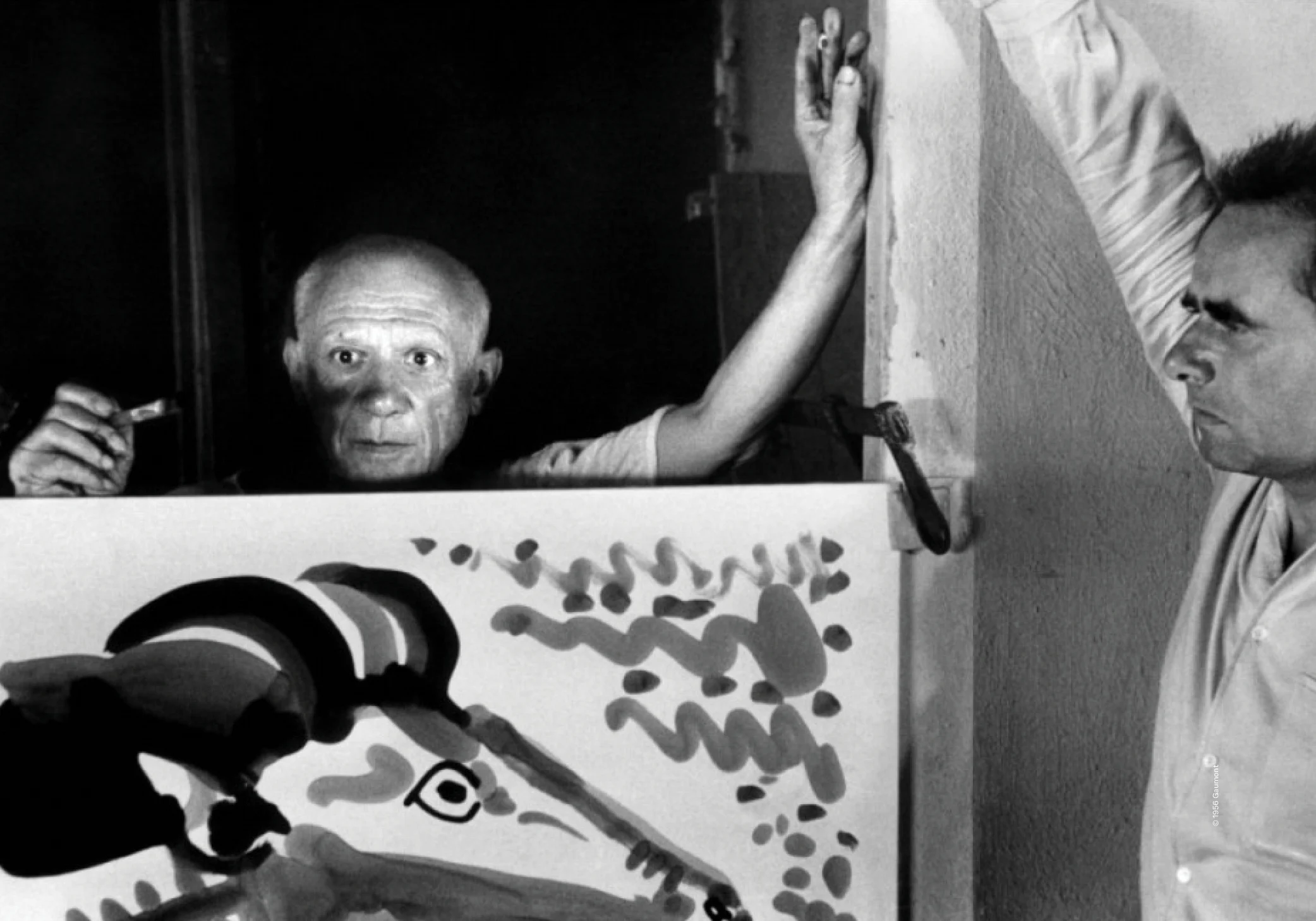
By the end, the show leaves you in a useful place. You stop asking whether you “like” Picasso. You start noticing what he is doing. That is the point, and it is also the best argument for why exhibitions like this still matter when so much culture is optimized for instant comprehension.
Share



WE RECOMMEND
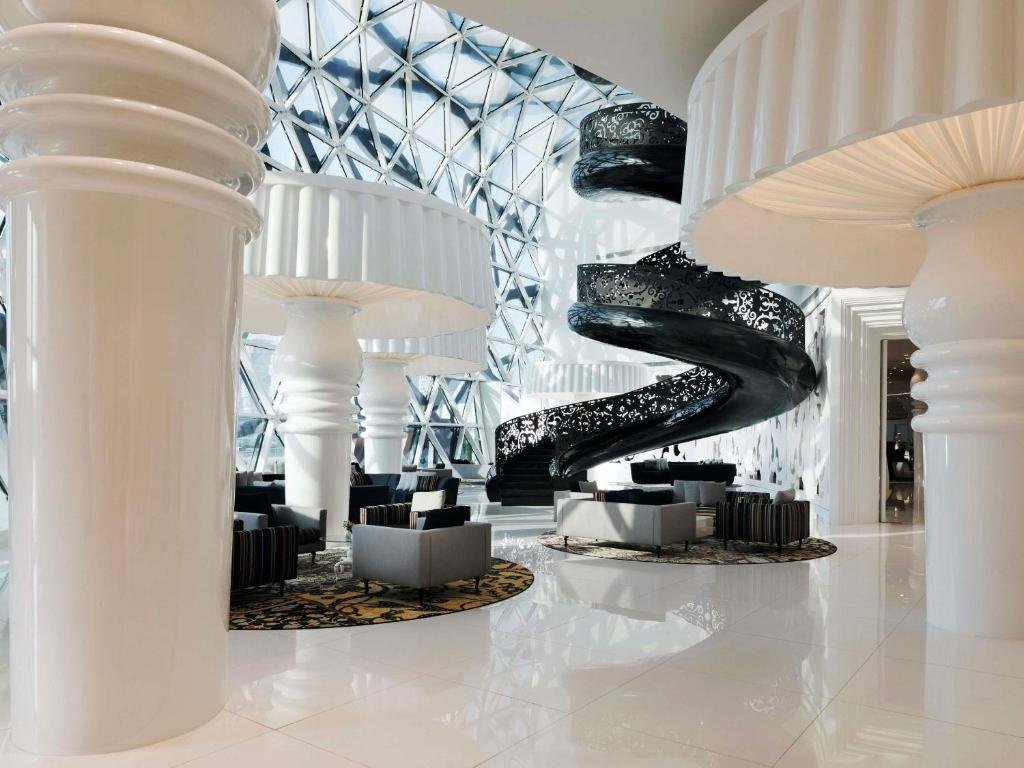
Mondrian Doha Through an Artistic Lens
In West Bay Lagoon, Mondrian Doha transforms hospitality into a visual experience, where art, design, and luxury shape how guests live within…
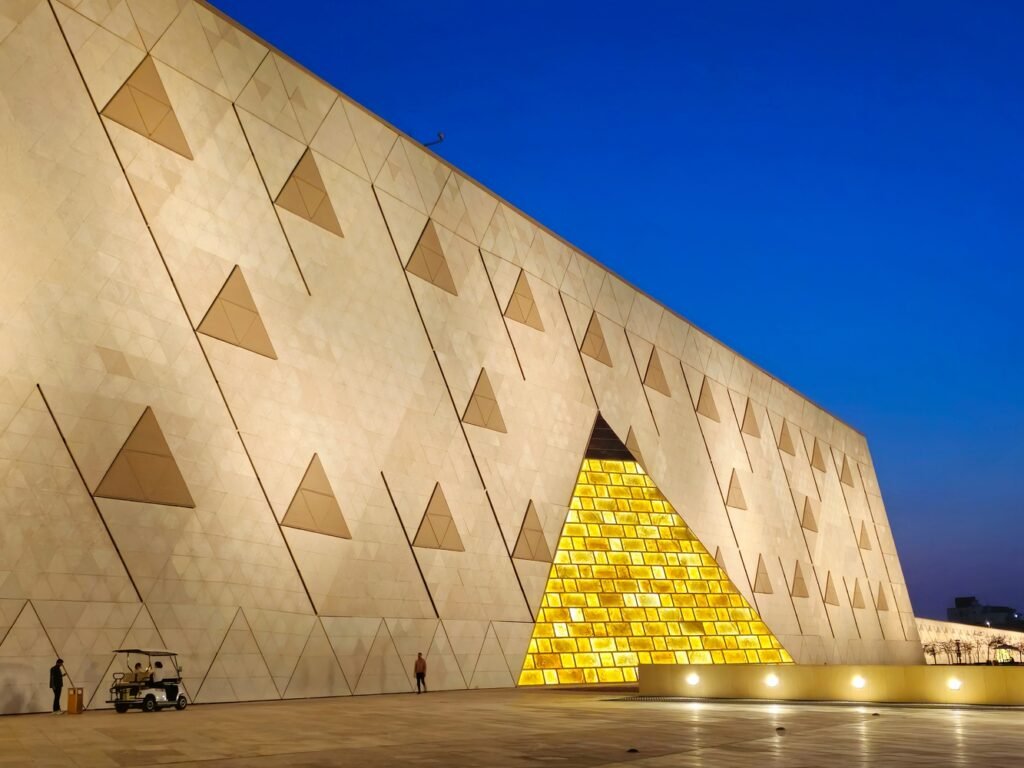
Why Cairo’s Grand Egyptian Museum Is Worth the Trip
A pyramid-view museum built for scale and clarity – with Tutankhamun’s full 5,398-piece collection, the Ramesses II colossus, and galleries that finally…
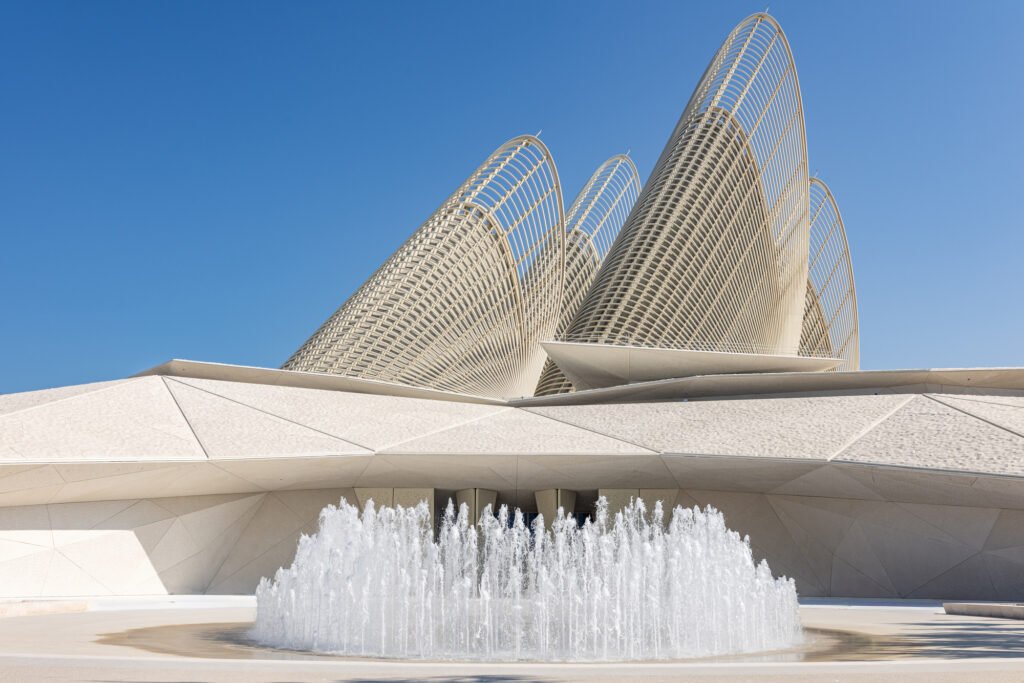
Zayed National Museum, Abu Dhabi: what stayed with us after the visit
Why Zayed National Museum was one of the most anticipated in the UAE?
