



On the Shore of a Longer Life: Longevity at Halekulani Okinawa
On Okinawa, people simply live longer. Halekulani Okinawa Resort translates this quiet philosophy of long life into an exquisitely five-star ritual.
On the Shore of a Longer Life: Longevity at Halekulani Okinawa
On Okinawa, people simply live longer. Halekulani Okinawa Resort translates this quiet philosophy of long life into an exquisitely five-star ritual.
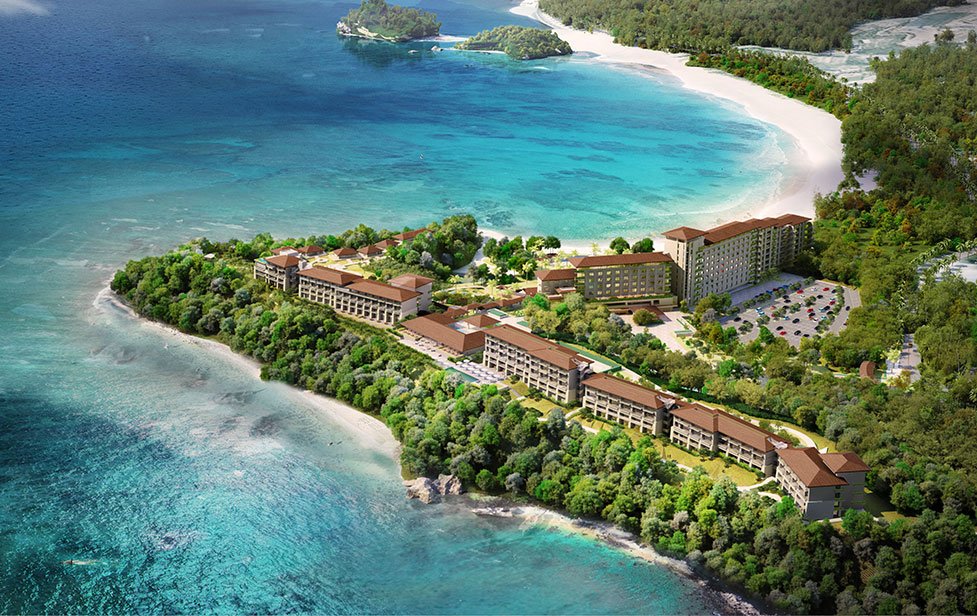
Historically known as an island of longevity, Okinawa is one of the world’s five designated Blue Zones, regions where people statistically live longer and healthier lives. There is a particular softness to the light on Okinawa. It falls on faces in a way that seems to blur the usual markers of age: lines look gentler, movement looks easier, smiles linger a little longer. On an island that has become shorthand for human longevity, Halekulani Okinawa does not simply borrow the “blue zone” narrative for marketing. It translates the quiet, disciplined lifestyle of the locals into an immersive, contemporary wellness experience for guests who are as interested in quality of life as they are in ocean views.
Beyond buzzwords: when “blue zone” becomes a way of living
Okinawa is recognised as one of the original blue zones – places in the world where people live significantly longer, healthier lives, with a remarkable concentration of centenarians. Here, longevity is the by-product of everyday habits: natural movement woven into daily routines, predominantly plant-based food, a strong sense of community and a deep, almost instinctive feeling of purpose.
Halekulani Okinawa builds its wellness and longevity philosophy around exactly these principles. Instead of high-intensity “fixes” and aggressive biohacking, the resort offers something calmer and much more sustainable: rituals that slow the nervous system, a direct connection to the sea and a respectful engagement with local culture. The language of Okinawa shapes this approach – concepts like Mabui (soul), Umui (intention) and Glow (a subtle inner radiance) become the emotional framework for the property’s wellness and retreat programmes.
The Blue Zones Retreat: seven days inside a longevity blueprint
At the heart of the resort’s wellness calendar is an exclusive Blue Zones Retreat, created in partnership with the organization behind the global blue zones research. It is a seven-day, six-night immersion in the Power 9 – the nine key lifestyle habits identified in the world’s longest-living communities.
The programme is structured around six core modules that each explore a different pillar of long, healthy living: natural movement, a plant-forward approach to food, anchored in Okinawan produce and simple preparation, rest and recovery, with a focus on sleep, nervous system regulation and gentle evening rituals, meaning and intention, community and small, repeatable social rituals that build a sense of belonging and an environment, from architecture and light to the micro-rhythms of the day.
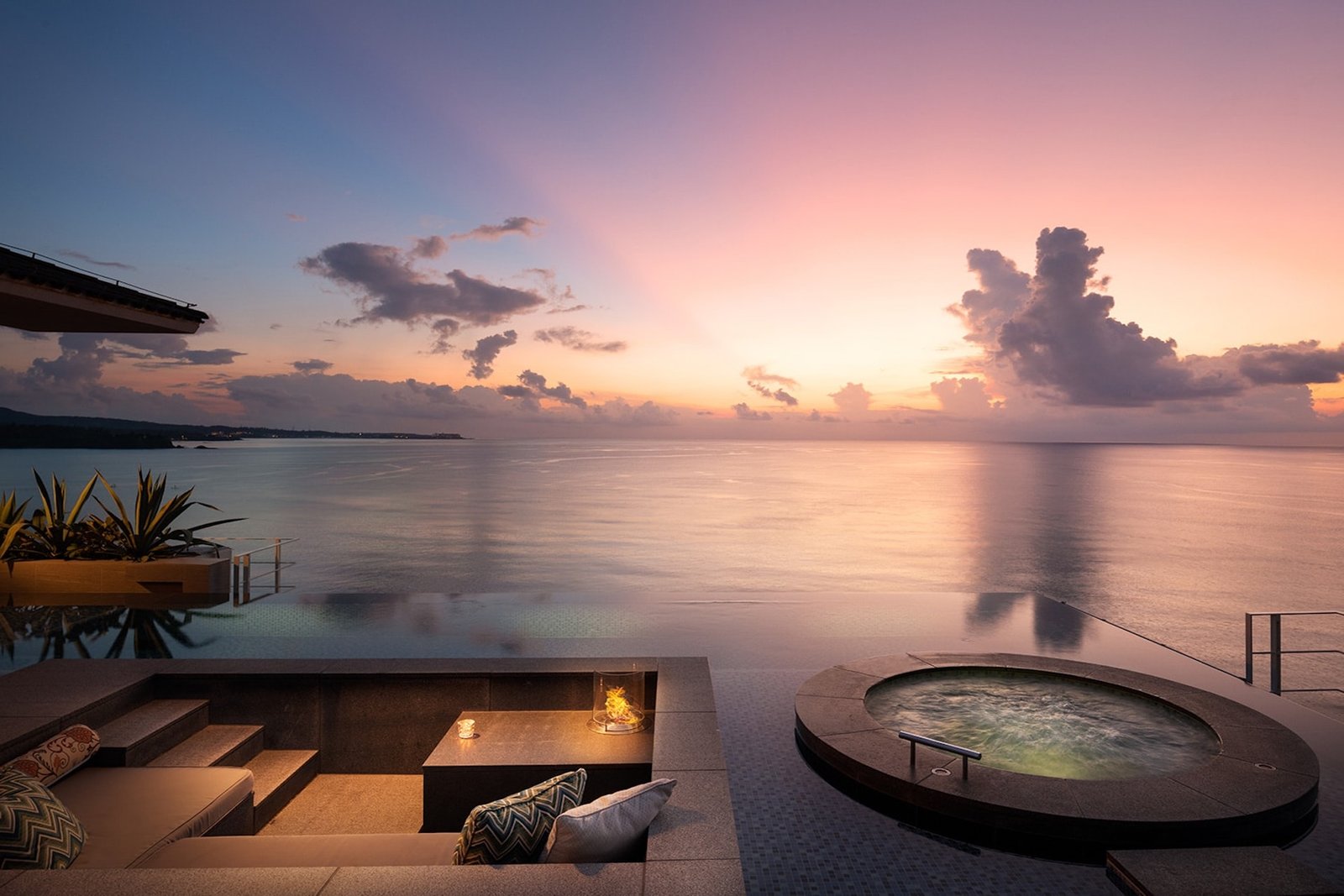
Instead of delivering this as theory, the retreat asks guests to live it. Educational sessions are paired with hands-on cooking classes, mindfulness practices, shared meals and curated excursions. The Power 9 are felt in the body and in the schedule: in the way mornings begin, in how guests move through the property, in the conversations that happen at the table or on the terrace overlooking the East China Sea.
The taste of longevity: rethinking food as “medicine of life”
If Okinawa has a secret, you can likely trace it on a plate. Halekulani leans into this with a culinary narrative that treats food as both pleasure and daily prevention. Longevity becomes an education in how to eat in a way that is light, satisfying and deeply rooted in place.
Within the longevity and wellness programmes, guests join plant-based cooking sessions where local ingredients – sweet potatoes, tofu, seaweeds, island vegetables and herbs – are transformed into uncomplicated, elegant dishes that are easy to recreate at home. The focus is on balance and portion, on eating to the point of gentle satiety mirroring the Okinawan “hara hachi bu” mindset (eat until you’re about 80% full)
This culinary story expands into encounters with Ryukyu cuisine, tea rituals and curated tastings where each step is treated as a micro-meditation: how you hold the cup, how you inhale the aroma, how attentive you are to temperature and texture. It is food framed as nuchigusui – “medicine of life” – and that shift in language alone changes how you engage with every bite.
Culture as quiet therapy: crafts, heritage and a meditative flow
On Okinawa, longevity is inseparable from cultural identity. Halekulani acknowledges that and folds cultural immersion into its wellness narrative, using creativity as a subtle, somatic form of meditation.
One of the signature experiences takes guests to Yachimun no Sato, a village of ceramic artisans where traditional Okinawan pottery is still made by hand. Working with clay, feeling its weight and resistance, repeating the same gestures again and again – this is a different kind of mindfulness. The mind starts to quieten as the hands take over; time stretches, attention narrows and a sense of groundedness returns almost by accident.
The resort’s cultural layer also includes sessions introducing local rituals and a visit to an awamori distillery, with the spirit recognised as an element of intangible cultural heritage. Here, the narrative is not about consumption, but about moderation, history and shared experience – the small, consistent social ties that, research shows, are as critical to longevity as any supplement regime.
SpaHalekulani: where water, touch and light do the work
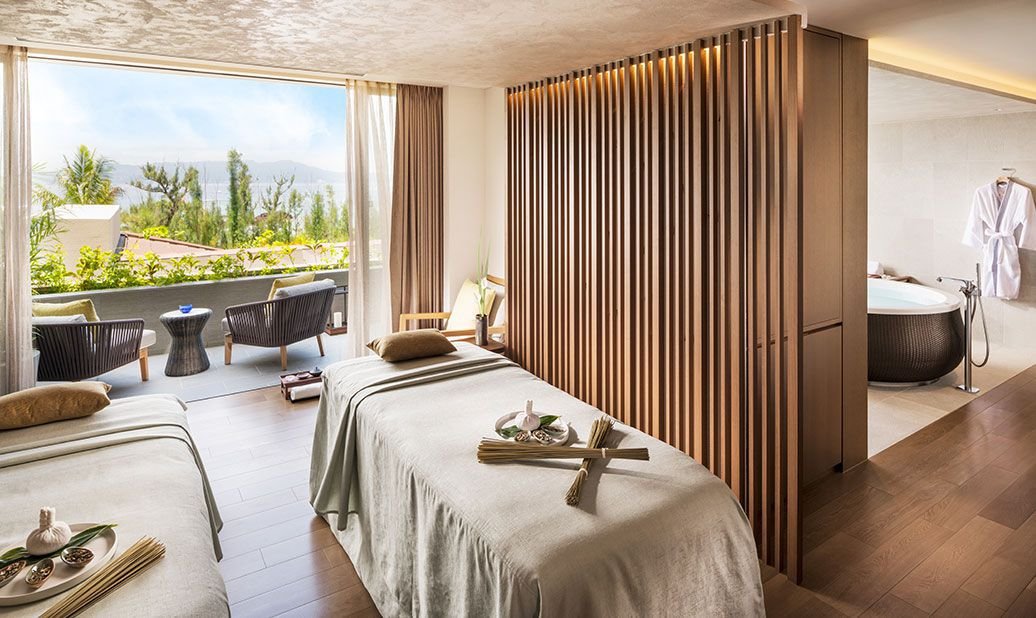
SpaHalekulani is the physical and emotional anchor of the property’s wellness universe. It is a carefully choreographed space where water, touch and natural light are treated as primary therapeutic tools. A heated indoor pool, natural hot-spring onsen, thermal areas and terraces facing the ocean invite guests to design their own daily circuit of restoration.
The spa draws on both Hawaiian and Okinawan traditions. On the one hand, there is Lomilomi — a traditional Hawaiian massage with long, flowing strokes that feel almost wave-like and are designed to soften both muscular tension and mental noise. On the other, there are signature treatments built around local botanicals like shell ginger (getto) and Okinawan mugwort (fuchiba), ingredients associated with anti-inflammatory, cleansing and revitalizing effects.
Its haute-couture moment is the Halekulani Experience, a 120-minute, highly customizable ritual. Rather than locking guests into a pre-set protocol, therapists co-create each session, calibrating the proportions of full-body massage, facial work, head and neck focus and reflexology according to how the guest arrives that day – physically, emotionally, energetically. Spa becomes less of a menu and more of a conversation.
Architecture of ease
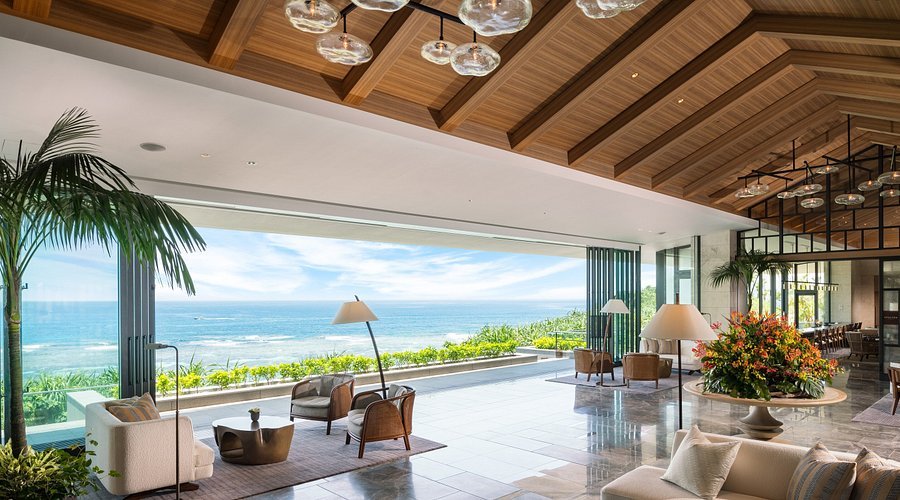
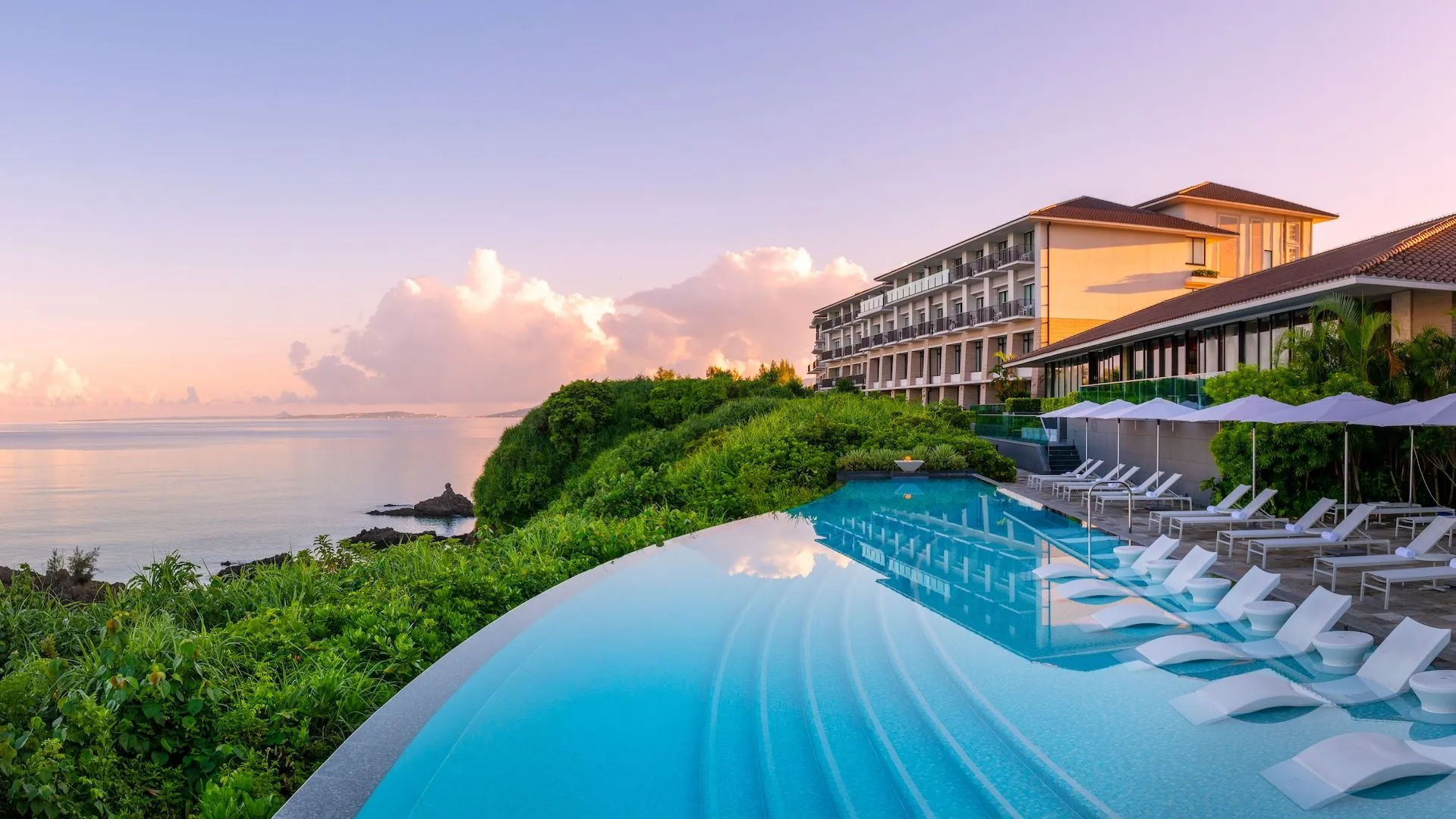
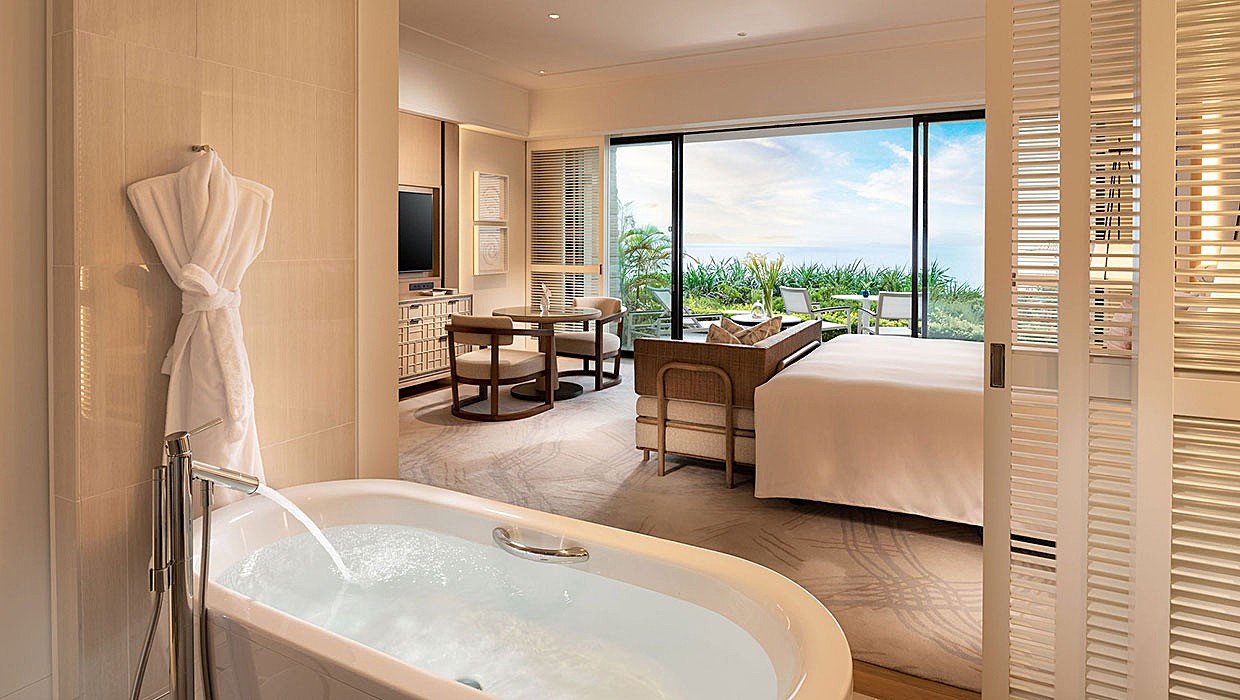
The architecture of the resort carries the same intention: light, air, water and horizon line are constantly in dialogue. Interiors are built around soft geometry and a palette of “seven shades of white”, allowing the blues and greens of the landscape to take centre stage. Terraces, walkways and open vistas encourage a slower pace almost by design.
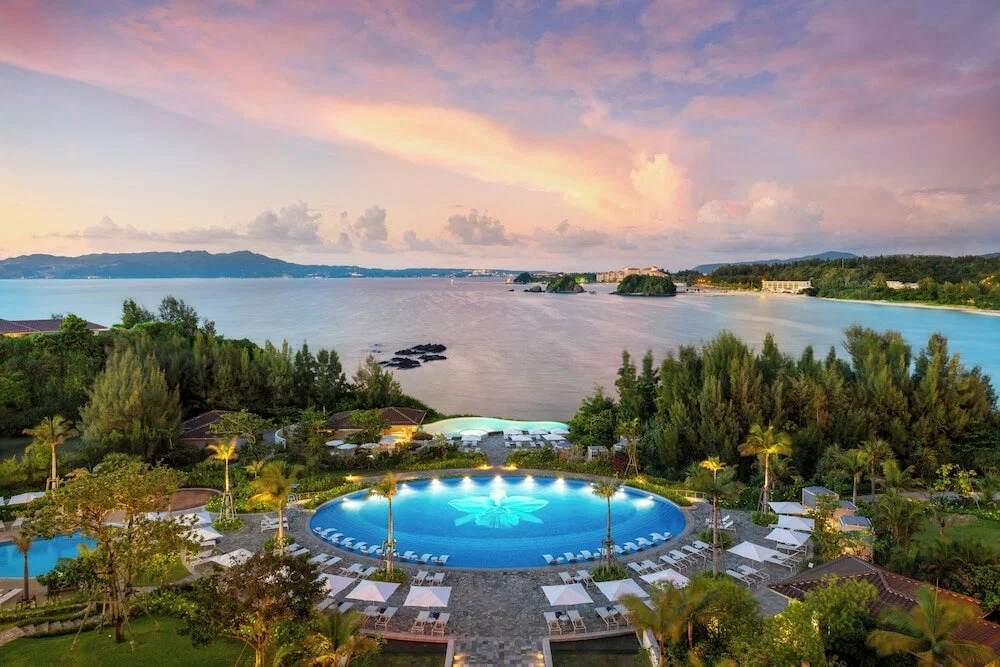
With access to hot springs, multiple pools and a well-equipped fitness studio, guests are able to build their own micro-rituals: an early swim before breakfast, an onsen soak as a midday reset, a gentle stretch or walk as the light changes before dinner. The property subtly invites a reconfiguration of daily default settings – less urgency, more presence, more intimate contact with the elements and with one’s own body.
Longevity as a lifestyle
In an era where wellness easily slips into pure consumerism, Halekulani Okinawa offers a different proposition. Yes, it is aesthetically polished and undoubtedly luxurious, but its most interesting promise lies elsewhere: in the education of taste for a slower, more sustainable way of living.
Here, longevity explored as a style of life in which food, movement, ritual and community are treated as long-term investments rather than quick fixes. The Okinawan code of living longer is translated into the cadence of a day, into the temperature of the water you sink into at dusk, into the objects you touch and the conversations you have. Guests leave with a small, personal glossary of new habits – from how they plate their breakfast to how they breathe when they look at the sea.
Share


WE RECOMMEND
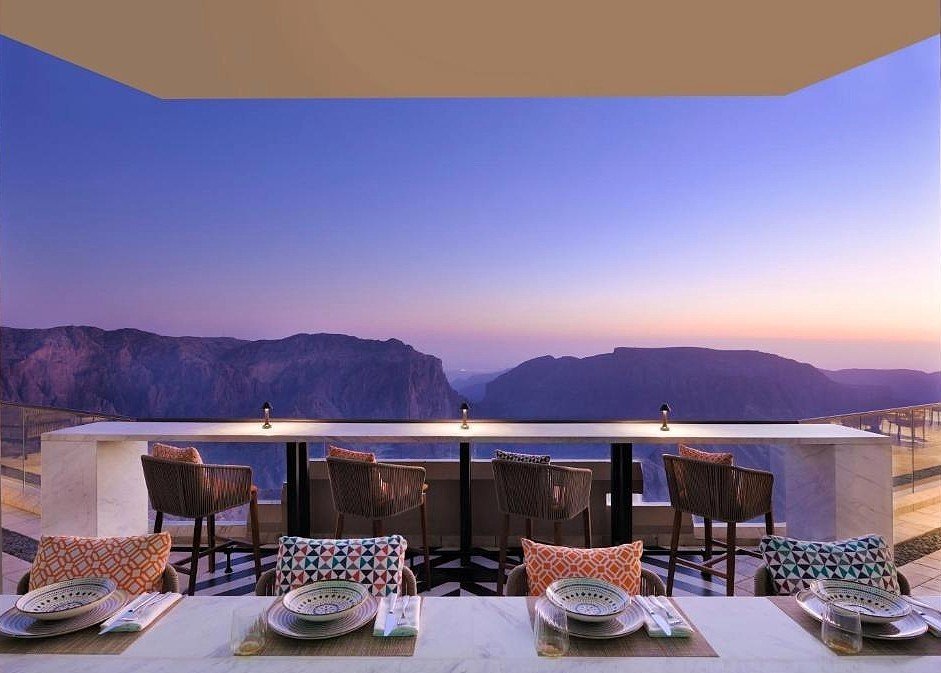
Oman. Five Hotels for Calm Luxury
Oman has become a reference point for calm luxury in the region. From mountain plateaus and remote peninsulas to quiet coastal enclaves,…
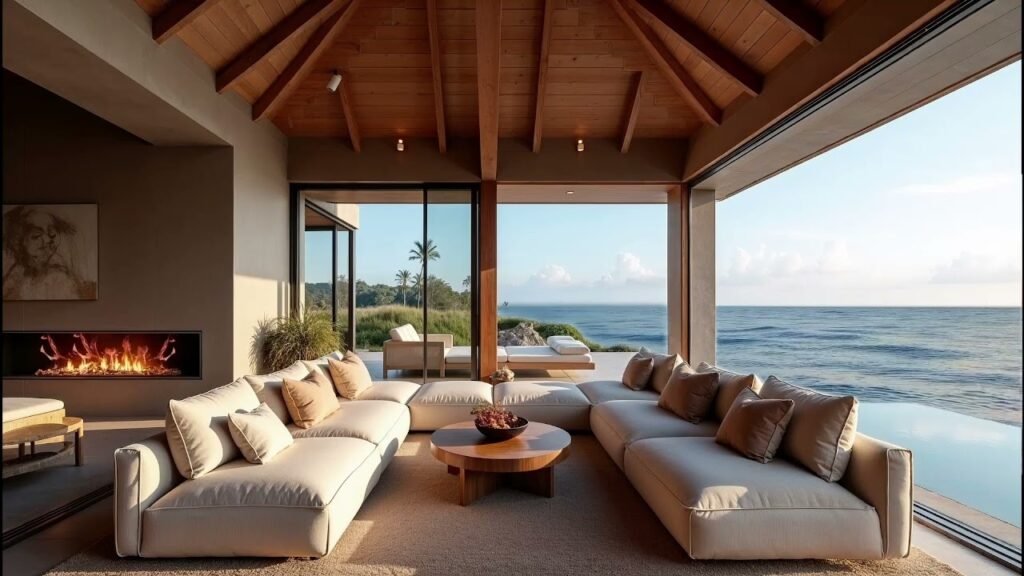
Quiet shift: trading city life for space
Power is changing its address. Leaders are trading density for clarity, building lives where calm luxury, health, and clean attention shape every…
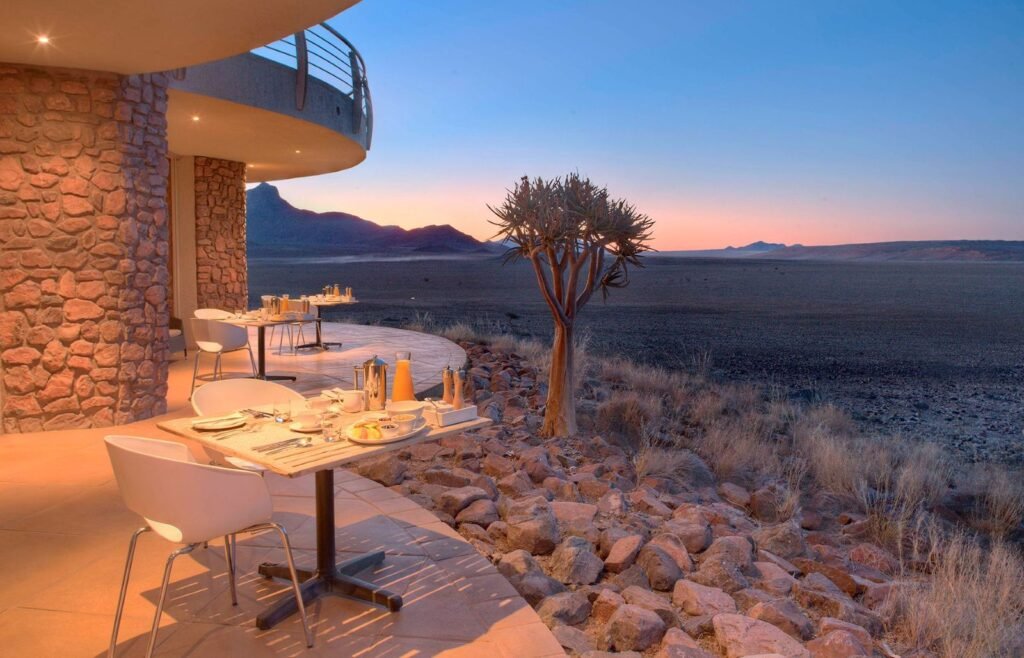
Silence as a Destination: The Rise of Desert Retreats
Interest in desert resorts and hotels is growing neither as a fashion nor as an exotic curiosity. It emerges from fatigue with…
