




Sacra is bringing a first-of-its-kind bathhouse concept to Dubai
Built around hot-and-cold bathing and long-stay rituals, it frames premium bathhouse culture through a longevity-first lens.
Dubai has built an international reputation for wellness, yet one tradition has stayed largely at the margins of the city’s spa vocabulary: the Russian banya. Sacra aims to change that with a three-level bathhouse and recovery club scheduled to open in March 2026 in Jumeirah 1. The project spans around 2,400 square metres and positions itself as the region’s largest bath and wellness complex in this format.
Sacra treats heat, cold, and rest as a structured practice that fits modern longevity goals: resilient circulation, lower perceived stress load, better sleep readiness, and a steadier relationship with recovery. The banya experience has always carried that promise, though it often arrived in a nostalgic wrapper. In Dubai, Sacra reframes it as an urban ritual with contemporary infrastructure.
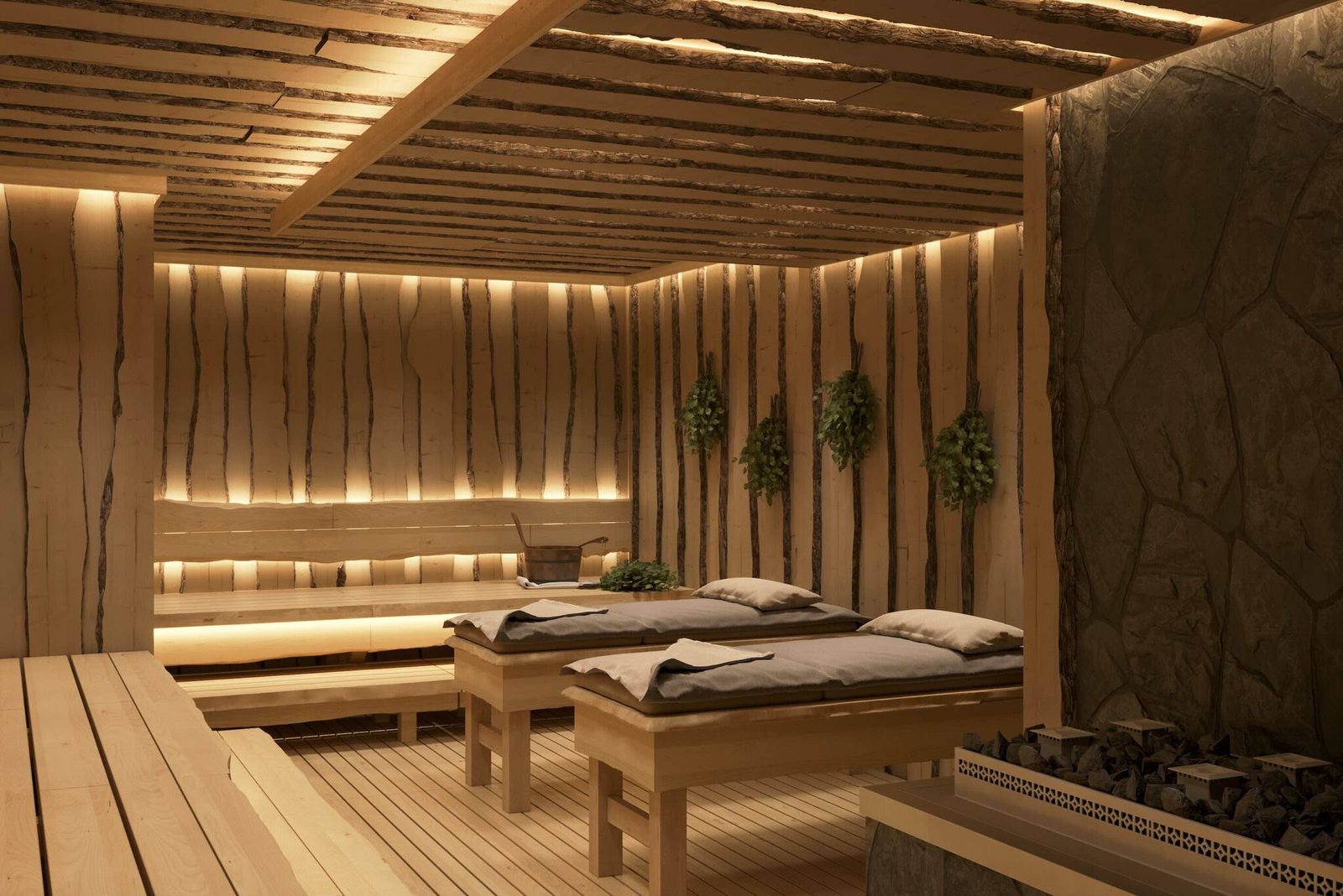
At the heart of Sacra sits its headline feature: a 50-square-metre banya chamber, billed as the largest of its kind in the Middle East. It is heated by a high-capacity system and designed around the classic banya sequence of hot air, water, and steam, with venik rituals using fir, birch, and oak whisks.
In longevity terms, the banya’s appeal comes from the way it delivers stress in a controlled, time-bounded form. Heat exposure triggers a strong physiological response: heart rate rises, peripheral blood flow increases, and the body moves into a deliberate “work” state without mechanical load. Then the contrast phase changes the signal. Cold immersion and cold plunges compress the timeline of recovery cues and create a clean break in sensation. The result, for many people, is a clear shift in nervous-system tone, followed by a calmer “downshift” that pairs naturally with breathwork and quiet rest.
Beyond steam: a recovery menu
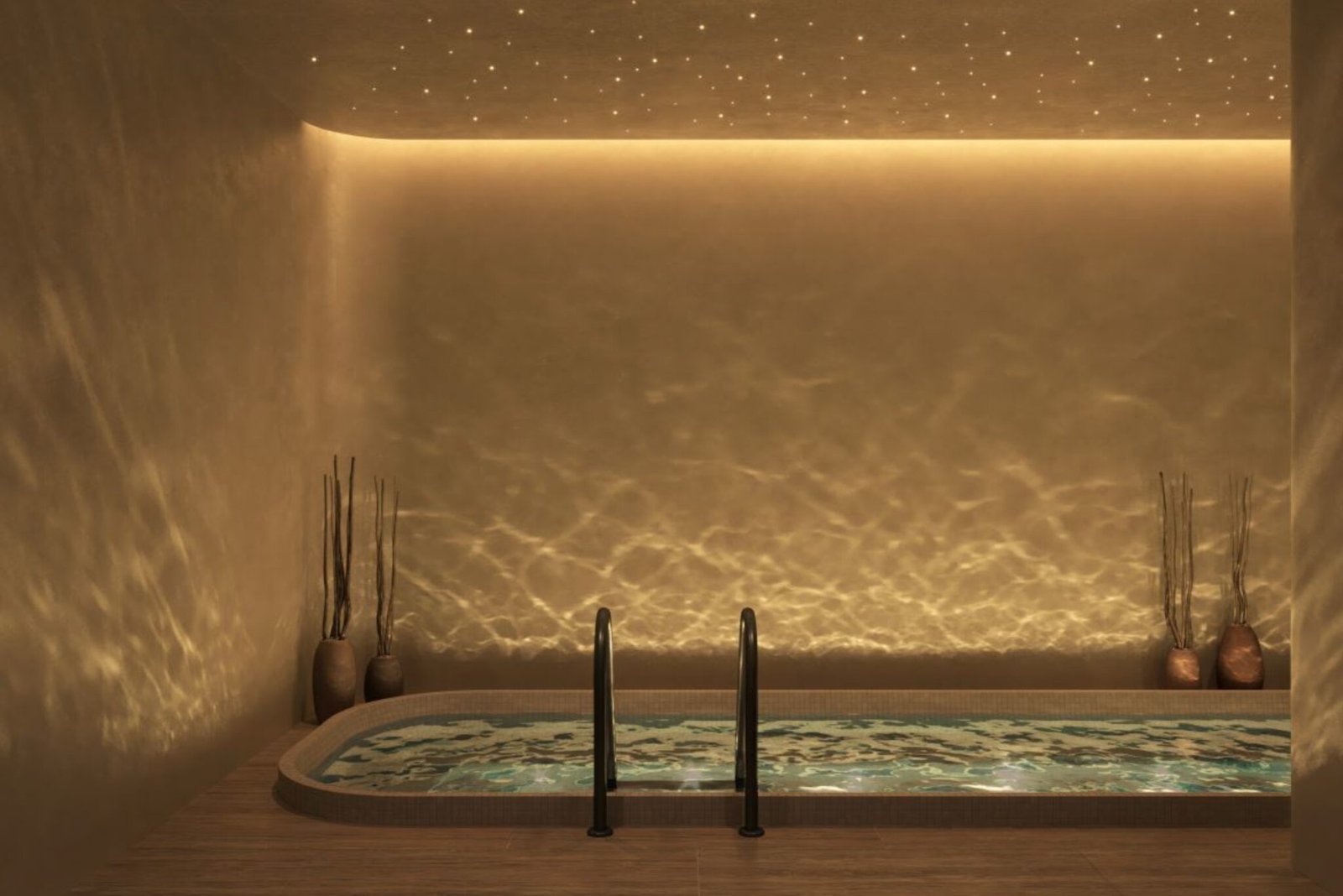
Dubai’s spa scene already offers hammams, saunas, and cold plunges. Sacra’s differentiation sits in the breadth of modalities it places under one roof, with a sequence that supports repeat visits rather than occasional “spa days.” Alongside the banya, the project lists a Turkish hammam, Finnish sauna, specialty steam rooms, jacuzzis, ice baths, cold plunge barrels, a cryotherapy chamber, a pressure chamber, a floating area, and a salt grotto.
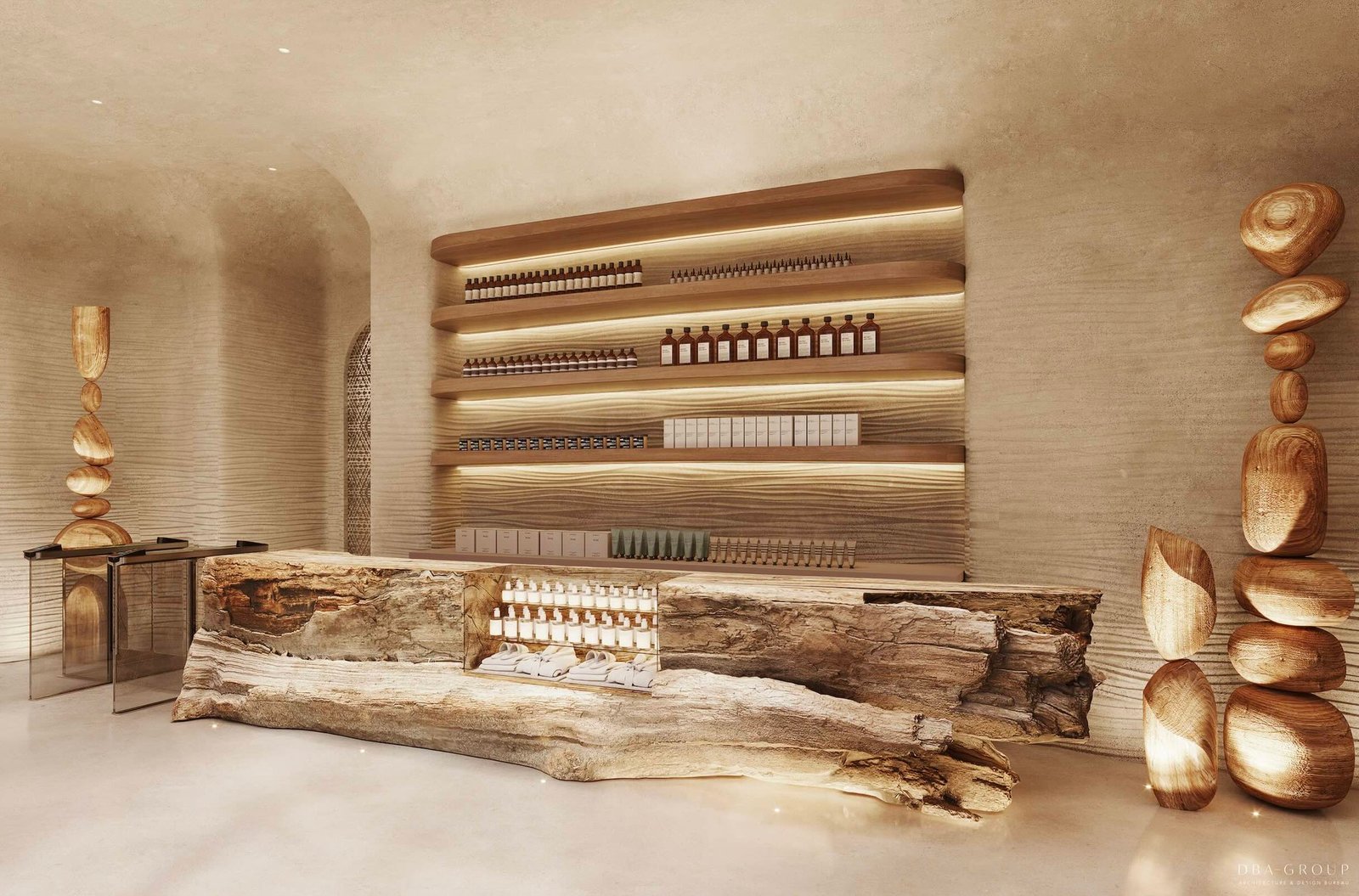
From a longevity lens, that combination matters because it lets people build a consistent protocol with minimal friction. Cryotherapy and pressure-chamber sessions usually live in separate, appointment-driven settings. Float therapy tends to sit in niche studios. Salt rooms often operate as standalone respiratory spaces. When these tools share a single address and a single flow, the barrier to consistency drops, and consistency is the variable that changes outcomes.

There is also a clear signal that Sacra wants to operate at the intersection of wellness and clinical-grade aesthetics: the project has referenced an on-site partnership with SKIN 111. This suggests a future direction where the bathhouse works as a high-touch recovery venue with optional add-ons for skin, body care, and appearance-led maintenance.
Privacy by design, plus a premium social format
Sacra plans separate men’s and women’s areas, which aligns with the privacy expectations of the local market and supports a more comfortable repeat rhythm. For many women in Dubai, the question of wellness venues often begins with privacy, not with the menu of treatments. Building the structure into the layout makes the proposition simpler.
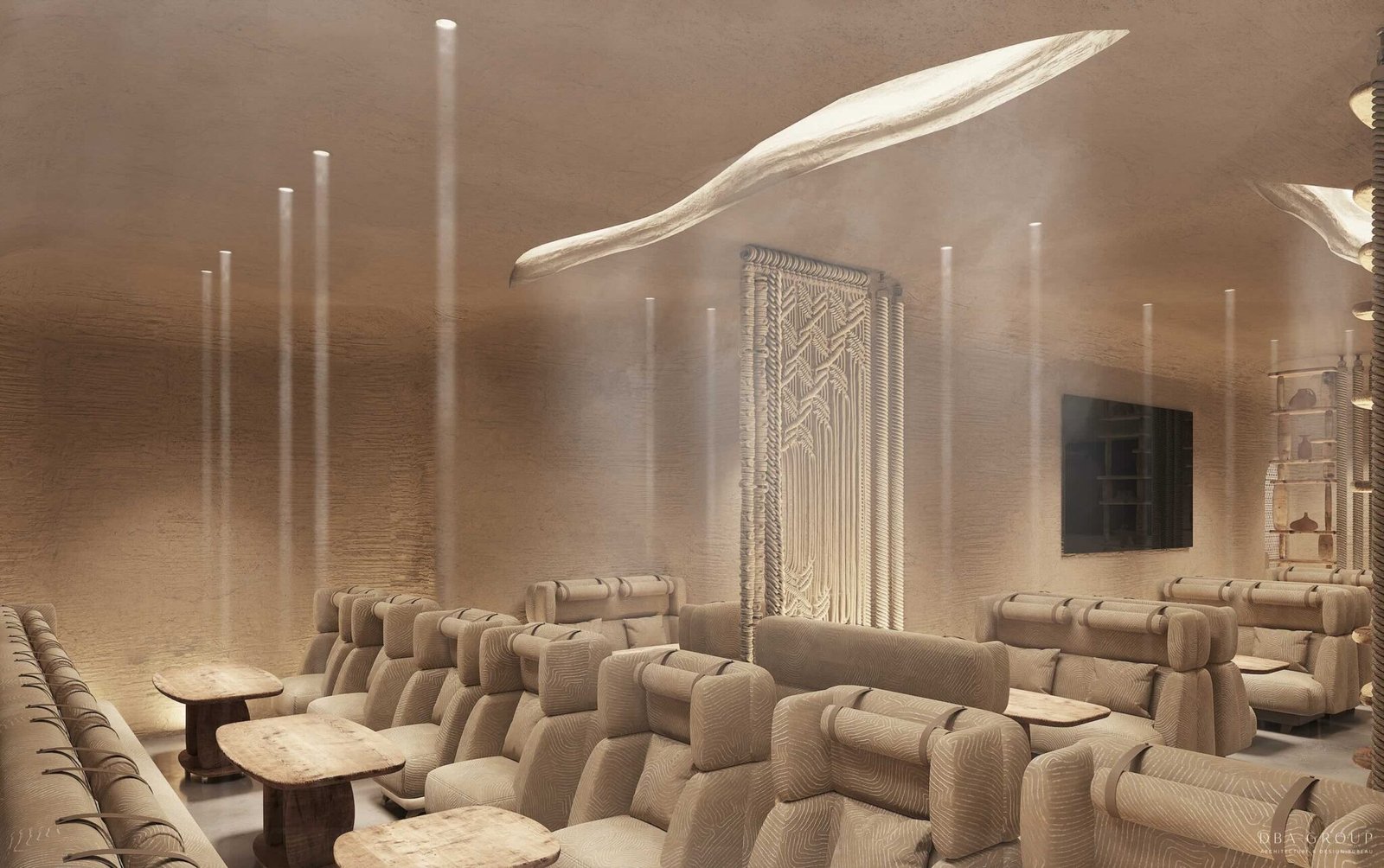
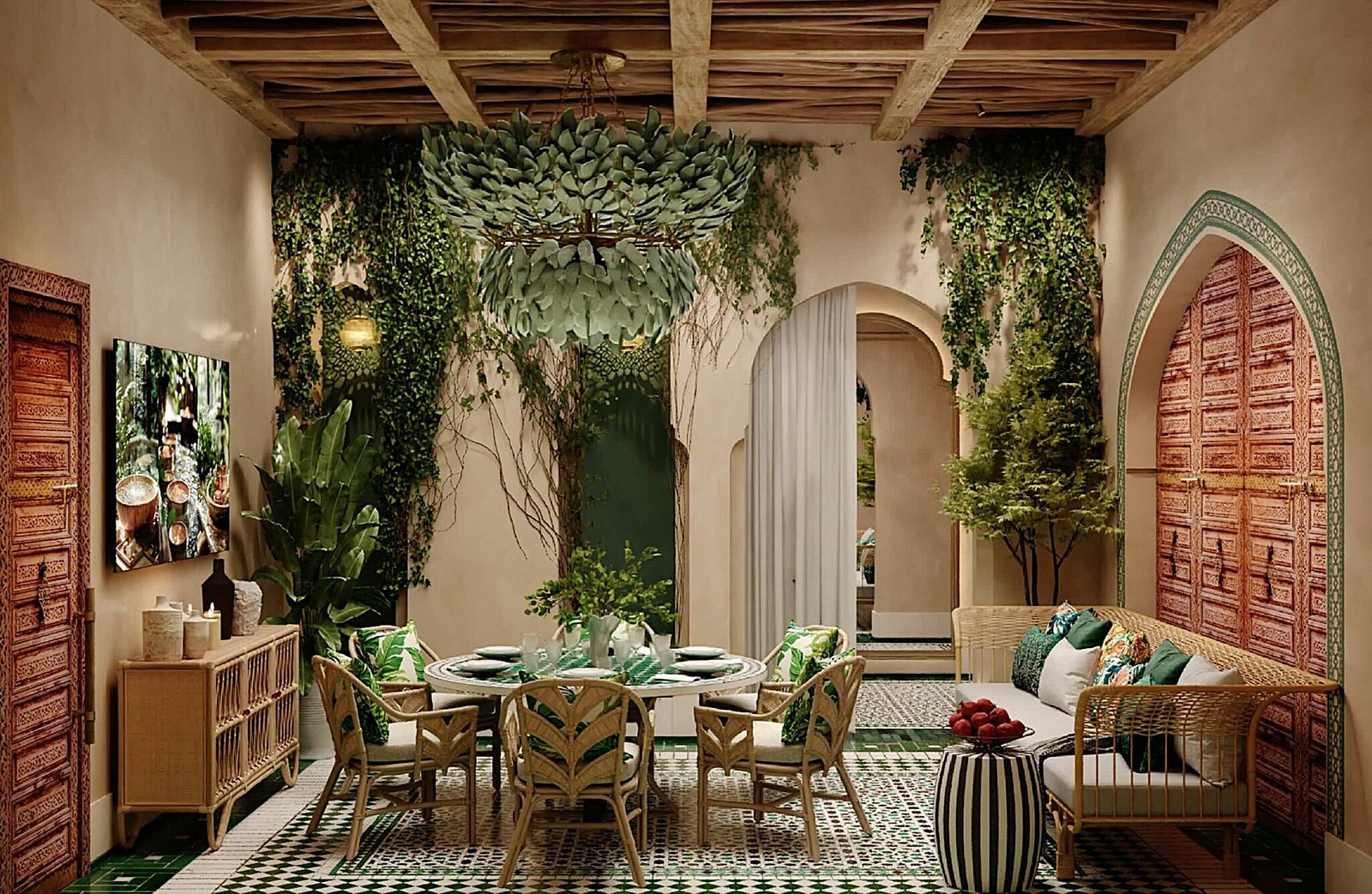
For a higher-end audience, Sacra also lists three VIP suites with distinct themes: Chalet, Moroccan, and USSR. In practice, suites like this function as a hybrid of private wellness room and social club. They support closed-group rituals, longer stays, and a different kind of calendar: birthdays, post-event recovery, pre-wedding reset days, and private gatherings where wellbeing is the stated purpose.
Food as part of the recovery story
A longevity venue can lose coherence when food feels like an afterthought. Sacra takes the opposite approach and plans an in-house restaurant. Coverage of the concept points to a menu direction spanning Mediterranean, steakhouse, and Eastern European references, including a caviar offering.
In a bathhouse setting, food plays a functional role: hydration, electrolytes, protein timing, and a calm environment that extends recovery rather than breaking it. If Sacra executes this well, it creates a simple loop: arrive, complete a structured thermal cycle, add a targeted recovery modality if needed, then eat and leave in a steadier physiological state than you arrived.
Sacra is backed by Bulldozer Group. That matters because operational excellence, service choreography, and brand discipline usually determine whether a wellness venue becomes a habit or stays a one-time experience. Bulldozer’s entry into this category suggests an intent to build a destination with consistent standards rather than a concept built for novelty.
In Dubai, where many wellness openings lean heavily on aesthetics, the larger opportunity sits in repeatability. Sacra’s scale, amenities list, and operator backing suggest it is aiming for that long-game position.
Share


WE RECOMMEND
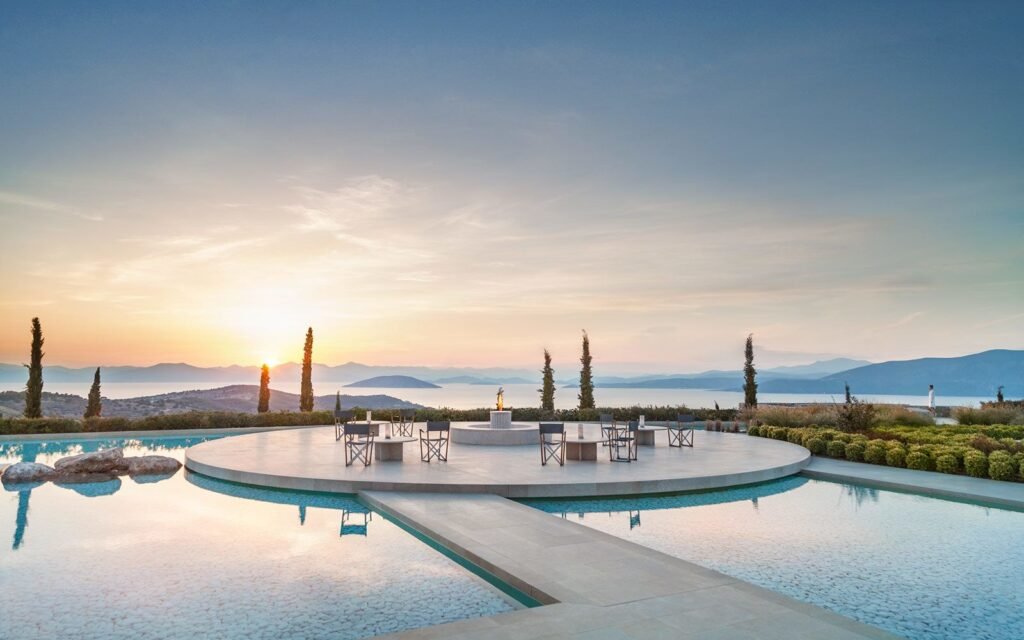
20 destinations for wellbeing and longevity around the world
A longevity trip starts with one simple decision: choose a place where your days reorganize themselves around sleep, movement, and recovery.
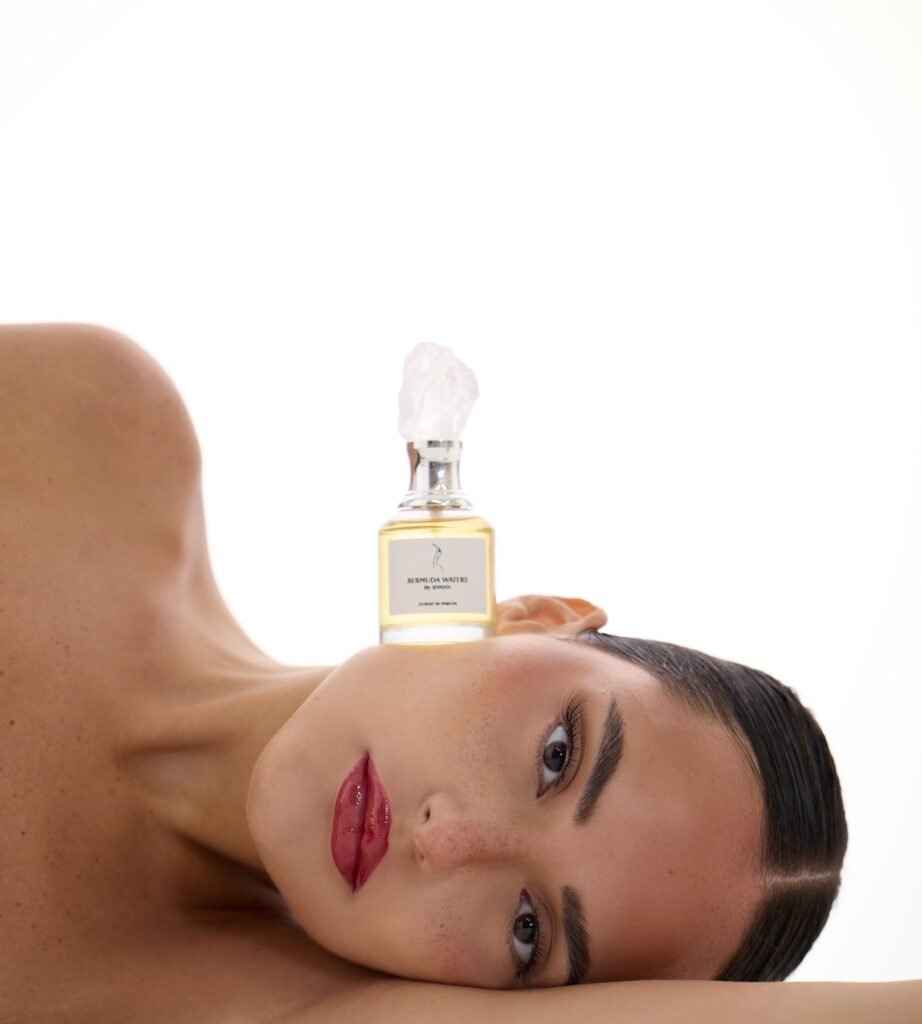
IDMAN: Perfumery Between Creation and Chaos
Born in Dubai and crafted in Grasse, IDMAN explores the tension between control and instinct, offering unisex compositions designed to be worn…
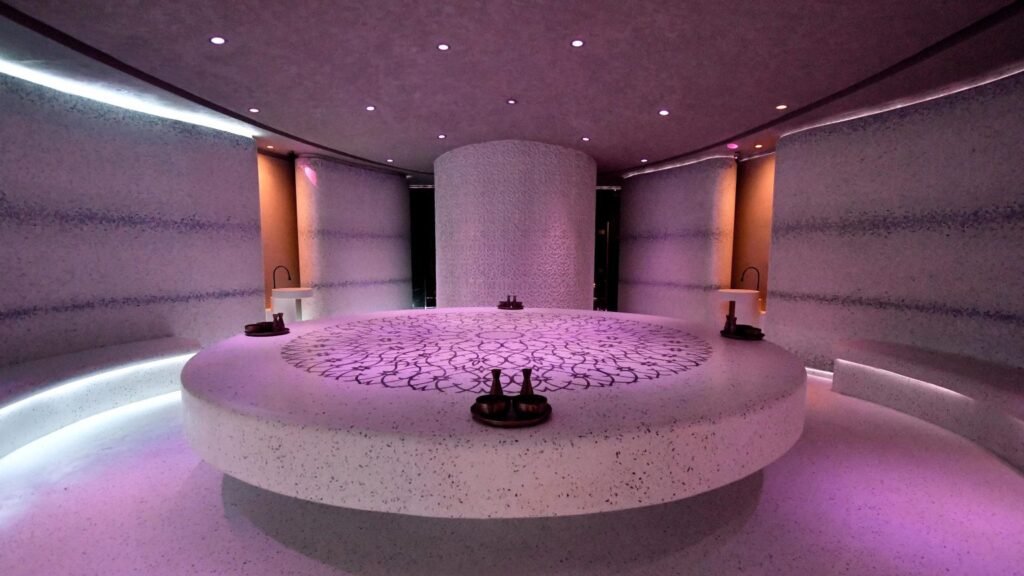
Hammams in the UAE. Places to Quiet the Mind
Hammam is no longer a spa ritual, but a real recovery protocol. Controlled humid heat boosts microcirculation, breathing and skin quality, helping…
