





Beauty Shifts Defining 2026
It seems like this year wellness is taking a more balanced and grown-up shape. The high-effort era is giving way to quieter standards that hold up in real life.
We have all suddenly needed energy. Somehow, it has gone missing. We feel tired even when, on paper, we seem healthy. Our civilization still has not agreed on what caused this shift, whether it is information and technology overload, the pace of modern life, constant connectivity, or a blend of all of it. One fact feels clear: feeling well now requires a more deliberate approach to recovery and daily rhythm than it did before. That is why we have pulled together the directions that leading voices in the wellness industry keep pointing to. They are worth paying attention to if you want a steadier mood and a fresher look.

Biological Rhythm Takes the Lead
The first major shift centers on biological rhythm. I keep coming back to the same idea because it shows up everywhere: the most effective routines rarely look extreme, they look consistent, and repetition is the key. Morning light exposure, evening light reduction, meal timing that supports digestion, and training that respects recovery windows. Wellness programs increasingly begin with rhythm mapping, then build nutrition and activity on top of it. The point is coherence across the day, so the body spends less energy compensating and more energy restoring.
Stress Gets Measurable
Emotional balance in 2026 is discussed as a nervous-system profile with measurable signals, and HRV has become a common reference point in both high-end clinics and everyday tracking. What feels different this year is the tone. People want to understand which inputs change their baseline, which habits create overload, and which interventions restore capacity. Breathwork, somatic practices, and cognitive approaches sit inside protocols that track outcomes over weeks. In discussions with practitioners, the focus is on what you can do on a long-term basis because a healthy nervous system means a healthy sleep cycle and a relaxed facial expression.

Sleep as a Primary Intervention
Sleep has entered the realm of primary intervention. The discussion has widened from the duration of sleep to its continuity, latency, temperature, exposure to light, and nervous system downshifting. Tracking continues to be in vogue, but the best programs are those that concentrate on what improves sleep architecture in reality: early light exposure, gentle evenings, consistent meal times, and training schedules that allow for recovery. In premium travel, sleep-centric design is also emerging as a true differentiator, with designed rooms for darkness, silence, and temperature that facilitate deep sleep.
Metabolic Health
Conversations about energy, body composition, mood stability, and longevity increasingly converge on glucose regulation, insulin sensitivity, and inflammation management. GLP-1 medications remain a major cultural force, and their impact reaches beyond weight loss into appetite, nutrient intake, training tolerance, and tissue quality. In parallel, clinics and coaches have had to develop a more refined playbook: preserving lean mass and supporting protein sufficiency.
Personalized Retreats Become the New Standard
Retreats are also evolving fast, and the strongest ones feel like a private reset: pre-arrival assessments, clear goals, and a schedule built around your body, from sleep and stress regulation to metabolic support and skin quality. The format is flexible and quietly high-touch, with smaller groups, more one-on-one time, and protocols that can continue after the retreat ends. What people want now is a result that holds up back in real life.

The Metrics Era Grows Up
Technology in wellness has also matured. Wearables and apps like WHOOP and Oura remain central, yet they can also create a quiet pressure, especially when the numbers feel less than perfect. Biofeedback is gaining ground in clinical settings, and neurostimulation is becoming a familiar part of premium wellness. The most compelling use of tech supports self-awareness and reduces guesswork, then steps back as habits take over.
Wellness Travel Takes Over
Wellness travel in 2026 increasingly doubles. Hotels and resorts have started to build serious wellness into the stay, with schedules that look closer to a well-run studio week than a casual “gym available” promise. Guests are booking around movement, recovery, and performance, with mornings structured for training, afternoons designed for restoration, and evening experiences that feel meaningful. The appeal is simple: a change of scenery paired with a body that feels lighter, and more resilient by the time you fly home.
Environment as a Wellness Lever
Environment has become a serious wellness lever. Air quality, light design, acoustics, and thermal comfort are part of how people choose homes, hotels, and workplaces. I have started to think of certain spaces as supportive and others as depleting, and the difference is often sensory, the lighting, the noise floor, the heat, the pace. Luxury has expanded into sensory intelligence: rooms designed for recovery, lighting that respects circadian rhythm, and materials that reduce overstimulation. Wellness travel has also evolved in this direction, with an emphasis on spaces that support deep rest and gentle social rhythm.
Aesthetic Medicine Moves Into Restraint
Aesthetic medicine is adapting to this new landscape. The dominant signal in 2026 is restraint as a marker of sophistication. Clinics are leaning into approaches that support collagen dynamics, skin density, and facial balance over time, with collagen biostimulators such as Sculptra and energy-based tightening like RF microneedling now sitting at the center of many long-term plans. Post-GLP-1 demand has become its own category. After rapid weight loss, patients increasingly seek skin tightening and tissue remodelling, subtle facial rebalancing, and body contouring that restores proportion and support as the body settles into a new baseline.

Taken together, these trends point to a single direction. People are choosing fewer inputs and expecting better outcomes, and brands and clinics are responding with clearer standards. In 2026, wellness as a form of modern living treats health as something built through environment and intelligent restraint. The shift feels lasting because it is grounded in biology. And it suits the way people want to live now: with less stress, more clarity, and a quieter kind of performance.
Share


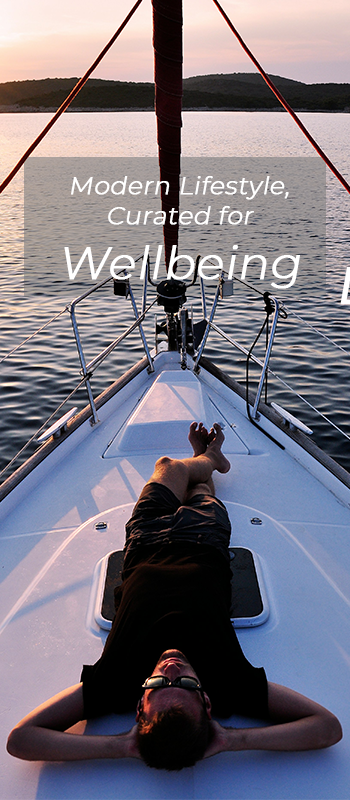
WE RECOMMEND
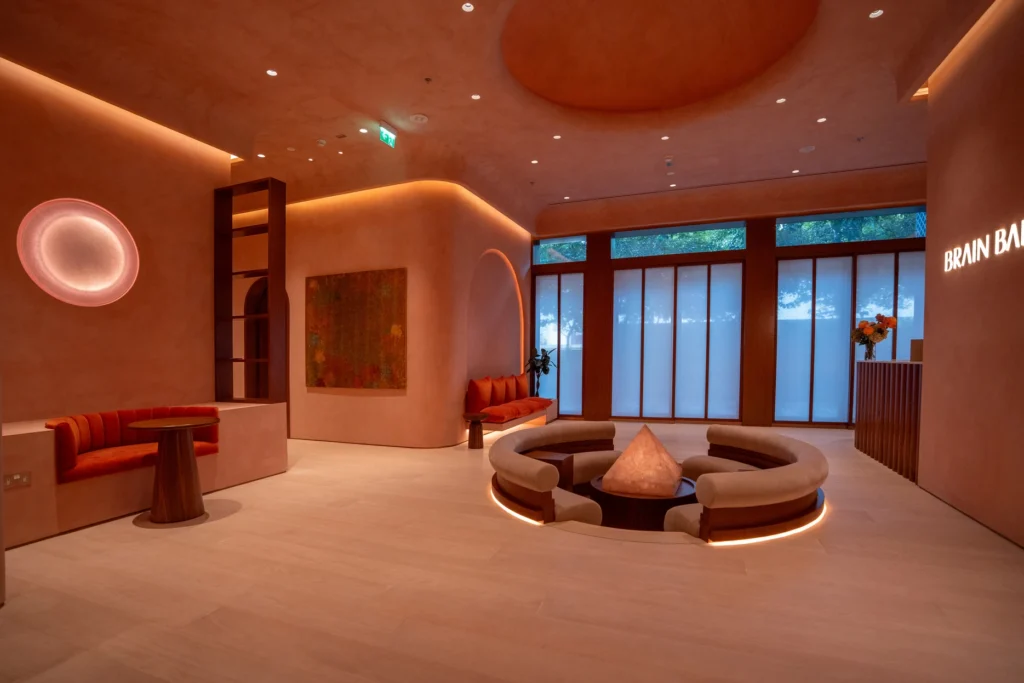
Are brain bars the next big thing?
Brain bars are turning cognitive wellness into a daily ritual, and Dubai’s Akari is one of the clearest local signals that the…
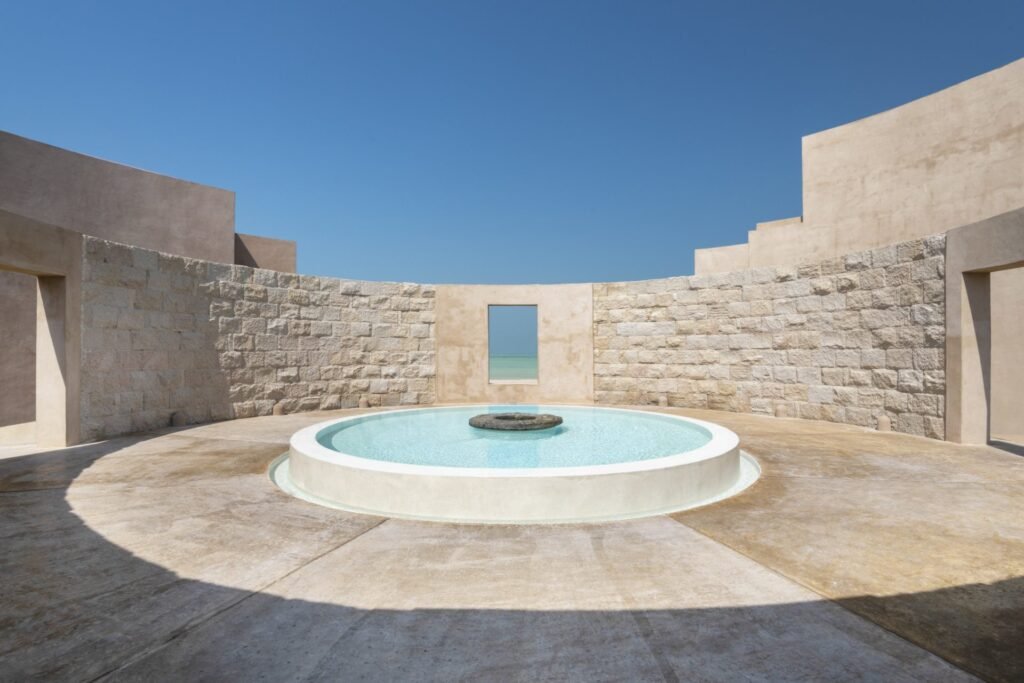
Unique Wellness Retreats across the Gulf Region
These five wellness retreats in the GCC were selected for their focus on structured recovery. Save for future planning.
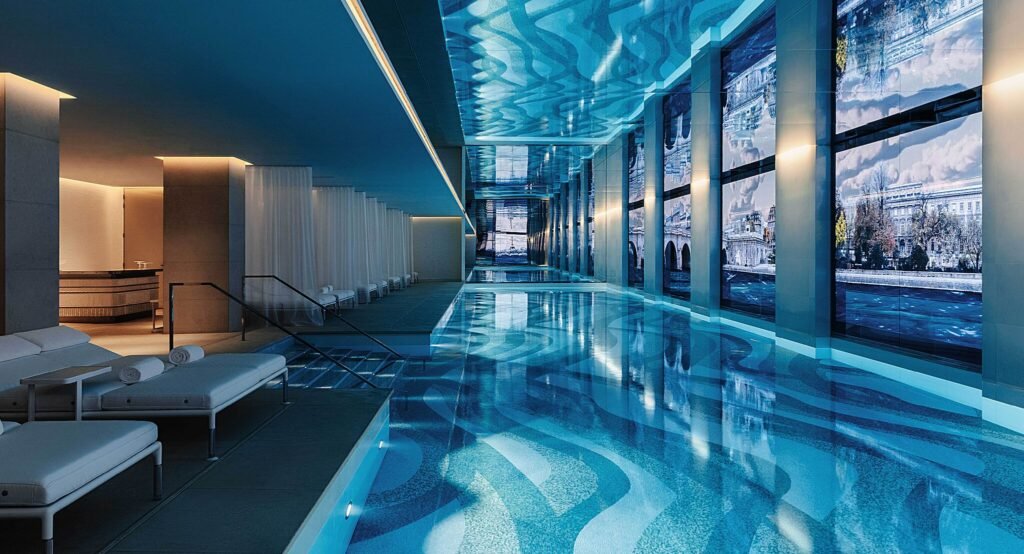
Dior Spas. Exceptional spaces for beauty and recovery
From Parisian hôtels particuliers to Riviera gardens, desert capitals, airport sanctuaries, and even a moving train, Dior Spas have evolved into a…
