



SIRO One Za’abeel
Wellbeing Spaces of the UAE
How Dubai, Abu Dhabi, and the wider UAE are turning wellbeing and recovery into a new urban culture.
In the UAE, wellbeing has long gone beyond spas and fitness. Here it has become the language of architecture, development, and urban culture. Recovery spaces are designed as places where the body returns to normal, the head clears, and social life receives a calmer tempo. As a result, a new culture is emerging before our eyes: clubs, new-era resorts, desert retreats, medical hotels, wellness zones inside residential skyscrapers, wellbeing as part of public districts.
This article is about how wellbeing spaces in the UAE are structured, and how to choose them for different states.
If you want to see places in the UAE that can naturally shift your state for the better, you can find our curated list here.
Why the UAE is becoming a laboratory for wellbeing spaces
One of the leading roles is set by the climate. Heat, air-conditioning, sharp temperature swings, a high share of life spent indoors, and a tight work schedule have created demand for regular and controlled recovery. People need a place where physiology really switches.
That is why wellness here is built into residences, mixed-use, destination developments on the coast, new cultural districts. An example is the concept of integrating wellbeing infrastructure directly into a residential tower at Amra Residences – first integrated wellness beachfront resort in the UAE.
Demand has shifted from endless parties and events to control of sleep, energy, the nervous system, recovery after flights, and a deficit of quiet. That is why spaces are built around measurable states: fatigue, overstimulation, poor sleep, tension, chronic stress.
An important difference of the UAE and the GCC as a whole is that wellbeing has become part of social life. Hence the growth of clubs and “social wellbeing”, where recovery is combined with communication and a neat aesthetic.
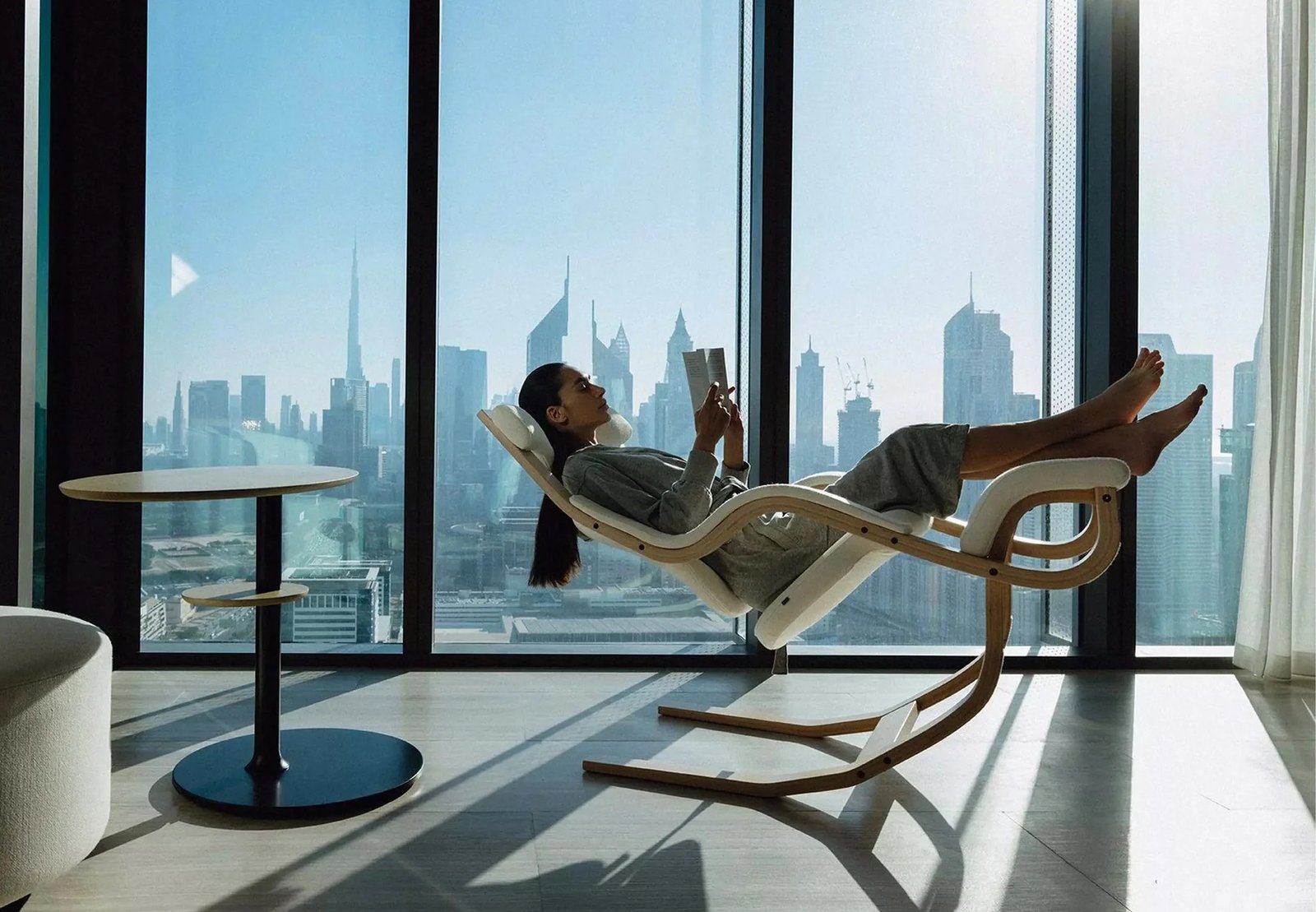
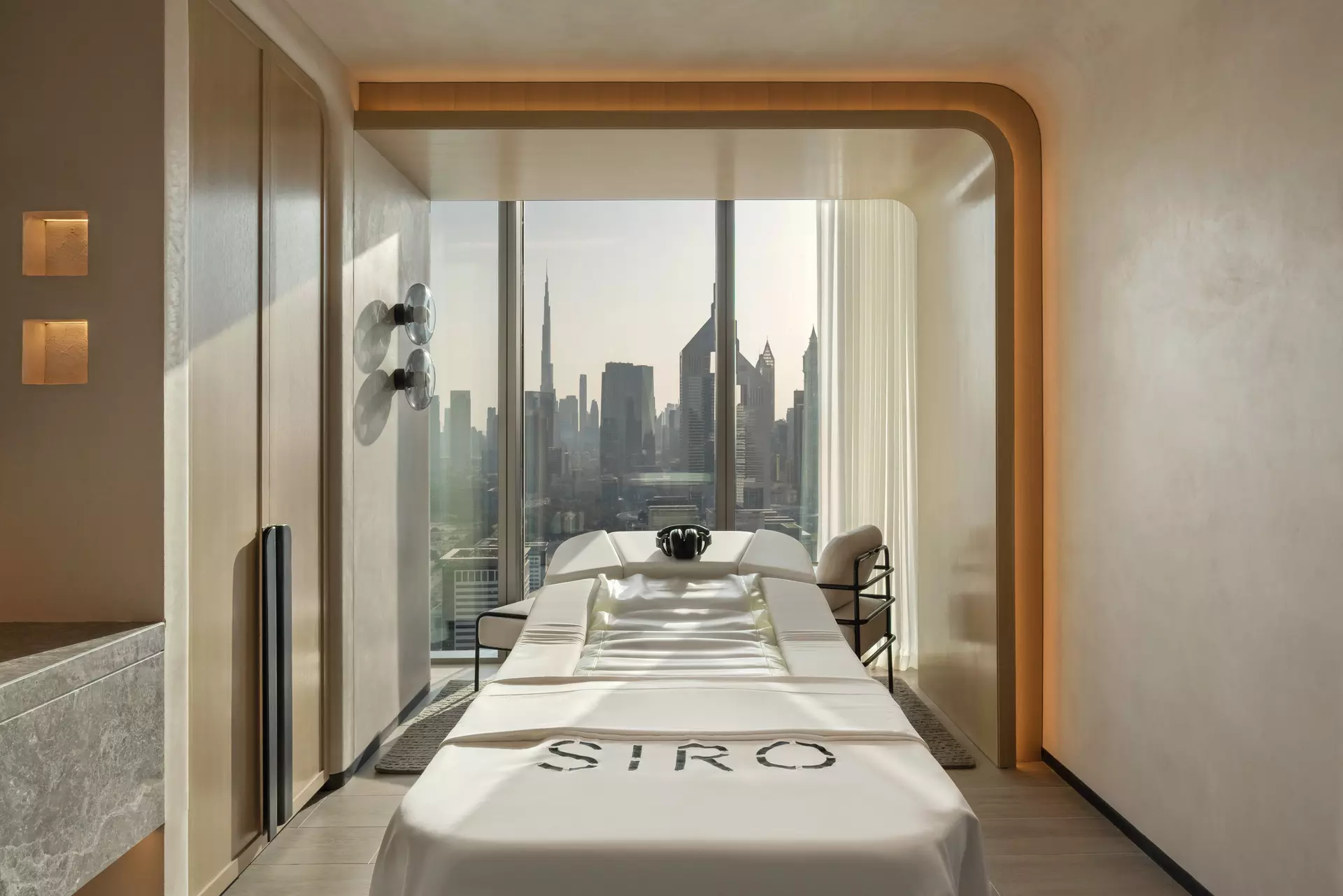
One bright example is SIRO One Za’abeel, Dubai’s all-in-one wellbeing destination. The project opened as the first hotel of the SIRO brand, built around fitness and recovery, with a Recovery Lab and a set of recovery practices.
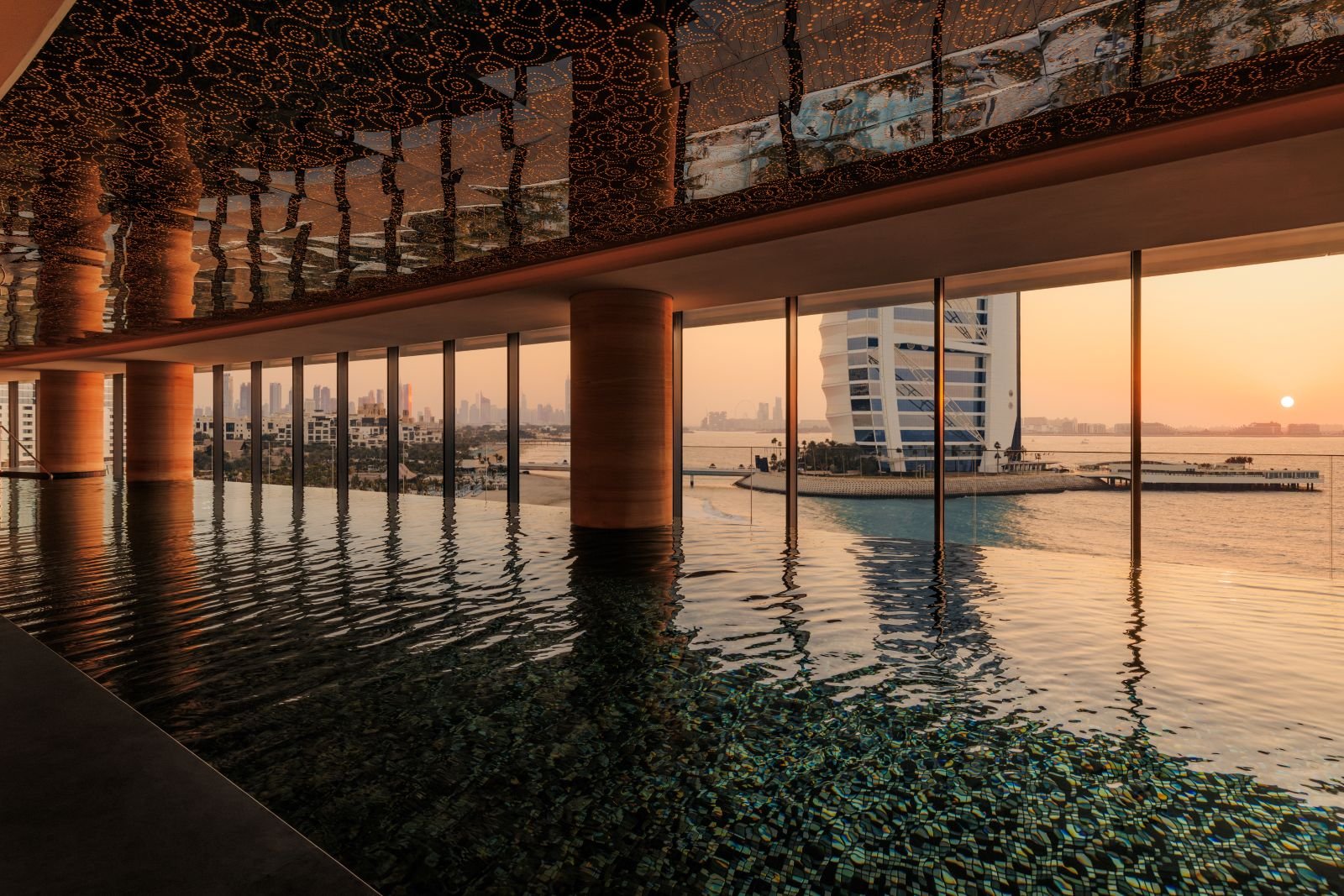
At Six Senses The Palm, Dubai (to open in 2026), a large social and wellness club is announced as part of the project. In the description of the residences there appear a longevity clinic, IV lounge, biohacking room, and other elements that translate wellbeing from “procedures” into the infrastructure of a way of life.
Aman Dubai (to open in 2027 in Jumeirah, with an Aman Hotel, Aman Club, and Aman Residences) leans into wellbeing through the brand’s core formula: privacy, quiet, and a spa conceived as a destination in itself. The project has been presented with an extensive Aman Spa (reported at 2,000+ sq m) alongside the Aman Club, positioning recovery as part of daily life and social rhythm.
Why this works as an experience
It works because it is easy to describe in one sentence: “I went to a hotel where the body is brought into shape like in professional sport.” It works because wellbeing becomes a habit, and a habit needs logistics: close, beautiful, convenient, socially acceptable. Because a person returns with a noticeable difference in sleep and bodily tone, and the story is easy to retell: “I arrived disassembled – I left assembled”.
Urban wellness clubs become “city resource headquarters”. These are clubs for people who have no time for retreats, but have a need for regular recovery. Here a mix is important: training, recovery, sometimes coworking, a cafe, a community. Social and wellness clubs have become a new format of urban socialization. This is the main shift: wellbeing has become a meeting place, part of the social calendar, a new “third place”.
New wellbeing spot Akari on Once Central is a sanctuary that guides guests toward rejuvenation by seamlessly integrating advanced, science-backed therapies into daily life. This wellness center specializes in treatments like IHHT (Intermittent Hypoxia-Hyperoxia Therapy), a mindful, NASA-developed practice that alternates oxygen levels to boost cellular resilience, mood, and sleep – and red light therapy to support repair and energy production. Completing the experience is the centre’s thoughtfully designed Brain Bar, where functional drinks are crafted with purposeful ingredients like adaptogens and superfoods, transforming simple hydration into a wellbeing ritual.
Hotels in the country more and more often selling a state. The key is strong spa concepts, heat & water facilities, sleep programs, quiet in architecture. This type is now noticeably showing itself in Abu Dhabi: the city is strengthening the sports and wellness component in new projects such as Olympia Resort Abu Dhabi, Hudayriyat Island. In materials about future openings in the UAE this project is presented through a focus on wellness and sport, including technological elements connected with recovery.
The “newest” type is when recovery and support of the body are built into a residence: sleep, air, water, movement zones, procedures, club infrastructure. This is no longer a service, but a layer of a way of life.
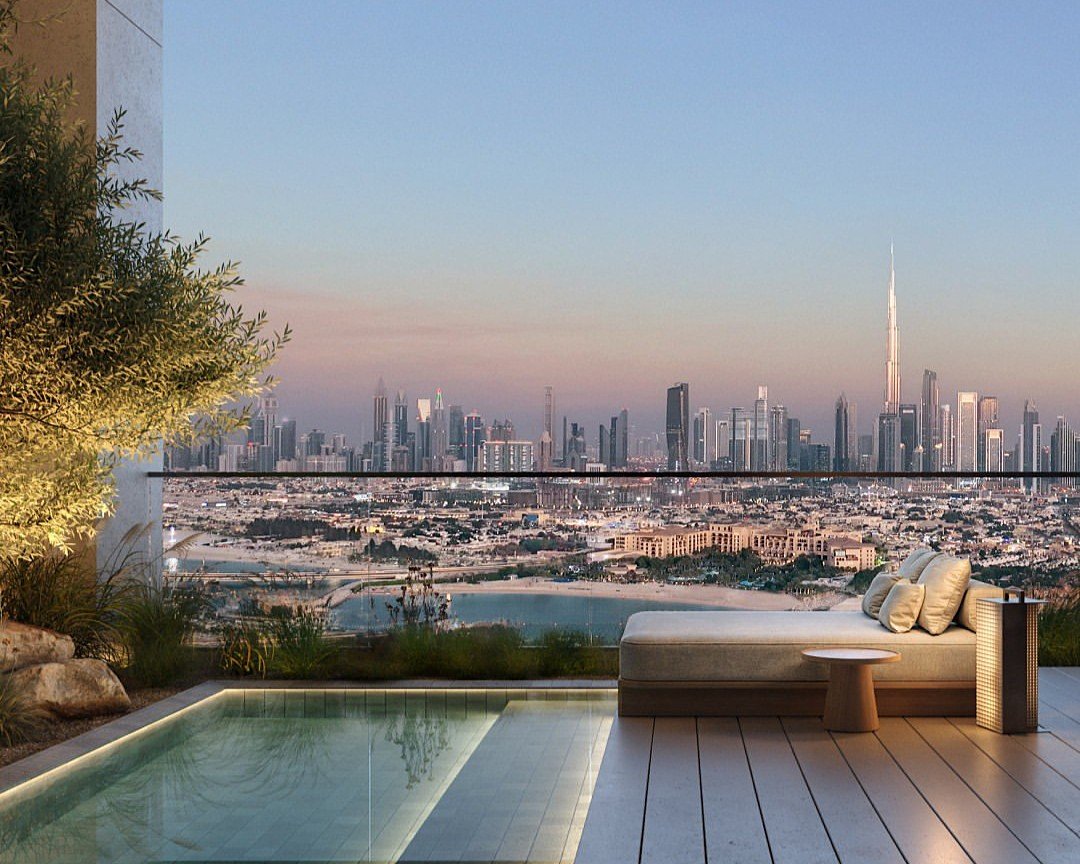
“The architecture of state”: what unites the best wellbeing spaces
Successful places give a soft scenario: entrance – quiet – water/heat – movement – food – sleep. A person feels the transition with skin, breathing, temperature. Materials and acoustics also play their role. In the UAE there is a lot of glass and stone, but in wellbeing spaces wood, textures, matte surfaces, sound absorption, warm light win. Space stops “pressing” on the nervous system.
People get tired of open halls and endless visibility. The best places give small “pockets” of privacy: niches, small rooms, closed zones.
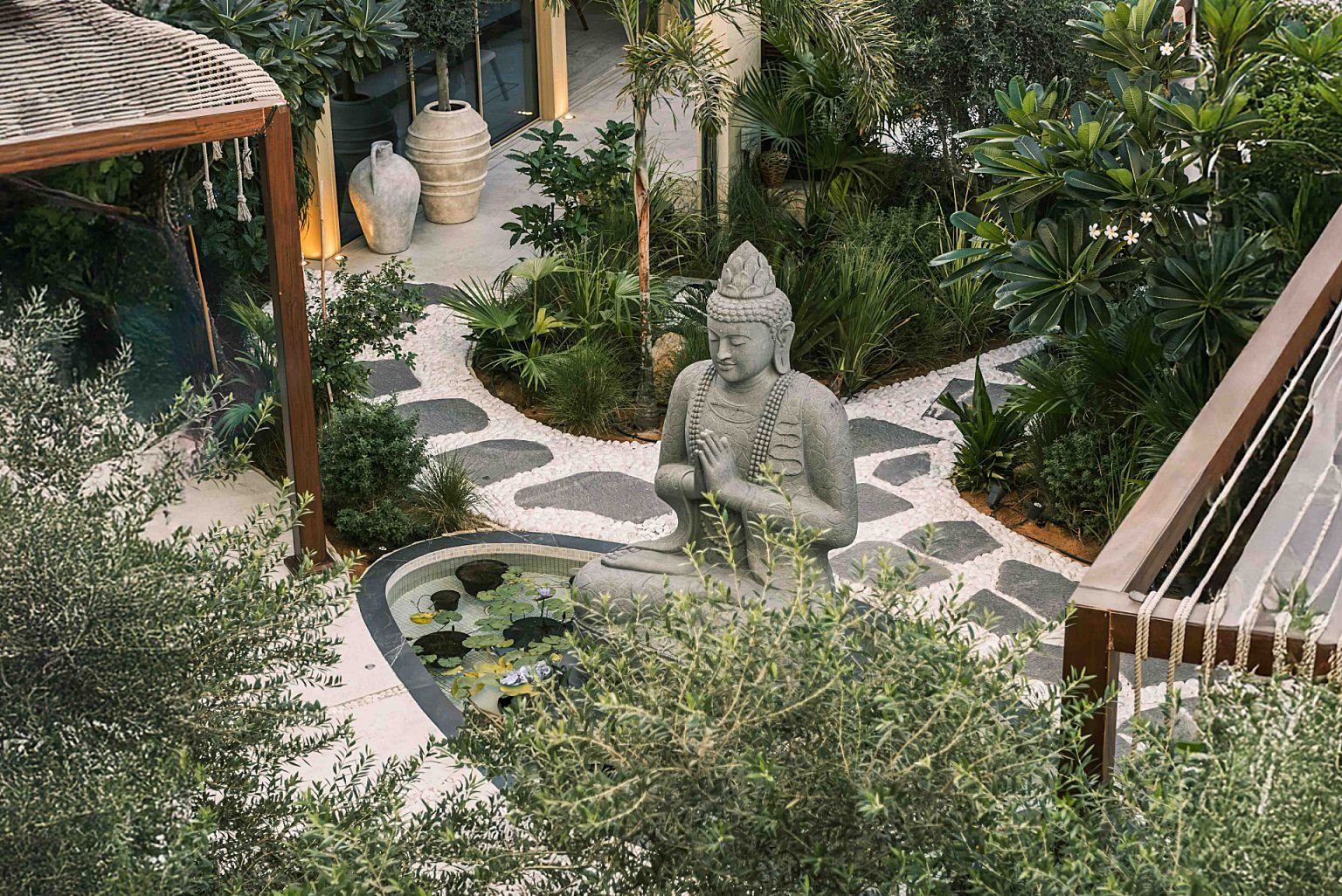
How to choose a wellbeing space for a task
If you have overload and irritability choose heat/water + quiet + short procedures. In city mode – a club with recovery zones. In the format “to leave” – a retreat like Zoya Wellness Retreat in Ajman.
If you have insomnia and a knocked-down rhythm, look for places with sleep programs, light regimes, early dinners, bodily practices, where the morning starts calmly.
If you have the feeling “I fell out of the body”, you need movement, heat, water, massage, breathing. Hotel and club formats here are often more effective than long lectures and “mental practices”.
If you need social wellbeing, clubs and places are suitable where recovery is combined with a cafe and communication: Nasab as an example of an urban private club that unfolds wellbeing activities in the public environment.
What will happen next
As of today there are three lines that are already read in the market: wellness will become part of the city, and not a separate “destination”. Districts where movement, recovery, and culture live together will grow. This is visible in how developers and city projects formalize wellbeing as a “hub”.
Clinic, service, and aesthetics will merge. In the UAE they love a high standard of service, and medicine is more and more often packed into a calm environment where a person feels comfortable being.
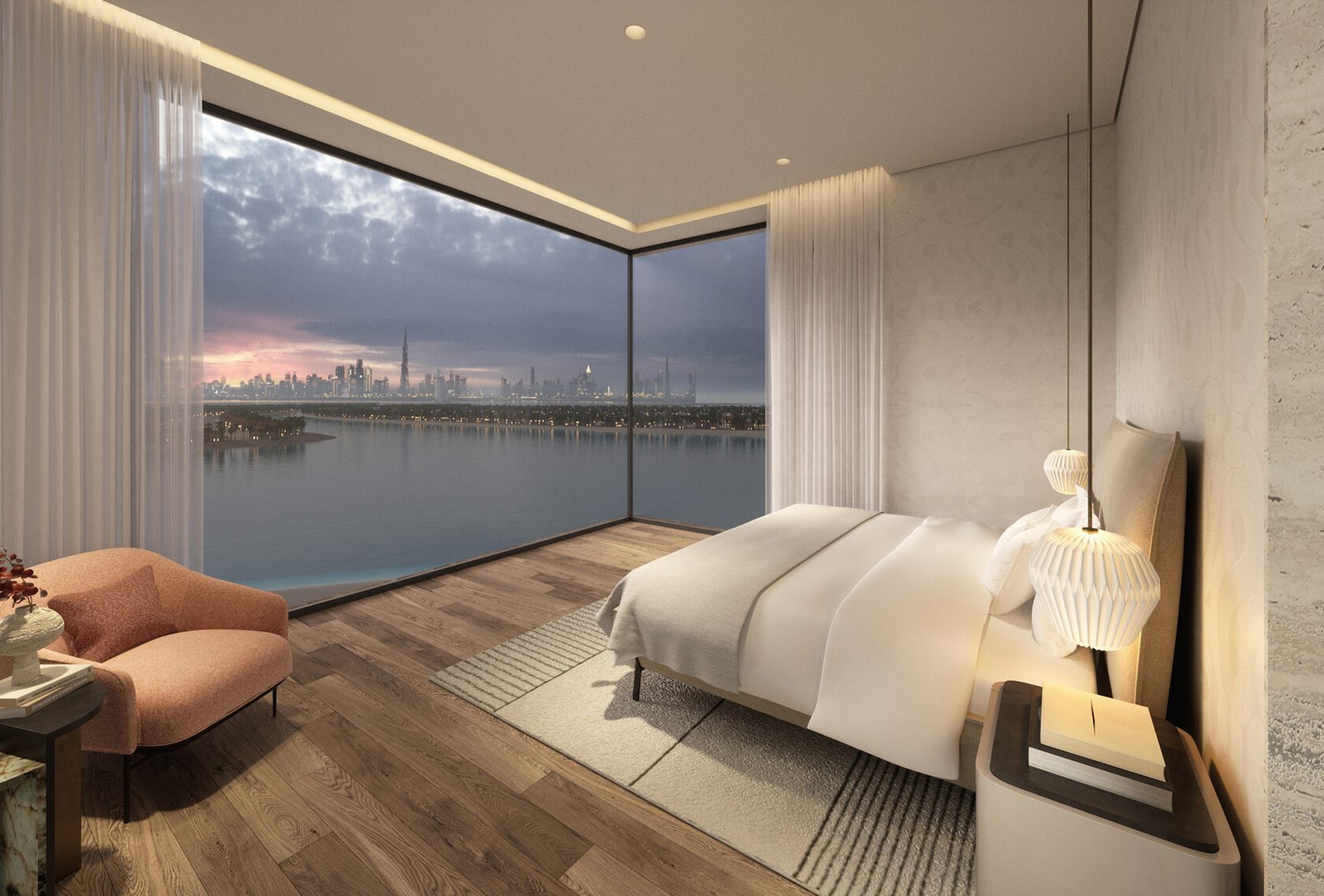
The home will become a wellness tool. Residences with integrated health/wellness elements will set a new norm: health as infrastructure, and not as a “trip to the gym”.
Wellbeing spaces are a market niche where space works as a technology of state. People buy not a service. People buy the possibility to again feel collected in the present moment: in the body, in time, in the head. That is why the map of these places will keep expanding, and people will return to them more and more often.
Share


WE RECOMMEND
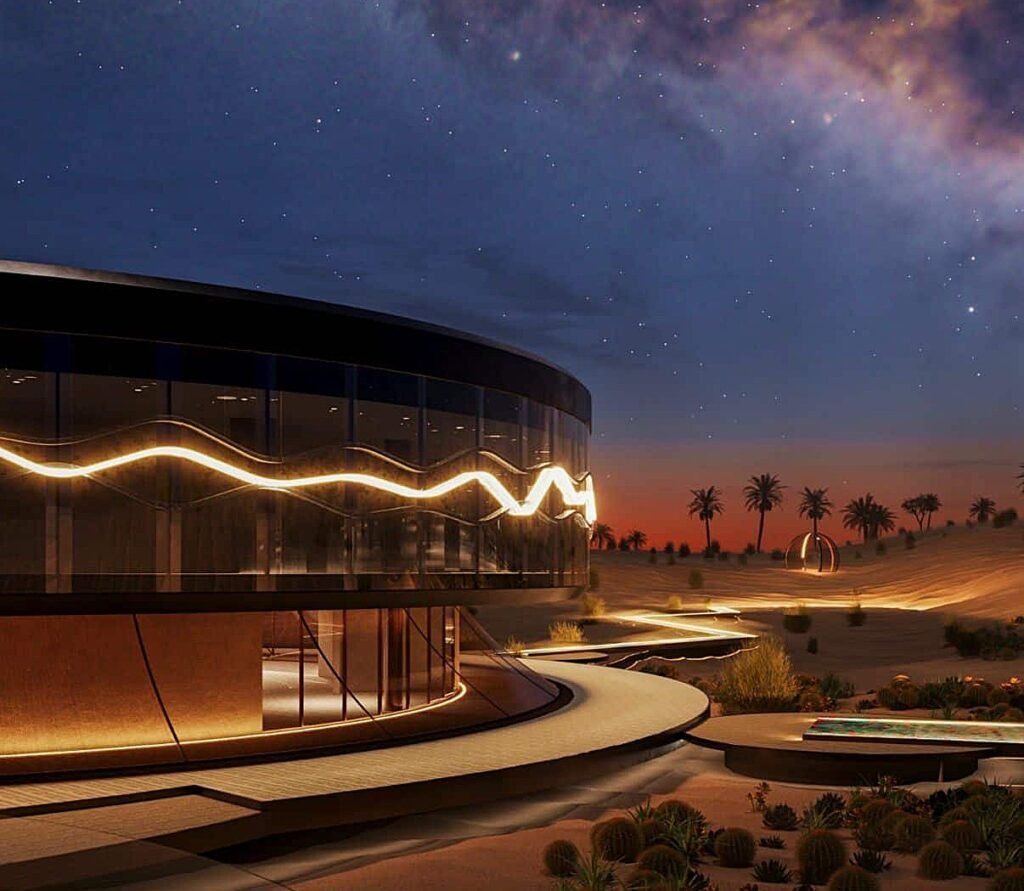
Dubai to turn the desert into a 10-kilometer art gallery
Dubai’s desert is set to become the site of a walkable artwork called CLIO Desert Park – a land art route built…
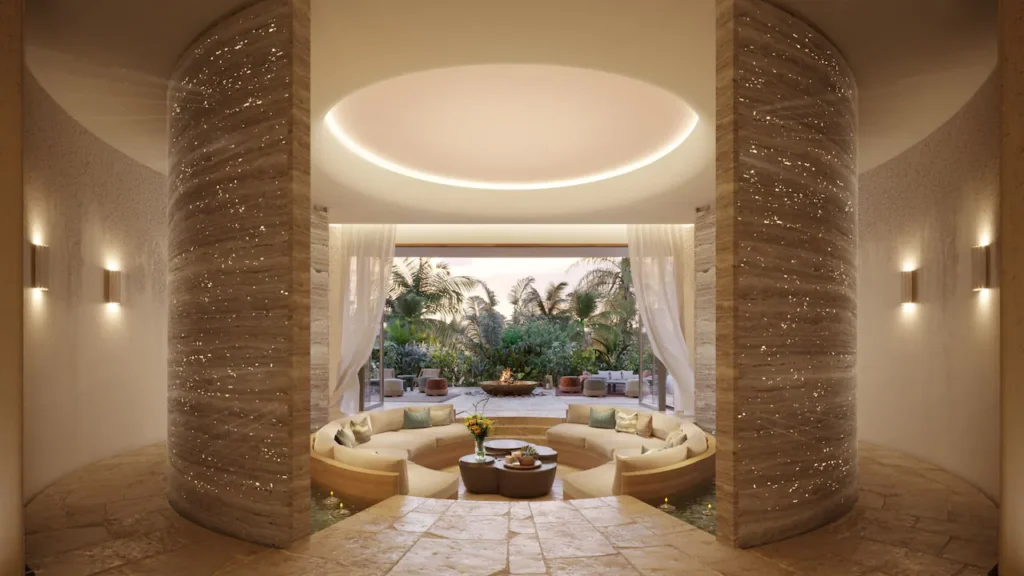
New Hotels in Saudi Arabia that will Reshape Mindful Travel Expectations
With projects by Jayasom, Six Senses, Aman, and Miraval, Saudi Arabia is beginning to define its own language of regenerative living
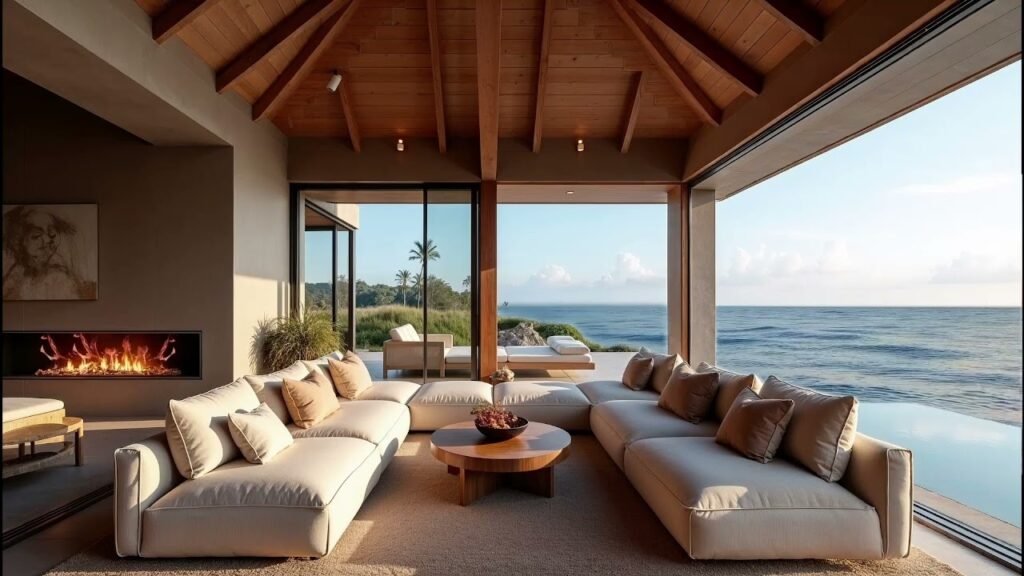
Quiet shift: trading city life for space
Power is changing its address. Leaders are trading density for clarity, building lives where calm luxury, health, and clean attention shape every…
