




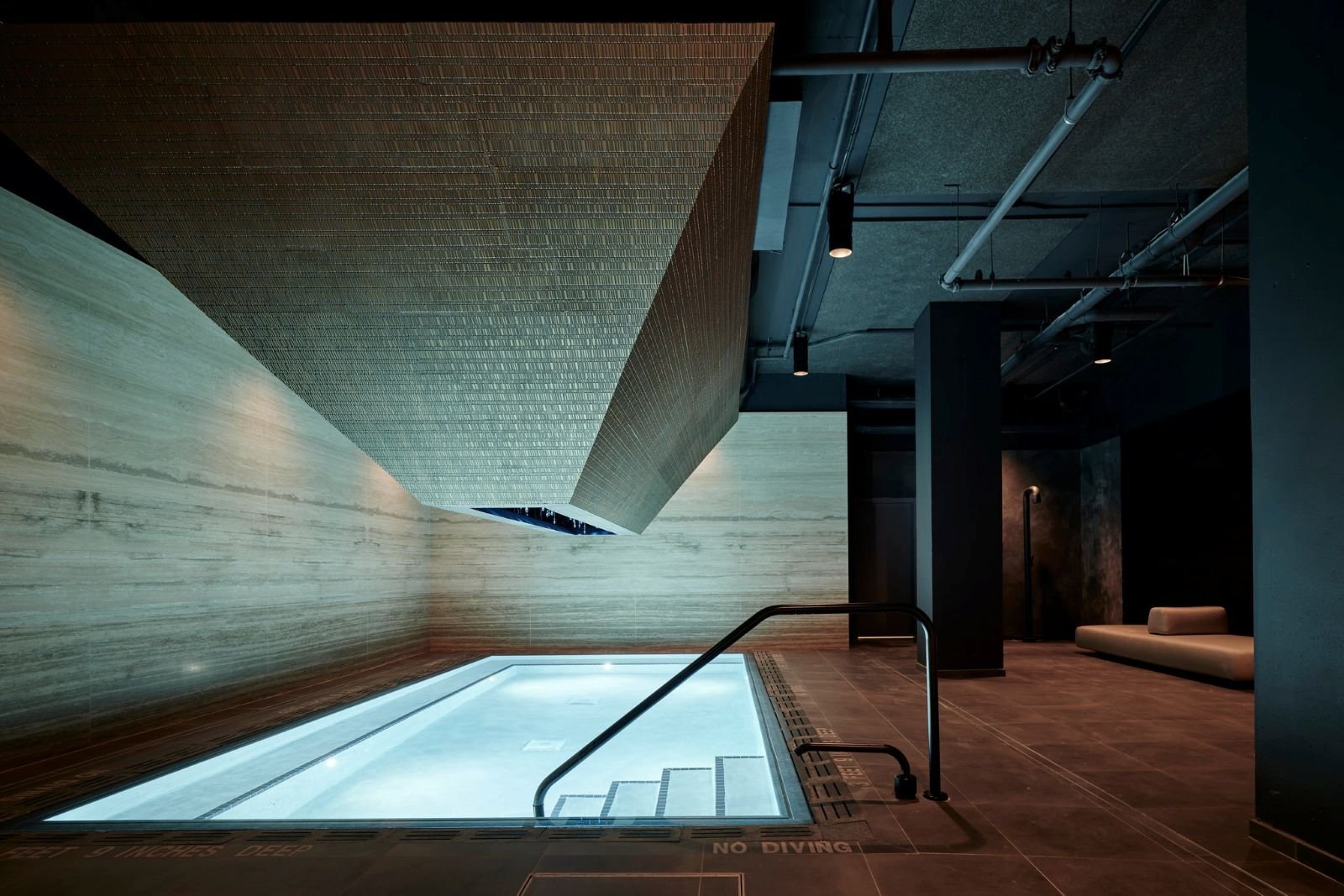
Bathhouse Flatiron (US)
Why Everyone Is Talking About Sauna, Even Though It’s Been Around for 2,000 Years
From celebrities to royals, everyone seems to be into saunas right now. But what real benefits are behind the obsession?
Sauna suddenly become a marker of the moment: we live faster, sleep worse, get more tired than we are ready to admit, and look for simple, physical ways to drop the overload. Heat turned out to be a rare practice where the effect is clear without explanation – you enter as one person and leave as another.
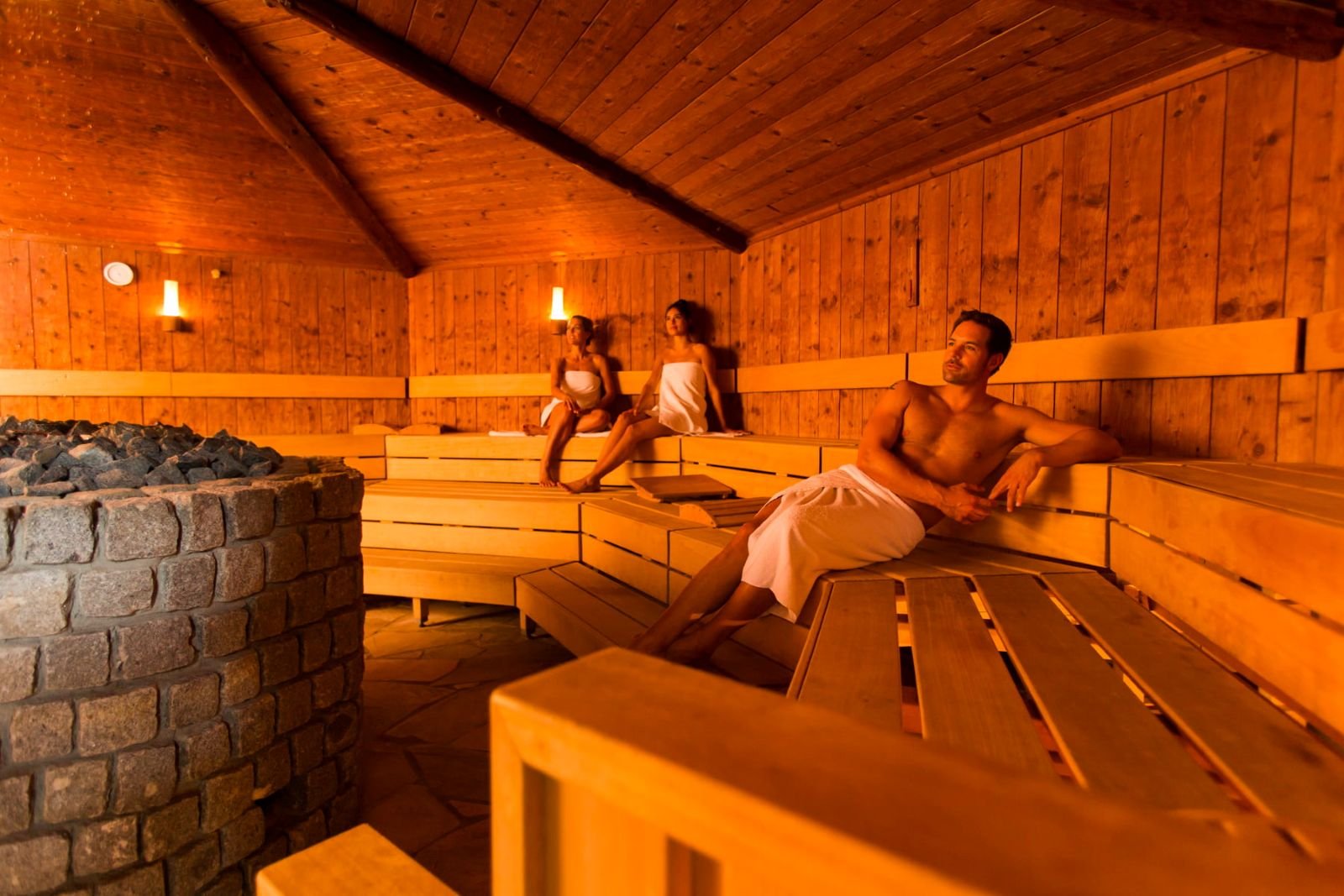
Crown Prince of Dubai, Sheikh Hamdan has recently shared his post-travel recovery routine publicly and it includes a sauna block as part of the reset. Cristiano Ronaldo recently posted a viral “After sauna” update that did exactly what these posts always do – it framed sauna as a normal, repeatable recovery habit rather than a special occasion. And he’s far from the only one: David Beckham has posted sauna moments (including an “early morning sauna” post), Cindy Crawford has posted sauna updates and talks about infrared sessions, Gwyneth Paltrow is repeatedly associated with infrared sauna in the wellness conversation, and Kim Kardashian has posted sauna content as well.
Bryan Johnson pushes the same idea from the longevity side – he wrote about sauna as a potential longevity intervention and he has publicly described a concrete protocol (200°F / 93°C, 20 minutes, daily) as part of Blueprint.
So, is the hype around saunas really worth it?
The last years were about the head: productivity, focus, anxiety, endless screens. Sauna gives a direct bodily signal of safety: warmth, slowing down, silence, the rhythm of breathing. It is one of the few anti-speed practices that feels natural even to those who cannot stand meditation.
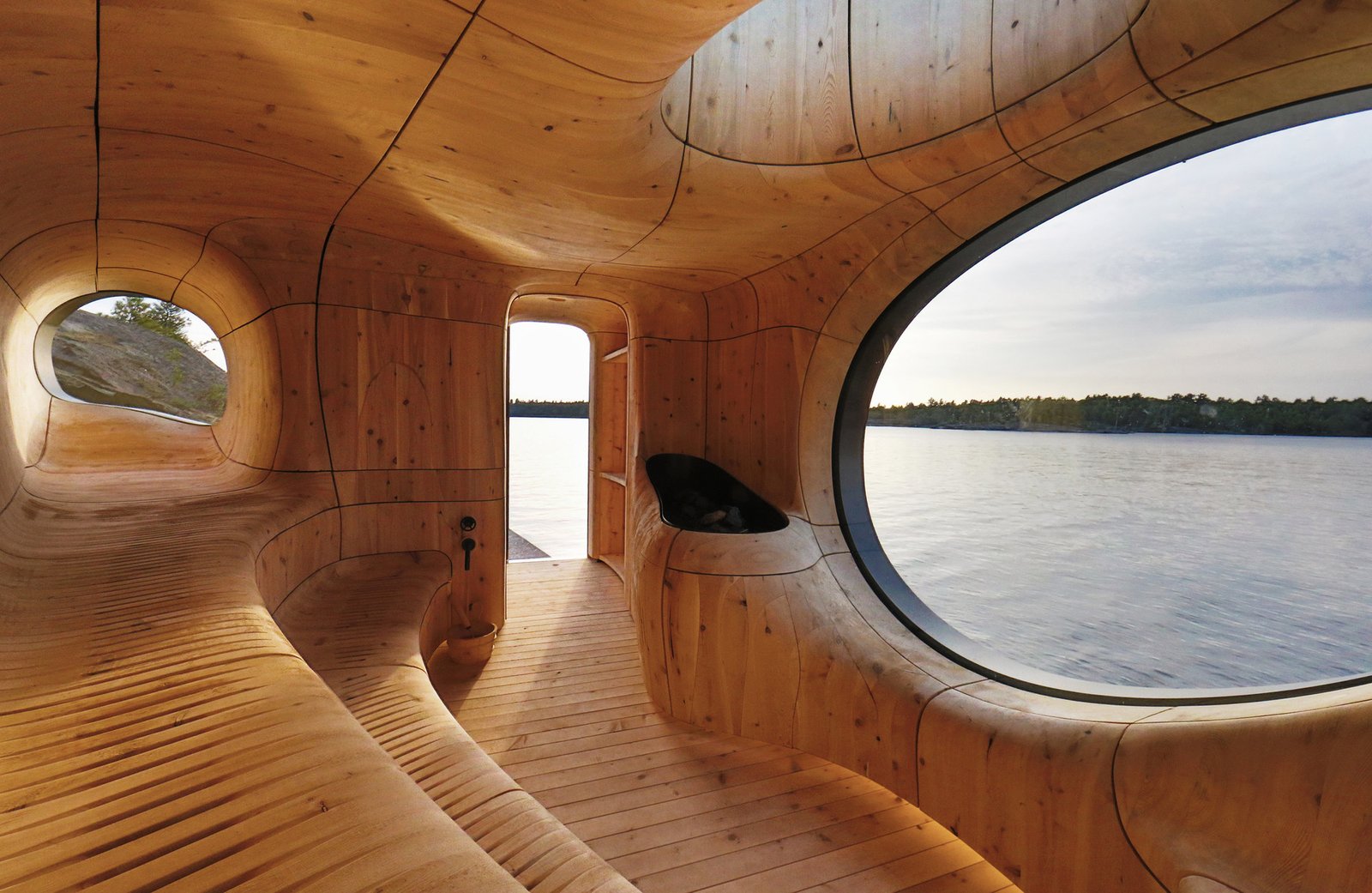
The public conversation shifted: before, people discussed care, now they discuss recovery and resource. Sauna fits this language better than many treatments, because it looks like a simple tool for recovery after sport, flights, stress, and lack of sleep. And also – it is a habit, not a one-time service.
Over the last 10-15 years there has been more talk about heat therapy: thermoregulation, vascular responses, sleep, subjective lowering of tension, recovery after load. Not all studies are equally strong, but the overall effect is media: sauna was given the status of a practice you can talk about without esoterics. This is critically important for an audience that trusts data.
Sauna became a new type of social format
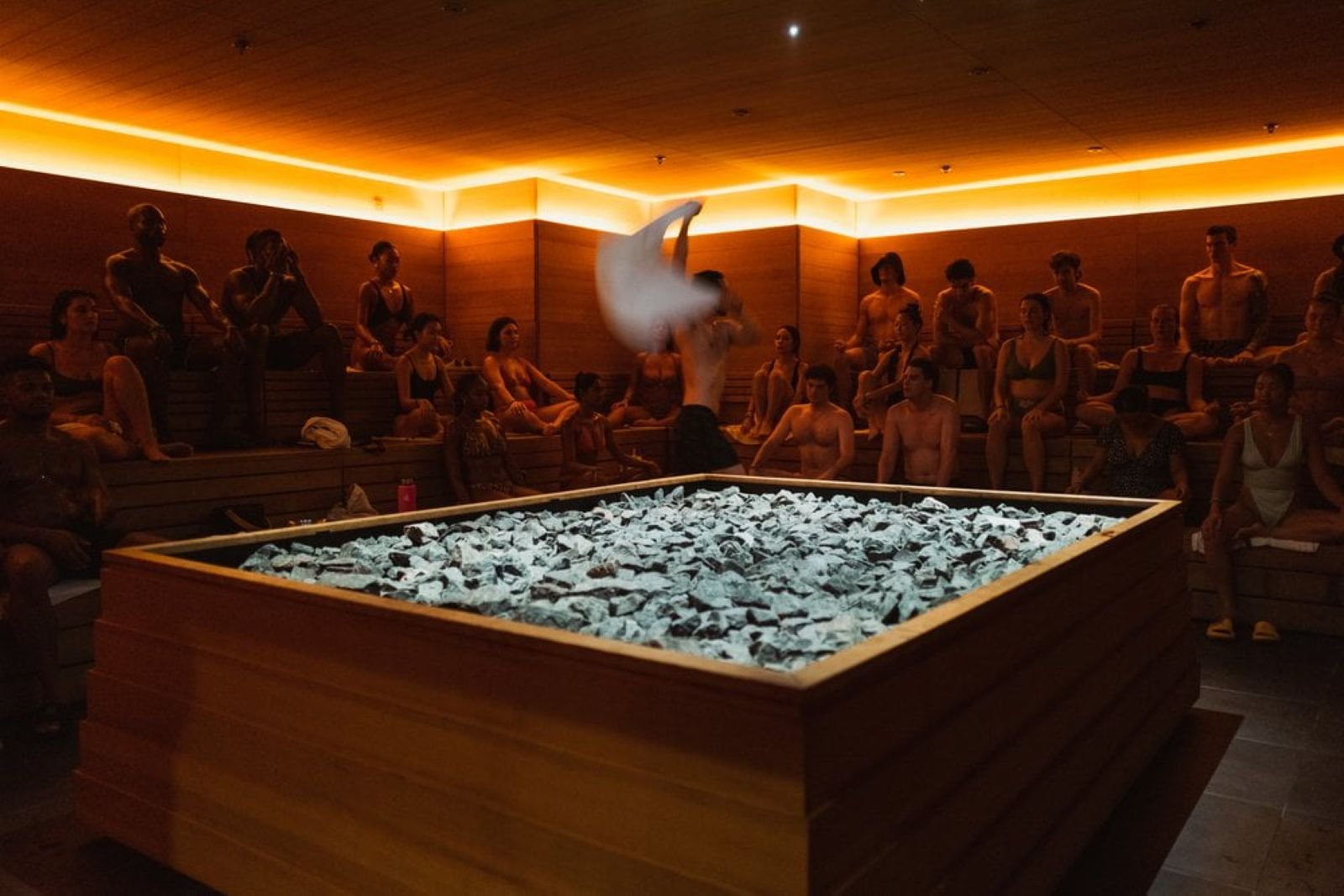
Sauna now is also a meeting place. The idea of “third places” is returning – spaces between home and work where you can exist without a consumption script. In Scandinavia, the UK, the US, UAE, and Australia, the culture of public saunas, bath clubs, and saunas by the water is growing. People come for contact that feels cleaner: without music, without shop windows, without alcohol, with a real conversation or with comfortable silence.
Sauna, cold plunges, breathing, running, strength training, sleep tracking got tied into one knot. This landed on the culture of “being put together” and controlled loads. In this bundle, sauna looks softer and more accessible than ice, and it sells psychologically more easily: warmth is pleasant for almost everyone.
Clear ritual that you want to repeat
A modern person is overloaded with choice. Sauna is good because the scenario already exists: heat up, pause, water, silence, repeat. Ritual lowers friction – you do not need to reinvent the practice every time. As a result, it becomes a habit, and a habit in wellbeing is always more valuable than a single “experience”.
Sauna looks democratic, even when it is expensive. You are buying a feeling, not a demonstration. For an audience tired of performative consumption, this is an important shift: the state is valued, not the picture.
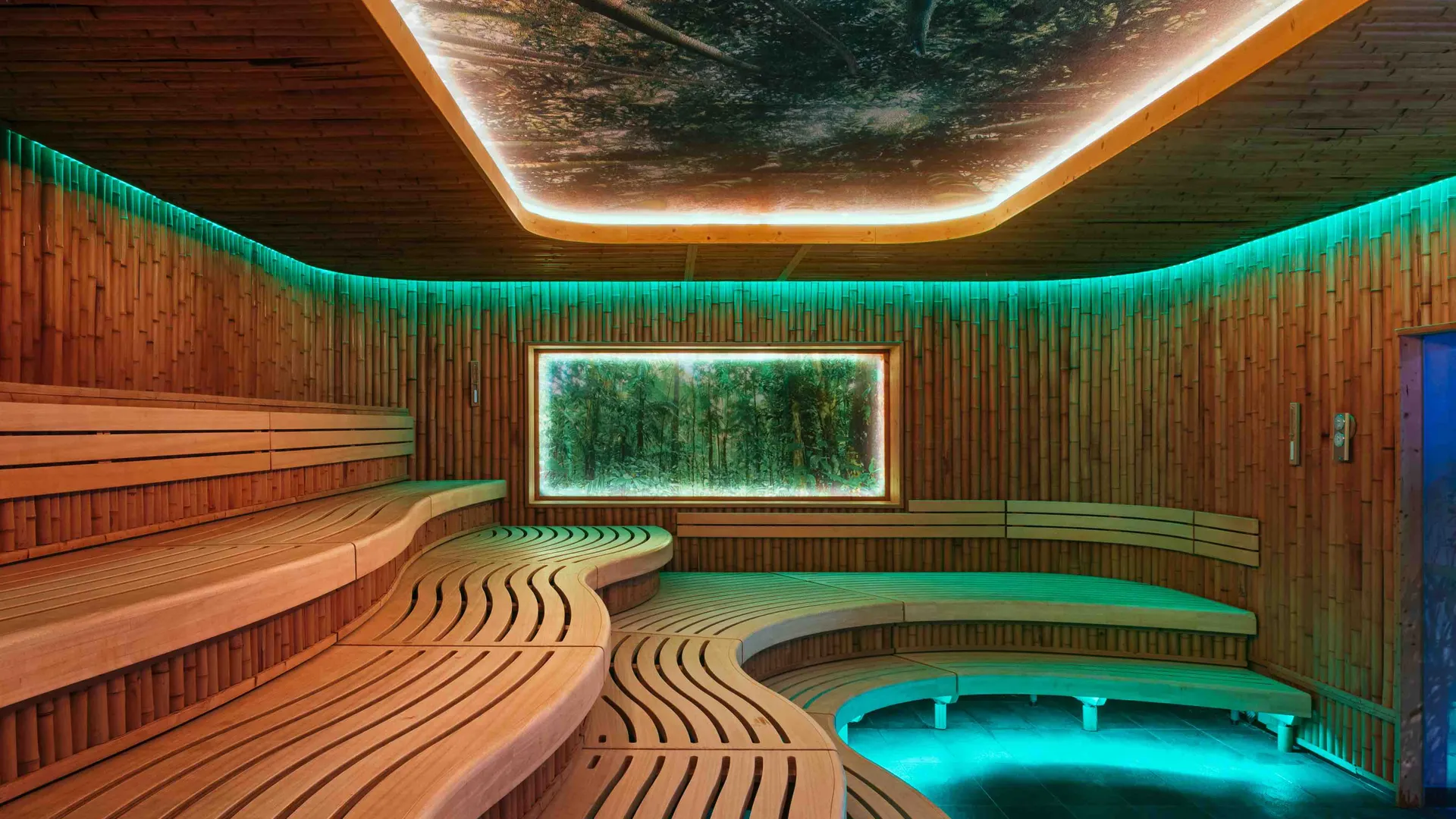
How to build sauna into your life without fanaticism
Frequency: 2-4 times a week is a real habit zone for most people. Too rarely does not give a cumulative effect, too often can overload, especially with sleep deficit and high training volume.
Duration: Start with 8-12 minutes, then a pause. Then by how you feel, without heroism. The main marker is calm tolerance and a clear head after.
Timing: Better in the second half of the day, when you need to gently “switch off the speed”. For some, sauna is too stimulating – then move it earlier.
Water and minerals: After sauna you often want “empty” water, but the body often needs electrolytes. If you have low ferritin, heavy periods, or a tendency to low blood pressure – be especially careful with dehydration and sharp contrasts.
If you have cardiovascular problems, unstable blood pressure, pregnancy, acute inflammatory states, any doubts about medications – it is better to discuss it with a doctor. And yes, alcohol next to sauna is a bad idea; the risks there are plain and unpleasant.
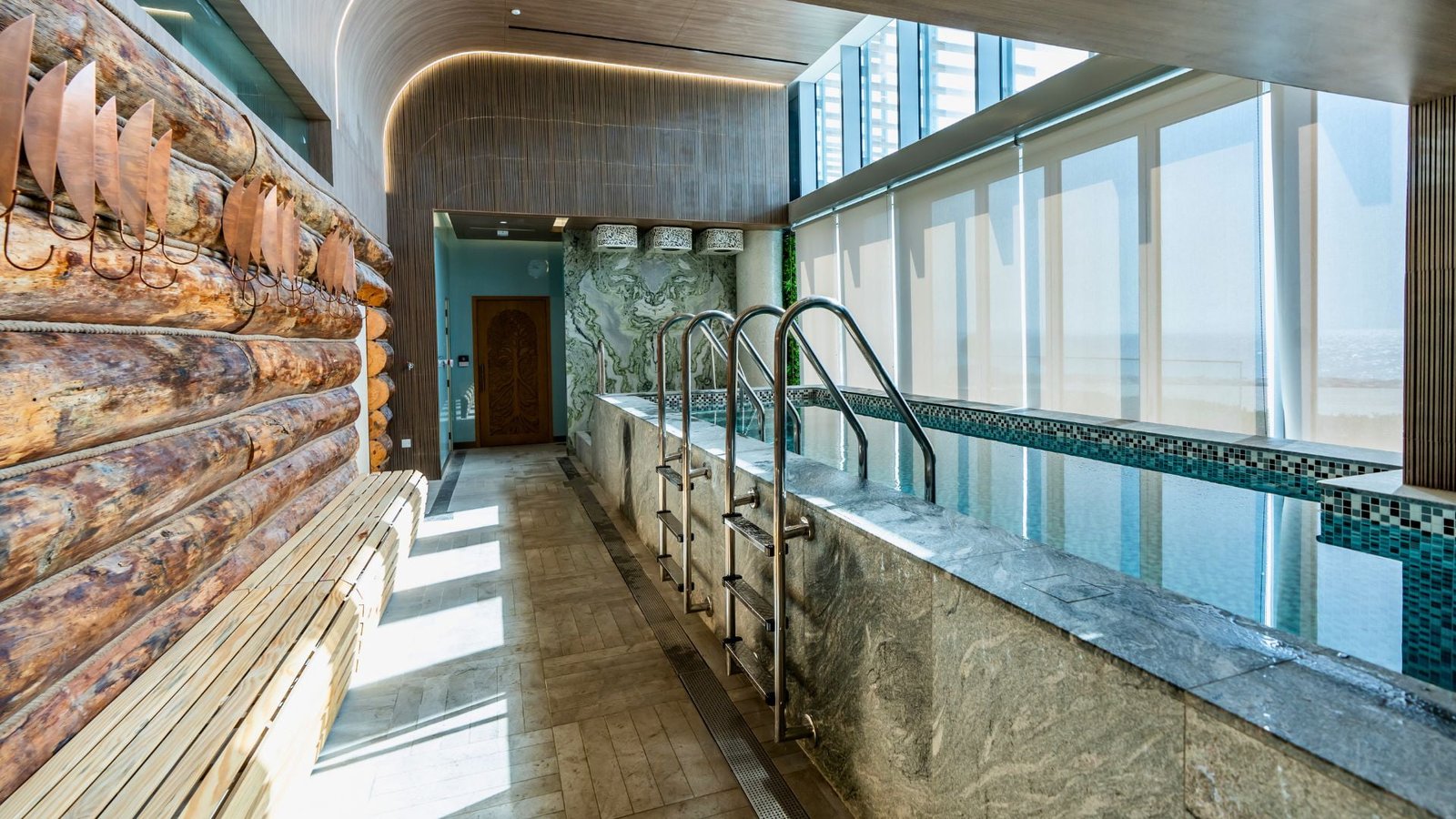
Frequent sauna use (3-7x/week) is linked to about 30-40% lower all-cause mortality in long-running Finnish cohort data, though the evidence remains observational. And beyond the numbers, the comeback is easy to explain: sauna is a simple physiological reset. When the world gets too loud, heat brings you back to yourself.
Share


WE RECOMMEND
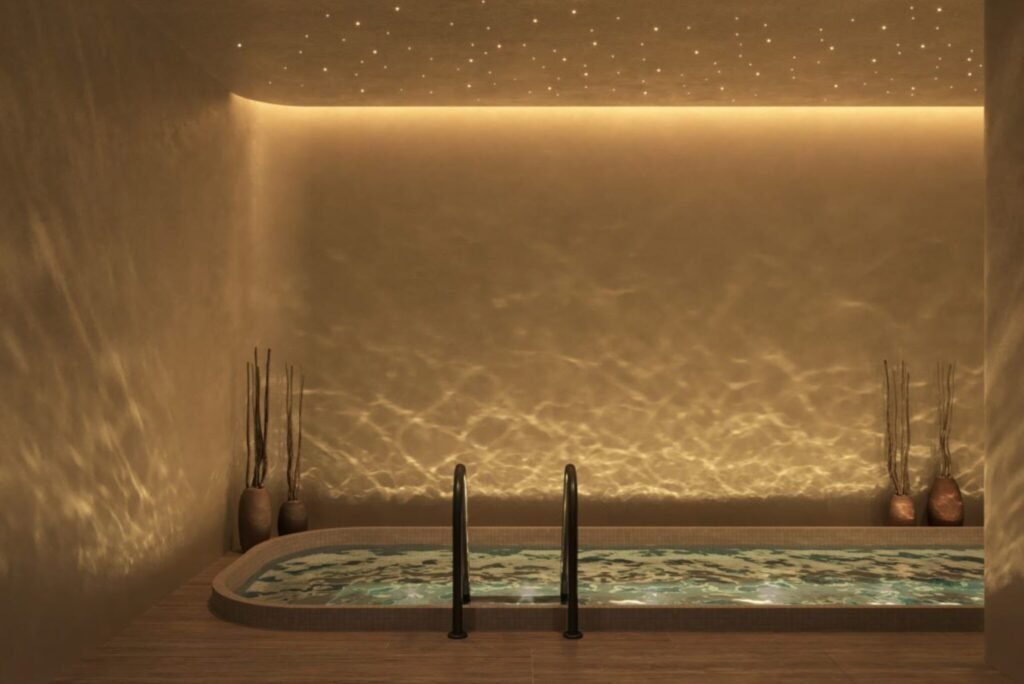
Sacra is bringing a first-of-its-kind bathhouse concept to Dubai
Built around hot-and-cold bathing and long-stay rituals, it frames premium bathhouse culture through a longevity-first lens.

Therme Dubai – What to Expect
Dubai is preparing to open one of the most ambitious wellbeing projects in the world, set to become a vertical sanctuary of…
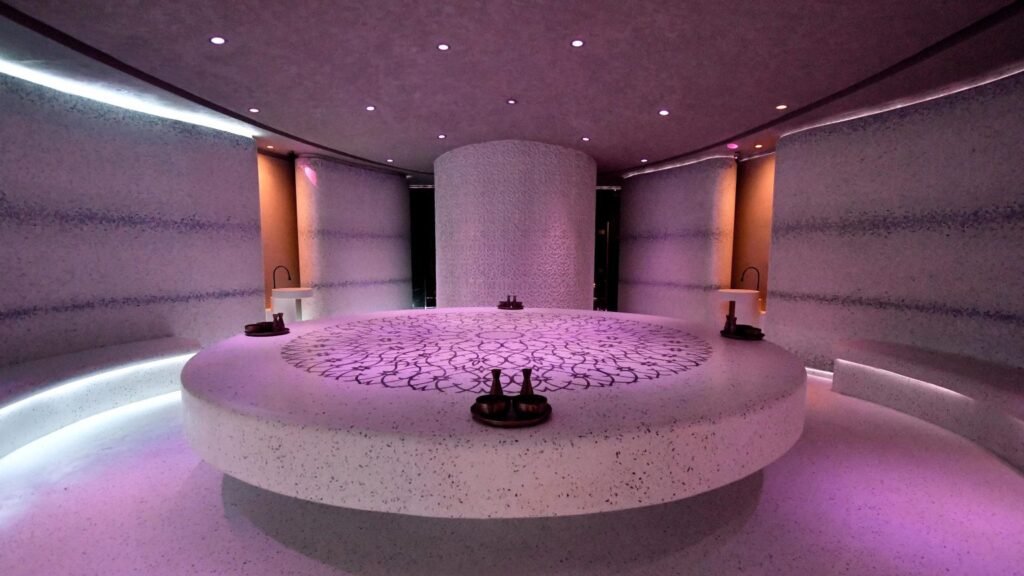
Hammams in the UAE. Places to Quiet the Mind
Hammam is no longer a spa ritual, but a real recovery protocol. Controlled humid heat boosts microcirculation, breathing and skin quality, helping…
