





Why Private Members’ Clubs are Replacing Social Life
There’s a global shift. Private members’ clubs have moved from legacy status symbols to a practical layer of city life: places to meet, work, and spend time well.
Why Private Members’ Clubs are Replacing Social Life
There’s a global shift. Private members’ clubs have moved from legacy status symbols to a practical layer of city life: places to meet, work, and spend time well.
According to Knight Frank, more private members’ clubs have opened in the past few years than in the three decades following the launch of the iconic Groucho Club in 1985. In major cities such as New York (with the most exclusive Aman Club), Miami, Dubai, and Hong Kong, there is a “boom” in these spaces: new venues are opening with a focus that extends beyond the traditional elite to a younger, professional audience.
This shift has grown out of necessity in an overstimulated urban environment. Modern cities produce a constant social noise: crowded venues, loud rooms, and unplanned interactions. Over time, it creates fatigue. Private members’ clubs work as a filter. They reduce distractions and create a calmer rhythm where social life can exist without competing with everything else.
A Filter for City Life
Over the past decade, urban social life has become demanding. In restaurants, events, and public spaces, interaction is frequent but often shallow, and recovery time is rarely considered. Private clubs address this structurally: fewer people, controlled sound levels, and predictable environments reduce sensory overload. Members move through a space built for focus and presence.
One of the strongest appeals of private members’ clubs is predictability. The rules are clear: how it works, who comes here, what pace to expect, and what standards are maintained. They also reshape who people spend time with. Membership brings together individuals with similar expectations. This does not mean the same background or profession. It’s an alignment of rhythm, so conversations unfold more naturally without constant small talk or social signaling.
Finally, private clubs offer efficiency. Fewer interactions often lead to stronger follow-up. That’s why the format appeals to founders, executives, creatives, and decision-makers who prefer depth over volume. Networking becomes secondary to presence, and relationships build through repeated encounters.
Dubai: Managing Social Intensity
In Dubai, events, launches, and hospitality experiences are abundant, often blending professional and personal life into a single stream. For many residents, social life becomes overstimulating. Private members’ clubs respond by offering clearer boundaries and a more controlled room.
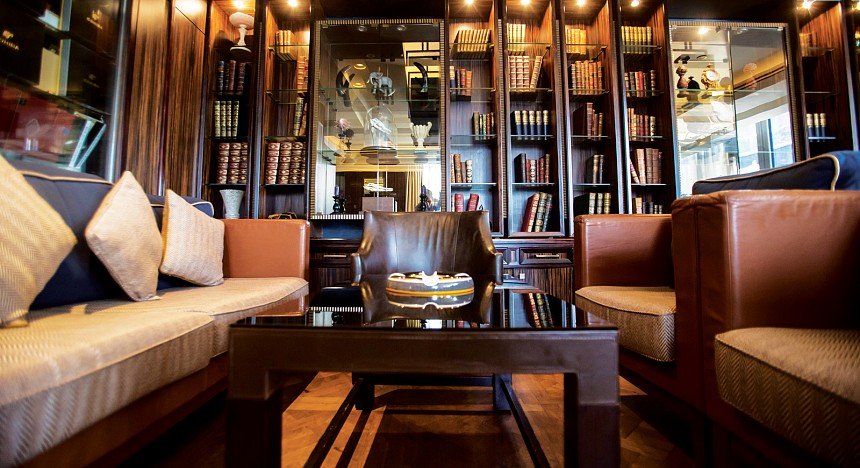
Spaces like Capital Club Dubai provide a discreet setting for business-led social life. Newer concepts such as Neera and Nasab combine work, dining, and leisure in an environment built for longer stays. In DIFC, The Arts Club Dubai adds a cultural layer, anchoring interaction in talks, exhibitions, and a shared intellectual context.
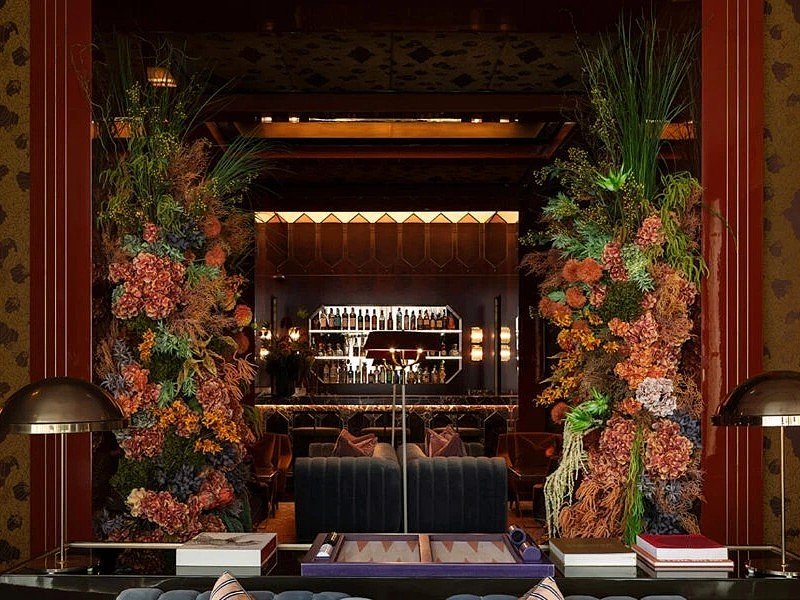
The Rise of Social Wellness Memberships
Alongside traditional private members’ clubs, the UAE is also seeing membership-based wellness spaces built around recovery, focus, and a more sustainable rhythm of life. These places sit between a private club and a health institution. They treat atmosphere as part of the service: sound levels, lighting, density, and pacing are managed with intent. The result feels private even when it’s shared.
One clear example is PEAQ Wellness, a membership-based social wellness club in Al Quoz. It’s structured as a hybrid of training, recovery, and community, with movement spaces, breathwork and recovery practices, quiet zones, and a cafe. A more discreet, premium interpretation shows up at SEVEN Wellness Club. With curated fitness, recovery therapies, and a calm, design-led environment, it draws members who value structure and consistency. Membership creates a familiar social atmosphere where repetition replaces novelty.
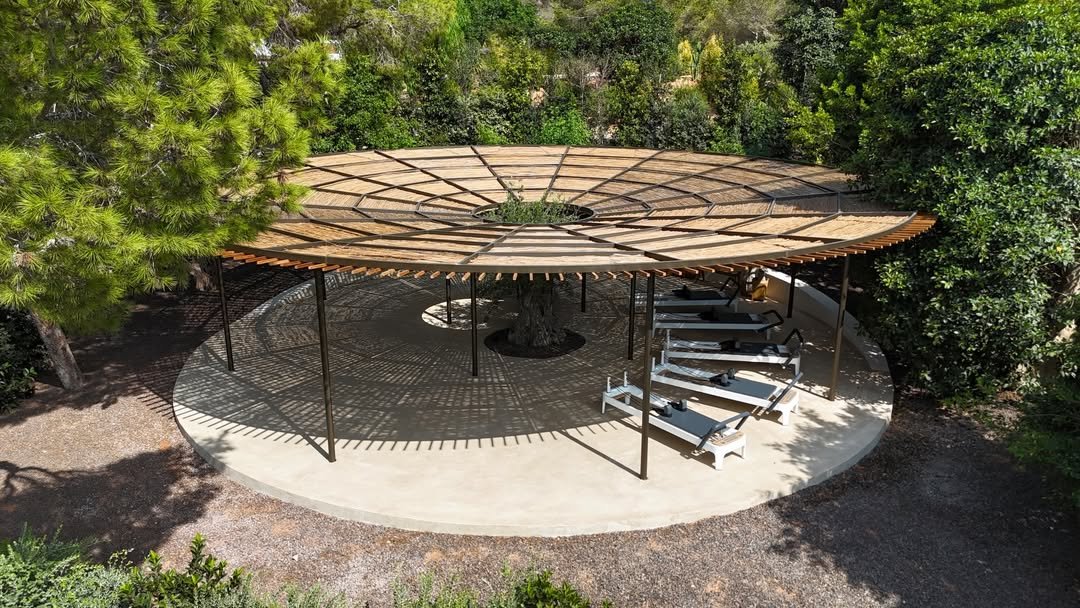
Another emerging format is Re Social Wellness Club, where wellbeing practices meet community and conversation. Interaction is intentionally social, and it stays low-pressure. People connect around shared routines like movement, recovery sessions, or guided practices.
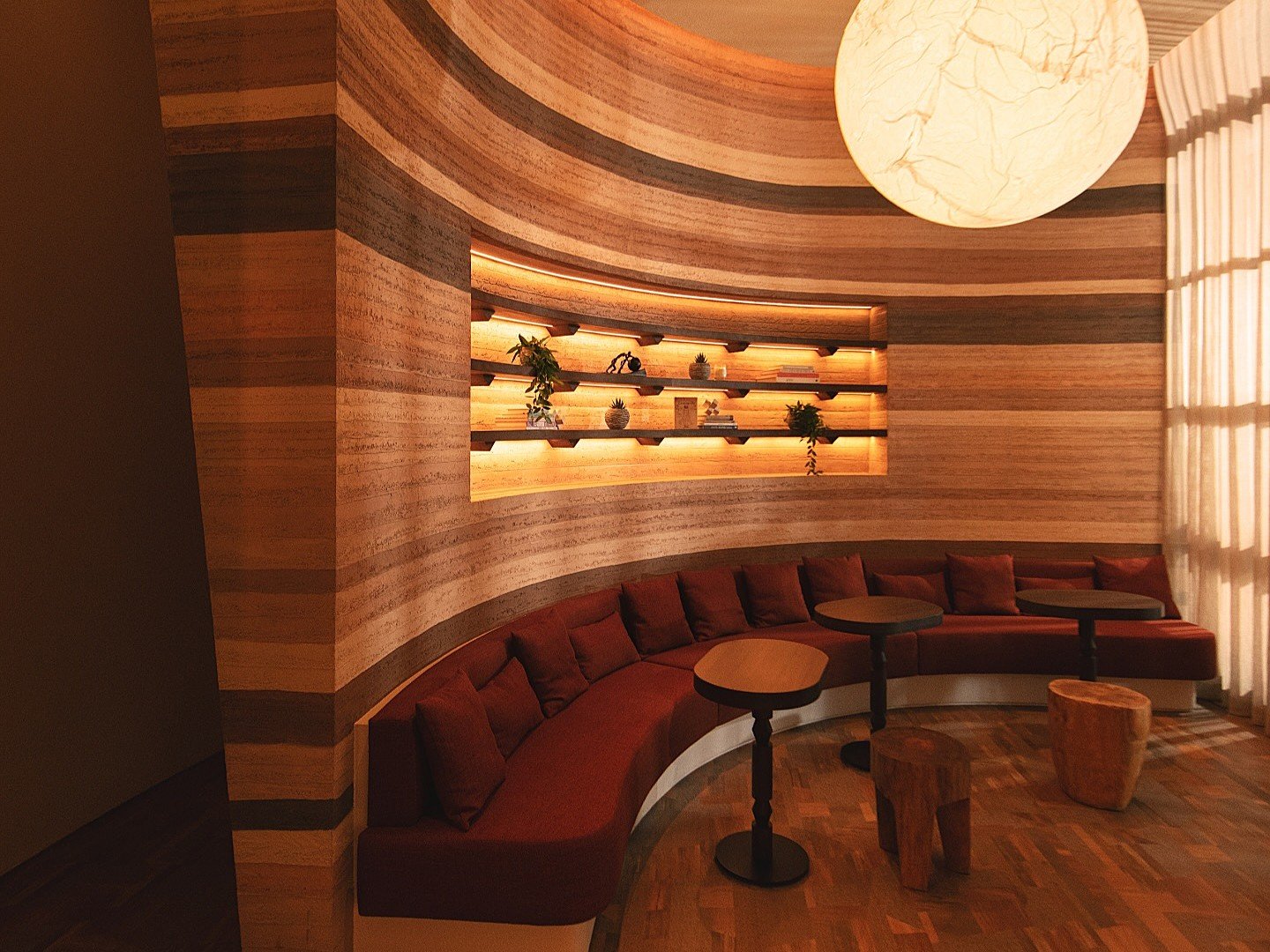
Dubai’s next wave is also moving toward large-scale ritual wellness. Sacra, reported to open in mid-March 2026 in Jumeirah, is positioned as a high-end bathhouse and spa concept built around hot-and-cold bathing and long-stay rituals of a club-like experience. In some ways, it echoes the Roman thermae – civic bath complexes where citizens spent hours moving between heat, cold, conversation, and rest.
Beyond standalone concepts, the city also offers a growing number of membership-based spa and health clubs inside hotels and private residences. Even without the private-club label, they often function similarly through limited access, predictable standards, and a regular audience that values discretion and calm. Over time, these spaces become familiar social micro-ecosystems that support physical health and social clarity.
The rise of members’ clubs reflects a broader recalibration of urban living. In big cities, these spaces offer a way to stay connected without tipping into overload. They help people conserve energy, spend time with people who move at the same pace, and build deeper relationships. For an overstimulated city, that’s a more balanced format for connection and wellbeing. Given the demand for calmer social environments, the number of members’ clubs is likely to keep growing.
Share




WE RECOMMEND
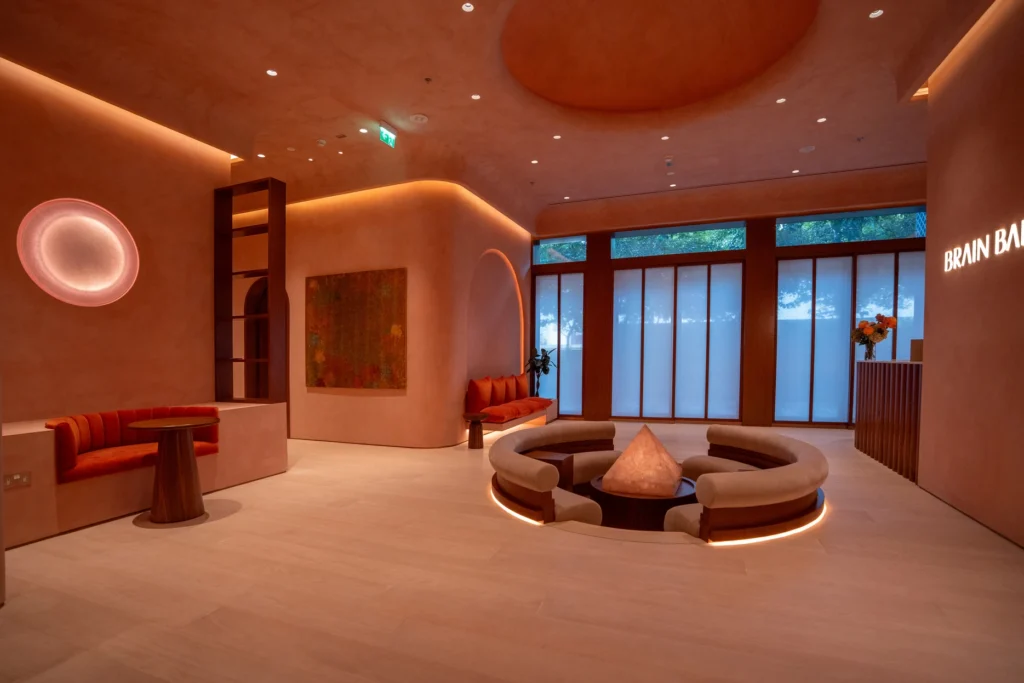
Are brain bars the next big thing?
Brain bars are turning cognitive wellness into a daily ritual, and Dubai’s Akari is one of the clearest local signals that the…
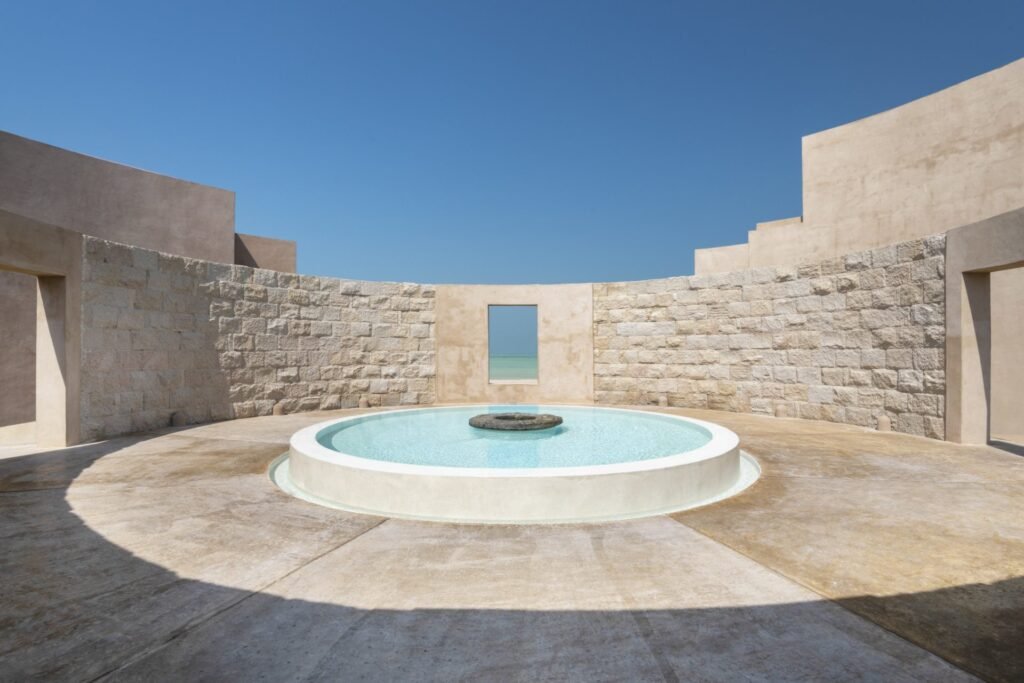
Unique Wellness Retreats across the Gulf Region
These five wellness retreats in the GCC were selected for their focus on structured recovery. Save for future planning.
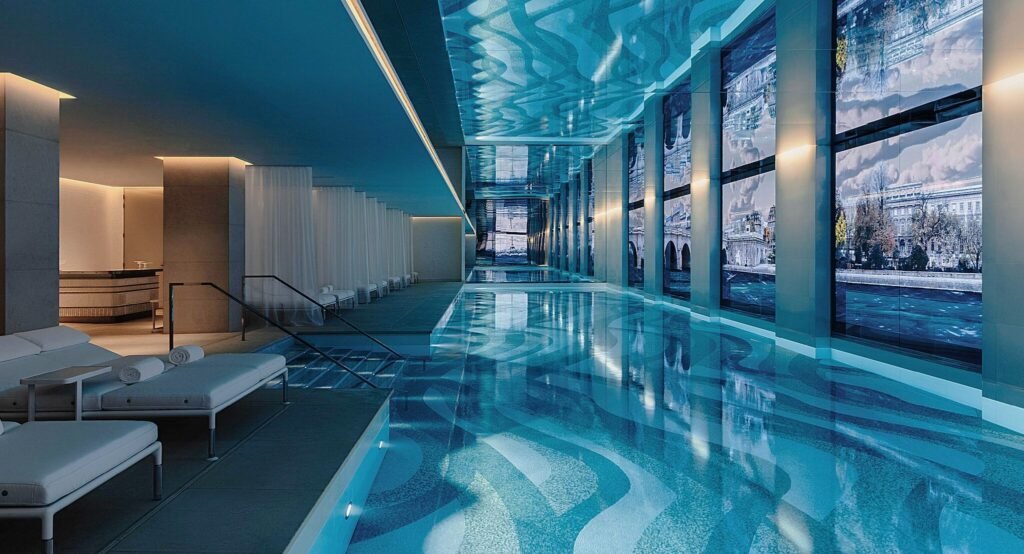
Dior Spas. Exceptional spaces for beauty and recovery
From Parisian hôtels particuliers to Riviera gardens, desert capitals, airport sanctuaries, and even a moving train, Dior Spas have evolved into a…
