




From Neurowellness to Longevity Residences: The 2026 Map of Wellbeing
The Global Wellness Summit has named 10 trends for 2026. Together they show where wellness is moving next.
In 2026, wellness feels less like a polished lifestyle identity and more like a response to real conditions: tired nervous systems, a harsher climate, and a clear push for care that matches actual biology and different life stages. The Global Wellness Summit calls it a “modern wellbeing paradox” – we can measure health more than ever, yet the pressure to do wellness “right” keeps getting heavier.
Their Future of Wellness 2026 Trends list works as a practical map of what comes next. Below, we show what each trend looks like in real life.
Women Get Their Own Lane in Longevity
The trend points to products, diagnostics, and prevention built around women’s biology and life stages, with the market finally acknowledging that “one-size” longevity frameworks under-serve half the population. The commercial implication is obvious: women-focused healthspan services become a category, with dedicated clinical paths, training, and product design.
The Over-Optimization Backlash
Tracking everything has created a cultural logic where wellbeing becomes performance. The Summit describes a “modern wellbeing paradox”: sleep is scored, aging is tracked, and health becomes psychologically demanding. The backlash is a move toward integration – practices that restore a felt sense of wellbeing and reduce the anxiety loop of constant measurement. Expect more “low-friction” formats that prioritize recovery, joy, and nervous-system ease over dashboards.
The Rise of Neurowellness
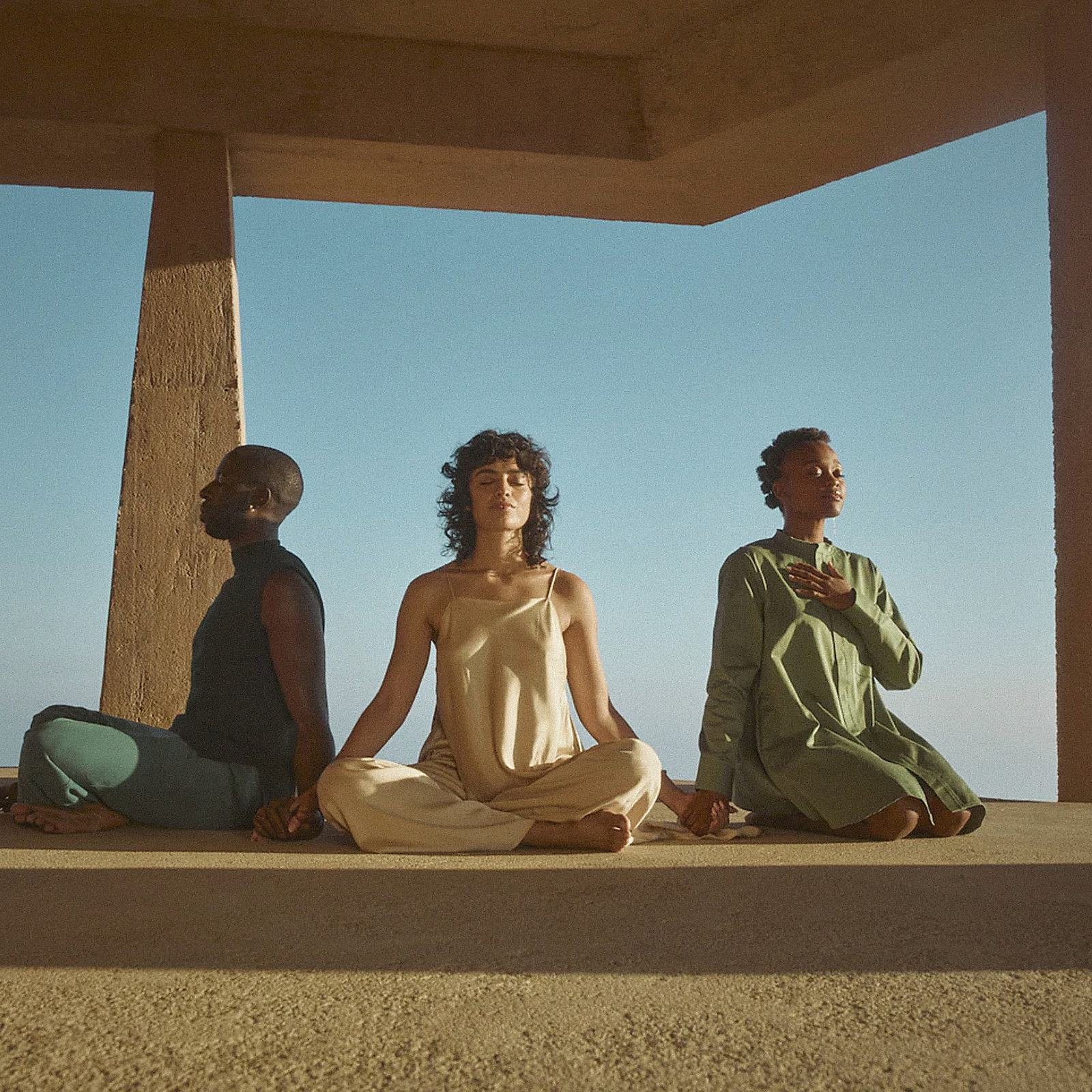
Neurowellness sits at the center of the 2026 forecast because exhaustion has become structural: screens, pace, stimulation, and chronic stress compress attention and sleep quality. This trend covers services and spaces built around regulation – sleep, cognition, stress response, sensory load, and mental clarity. In practice, it shapes design, hospitality programming, and consumer products that promise calmer attention and better recovery capacity.
Ready Is the New Well
Preparedness becomes part of wellness, driven by climate volatility and disruptions that directly affect health. The forecast positions readiness as a new baseline – habits, homes, and communities that reduce risk and support recovery when conditions shift. In regions shaped by heat and engineered environments, this theme naturally connects to architecture, air quality, water systems, and urban planning.
Skin Longevity Redefines Beauty
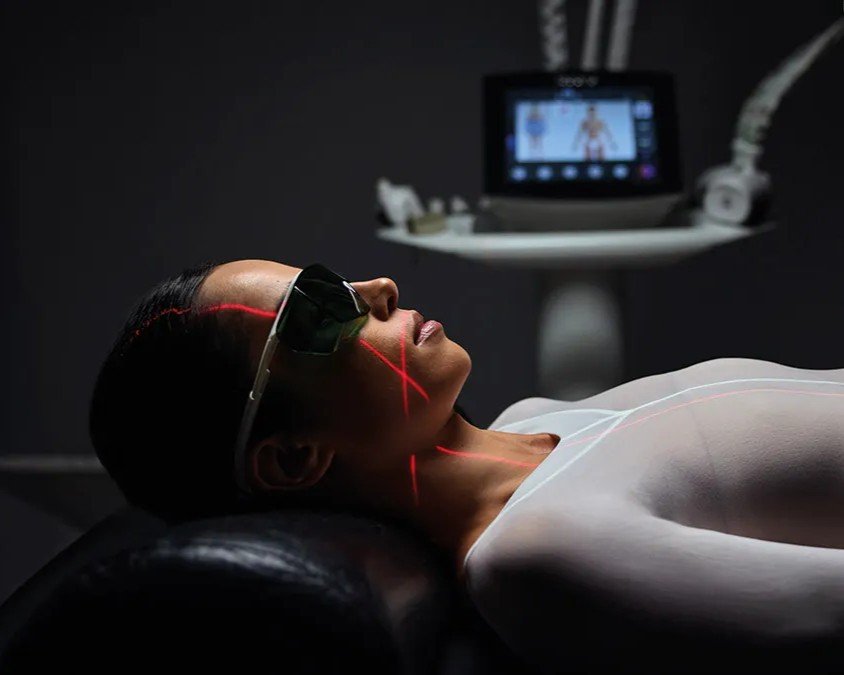
Beauty reframes itself through longevity logic. Skin is treated as a long-horizon organ system: barrier function, recovery, and resilience become the narrative center. The Summit explicitly ties longevity expansion to beauty, signaling a market where skincare speaks the language of long-term performance and repair, with stronger overlap between dermatology, aesthetic medicine, and daily rituals.
The Festivalization of Wellness
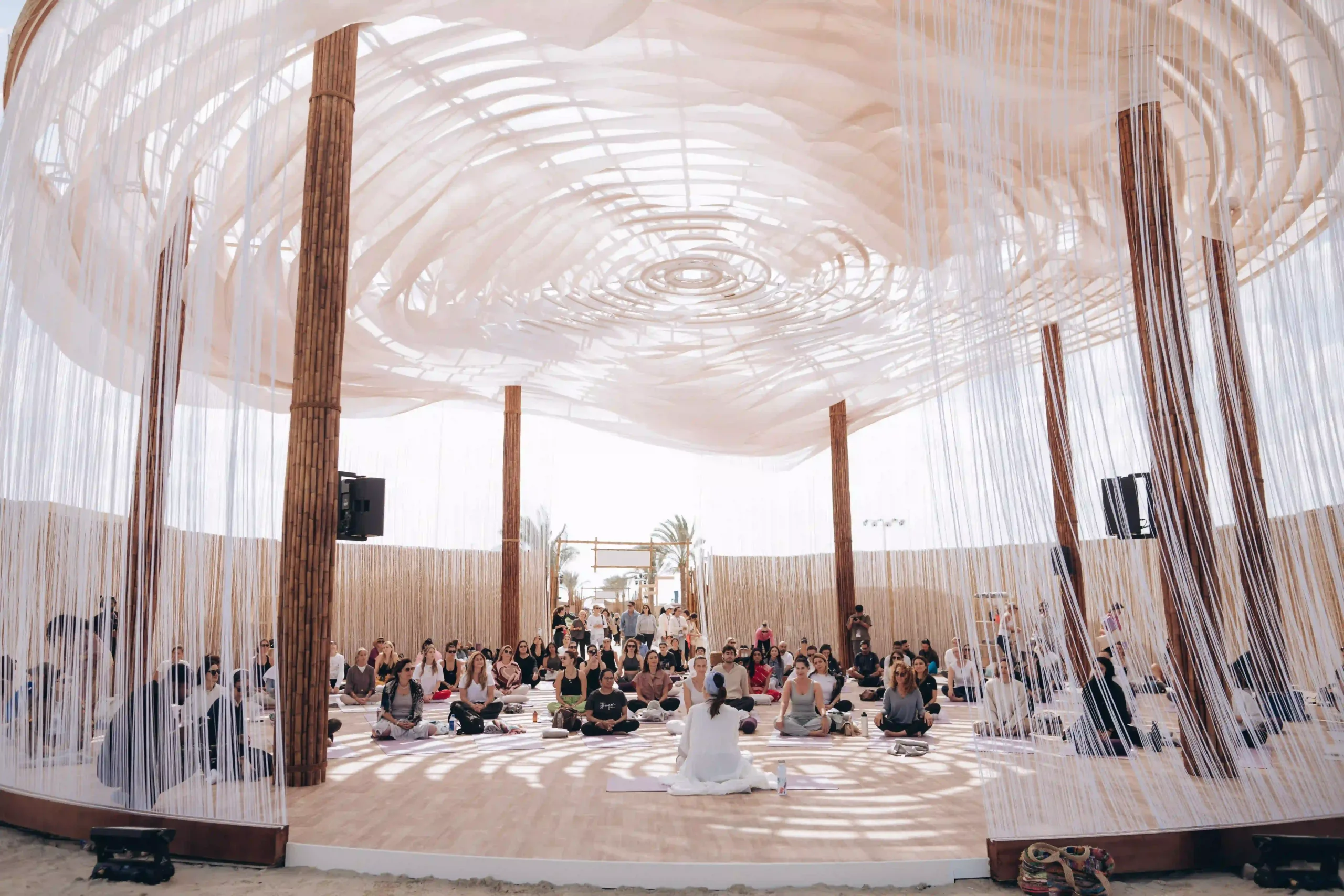
Wellness becomes collective and cathartic. The Summit describes a wave of “wellness raves and gatherings” where music, dance, and creative expression deliver emotional release at scale. This is a social-life shift: experiences replace venues as the primary unit of culture, with sober-friendly formats, daytime programming, and community-driven energy becoming a new kind of luxury.
Women & Sports: The Revolution Continues
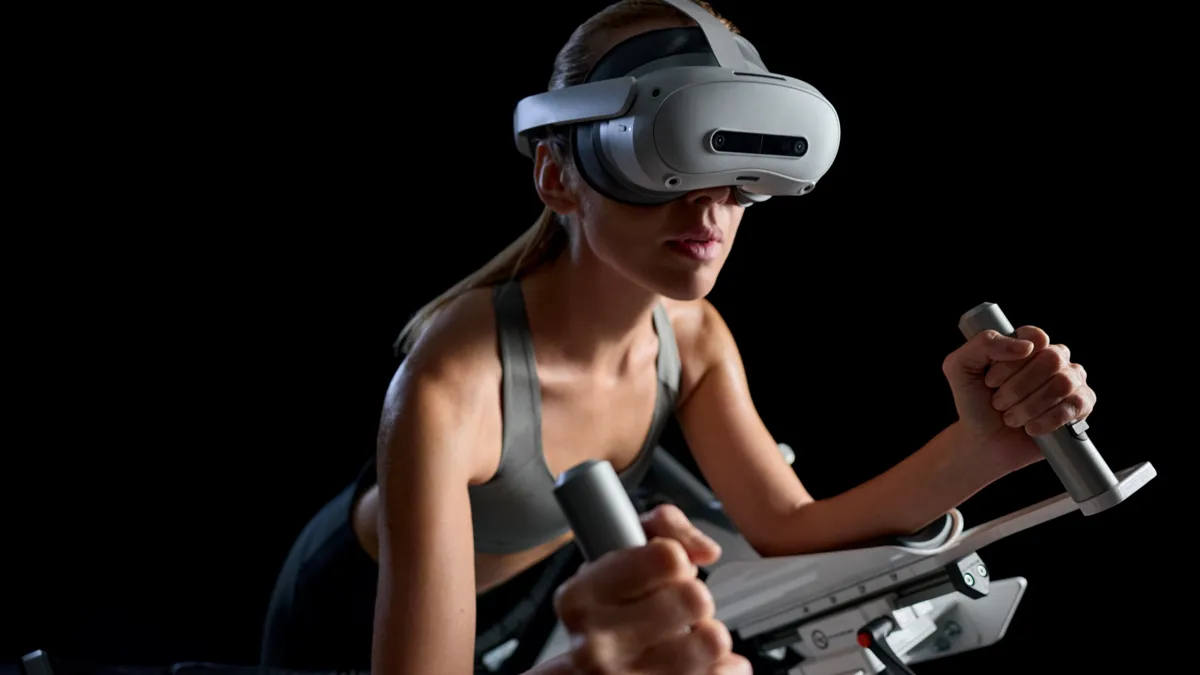
Women’s sport keeps expanding in visibility, investment, and cultural impact. For wellness, the implication is broader than fandom: strength, performance, recovery, and athletic identity become mainstream reference points for women, influencing fitness culture, brand messaging, and healthspan habits. The Summit flags this as a continuing revolution, meaning compounding growth rather than a single hype cycle.
Tackling Microplastics as a Human Health Issue
Microplastics move into the human health frame. The forecast treats this as a wellness crisis category, pulling attention toward exposure reduction in daily life – water, food, packaging, textiles, indoor air. Editorially, the safest lane is practical: what consumers and businesses can change without medical overclaims, paired with transparency around what is still being studied.
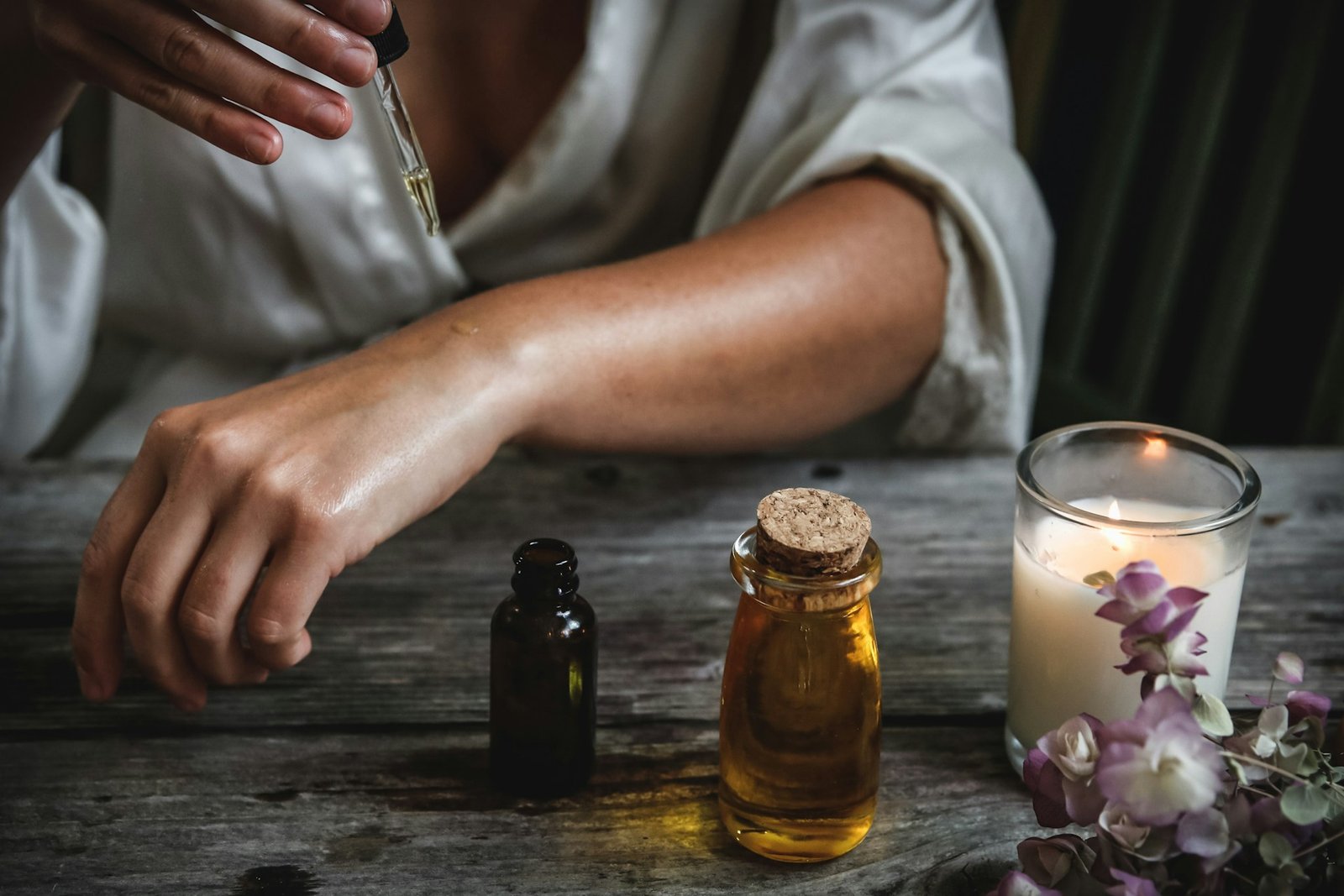
Fragrance Layering
Scent moves from a single “signature perfume” into a layered practice across body, hair, textiles, and home. The Summit frames fragrance layering as a modern reimagining of an ancient art: scent as a creative, cultural, and deeply personal language. The business signal is demand for modular fragrance wardrobes, lighter formats, and home scent ecosystems designed for mood and context.
Longevity Residences
Longevity expands into real estate, with residences and communities designed around healthspan support. The Summit’s framing pushes wellness from episodic interventions into the environment people live inside every day. Expect this to shape luxury residential amenities, building materials, light and air systems, and recovery infrastructure.
In a region shaped by heat, engineered indoor climates, and fast-changing urban life, these trends feel especially tangible. Neurowellness, readiness, and longevity residences are already visible in how spaces are built and how hospitality is evolving. 2026 simply gives language to what is becoming the new baseline.
Share


WE RECOMMEND
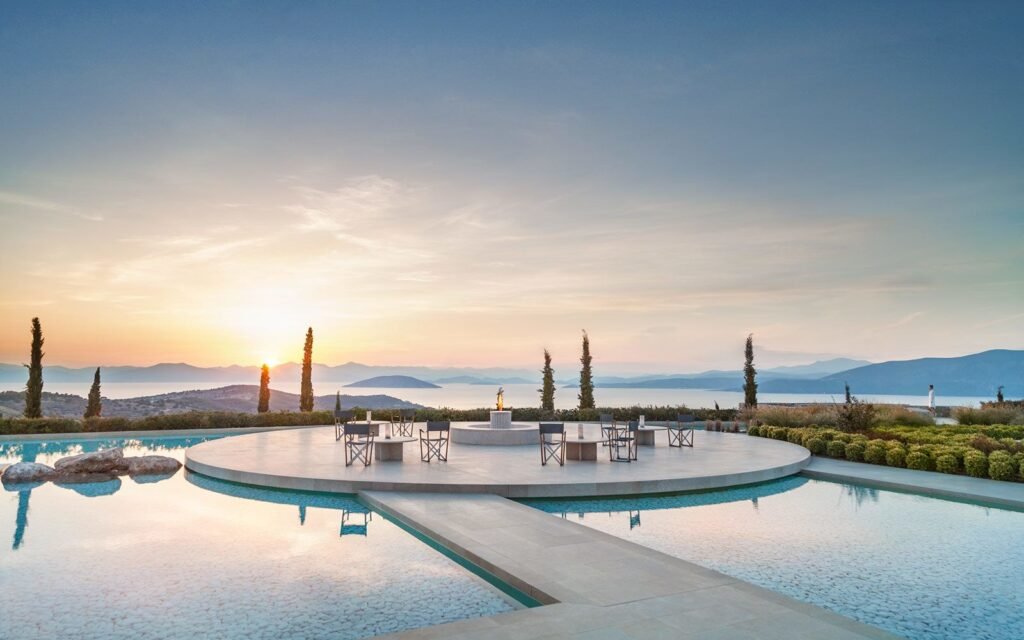
20 Best Longevity and Wellness Destinations Around the World
A longevity trip begins with a simple choice: to go somewhere where the days are shaped around feeling better and returning with…
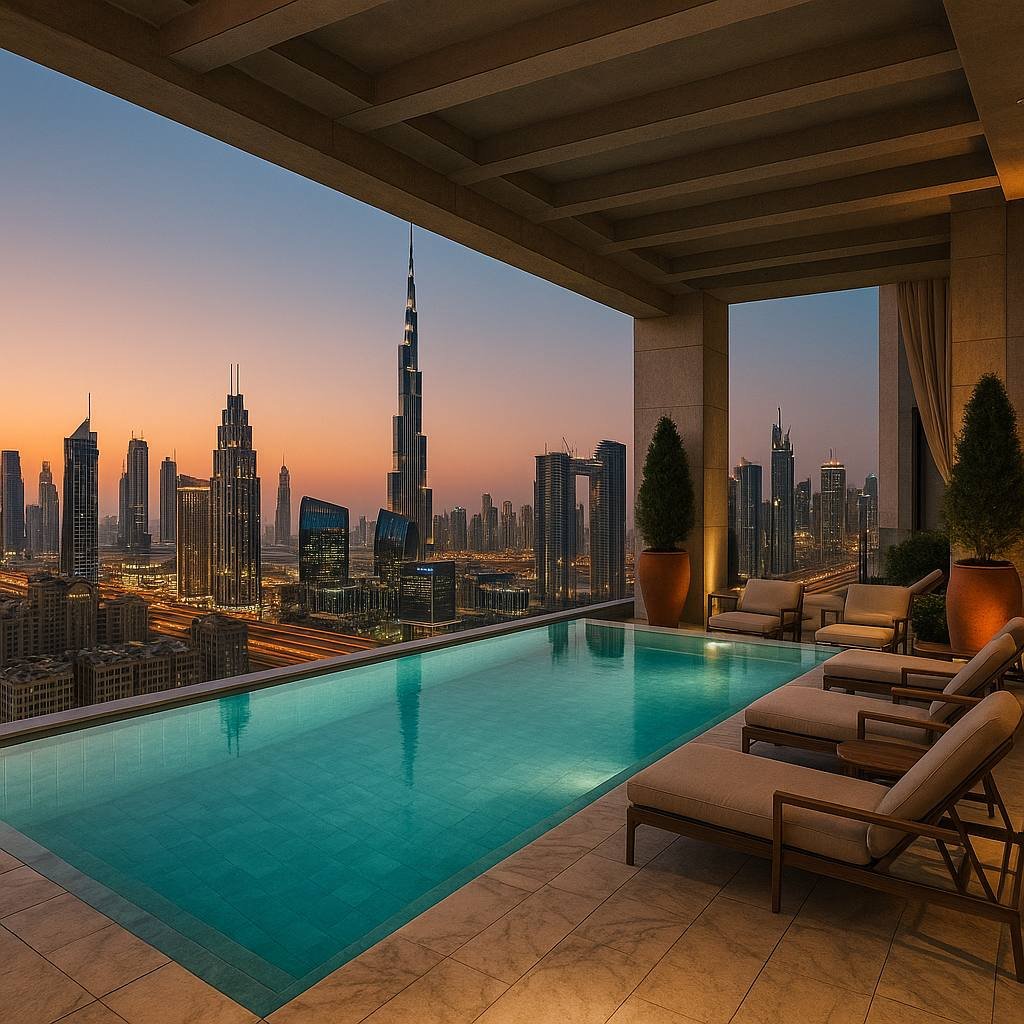
Dubai’s New Focus: Wellbeing for Residents
After years of speed and scale, Dubai's newest evolution places wellbeing at the center of everyday life, shaping how residents live, work,…
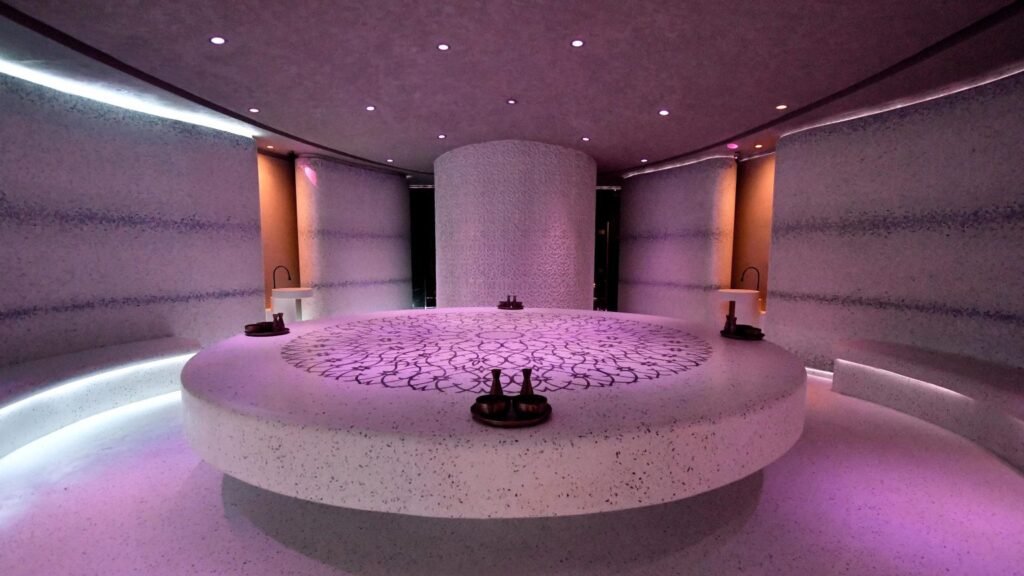
Hammams in the UAE. Places to Quiet the Mind
Hammam is no longer a spa ritual, but a real recovery protocol. Controlled humid heat boosts microcirculation, breathing and skin quality, helping…
