




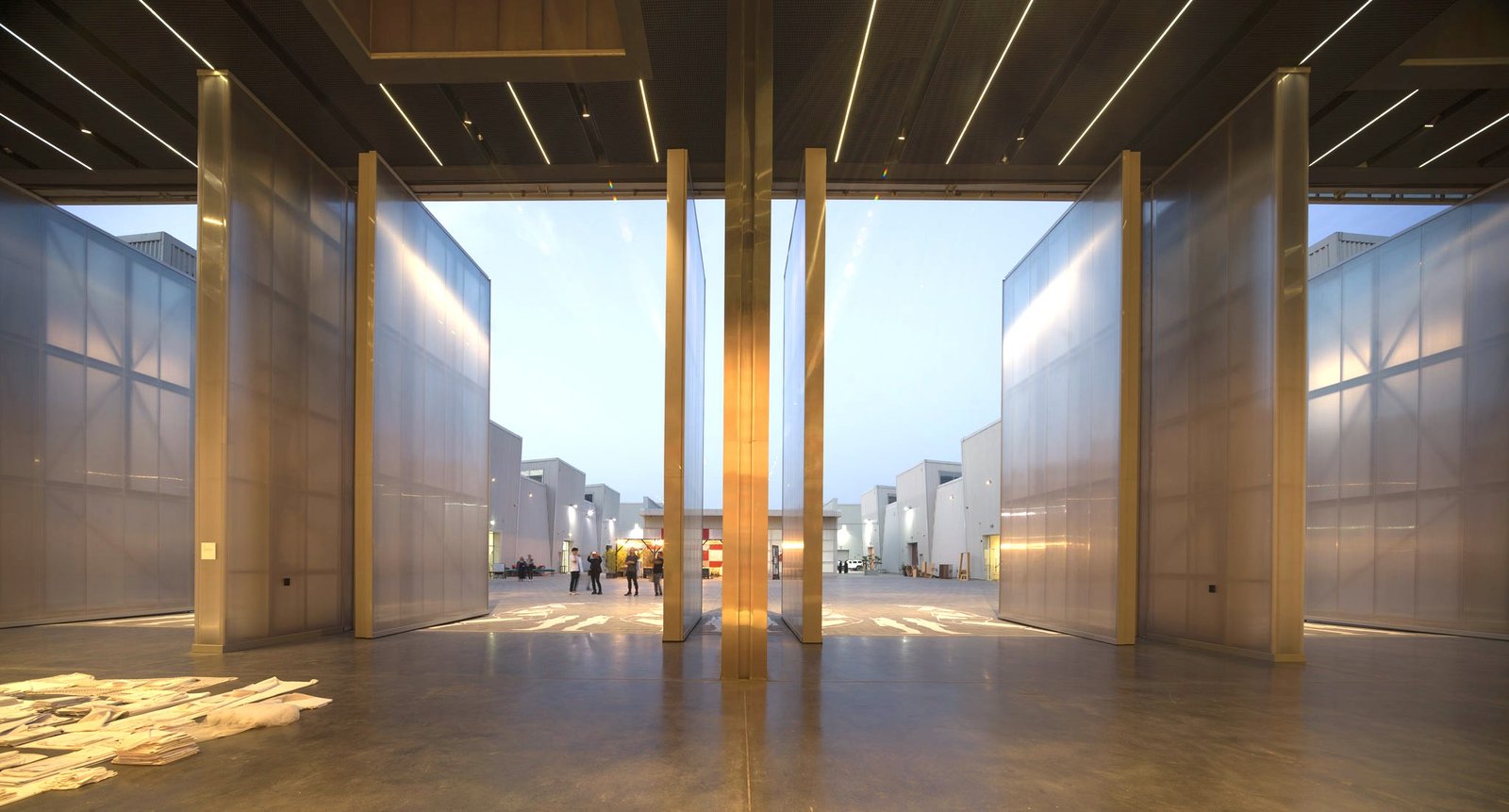
Concrete at Alserkal Avenue
UAE Art Season 2026 – The Shows That Matter
The UAE’s art season is now in its clearest stretch: major exhibitions in Dubai, museum anchors in Abu Dhabi, and Sharjah’s institutional programme running in parallel. We curated specific shows worth planning around.
February is the ideal entry point into the art season in the UAE. The January noise has already passed, the first openings have had time to settle, and the strongest exhibitions are running right when you can actually look slowly and pay attention. Officially, Dubai Art Season runs from January 21 to April 26, 2026.
It helps to read the season in three parallel lines. The first is Dubai: Alserkal and the April fairs. The second is Abu Dhabi: Louvre Abu Dhabi and 421. The third is Sharjah: Sharjah Art Foundation’s major spring shows. Below are the exhibitions that are worth planning around if you want the season to add up to more than a chain of random evenings.
Dubai: what to see
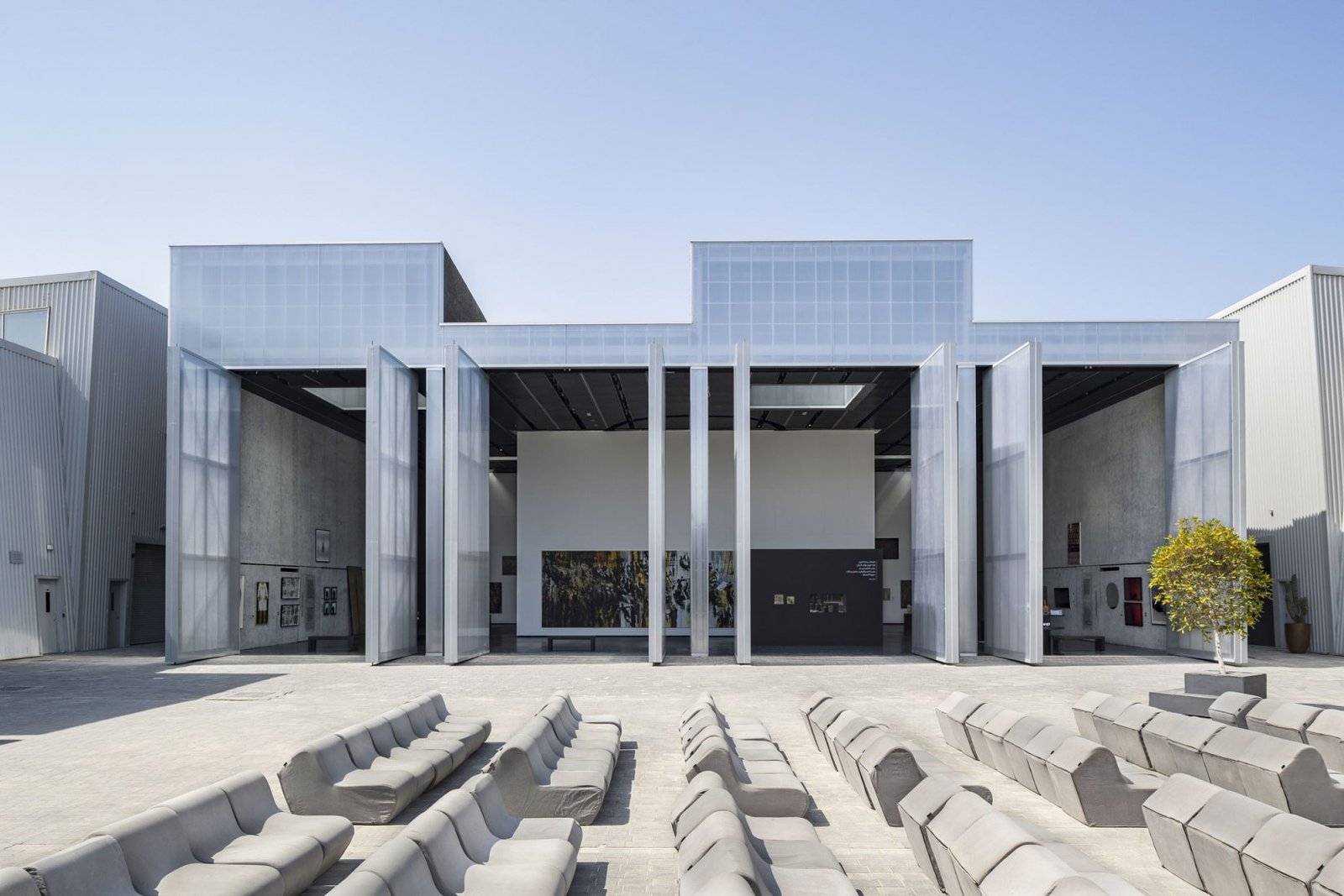
Alserkal Avenue is functioning as the city’s most reliable cultural barometer right now. If you choose one place you can return to several times during the season and come away with something new each time, it’s this one.
Aida Muluneh, This Bloom I Borrow, Efie Gallery. Running until April 5, this is one of those rare photographic bodies of work where the image is built like architecture: color, pose, symbols, and the rhythm of the frame hold with real discipline, yet a very human tension remains inside it. It’s especially worth seeing now, in February – you encounter it as a finished statement, without the premiere feeling and the crowds.
Fahd Burki I, Grey Noise. Grey Noise is continuing its thread The importance of staying quiet this season, and Burki is exactly right for it: surface discipline, pauses, a quiet that works as a method. This one is for anyone tired of loud art and curious how an idea can hold on minimal means. The exhibition runs until April 7.
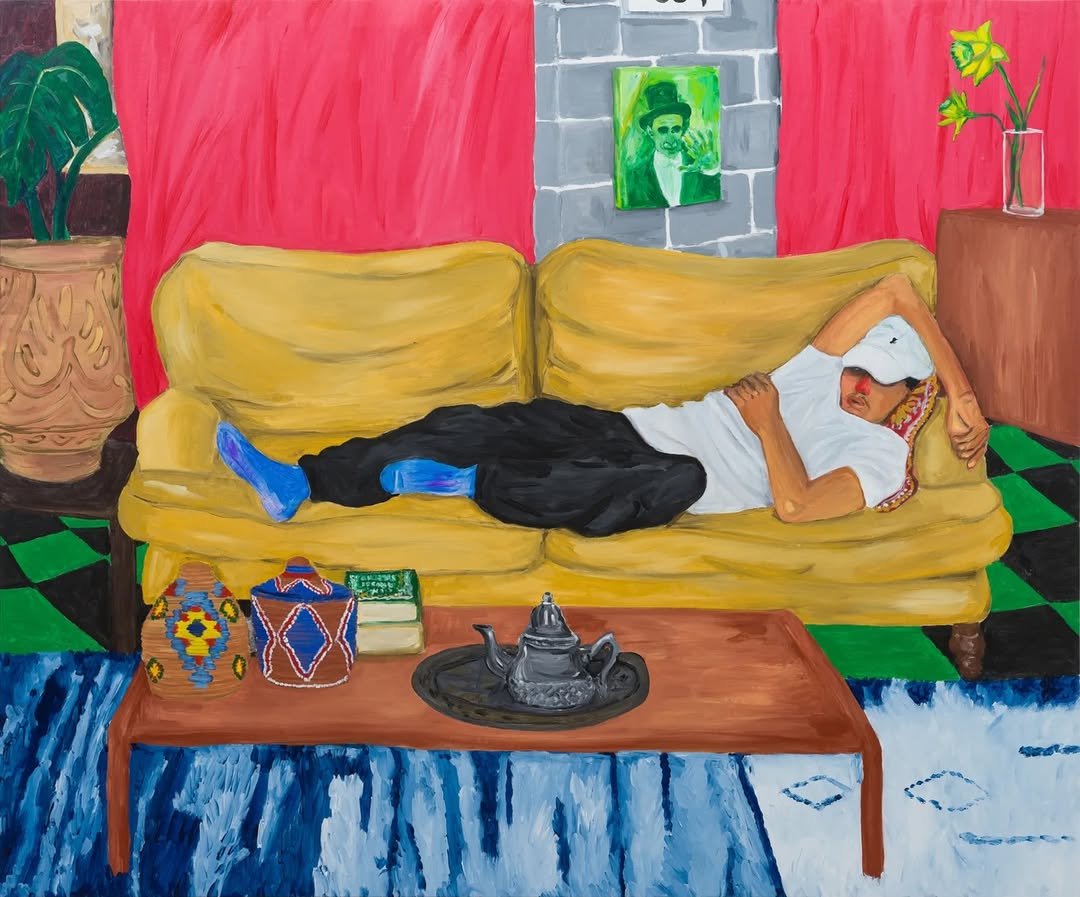
Anuar Khalifi, Remember the Future, The Third Line. At its core, this is painting that works through presence. A strong choice if what matters to you is the density of the canvas and a sense of inner time – work that doesn’t “sell” a plot, it holds it. Runs through March.
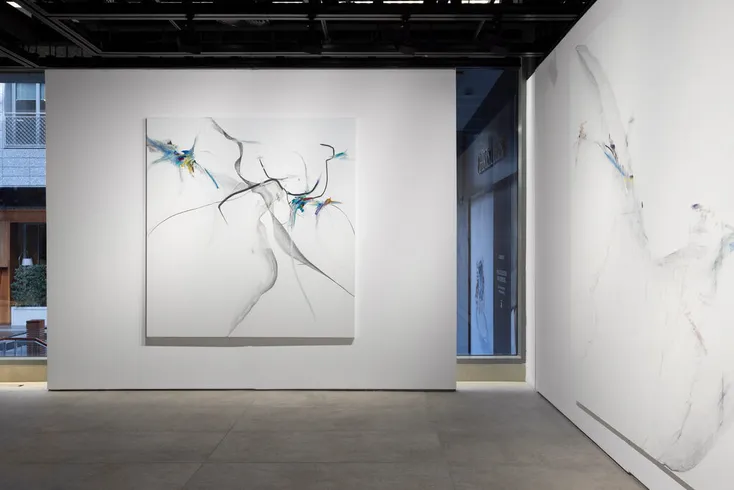
Xiyao Wang, The Drifting Island, Perrotin Dubai. If you want an evening “in the city” without going to Al Quoz, DIFC works best: it’s easy to stop by after meetings, and the shows are often put together with very clean discipline. It’s a strong example of how a contemporary gallery turns a show into a cohesive experience: pace, installation, space, and the feeling that you’re not flipping through a set of objects, you’re stepping into a single narrative. If you have only one evening left before the end of February, make it this one. Runs till February 28.
Jameel Arts Centre: where to go for meaning and air
Jameel matters in the season for a simple reason: it brings you back to a normal tempo. After galleries and fairs, it’s the place to go when you want to see rather than to “make it in time.”
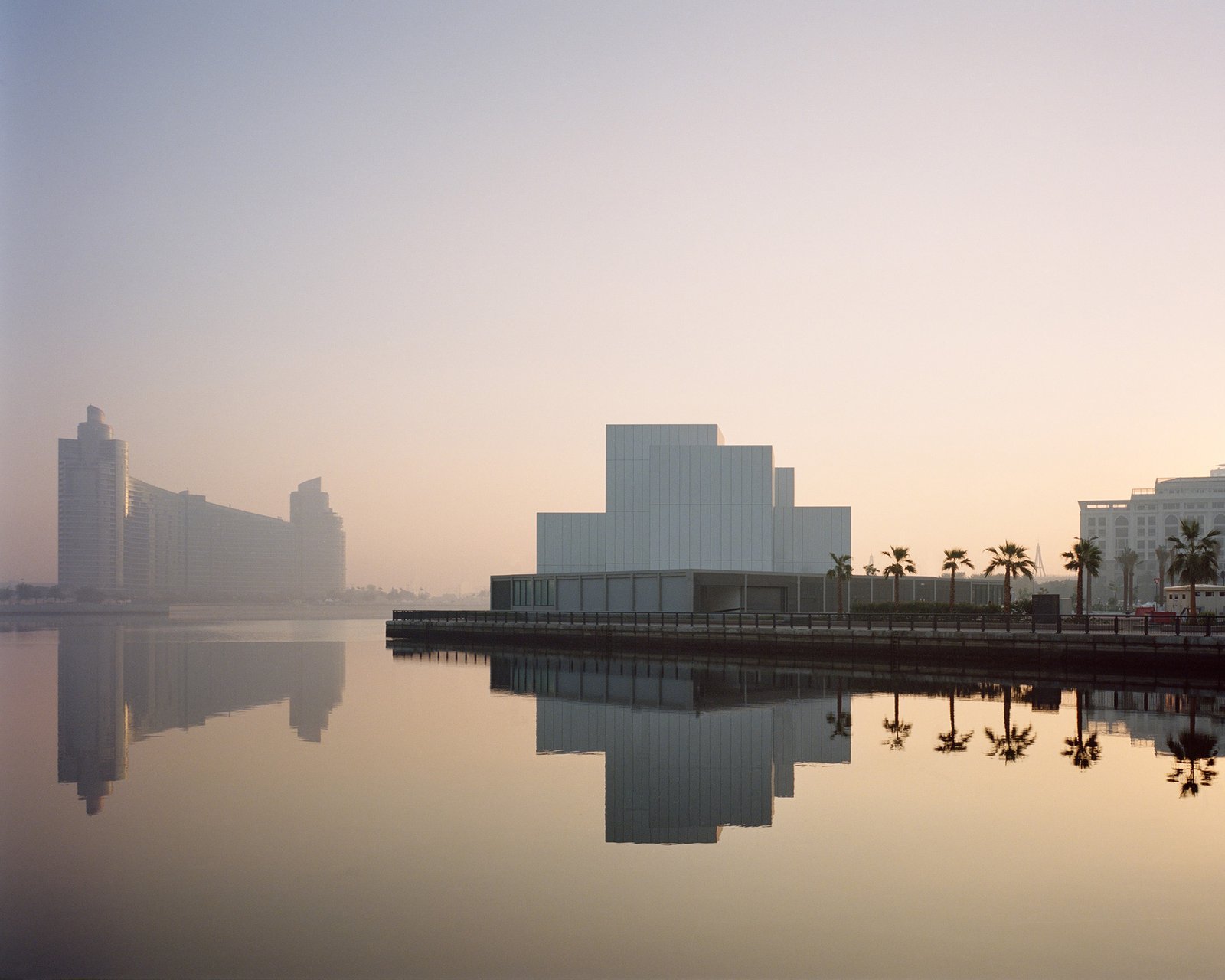
Araya Rasdjarmrearnsook, The Bouquet and the Wreath. This is the one to catch before March 8: generous scale, layered thinking, and the sense of an artist working in long cycles rather than isolated gestures.
Bady Dalloul, Self-portrait with a cat I don’t have. This is the “right now” show – something to catch within the next week. Its value is intimacy and human scale, a sharp counterpoint to Alserkal’s February density. On view until February 22.
Art Dubai
Art Dubai will take place on 14-17 May at Madinat Jumeirah and will mark its 20th anniversary.
This edition will take the form of a more focused and flexible format, bringing together galleries, artists and institutions through a combination of presentations, collaborations and public programming.
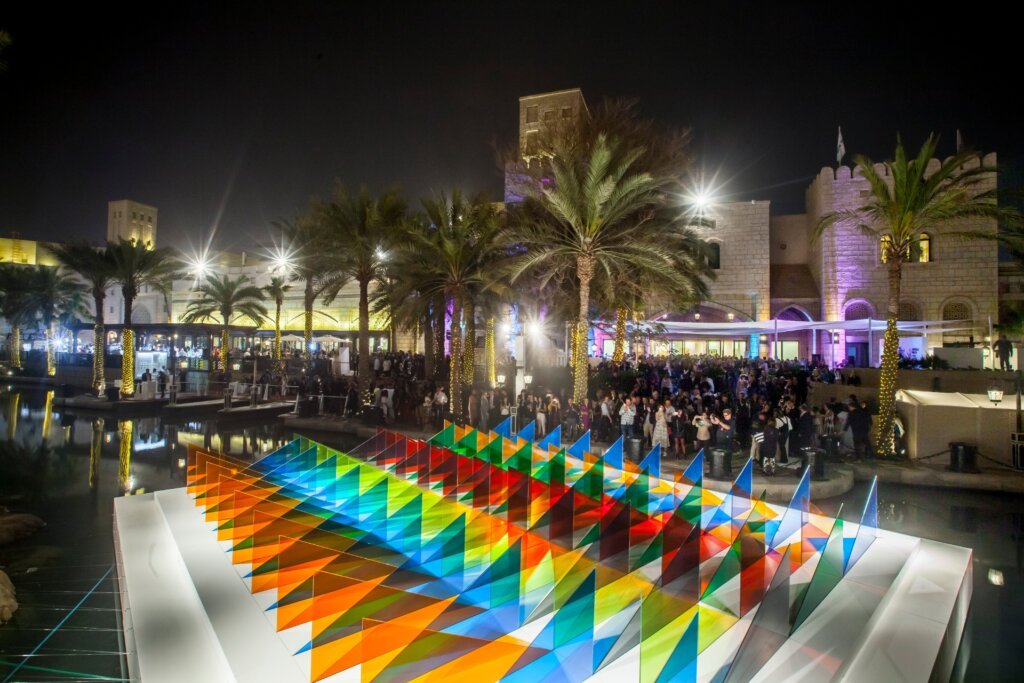
You go there not to “see everything,” but for a sense of the slice: what the regional and international scene looks like in one frame, which themes keep repeating, which aesthetics are becoming dominant.
World Art Dubai
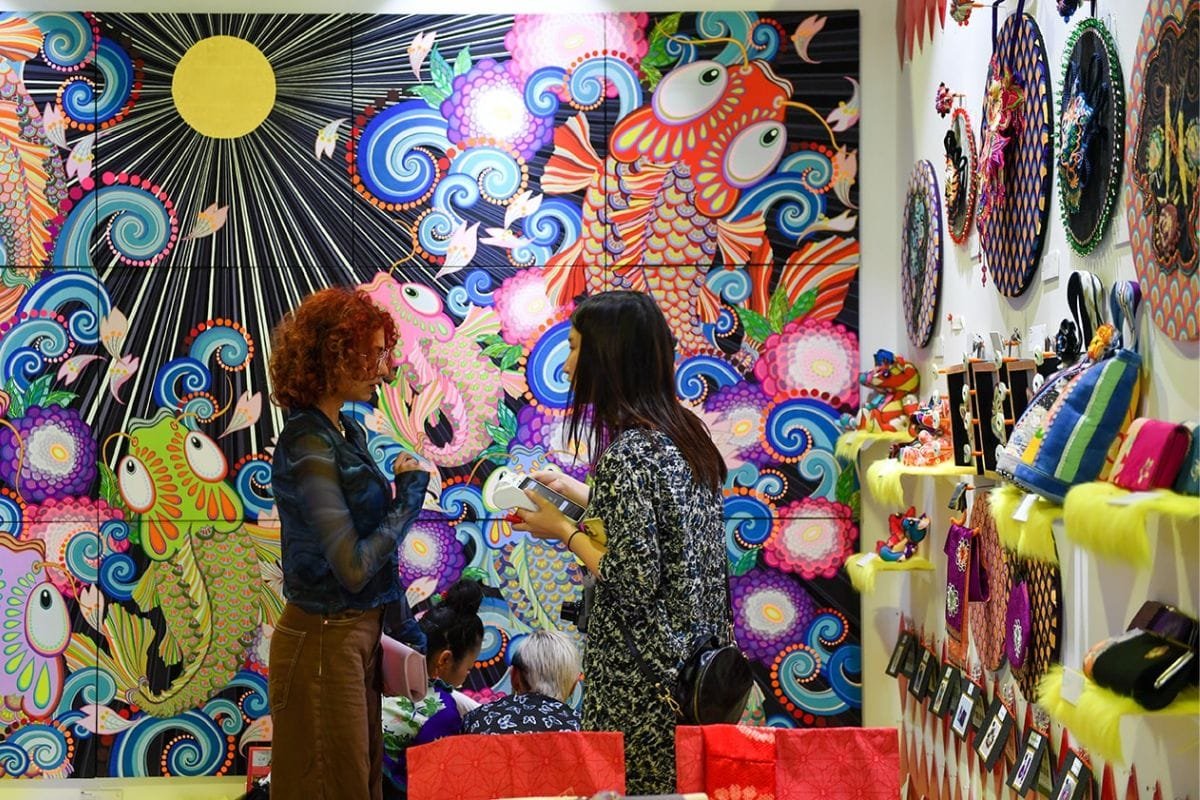
World Art Dubai is rescheduled and will take place on 19-22 November 2026 at Dubai World Trade Centre (Zabeel Halls 3-6), and the logic shifts: less a curated argument, more a large-scale market and a real-time read on what the city actually buys. The organizers describe 10,000+ artworks and 400+ exhibitors from 65+ countries, and that scale becomes part of the experience – you move through an unfiltered cross-section of tastes, price points, techniques, and subjects, and you come away with a clearer sense of Dubai’s visual economy beyond the institutional conversation.
Abu Dhabi: what to see
If you add one trip to your season, Abu Dhabi gives you a very strong reason in 2026. This is not “just a museum,” but an exhibition that sets the scale for the whole spring.
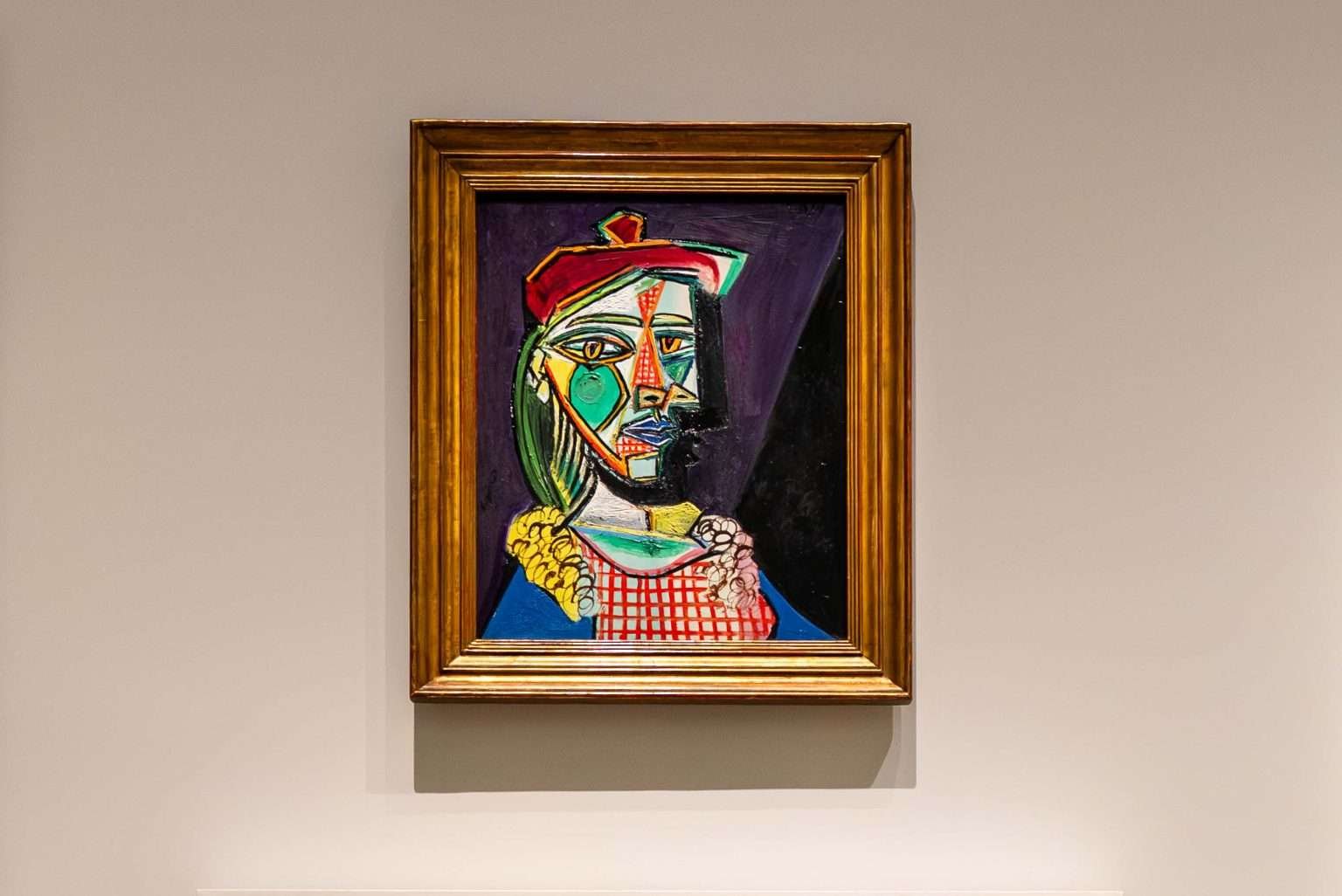
Louvre Abu Dhabi: Picasso, the Figure. It works because it isn’t tied to a single weekend: you can go in late February or in March, when Dubai’s gallery density starts to feel tiring. This is a museum tempo where what matters isn’t the number of rooms, but how the line of the figure is built and transformed. When Dubai’s season can feel a little too fast, the Louvre gives you an even, strong anchor. On view till May 31.
421 Arts Campus: Rays, Ripples, Residue. This is an exhibition about the UAE’s art ecosystem and its traces over the past decade: how the scene formed, where energy accumulated, what became stable. A good option if you want local context without gloss, and without needing to talk yourself into why it matters. Till April, 26.
Abu Dhabi Art: Artist Commissions in Cultural Sites. It’s worth placing closer to the end of the season: you see art tied to place, history, and route rather than sealed inside a sterile room. For spring, it’s one of the best “day off” formats, where the trip itself becomes part of the experience.
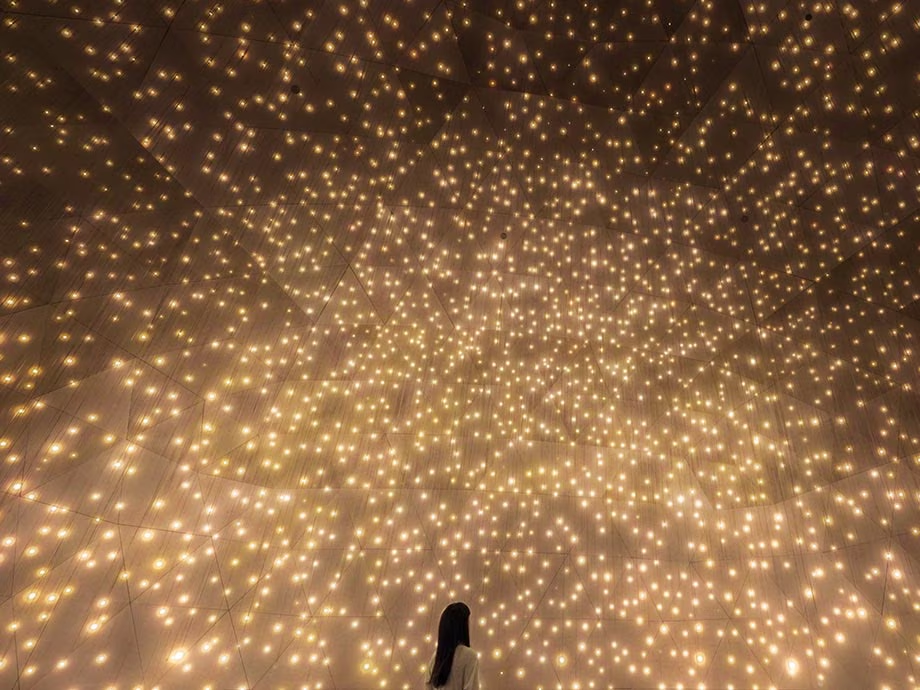
teamLab Phenomena Abu Dhabi. This is a different kind of experience: technological, physically immersive, built around your presence inside the space. In the season it works well as a change of register, when you want a different sensation of what art can do.
Sharjah: what to see
If, at some point, Dubai Art Season starts to feel a little too fast, Sharjah gives you a different rhythm – and, crucially, a different scale. Sharjah Art Foundation’s spring programme functions as a parallel scene to the season: less event-chasing, more museum-weight shows that feel built to last.
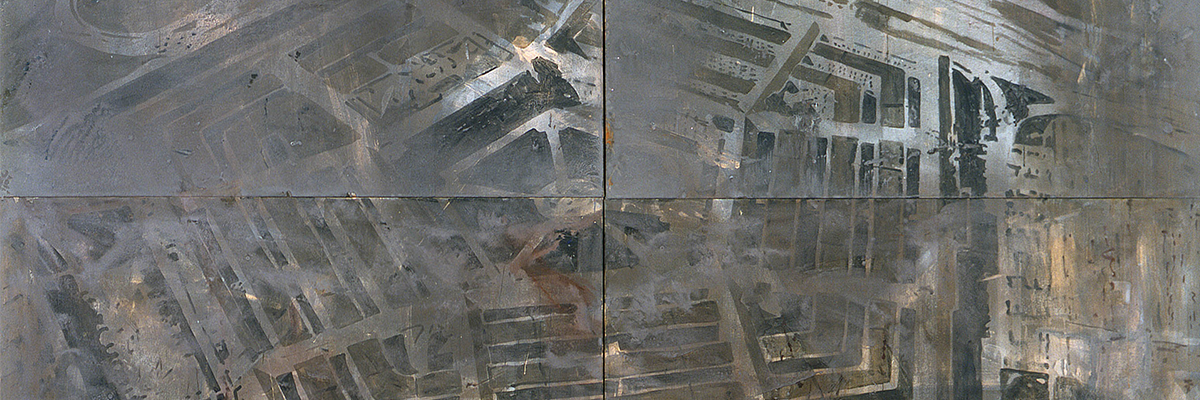
The first and biggest anchor is Jorge Tacla: Time the destroyer is time the preserver. It runs from February 8 to June 7, 2026, at Al Mureijah Square (Galleries 1-3). This is the kind of large-format solo presentation that justifies the trip on its own: expansive in scope, heavy in atmosphere, and focused on destruction, memory, and what remains once the shock has passed.
The second is Image Keepers: Photographic Works from the Sharjah Art Foundation Collection, on view from November 8, 2025 to April 26, 2026, at Photography Gallery, Galleries 2 and 3, Al Manakh. It’s a strong contextual layer for the season – photography used as evidence, archive, and social record, tracking shifts in place, identity, and power across decades. If you want your season to add up to more than individual nights out, this show does a lot of that work quietly, from the inside.
The third is Of Land and Water: Works from the Sharjah Art Foundation Collection, running from October 17, 2025 to May 31, 2026, at Kalba Ice Factory in Kalba. This is the one that turns into a journey rather than a quick detour, and that’s precisely why it matters. The exhibition is built around land and water as forces that shape belonging and boundaries, and in Kalba the landscape becomes part of the experience.
Share


WE RECOMMEND
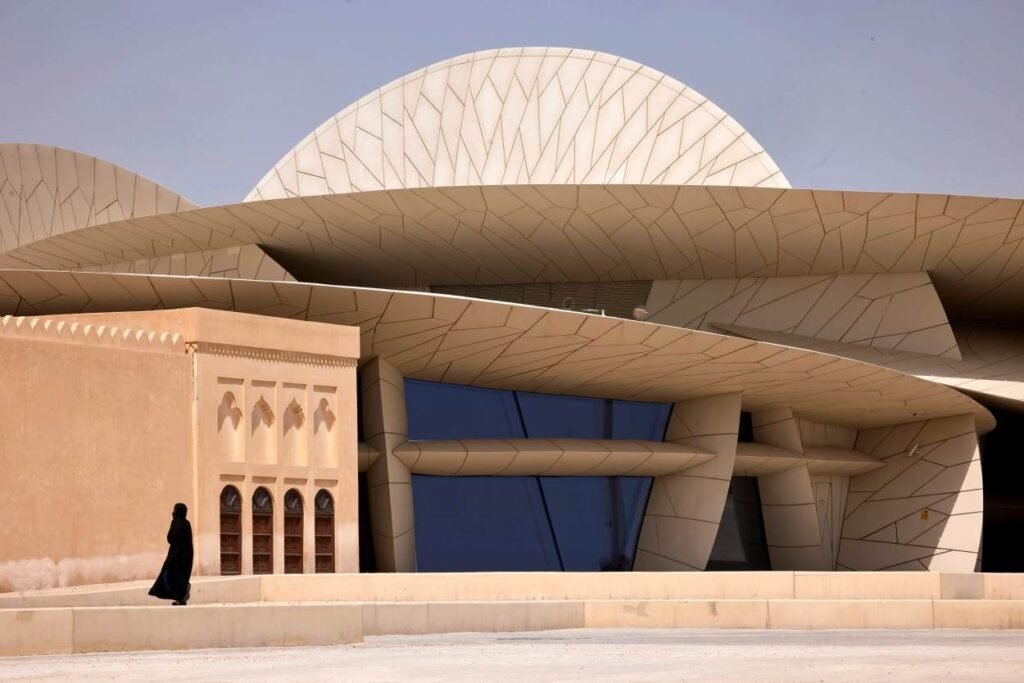
Art Basel Qatar: why Doha’s art moment matters beyond the fair
From February 5 to 7, 2026, Doha steps into the global art spotlight with the launch of Art Basel Qatar, marking a…
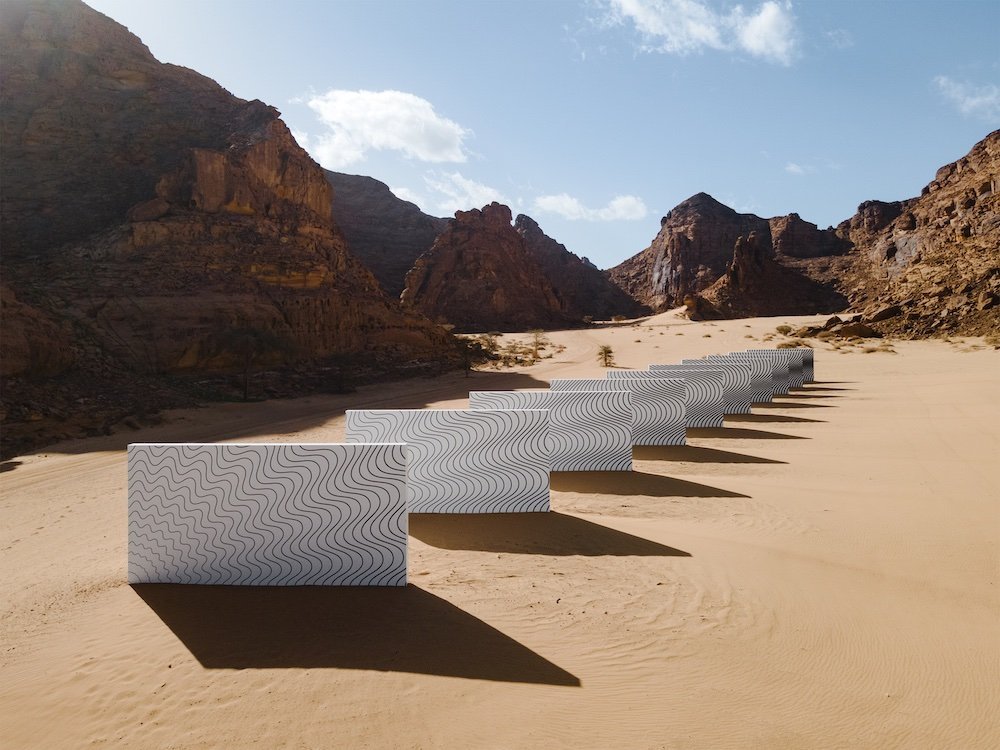
Desert X AlUla returns with a theme inspired by Kahlil Gibran
Desert X AlUla 2026 turned AlUla’s canyons into an open-air route of 11 new site-specific installations, with Kahlil Gibran’s Space Without Measure
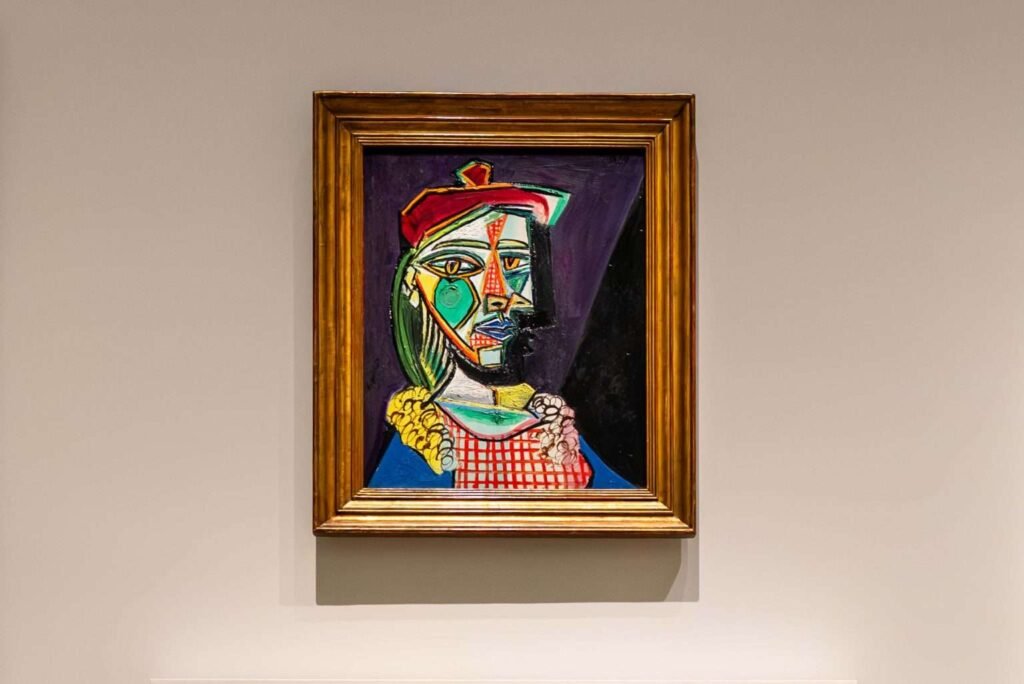
Now on view: Picasso, the Figure at Louvre Abu Dhabi
Why go to see Picasso at Louvre Abu Dhabi, and what can it offer today if you need a shift in perspective…
