





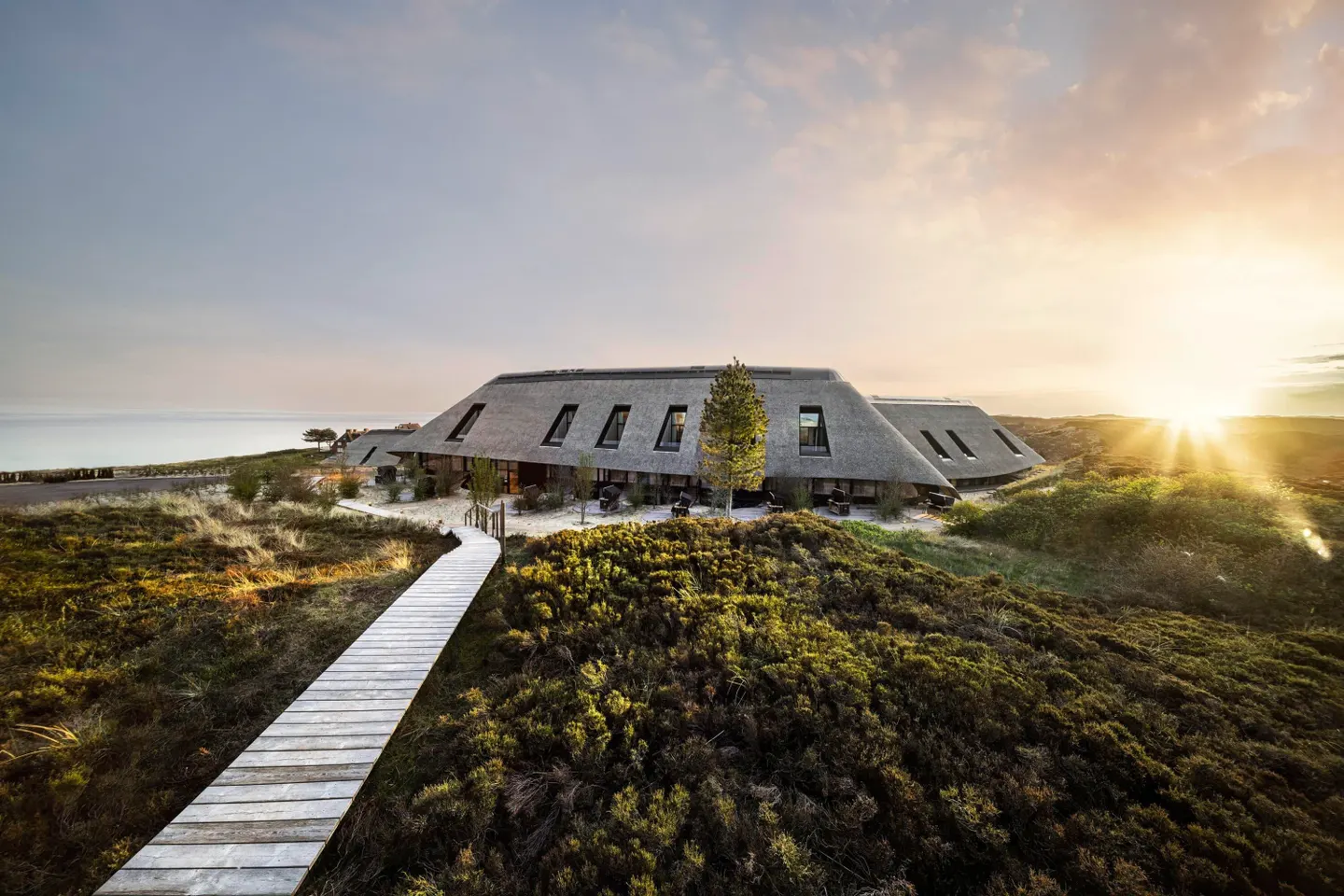
Courtesy of Lanserhof Sylt Health Resort
The New Era of Premium Travel: Hotels Built for Recovery and Sleep
Today, more travelers arrive at a hotel with a specific goal: recover quickly. A new kind of hospitality is quietly taking shape and it is growing in plain sight.
You land late. The cabin air is still in your skin, your legs feel slightly swollen, and your brain is doing that wired thing where it refuses to power down even though you are tired. You check into a hotel in a city you know well and you do the math immediately: there is no space for three days of jet lag. Tomorrow morning you have a meeting that matters, and you need to look sharp, think clearly, and sound like you slept. Familiar?
More guests arrive with a single, blunt request: help me recover fast. One night that actually restores. Two nights that return steadiness. Hotels that can deliver that shift are becoming a category in their own right. This demand is feeding a new layer of product design that sits between classic spa weekends and longer medical-style retreats.
In the UAE, the demand is already visible enough to be named in mainstream coverage. Short stays are common, long-haul connections are routine, and the city rhythm encourages late nights and early starts. “Sleepcations” are increasingly described as a rising behavior among UAE travelers, and the reason is simple: many guests arrive depleted, and they want the hotel to do more than provide comfort. They want it to produce a reset.
Why this is accelerating now
Part of the acceleration is physiological. The modern city trip has become expensive for the body: late arrivals, screen-heavy work, noisy schedules, caffeine creep, irregular light exposure, and a constant sense of being slightly off. A room that looks luxurious at check-in matters less than how you feel after eight hours inside it.
Another part is cultural. Wellness is shifting from treatments to outcomes. Guests increasingly choose the hotel as a controlled environment for a short, concentrated recovery – sleep quality, nervous system downshift, and energy that comes back in a way you can feel.
Hotels where recovery and sleep are built in
What makes a recovery hotel real? One simple test: will you feel different by morning? A single night can shift how you experience everything that follows. That is why the most convincing recovery-forward hotels start with the room itself: darkness that holds, quiet that is engineered, air that feels clean, temperature that stays stable, and lighting that supports an evening rhythm instead of fighting it.
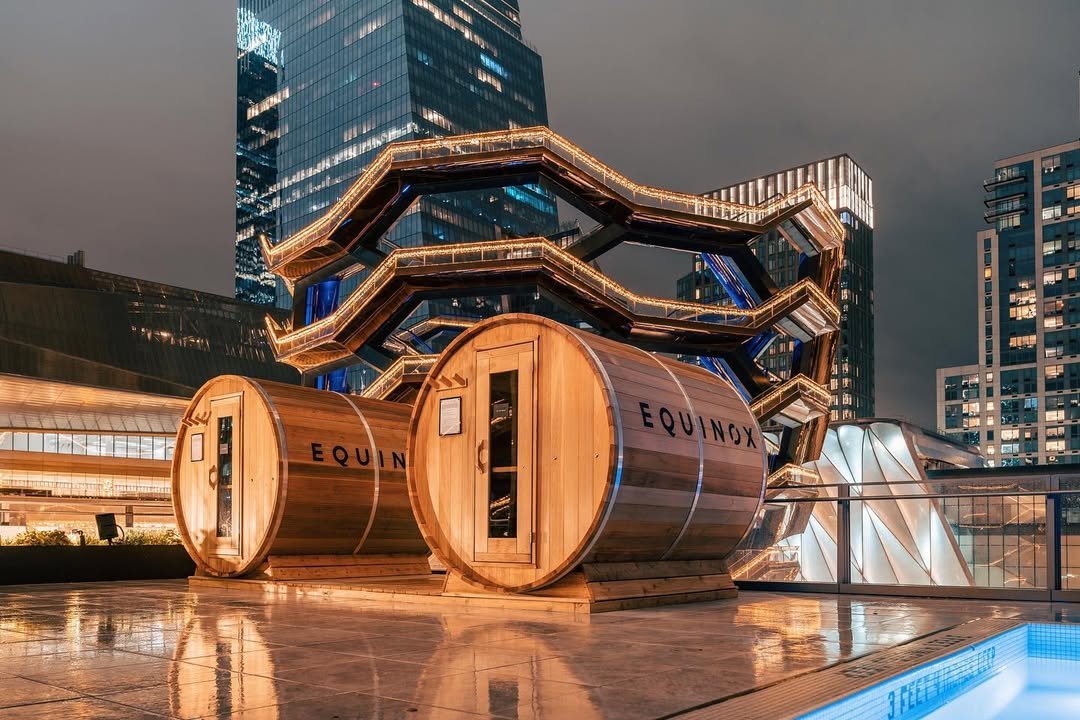
Equinox Hotel New York positions its Sleep Experience as a core promise, with elements such as blackout capability, circadian lighting and a curated sleep-focused menu. This is a clean example of a city hotel treating sleep as product design, not a spa add-on.
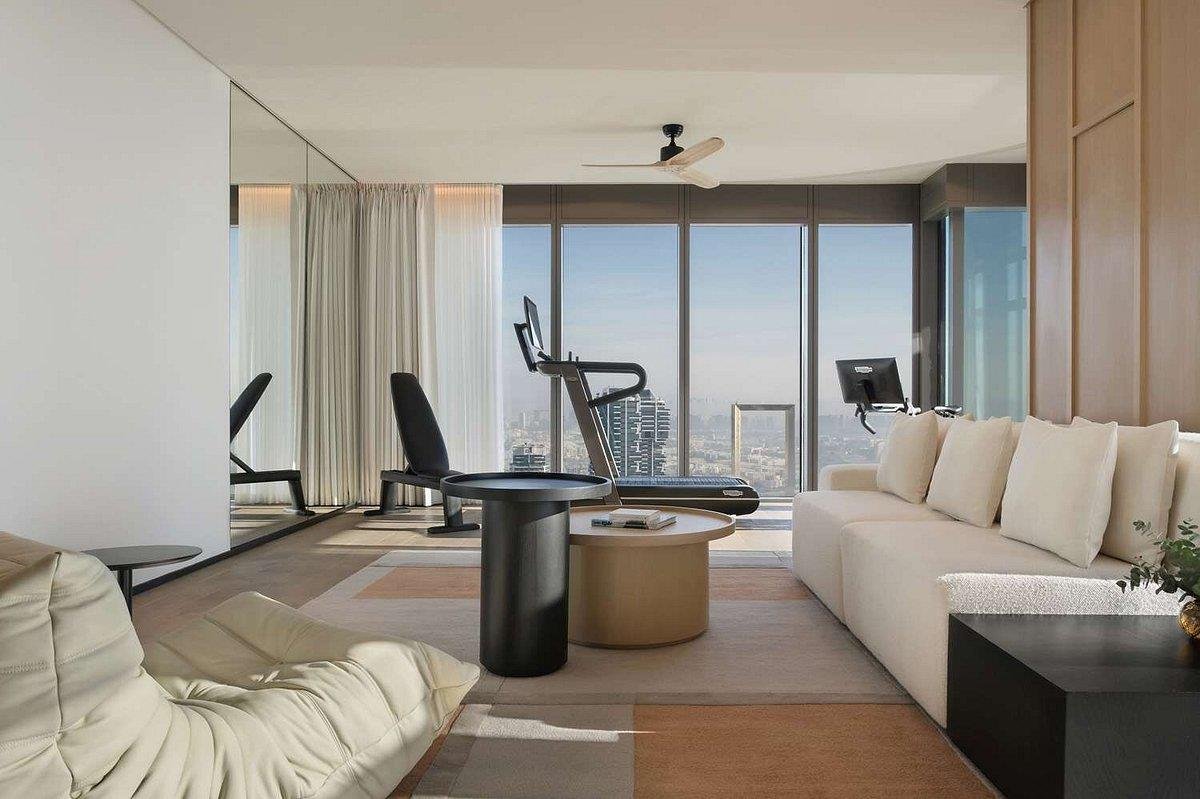
Dubai offers a different angle on the same demand. Many guests in this city arrive with a nervous system already running hot and recovery has to fit an urban schedule. SIRO One Za’abeel has positioned itself as a fitness and recovery hotel and it makes that tangible through a dedicated Recovery Lab and a menu of treatments that includes options such as assisted stretching, cold plunge, and techniques like dry needling. The Recovery Lab functions as a distinct space within the hotel, framing recovery as part of the stay’s core identity.
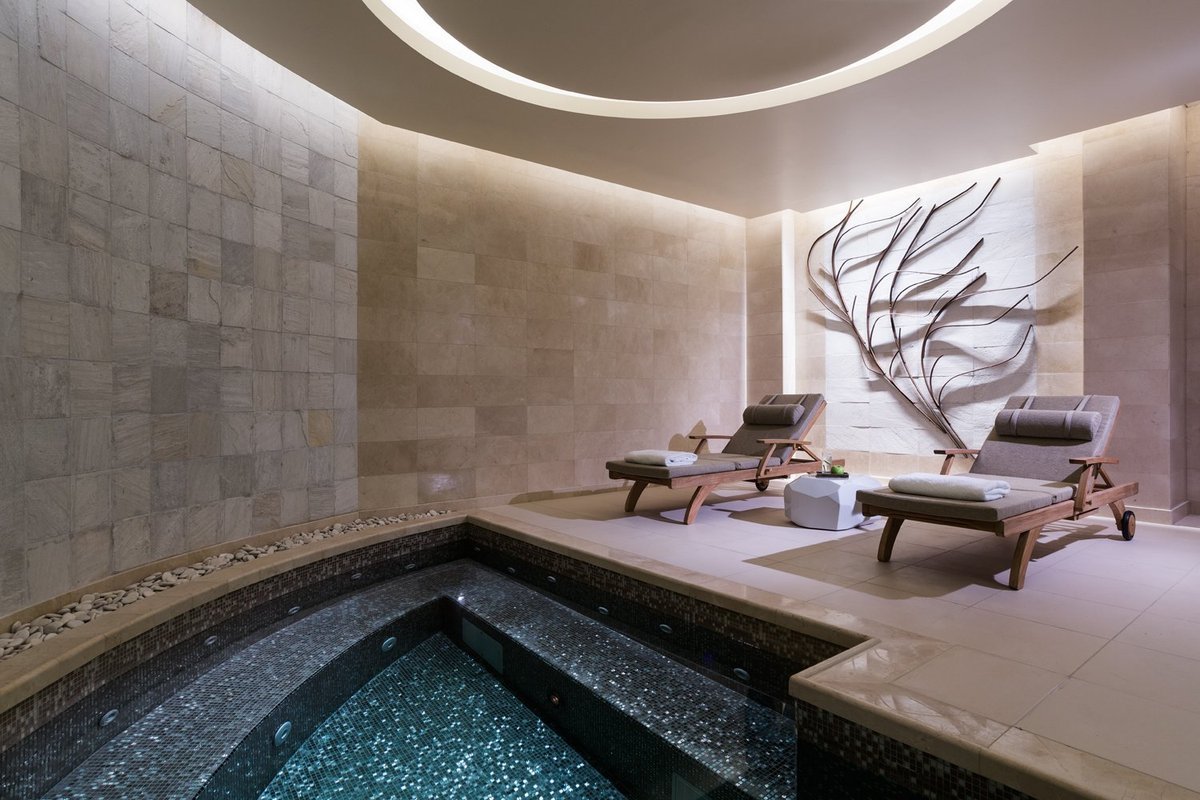
Then there is the quieter version of recovery, which often suits overstimulated travelers better than anything high-tech. Some guests do not want a program that feels like another task list. They want a calm base and a serious wellness layer, where downshifting happens through space, service, and bodywork. Properties such as Rosewood Abu Dhabi fit naturally into this territory when the stay is edited around low stimulation, consistent sleep conditions, and restorative treatments that bring the body back into balance.
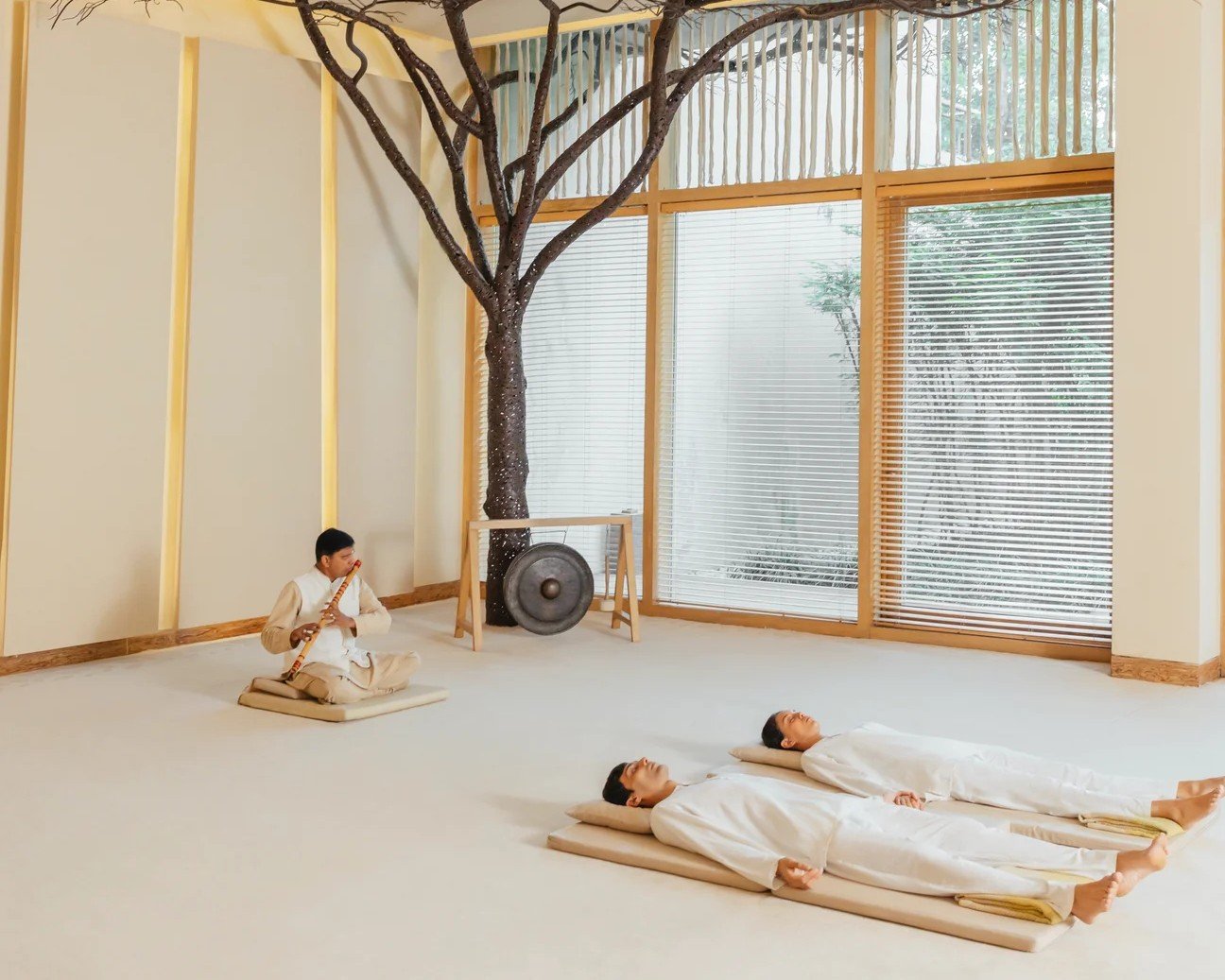
At a brand level, Six Senses helps explain where the market is heading because it has formalized sleep as a repeatable standard. “Sleep With Six Senses” is described as a structured approach that begins with assessing sleep patterns and builds a plan to improve rest and restore energy. Even when the setting is resort-led, the lesson is relevant for cities: protocols that can be delivered consistently, with less reliance on guests improvising their way into recovery.
At the high end of the spectrum sit medical-led operators and clinics, where recovery becomes more intensive and more guided. Lanserhof Sylt in Germany is often mentioned in connection with structured sleep-focused work that can include tools such as biofeedback and neuro-style training. This is where a frame like NeuroSleepRest starts to read as a real category. NeuroSleepRest is a three-day experience that includes twelve high-intensity biofeedback sessions, targeted theta wave training to support deep sleep and mental clarity, and a comprehensive sleep analysis with personalized recommendations.
At Kimpton Fitzroy London, recovery is taken one step deeper with a “Room to Dream” – an in-room add-on designed to help guests experiment with lucid dreaming. The experience centres on a small kit and a guided routine: a dream journal, sleep-focused products (tea, drops, pillow mist), and a VR headset loaded with AI-generated visuals created with artist Sam Potter, developed in collaboration with lucid-dreaming teacher Charlie Morley. After the session, guests are invited to log what they remember, and the hotel’s concept includes turning those notes into a bespoke digital artwork – a slightly surreal, very contemporary take on the “one night that has to work” idea.
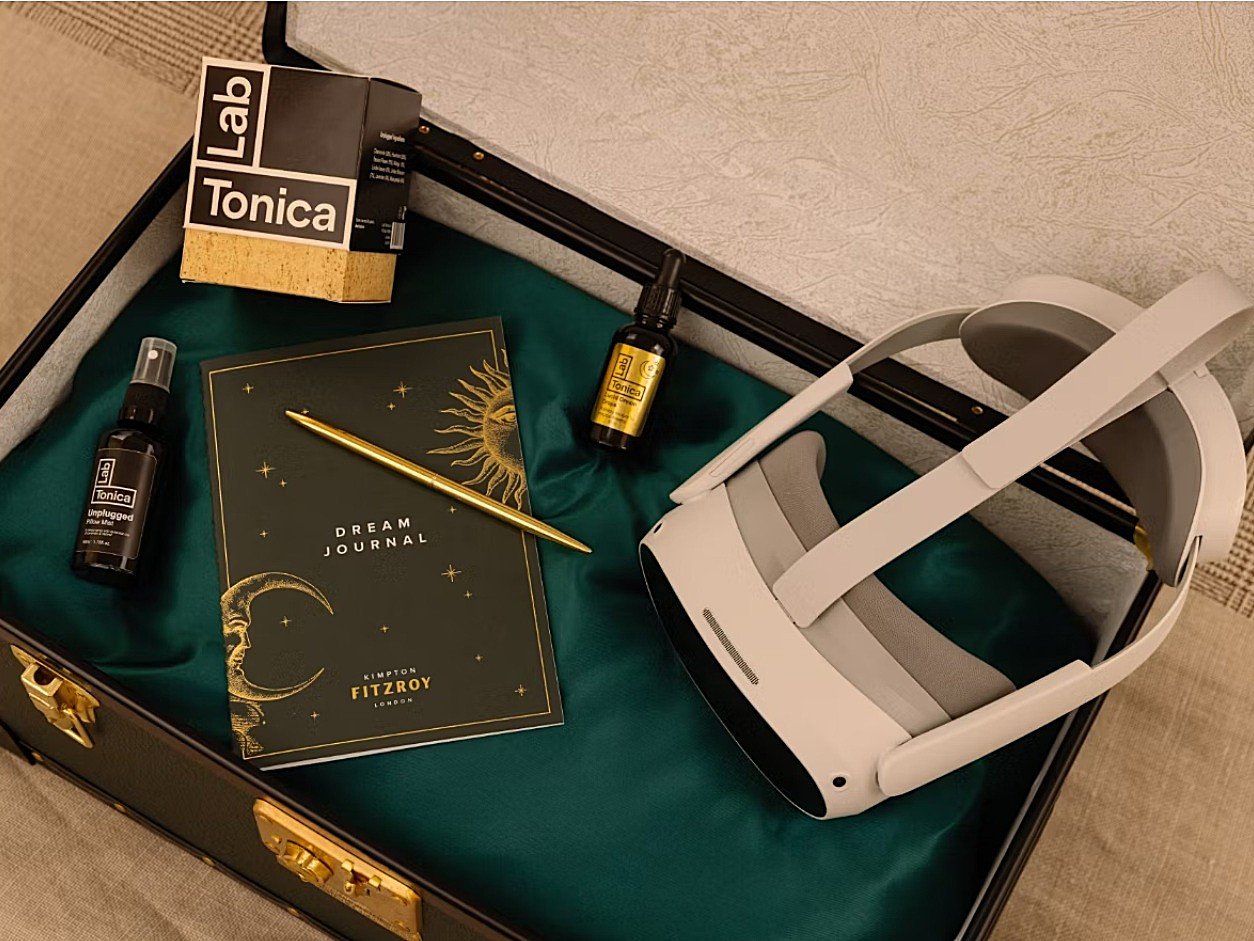
Room To Dream experience not only provides you with the necessary tools and steps to begin lucid dreaming, but also teaches you how to plan your dreams and use the hypnagogic affirmation technique to explore the dream realm.
Where this goes next
Expect more city hotels to formalize recovery as a short-stay product, with clearer outcomes and less vague “wellness language”. Sleep will remain the entry point because it is the fastest lever: one night can change how a guest experiences the whole trip. The hotels that win will treat recovery as engineering and operations, expressed quietly, through conditions and protocols that work when time is tight.
Share



WE RECOMMEND
20 Best Longevity and Wellness Destinations Around the World
A longevity trip begins with a simple choice: to go somewhere where the days are shaped around feeling better and returning with…
Inside Royal Mansour Marrakech: A Garden Oasis for Recovery
Royal Mansour Marrakech is more than a legendary hotel – it has become a Marrakech landmark in its own right. The project…
Longevity Pods: What They Are and How Do They Work
Longevity pods turn at-home care into a calming immersive treatment: salt, red light, oxygen, sound, and scent combined into one guided session.
