




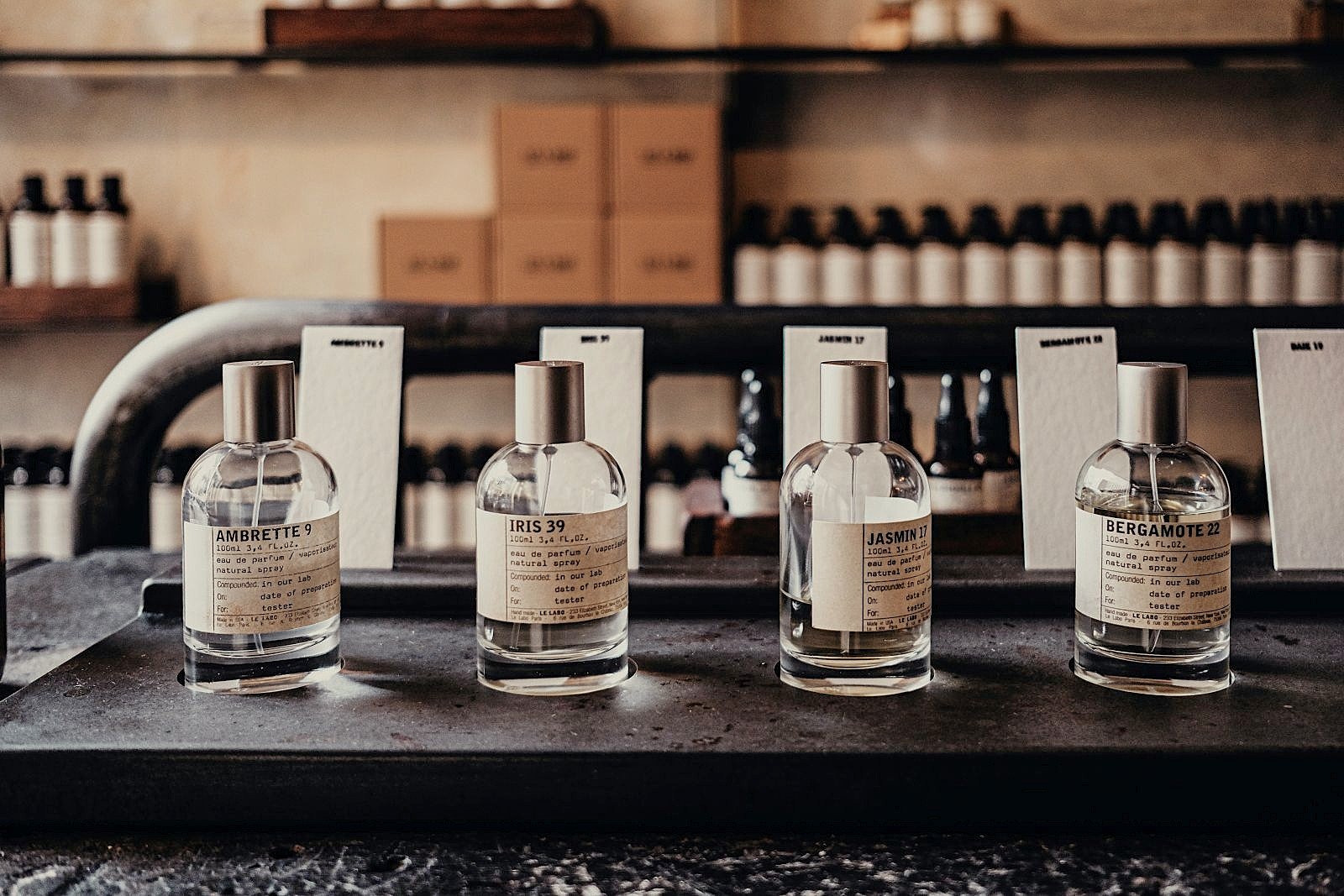
The Perfume Wardrobe: A Modern Guide to Scent Layering
Today, fragrance layering has moved from a perfume-insider habit to the center of beauty culture. Our beauty editor shares a step-by-step guide to do it the right way.
In a market full of products that can start to feel interchangeable, scent remains one of the few beauty categories that still feels intimate. It lives close to the skin, changes with heat and humidity, and carries memory with it. Layering takes that further. It turns perfume into composition, and composition into identity.
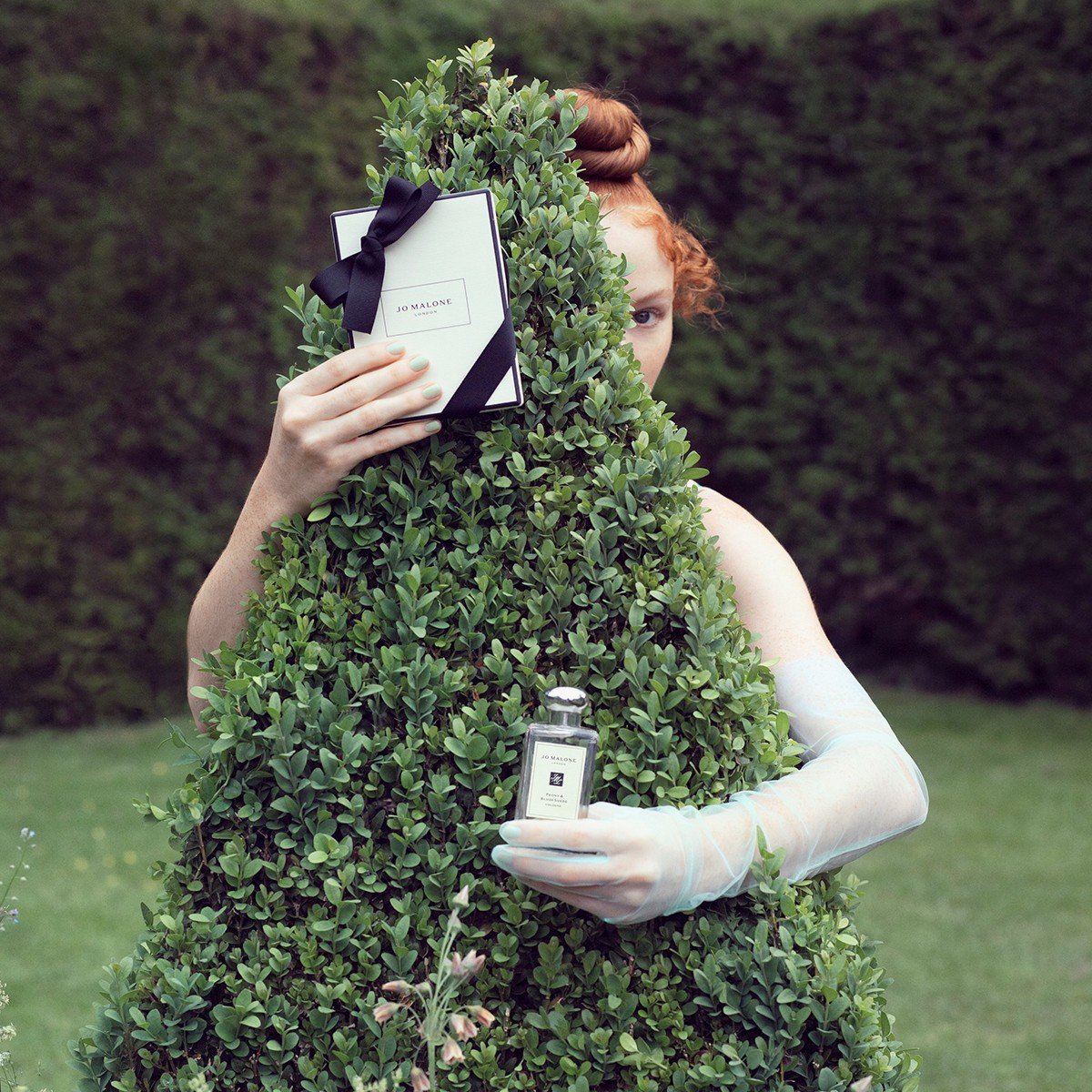
The idea of scent layering itself is ancient. Egypt, Arabia and India all built rich scent traditions around oils, resins, smoke, flowers and ritual use of fragrance. In the Gulf, especially, wearing scent in layers has long been part of daily life – perfume on skin, fragrance on fabric, bakhoor in the home, and different scent profiles for day, evening and gatherings. What feels new today is the global mainstream adoption of that logic. Beauty consumers now speak in the language of “fragrance wardrobes,” and brands increasingly build products to be worn together. Jo Malone London has made scent pairing central to its philosophy, describing it as layering more than one fragrance to create something personal.
This shift is also generational. Gen Z and Millennials treat fragrance as social language. TikTok helped accelerate that behavior with “smellmaxxing,” where layering is framed as a personal signature.
What makes this trend matter beyond beauty is how directly it influences self-perception. Smell reaches emotional and memory systems fast, which is why fragrance can shape mood before you fully register it. Harvard’s reporting on olfaction explains the close link between scent, memory and emotion, and scientific literature on odor-evoked memory shows that personally meaningful scents can support positive mood and reduce stress markers. In practical terms, a fragrance wardrobe is more than aesthetic. It becomes a way to regulate space around yourself.
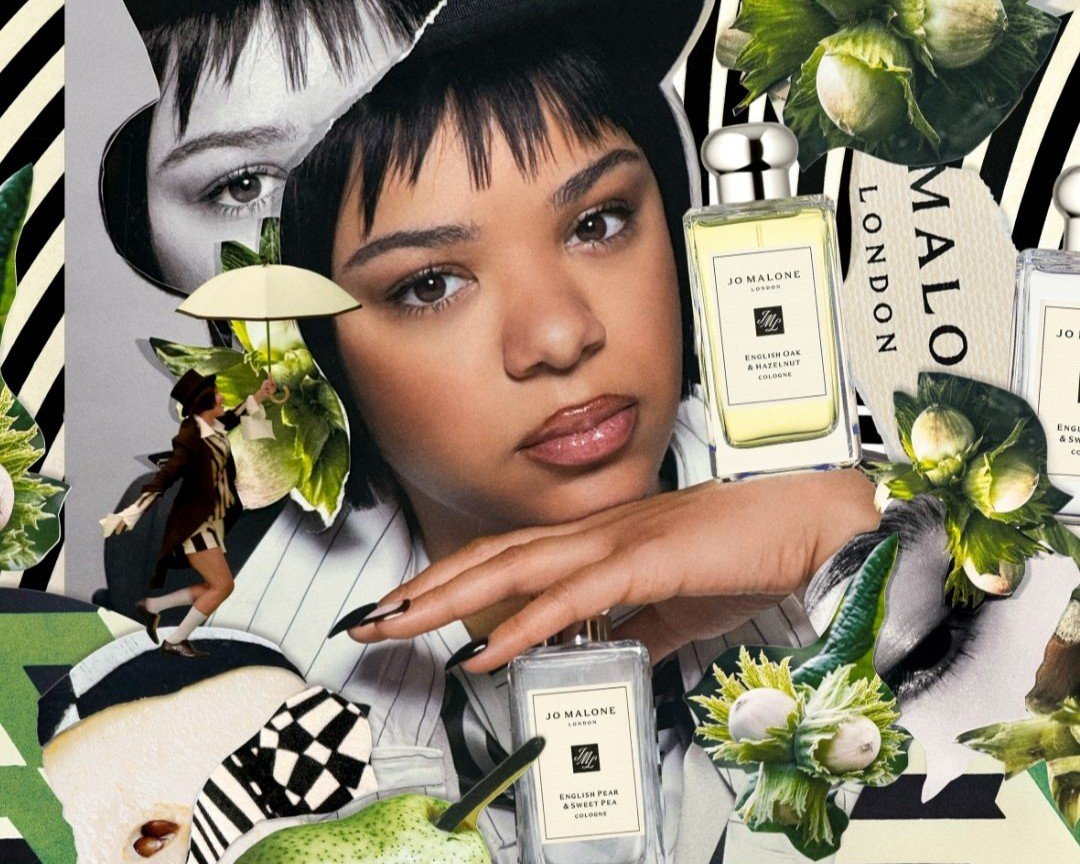
That is why layering works so well in the current beauty mood. You may want a clean mineral scent for morning meetings, a skin-musk profile for travel, and a richer floral-amber composition for dinner. Scent layering gives that flexibility.
The technique matters. The cleanest approach is to build a fragrance in two parts: an anchor and an accent. The anchor is the base shape of the scent – usually musk, soft woods, dry amber, mineral notes, or a smooth vanilla. The accent brings direction – citrus, tea, rose, white florals, spice, incense. When layering, start with the denser fragrance and add the brighter or lighter one after, so the top notes stay visible. It also helps to layer formats: moisturized skin first, then perfume. This improves hold and keeps the composition smoother across the day. Beauty guidance on layering consistently points to these same principles, and Jo Malone’s official scent pairing guidance reinforces the idea of combining a favorite with another note family to create a personal variation.
There is one common mistake: combining two highly saturated fragrances with equally strong personalities. That usually flattens both. A better result comes from contrast with restraint – one clear base, one clear mood note. Layering should feel like styling silk with wool.
For a premium perfume wardrobe, the strongest approach is to choose a few fragrances that are beautiful alone and flexible in combinations. Jo Malone Wood Sage & Sea Salt remains one of the most useful anchors because of its mineral-woody transparency, and the brand openly positions its colognes as designed for layering. Le Labo Another 13 works in a different register: cleaner, skin-like, musky, and especially good as a base for florals or citrus accents, with the added advantage that the line includes body formats like lotion and shower gel for layering by texture.
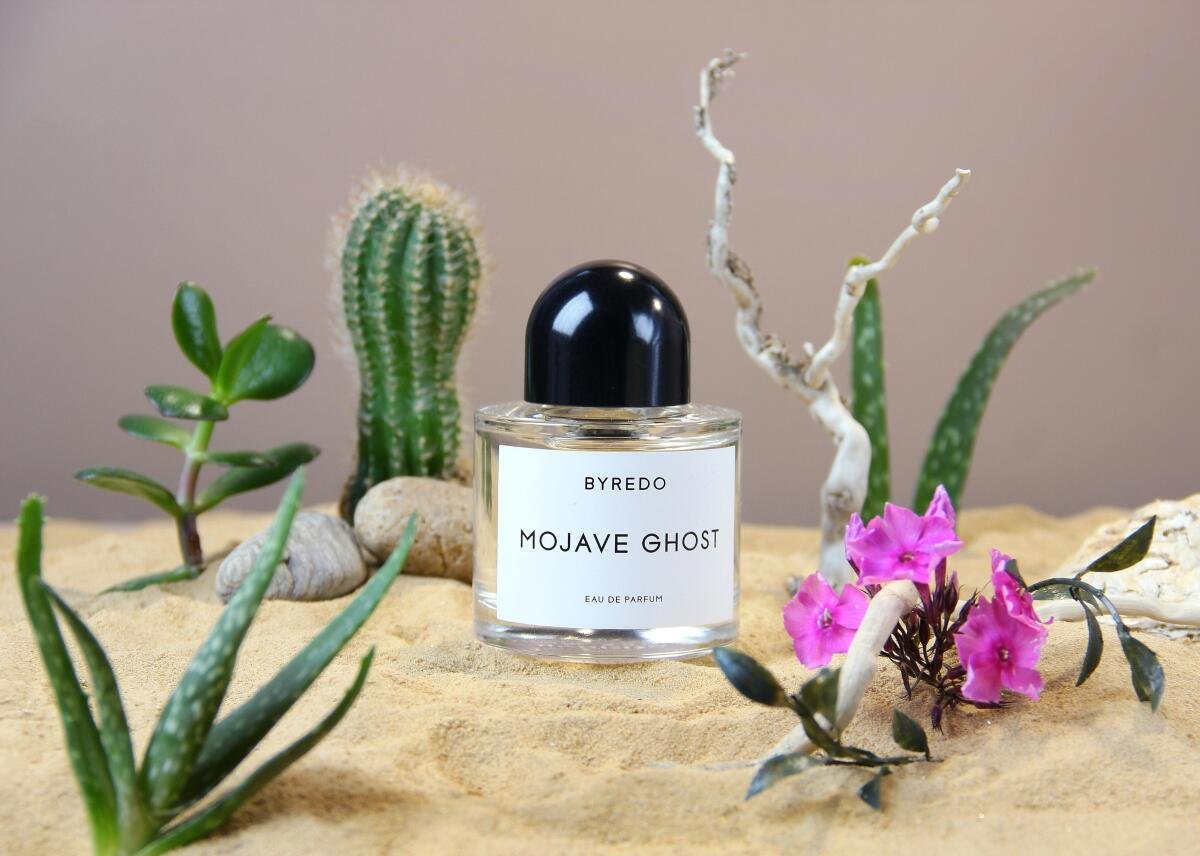
Byredo Mojave Ghost is excellent for the “clean luxury” direction because its musky-woody floral structure sits lightly on the skin and blends well over mineral or musk bases. Byredo’s official description and retailer note breakdowns both support that airy, woody-floral profile. Diptyque Eau Duelle is a strong base when you want warmth without sugar – a vanilla with a spiced edge, which gives structure to florals and woods.
Maison Francis Kurkdjian Gentle Fluidity Silver is one of the best “bridge” perfumes in a premium wardrobe because it moves between freshness and dry woods. The house itself frames the Gentle Fluidity duo around the same set of notes expressed as two identities, which fits perfectly into the layering conversation: same materials, different silhouette.
For a Gulf-leaning evening profile, Amouage Reflection Woman and Guidance give two very different options – Reflection Woman as a luminous white-floral-amber composition and Guidance as a richer rose-frankincense-ambergris statement. Both are powerful, so they work best in controlled proportions when layered. And for deep evening warmth, Frederic Malle Musc Ravageur remains a classic amber-musk foundation with vanilla and sandalwood, the kind of scent that can carry an entire look with one spray or add heat under something brighter.
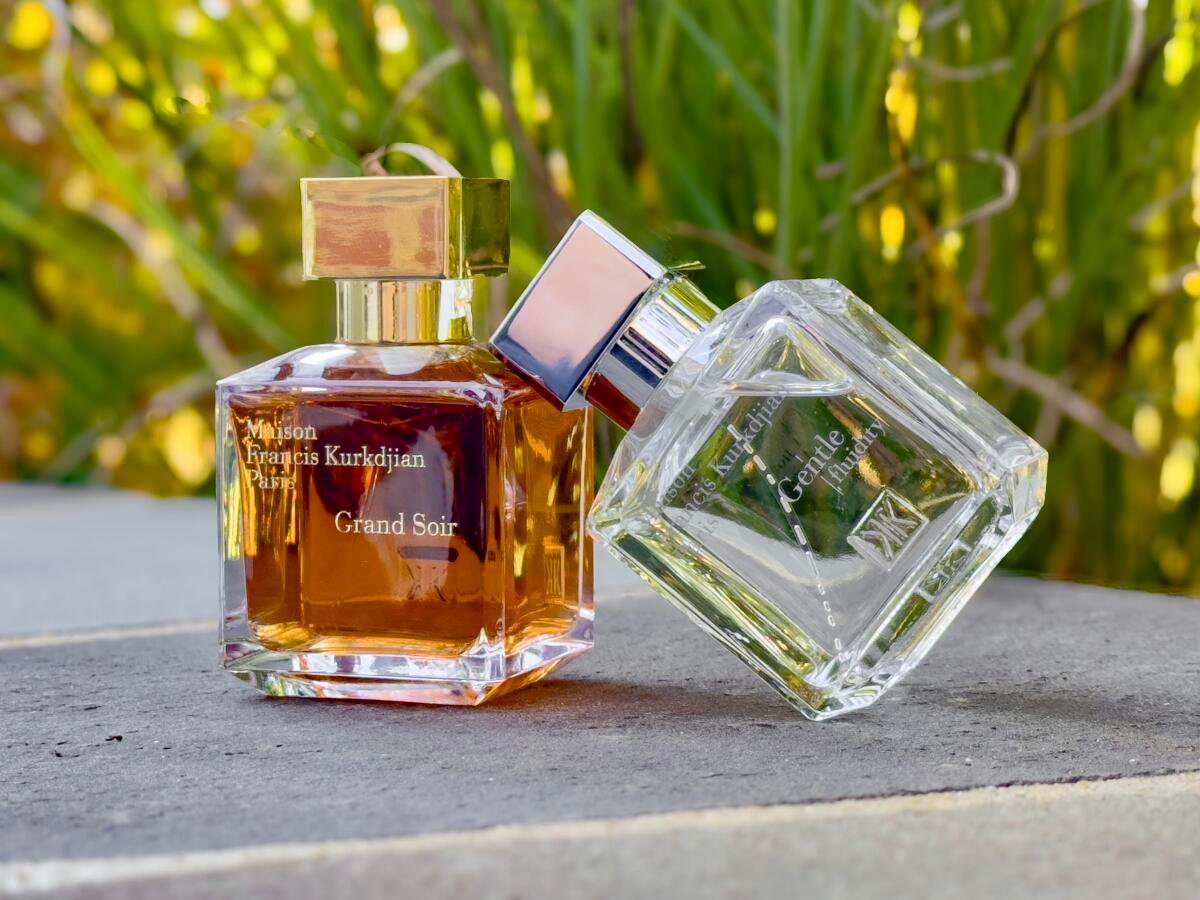
A useful way to think about a premium wardrobe is by roles. A mineral base. A skin musk. A floral light. A woody bridge. A warm evening anchor. Once those are in place, layering starts feeling intentional. The point is having enough contrast to shape mood.
Celebrity fragrance culture has helped make this behavior more visible. Sofia Richie Grainge has spoken about wearing Jo Malone Wood Sage & Sea Salt and layering it with Lime Basil & Mandarin for a fresher effect – a pairing that reads exactly like the current beauty mood: quiet, polished, personal. Poppy Delevingne has long been linked to Jo Malone’s combining culture and has openly talked about mixing scents, which helped normalize fragrance pairing in a fashion context. More recently, actors like India Amarteifio have spoken about Jo Malone layering as a way to create combinations tied to memory and comfort, which reflects the wider move toward fragrance as a personal code.
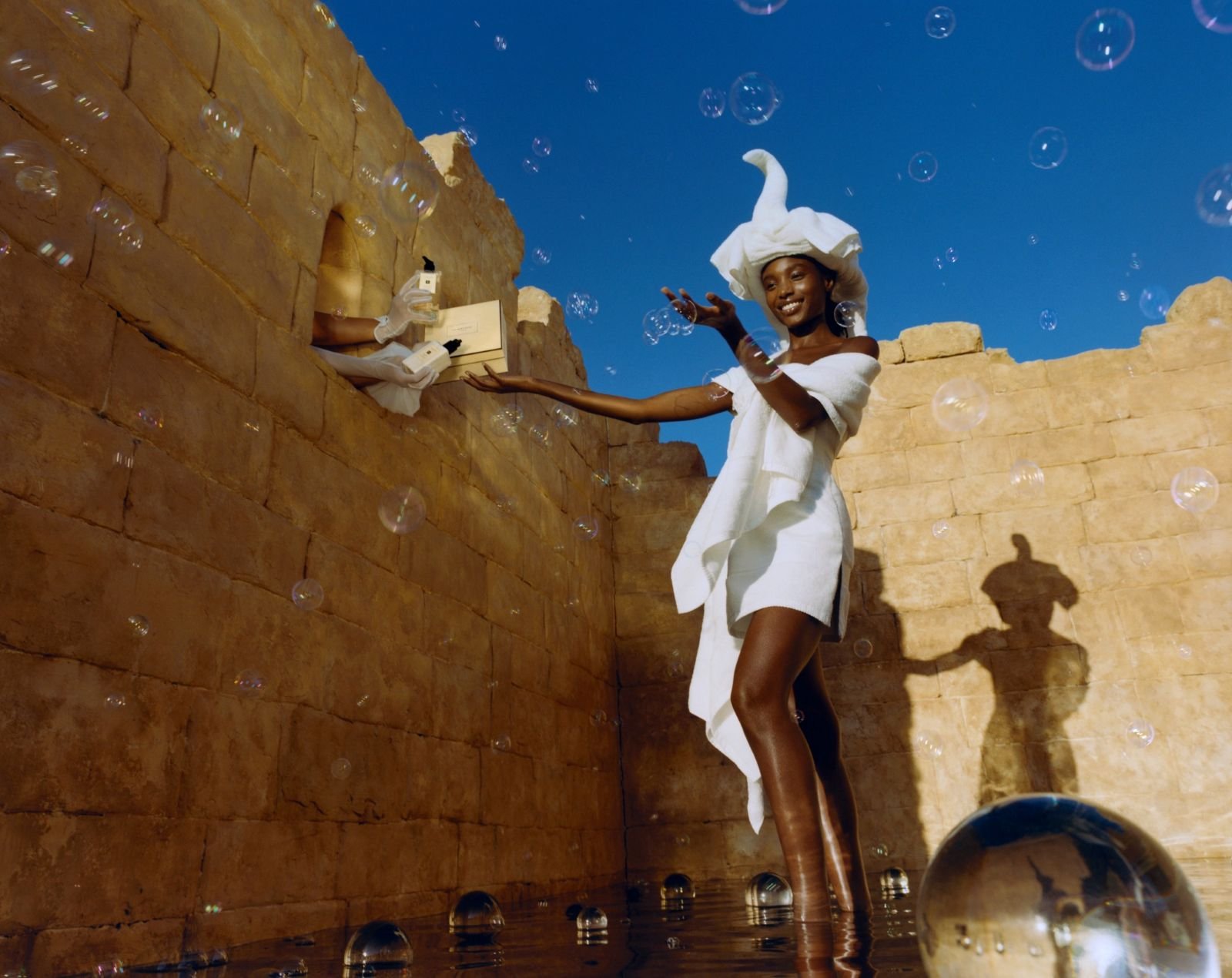
Today, fragrance is no longer just a final gesture before leaving the house. It becomes part of how people set the tone of a day, how they move between public and private versions of themselves, and how they create continuity in a life. In that sense, the perfume wardrobe is a practical emotional technology – old in origin, current in form, and increasingly central to how beauty is lived now.
Share