



Seven Museums Changing What Culture Can Do to the Body
Wellbeing is often discussed through hotels, clinics and longevity centres. But cultural spaces may be just as central to the future of human restoration.
From Abu Dhabi to Los Angeles, from Sichuan to Brussels – a new generation of cultural spaces is changing the way we think about museums. Architecture, art, landscape and technology are increasingly being designed around one central question: what happens to the person inside?
A museum can alter attention. It can change pace. It can return a person to scale, beauty, memory and presence. It slows the body, sharpens perception and gives the visitor a different relationship with light, air, silence, scale and time. The strongest new museums understand this. They are designed around what culture can do to the body – and through the body, to the way we live.
Across continents, this shift is becoming visible. Some museums use landscape as part of the experience. Others work with immersion, digital media, natural ventilation or spatial quiet. What connects them is a shared understanding: culture is experienced through the body as much as through the mind.
Sichuan – Sanxingdui Museum
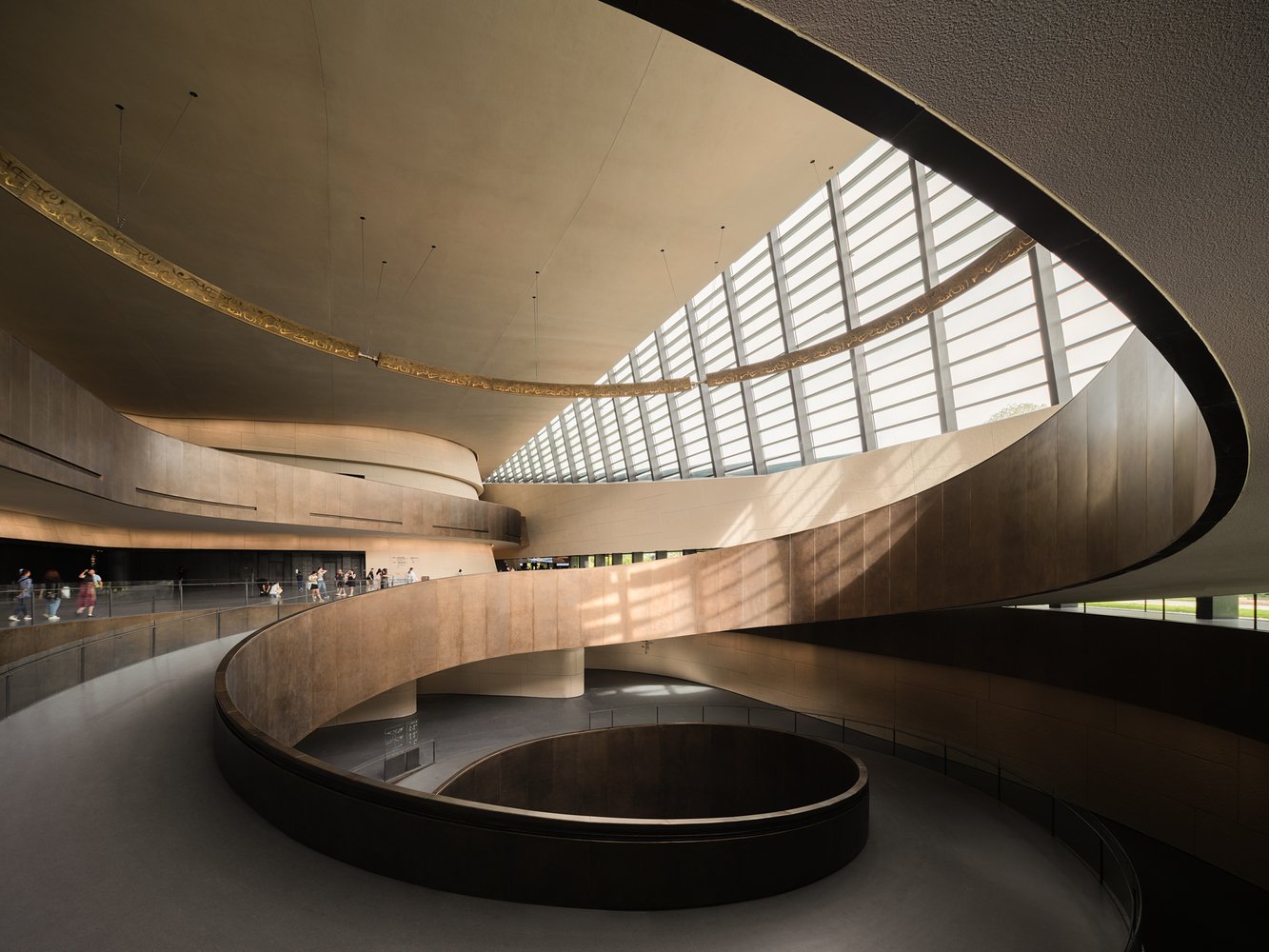
In Sichuan, the Sanxingdui Museum works through another force: awe. The museum is dedicated to a Bronze Age civilization whose artifacts still feel almost otherworldly. Monumental bronze masks, gold ritual objects and a sacred tree several metres high create an encounter with a culture that remained largely unknown until the late twentieth century.
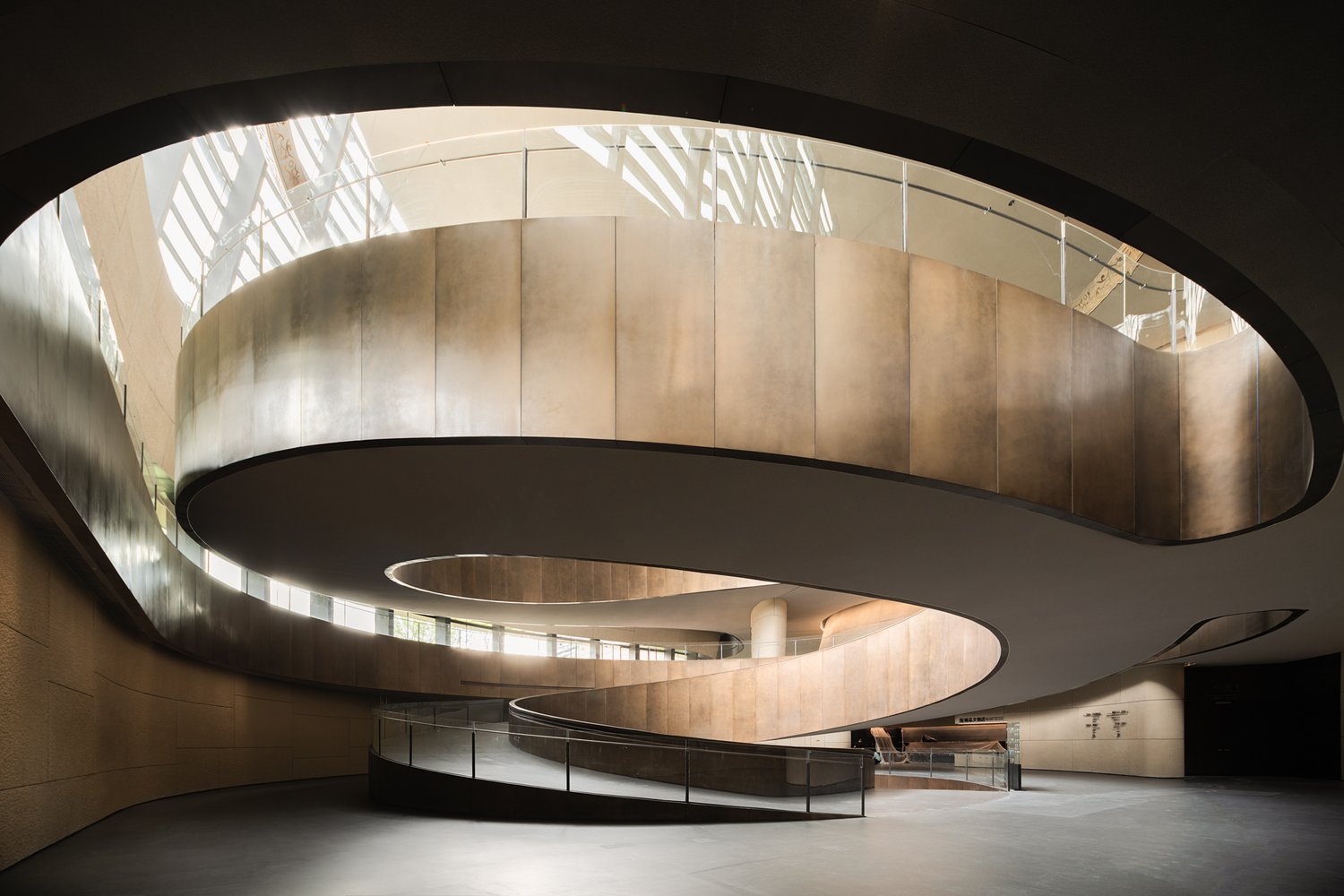
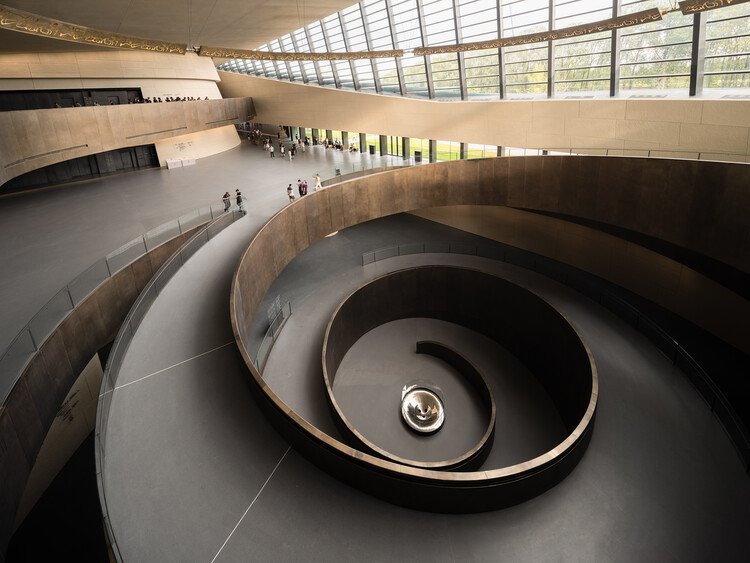
The expanded museum uses immersive media, AI-supported displays and holographic projections to bring this ancient world closer to the present. Yet the strongest effect still comes from the objects themselves. Their scale, strangeness and ritual power create a confrontation with deep time.
Awe is one of the most underrated cultural experiences. It changes proportion. It reminds the visitor that human life exists inside a much larger historical and symbolic field. Sanxingdui understands this and frames its collection accordingly. The museum does not simply explain the past. It allows the past to alter the visitor’s internal scale.
Abu Dhabi – teamLab Phenomena
Also on Saadiyat, teamLab Phenomena Abu Dhabi takes a different route. Here, the museum is built around sensory encounter. Light, movement, digital forms and visitor presence become part of the work itself. The rooms respond, dissolve, shift and reconfigure as people move through them.
The result is less about looking at art from a distance and more about entering a field of perception. The boundary between viewer and image becomes unstable. You are inside the work, and your body becomes part of how it unfolds.
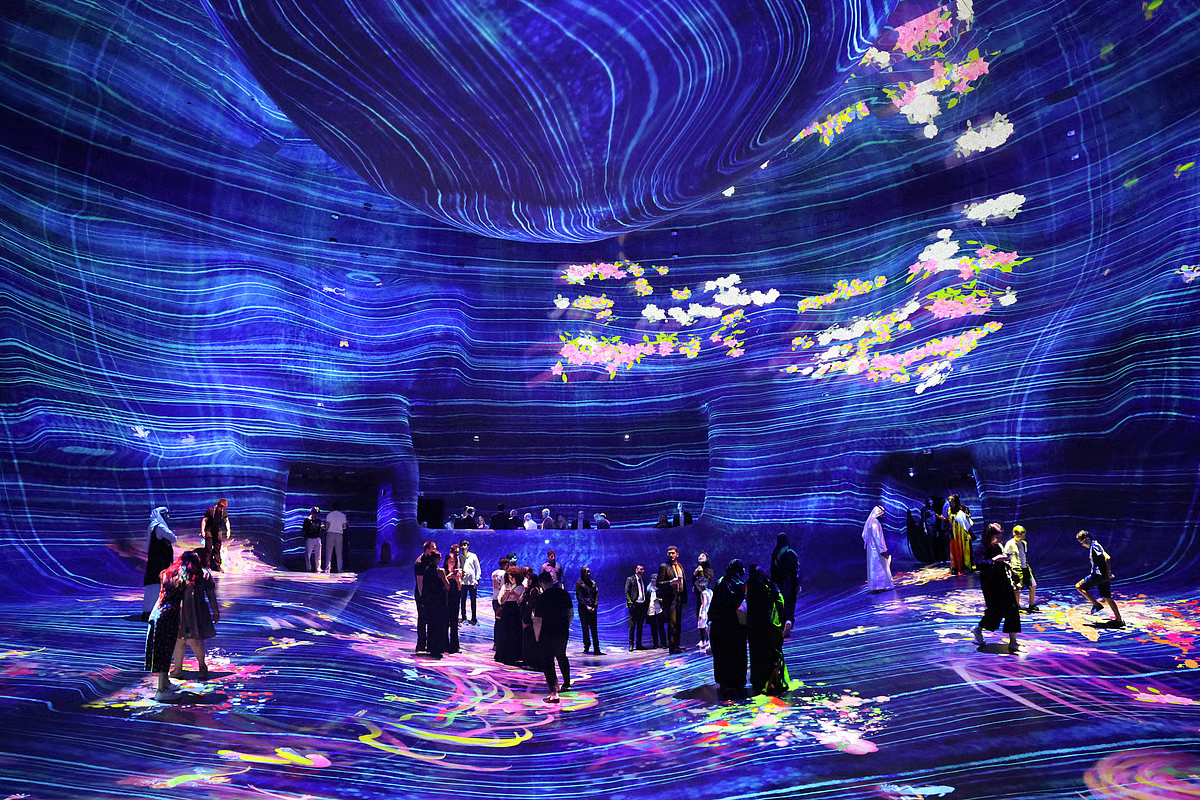
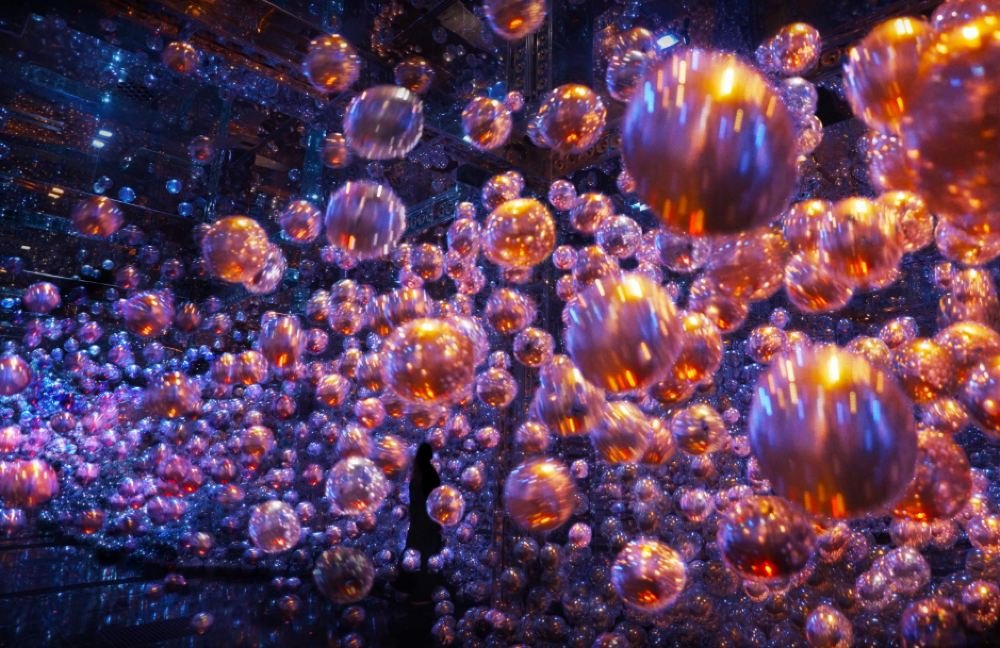
This is why teamLab belongs so naturally in the current conversation around wellbeing and culture. It does not present wellness as a service. It creates conditions for attention, immersion and sensory recalibration. In a city building one of the world’s most ambitious cultural districts, that distinction is important.
Los Angeles – David Geffen Galleries at LACMA
In Los Angeles, Peter Zumthor’s David Geffen Galleries at LACMA introduce another kind of threshold. The building stretches above the city, raised on concrete pavilions and spanning Wilshire Boulevard. Its horizontal form creates distance from the noise below and draws the visitor into a calmer, more continuous field of attention.
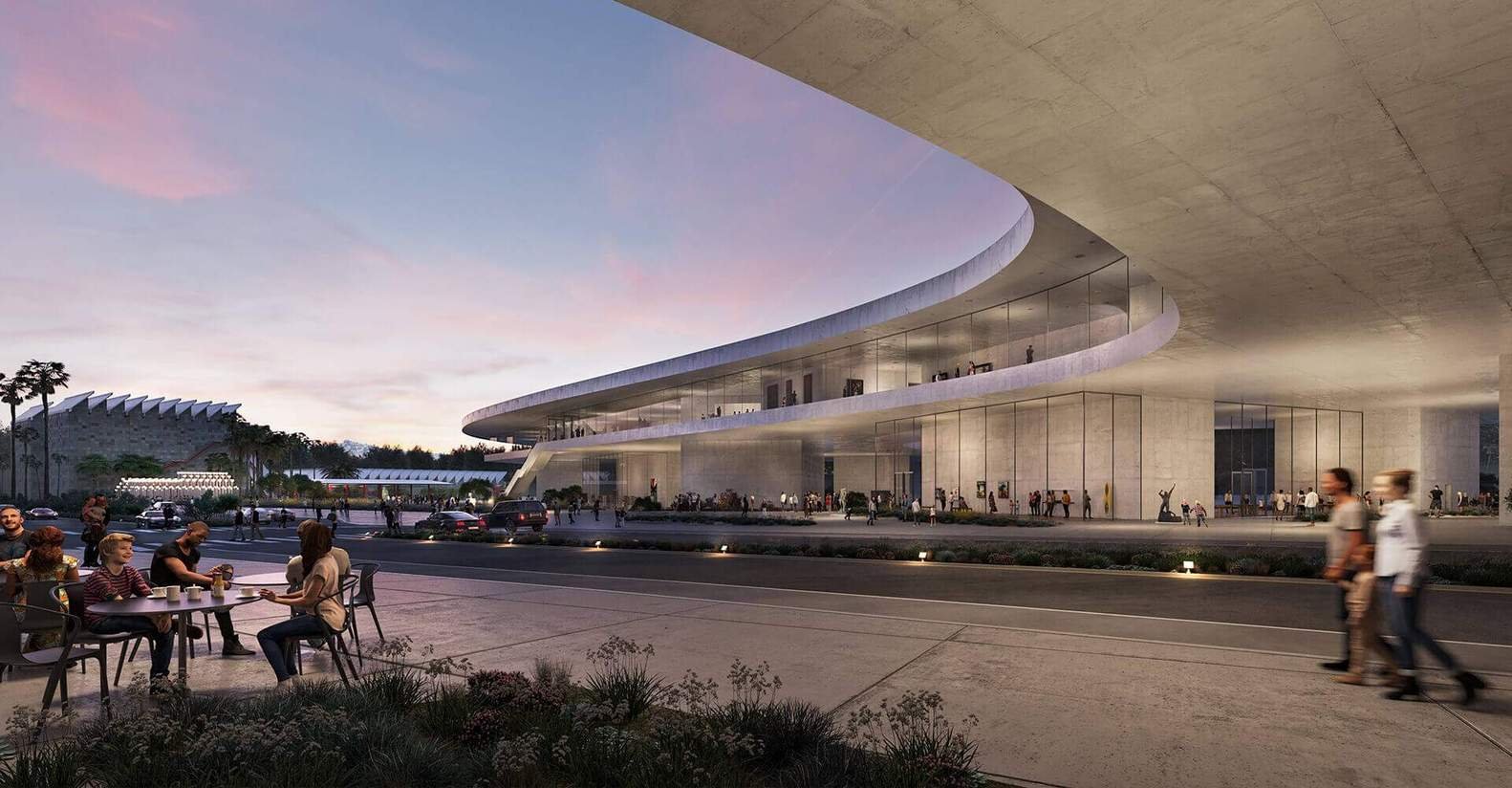
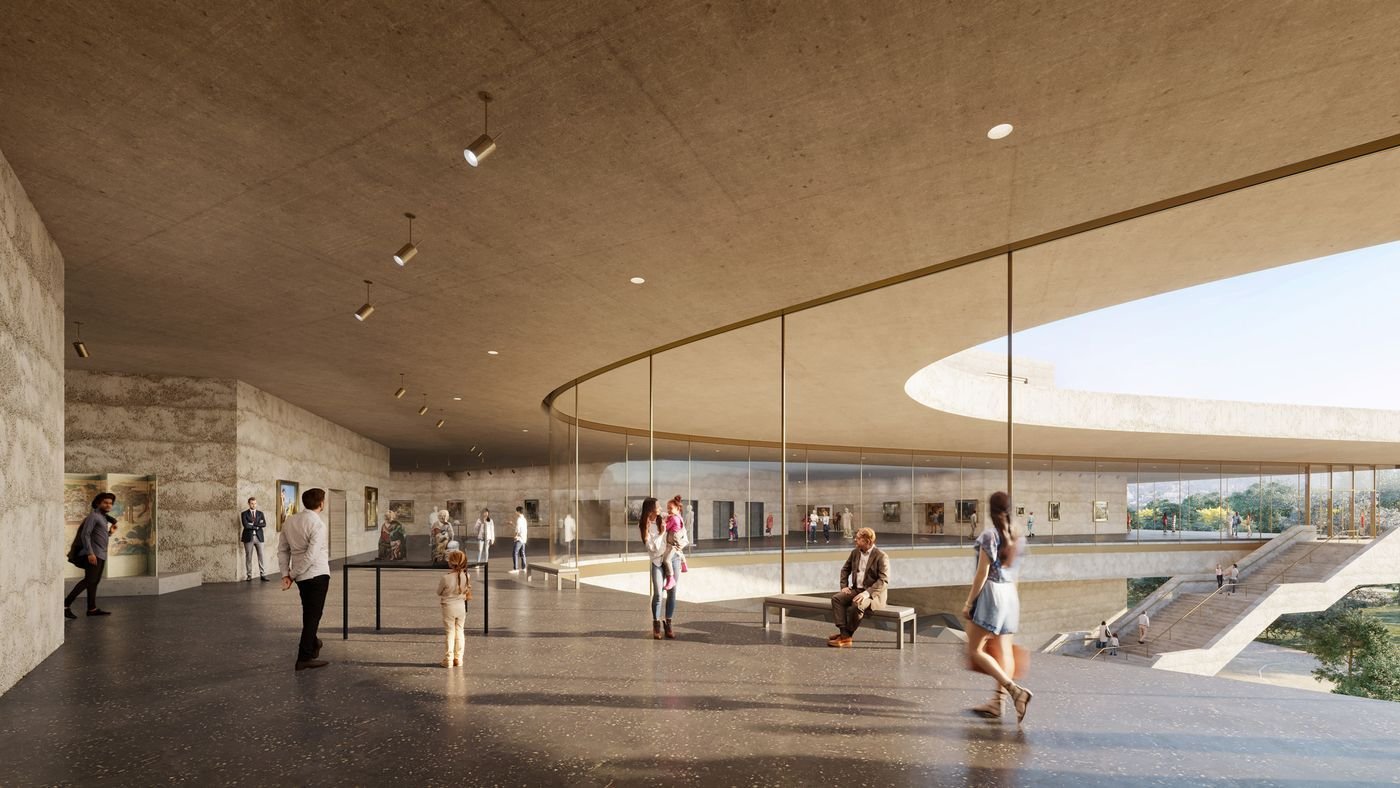
Inside, the galleries are arranged on a single level, with artworks from different cultures, eras and traditions placed in a more open relationship to one another. The effect is less hierarchical and more fluid. The visitor is invited to move by intuition, association and rhythm, rather than by a fixed historical sequence.
Zumthor’s architecture often asks for patience, and here that quality feels central. The building took decades to complete, and its slowness is part of its meaning. It belongs to a different tempo from the city around it. That tempo may be its real cultural proposition.
Maryland – Glenstone
Glenstone, in Maryland, is perhaps the most complete expression of the museum as restorative space. Set within 230 acres of landscape, it brings together art, architecture and nature with unusual restraint. Visits are scheduled in advance. Numbers are limited. Silence is allowed to remain part of the experience.
Nothing here pushes the visitor toward consumption. The museum gives time, distance and space. Minimalist pavilions sit within a living landscape, and the encounter with art unfolds through walking, weather, season and duration.
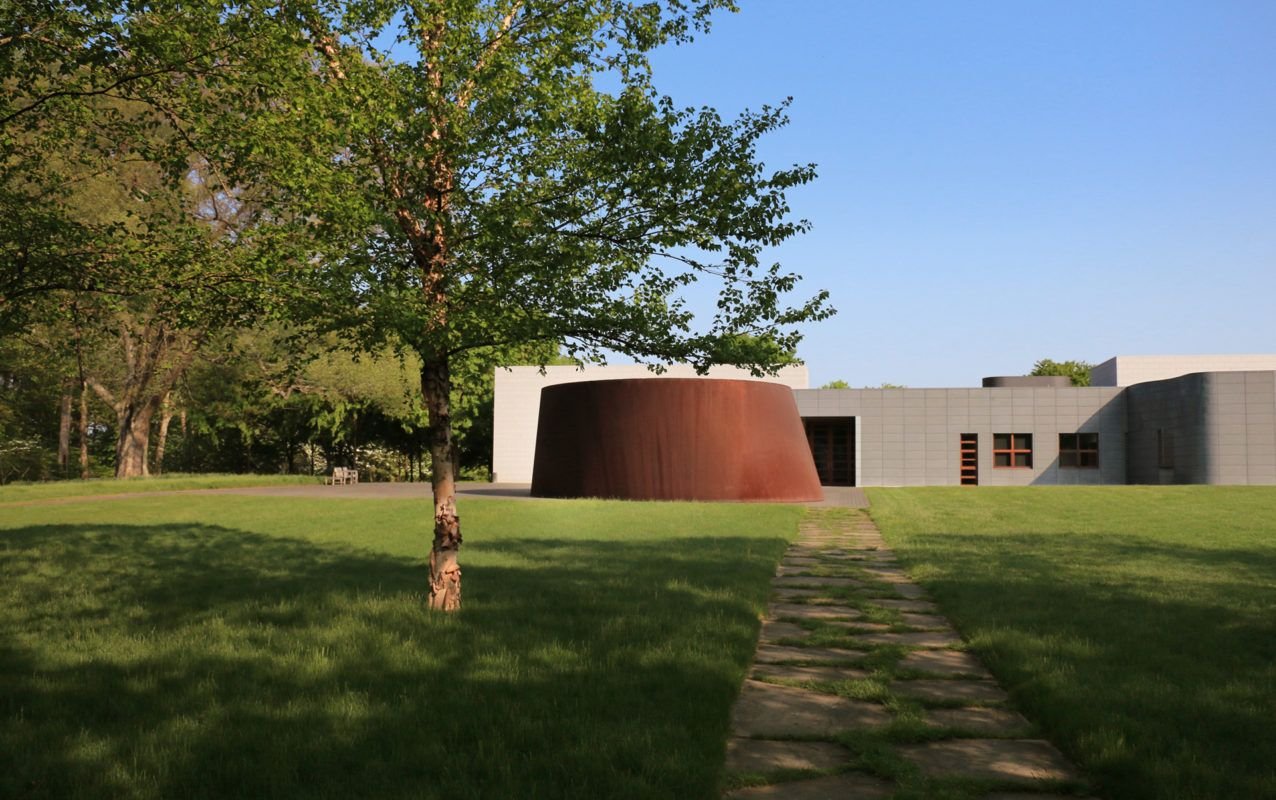
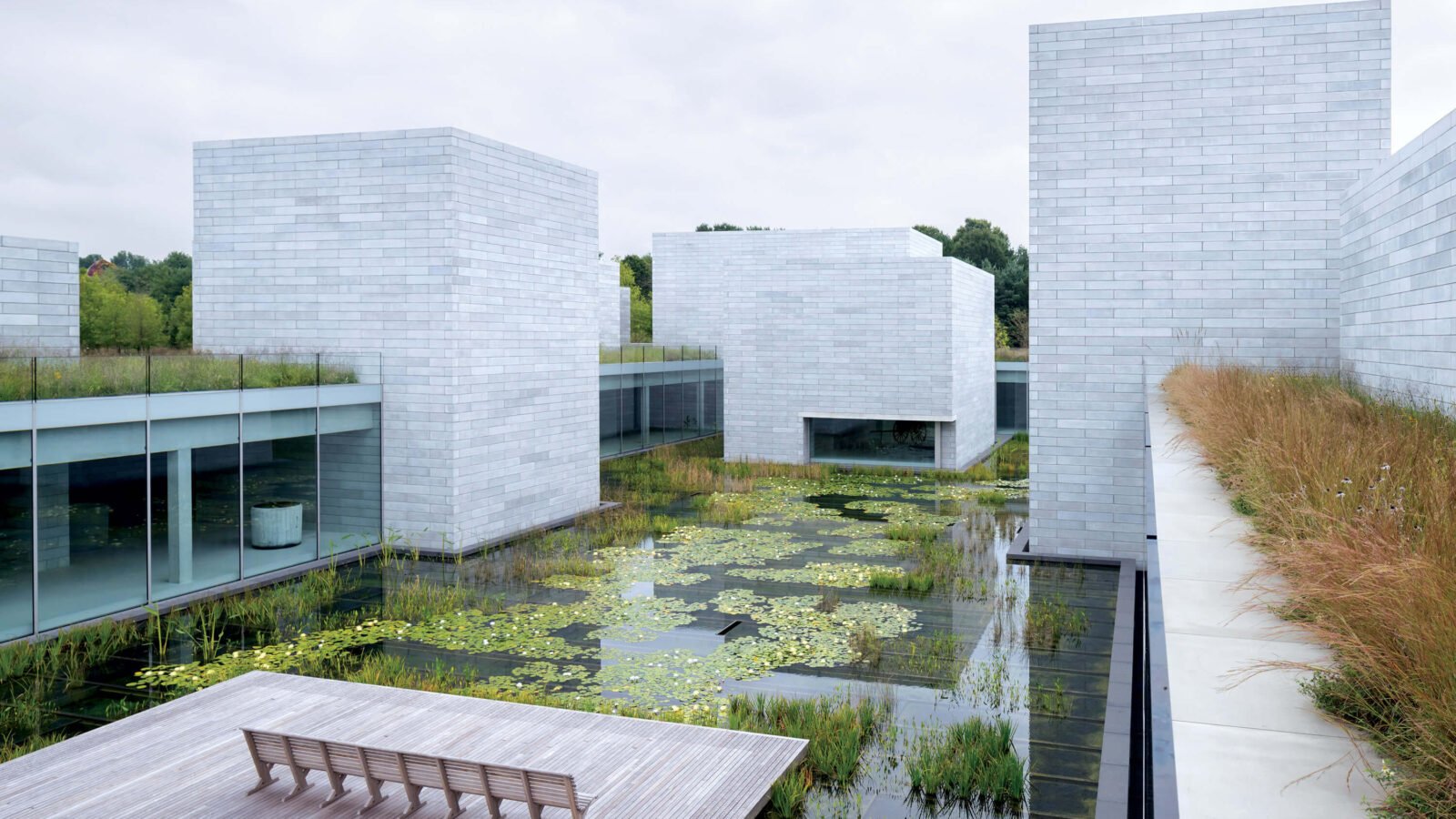
Glenstone’s power lies in its refusal to hurry. It understands that attention is shaped by conditions, and those conditions include arrival, movement, quiet and the scale of the land. In this sense, its cultural and wellbeing propositions are almost inseparable. The museum works because it gives the nervous system fewer demands and more room.
This is a particularly European model of wellbeing: less explicitly sensory, less technologically immersive, but deeply rooted in the idea of shared space. The restoration happens through access, gathering and the renewal of a city’s collective fabric.
Grand Egyptian Museum, Giza
Near the pyramids of Giza, the Grand Egyptian Museum works with another force entirely: deep time. Few museums in the world can place the visitor inside such a direct relationship with human history. The scale of the project, the proximity to the pyramids and the concentration of ancient Egyptian objects create an experience that is almost physical in its impact.
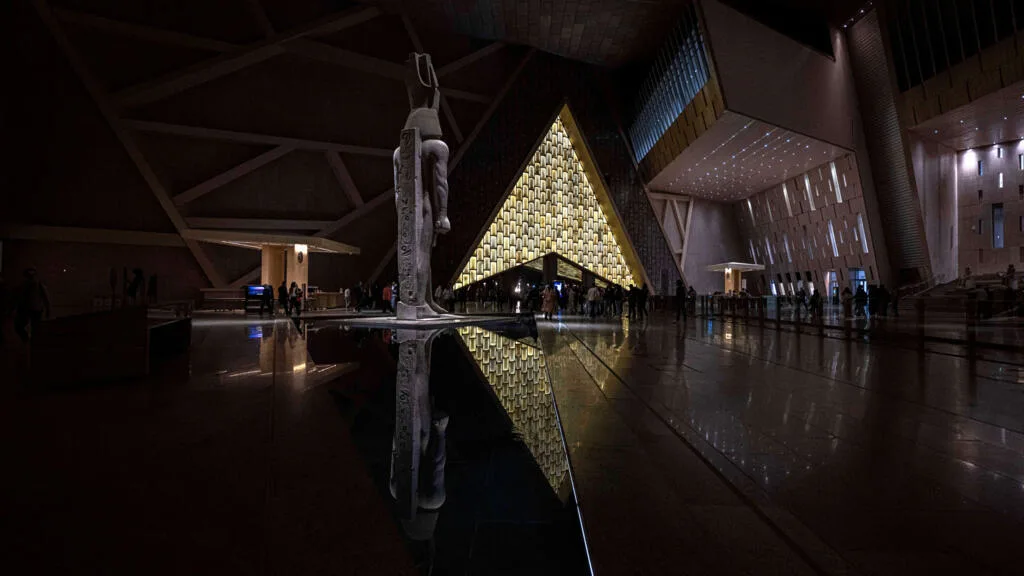
The museum is devoted to one of the world’s most powerful civilizations, with the treasures of Tutankhamun among its central highlights. But the real force of the place is larger than any single object. It is the compression of time. The visitor moves through thousands of years, surrounded by forms, rituals, faces, tools, beliefs and symbols that have outlived empires.
This kind of encounter produces awe, and awe is a serious state. It shifts proportion. It reminds the visitor that individual life exists inside a much larger human story. It also restores something that modern life often erases: a sense of continuity.
In this sense, the Grand Egyptian Museum is not simply a new archaeological destination. It is a cultural space where history becomes embodied. The visitor does not only learn about the past. The visitor feels the weight of it.
Naoshima New Museum of Art, Japan
On Naoshima, the museum becomes part of island life. The Naoshima New Museum of Art, designed by Tadao Ando, opened on a hilltop near the Honmura district and extends the island’s long relationship between art, architecture, nature and local community.
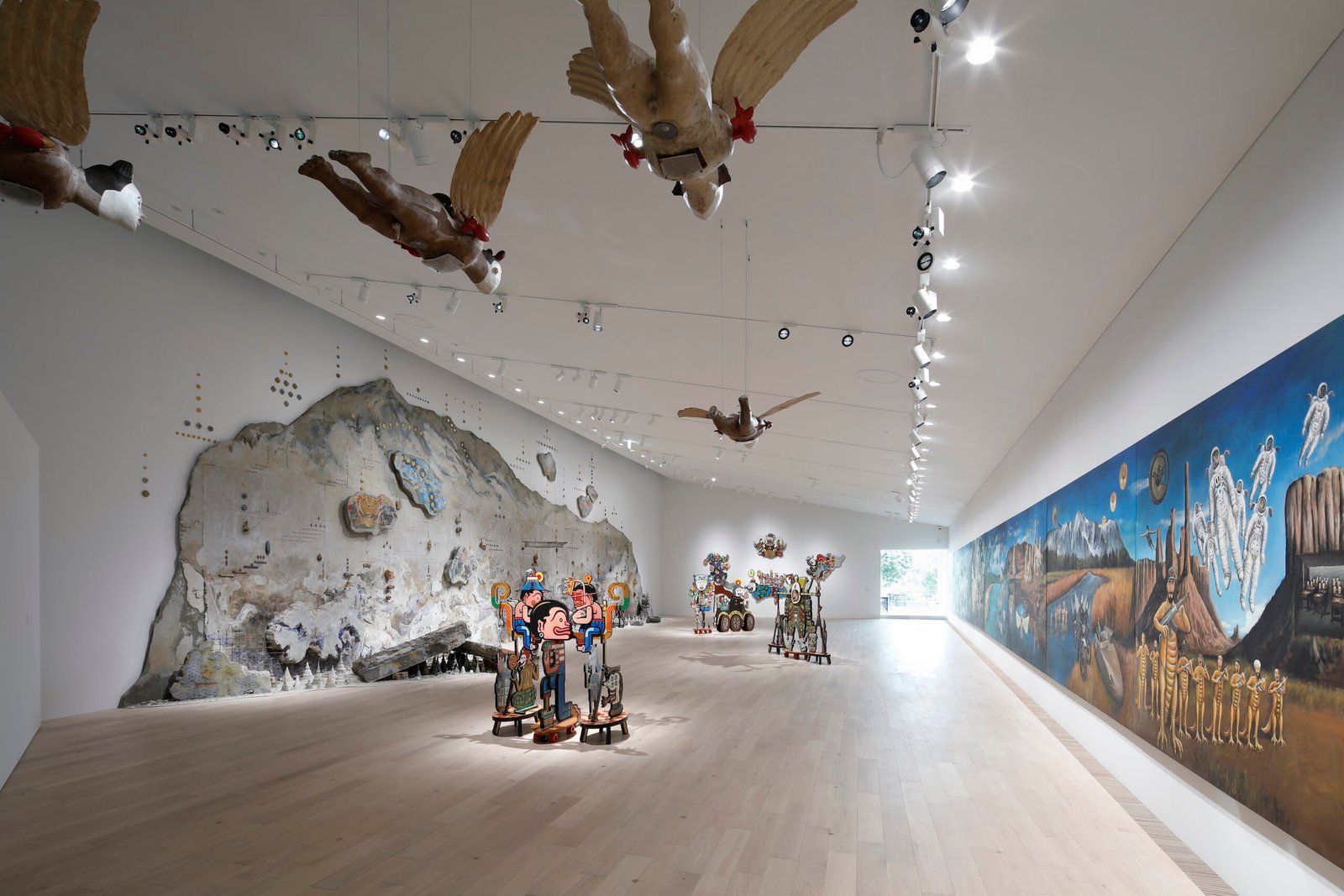
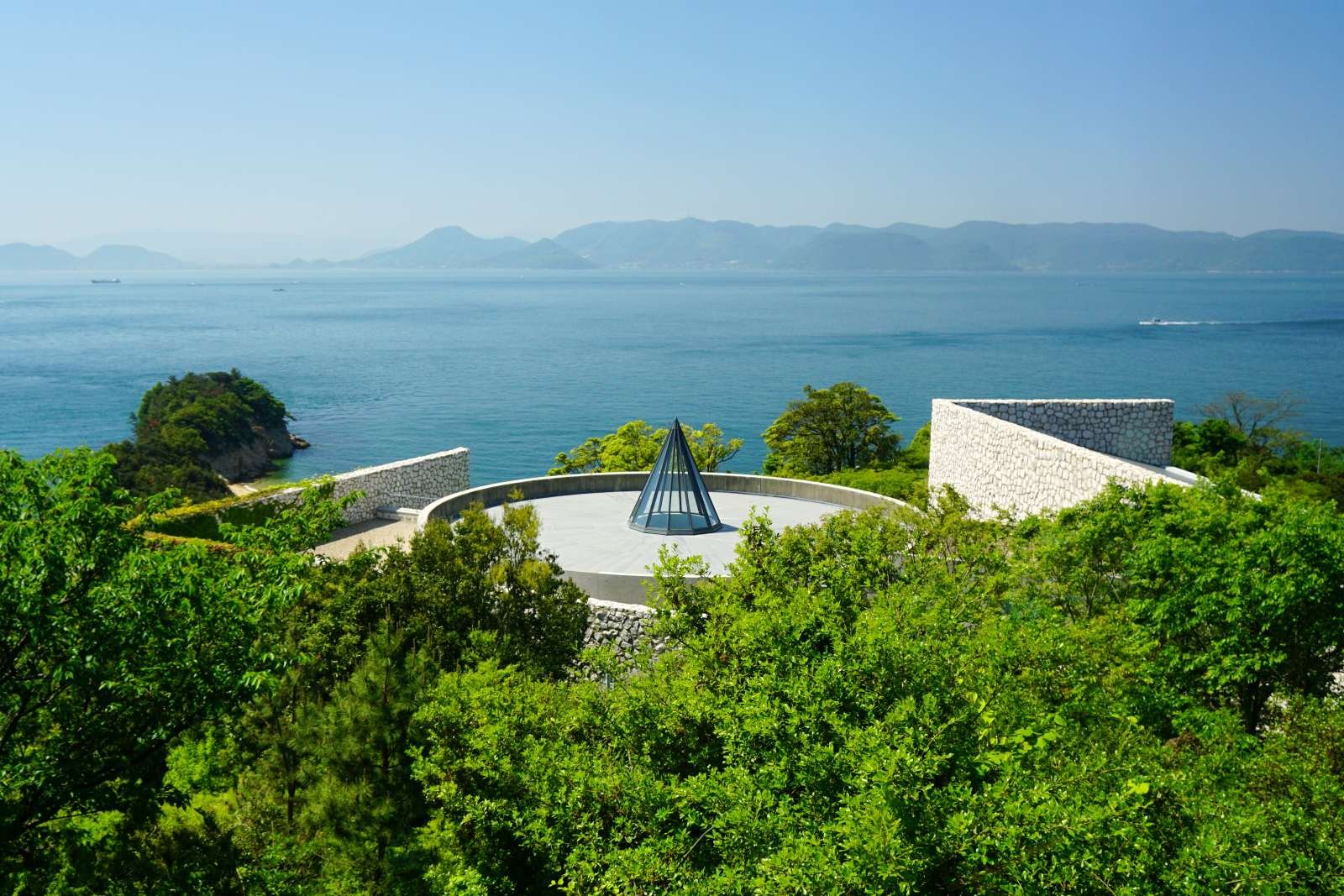
This is a very different model from the urban landmark museum. Naoshima does not operate through spectacle or speed. It asks for travel, walking, weather, waiting and slow attention. The art is part of a larger sequence that includes the Seto Inland Sea, concrete, shadow, village paths, changing light and the rhythm of the island.
Ando’s architecture has always worked with silence and compression. At Naoshima, those qualities become especially precise. The museum is partly underground, with galleries arranged through a structure that uses the hill, the roofline and the movement of natural light. The building does not compete with the island. It folds into it.
Zayed National Museum, Abu Dhabi
In Abu Dhabi, Zayed National Museum brings climate, heritage and architecture into one physical language. Designed by Foster + Partners, the building is defined by five steel towers inspired by the wings of a falcon. They rise above the museum as a national symbol, but they also perform a practical function: they help ventilate the building by drawing warm air upward.
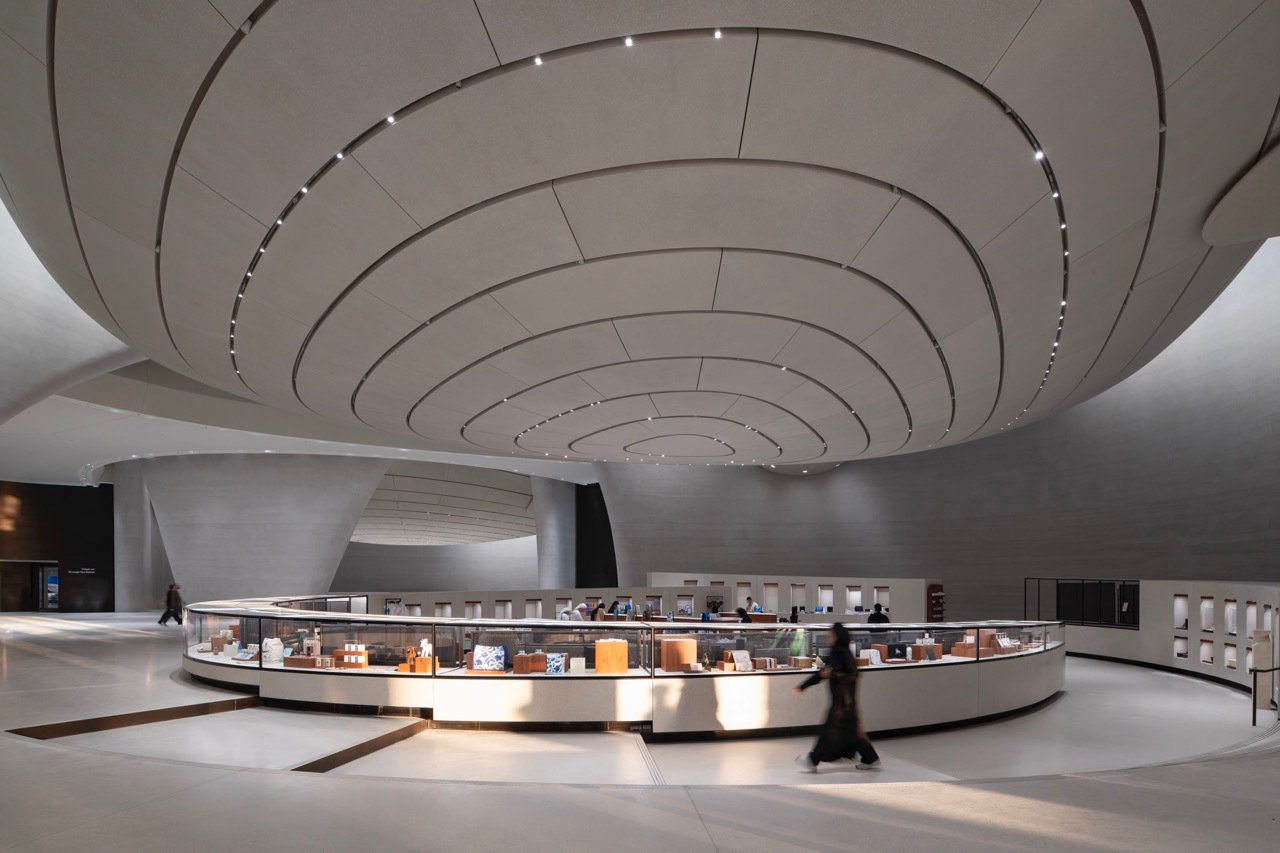
The result is a museum shaped by air. This detail matters. The building does not treat the desert climate as a problem to hide from. It responds to it, using architecture to create movement, cooling and atmosphere. The museum’s symbolic language and its environmental intelligence operate together.
Inside this idea is a larger cultural message. Zayed National Museum is dedicated to the history, values and legacy of the UAE’s founding father. But its architecture also speaks to a broader regional question: how can cultural spaces in the Gulf be rooted in place rather than imported as neutral global forms?
The Pattern
The most interesting museums today are being designed with a deeper awareness of the visitor’s state. They use architecture, light, air, landscape, technology and time as active materials.
Some create awe. Some create silence. Some create immersion. Some restore civic connection. Together, they show that culture is moving beyond display and into experience at a more embodied level.
Share


WE RECOMMEND
A Letter from AlUla, Written in Thread
Saudi fashion label HINDAMME has released a collection co-created with 26 artisans from AlUla, translating the region's 7,000-year-old rock inscriptions into modern…
Bhutan’s Gelephu Mindfulness City: Can a New Kind of Capitalism Be Built From Scratch?
Bhutan is building more than a new city in Gelephu. It is testing whether economic growth, cultural identity, and wellbeing can be…
Build Well to Live: What the Global Wellness Institute Discovered in the Gulf
A new report from the Global Wellness Institute reveals that while the rest of the world is still debating what a "healthy…
