




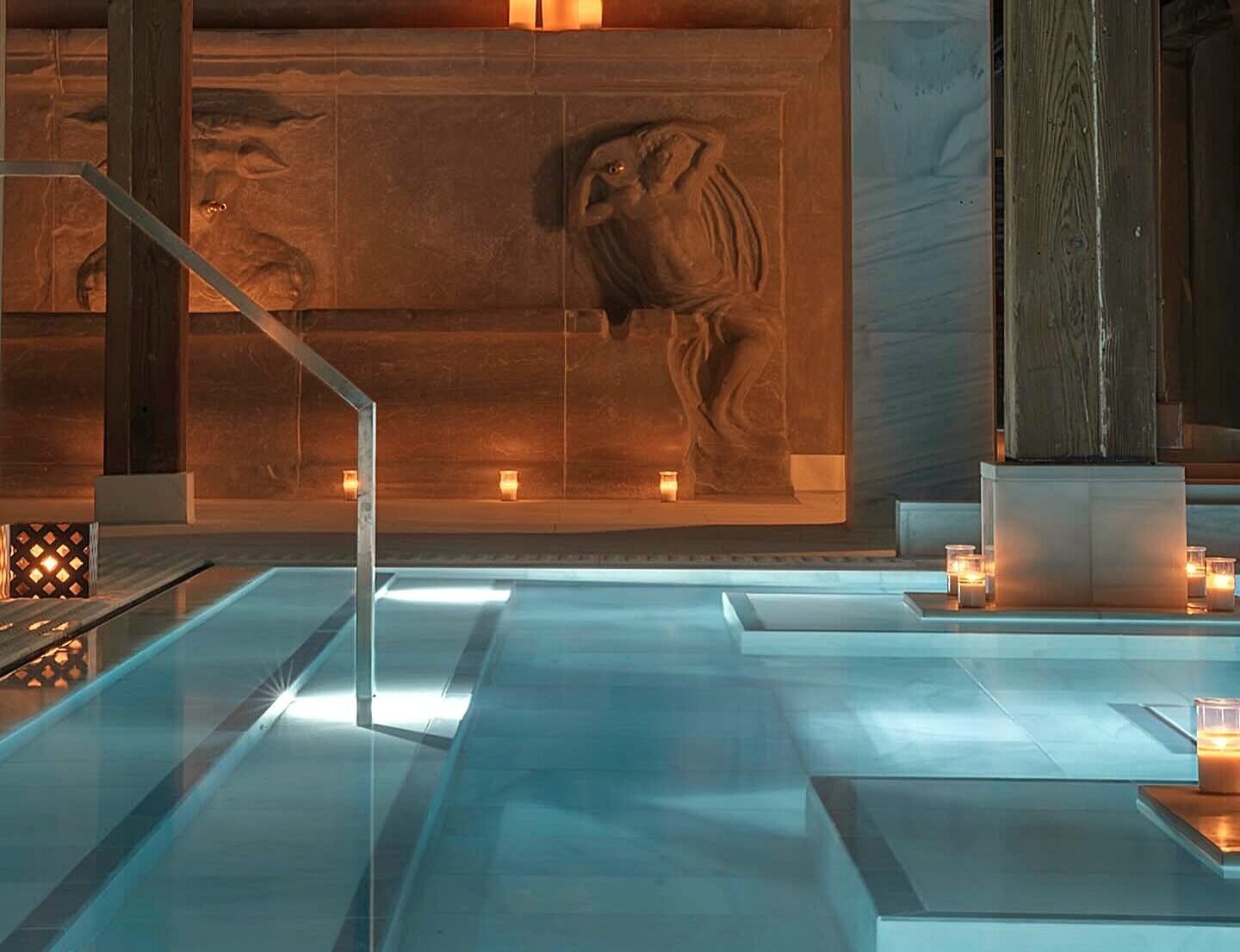
Aire Ancient Baths
Bathhouses Are Becoming New Places for Connection
Across cultures, water rituals created spaces where people gathered, talked and spent time together. Today, this ancient ritual is returning in a new form.
Today, as cities become increasingly digital and daily interactions move behind screens, a new generation of bathhouses is bringing back something many modern societies have lost: places designed for human connection.
The rise of social bathhouses reflects a wider search for meaningful offline experiences. People are looking for environments beyond home and work – spaces where conversation happens naturally, where technology slows down, and where strangers can become part of a shared experience.
The disappearance of the “third place”
Sociologist Ray Oldenburg described the importance of “third places” – locations outside home and office where communities form. Traditionally, these were cafés, libraries, local pubs or town squares.
Many of these spaces have changed. Coffee shops have become places for working alone with a laptop, restaurants often revolve around quick consumption, and social life increasingly happens through digital platforms.
Bathhouses offer a different model. They ask people to slow down, put away their phones and spend time together in a more relaxed environment.
The setting itself changes behaviour. Without formal clothes, professional roles and constant digital distractions, conversations often become more spontaneous and personal.
What ancient cultures understood about water
The Romans built vast thermal complexes where citizens met, discussed politics, exchanged ideas and conducted business. The bathhouse was simultaneously a place of relaxation, social interaction and cultural exchange.
The same principle existed in hammams, where bathing was woven into community life, and in Nordic sauna traditions, where shared heat created a sense of equality.
Modern bathhouses are rediscovering this ancient idea: wellness can be a collective ritual.
A new generation of social bathhouses
Around the world, new concepts are transforming traditional bathing into immersive social experiences.
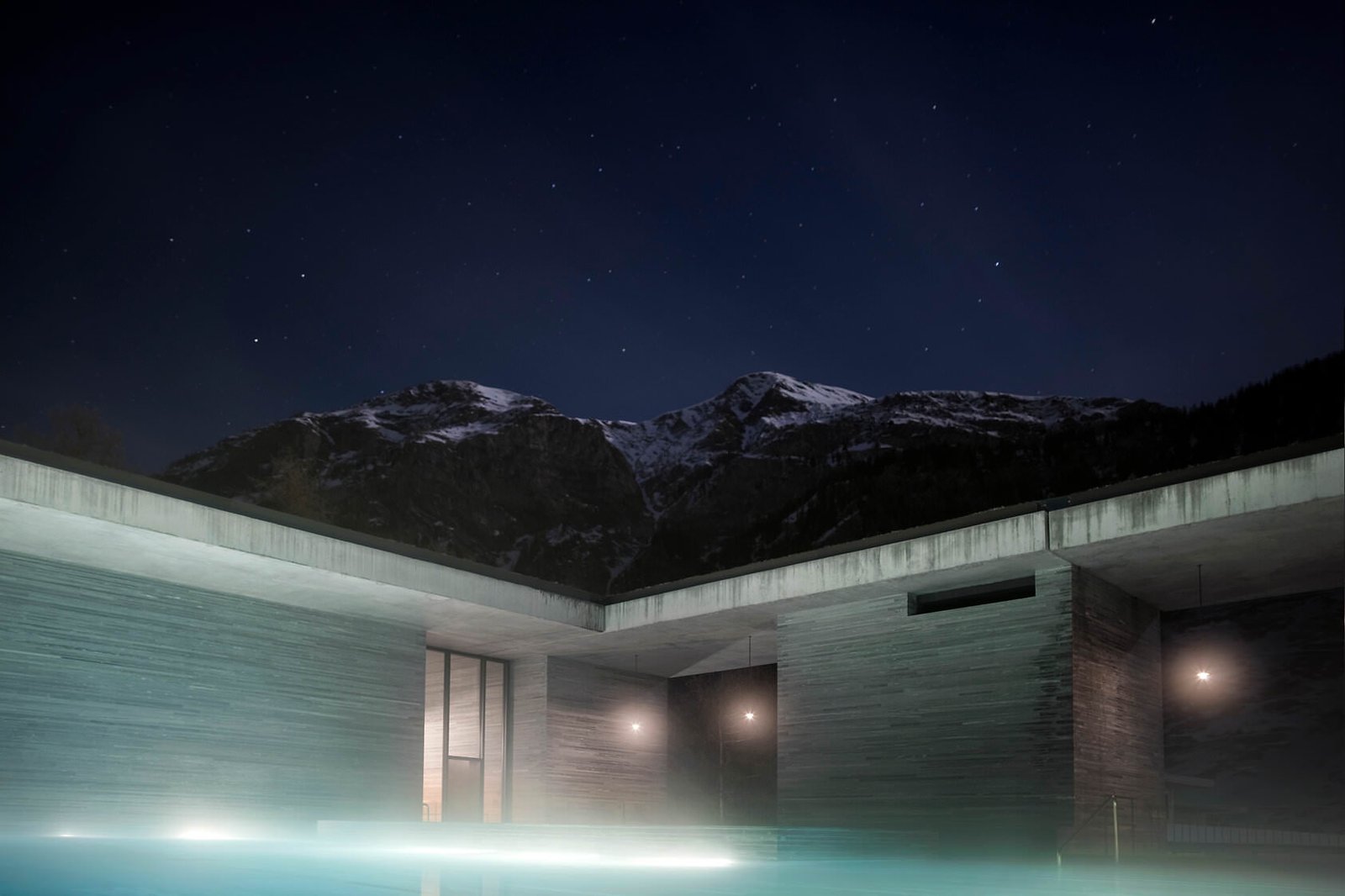
7132 Thermal Baths represents the architectural side of the movement. Designed by Peter Zumthor, the minimalist stone spaces turn thermal bathing into a contemplative experience where architecture, nature and water become part of the ritual.
AIRE Ancient Baths brings historic bathing traditions into urban environments, transforming restored buildings into atmospheric thermal spaces with pools, treatments and communal areas.
In London, Arc combines sauna culture, cold exposure and guided rituals, creating a more social approach to recovery.
Newer concepts such as Othership and Bathhouse have positioned themselves closer to wellness clubs than traditional spas – places where people come regularly, build routines and meet others. The broader industry is increasingly describing these spaces as modern communal bathing hubs and new wellness-oriented third places.
From nightlife to wellness culture
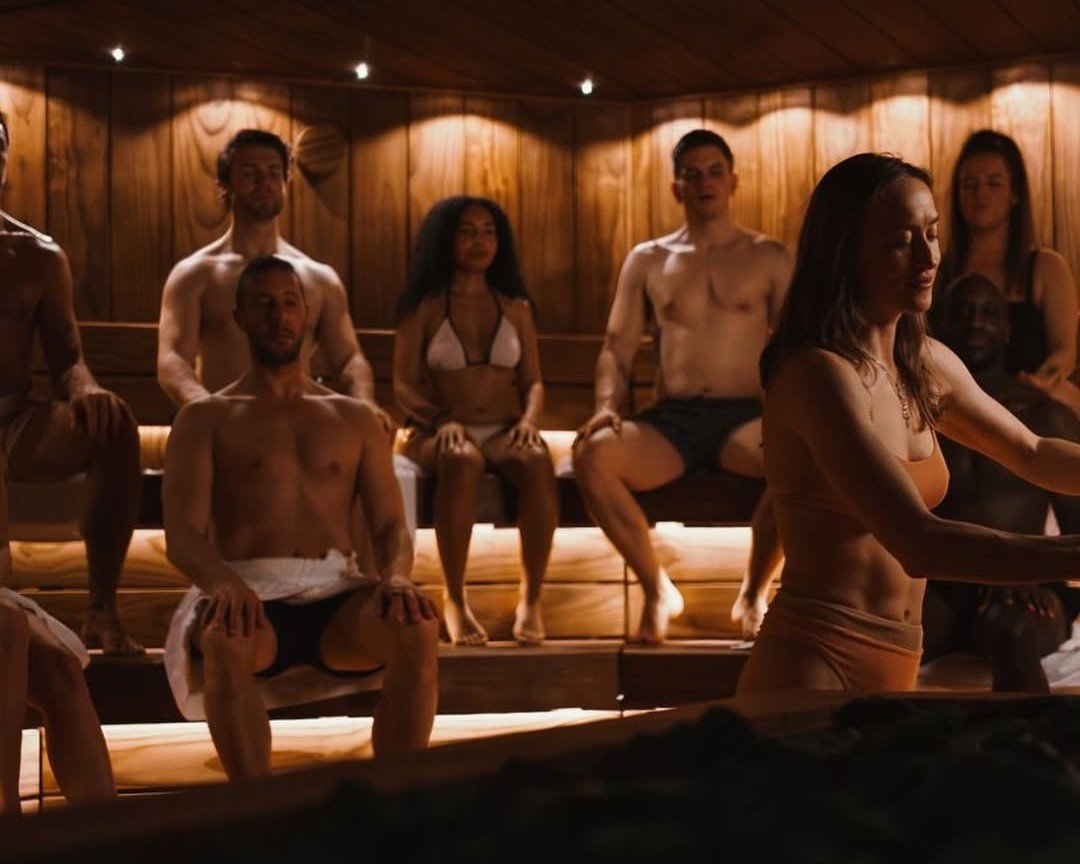
For decades, many social interactions revolved around restaurants, bars and nightlife. The new generation of bathhouses suggests another possibility: connection without alcohol, noise and constant stimulation.
Heat, cold, water and silence create a different social atmosphere. A sauna session, a cold plunge or a shared thermal pool can become a ritual that replaces traditional forms of gathering.
This shift reflects a broader cultural movement toward sober socializing, recovery and experiences that support both physical and emotional well-being.
The future of wellness is becoming more social
The popularity of bathhouses reveals a deeper desire. People are searching for places where they can feel present – with themselves and with others.
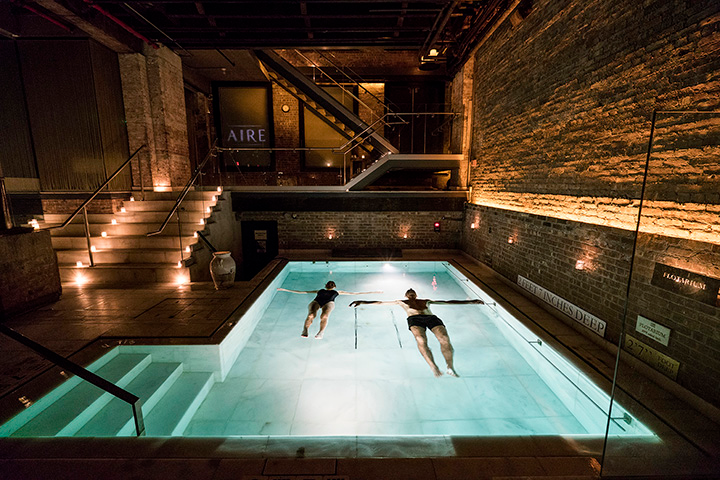
The next generation of wellness spaces will likely combine health, design, hospitality and community. They will become places where people recover after work, have conversations, discover new ideas and simply spend time together.
Perhaps the future of longevity is not only about optimizing the body. It is also about rebuilding the environments that allow humans to connect. And water has always been one of the oldest places where that connection begins.
Our list of bathhouses and thermal experiences around the world:
– Bathhouse, Brooklyn, USA – a modern social bathhouse combining thermal pools, saunas, steam rooms and a restaurant atmosphere, designed as a place to spend time with others.
– Othership, New York & Toronto, Canada – a contemporary sauna and cold-plunge concept built around guided rituals, community sessions and social connection.
– 7132 Thermal Baths, Vals, Switzerland – Peter Zumthor’s architectural masterpiece, where stone, water and silence create a deeply meditative bathing experience.
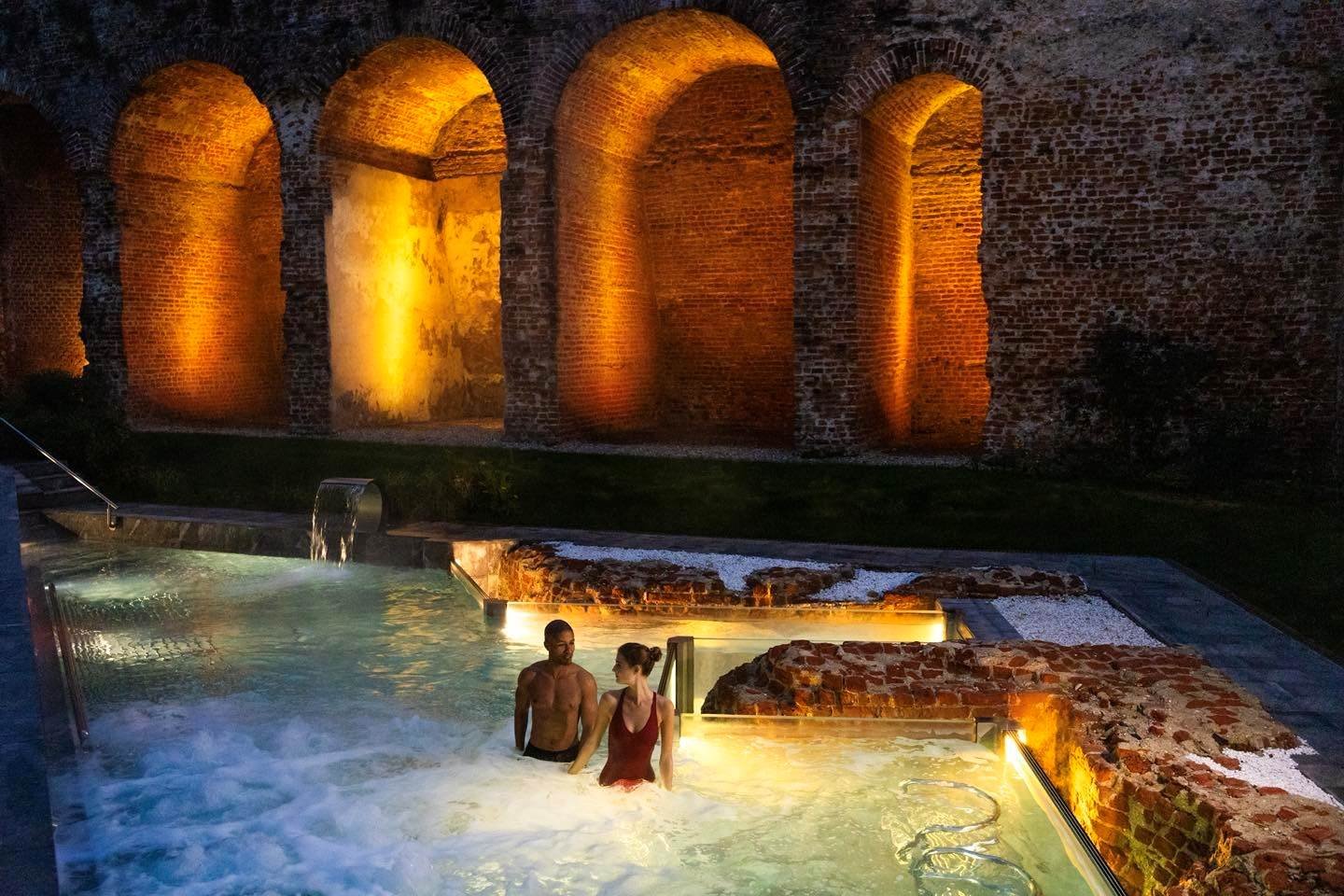
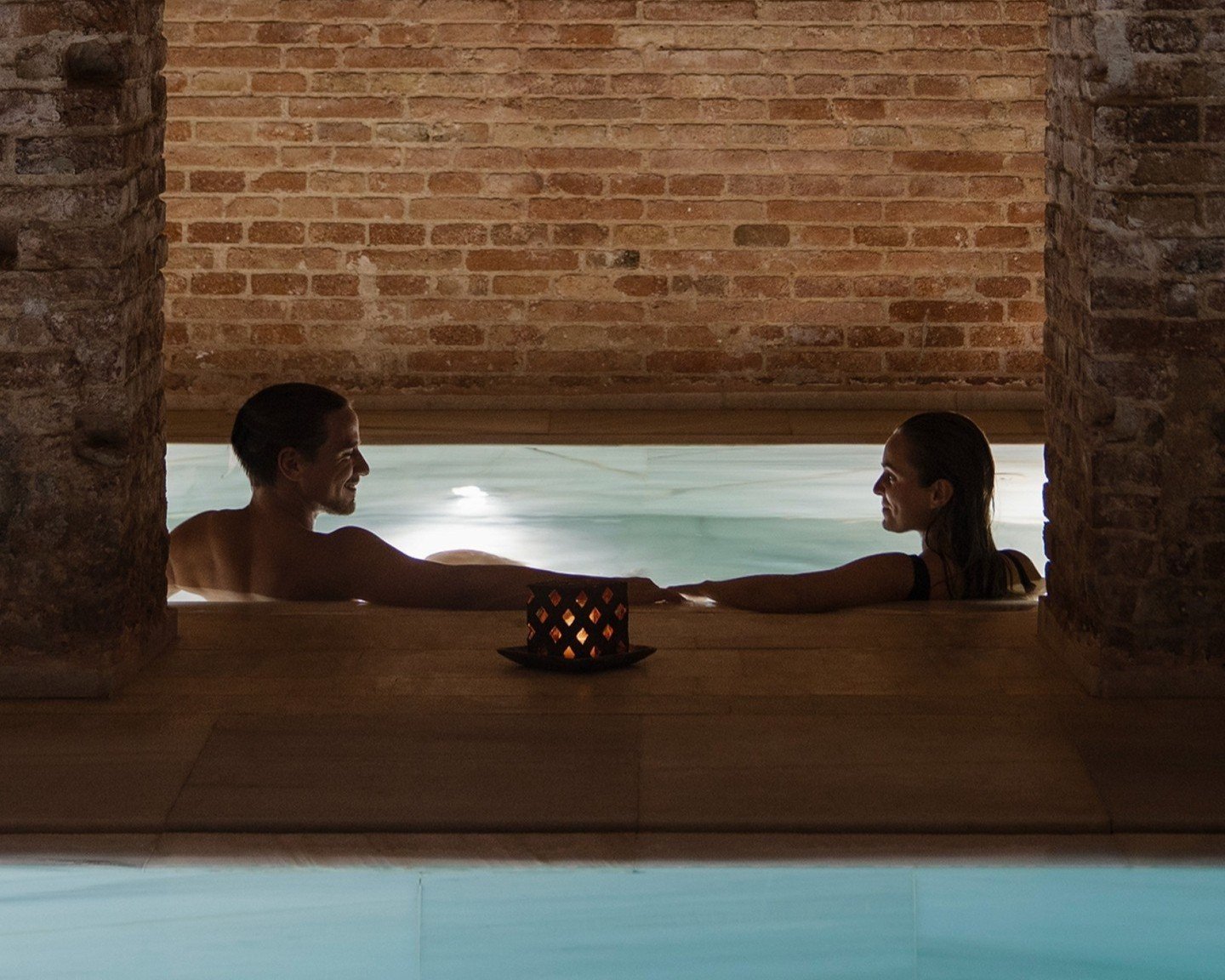
– AIRE Ancient Baths, USA & Europe – historic buildings transformed into atmospheric thermal spaces inspired by ancient Roman traditions.
– ARC Bathhouse, London, UK – a modern wellness concept blending sauna culture, recovery treatments and communal experiences.
– Blue Lagoon, Iceland – one of the world’s most recognisable geothermal experiences, combining nature, water and wellness tourism.
– Qc Therme Milano, Italy – one of Europe’s largest thermal spa complexes, showing how bathing can become a full-day social destination.
– SACRA, Dubai – an upcoming large-scale bathhouse concept bringing a new social wellness destination to the UAE.
– Submersive, Austin, USA – an immersive art bathhouse combining hydrotherapy, technology and multisensory environments, planned to open in Austin in 2027.
The new generation of bathhouses represents more than a wellness trend – it reflects a growing understanding that human well-being is shaped by our environments and relationships. In the future, the places where we heal, recover and connect may become as important as the treatments themselves. Water, heat and shared rituals are reminding us of something ancient: longevity is also about belonging.
Share


WE RECOMMEND
Dubai Built a Space to Calm the Nervous System
Rooted in Arab mind–body traditions and supported by advanced technology, ALWAHA treats the senses as a direct pathway to recovery and presence.
First Look: AMAALA, Saudi Arabia’s New Wellness Destination
Saudi Arabia is bringing luxury hospitality, longevity medicine, diagnostics, performance and recovery together in one destination: AMAALA.
Hammams in the UAE. Places to Quiet the Mind
Hammam is no longer a spa ritual, but a real recovery protocol. Controlled humid heat boosts microcirculation, breathing and skin quality, helping…
