



Lanserhof Sylt: Why Modern Longevity Starts with Your Gut
We spoke to Dr. Jan Stritzke, Medical Director of Europe’s leading longevity clinic – Lanserhof Sylt, on why the gut is at the centre of everything.
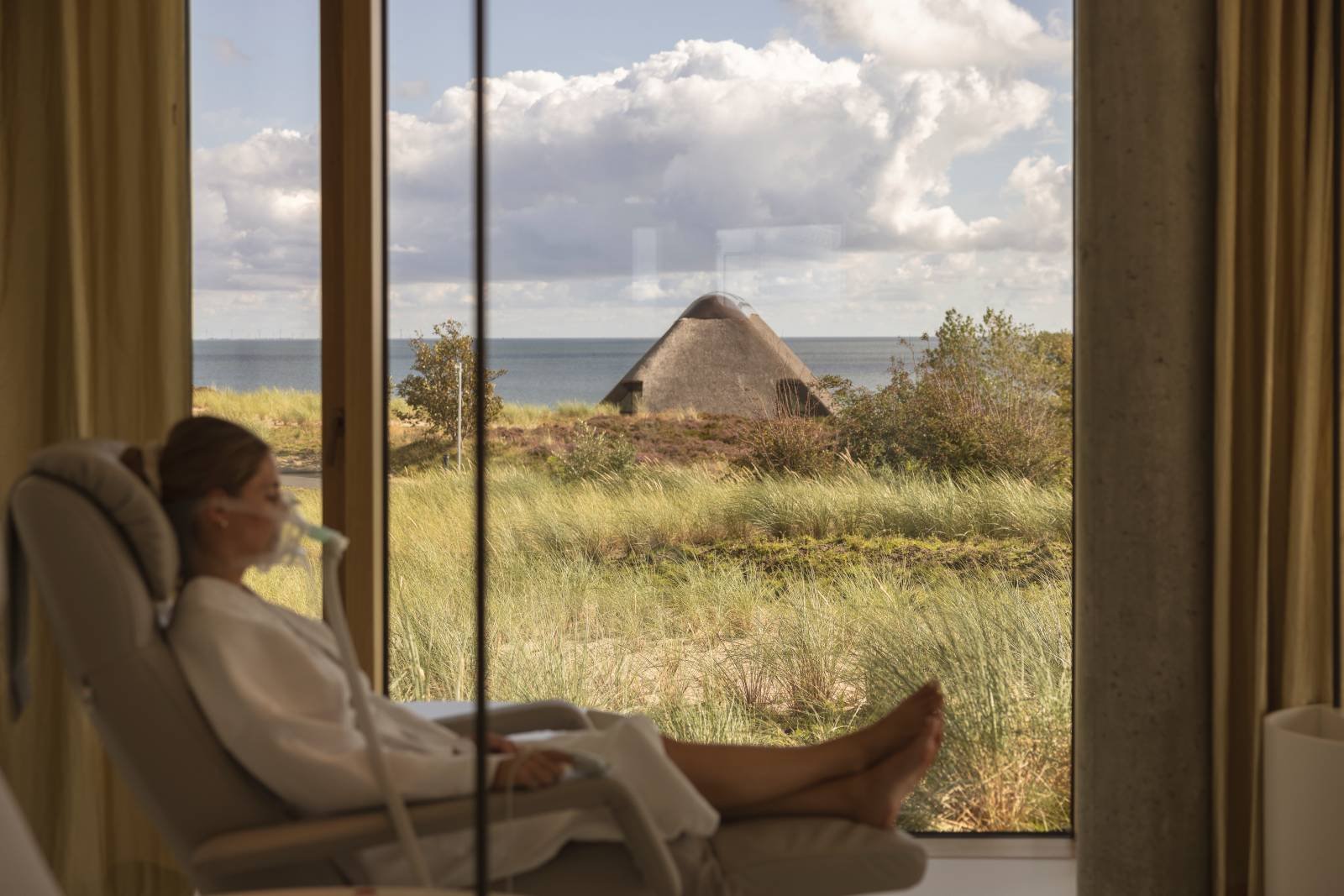
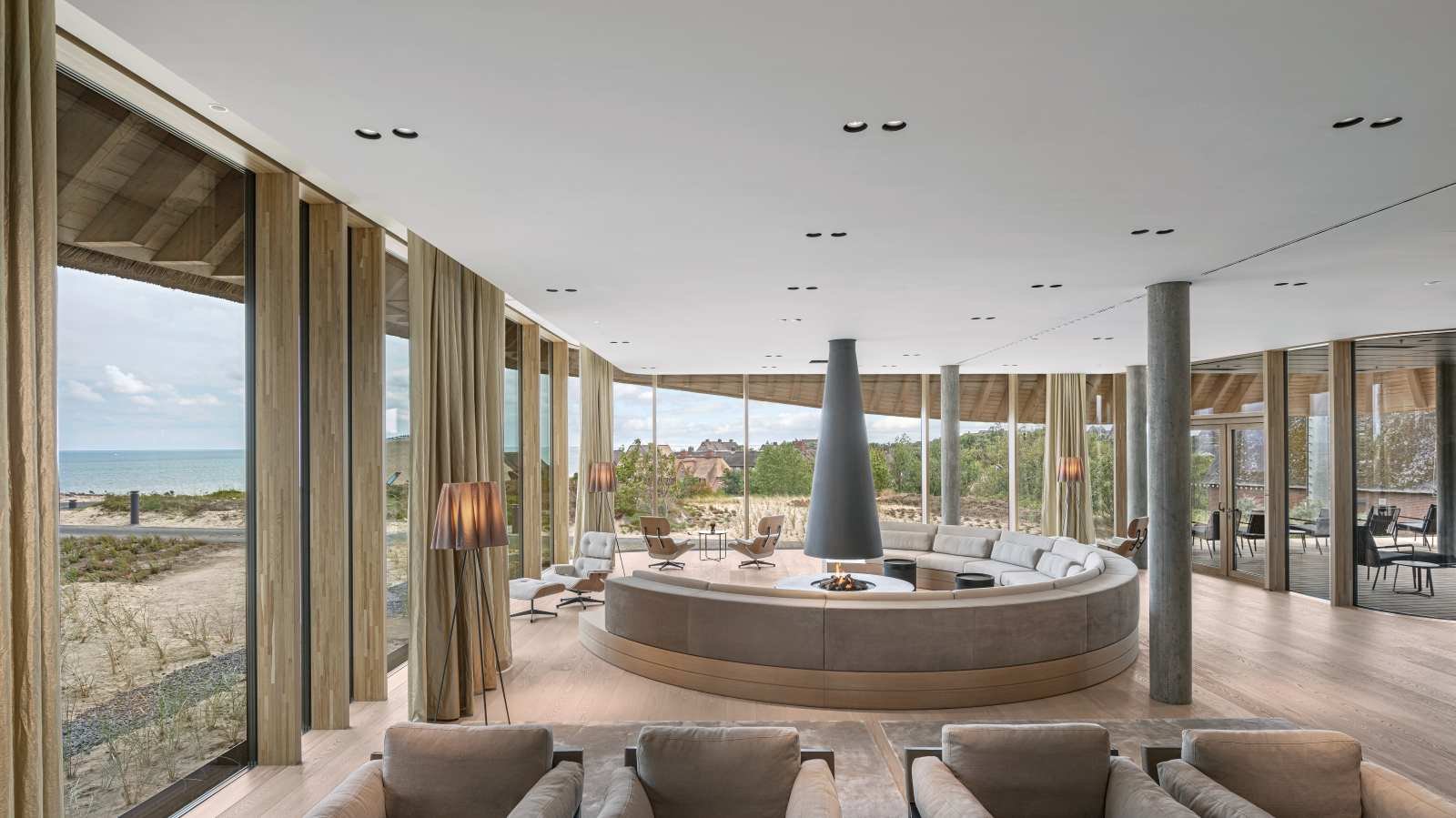
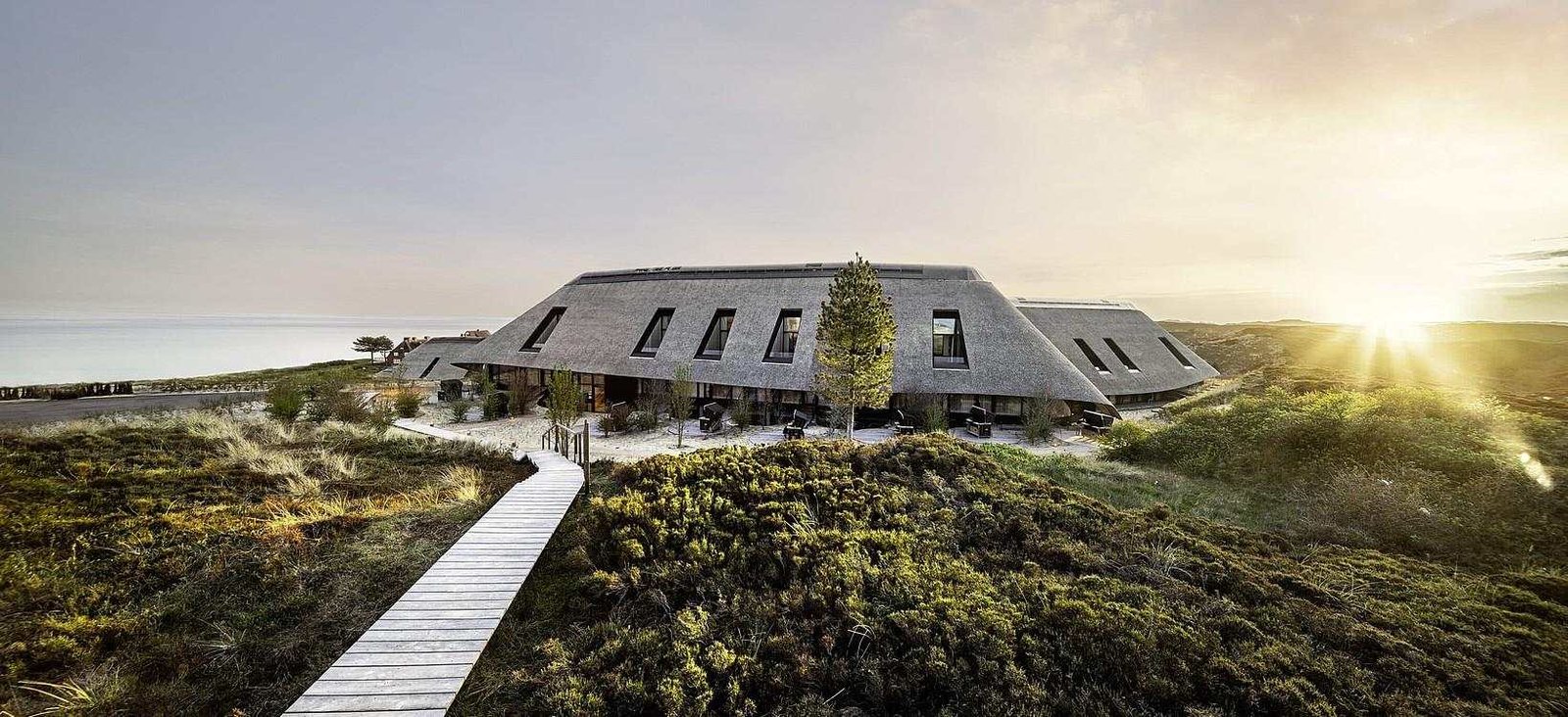
On the sunlit, wind-shaped island of Sylt in the North Sea, inside a striking architectural building where not a single picture hangs on the walls, Lanserhof Sylt has built its approach to health around a single organ: the gut.
The concept is rooted in the Mayr philosophy, developed more than a century ago by Austrian physician Dr. Franz Xaver Mayr, who saw the gut as the foundation of overall wellbeing. His method focuses on digestive health, mindful eating, rest and restoring the body’s natural regulatory processes. Today, Lanserhof combines these principles with modern diagnostics and personalized preventive medicine.
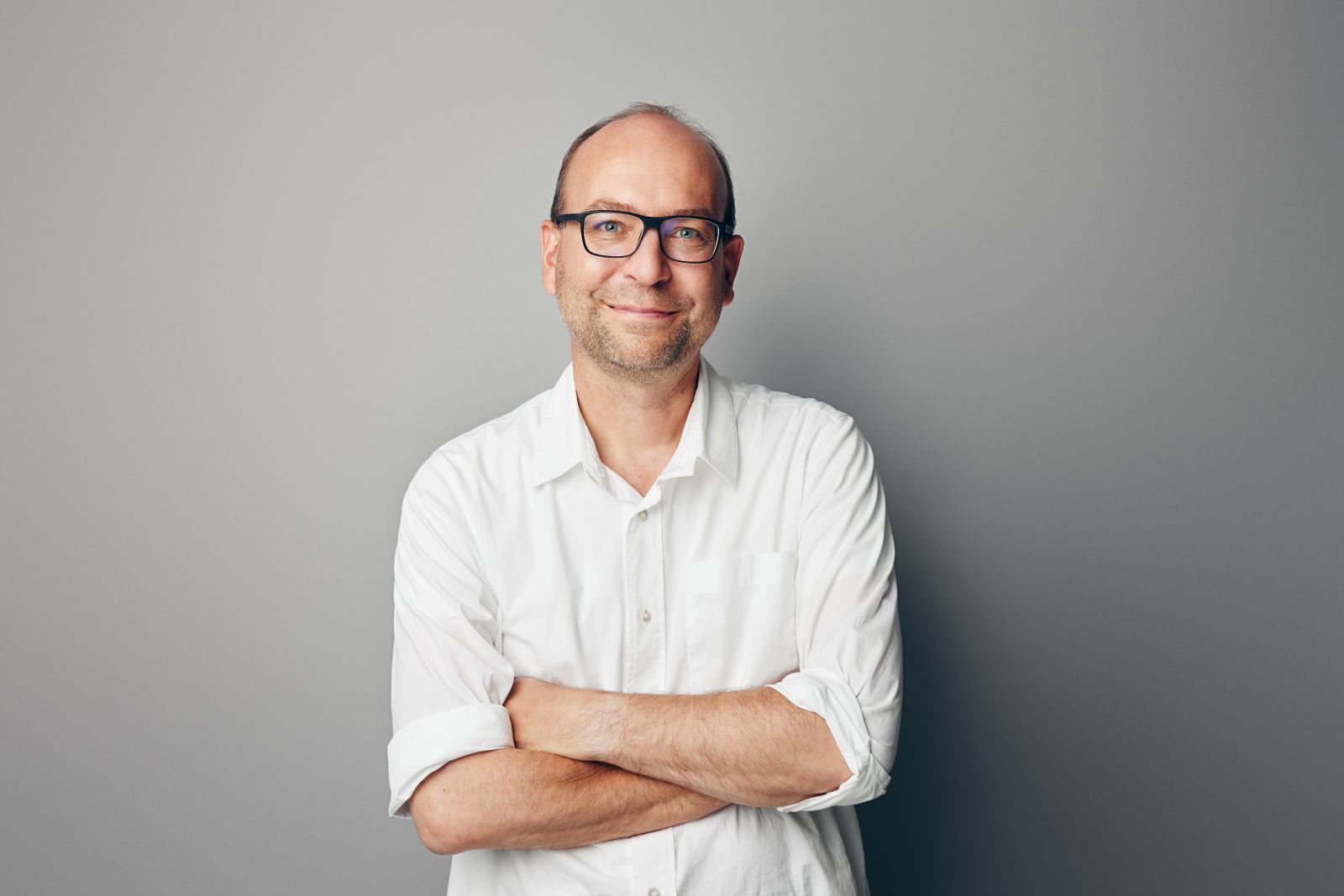
Dr. Jan Stritzke, why has the gut become such a central focus in modern preventive medicine?
Even Hippocrates said that death sits in the gut, and the founder of our therapy Dr. FX Mayr said the gut is the root of human health. Take the gut–brain axis: one third of all Parkinson’s disease starts in the gut, in the appendix, where a slight inflammation seems to travel backwards through the nervous system towards the brain. You might argue, then let’s just remove the appendix – but you would have to remove ten thousand of them to prevent one case, and we need it for our immune system.
Research suggests that gut dysbiosis and chronic inflammation may contribute to a range of metabolic and inflammatory conditions, including fatty liver disease, type 2 diabetes, obesity, and some skin problems like psoriasis and acne. So if you have a healthy gut, you will live longer, because you lower inflammation.
How does a disrupted gut barrier influence other organs?
It depends on how healthy your barrier is. Normally we have many good bacteria that kill the bad ones and feed the cells that build the barrier. But we have to eat well to feed our healthy guests, and instead we eat processed food, artificial sweeteners, almost no organic or fermented food. First comes dysbiosis – more bad bacteria than good – and the barrier opens: toxins promote inflammation, and if it progresses you get a real leaky gut, where even whole bacteria pass into the body.

There is increasing evidence of the connection between the gut barrier and the brain barrier. When the gut barrier is compromised, bacterial products, toxins and inflammatory signals may influence the brain, which is normally one of the most protected areas of the body.
What happens when a guest arrives at Lanserhof Sylt?
The first thing is to understand the person’s individual condition, because it is not one-size-fits-all. We all age differently – that is exactly why I don’t like “longevity from YouTube.” The concept that works perfectly for me may do nothing for you. The first meeting is with the nurses: blood sample, blood pressure, body composition, hand-grip strength. Then the physician already knows your metabolism – whether you tend towards type 2 diabetes or a fatty liver, in which case we design the diet, maybe starting with broth and tea. If your metabolism is perfect, as it is in most women before menopause, you get a higher level of calories. Nobody gets the same therapy.
Do you run specific tests – a SIBO test, for instance?
Yes, if needed. We also analyse the stool for dysbiosis and leaky gut with a DNA-based test, so we can analyse microbial patterns and identify potential imbalances. We offer a breath test, where we measure hydrogen and methane. We also offer food-allergy testing and colonoscopy when needed.
Your main preventive approach is built on a diet?
Exactly. The focus can differ – weight loss, metabolic health, or silent inflammation, which at a low level is as bad as high blood pressure or type 2 diabetes, but nobody knows they have it. First we cleanse the gut: a mild dose of Epsom salt to flush out all the toxins and germs. After two or three days, when the gut is clear, we start healthy nutrition and grow the good bacteria anew. We can even design the diet for a marathon runner – you will never finish a marathon if your gut is not healthy – but there we protect the muscle so they can still train.
And you using drugs as well?
For sure we do. Take cholesterol: most patients can do whatever they want, they still need a drug. I am one of them – I tried fasting first, I lost ten kilos, I have never been so fit, but my cholesterol stayed exactly where it was. Roughly ninety percent of people cannot control cholesterol through lifestyle; ten percent can, and we find them here. In conventional medicine SIBO is treated with antibiotics, but there are therapies of berberine and essential oils of oregano and turmeric that are scientifically proven to work the same or even better. We handpick the best approach in a naturopathic way, but we are not obsessed with it – we also offer conventional medicine.
How long should a guest stay for the best result?
Short stays are rarely transformative for gut health. Fasting needs three or four days just to reverse your metabolism. To feel the effect you need seven days or more, and personally I prefer ten. I started as a client myself, at Lanserhof in Austria. I was a cardiologist at a university clinic – one hundred percent conventional medicine – and I stayed ten days and was, frankly, astonished. The fasting, the sport, the meditation, the yoga were so impressive that I decided to change my job. As a cardiologist I know that eighty percent of all heart attacks could be prevented. That is why you will not leave Lanserhof with a handful of pills. Usually we give one or two drugs and three or four supplements. And when we meet a year later, our goal is not simply to bring values back into the normal range. We want perfect values: low inflammation, high omega-3, high vitamin D. Because if we do that, we can even prevent dementia.
How strong is the connection between the gut and neurological problems?
The most common late-onset Alzheimer’s is linked to a genetic variant called APOE4 – every fourth person carries it. The first thing you notice, even early in life, is bloating and diarrhoea. Then come high cholesterol and silent inflammation, and the end stage is dementia. But if you know you carry the risk and cure the gut first, then take care of cholesterol and metabolic health, you can prevent it. We now think at least fifty percent of all dementia cases are preventable – but you have to start early, at thirty or forty.
Today many people experience bloating and discomfort but treat it as normal. What should they do?
After years of research there are two substances that, in our view, have reshaped the way we treat gut health: berberine, and the essential oils of oregano and turmeric. For most patients with chronic bloating, diarrhoea or constipation, just these herbs can be enough. Plus berberine also has strong longevity effects. But again, you have to understand the patient’s condition first. What you see on the internet is “you all need these pills, you all need cryo, you all need sauna.” That is not true. Each individual needs different substances.
Fasting is at the heart of the Lanserhof philosophy. How do you combine fasting and medical needs in your programmes?
Fasting is not only broth and tea. Even our higher diet levels, around seven to eight hundred calories a day, still make you lose weight, because we have no sugar and very few carbohydrates – interestingly, the same weight loss as on a very-low-calorie diet.
Everything comes from the immediate surroundings, everything is organic, handmade, nothing pre-processed. That is the great advantage of the Mayr cure: the diet levels let us treat an athlete and an obese patient with type 2 diabetes, a patient after chemotherapy, someone after a hip replacement. The chef is part of the hotel, but as a Medical Director, I oversee the nutritional philosophy together with the culinary team. We also offer cooking classes, so you can continue at home.
Coffee is also restricted during the stay, is that correct?
It depends. Coffee is not a poison; it actually lowers the risk of dementia and heart attack. But it is an acid, and most of our clients are full of acidity, which blocks fat burning. So we offer alkaline powder and ask them not to drink coffee during the stay – though if you have a severe headache and really need coffee, you can still have it.
What does a day at Lanserhof Sylt look like?
If you are on a low-calorie diet you have to do sport, otherwise you’ll lose muscle. Men and women often require different approaches because their metabolism and hormonal responses differ. Women need to learn to relax, as chronic stress can make their weight loss more difficult – elevated stress hormones may interfere with fat metabolism and appetite regulation. So we combine diet, sport, meditation, walks outside, breath therapy, and yoga.

Does Sylt nature and architecture play role in the healing process?
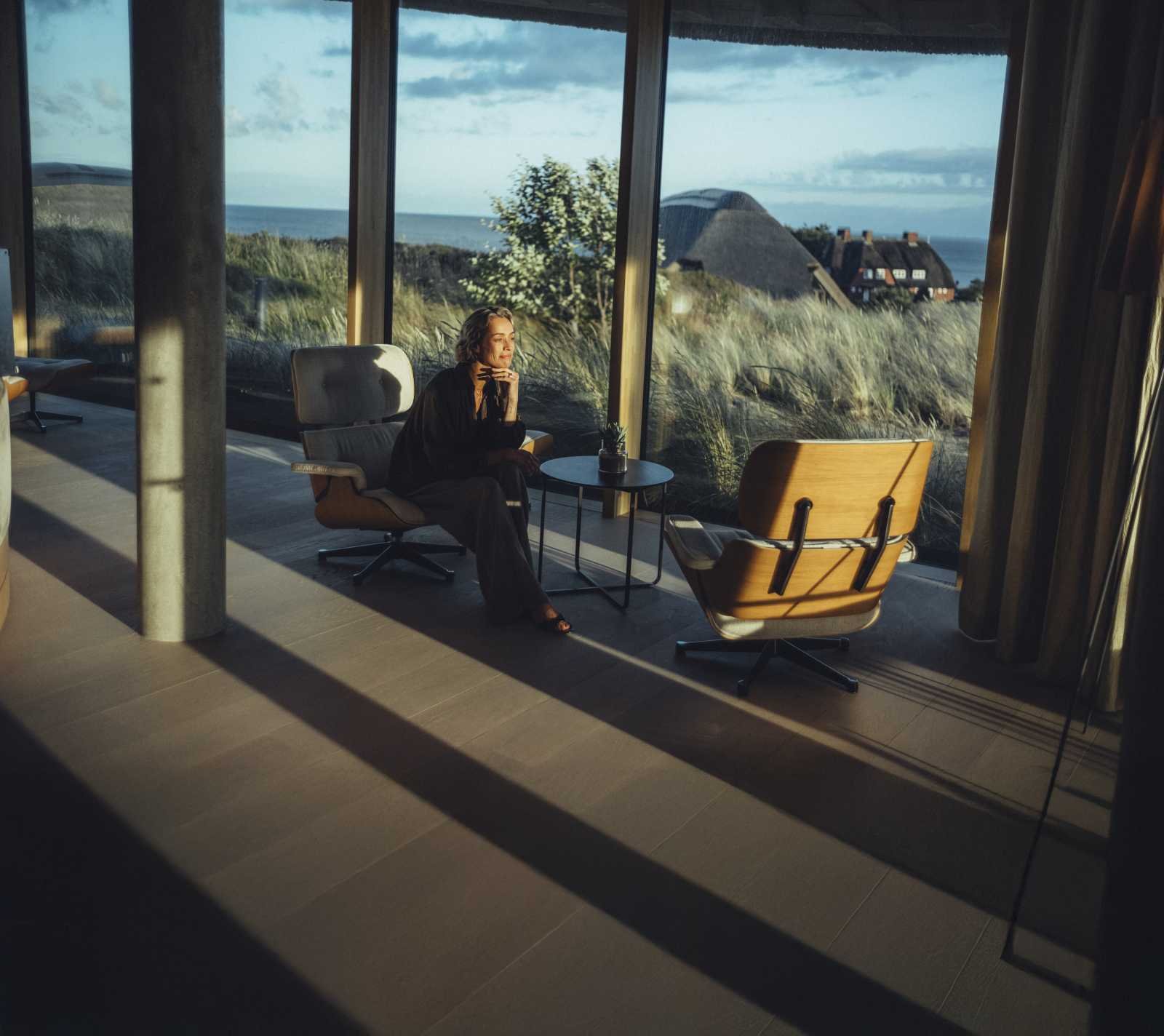
They are an integral part of the therapy. Our facilities are in highly energetic locations – the mountains in Lans, Lake Tegernsee in Bavaria, and here on the sea climate of Sylt Island. On the North Sea there is almost no pollen, there is salt water in the air, so you have twenty-four-seven inhalation, and sun, which is great for the skin, depression and asthma. Architect Christoph Ingenhoven wanted the building itself to reflect the idea of fasting. That is why you will not find any art on the walls: everything is clean and simple, because even your emotions have to calm down. I worked for decades in university buildings; but here we have space, light, sun and a beautiful island nature.
Which foods would you recommend avoiding today?
Processed food. Whenever something is processed in a factory, they add artificial substances and sugar. A year ago there was a big congress on diabetes: the risk of diabetes is more closely related to processed food than even to sugary food. Either we create convenient food that is genuinely healthy, which is hard to find, or we learn to cook ourselves. I can’t cook, but I have a Thermomix, so even I can prepare healthy meals with it. The basic longevity concept is still a healthy way of eating, enough sleep, which is far more important than we believe, exercise and preventive diagnostics.
After ten days at Lanserhof Sylt everyone may feel good. But how do people sustain it a year later?
Most of our clients come back after a year; our return rate is above sixty percent. Ten days here are extreme – we really reset the gut and change your metabolism. But you know the Pareto principle: with twenty percent of the effort you get eighty percent of the success. If you offer too complex intervention for home, people will never follow it. So we handpick only three or four things, because it has to become a lifestyle. I don’t want my clients to be biohackers, spending all their effort measuring and optimising. Forget it – we want to live. Most of our clients are happy with simple changes, and when they come back after a year my answer is always just “wow”.
Share




WE RECOMMEND
The Age of Intention: Inside the New Logic of Longevity Medicine
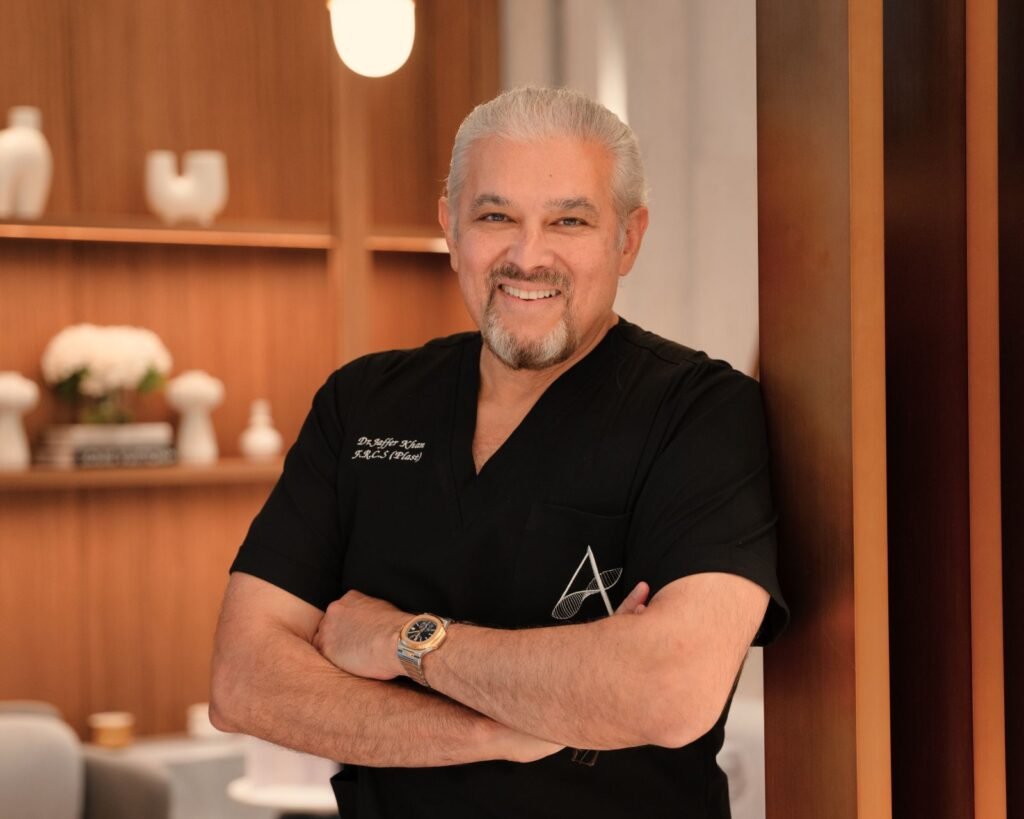
Dr. Jaffer Khan, Founder and CEO of AEON Clinic at Atlantis The Royal, on what longevity medicine really means – and why…
New Longevity Clinics to Watch Around the World
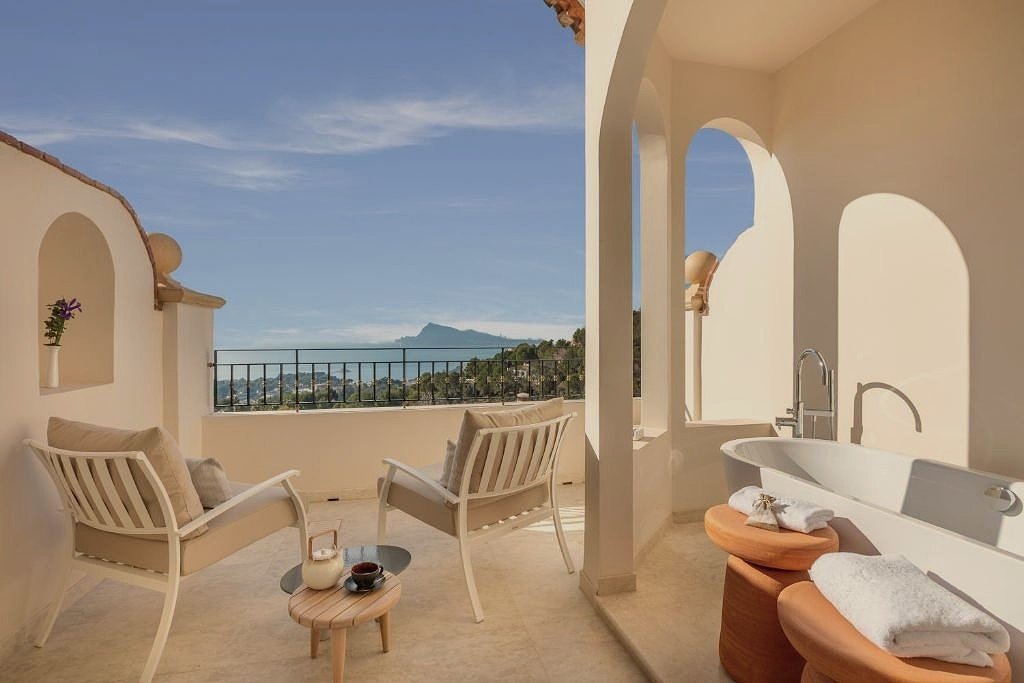
We selected five new retreats where longevity is approached through data, medicine, recovery and nature: from Kerala and the Mediterranean to the…

The New Era of Premium Travel: Hotels Built for Recovery and Sleep
Today, more travelers arrive at a hotel with a specific goal: recover quickly. A new kind of hospitality is quietly taking shape…
