



China’s New Wellness and Longevity Landscape
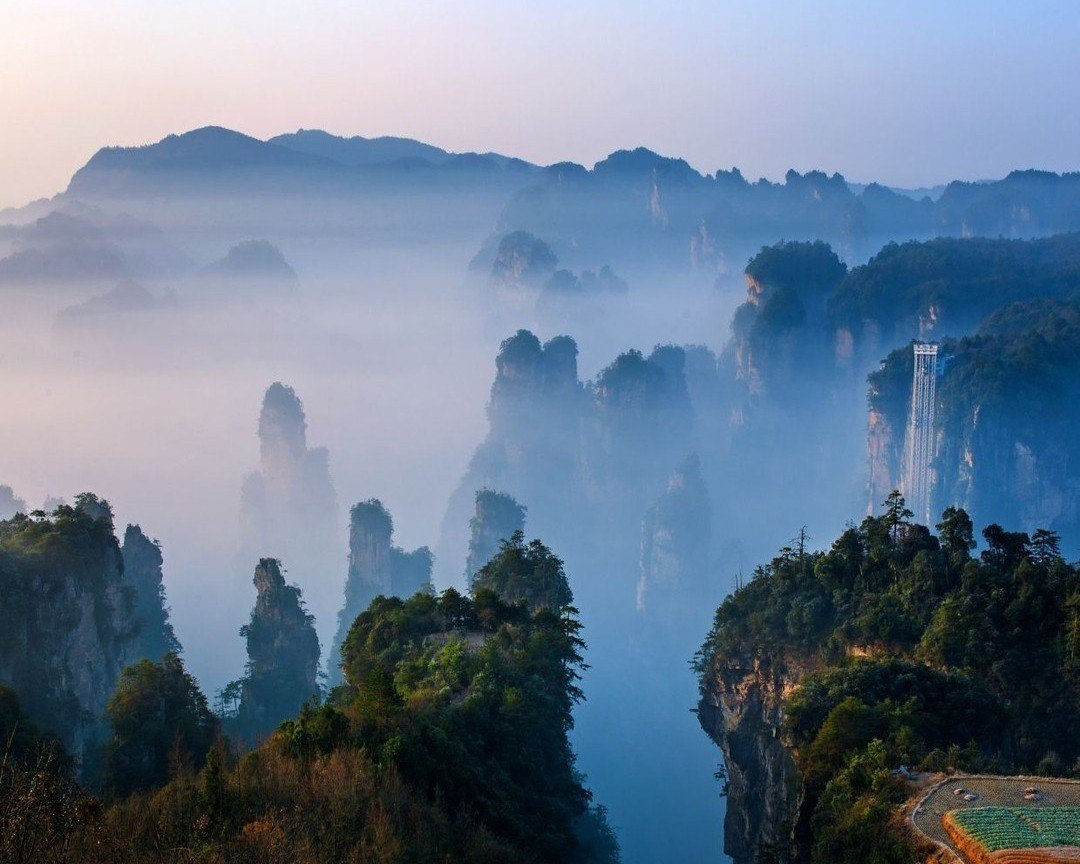
China may be one of the world’s most underestimated wellness destinations. These nine destinations reveal a wellness geography that remains surprisingly unfamiliar to international travellers.
China is bringing together preventive medicine, Traditional Chinese Medicine, hot springs, contemplative practices and some of Asia’s most dramatic landscapes.
Beyond its megacities lies a different landscape entirely – longevity clinics hidden among bamboo-covered mountains, retreats built beside ancient lakes, hot-spring resorts shaped by Traditional Chinese Medicine and luxury spas overlooking the Tibetan Plateau.
The country’s wellness culture did not begin with the contemporary longevity industry. Acupuncture, herbal medicine, tai chi, qigong, tui na massage and the wider philosophical relationship between human health and the natural world have developed over thousands of years. What is changing today is the setting in which these ideas are being presented. Traditional practices are moving into highly designed resorts, while international medical-wellness brands are introducing diagnostics, personalised programmes and preventive health protocols. Below is our selection of some of the most interesting destinations.
-
Clinique La Prairie Health Resort Anji
Medical longevity
Clinique La Prairie Anji is set approximately 180 kilometres west of Shanghai, among the lakes, mountains and white-tea plantations of Anji. This is Clinique La Prairie’s first health resort outside Switzerland. The project transfers the Swiss brand’s medical-wellness model into a quieter Chinese landscape, bringing together medical assessment, nutrition, movement and holistic therapies. A grand opening is scheduled for November 2026, although selected programmes and short stays have already been announced.
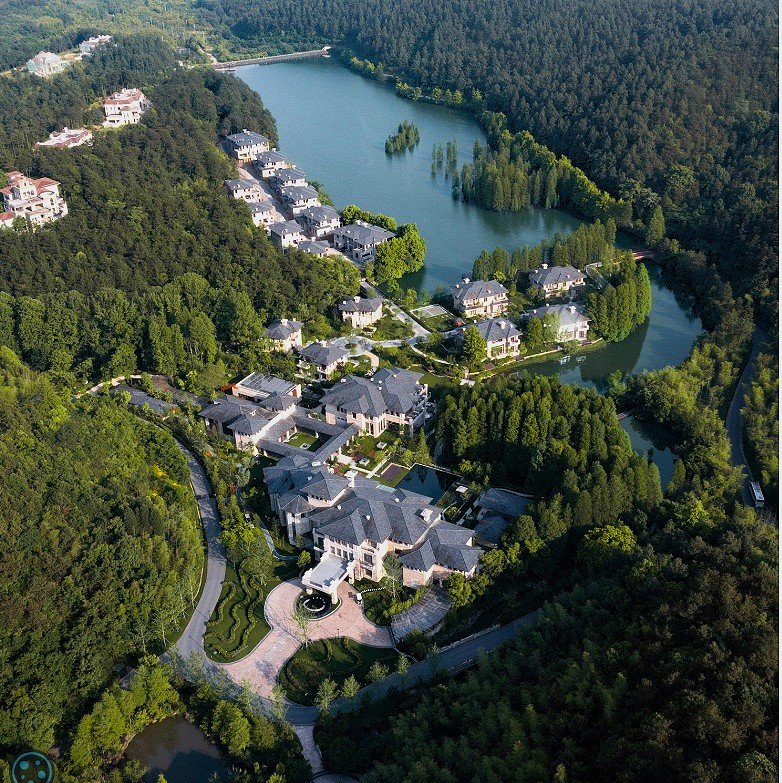
The programme portfolio includes Reverse Aging, Essence of Vitality, Master Detox, Life Reset and shorter diagnostic stays. Brain Potential, Healthy Weight and Prevention & Rejuvenation programmes also appear within the Anji offering, with availability dependent on the opening schedule. Medical specialists trained by Clinique La Prairie work alongside nutrition, movement and wellbeing professionals, with programmes structured around assessments and individual health profiles. Among the nine destinations in this selection, Anji is the clearest example of a dedicated luxury longevity clinic rather than a conventional hotel with an expanded spa.
-
Imperial Springs Health, Guangzhou
Preventive medicine, TCM and hot springs
Located within the Conghua Hot Springs Reserve outside Guangzhou, Imperial Springs Health combines a luxury resort, medical health-management centre and thermal destination. Its architecture draws on the Han and Tang dynasties, while its health model integrates modern diagnostics, Traditional Chinese Medicine and German naturopathy. The centre describes its approach as whole-life-cycle health management, with doctors and health managers developing personalised plans following consultation and assessment.
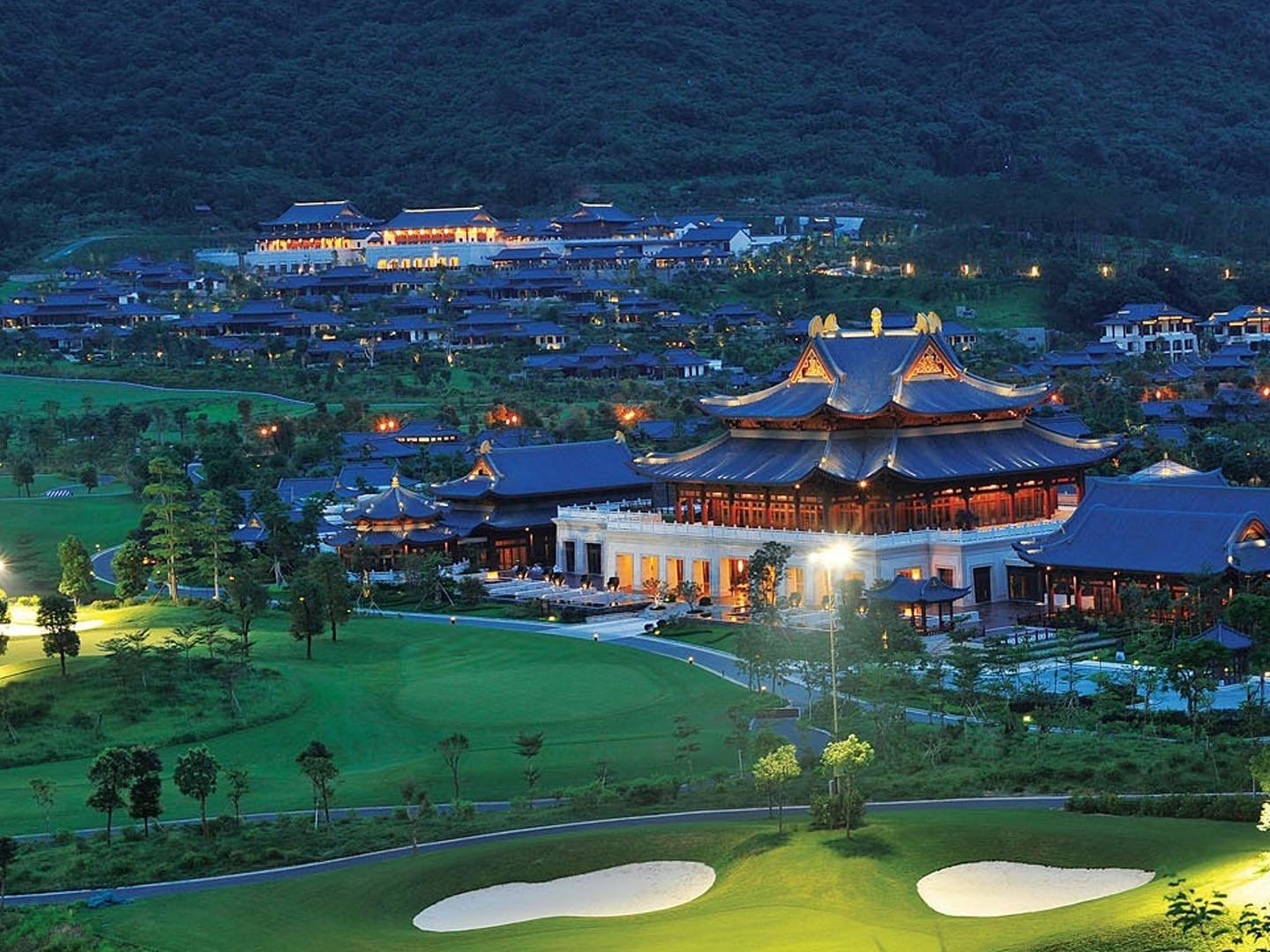
Programmes may address cardiovascular, metabolic, digestive, gynaecological and chronic health concerns, alongside physical, mental and emotional wellbeing. The centre’s “Three Regimens” framework – Clearing, Regulating and Nourishing – informs its combination of clinical consultation, TCM, nutrition, lifestyle guidance and spa therapies. The resort is also known for its mineral hot springs, marketed as radon-enriched, with private open-air pools available in a number of villas. Imperial Springs should be presented as a medical-wellness resort with serious health-management infrastructure, although individual treatments and their clinical evidence still need to be evaluated separately.
-
SANGHA Retreat by OCTAVE Institute, Suzhou
Integrated medical and holistic wellbeing
SANGHA occupies a 47-acre lakeside site west of Shanghai and was conceived as an ecosystem rather than a single spa hotel. Accommodation, the AT ONE Clinic, AT ONE Healing Spa, hydrotherapy facilities, movement spaces, mindful nutrition and contemplative architecture are integrated into one destination. Its central idea is the meeting of Eastern philosophy and Western science, with health treated as a combination of physical condition, emotional patterns, daily habits and a person’s wider sense of connection.
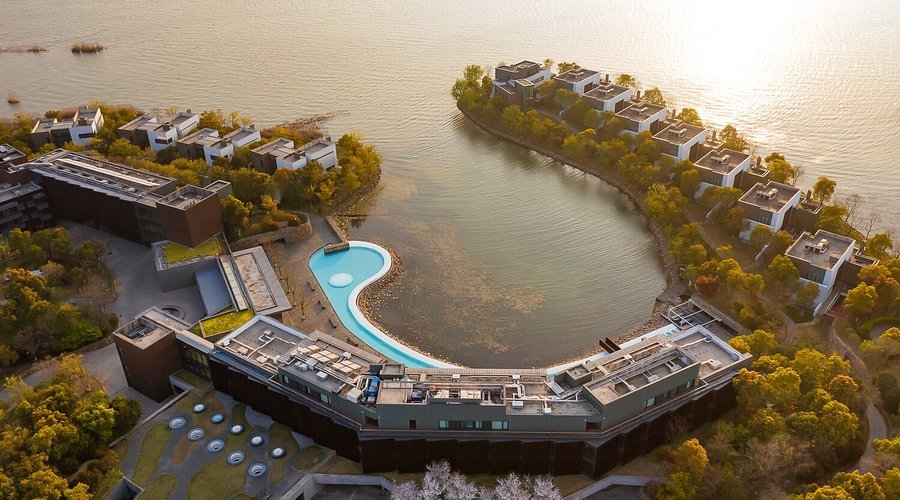
Programmes have included health assessments at the AT ONE Clinic, consultations with TCM practitioners, acupuncture, reflexology, nutrition guidance, yoga, Pilates, breathwork, meditation and sound healing. The spa incorporates an extensive hydrothermal circuit, while the Living Habits programme uses workshops and practices arranged around the body’s circadian rhythm. SANGHA is less clinically intensive than Clinique La Prairie, but it offers a more structured and immersive wellness experience than a traditional resort spa. Its focus extends from biomarkers and physical health to sleep, stress, relationships and behavioural change.
-
Six Senses Qing Cheng Mountain, Sichuan
Taoist philosophy and programme-led wellness
Six Senses Qing Cheng Mountain sits close to Mount Qingcheng, one of the historical centres of Taoism, and the ancient Dujiangyan irrigation system. This cultural context gives the property a stronger identity than the standard luxury wellness resort. The 1,710-square-metre spa is set among bamboo and willow gardens, with treatments informed by local traditions and the Taoist emphasis on balance between body, mind and environment.
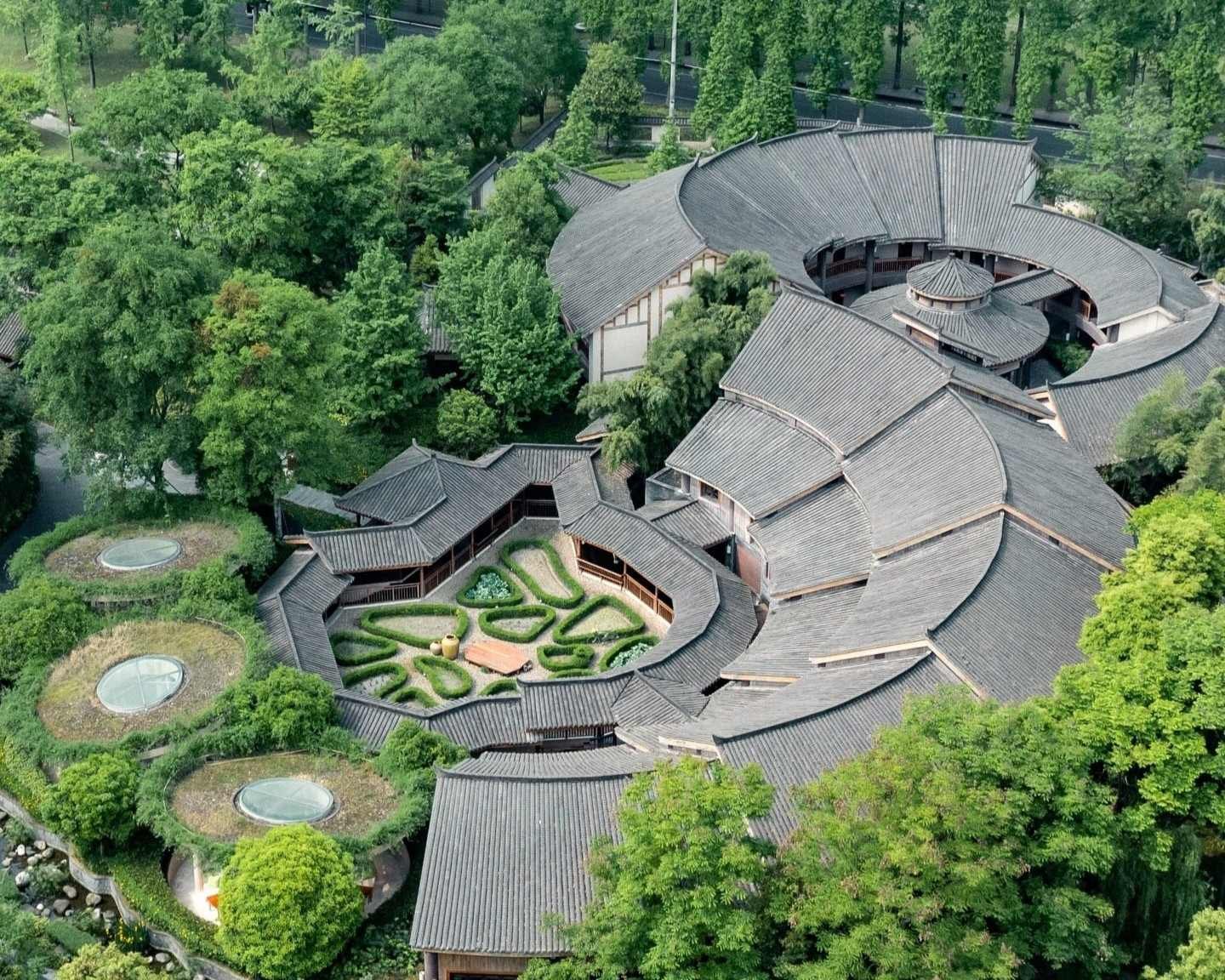
The resort offers multi-day programmes focused on sleep, detox, fitness and yoga, alongside private or group sessions in tai chi, meditation, yoga and Watsu. Treatments incorporate elements of Traditional Chinese Medicine as well as locally inspired bamboo massage, herbal therapies and reflexology. Six Senses Qing Cheng Mountain is not a medical longevity clinic, but it is one of the most complete programme-led wellness resorts in China – particularly for travellers interested in movement, recovery, sleep and the philosophical foundations of Chinese wellbeing.
-
Amandayan, Lijiang
Traditional Chinese Medicine and restorative seclusion
Perched on Lion Hill above the UNESCO-protected Old Town of Lijiang, Amandayan is surrounded by the tiled roofs, courtyards and canals of the ancient Naxi city, with the mountains of north-western Yunnan beyond. Its low-density architecture and quiet courtyards create a form of wellbeing built around privacy, silence and a strong sense of place.
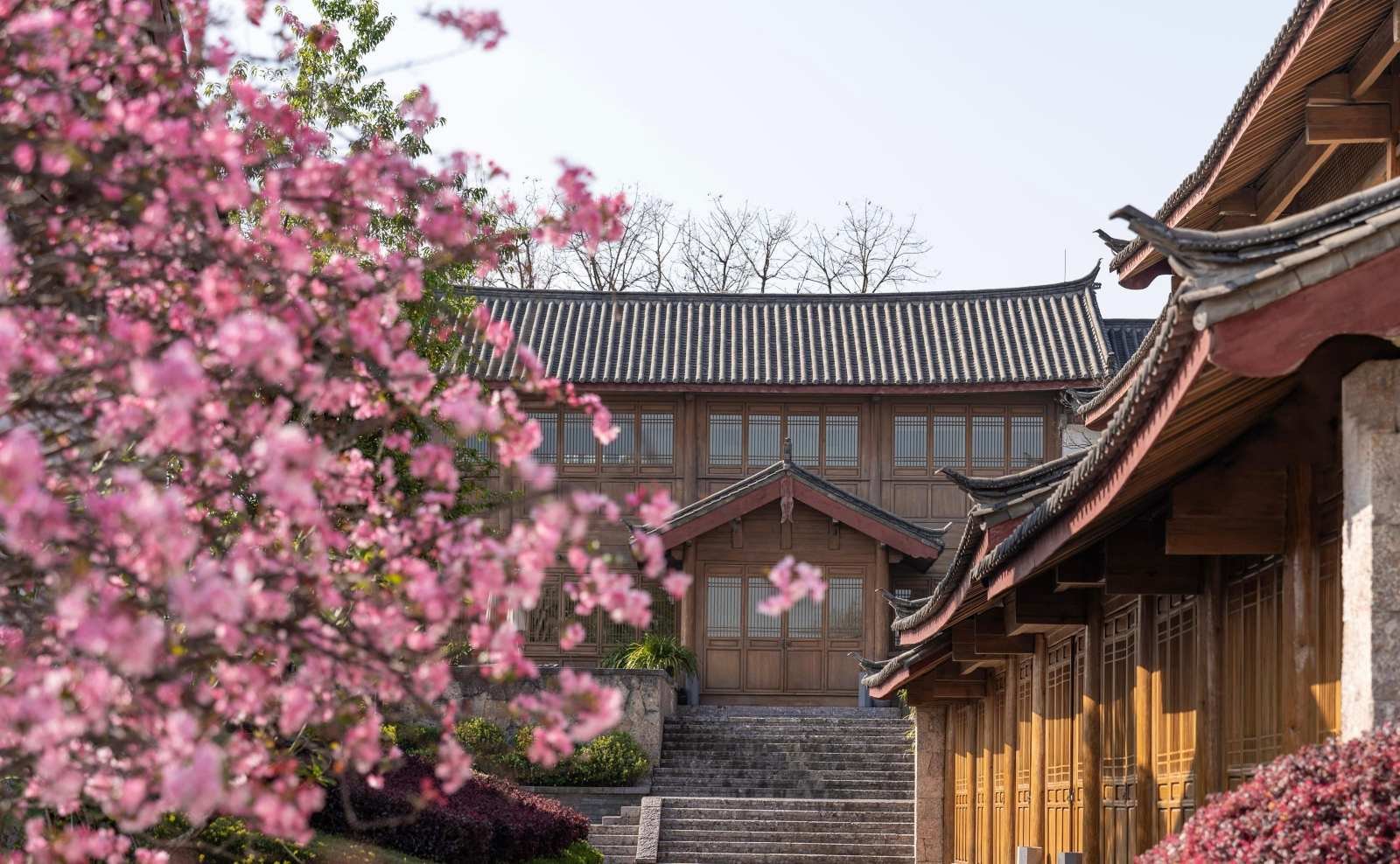
The Aman Spa draws explicitly on the holistic principles of Traditional Chinese Medicine. Its menu includes tui na massage, Chinese foot reflexology, seasonal herbal baths, scrubs and treatments using local ingredients, while private sessions in tai chi, yoga, Pilates and meditation can be arranged. Five treatment rooms, steam showers, wooden soaking tubs, a yoga studio, gym and heated outdoor pool complete the facilities. Amandayan does not offer medical diagnostics or a formal longevity programme; its strength lies in translating TCM, seasonal living and the Aman approach to stillness into a sophisticated spa experience.
-
LUX* Chongzuo, Guangxi
Slow living among karst mountains
LUX* Chongzuo is positioned beside the Mingshi River near China’s border with Vietnam, surrounded by tropical vegetation, rice fields and Guangxi’s dramatic limestone formations. The landscape gives the resort much of its wellbeing character. Villas and suites frame the river and karst peaks, while bamboo-raft journeys, cycling routes and outdoor experiences encourage guests to spend most of the day outside.
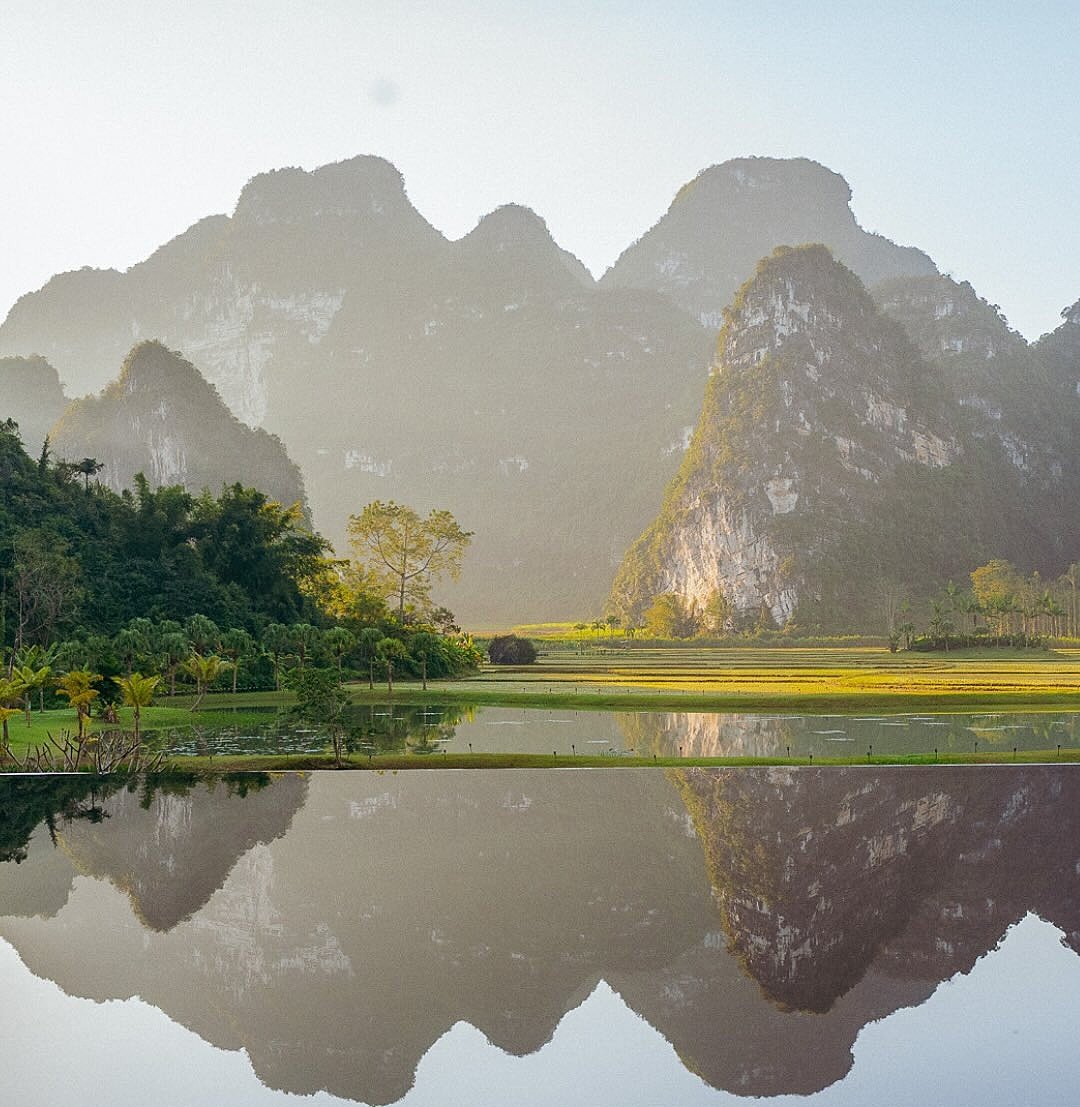
The resort has two spa houses inspired by traditional Zhuang architecture, together with a 35-metre infinity pool, poolside yoga, cycling and outdoor jogging routes. Some experiences combine yoga, sound bathing, cycling and time on the river. The wellness proposition is gentle rather than clinical: movement, fresh air, massage and a deliberate slowing of pace. LUX* Chongzuo belongs firmly in the nature-led category, showing how a resort can support wellbeing without turning every stay into a quantified health intervention.
-
Rissai Valley, a Ritz-Carlton Reserve, Jiuzhaigou
Tibetan-inspired rituals on the edge of the plateau
Rissai Valley is located beside the Jiuzhaigou nature reserve in Sichuan, on the edge of the Tibetan Plateau. Its 87 villas are dispersed across forested hills overlooking snow peaks and valleys associated with Tibetan and Qiang communities. Altitude, scale and relative isolation make the landscape the dominant presence throughout the stay.
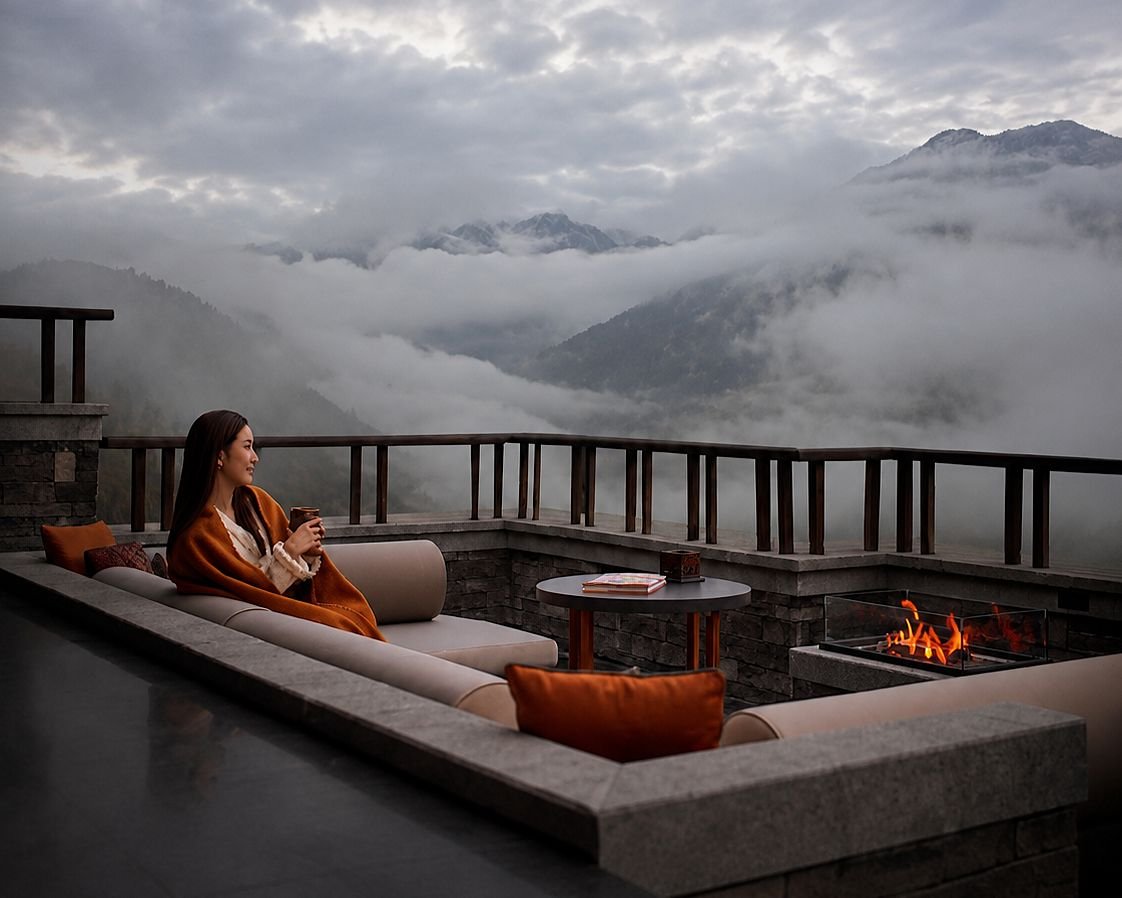
Rissai Spa uses the six natural “wonders” of Jiuzhaigou – its mountains, forests, lakes and waterfalls among them – as the basis for a series of restorative rituals. Treatments draw on Tibetan philosophies and may incorporate singing bowls, breathwork, yoga, meditation and locally inspired body therapies. The resort also has a heated indoor pool, whirlpool and fitness facilities. This is cultural and nature-led wellness rather than medical longevity, shaped around sensory restoration, traditional ritual and immersion in a high-altitude environment.
-
The ArcadiaPlace, Lugu Lake, Sichuan
High-altitude lake living and Mosuo culture
The ArcadiaPlace overlooks Lugu Lake at an altitude of approximately 2,690 metres in the Hengduan Mountains. The property neighbours Mosuo villages and draws much of its identity from the region’s matrilineal culture. Rammed-earth surfaces, timber construction, hearths and colours inspired by the surrounding landscape reinterpret local architectural traditions without turning the hotel into a historical replica.
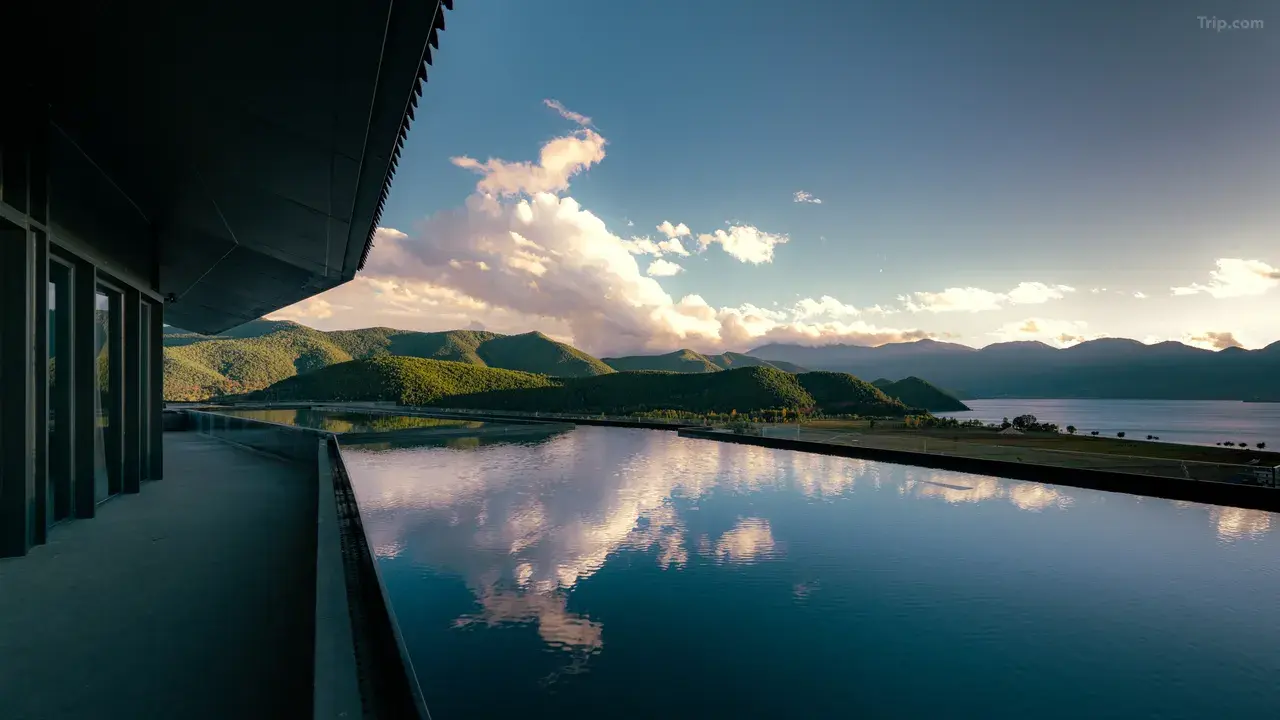
Its wellness facilities include four treatment rooms, a yoga studio and a heated infinity pool opening towards the lake and the sacred Gemu Goddess and Houlong mountains. There is no medical programme or specialised longevity clinic here. Instead, the appeal comes from altitude, visual silence, cultural immersion and the opportunity to move at the pace of the lake. The ArcadiaPlace represents a form of contemporary wellbeing in which architecture does less to entertain the guest and more to direct attention back towards landscape, light and time.
-
Zizai Pingjiang Wild Luxury Resort, Hunan
Wilderness, movement and the luxury of space
Zizai Pingjiang lies in the mountainous countryside of Hunan, within a landscape of Danxia rock formations, forests, valleys and waterways. Its buildings are distributed across the terrain rather than concentrated in a single hotel block, creating the sense of a small rural settlement. Guest rooms, villas, tea spaces, a farm and an academy are integrated into the surrounding hills.
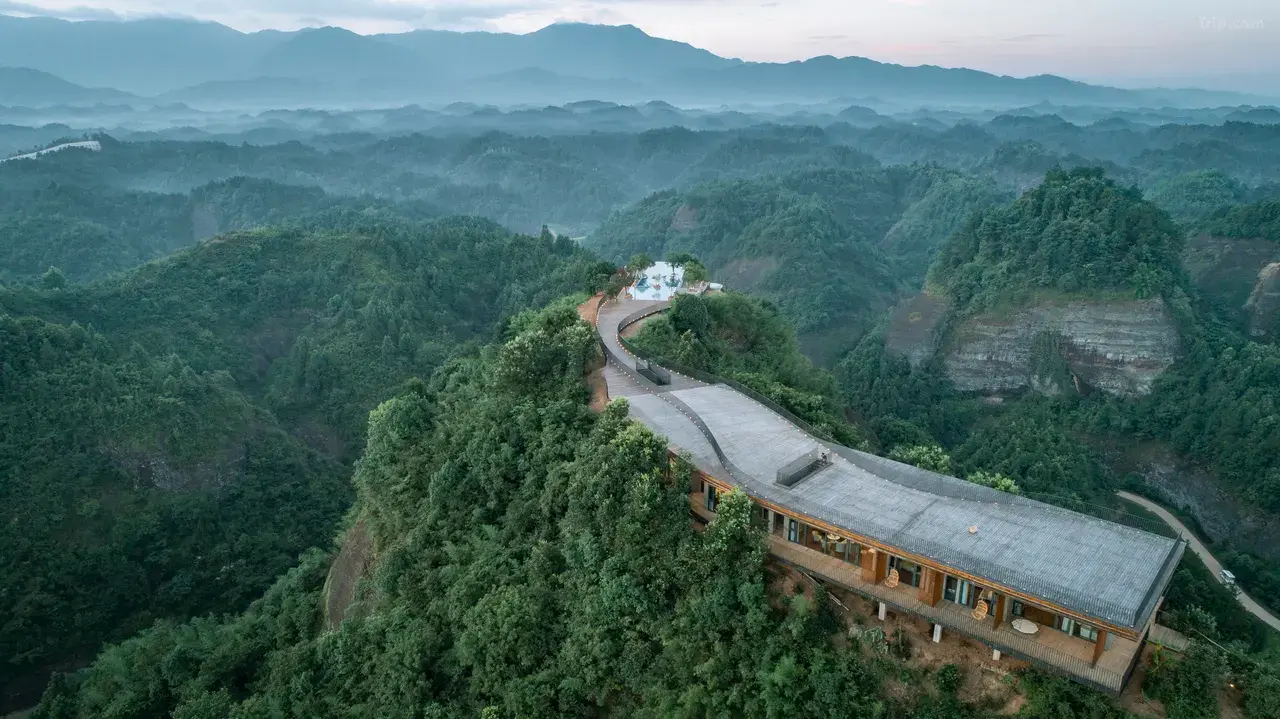
This is the least specialised wellness property in the selection. Facilities include a spa, sauna, swimming pool and extensive outdoor activity areas, but there is no clearly documented medical, diagnostic or longevity programme. Its inclusion rests on a broader understanding of wellbeing: physical movement, contact with the landscape, reduced urban stimulation and the ability to spend time without a tightly managed schedule. Zizai Pingjiang illustrates the value – and the limits – of the nature-led category. The environment can support recovery and reflection, but it should not be confused with clinical care.
A Broader Definition of Wellness Travel
China’s most interesting contribution to wellness travel may be its refusal to fit neatly into a single category. Swiss longevity medicine can now be found among the tea mountains of Anji. German naturopathy meets Traditional Chinese Medicine at a hot-spring reserve outside Guangzhou. Taoist philosophy informs a Six Senses spa, while Tibetan rituals shape treatments on the edge of Jiuzhaigou.
Together, these destinations reveal a Chinese wellness landscape defined by several parallel traditions – medical science, TCM, Taoist and Tibetan practices, thermal bathing, architecture and nature. Its future will depend partly on how credibly these elements are integrated. Its appeal is already evident.
Share


WE RECOMMEND
20 Best Longevity and Wellness Destinations Around the World
A longevity trip begins with a simple choice: to go somewhere where the days are shaped around feeling better and returning with…
On the Shore of a Longer Life: Longevity at Halekulani Okinawa
On Okinawa, people simply live longer. Halekulani Okinawa Resort translates this quiet philosophy of long life into an exquisitely five-star ritual.
New Longevity Clinics to Watch Around the World
We selected five new retreats where longevity is approached through data, medicine, recovery and nature: from Kerala and the Mediterranean to the…
