



RAKxa Integrative Wellness, Bangkok
Why Longevity Seekers Are Heading to Thailand
From Bangkok clinics to Phuket resorts, Thailand is becoming a new destination for people who want to live better for longer. So what is actually worth trying – and why is everyone talking about it now?
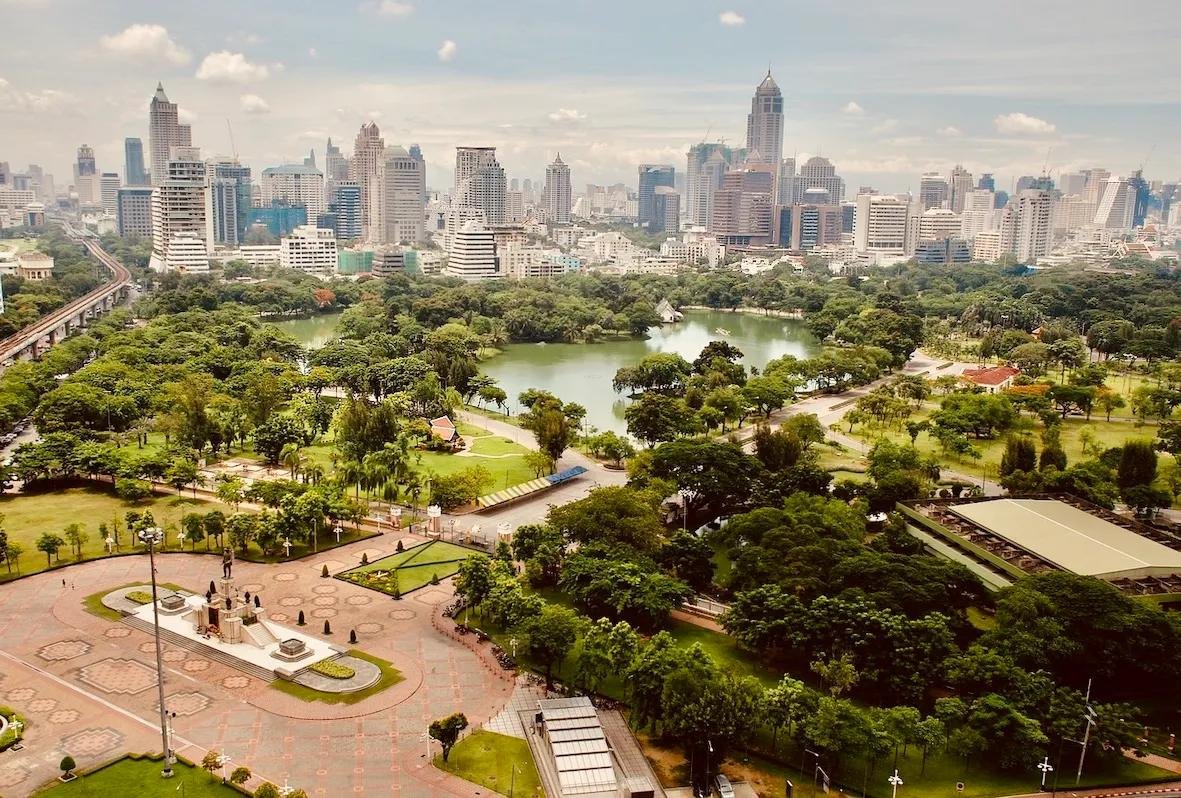
At six in the morning, Lumphini Park in Bangkok smells of damp earth and jasmine. Monitor lizards drag themselves across the grass like small dragons on their way to work. Groups of elderly Thais move through tai chi routines under the banyan trees, while a handful of foreign visitors in compression leggings jog past them towards a private clinic three streets away, where a nurse is about to draw their blood for a full biomarker panel. Two generations, two philosophies, one park. The subject, this early in the morning, is time rather than beauty – how much of it is left, and how much of it can still be negotiated for.
That negotiation has become one of Southeast Asia’s most interesting industries. For decades, Thailand sold rest: a beach, a massage, a mango smoothie under a fan. What it sells now is measurement, protocol and follow-up – a shift from lifespan to healthspan, from counting years to counting the years a person can still climb stairs, think clearly and travel without a suitcase full of pills. The kingdom has quietly built one of the most complete longevity ecosystems in Asia, and it did so by fusing three things that rarely sit comfortably together: hospital-grade medicine, hospitality-grade comfort and a government willing to rewrite its visa rules to keep the whole machine running.
From medical hub to Life Economy
Thailand’s medical tourism industry took decades to build. A “Medical Hub” strategy laid the groundwork – internationally accredited hospitals, English-speaking doctors trained in the United States and Europe, a reputation for elective surgery that predates the current wellness boom by twenty years. What changed in the past two years is scale and ambition. The country’s tourism authority now frames wellness under its 2026 “Life Economy” strategy and the tourism campaign “Healing is the New Luxury.”
The numbers attached to this pivot are large enough to raise eyebrows in boardrooms far from Bangkok. Industry estimates value Thailand’s wellness economy at $42.7 billion, while the global wellness economy reached $6.8 trillion in 2024 and is projected to approach $10 trillion by 2029. A four-day Global Wellness Summit landing in Phuket this year on November 10-13 with its twentieth anniversary edition, is expected to draw several hundred medical professionals and policymakers and to inject hundreds of millions of baht into the local economy in a single week.
Perhaps the most consequential change is bureaucratic rather than medical: a streamlined visa now lets foreign patients and their companions remain in the country for up to 90 days, with multiple re-entries permitted. It sounds like a footnote, yet it is the detail that makes serious longevity medicine possible at all. Regenerative therapies, hormone recalibration, supervised metabolic overhauls all run on a slower clock than a long weekend allows. They need weeks of monitoring, adjustment and follow-up blood work, and a ninety-day window turns a tourist into something closer to a patient with a long-term care plan and a hotel address.
A comprehensive longevity assessment in Bangkok, with full-body imaging and genomic sequencing, can run at roughly 60% less than in the US or western Europe
Cost remains the quiet argument underneath all of it. A comprehensive longevity assessment in Bangkok, complete with full-body imaging and genomic sequencing, can run at roughly sixty per cent less than the equivalent package in the United States or western Europe. For a growing cohort of executives, that percentage sits at the centre of the entire business case.
The client base has broadened accordingly. Early longevity tourism catered almost exclusively to a narrow slice of ultra-high-net-worth travellers chasing the newest peptide or the latest stem cell protocol. The current wave looks different – forty-something founders squeezing a five-day diagnostic sprint between board meetings, retired professionals structuring a whole winter around quarterly biomarker check-ins, and a rising number of Gulf residents who treat Bangkok the way they once treated Geneva, as a place to have their blood properly read once a year. Flight time from Dubai runs under seven hours, the time difference is a manageable three or four, and the price gap against European longevity clinics gives the itinerary an obvious appeal for a region already fluent in the language of biological age testing.
You can already see that shift in BDMS Wellness Clinic, where preventive medicine, advanced diagnostics and personalised health programmes sit much closer to longevity than to conventional hospital care.
Bangkok, Phuket, Chiang Mai – a working map
Ask ten people where longevity medicine in Thailand actually happens and most will still say “everywhere, in a five-star hotel,” which misses the more interesting truth: three cities have quietly specialised.
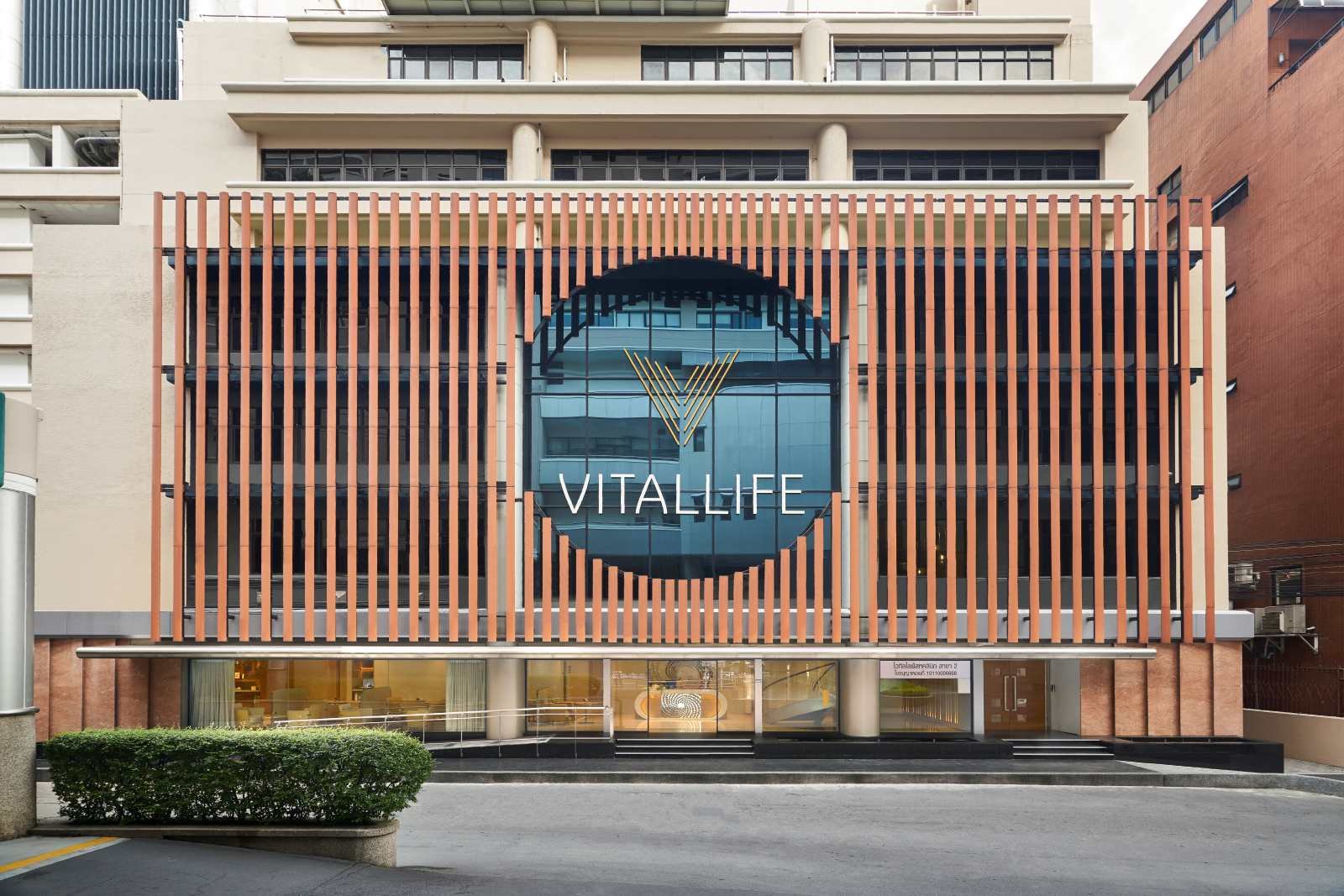
Bangkok has become the clinical brain of the operation. Healthi Life, which calls itself the city’s first physician-led private longevity house, was founded on a story worth repeating – its co-founder ended up in intensive care at thirty-seven after a decade of ignoring what his own body was telling him, and the clinic that emerged from that scare tracks close to three hundred biomarkers per client, with doctors staying involved for months rather than for a single consultation. A few kilometres away, the Global Institute of Aesthetics builds its offering around predictive diagnostics and artificial intelligence, cloud-based systems reading a client’s data. VitalLife, folded into the Bumrungrad hospital network, represents the more traditional end of the spectrum: a dedicated longevity wing inside a full-scale destination hospital, for people who want their biohacking with an ICU down the corridor, just in case.
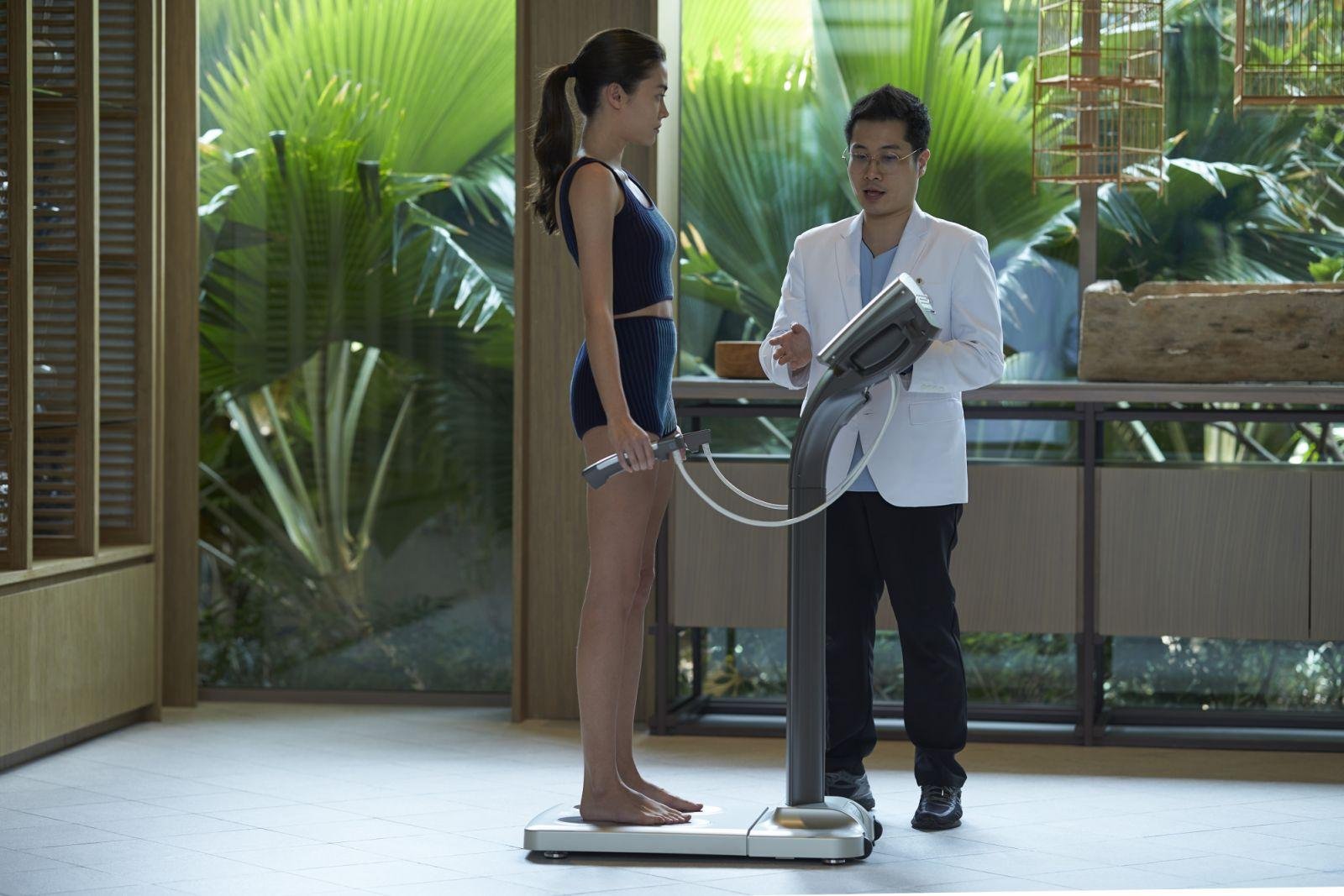
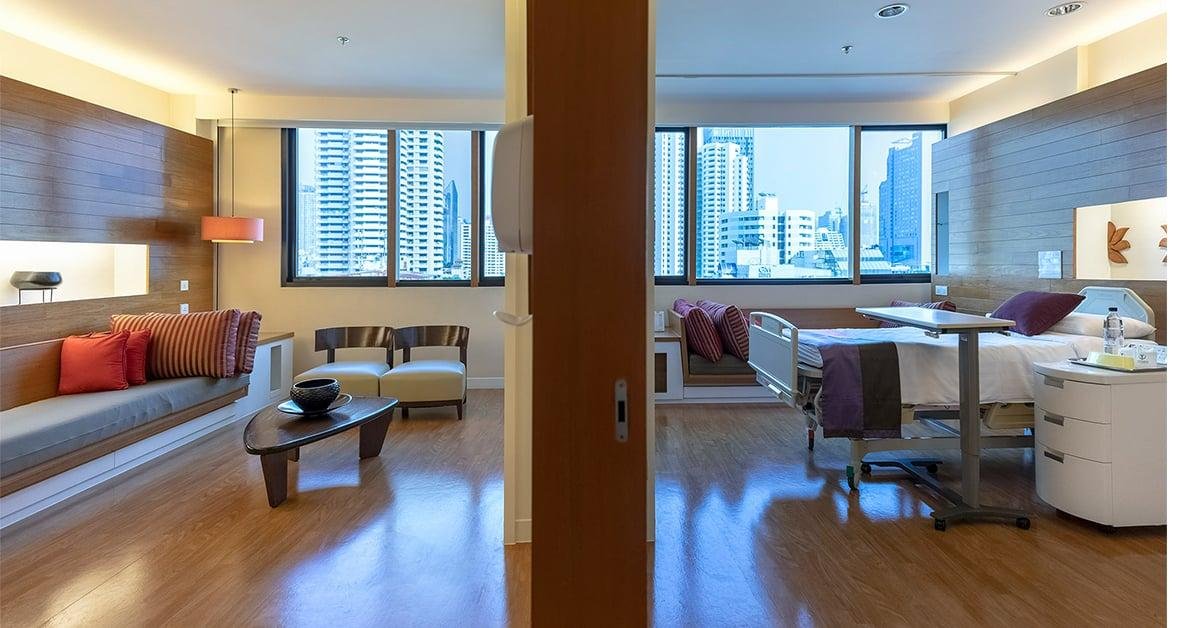
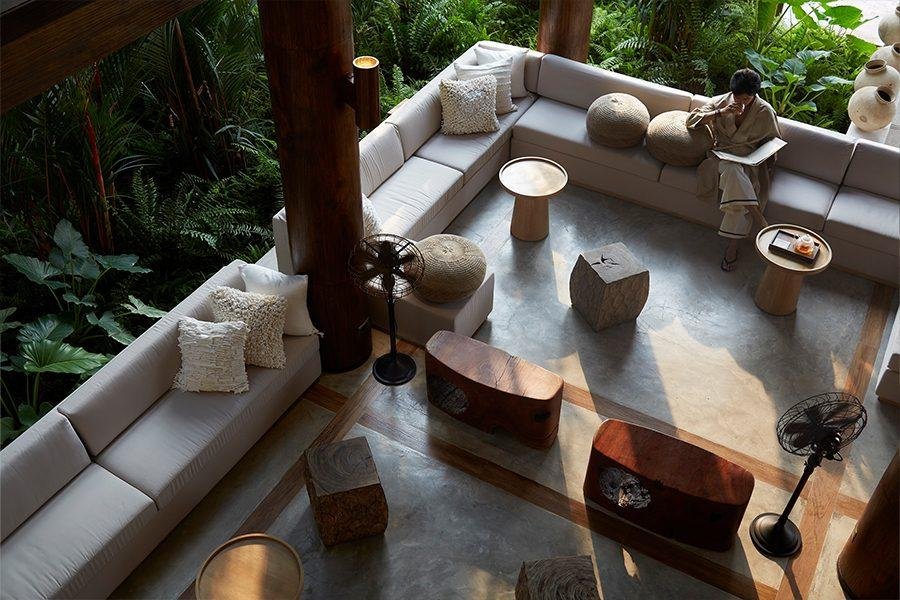
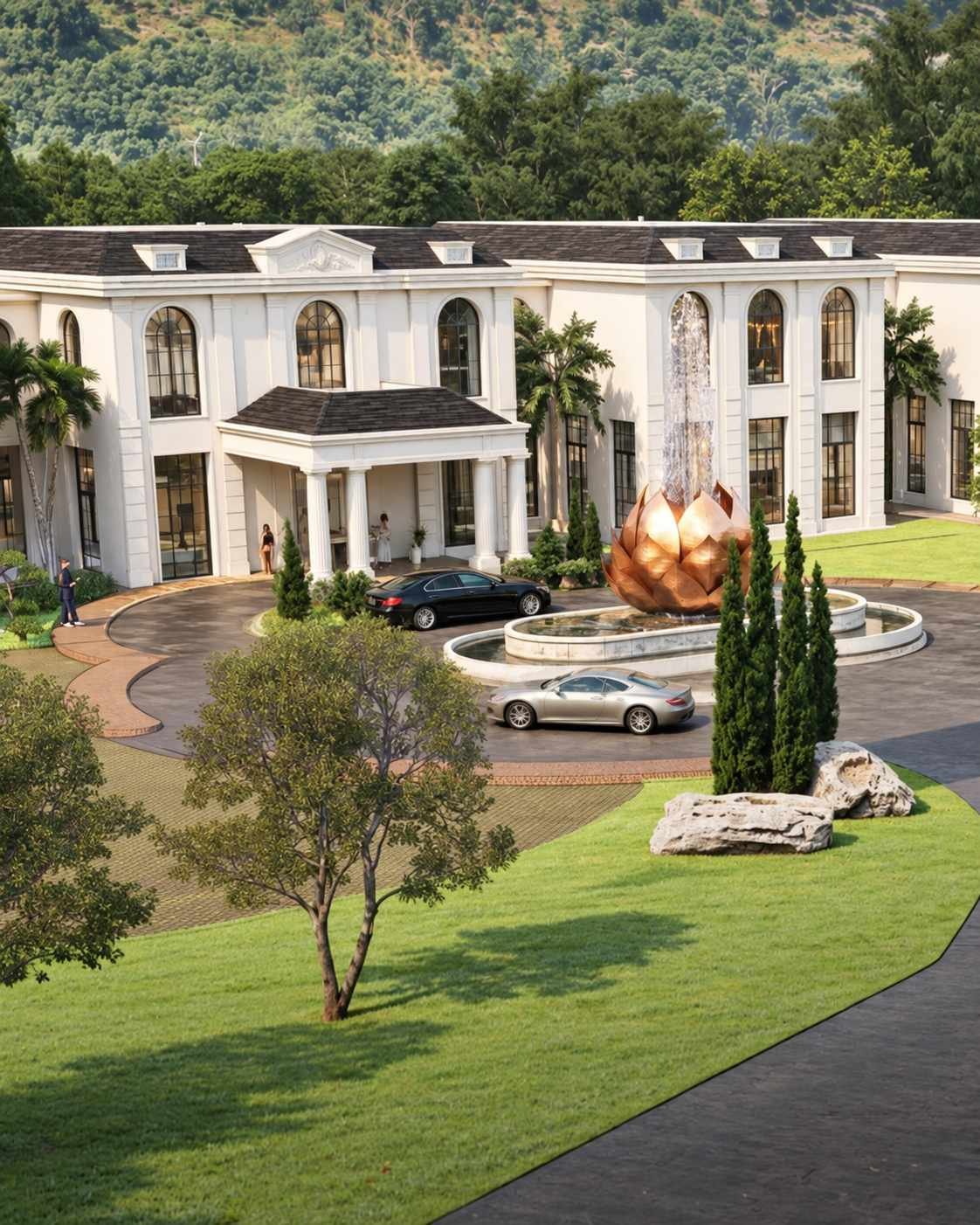
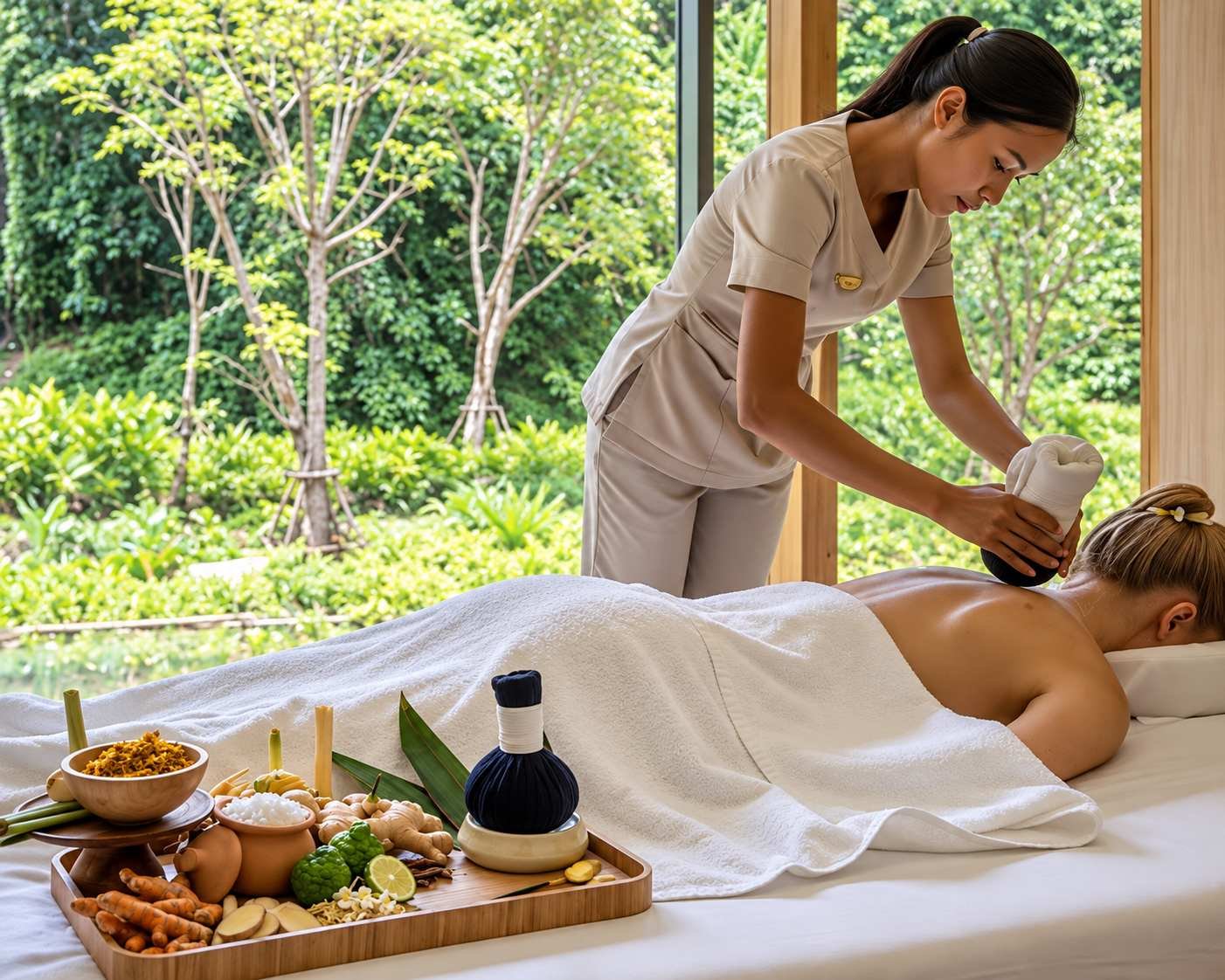
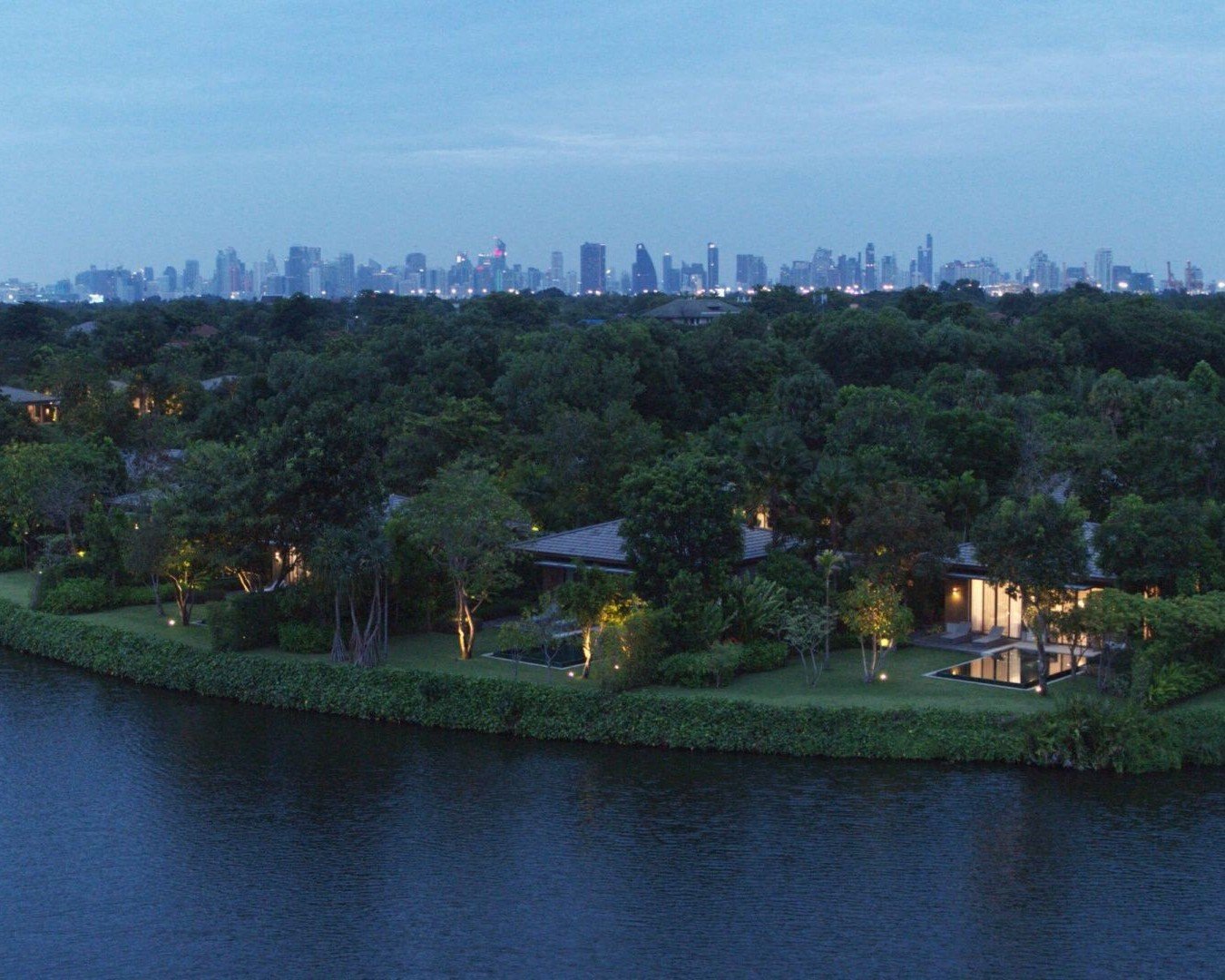
RAKxa Integrative Wellness, set on the green island of Bang Krachao outside central Bangkok, takes a more comprehensive approach. Its dedicated longevity programme begins with advanced lab testing, then builds a personalised plan around physical performance, nutrition, recovery and healthy ageing. Treatments can include functional fitness assessments, acupuncture, Ayurvedic therapies, antioxidant IV infusions, light and oxygen therapies, as well as traditional Thai and Chinese medicine. The result is less a single longevity treatment than a structured seven- or ten-night programme in a luxury resort stay.
Phuket plays a different role entirely. VitalLife has expanded from Bangkok to the island with a dedicated scientific wellness centre in Cherngtalay, bringing longevity medicine into a destination already built around luxury travel and recovery.
Boston Health Longevity, operating across both Phuket and Chiang Mai, has built its reputation on DNA methylation testing – one of the most widely used approaches to estimating biological age – paired with hormone panels read by Western-trained doctors, at savings of thirty to seventy per cent against comparable clinics at home. On Phuket’s beaches, cold plunge pools and infrared saunas now sit beside biological age testing as a matter of course, folded into a resort day the way a spa treatment once was.
In November 2026, Clinique La Prairie Thailand will open its first full-scale health resort in Phuket at Tri Vananda (after Longevity Hub by Clinique La Prairie in Bangkok), bringing the Swiss brand’s longevity model to Thailand. Its programmes will combine advanced medical assessment with personalised nutrition, movement and wellbeing, built around the same structured longevity approach the brand has developed in Switzerland.
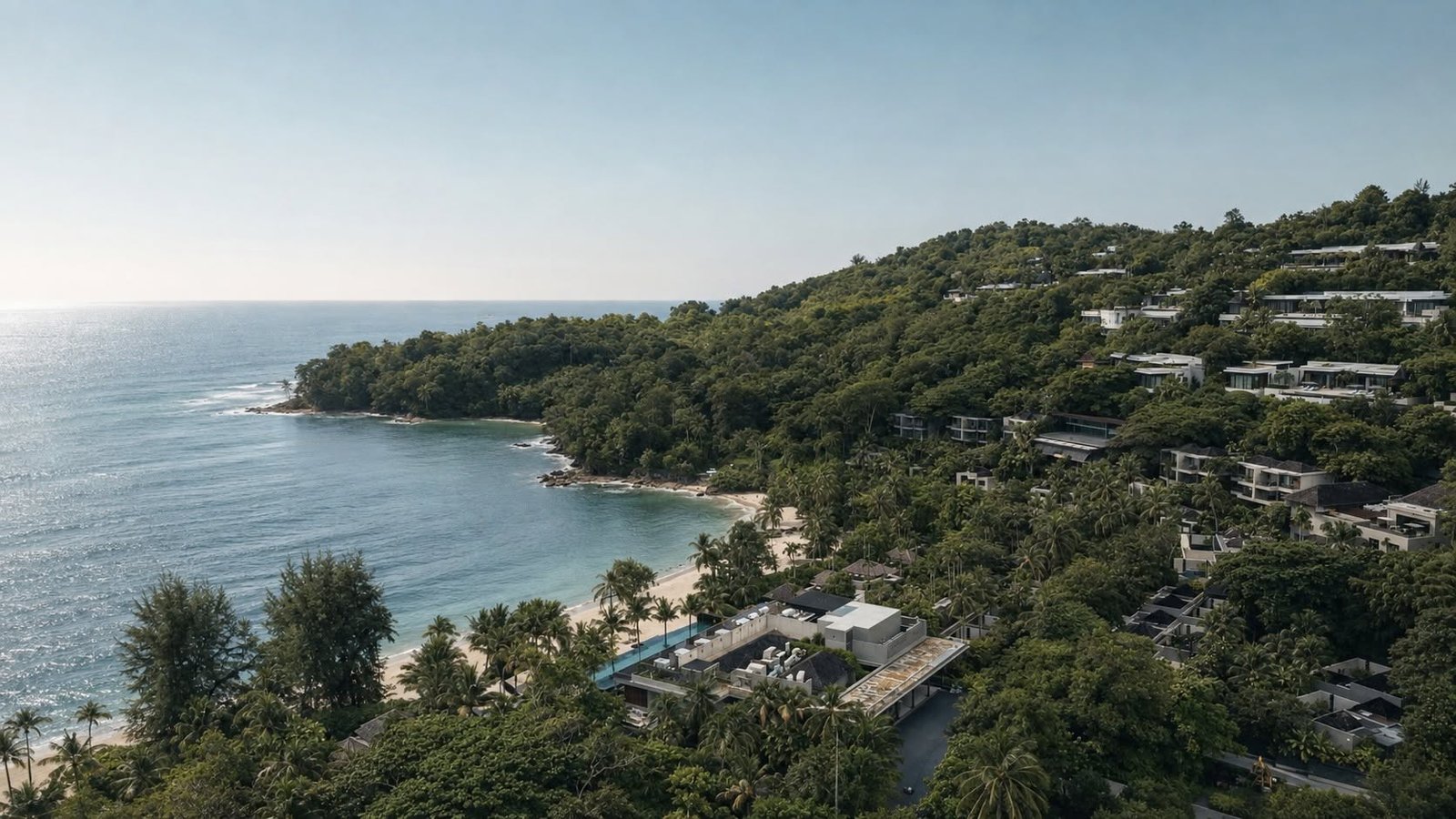
Layan Life by Anantara offers another version of the model, embedding longevity medicine directly into a luxury resort in Phuket. Its programmes combine advanced diagnostics, epigenetic and sleep testing, IV therapies, hyperbaric oxygen, cryotherapy, nutrition and movement with traditional Thai medicine and holistic treatments. Guests can come for a single assessment or build the experience into a multi-day retreat.
Chiang Mai offers the quietest register of the three. Longevity Thailand, based in the northern hills, builds its protocols around mitochondrial function and systemic inflammation rather than visible signs of ageing, arguing that the real work of longevity medicine happens at the cellular level, invisible and unglamorous, long before a wrinkle forms. It is medicine for people who have already accepted that looking younger and being younger are two entirely different projects.
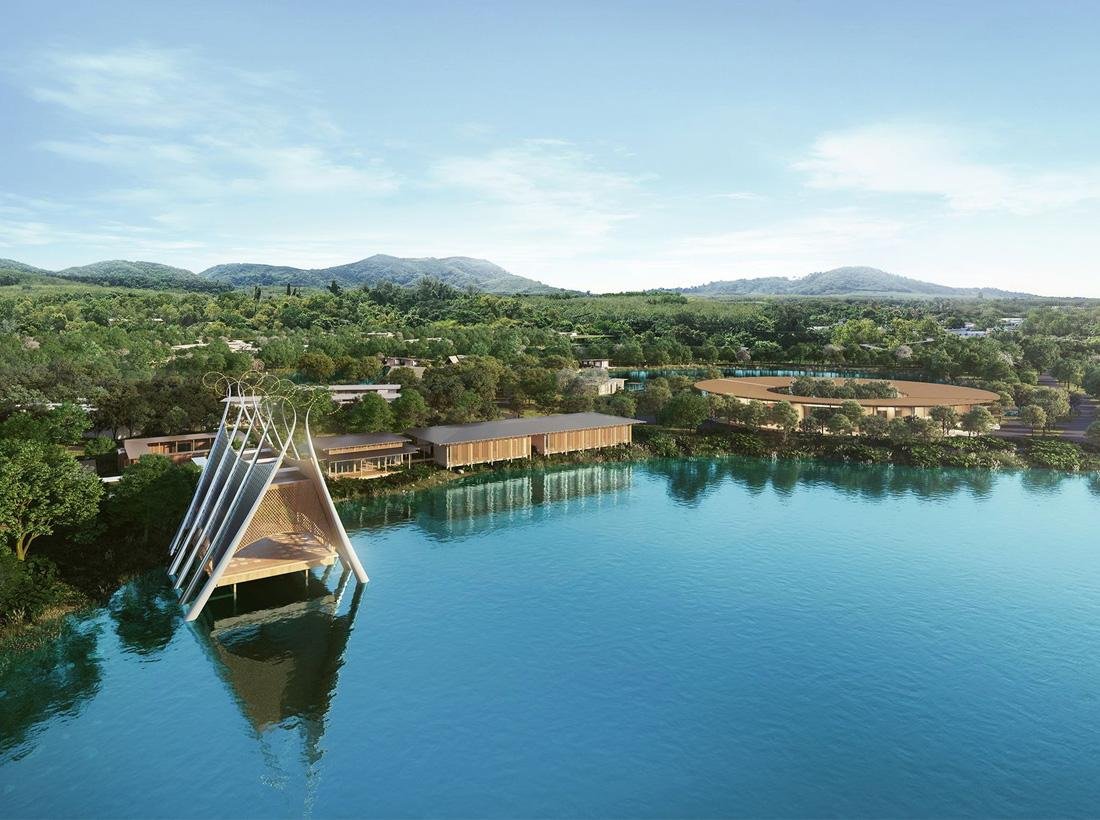
Chiang Mai is also preparing for one of Thailand’s most ambitious longevity projects. VAANAA Longevity Chiang Mai, unveiled in 2026 and scheduled to open in 2028, is being developed as the largest premium longevity and lifestyle destination in Southeast Asia.
Set across more than 35,000 square metres in Mae Taeng, against the mountains and waters of Mae Ngad Reservoir, the project is designed around regenerative medicine, anti-ageing science and long-term health optimisation rather than conventional resort wellness. Its scale is significant: VAANAA is positioning the destination as an integrated longevity ecosystem where advanced medical care, prevention and lifestyle programmes coexist within a single retreat environment. If delivered as planned, it will add another layer to Chiang Mai’s evolution from wellness destination to serious longevity hub.
A regional arms race, politely disguised as wellness
Step back from Thailand and a bigger picture comes into focus – a genuine competition among Asian nations for the title of the region’s longevity capital, each pursuing an entirely different theory of the case. Singapore is building itself into an urban blue zone, betting that dense, well-designed cities can manufacture the same longevity dividends anthropologists once found only in isolated villages in Sardinia or Okinawa. Malaysia is constructing something closer to a purpose-built health metropolis, its KL Wellness City project treating longevity as a matter of urban planning rather than clinical intervention. Indonesia has staked its claim through Bali, leaning on the island’s existing spiritual-wellness brand to pull in a different, younger cohort of travellers who arrive for a retreat and stay for a biological age test.
Thailand’s answer to this competition has a name – Wellness Thailand: The Land of Life – and a specific piece of alchemy at its centre. The plan calls for turning traditional Thai herbal medicine, long dismissed by international markets as folk remedy, into high-value scientific product through serious research investment. It is a clever move, because it converts a perceived weakness – a reputation built on massage and tradition rather than laboratories – into an asset unique to Thailand alone. Singapore can build towers. Malaysia can build cities. Eight hundred years of herbal pharmacology remains something only Thailand can claim, and claiming it well may prove harder to copy than any skyline.
There is a domestic wrinkle worth noting too, one that most international coverage skips entirely. Thai commentators have started describing a kind of longevity paradox at home: even as the country markets itself abroad as a wellness destination, domestic demand for IV drips, high-end spa treatments and self-care rituals has exploded among Thailand’s own thirty-something and over-fifty populations. The industry grew as much from local anxiety as from foreign demand, powered by the same question travellers are quietly asking on their way to Suvarnabhumi Airport: how does a person arrive at seventy still able to enjoy it.
Beyond Medical Tourism
Filing all of this under medical tourism feels tidy, right up until the category itself stops making sense. A client flying into Bangkok for a week of NAD+ therapy belongs to a different species of traveller altogether than someone arriving for a hip replacement, and treating the two as one industry obscures what is genuinely new here – health has been reframed as an ongoing practice rather than an emergency response, something maintained on a schedule, the way a car gets serviced before anything actually breaks.
That reframing carries a cultural weight that goes beyond spreadsheets. A generation raised on the idea that ageing is a slow, private decline is watching Bangkok, Phuket and Chiang Mai turn it into something closer to a maintainable asset, tracked in numbers, adjusted in real time, discussed as openly as a stock portfolio. Whether that framing proves wise or merely fashionable will take another decade to answer properly. For now, the kingdom has simply made the question unavoidable for anyone who visits.
Back in Lumphini Park, the tai chi group finishes its final sequence as the heat starts to build. The jogger in compression leggings has already had blood drawn and is on a scooter to breakfast, biomarker panel pending. Each remains, technically, invisible to the other. Both are chasing the same thing in this same patch of grass, one generation through inherited practice, the other through a genomic sequencer built three streets away. Thailand’s real achievement may sit less in the science than in the proximity – putting these two theories of a long life within walking distance of each other, and leaving the traveller to decide which one to believe on any given morning.
Share


WE RECOMMEND

Why Gen Z Is Becoming a Major Consumer of Wellness and Longevity
Gen Z is changing what people are willing to spend on. Health and prevention are moving into the same space as fashion…
Inside Dubai’s Longevity Scene
Dubai is building a new market around healthspan designed for life inside the city. To understand how this shift is playing out,…

China’s New Wellness and Longevity Landscape
China may be one of the world’s most underestimated wellness destinations. These nine destinations reveal a wellness geography that remains surprisingly unfamiliar…
