




Aviv Clinics’ Hyperbaric Oxygen Therapy Chambers, Florida. Photo: Michael Stavaridis / Studio Gad
8 Advanced Longevity Technologies You Can Try Around the World
From pressurised oxygen to plasma filters and gene therapies on a Caribbean island – a world tour of the technologies reshaping how the wealthiest patients pursue a longer life.
For a long time, longevity had a postcode. It lived somewhere above Lake Geneva, in white robes and silent corridors, in mountain air so clean it felt like medicine. Rituals, nature, time. That world still exists, and we love it. But in the past years a second longevity has arrived, and it hums, glows and beeps.
It lives in steel chambers in Florida and Dubai, in apheresis clinics from Seattle to Harley Street, in scanning suites in Manhattan and in a charter city on a Honduran island. It comes with price tags, waiting lists and a growing number of scientific papers – and with an equal number of sceptics. Which of these procedures actually buys us time? And which ones simply make us feel better?
Here are eight technologies defining the new longevity – what they do, what the evidence says and where you can try each one.
-
Breathing Under Pressure: The Hyperbaric Protocol
Hyperbaric oxygen therapy (HBOT) is old medicine – for decades it has helped divers with decompression sickness, patients with carbon monoxide poisoning and wounds that refuse to heal. Its leap into longevity came through people who live by their protocols. Michael Phelps used a chamber to recover between gruelling training blocks, and Bryan Johnson made hyperbaric sessions part of Blueprint, his famously exacting regime for slowing biological age. In 2020, a study from Tel Aviv University and Shamir Medical Center offered the first scientific signal: after 60 sessions over three months, 35 healthy adults aged 64 and over showed longer telomeres and fewer senescent cells in their immune cells. Since then, the chamber has become a fixture of longevity clinics from Miami to Dubai.
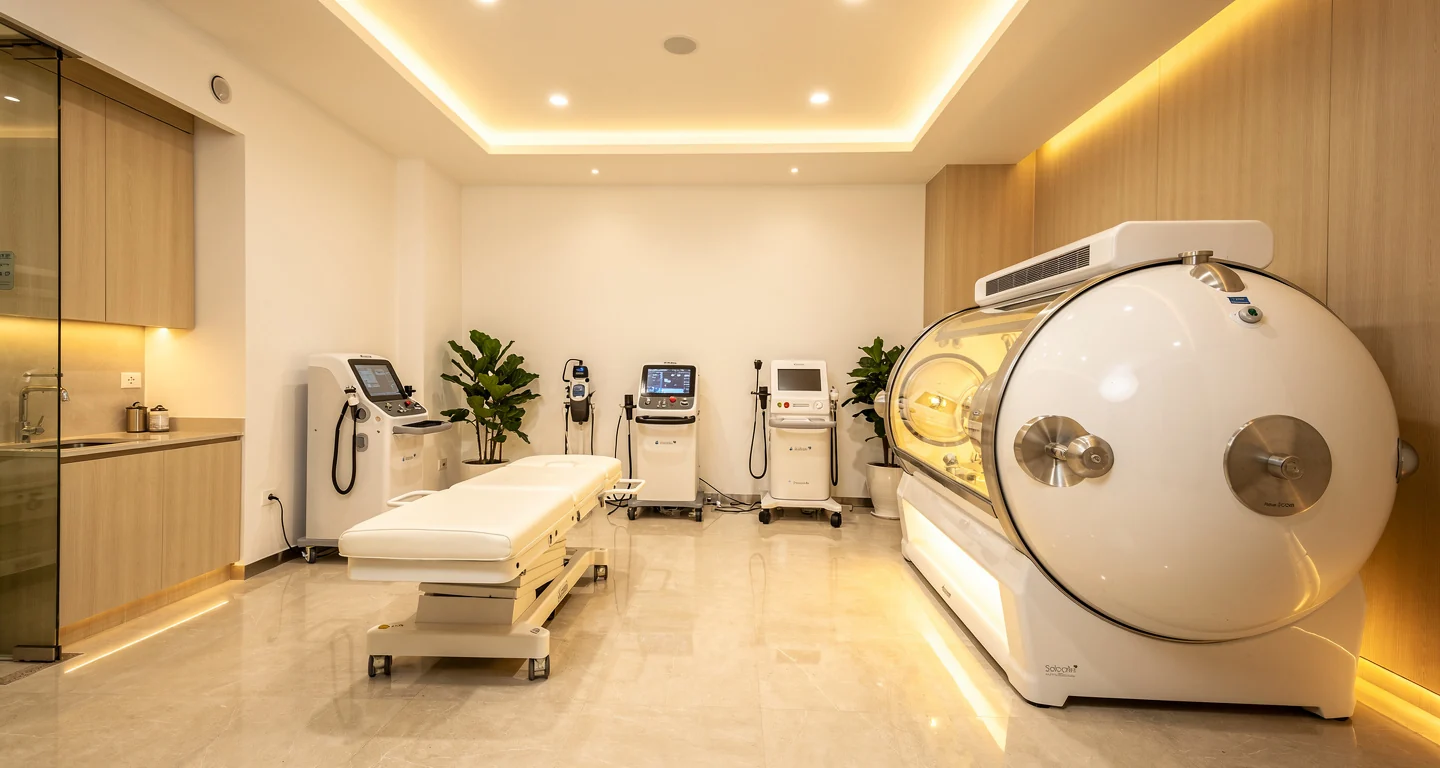
Two very different machines share the name. Medical chambers are rigid steel or acrylic vessels pressurised to around two atmospheres – the equivalent of ten metres under water – while the patient breathes pure oxygen. At that pressure, oxygen dissolves directly into the blood plasma and reaches tissues beyond what haemoglobin alone can carry.
Home chambers are soft, inflatable capsules that zip shut and reach about 1.3 atmospheres, roughly three metres of depth, filled with ordinary or slightly enriched air. Many users describe feeling rested and clear-headed afterwards, and athletes value them as a recovery ritual. For the full therapeutic dose, the steel chamber remains the reference point.
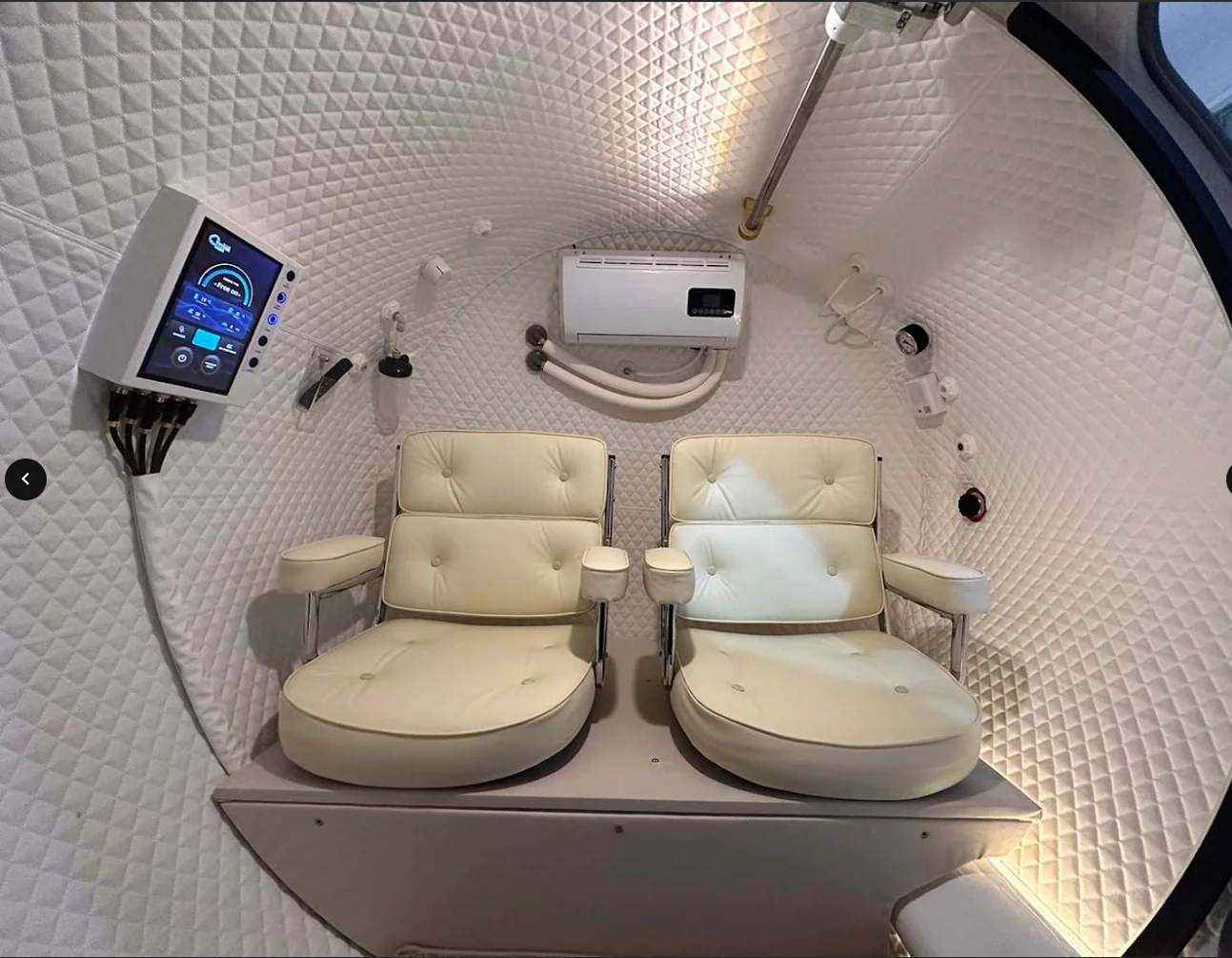
Where to try: In Dubai, The Brain & Performance Centre in Jumeirah Lakes Towers – a DP World company , one of the world’s largest hyperbaric centres and the region’s first UHMS-accredited hyperbaric centre – offers medical-grade chambers and a structured 12-week programme. For a gentler introduction, the Longevity Stay at Atlantis The Royal with AEON Clinic combines hyperbaric sessions with red light therapy and an IV drip.
-
The Blood Reset: Therapeutic Plasma Exchange
Experiments in mice suggested that old blood carries factors that slow repair, and that diluting it can turn back some markers of age. Therapeutic plasma exchange applies this logic to humans: a machine draws blood, separates the plasma, discards it and returns the cells with a clean replacement fluid, usually albumin. Doctors have used the procedure for decades to treat conditions such as Guillain-Barré syndrome. Now it has moved into longevity clinics – and onto Instagram, where Orlando Bloom posted his session at a London clinic in 2025.
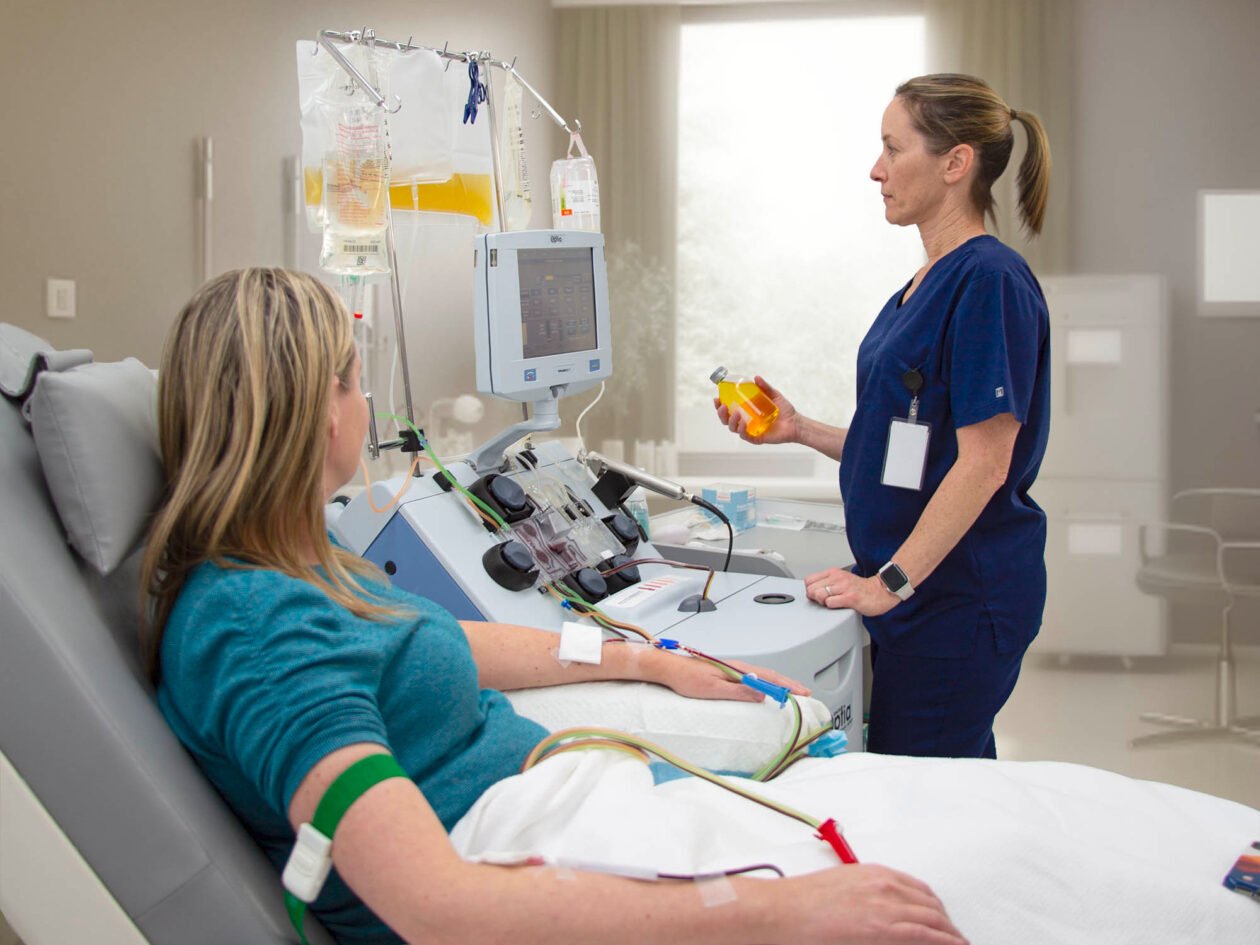
The most ambitious player is Circulate Health, a Seattle company backed by Khosla Ventures and built on work by Eric Verdin of the Buck Institute for Research on Aging. Its trial with the Buck Institute tested the procedure on 42 healthy people with an average age in their sixties, and the company reports a reduction in biological age of more than two years. In May 2026 it added a striking headline: among patients with high levels of microplastics, plasma exchange lowered the average count from 52.2 to 21.1 particles per 100 microlitres. Treatments cost between $5,000 and $15,000, and independent researchers continue to call for larger studies. Still, the image of rinsing a lifetime of plastic out of the bloodstream is hard to forget.
Where to try: Circulate Health works through a network of around 35 partner clinics across the United States, with Aventura, Aspen and Salt Lake City next. In London, Reborne on Harley Street now offers Circulate’s protocols. In the Bay Area, Dr Dobri Kiprov’s Global Apheresis in Mill Valley remains the pioneer.
-
The Body, Mapped: Whole-Body Scanners
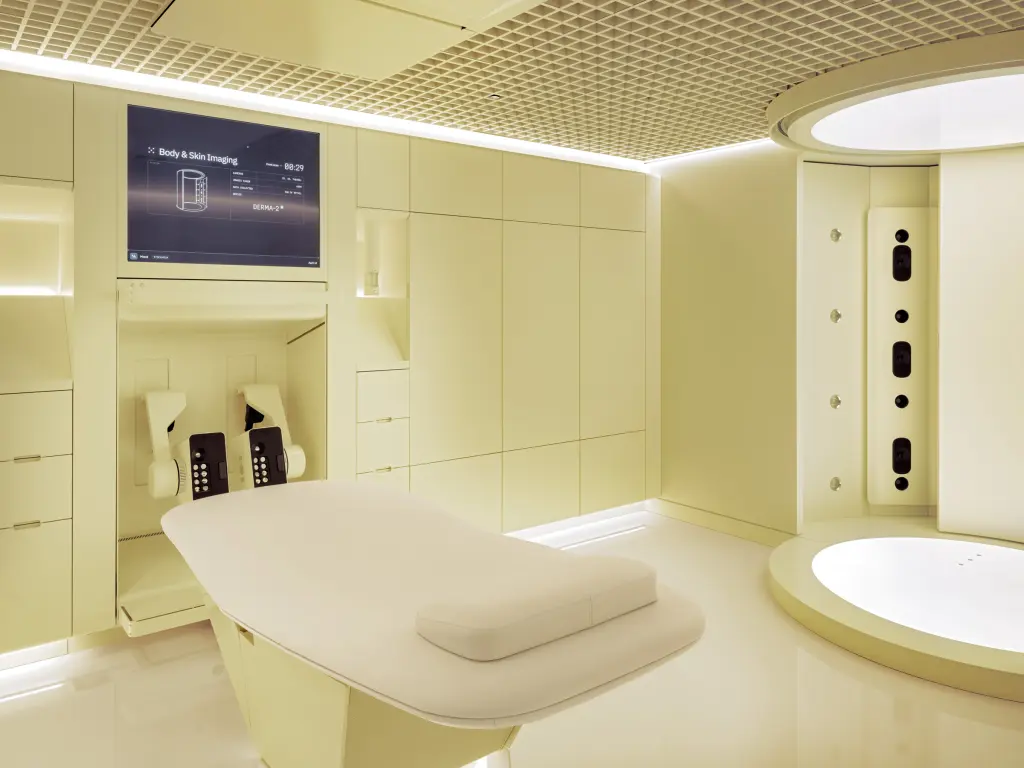
If the old longevity began with a walk in the mountains, the new one begins with a scan. Two companies are competing to become the annual check-up of the future, and they approach it from opposite directions. Neko Health, co-founded by Spotify’s Daniel Ek, uses sensors, cameras and on-site bloodwork in place of radiology. In about an hour it records an ECG, arterial measurements, body composition and more than 6,000 high-resolution images of the skin, and the results arrive before you leave. The model has proved irresistible to investors: a $700 million Series C in July 2026 valued the company at close to $7 billion.
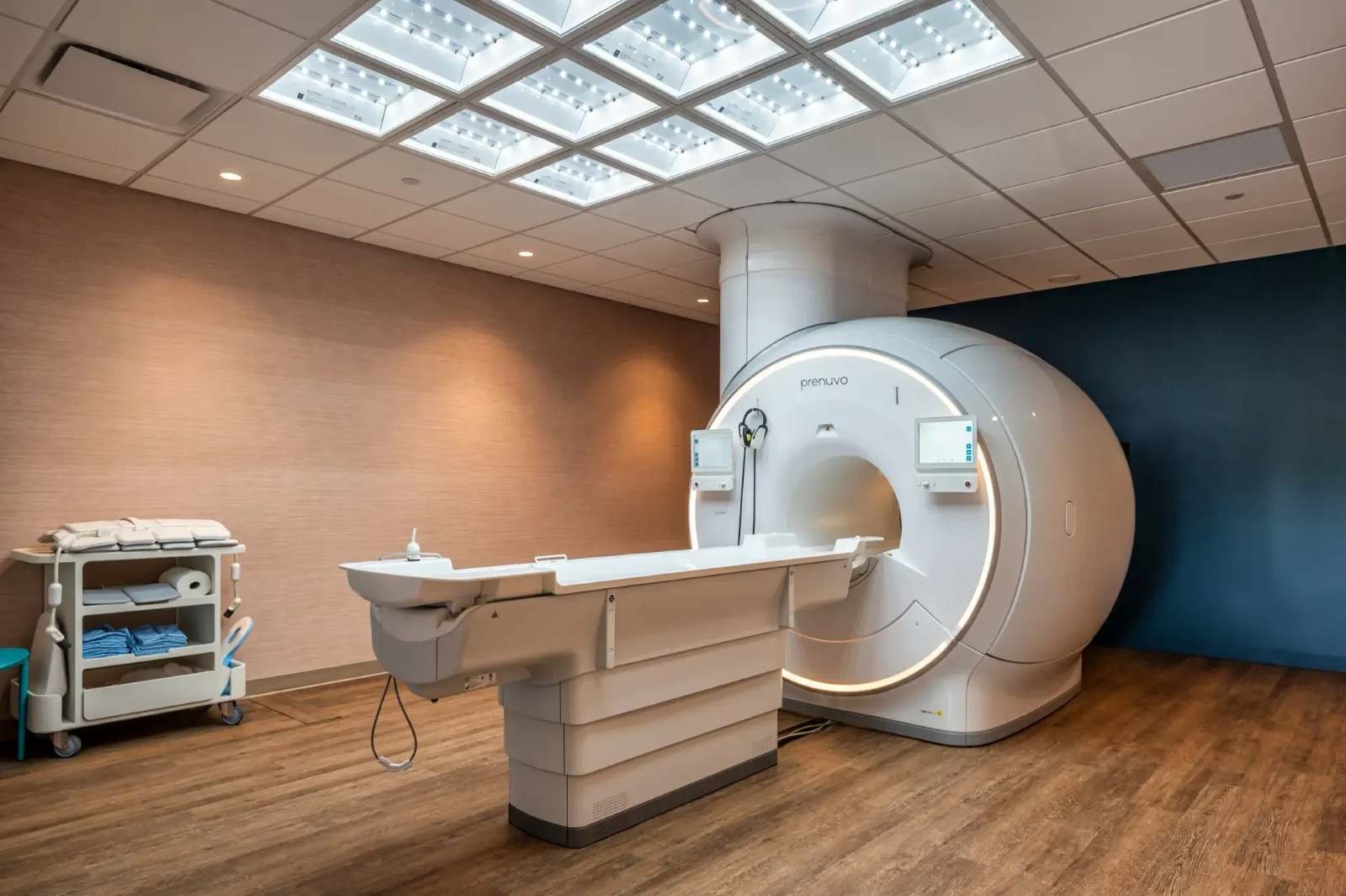
Prenuvo takes the heavier route – a whole-body MRI lasting around 50 to 60 minutes, without radiation or contrast dye. The scan examines major organs, the brain and spine, looking for structural abnormalities that might otherwise go unnoticed. At $2,499, it costs considerably more than Neko’s $499 New York scan and has attracted celebrities seeking a detailed baseline of their health. Yet preventive scanning comes with a dilemma: finding more abnormalities does not always mean better outcomes. Incidental findings can lead to unnecessary tests, anxiety and expense, while evidence that routine whole-body MRI screening extends life remains limited. Still, the appeal is obvious. If technology can map the body before symptoms appear, how much would you pay to know what lies beneath the surface?
Critics of both models point to the risk of false positives and anxious follow-up tests. Supporters reply that a yearly map of the body is the most rational investment of all. The answer may simply depend on how much you want to know.
Where to try: Neko Health in Stockholm, London, Manchester, Birmingham and, since September, New York at $499 per scan, with a second Manhattan clinic at Brookfield Place due in January and Miami by the end of the year. Prenuvo runs more than 20 clinics across North America plus one in London, with memberships from $1,199 a year, and is currently recruiting a medical director for its Dubai operations.
-
Altitude Without the Mountain: Intermittent Hypoxia-Hyperoxia Therapy
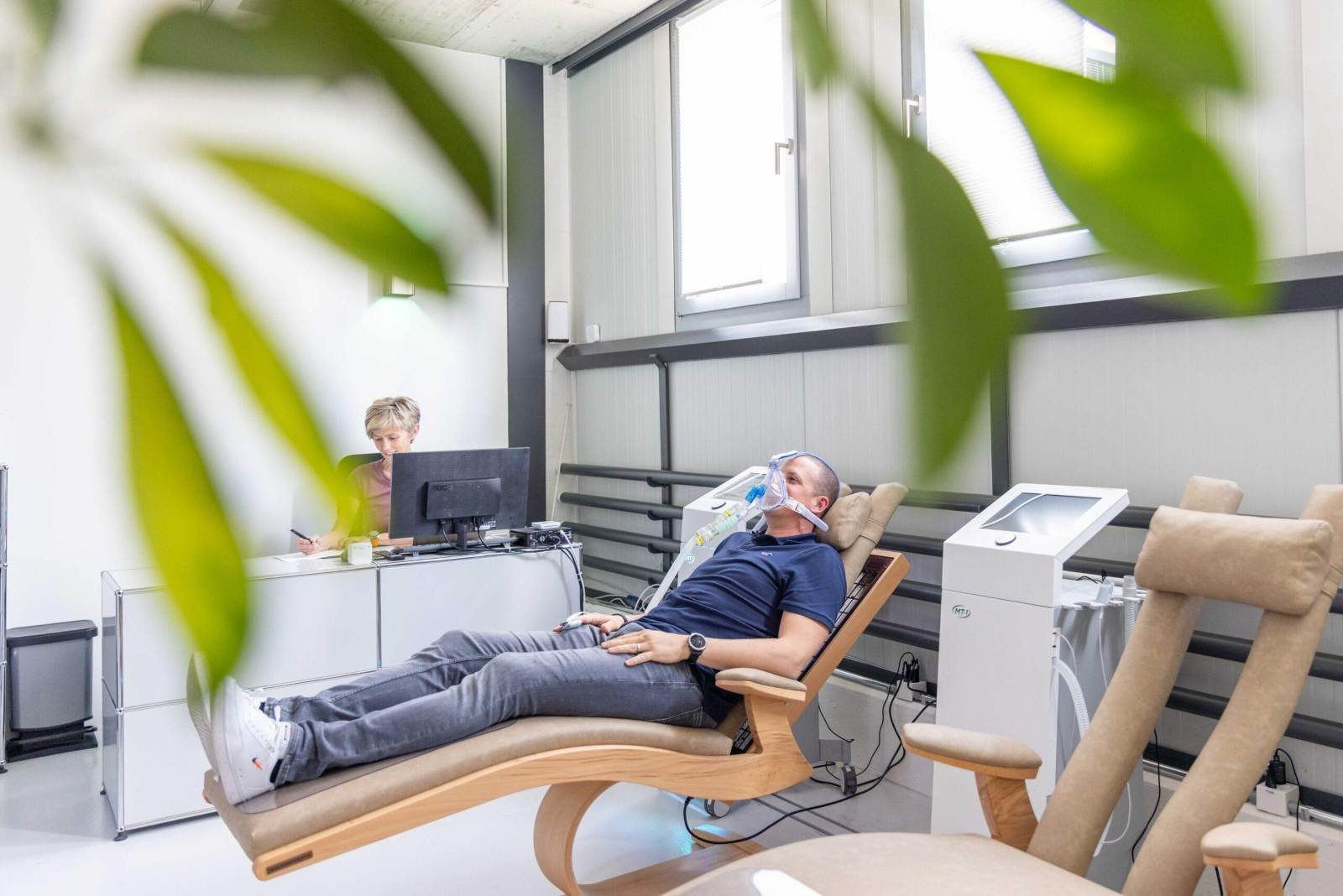
Here the old and the new longevity meet. Mountain dwellers have always been admired for their stamina, and scientists have long linked moderate exposure to thin air with healthier mitochondria. Intermittent hypoxia-hyperoxia therapy, or IHHT, brings the summit to a reclining chair. Through a mask, the patient breathes air with as little as 9 to 15 per cent oxygen for a few minutes, then switches to an oxygen-rich mix of 30 to 35 per cent, and repeats the cycle for around 40 minutes. Its makers describe it as interval training for your cells: the brief oxygen shortage stimulates the body’s adaptive systems, while the oxygen-rich phase speeds recovery.
The evidence is modest yet growing. A 2023 review in Metabolites gathered clinical studies showing improvements in exercise tolerance, cholesterol, inflammation markers and cognitive scores in older and cardiac patients. A systematic review in Frontiers in Aging Neuroscience found encouraging effects on markers of ageing, while noting that direct proof of a longer human life is still missing. What makes IHHT compelling is its gentleness. You sit, you breathe, you rest – and somewhere deep in your cells, a small mountain climb takes place.
Where to try: Lanserhof Sylt in Germany includes IHHT in its programmes, and the Alpentherme in Bad Hofgastein, Austria, offers it as “cellular training” packages. In the Gulf, ReOxy, a CE-certified IHHT system by AiMediq, was showcased at World Health Expo in Dubai in February 2026 – a sign it may soon reach local clinics.
-
A Virtual You: The Biological Twin
Engineers have relied on digital twins for decades – NASA used them to simulate spacecraft, carmakers to test vehicles before a single one was built. BioTwin, a company founded in Québec and now established in the UAE, applies the same idea to the human body. It begins with a finger-prick kit used at home. In the laboratory, high-resolution mass spectrometry reads more than 30,000 biomarker-derived metabolic signals from a single drop of blood, and AI combines them with lifestyle and wearable data into a virtual model of one person’s biology.
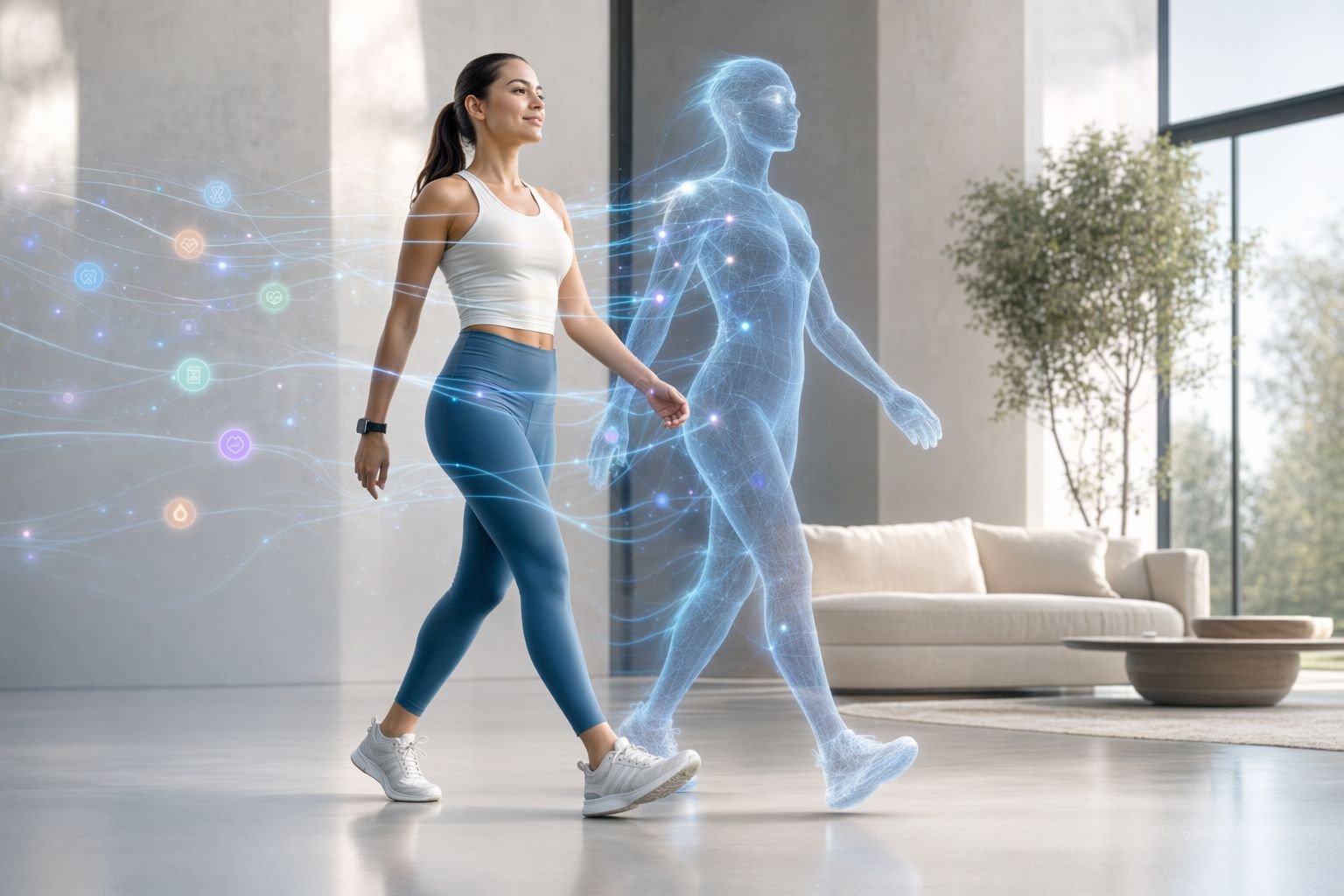
Each new sample is compared with your own previous ones, so your history becomes the baseline, and the model updates as the science behind it evolves. The aim is to reveal subtle shifts in biology before a symptom appears. In 2026, Abu Dhabi Biobank signed a partnership to deploy the technology across the emirate, starting with early cancer detection. For a region investing heavily in preventive health, a blood test that learns over time is an idea with obvious appeal.
Where to try: BioTwin’s consumer app, TwinMe, offers at-home Bio-Signature kits and personalised programmes. In the UAE, the technology will reach patients through Abu Dhabi Biobank. Read our interview with BioTwin founder Louis-Philippe Noël here.
-
Light Through the Skull: Brain Photobiomodulation Helmets
Red light has already conquered skincare. Its next frontier is the brain. Transcranial photobiomodulation uses near-infrared light, typically at wavelengths between 810 and 1,068 nanometres, to stimulate biological processes beneath the skull. Researchers believe it may influence mitochondrial activity, cerebral blood flow and cellular energy production. The devices look like something an astronaut might wear. Canada’s Vielight makes headsets combining transcranial and intranasal light, with alpha (10 Hz) and gamma (40 Hz) protocols designed to target different brain functions. Its emerging AI platform aims to add EEG-based analysis, bringing another layer of technology to an already futuristic treatment.
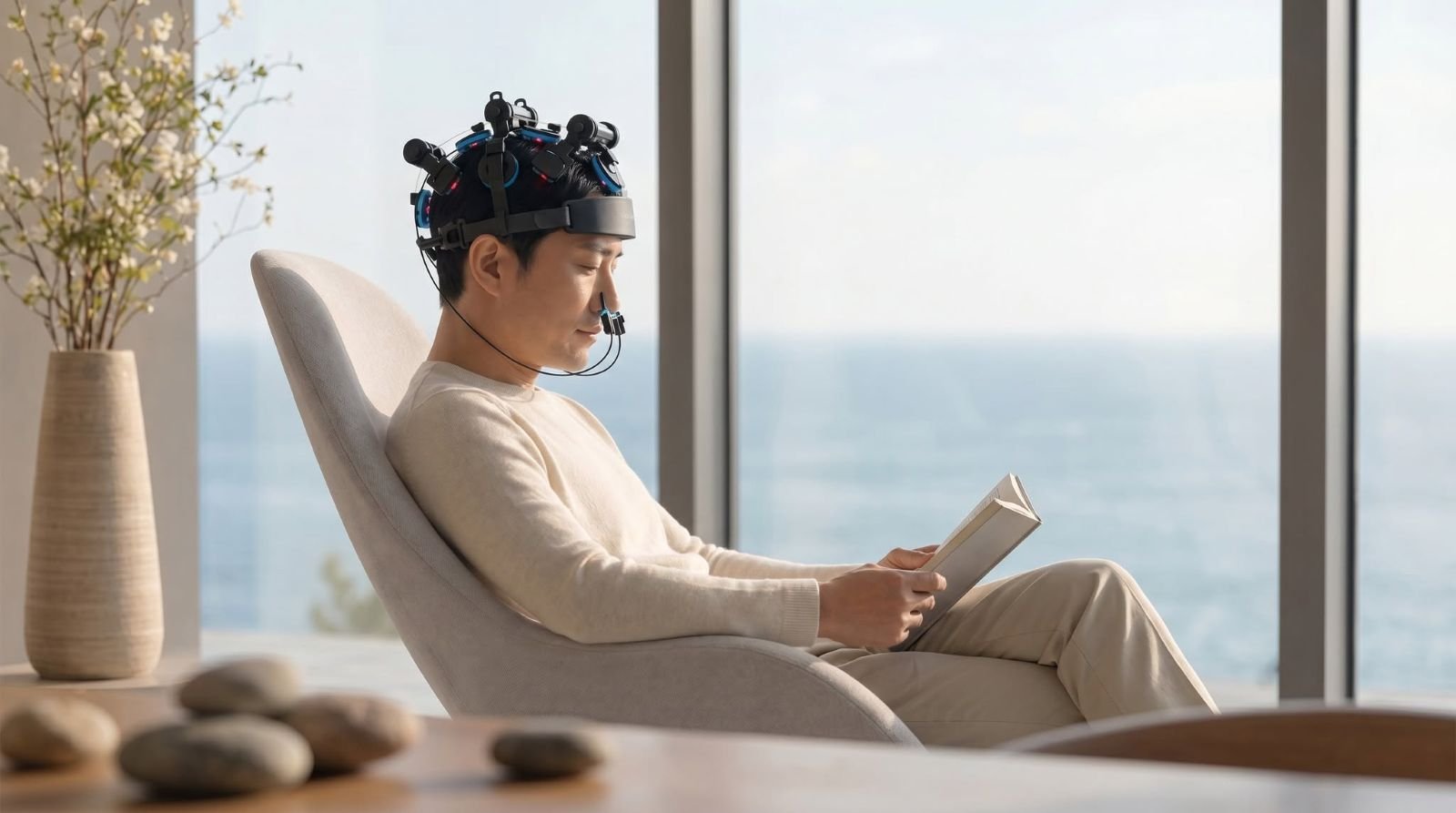
In a 2021 study involving Durham University researchers, 14 adults aged 45 and over used an infrared helmet for six minutes twice daily over four weeks, showing improvements in memory, motor function and processing speed compared with a placebo group. A larger 2025 meta-analysis of 24 randomized trials involving 820 participants also found benefits for certain cognitive functions, particularly among people with cognitive impairment. Yet important questions remain about optimal wavelengths, dosages and long-term outcomes. Whether shining light through the skull can protect the ageing brain over decades is still unknown. For a generation already tracking every heartbeat on a wrist, a helmet promising a clearer mind is an intriguing next step.
Where to try: The technology is now available for home use. The MitoMIND helmet, with 256 near-infrared LEDs at 810 nm, costs around $2,200. Canada’s Vielight offers a range of headsets with an intranasal applicator, from single-mode Alpha and Gamma models to the dual-mode Neuro Duo at $2,399.
-
Japan’s Cellular Rulebook: Regulated Stem Cell Therapy
Japan has given the world some of its longest-lived people, the concept of ikigai and one of the most distinctive regulatory frameworks for regenerative medicine. Since 2014, its Act on the Safety of Regenerative Medicine has required clinics offering cell therapies to submit treatment plans for review and comply with specific safety standards. The system has helped turn Tokyo and Osaka into destinations for international patients seeking experimental regenerative treatments. In March 2026, Japan reached another milestone, granting conditional approval to two therapies derived from induced pluripotent stem cells, targeting Parkinson’s disease and heart failure. Yet the commercial longevity market operates in a different category, where regulatory oversight does not necessarily mean proven clinical efficacy.
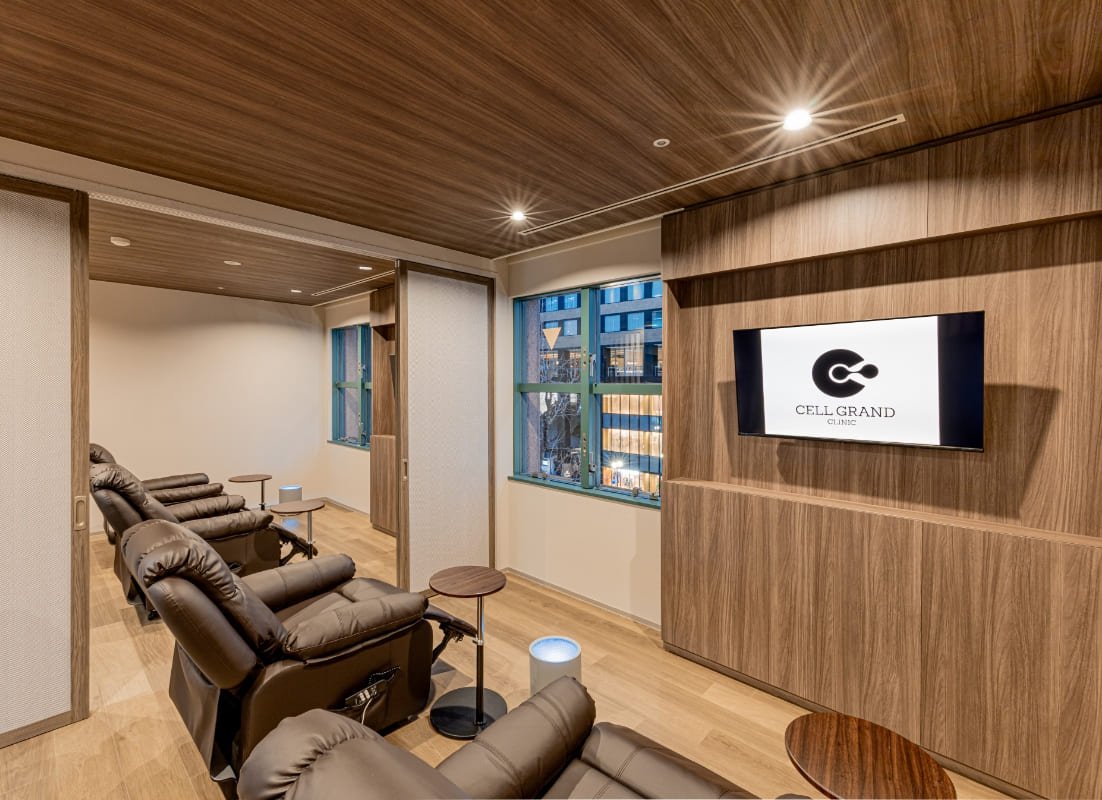
Many longevity programmes use mesenchymal stem cells harvested from a patient’s own fat tissue, expanded in a laboratory and later administered by infusion or injection. At Cell Grand Clinic in Osaka, treatments begin at approximately $19,800 and require two visits separated by around seven weeks of cell cultivation. Clinics promote these procedures for tissue repair, inflammation and healthy ageing, although convincing evidence that such treatments extend human healthspan is still lacking.
Where to try: Cell Grand Clinic in Osaka offers autologous stem cell therapy under treatment plans notified to Japan’s Ministry of Health, Labour and Welfare. HELENE Stem Cell Clinic in Tokyo also markets regenerative treatments to international patients.
-
Rewriting the Code: Gene Therapy in Próspera
The final stop is the most provocative. On Roatán, a Caribbean island off Honduras, lies Próspera – a startup city where biotech companies are pushing the boundaries of human enhancement. One of them is Minicircle, which offers an investigational follistatin gene therapy designed to increase the body’s production of a protein associated with muscle growth and tissue regulation. Unlike conventional gene editing, the treatment uses DNA plasmids to deliver temporary genetic instructions without altering human chromosomes. The reported price is around $25,000. Its most famous recipient is Bryan Johnson, who travelled to the island in 2023 and later shared his experience with millions of followers.
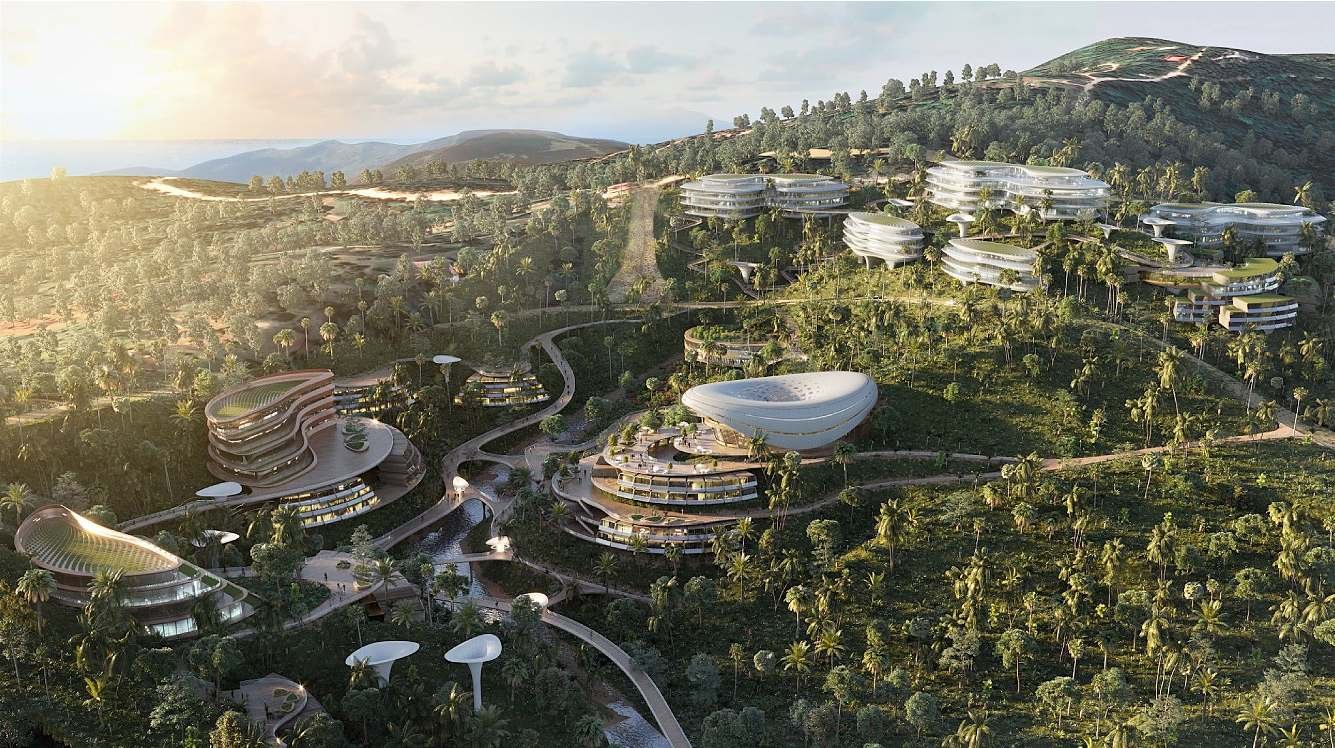
The ambitions extend beyond muscle enhancement. Minicircle has completed an early-stage pilot study combining follistatin with klotho, a protein associated with ageing and cellular function. Another company, Unlimited Bio, is developing experimental therapies targeting muscle mass, circulation and other age-related functions. Yet the scientific evidence remains preliminary: rigorous published human data demonstrating longer life or meaningful rejuvenation are still missing. Próspera itself faces legal uncertainty following a Honduran Supreme Court ruling against the special economic zone framework. It is still a striking intersection of biotechnology, private capital and regulatory experimentation.
Where to try: Minicircle and Unlimited Bio both operate in Próspera, Roatán, through on-site clinics such as GARM. This is experimental medicine outside the oversight of the FDA or the European Medicines Agency, and every decision here deserves an independent medical opinion first.
The Price of Time
Eight treatments, eight promises. Some rest on decades of clinical use, others on a handful of mice and a charismatic founder. Together they tell a story larger than any single device: longevity has left the spa and entered the laboratory, and the laboratory now has a reception desk, a price list and a waiting room.
Hyperbaric chambers, once reserved for divers, now sit in Dubai towers. Plasma exchange, once a hospital procedure, has a booking page. Gene therapy, once science fiction, has an island. The old Swiss wisdom still holds – sleep, nature, movement, calm. The new machines simply add a question our grandparents could only dream of asking. How much time can we buy? The honest answer is still being written.
Share




WE RECOMMEND

Inside Dubai’s Longevity Scene
Dubai is building a new market around healthspan designed for life inside the city. To understand how this shift is playing out,…

Longevity Pods: What They Are and How Do They Work
Longevity pods turn at-home care into a calming immersive treatment: salt, red light, oxygen, sound, and scent combined into one guided session.

New Longevity Clinics to Watch Around the World
We selected five new retreats where longevity is approached through data, medicine, recovery and nature: from Kerala and the Mediterranean to the…
