




Buccellati
Dubai Design Week and Downtown Design Gather the Region’s Boldest Creative Minds
This year’s programme looks closely at how design and creativity shapes our relationships with one another and with the places we inhabit.
Dubai Design Week opened its 12th edition at Dubai Design District (d3) on 4 November, welcoming designers, architects and creative practitioners from more than 50 countries. Until Sunday 8 November, the district holds more than 40 installations, exhibitions, commissions and activations, along with more than 50 workshops, a programme of talks and a weekend marketplace. At its centre sits Downtown Design, the Middle East’s leading fair for contemporary design, with more than 300 brands and designers from over 35 countries.
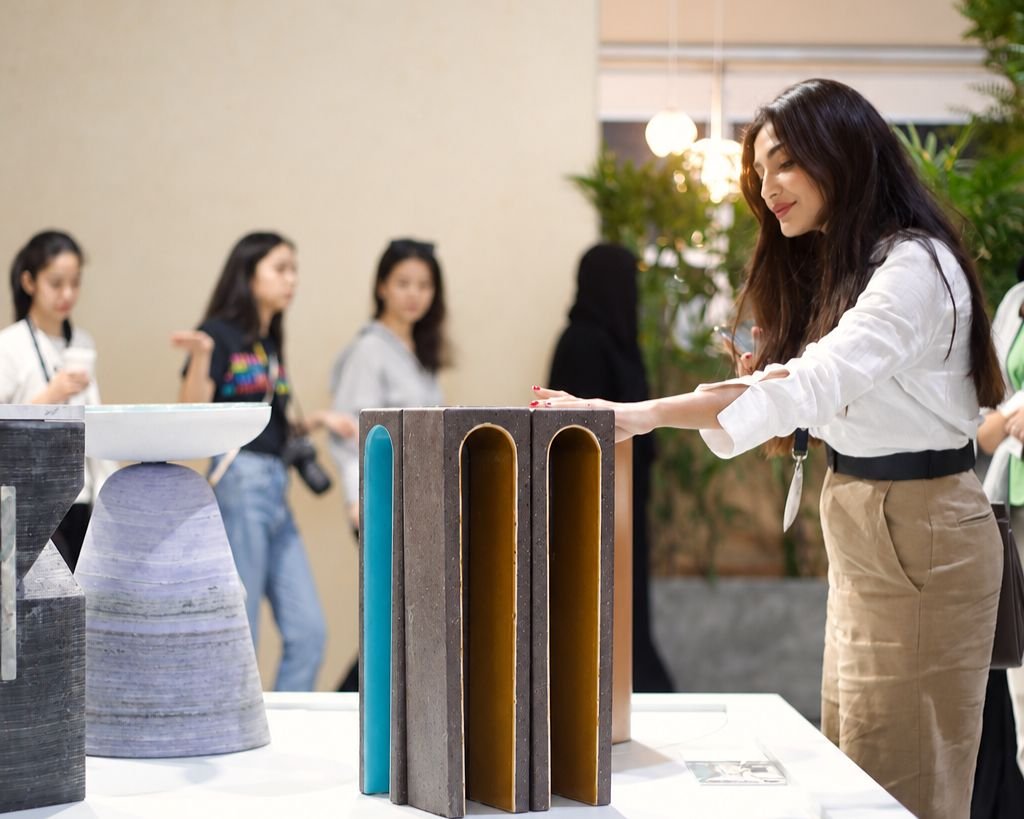
This year, the region’s creative community had every reason to pause. Instead, it arrived in full force
The festival is held under the patronage of Her Highness Sheikha Latifa bint Mohammed bin Rashid Al Maktoum, Chairperson of Dubai Culture & Arts Authority, in strategic partnership with d3, part of TECOM Group, and supported by Dubai Culture. Since its first edition, it has grown into the region’s main stage for design – a place where established international houses share space with emerging studios from the UAE, the Gulf and the wider region.
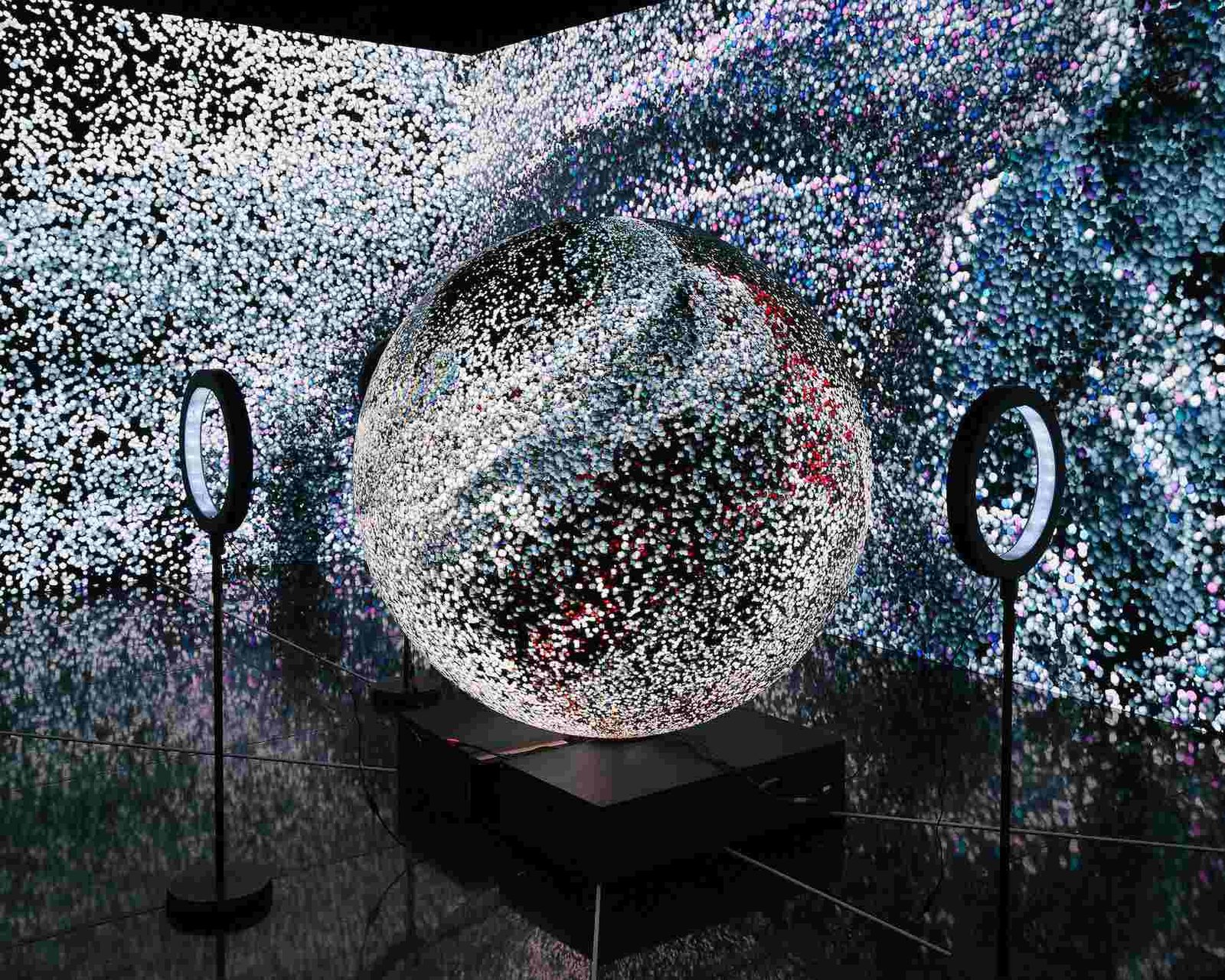
This year’s programme looks closely at how design shapes our relationships with one another and with the places we inhabit. Installations reimagine shared spaces, exhibitions trace how knowledge and cultural memory pass from one generation to the next, and commissions explore the bond between people, materials and their surroundings.
“We are seeing a design community that has grown considerably in both its ambition and the depth of its practice,” said Natasha Carella, Director of Dubai Design Week. “What is particularly interesting about this year’s programme is the attention given to the processes and knowledge behind design, whether through the reinterpretation of traditional craft, new approaches to public space or the exploration of emerging technologies.”
Khadija Al Bastaki, Senior Vice President of d3, described design as a force that “has the power to shape how we live, connect and experience the world”. Shaima Rashed Al Suwaidi, CEO of the Arts, Design and Literature Sector at Dubai Culture, linked the festival to the city’s status as a UNESCO City of Design: “Dubai’s designation reflects the value we place on design as a source of innovation and a means of enriching everyday life.”
Downtown Design: 300 brands from 35 countries
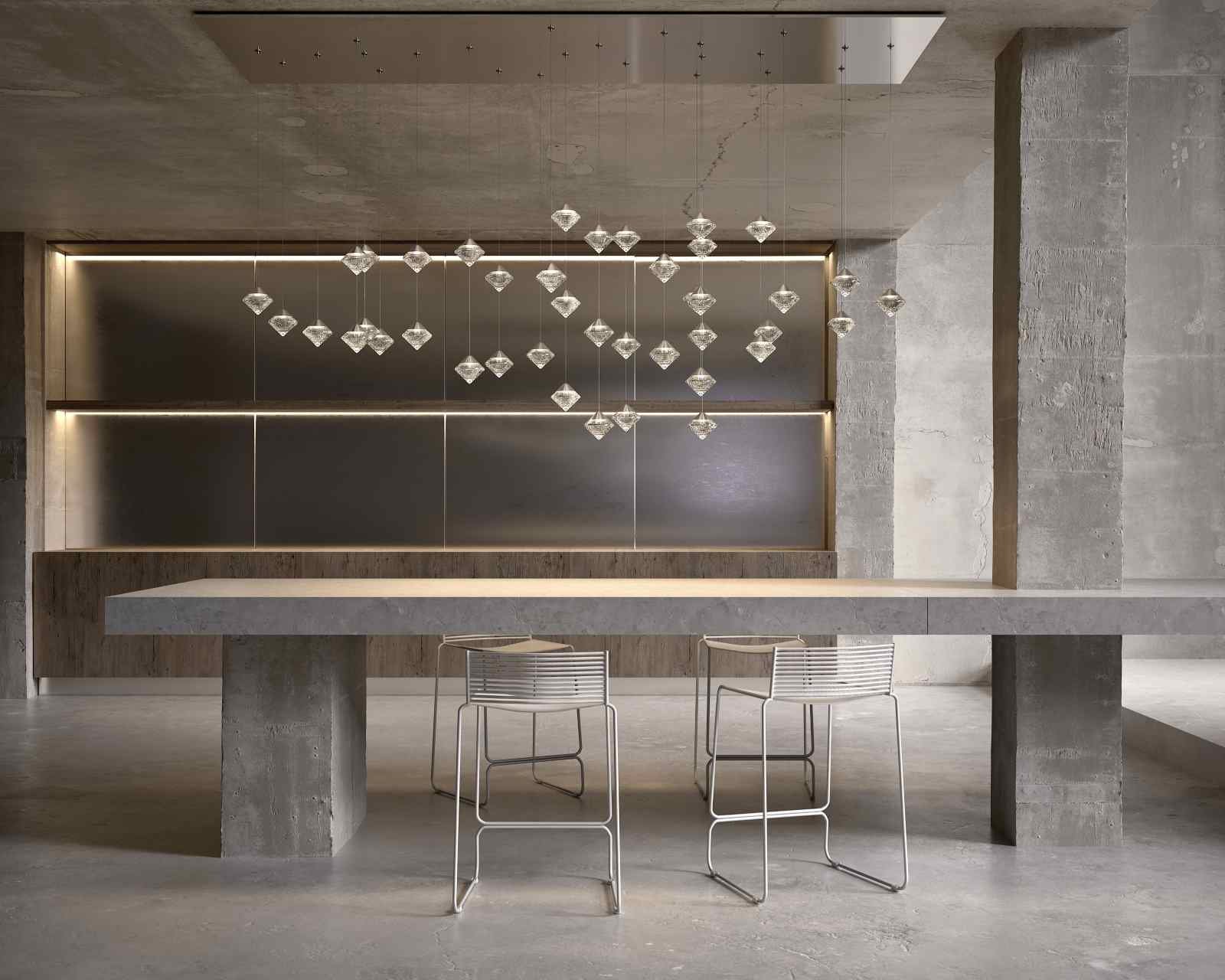
Downtown Design, the anchor event of the week, presents new collections from international design houses alongside regional studios and emerging practices. The line-up includes Gaggenau, Kohler, Venini, Ethimo, Lasvit, LAUFEN x Kartell, Preciosa Lighting, Duni Lighting Solutions, La Chance, Maison Pouenat, Porada and Flaer. Large multi-brand presentations come from HMA Living by Alshamsi, Caspaiou, the Italian Trade Agency, Iconic Home and IF HUB.
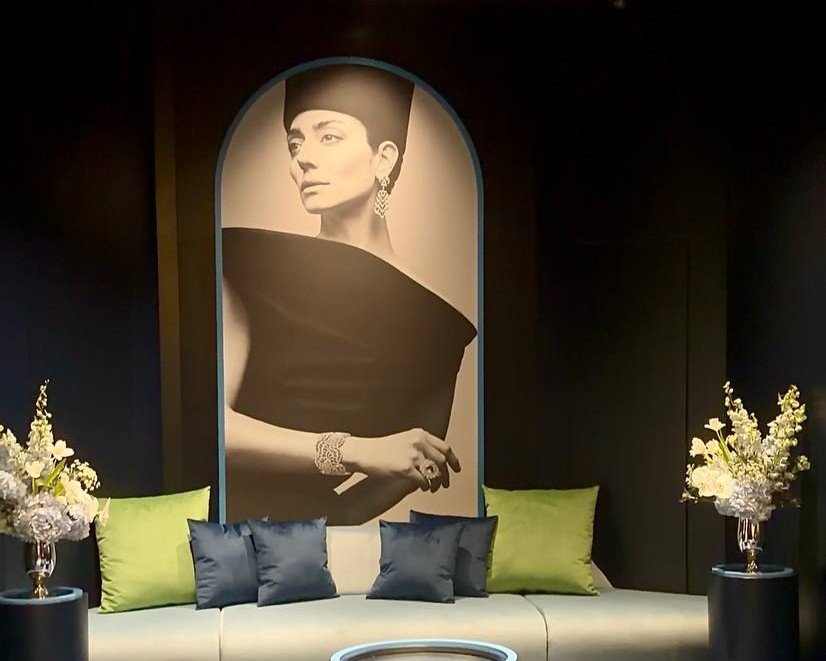
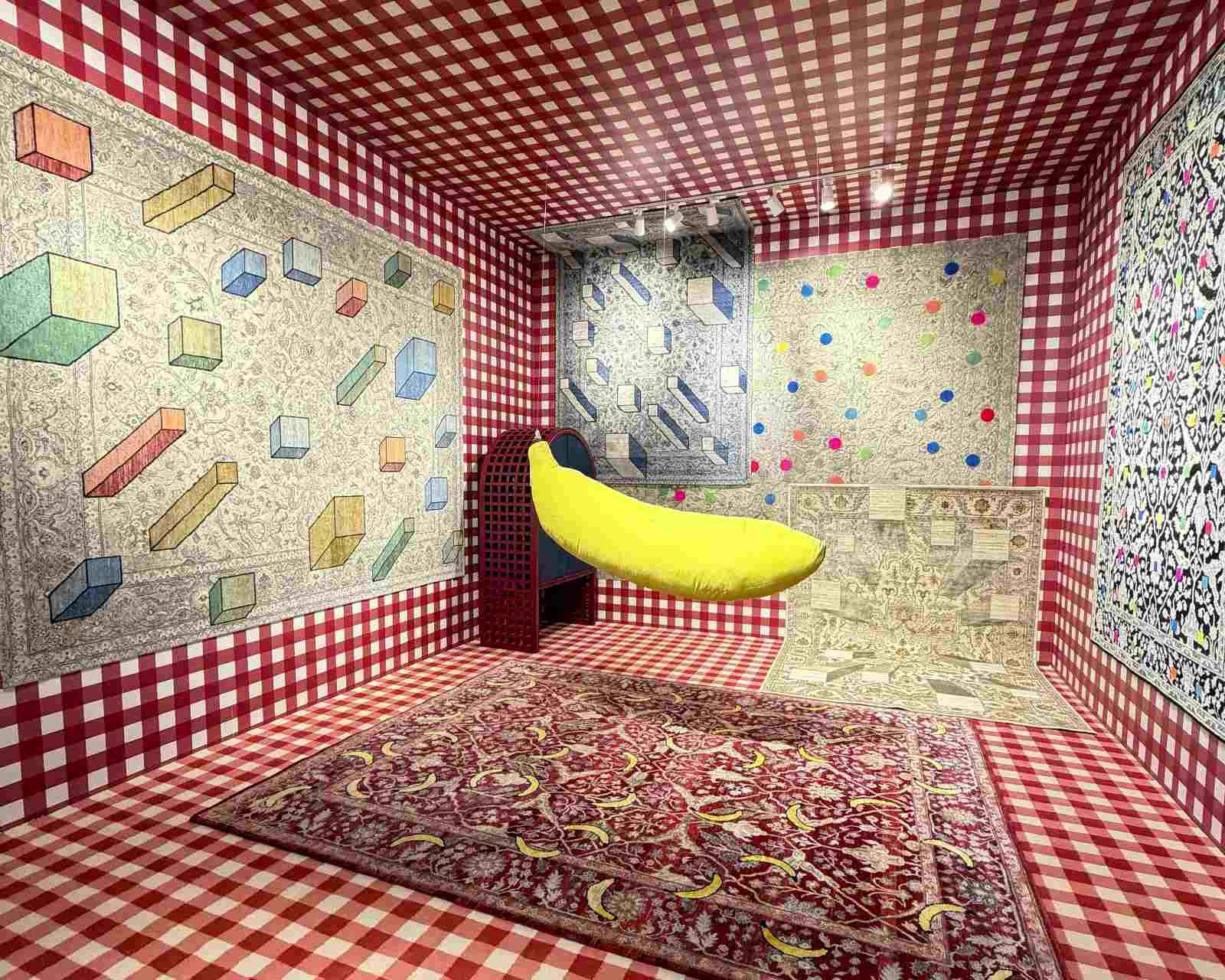
Several presentations stand out. HMA Living devotes an entire exhibition to Memphis Milano, with iconic works by Ettore Sottsass and other defining pieces of the movement that brought colour, graphic pattern and play back into 1980s design. Italian maison Buccellati presents Aquae Mirabiles, conceived with British artist and designer Luke Edward Hall and inspired by the mythology of water. Her Highness Sheikha Bodour bint Sultan Al Qasimi brings the ancient landscapes of Sharjah to the fair with Whispers of the Desert, her collection with Jaipur Rugs. Inspired by Mleiha and Faya, where human history reaches back some 125,000 years, six handcrafted rugs turn dunes, mountain ridges, oases and old forts into texture and colour – a living archive of the emirate, woven by hand.
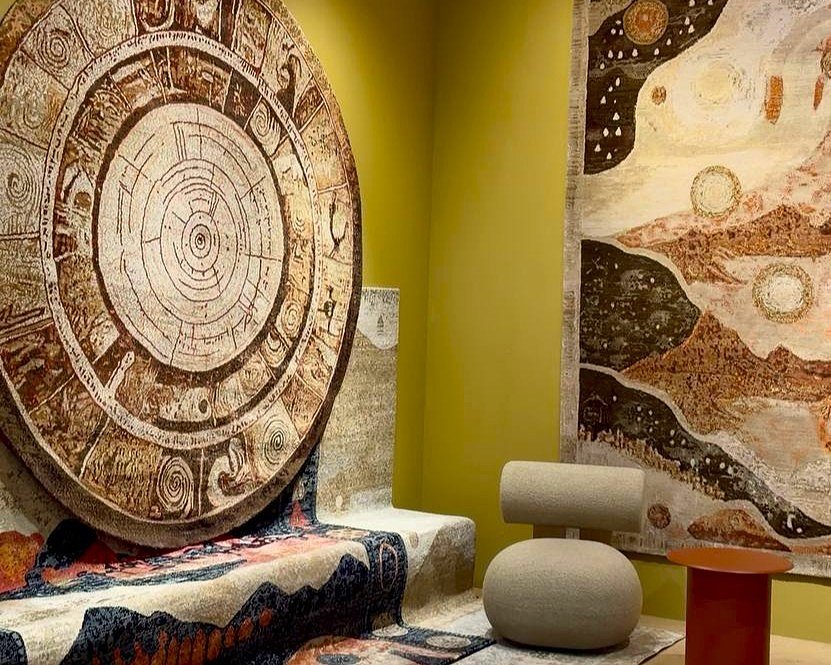
Tashkeel’s Tanween Design Programme shows work by emerging UAE-based designers; the Athath Fellowship by MAKE in Abu Dhabi presents furniture prototypes by its 2026 cohort; and Sharjah’s 1971-Design Space collaborates with SILA Collective. Iwan Maktabi, the family house known for rare carpets and collectible design, presents new pieces by Nadine Kanso and Omar Al Gurg, drawing on Arabic calligraphy, cultural symbolism and memories of the traditional majlis. Studio Obliq, Slō Ceramics and Contemporary Spaces – a new Dubai furniture studio founded by siblings Alya, Maitha and Obaid Al Suwaidi – complete the picture.
L’ÉCOLE Middle East: a gold necklace from the Iron Age
One of the most fascinating exhibitions of the week belongs to L’ÉCOLE Middle East, School of Jewelry Arts, supported by Van Cleef & Arpels. Recreating Gesture: Crafting a Gold Necklace from the Iron Age opens on 5 November and invites visitors into a rare field where archaeology meets the goldsmith’s bench.
At the heart of the story is a Celtic gold torque – the rigid neck ring worn by the elite of ancient Gaul – discovered in 1843 in Montans, in south-western France, and dated to the Second Iron Age (around 450–25 BCE). How was such an object made, two thousand years before modern tools? To answer that question, archaeologist Barbara Armbruster of the French National Centre for Scientific Research (CNRS) initiated a project of experimental archaeology with the Musée d’Archéologie Nationale, the Centre Archéologique de Montans, L’ÉCOLE and Van Cleef & Arpels.
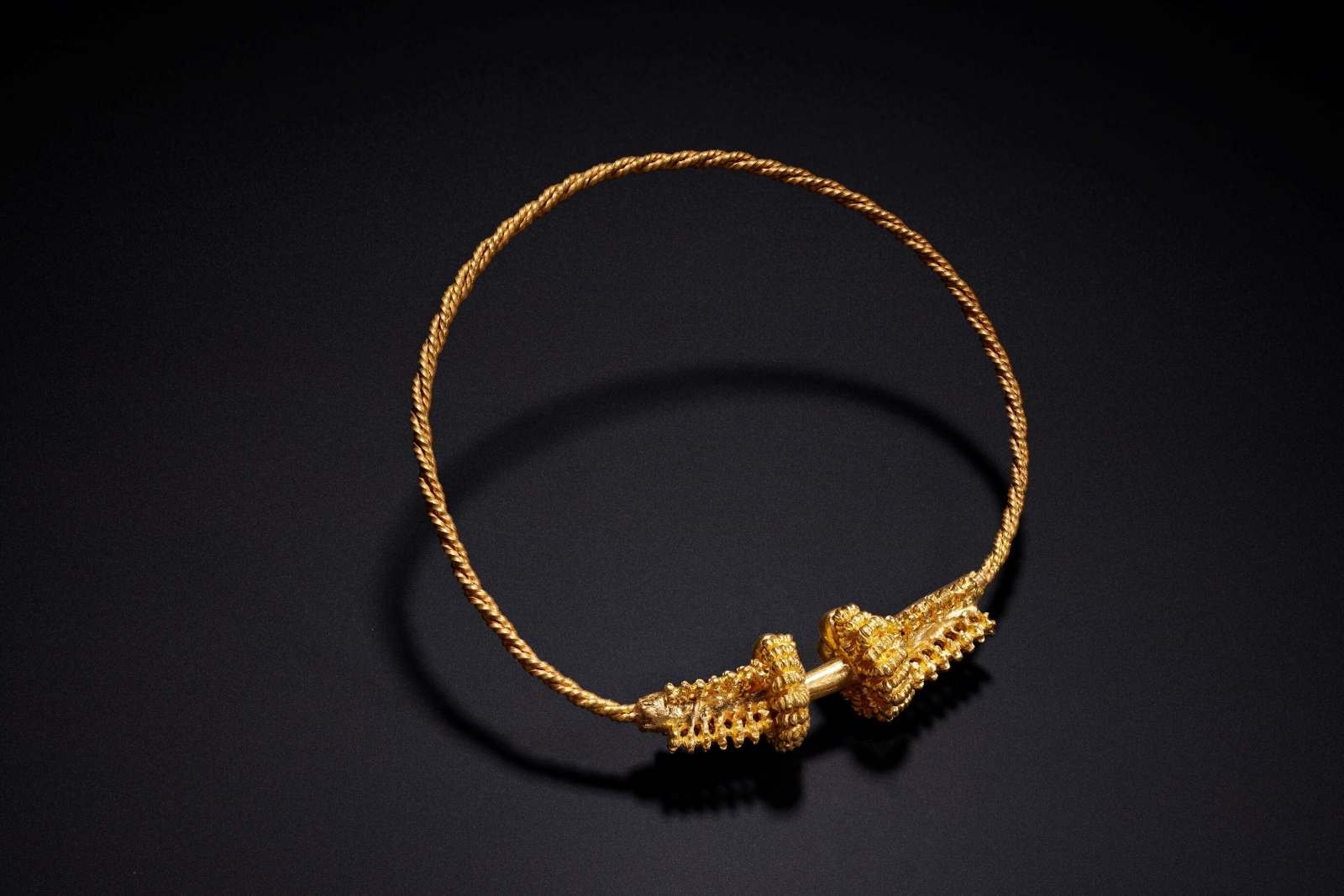
Archaeologists, researchers and goldsmiths worked together, step by step, to rediscover the lost techniques of Celtic craftsmen. They made trial pieces in silver and gold, carved boxwood forms, used period-style tools and chased the metal by hand on a pitch pot – the repoussé technique, in which a pattern is pushed out from the reverse of the sheet. The result is a faithful replica of the torque in 24-carat gold, together with the tools, studies and films that document every gesture of its making.
After presentations in Paris, Seoul and Shanghai, the project arrives in Dubai. Its title says it all: the true subject is the gesture itself – the movement of a hand that once shaped gold in a Celtic workshop and now, through patient research, lives again at a jeweller’s bench. In a festival so attentive to inherited ways of making, it is a fitting journey to the very roots of the craft.
L’ÉCOLE, School of Jewelry Arts was founded in Paris in 2012 with the support of Van Cleef & Arpels to share jewellery culture with a wide audience. Today it has campuses in Paris, Hong Kong and Shanghai, and since late 2023 a permanent home in the Middle East – in Building 10 at d3, just steps from the festival grounds. The Dubai campus hosts exhibitions, talks, courses and workshops on the art history of jewellery, gemstones and savoir-faire, for adults and children alike.
Abwab: In Other Words
Abwab, Dubai Design Week’s long-running commissioning programme, takes a new form this year. Since 2015 it has supported more than 180 designers from West, South, Southeast and East Asia and the African continent, each year in individual pavilions. For 2026, the five commissions come together for the first time in a single curated indoor exhibition, In Other Words, which explores language as something designed, inhabited and translated.
Dalia Rafeh’s Shhhhhhhh turns the Arabic letter ش – the familiar call for quiet – into a seven-metre installation of red light. Grace Shieh’s A Library of Paper Memories treats handmade paper as a carrier of memory and meaning. VARUSSI, the Dubai practice of Owais Asif Khan and Samreen Junaid Wani, presents Taleem, an architectural space visitors can enter, built from the coded notation once used between designer and weaver in Kashmiri carpet and Kani shawl making. Kanaka Raghavan’s Cheent Devanagari rebuilds letterforms in layered translucent textiles inspired by block printing, and UBIK’s Non/Sense follows fragments of text as they dissolve into pattern through translation and mistranslation.
The exhibition is free, with three curator-led walkthroughs during the week alongside Alexie Glass-Kantor, Caoimhe CJ Reynolds and the participating practitioners.
Urban Commissions: a garden to pause in
The 2026 Urban Commissions winner may be the calmest corner of the festival. Responding to the theme Atmospheres – how a place is felt before it is understood – Three Gardens and a Room by NAO Architects, the Dubai practice founded by Reem Nassour in 2023, reimagines the garden as a sequence of connected spaces built around four architectural conditions: the roof, the mound, the hearth and the enclosure.
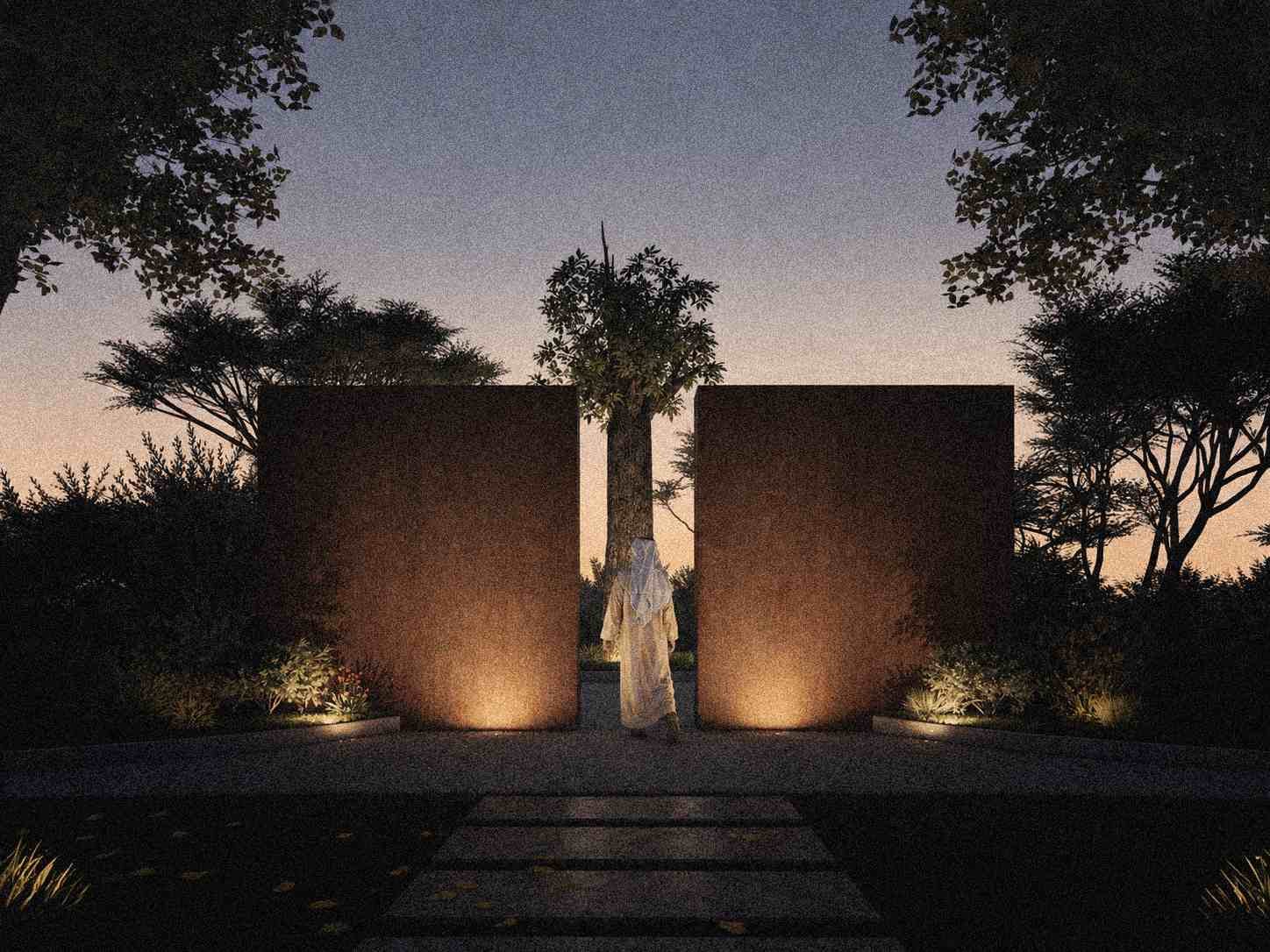
Three gardens of foliage, colour, shade, thermal comfort and filtered light surround a shared room in between, a place to gather, pause and observe. In a city where shade shapes daily life, it is a quietly persuasive proposal for public space. The winning design was chosen by a jury including Dr Ahmed Al Mulla and Fatma Al Khayat of ARKAT, Dominique Petit-Frère of Limbo Museum, Manijeh Verghese of Open City and curator Vanessa Norwood, with landscaping by Green Trends.
UAE Designer Exhibition: Inherited Futures
Supported by Dubai Culture, the UAE Designer Exhibition presents 30 UAE-based creatives under the theme Inherited Futures, conceived by architect and designer AlZaina Lootah. The show looks at the materials, rituals, industries and ways of making that have shaped design in the Emirates, and at how a new generation reads them today. Furniture, lighting, textiles and objects draw on agricultural waste, locally sourced clay and reclaimed wood, on Arabic calligraphy, traditional dressmaking and the majlis as a place of gathering and exchange.
Installations across d3
More than 25 installations turn d3 into an open-air gallery. Japan’s Nikken Sekkei returns with SOBOKUYA and CHATAI 2.0, a timber structure rooted in Japanese craftsmanship; US firm Arquitectonica presents Peek, Pivot, Play!, a playful take on shared public space; and Nordic Office Architects builds The Pleated Garden, a garden pavilion designed for occupation.
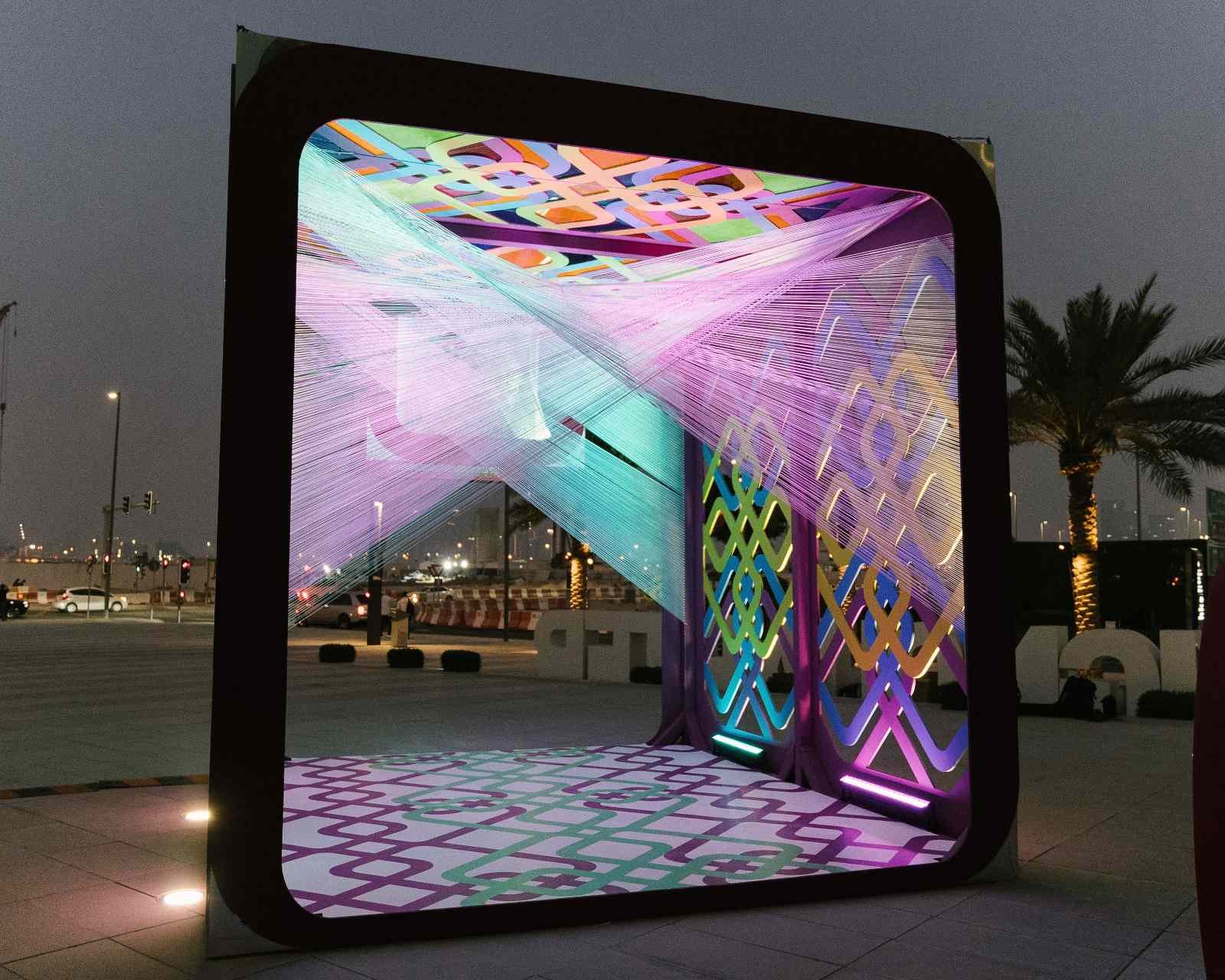
From the region, Kart Group reimagines the Ghaf tree as a space for sound and gathering in Resonance; ae studio’s In Between What Was and What Will Be turns reclaimed concrete rubble into a structure about resilience and memory; Bahrain’s Palm & Palazzo Design Studio explores privacy and hospitality in the traditional Bahraini home with BAYN; and Emirati architect Rasha Saffarini’s Taqleem gives discarded palm fronds a new life in contemporary construction. Alter’s Playing Field turns the game of ludo into a walk-in installation of handmade recycled cement tiles, and Everyday Artifacts by Noora Jabir and Moufida Mohideen, winners of The Christo and Jeanne-Claude Award 2026, takes the form of an ancient fishing hook.
Exhibitions and activations
Woods Bagot marks 25 years in the region with Worlds Ahead: 25 Years of Design, Place and Impact in the Middle East, which looks ahead to artificial intelligence, robotics, sustainability and quality of life. FLTRD presents Borrowed from Earth, a ceramics exhibition with a working studio where visitors can try the clay themselves, and Al Jalila Cultural Centre for Children devotes its programme to ceramics and creative education. The Dubai Institute of Design and Innovation asks What remains human? through five themes – Feel, Remember, Choose, Connect and Care.
Among the activations, Meraas presents the Meraas Space, conceived by Duette Studio around d3’s new waterfront residential masterplan. BMW Middle East collaborates with couturier Rami Al Ali on Form in Motion; Jazeera Paints works with Saudi architect Sumayya Dabbagh on an immersive study of colour and materiality; and Pinterest makes its festival debut with Inspiring Perspectives by Dubai artist Kav. Ethr’s The Desert Dweller offers a contemporary reading of Bedouin hospitality centred on the ritual of Arabic coffee, while MANDOOS ALWULFA revisits the traditional Emirati chest.
This year, the region’s creative community had every reason to pause. Instead, it arrived in full force. Designers, architects, artisans and thinkers from more than 50 countries gathered at d3 to share ideas, materials and stories – from the coded language of Kashmiri weavers to the gesture of a Celtic goldsmith, from the desert ridges of Sharjah to a garden built for shade.
Walking through the district, one feels a quiet certainty: design endures. It outlives empires, crosses borders and speaks a language everyone understands. A rug woven by hand, a letter turned into light, a room of leaves and filtered sun – each is a reminder that creativity remains one of the strongest forces we share. For one week in November, Dubai offers the proof.
Share


WE RECOMMEND
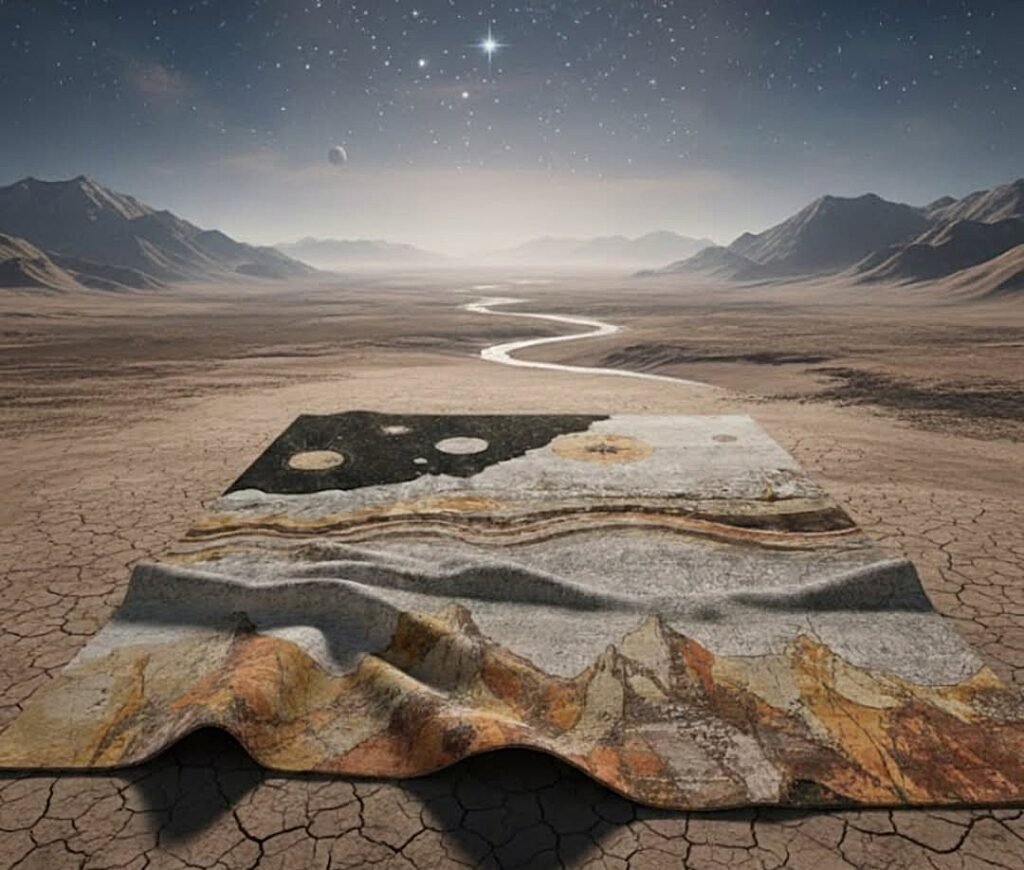
HH Sheikha Bodour Al Qasimi and Jaipur Rugs unveiled a collection of artisan carpets
Inspired by the ancient landscapes of Mleiha and Faya, Whispers of the Desert collection translates desert beauty time into contemporary woven art.
Frieze Abu Dhabi 2026: A New Chapter on Saadiyat Island
From 19 to 22 November, the world’s best-known contemporary art fair opens its first Gulf edition on Saadiyat Island – 89 exhibitors…
The Body as Space. What Milan Design Week 2026 Tells Us About the Future of Wellbeing
A metaphor for all of Milan in April 2026: design moved beyond objects – into sensations. Everything was created around one question:…
