



AlUla Unveils Manara, A New Destination for Astrotourism
AlUla is set to become one of the world’s leading astrotourism destinations with Manara, a new hub for stargazing and astronomy.
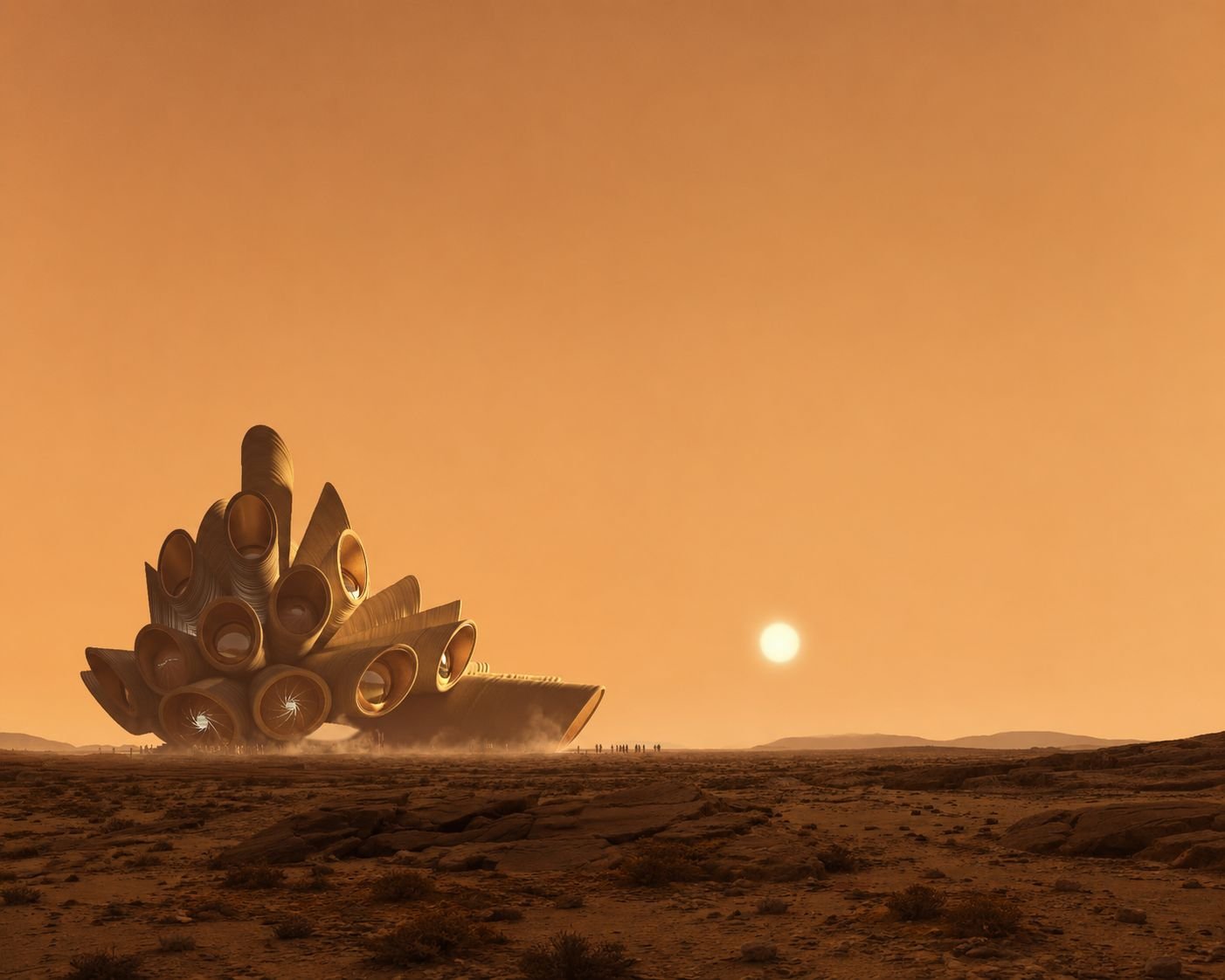
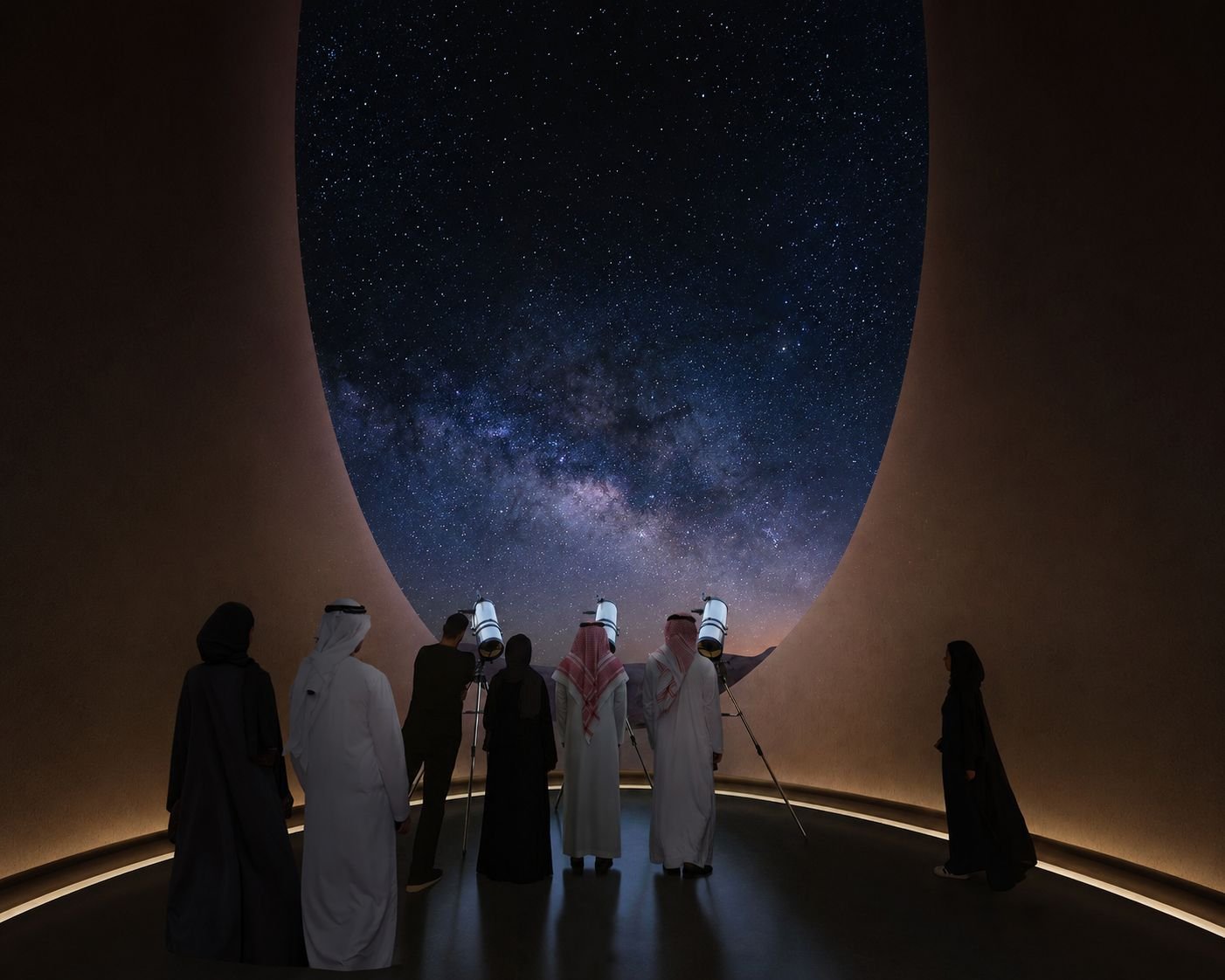
There are places on Earth where the sky feels closer. AlUla is one of them. The ancient Arabian valley – already known for its rose-red rock formations, pre-Islamic heritage and extraordinary silence – has just announced its most forward-looking project yet: AlUla Manara, a landmark astronomy destination designed by Heatherwick Studio and set within the world’s third-largest Dark Sky Park.
The announcement, made on 18 June 2026, marks a significant evolution for a destination that has spent the last decade carefully redefining what luxury travel can mean. Manara is something genuinely rare: a place where scientific rigour and immersive experience are built into the architecture itself.
A Design That Spirals Upward
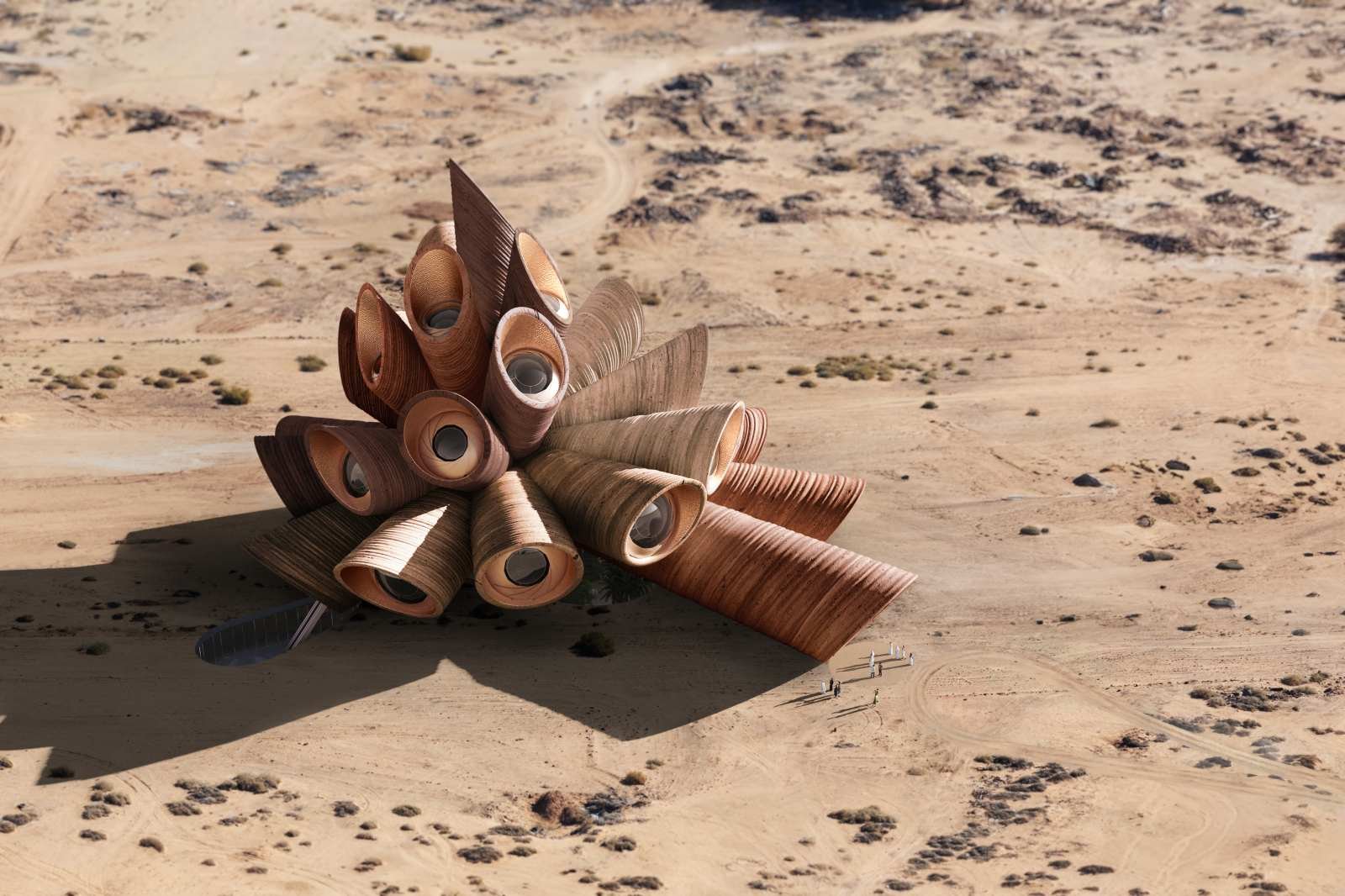
Heatherwick Studio – the practice behind Little Island in New York, Azabudai Hills in Tokyo and Coal Drops Yard in London – drew its inspiration from the universe’s own geometries: the spiral of galaxies, the rings of planets, the curl of a fossil shell found in desert sand. Three interlocking telescope-like formations rise from the landscape, clad in textured stone that echoes AlUla’s dramatic sandstone cliffs. The result is a structure in genuine dialogue with its environment – neither imposing upon the land nor disappearing into it.
Stuart Wood, Executive Partner at Heatherwick Studio, described the ambition as dissolving the barriers that typically keep the public at arm’s length from serious science. The visitor centre places experiential learning alongside real-time research – meaning guests will witness discovery as it happens, rather than viewing it behind glass from a distance.
AlUla’s Night Sky as a Heritage Asset
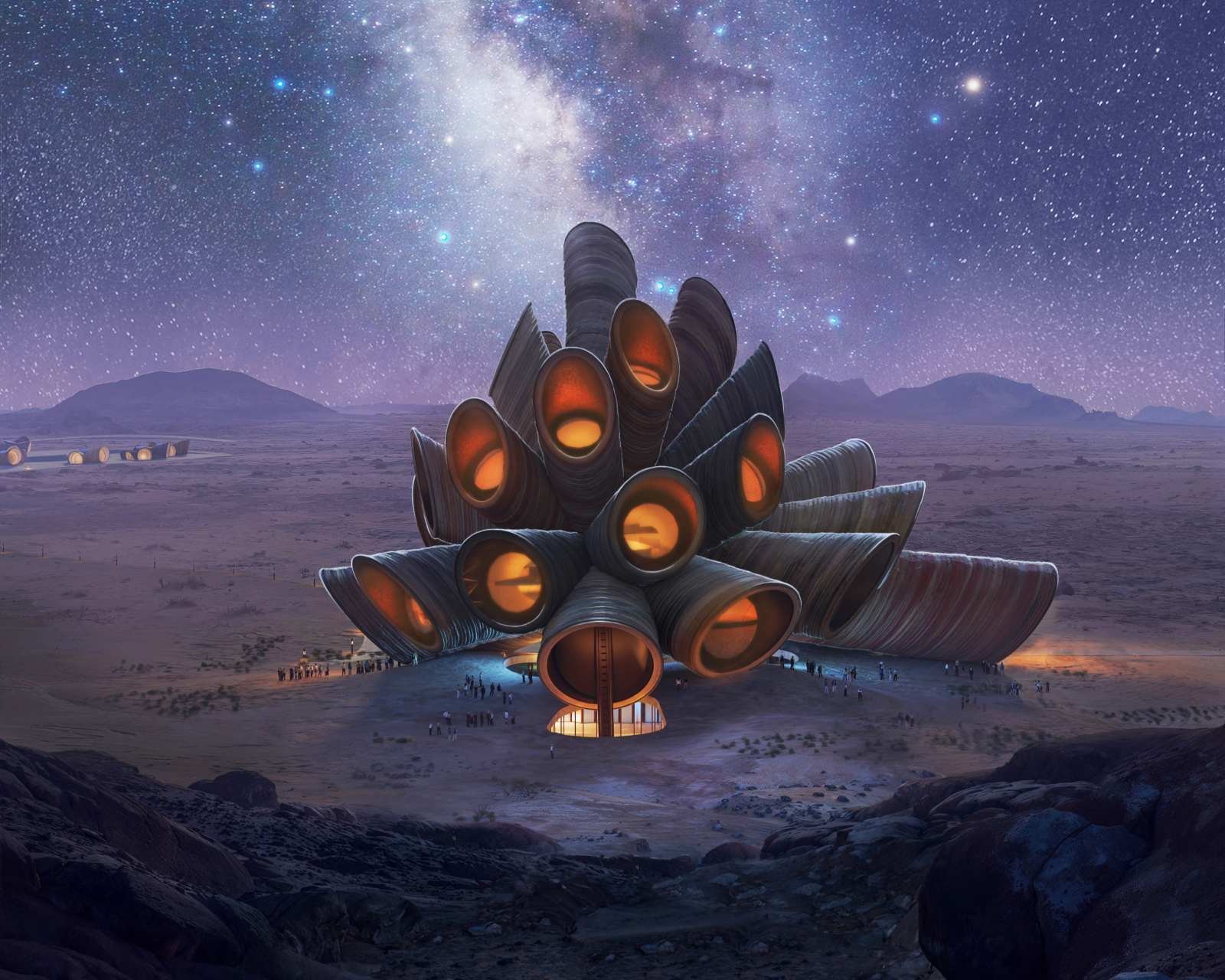
What makes Manara particularly compelling from a wellness and longevity perspective is the growing body of research connecting humans with natural darkness. AlUla’s skies rank among the top five percent globally for natural sky quality – a resource the Royal Commission for AlUla (RCU) is treating with the same preservation seriousness as its archaeological sites. The Astrotourism Policy, now formalised with lighting controls and zoning requirements, signals that this is a long-term commitment rather than a marketing moment.
For millennia, the communities of this valley navigated by these same stars, read seasons in their movements, and built cosmologies around their patterns. Manara positions that intangible heritage as a living practice rather than a museum exhibit.
The Broader AlUla Vision
Situated between Gharameel Nature Reserve and Harrat Uwayrid Reserve, Manara will house a planetarium, immersive galleries, a restaurant and a rooftop observation deck, alongside state-of-the-art research facilities. It joins Hegra, Maraya and AlUla’s network of protected landscapes as part of what is becoming one of the most thoughtfully curated destination ecosystems in the world – one where heritage, conservation, architecture and science share the same strategic table.
Phillip Jones, Chief Tourism Officer at RCU, drew the comparison to Maraya, the mirrored concert hall that became an internationally recognised icon almost overnight. The ambition for Manara is similar: a defining symbol, this time pointing upward.
For discerning travellers already drawn to AlUla’s extraordinary combination of stillness and cultural depth, Manara offers a new reason to return – and to look up.
Share


WE RECOMMEND
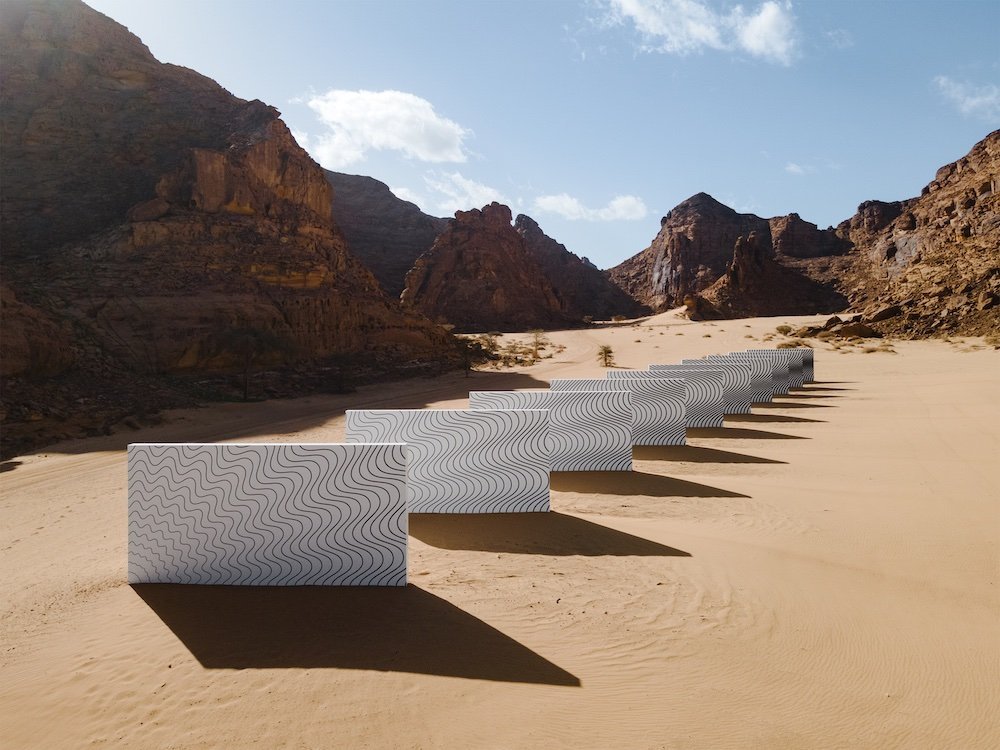
Desert X AlUla returns with a theme inspired by Kahlil Gibran
Desert X AlUla 2026 turned AlUla’s canyons into an open-air route of 11 new site-specific installations, with Kahlil Gibran’s Space Without Measure
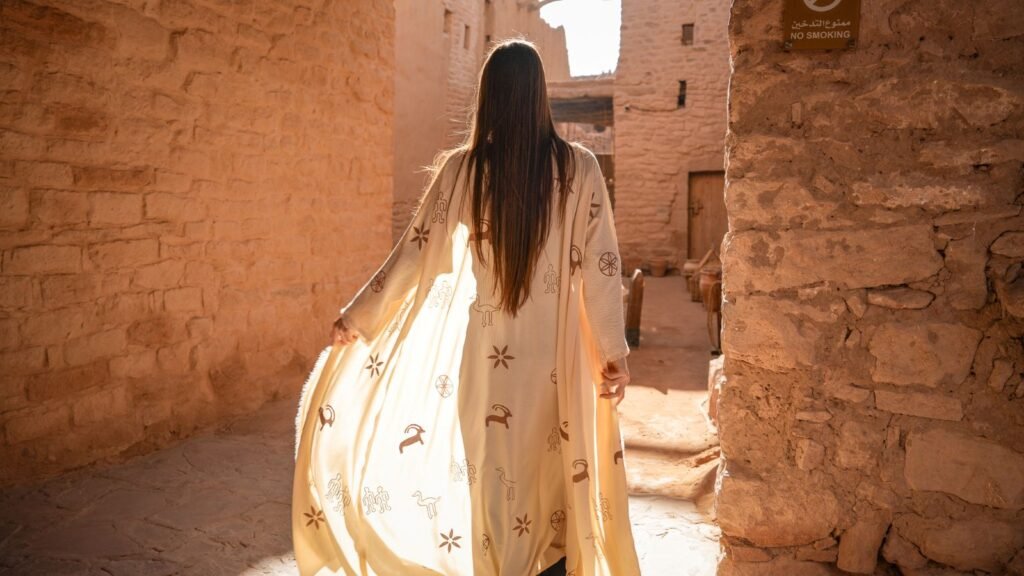
A Letter from AlUla, Written in Thread
Saudi fashion label HINDAMME has released a collection co-created with 26 artisans from AlUla, translating the region's 7,000-year-old rock inscriptions into modern…
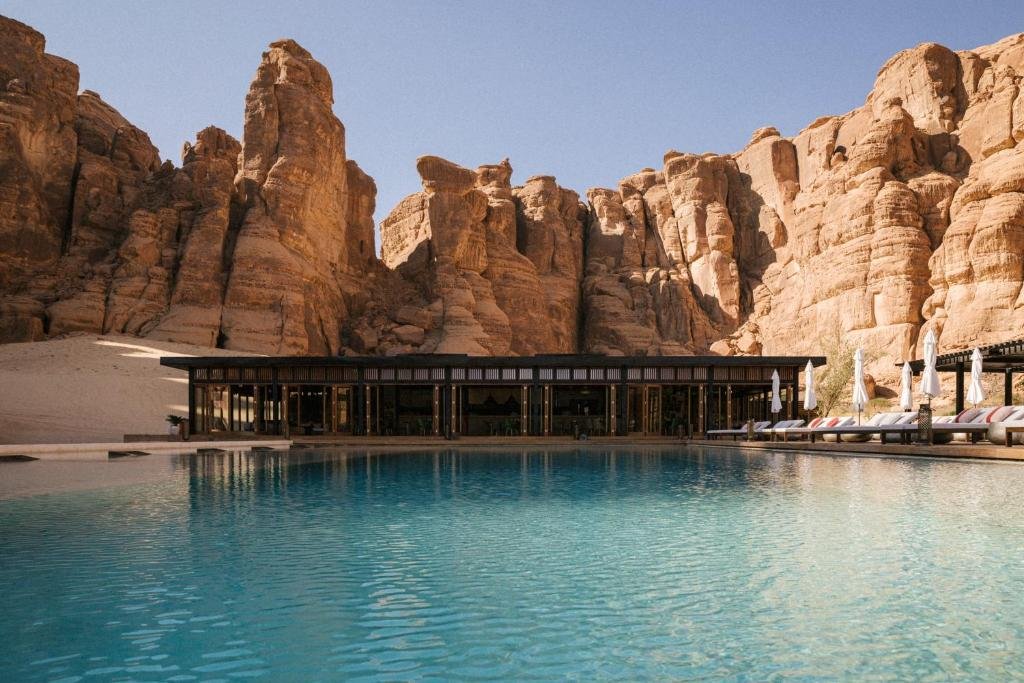
Habitas AlUla: How Nature Shapes the Experience
Set deep within Saudi Arabia’s AlUla region, Habitas AlUla offers a calm, place-led approach to luxury, wellness, silence and space for recovery.
