





The Future of Longevity: How We Will Live in 2041
We brought together the technologies, research and ideas now shaping the longevity debate – and asked what human health could look like 15 years from now.
Fifteen years from now, the body may stop keeping secrets. Continuously measured, interpreted and adjusted by artificial intelligence, it could reveal disease years before symptoms – and reshape what a check-up, a diagnosis and even a doctor’s visit mean.
-
The body will become continuously readable
In 2041, the first health consultation of the day may happen before we get out of bed.
A personal health system will already know how long we slept, how deeply we recovered, whether our resting heart rate has changed and how the body reacted to yesterday’s food, exercise, workload and stress. It may notice that several small indicators have moved away from our normal range, long before we feel unwell.
A health agent might recommend a lighter training session, adjust the day’s meals, move a demanding meeting and suggest a medical test. With permission, it could share the relevant data with a doctor. If certain thresholds are crossed, it might arrange an appointment before symptoms become serious.
By 2041, the gap between consumer wearables and medical monitoring is likely to narrow. Sensors may be integrated into rings, glasses, watches, earbuds, clothing, skin patches and domestic environments. Some devices may analyse sweat, breath, movement or interstitial fluid beneath the skin. Others may be implanted or ingested for specific medical purposes. The US Food and Drug Administration already recognises digital health technologies that can be worn, implanted, ingested or placed in a person’s environment for remote data collection.
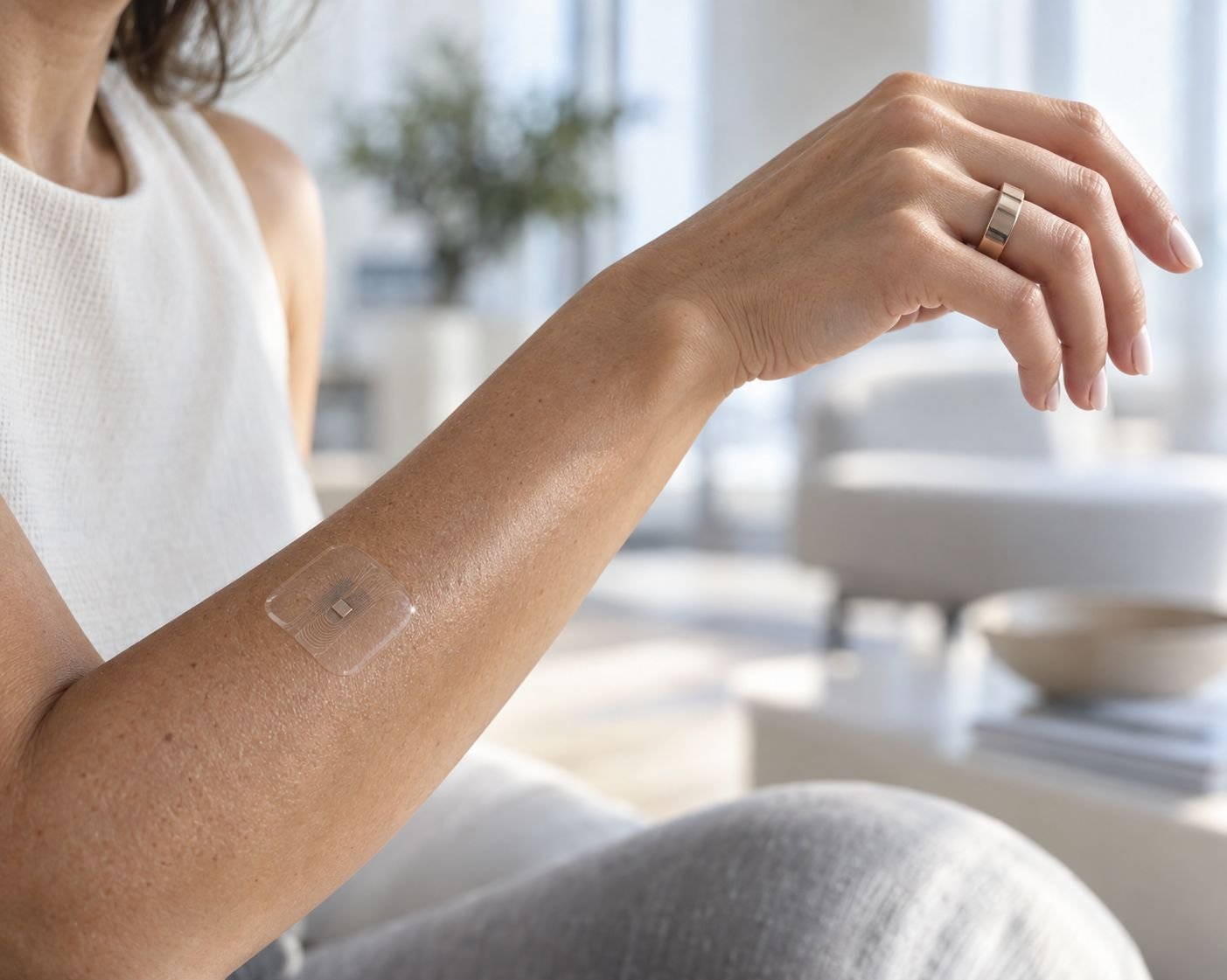
The important change will be the combination of signals. Heart rate, heart-rate variability, respiratory rate, glucose response, temperature, sleep architecture, blood pressure, oxygen saturation, gait and muscle function may be interpreted as one evolving physiological pattern. It will be to identify meaningful deviations from the individual’s baseline.
A value considered normal for the general population may be abnormal for one particular person. By following the body over years, health systems could learn what “normal” looks like for each user and detect subtle changes much earlier. The body, in effect, will become less mysterious to its owner.
-
Everyone may have an AI health agent
The central figure in this system may be an AI health agent: a continuously updated interface between the individual, their data and the medical system.
It would know a person’s medical history, genetic risks, allergies, medications, previous scans, blood results, sleep patterns, nutrition and physical activity. It could notice relationships that are difficult for a human being to track: migraines appearing after several nights of reduced sleep, anxiety intensifying alongside changes in heart-rate variability, or fatigue correlating with a slow decline in iron levels.
Fifteen years from now, medicine will watch for small changes, calculate possible futures and help us act while those futures can still be changed
The agent could prepare questions before a medical appointment, explain results in understandable language and follow whether a treatment is actually working. It may remind a patient that a medication has been missed, detect a potentially dangerous interaction or identify when several minor changes form a clinically relevant pattern.
Its most useful role, however, may be prioritisation. Instead of issuing constant alerts, a well-designed system would decide what can be ignored, what requires a behavioural adjustment and what needs professional medical attention.
By 2041, doctors may no longer spend the first half of an appointment collecting fragmented information. The AI system will have organised the relevant history and highlighted the changes that deserve attention. The physician’s role will shift towards interpretation, judgment, and complex decision-making.
A health agent holds a valuable and sensitive dataset, and questions about who can access it, for what purpose and for how long remain open. By 2041, the technology to monitor continuously will likely move faster than the rules governing it – one more reason the physician’s judgement stays essential.
-
The digital twin will test decisions before the body does
One of the most ambitious developments will be the health digital twin: a computational model that represents aspects of an individual’s biology and changes as new information arrives.
Before changing medication, a doctor might simulate several doses. Before surgery, a medical team could model different approaches. A metabolic twin might estimate how changes in food, sleep and exercise could affect glucose control over the following months. A cardiac twin could help physicians plan a procedure around the structure and electrical activity of a specific heart.
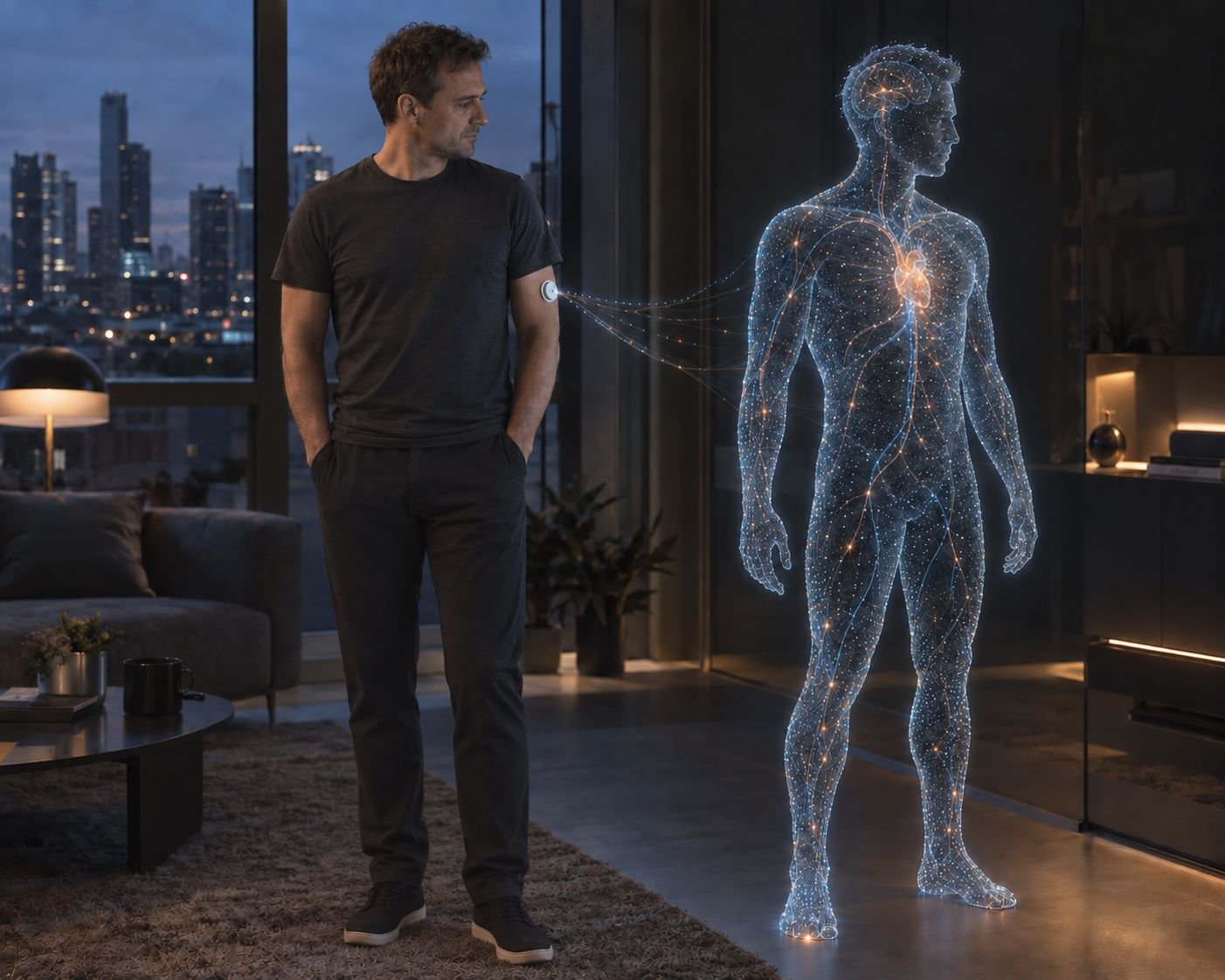
This field is already moving beyond theory. The US National Institutes of Health, National Science Foundation and FDA have created a joint research programme to establish the scientific foundations for biomedical digital twins.
By 2041, the digital twin may function like a constantly improving forecast. It will show which trajectory appears most likely – and which intervention has the best chance of changing it.
-
Biomarkers will map risk before disease does
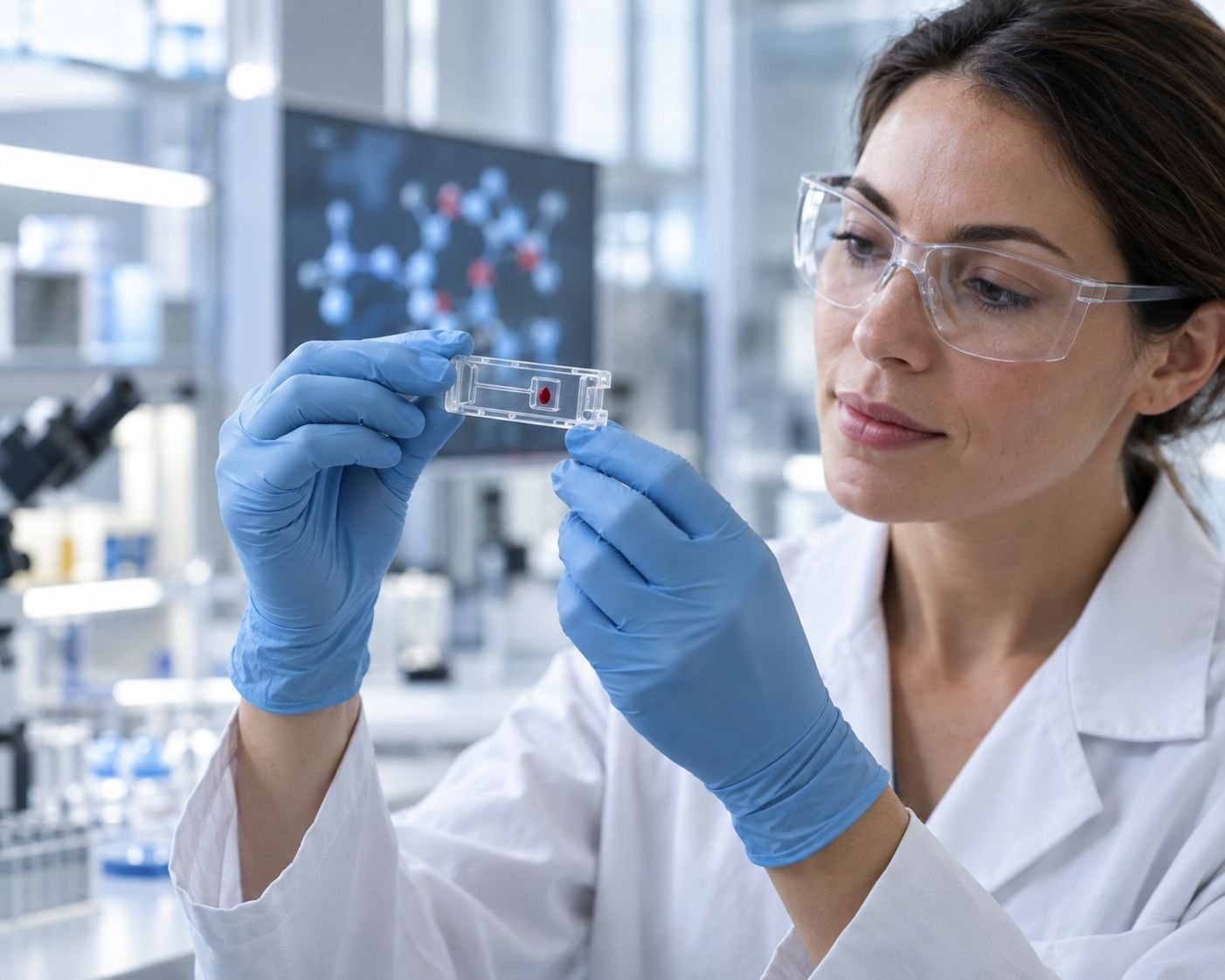
Routine blood testing is also likely to become more frequent, detailed and predictive.
Instead of measuring a relatively small selection of markers once or twice a year, future systems may follow thousands of biological signals over time. These could include proteins, metabolites, hormones, inflammatory patterns, immune activity, circulating DNA and indicators associated with the function of particular organs.
Gut microbiome age is likely to join this list of dimensions. The composition and diversity of gut bacteria shift with diet, medication, stress and age, and researchers already use microbial signatures to estimate biological age with reasonable accuracy. By 2041, a microbiome test may show whether gut ageing keeps pace with the rest of the body or runs ahead of it.
Reproductive health is expected to become part of this picture rather than a separate category. Ovarian reserve, hormonal trajectories and the pace of perimenopause vary widely between women of the same age, and continuous tracking may allow these transitions to be anticipated years in advance. This could shift menopause management from a reactive response to symptoms towards a planned, individualised transition, with implications for bone density, cardiovascular risk and cognitive health that extend well beyond fertility.
Blood-based cancer detection will play an important area of research. Blood data may also contribute to estimates of biological age. Instead of describing ageing with one universal number, future medicine will measure several dimensions: immune age, cardiovascular age, metabolic age, brain age and musculoskeletal age.
-
Medicine will intervene before diagnosis
In 2041, healthcare will evaluate in which direction is the body moving. A person may not have diabetes, cardiovascular disease or clinical depression, yet their data may show a gradual movement towards one of these conditions. The purpose of preventive medicine will be to recognise that trajectory and alter it while the system is still flexible.
This will change the meaning of a medical check-up. Instead of receiving a collection of isolated results marked normal or abnormal, patients may receive a dynamic risk map showing which systems are stable, which are improving and which are beginning to deteriorate.
Preventive programmes may then be adjusted in real time. The hospital will remain essential for emergencies, surgery and complex disease. But a larger part of healthcare may happen quietly in the background – through monitoring, early testing and small interventions made years before hospital treatment becomes necessary.
-
Mental health will become a measurable part of longevity
Mental health is likely to become one of the most important and most sensitive areas of continuous monitoring. Stress, depression, anxiety and cognitive decline are tied to the body – they show up in sleep, movement, appetite, inflammation, cardiovascular health, relationships and the ability to sustain healthy behaviour.
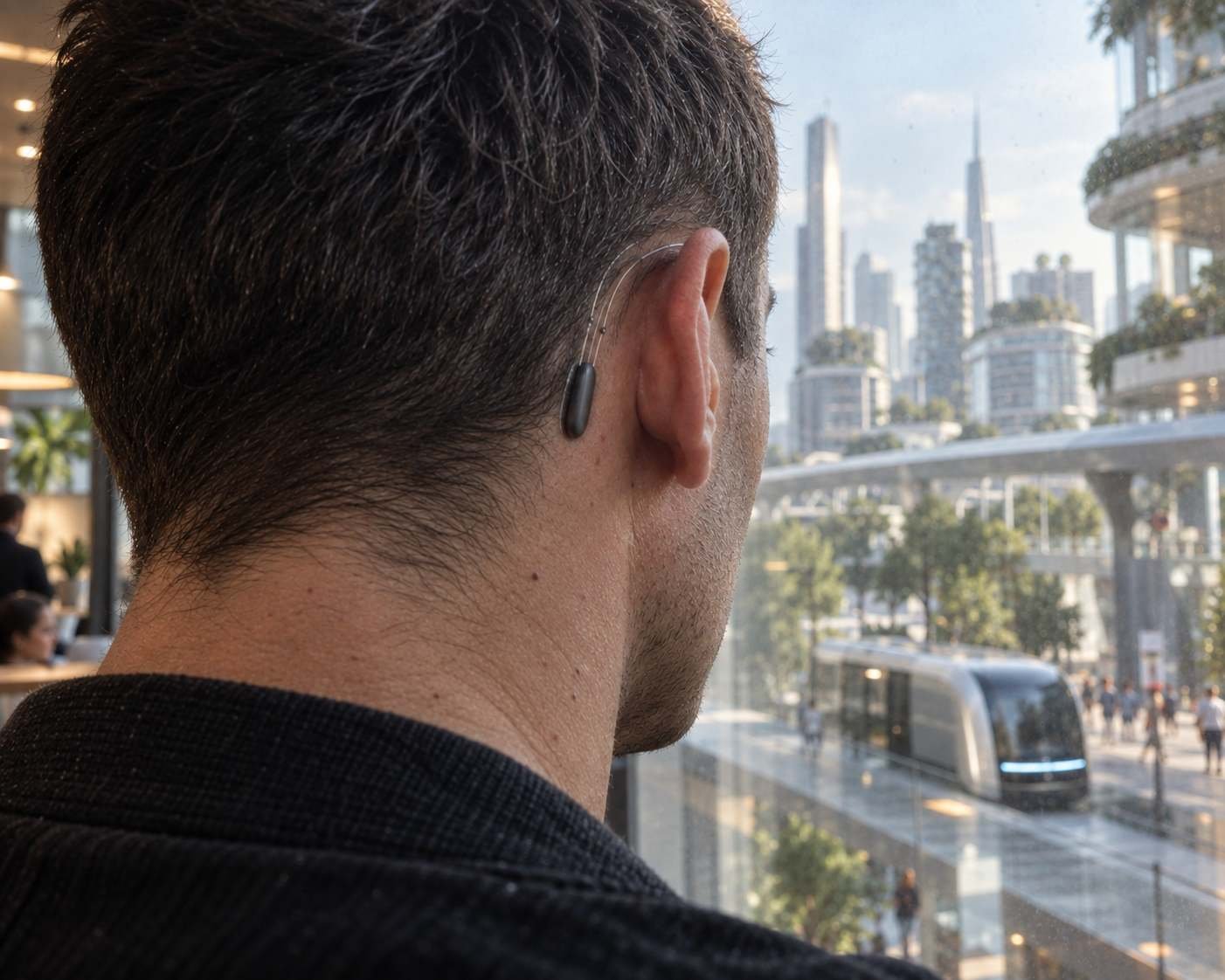
Future systems may detect changes through sleep disruption, heart-rate variability, breathing, voice, language, facial expression, phone use, reaction time, movement and withdrawal from ordinary routines. Each signal alone is weak evidence; together, and compared with a person’s long-term baseline, they may indicate that support is needed.
A health agent might notice that someone is sleeping less, speaking faster, moving differently and becoming unusually active at night – a pattern associated with psychological overload, visible before the person understands what is happening.
Thresholds could be set in advance. A mild deviation may prompt a rest recommendation or a check-in. A sustained pattern might suggest speaking with a therapist. A serious change, with explicit consent and carefully designed safeguards, could alert a chosen professional or family member.
-
Nutrition will become personalised
Personalised nutrition currently often means a genetic test followed by a list of broad dietary recommendations. By 2041, it may become far more responsive.
Two people can eat the same meal and experience different glucose, lipid, digestive and inflammatory responses – and these responses shift within the same person depending on sleep, stress, exercise, hormonal state, medication and the gut microbiome.
Future nutrition systems may learn from the body directly, assessing how a food affects this person, in this quantity, at this time and in this physiological state – rather than labelling it universally healthy or unhealthy.

By 2041, an AI agent may adapt meals to current metabolic needs, micronutrient levels, physical activity and recovery: more carbohydrates before demanding exercise, more protein during rehabilitation, adjusted timing after poor sleep.
Vegetables, fibre, adequate protein and minimally processed foods remain the foundation. The difference lies in precision: which foods, how much, in what combination and at which stage of life. People may spend less time following fashionable diets and more time observing what their own physiology shows them.
-
Exercise will be prescribed as precisely as medication
Physical activity is likely to become one of the most personalised longevity interventions.
Instead of prescribing “150 minutes of exercise a week” to everyone, future systems may assess strength, cardiovascular capacity, balance, bone loading, joint mobility, gait, recovery and injury risk. The programme could then change from day to day.
On one morning, the body may be ready for intensive training. On another, the same session may create more stress than adaptation. Sensors could identify declining movement quality, early asymmetry or inadequate recovery before pain or injury develops.
For older adults, the focus may increasingly shift from weight and appearance to function: grip strength, power, reaction time, stability and the ability to recover after physical stress. Loss of muscle and balance could be detected early enough to intervene before it leads to frailty or a serious fall.
Movement may also become more integrated into ordinary life. Health agents will prescribe short periods of activity throughout the day, timed around glucose responses, circulation, cognitive fatigue and prolonged sitting.
-
Treatments will become more targeted – but ageing will remain
Over the next 15 years, medicine is also likely to improve its ability to repair or modify specific biological processes.
Gene therapies, cell therapies, cancer vaccines, regenerative treatments and more targeted immune interventions may become available for a wider range of conditions. Artificial intelligence could accelerate drug discovery and help match patients with treatments based on the molecular characteristics of their disease.
Some therapies may eventually address mechanisms associated with ageing, including cellular senescence, chronic inflammation or the loss of regenerative capacity. Yet the idea that one pill will “cure ageing” remains scientifically weak.
Ageing is not one process. It involves interconnected changes across cells, organs, metabolism, immunity and the brain. A treatment that improves one marker may not extend healthy human life, and an intervention that works in animals may fail in clinical trials.
By 2041, longevity medicine will probably consist of many targeted interventions. The greatest gains may still come from earlier detection, better cardiovascular and metabolic control, preserved muscle, vaccination, cancer screening, sleep and sustained behavioural change.
-
Health will become a daily behaviour
The most profound change may happen in how people think about their bodies.
Health today is often reactive. People tolerate poor sleep, chronic stress, declining strength or digestive problems until the disruption becomes impossible to ignore. Future systems may make those slow changes visible.
But constant knowledge can also create anxiety. A person who sees every fluctuation may begin to treat the body as a permanent problem requiring optimisation. The healthiest system will distinguish meaningful change from biological noise and allow people to live without continuously watching a dashboard.
An AI health assistant will have unprecedented access to our bodies and biological systems, raising a fundamental privacy question: who will own that data?
A system this capable raises a further question: who has access to it. Continuous monitoring, digital twins and AI health agents depend on infrastructure, devices and clinical partnerships that carry a cost, and a two-tier model of healthcare – one predictive and personalised, the other still reactive – is a realistic risk. The societies that benefit most from this shift are likely to be those that treat baseline monitoring as a public health tool, not solely a luxury product.
A healthier future, but not an immortal one
By 2041, a 60-year-old may know more about his cardiovascular, metabolic and cognitive health than most doctors can establish today from a standard appointment. He may receive warnings before symptoms develop, test treatments on a digital model, follow a nutrition plan based on real biological responses and use an exercise programme adapted to his recovery that morning.
He may look younger because skin, metabolic and regenerative medicine have improved. More importantly, he may move, think and recover more like a younger person because physical and cognitive decline was identified earlier.
But he will still age. He will still become ill. Technology will still make mistakes, and biology will continue to resist complete prediction.
The promise of longevity is therefore unlikely to be immortality. It is a longer period of capability: more years with energy, mobility, cognitive clarity and independence.
Share




WE RECOMMEND
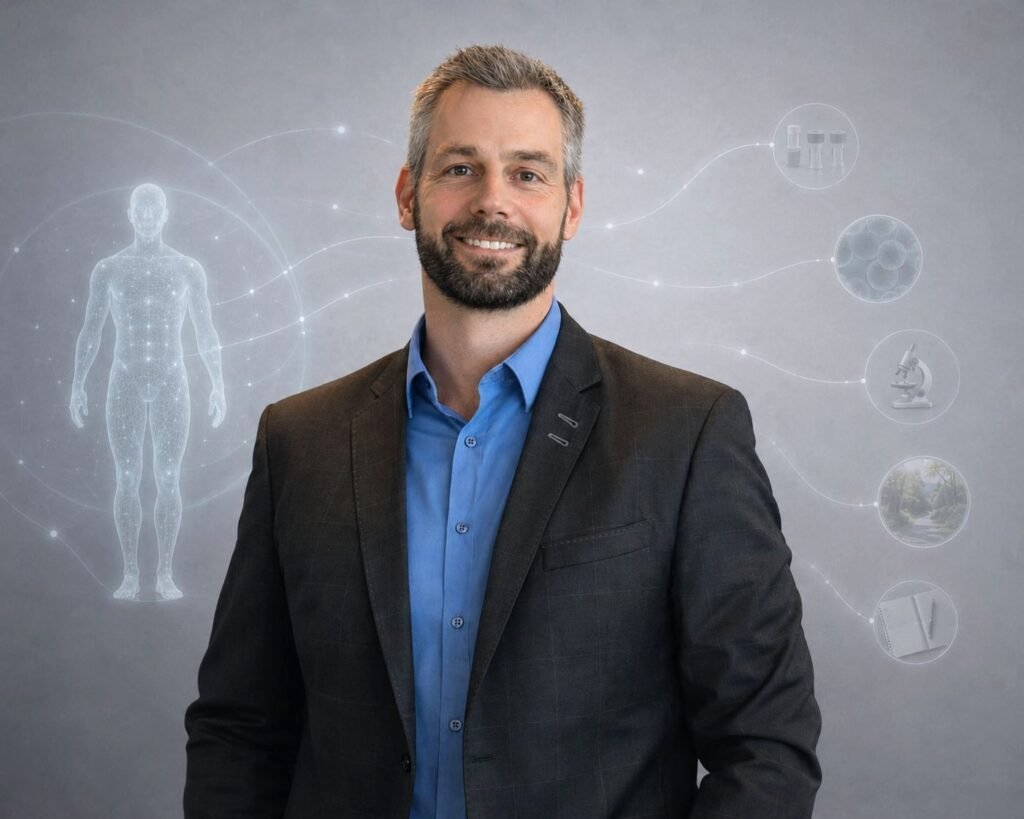
BioTwin Founder Louis-Philippe Noël on Bringing Digital Twins to the UAE
We talked to BioTwin founder about what it actually means to have a human digital twin – and why the Emirates are…

Peptides in Dubai: What Is Approved, What Is Experimental and What It Costs
From GLP-1 medicines to BPC-157 and Epitalon, Dubai’s peptide market combines established treatments with experimental longevity protocols. We created a guide to…

Lanserhof Sylt: Why Modern Longevity Starts with Your Gut
We spoke to Dr. Jan Stritzke, Medical Director of Europe’s leading longevity clinic – Lanserhof Sylt, on why the gut is at…
