



The Gulf Wellness Brief: A New Map of Health, Travel and Longevity
The Gulf is drawing global attention in wellness and longevity. But what is actually happening in the market and where the investable opportunities are?
The wellness economy in the Gulf is entering a new phase. For years, the word “wellness” was used loosely: spas, retreats, fitness clubs, clean food and occasional medical check-ups. Today the field is becoming more data-driven and more closely connected to healthcare, hospitality, technology, real estate and national economic strategy.
The region is young, ambitious and highly urbanized. It has fast-growing hospitality sector, a large expatriate population, rising demand for preventive medicine and governments that actively use health, tourism and quality of life as part of national development strategies. The Gulf is also a place where global ideas are often built into physical infrastructure quickly: a clinic, a hotel, a district, a destination, a new medical hub, a wellness residence, a longevity center.
The Gulf advantage
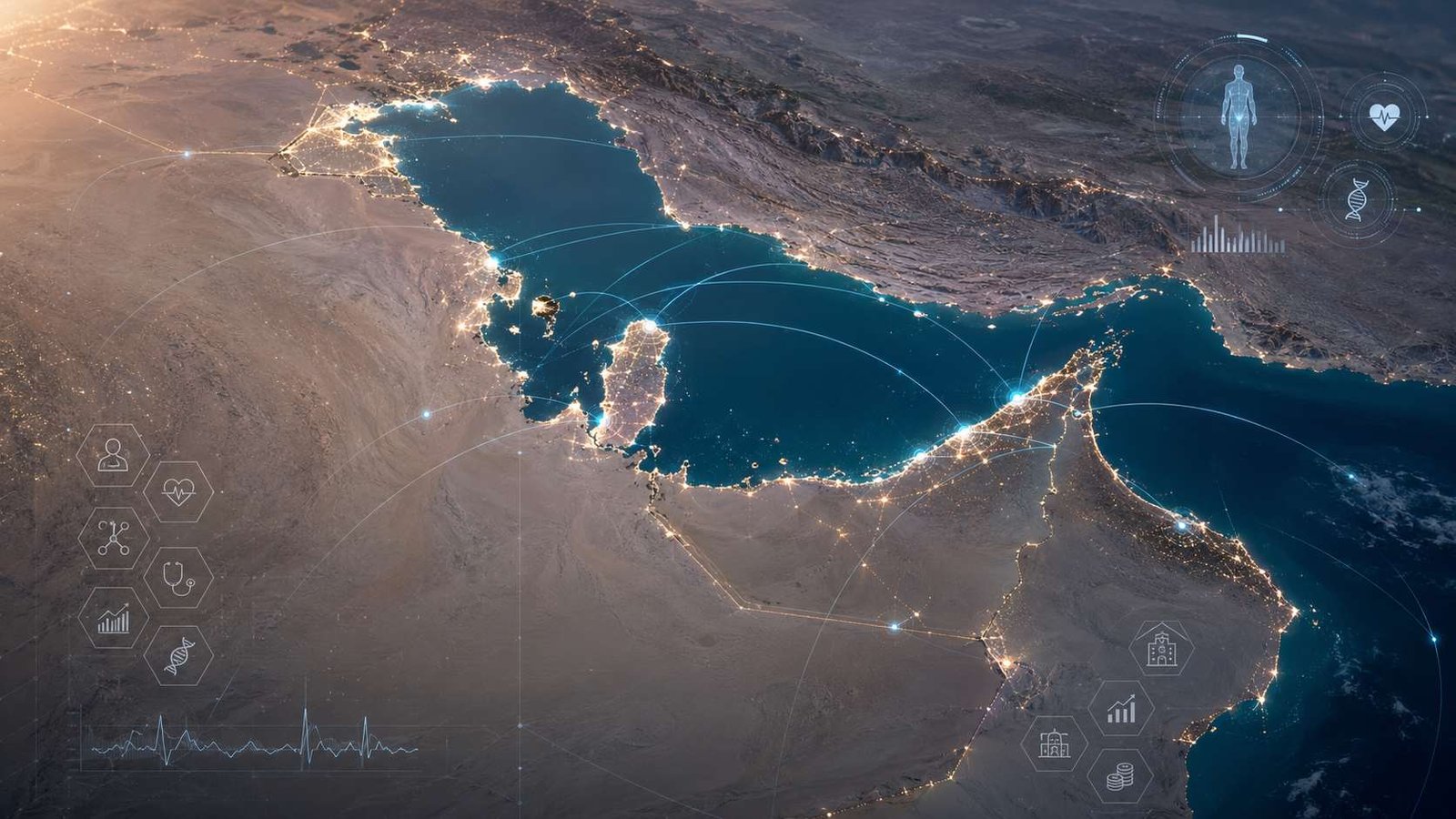
The UAE’s economic transformation provides the foundational context. Non-oil sectors now account for 77.3 per cent of real GDP – a record high, according to the Ministry of Economy – with the government targeting GDP growth from AED 1.5 trillion to AED 3 trillion by 2031 under the “We the UAE 2031” vision. Foreign direct investment inflows reached $45.6 billion in 2024, a 48 per cent increase year-on-year, placing the UAE 10th globally and first in the Middle East, according to the UNCTAD World Investment Report 2025.
The country also ranked second globally, behind only the United States, in the number of newly announced greenfield FDI projects. Healthcare and life sciences sit among the priority sectors named in the National Investment Strategy 2031, which targets AED 2.2 trillion in cumulative FDI by 2031. Wellness and longevity are no longer a lifestyle adjacency to this economic story. They are becoming part of it.
First, the region is investing heavily in healthcare transformation. According to Alpen Capital’s GCC Healthcare Industry Report 2025, current healthcare expenditure in the GCC is expected to grow from an estimated $109.1 billion in 2024 to $159 billion in 2029, at a compound annual growth rate of 7.8%. This growth is driven by population expansion, chronic disease burden, medical inflation, insurance penetration and demand for higher-quality care.
Second, the region is deeply connected to hospitality. Wellness here appears in resorts, members’ clubs, residential developments, urban hotels, beach destinations, desert retreats and branded health programs. This makes the Gulf different from older medical markets where healthcare and hospitality often remain separate categories.
Third, the Gulf has a prevention problem and a prevention opportunity. High rates of metabolic disease, stress, sedentary lifestyles, sleep disruption and heat-adapted indoor living create clear demand for earlier intervention. This gives longevity clinics, diagnostics companies, fitness concepts, metabolic health platforms and preventive medicine providers a large potential audience.
Fourth, the region has status-driven consumption. Health is increasingly becoming part of how people signal discipline, access and self-management. In Dubai, Riyadh and Doha, a full-body scan, an IV protocol, a wearable, a longevity membership or a retreat can function as both personal care and social currency. This creates growth, but it also creates noise.
The UAE: the regional laboratory
The UAE is currently the most visible wellness and longevity market in the Gulf. It combines tourism, private healthcare, hospitality, aesthetic medicine, diagnostics, wellness real estate and high-end consumer behavior in one compact ecosystem.
In 2025, the Global Wellness Institute reported that the UAE wellness economy was worth $40.8 billion, after growing at an average annual rate of 14.3% between 2019 and 2024. The UAE also ranked as the fastest-growing wellness market in the Middle East during that period. Within this, wellness tourism and wellness real estate have become especially important categories. GWI data places UAE wellness tourism at $11.3 billion and wellness real estate at $1.4 billion, with both sectors expanding strongly between 2019 and 2024.
Dubai’s longevity scene already includes preventive medicine clinics, diagnostics labs, IV therapy concepts, hyperbaric oxygen, red light therapy, peptide clinics, microbiome testing, women’s health platforms, cognitive performance tools and digital health services. Some of these are serious, evidence-based and medically supervised. Others are still closer to aspirational wellness marketing.
Abu Dhabi is developing its own healthcare and life-sciences ecosystem, with genomics, research, hospital groups and health-tech initiatives playing a larger role. The UAE’s National Genome Strategy and its broader digital health ambitions point toward a future in which prevention, personalization and population-level data may become more closely linked.
The country also has a powerful hospitality layer. Clinique La Prairie at One&Only One Za’abeel, Akari Wellness, AEON Clinic, and other emerging addresses show how Dubai is positioning itself at the intersection of medicine, wellbeing and high-end urban life. The city is becoming a laboratory for the new wellness consumer: someone who wants diagnostics, recovery, performance, beauty, mental clarity and longevity under one lifestyle umbrella.
The question for the UAE is whether this market can move from beautiful services to measurable outcomes.
The establishment of the Dubai Longevity Authority in June 2026 is the most direct answer to that question. Sheikh Mohammed bin Rashid Al Maktoum issued Law No. 17 of 2026 creating the authority, which is mandated to establish a science-driven regulatory framework covering the full longevity value chain: research and development, clinical trials, manufacturing, healthcare delivery and patient clinics.
Sheikh Hamdan bin Mohammed bin Rashid Al Maktoum serves as its president. The authority was launched in coordination with the Dubai Health Authority, Dubai Health, Dubai Municipality and the Dubai Future Foundation. Its remit goes beyond regulation: it is expected to attract investment, draw specialised talent and position Dubai as a globally competitive hub for advanced therapeutic products and services. The director general of the Dubai Department of Economy and Tourism, Helal Saeed Almarri, who chairs the authority, described the longevity, wellness and advanced health sector as “one of the fastest-growing economic frontiers in the world.” For operators, investors and clinicians in this space, the message is structural: Dubai is moving from aspiration to governance.
Saudi Arabia: the scale story
If the UAE is the laboratory, Saudi Arabia is the scale story.
The Kingdom’s wellness and health transformation is tied to Vision 2030, tourism development, public health reform and large-scale destination building. Saudi Arabia is not simply adding wellness amenities to existing hotels. It is using wellness as part of a national repositioning: new coastlines, new resorts, new medical infrastructure, new preventive health initiatives and new expectations around quality of life.
Saudi Arabia’s wellness tourism market was valued at $9.0 billion in 2024 and is projected by IMARC Group to reach $15.2 billion by 2033. This growth is connected to Vision 2030, tourism diversification and the rise of destination-based wellbeing. Saudi Arabia attracted $15.73 billion in FDI inflows in 2024, according to UNCTAD – second in the region after the UAE, and a figure that reflects the scale of international confidence in the Vision 2030 programme. The tourism sector, including wellness and hospitality, is a named pillar of that strategy.
AMAALA on the Red Sea is one of the clearest examples. Positioned as an integrated wellness destination, it brings together hospitality, marine landscapes, movement, recovery, spa concepts, medical wellness and residential components. Its importance is symbolic as much as commercial: Saudi Arabia is entering the global wellness conversation through infrastructure, not trend language.
At the same time, Saudi healthcare reform is moving toward prevention. The Health Sector Transformation Program under Vision 2030 emphasizes access, quality, digital transformation and preventive care. Initiatives such as regular screenings and early detection programs show that prevention is becoming part of the national health agenda.
Saudi Arabia will be one of the most important markets to watch. The question is how wellness will be translated at scale: through resorts, hospitals, public health, lifestyle destinations, digital health platforms or new hybrid models that combine all of these.
Qatar, Bahrain, Kuwait and Oman: emerging nodes
The rest of the Gulf should be read with more nuance.
Qatar has strong medical infrastructure, international visibility and the ability to develop specialized wellness and sports-performance concepts. Its future in this space may sit at the intersection of healthcare, elite sport, hospitality and research.
Bahrain has a smaller market, but its size can make it a testing ground for boutique wellness, mental health, medical aesthetics and preventive services aimed at both residents and regional visitors.
Kuwait has high purchasing power and clear demand for private healthcare and lifestyle medicine, although its wellness industry remains less globally visible than the UAE or Saudi Arabia.
Oman has one of the region’s strongest natural wellness propositions: mountains, sea, silence, landscape and slower tourism. Its opportunity is less urban longevity and more restorative travel, nature-led wellbeing and destination-based health.
Together, these markets form a Gulf wellness map with different speeds and different personalities. The UAE is fast, commercial and experimental. Saudi Arabia is large, strategic and infrastructure-led. Qatar is specialized and institutionally strong. Oman is naturally restorative. Bahrain and Kuwait may develop through smaller, more focused models.
The rise of longevity language
The most important word in the region now is longevity.
It appears in clinic names, hotel programs, supplement lines, diagnostic packages, biohacking centers and founder interviews. It also appears in places where the science is thin.
Longevity, used properly, means extending healthspan: the number of years lived in good physical, cognitive and metabolic condition. It is connected to prevention, early diagnostics, muscle health, sleep, inflammation, glucose regulation, cardiovascular risk, hormone balance, mental health, cellular aging and behavioral change.
Used carelessly, it becomes a premium label attached to expensive procedures with unclear evidence.
This distinction will shape the next phase of the Gulf wellness economy. The market will grow, but credibility will become the key differentiator. Clinics and wellness brands that can show medical governance, qualified practitioners, transparent protocols, risk disclosure and measurable outcomes will stand apart. Those relying on vague claims, pseudo-scientific language and inflated promises will face more scrutiny as consumers become better informed.
The Gulf has the capital and ambition to become a serious longevity hub. It also has the conditions for overstatement. Both realities are true at the same time.
Between science and marketing
Wellness is a broad economy, and not every service needs to meet the same standard as a medical treatment. A massage, a retreat, a spa ritual or a sound bath can be valuable as experience, recovery or emotional reset. The problem begins when lifestyle services are presented as biological transformation without evidence.
This is especially relevant in the Gulf, where premium positioning can make weak claims sound more credible. Terms such as “cellular reset,” “frequency healing,” “quantum scan,” “age reversal” and “DNA optimization” are often used without enough explanation. Some technologies may have legitimate scientific foundations. Others are marketing devices.
A red light therapy device should be judged differently from a stem-cell intervention. A sleep retreat should be judged differently from a hormone protocol. A nutritional program should be judged differently from peptide use. A relaxation treatment should be allowed to be a relaxation treatment without pretending to be medicine.
Who is the medical director? What is being measured? Which biomarkers are used? What evidence supports the claim? Are there contraindications? Is the treatment regulated? Is the protocol personalized? Are outcomes tracked over time? What is lifestyle support doing alongside the technology? The Gulf wellness market needs literacy.
The next Gulf opportunity
The Gulf has already shown that it can build destinations, attract capital and create global attention. The next question is more difficult: can it build a credible wellness and longevity ecosystem with measurable value?
The answer will depend on the quality of the institutions, regulation of medical claims and the intelligence of the consumer.
There is a real opportunity here. The Gulf can become a place where preventive medicine, hospitality, diagnostics, recovery and lifestyle are connected in a more coherent way than in many older markets. It can also become a place where wellness is reduced to expensive surfaces and fashionable language.
Share


WE RECOMMEND
New Hotels in Saudi Arabia that will Reshape Mindful Travel Expectations
With projects by Jayasom, Six Senses, Aman, and Miraval, Saudi Arabia is beginning to define its own language of regenerative living
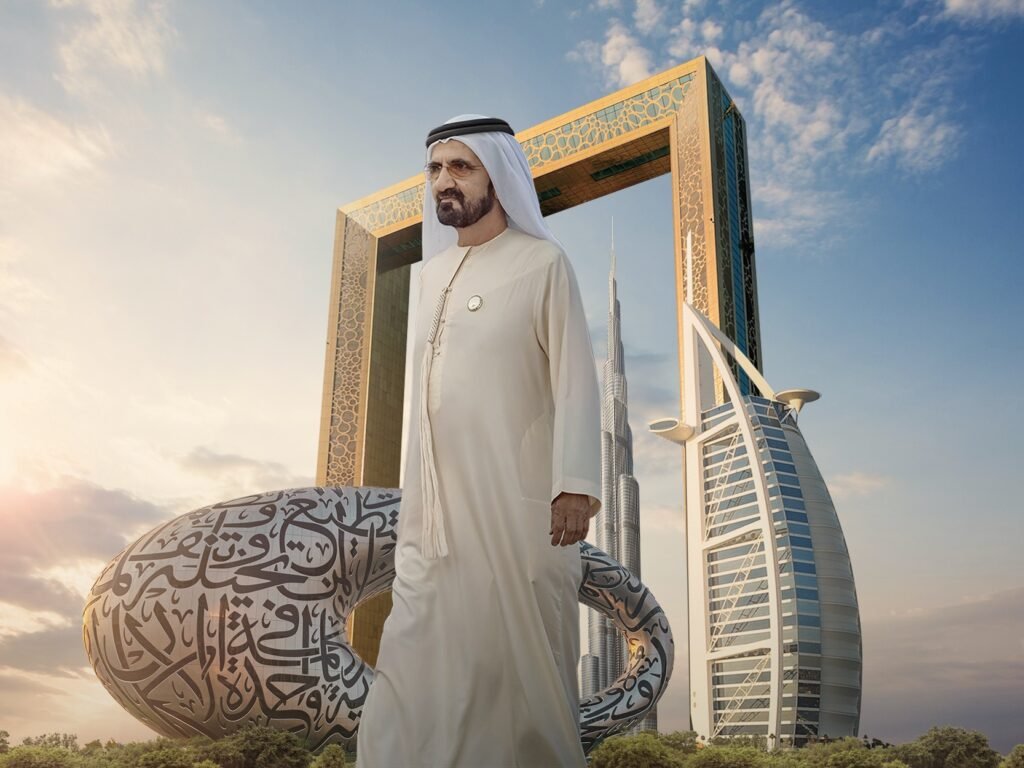
The Capital of Living Well: Dubai Launches Its Longevity Authority
With the stroke of a royal decree, Dubai has positioned itself at the vanguard of one of the defining ambitions of our…
Build Well to Live: What the Global Wellness Institute Discovered in the Gulf
A new report from the Global Wellness Institute reveals that while the rest of the world is still debating what a "healthy…
