




Why Healthy Eating Has Become a Luxury
We all know how we are supposed to eat and what a healthy diet looks like. But does modern life actually allow us to follow it?
Coming from a nutrition and public health background, I have always found the way we talk about healthy eating slightly interesting. Eat more vegetables. Choose whole foods. Cook at home. Have balanced meals. Limit highly processed foods. And that’s pretty much it.
But there is a question we don’t ask often enough: how easy is it for someone to actually do these things? Because knowing what a healthy diet looks like and being in a position to follow one are two very different things. Financial circumstances are a crucial part of the equation too.
Healthy food has a price. So does having the time to prepare it. The latest Food and Agriculture Organization of the United Nations (FAO) data estimates that the average global cost of a healthy diet reached 4.28 purchasing power parity dollars per person per day in 2025. Around 2.69 billion people, or 32.7% of the global population, could not afford a healthy diet.
But the cost of food is not the same thing as the affordability of a diet. FAO’s measure of affordability takes into account what people have available to spend after meeting their other basic needs. In other words, a food basket can have a price, but whether someone can realistically afford it depends on everything else competing for their income.
And then there is another resource we rarely talk about when discussing nutrition: time.
Imagine two people finishing work at six. One has a flexible schedule, a supermarket nearby, a well-equipped kitchen and enough time to cook. The other has spent the day working, commuting or caring for others. They arrive home tired, have limited time and need something they can prepare quickly. We can give both people exactly the same nutrition advice: eat more fresh food, cook at home, plan your meals. But we cannot assume they have the same ability to act on it. That doesn’t mean the second person doesn’t care about their health. It means their circumstances are different.
The Cost of Convenience
When someone is tired, busy or under pressure, the food that is quickest and easiest to access becomes more attractive. A meal that can be bought, heated and eaten within minutes requires very little planning, while a meal made from basic ingredients might require shopping, storage, preparation, cooking and cleaning.
FAO analysis of global food prices found that fruits, vegetables and animal-source foods tend to be more expensive than basic starchy staples, while some ultra-processed foods can be cheaper than less processed alternatives. The authors argue that affordability, convenience, taste and cultural fit all need to be considered when trying to improve diets.
We have made healthy eating very individual
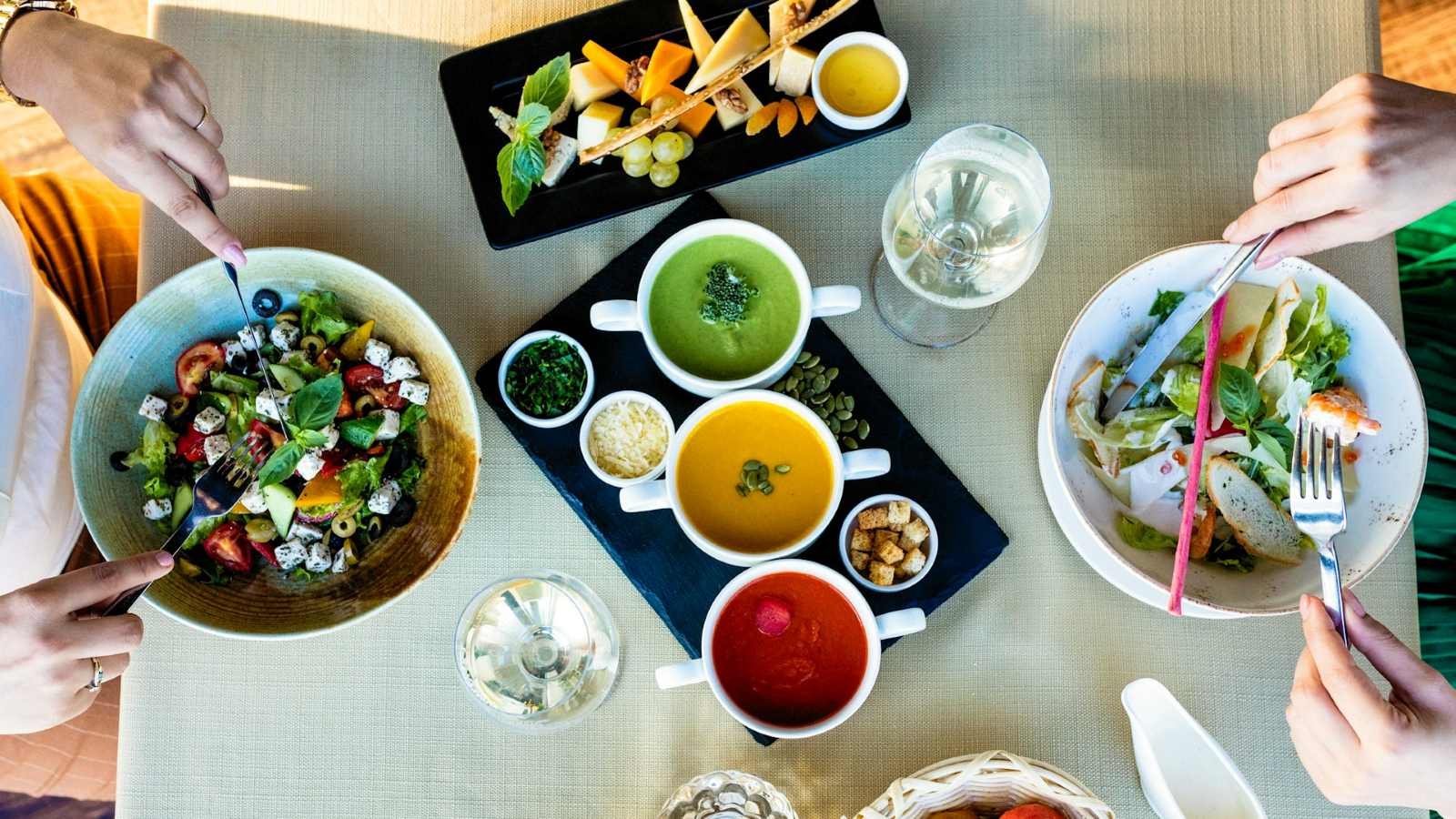
We have become exceptionally good at turning health into a personal project: personalised diets, meal plans, macro targets, food tracking, and nutrition coaching. There is value in many of these things. But they can also reinforce the idea that eating well is primarily about becoming better at managing yourself.
But a person can have excellent nutrition knowledge and still struggle to eat well if they work unpredictable hours. Someone can want to cook and simply not have the time or energy.
Research into the affordability of healthy diets has made this point for years. FAO’s work has found that where healthy diets are unaffordable, nutrition education and behaviour change alone are unlikely to substantially change dietary consumption. Improving access requires changes beyond individual knowledge. It shifts the focus. Instead of asking: Why don’t people eat better? We might ask: What would make eating better easier?
A healthy diet should be ordinary. But having the time, money, flexibility and support to consistently build a healthy lifestyle can be a privilege.
Think about the things that make healthy eating easier: a flexible working day, a supermarket close to home, reliable transport and enough money to absorb rising food prices. None of these things are nutritional interventions, yet all of them can influence daily nutrition.
We can encourage employees to eat healthy lunches while maintaining working cultures that leave little time for lunch. We can offer nutrition workshops while expecting people to work through meals, or talk about wellbeing while ignoring the schedules and environments that make wellbeing harder. There is a point at which advice needs to be accompanied by better conditions and environments.
Healthy eating became an aesthetic
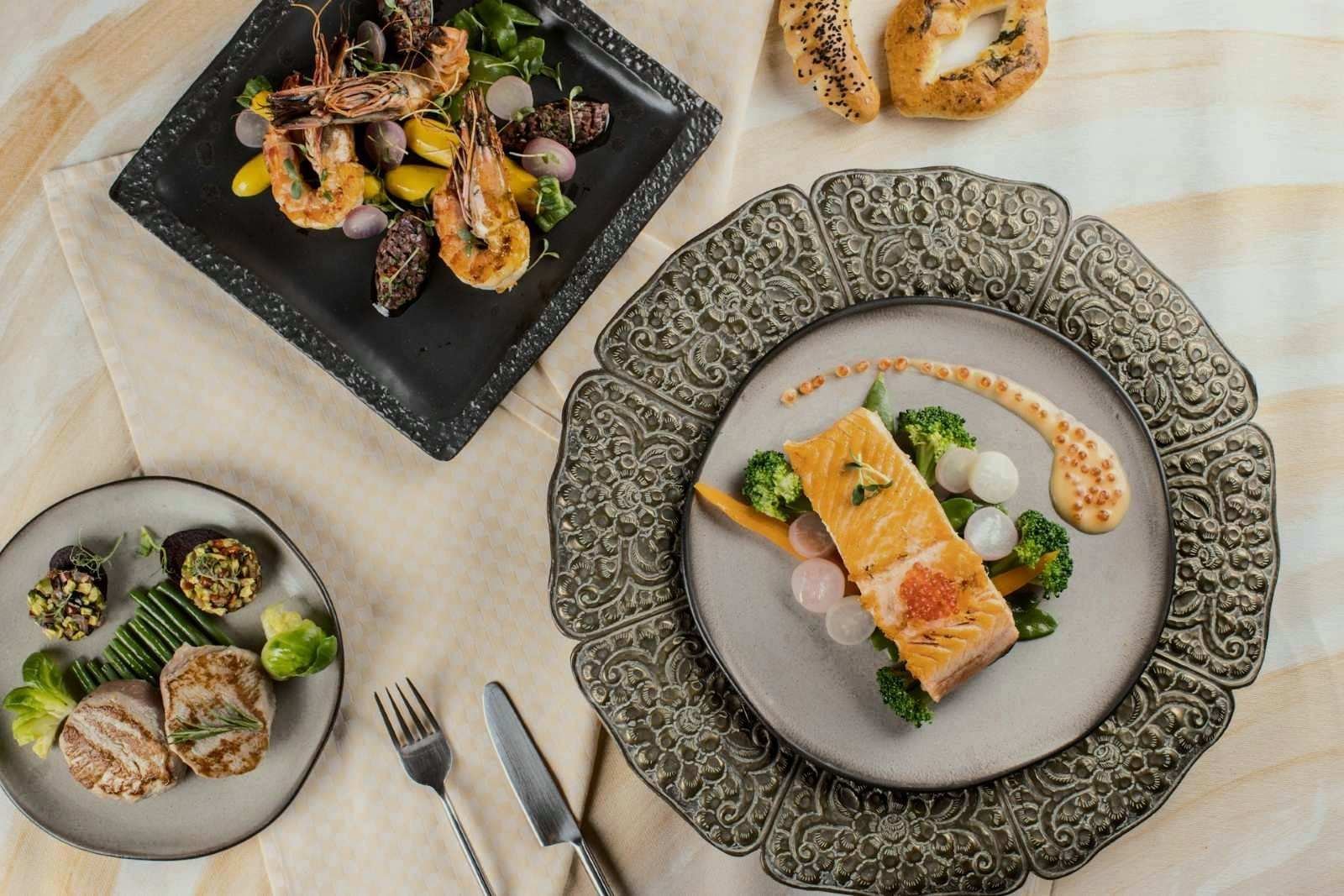
Healthy eating has become part of a lifestyle. Beautifully prepared bowls. Farmers’ markets. Organic produce. Wellness cafés. Personalised meal plans. Carefully designed kitchens. Green juices. We’ve all posted a picture of a super healthy brunch at some point in our lives.
Sometimes we confuse the aesthetic of healthy eating with healthy eating itself
Again, there is nothing wrong with any of these things, but they can create a very specific and sometimes misleading visual idea of what healthy eating looks like. Sometimes we confuse the aesthetic of healthy eating with healthy eating itself. We have also created something I would call a “wellness premium”: the idea that eating well requires expensive or specialised products. Organic matcha. Superfood powders. Functional snacks. Cold-pressed juices. Protein products with carefully designed packaging.
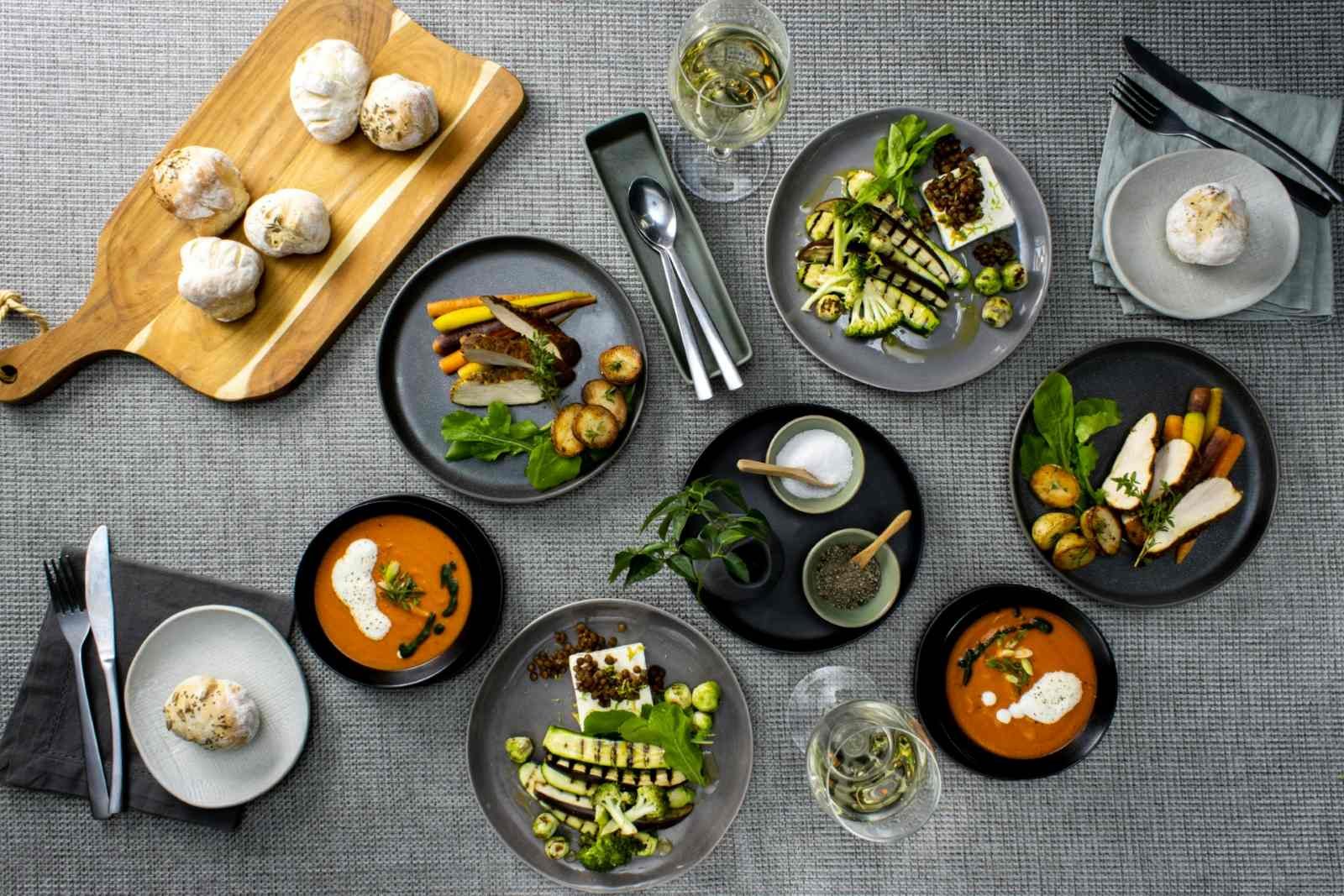
A simple meal of eggs, oats, vegetables, beans, rice, potatoes, fruit or plain yoghurt can provide far more nutritional value than its price or appearance might suggest. Beans, vegetables and grains may not look particularly aspirational, but they can still be nutritious. Frozen vegetables and tinned beans can be practical, affordable staples. A basic supermarket meal can still be a good meal. Healthy eating does not need to look expensive to be valuable.
Eating well without the wellness premium
If money or time is limited, I don’t think the answer is to give people another complicated meal plan. It is often much simpler than that. Start with the foods you already eat and make the better option easier. Eggs, oats, potatoes, rice, lentils, beans, plain yoghurt, frozen vegetables, seasonal fruit, wholemeal bread, hummus and tinned fish can all form the basis of simple, nutritious meals without requiring a specialist shopping list.
Frozen does not automatically mean nutritionally inferior. Frozen vegetables and berries can be practical, last much longer and help reduce food waste. For someone who struggles to use fresh produce before it goes off, frozen food may actually make healthy eating more realistic. The same applies to tinned food. Beans, chickpeas, lentils, tuna and sardines can turn into a meal within minutes. They don’t need to be soaked overnight, cooked for hours or turned into an elaborate recipe. And perhaps one of the most underrated strategies is to keep what I would call “emergency healthy food” at home: the food you reach for when you are exhausted. This could include eggs, frozen vegetables, bread, hummus, tinned beans, soup, sardines, plain yoghurt and oats. These foods may not look particularly exciting on social media. But when the alternative is ordering takeaway because there is nothing available at home, they can make a significant difference.
Healthy eating does not have to mean optimising every meal. Sometimes it means making the food you already eat slightly better, more often.
Healthy eating is not a status symbol
People deserve good information about food and health. But if we want healthier populations, we cannot make the individual responsible for every barrier standing between them and that information. We need to make the healthier choice more realistic.
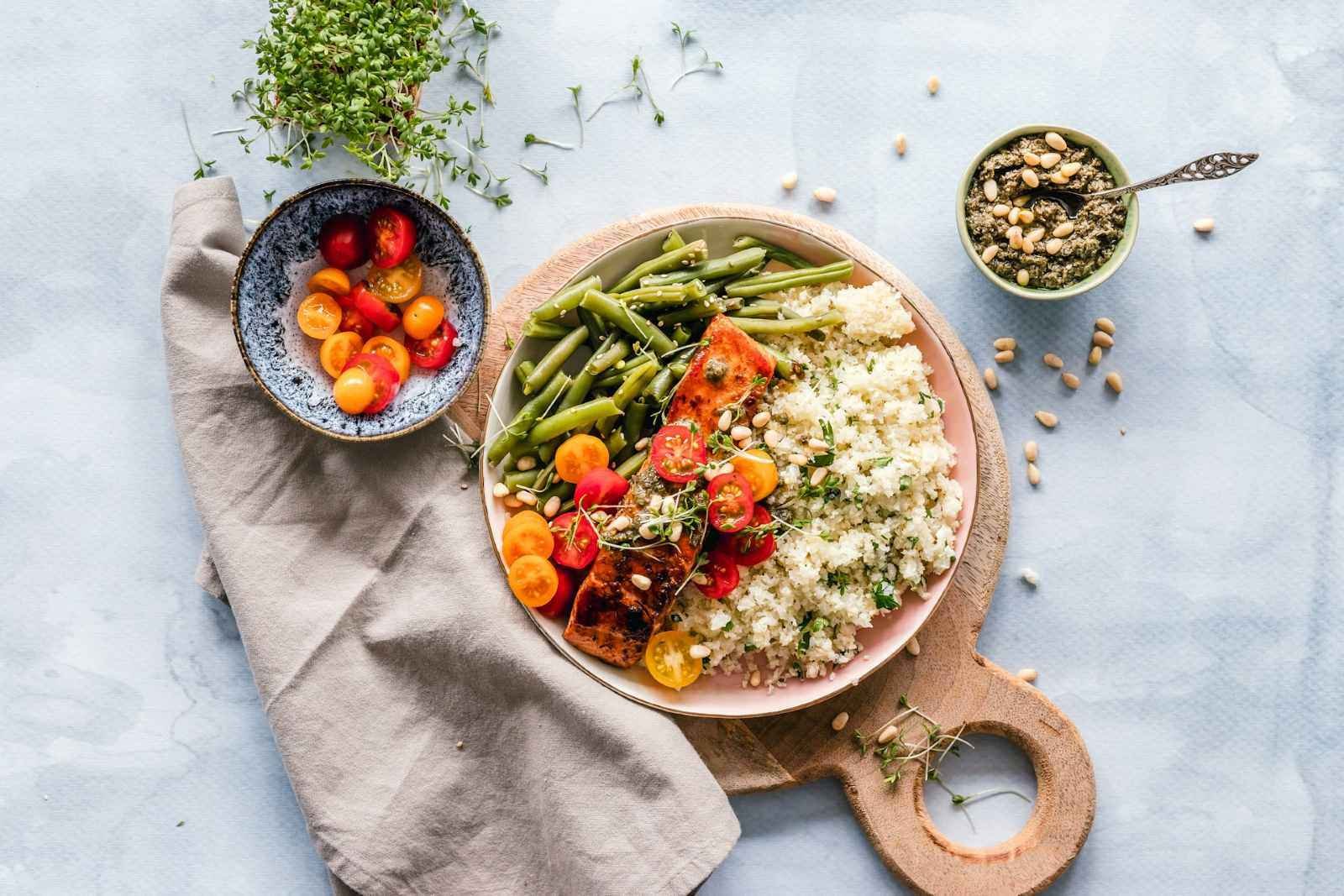
I strongly believe the most useful question is not whether people know what healthy eating looks like. Many people already do. The more important question is whether their lives allow them to act on that knowledge. We cannot always change food prices, but we can stop treating healthy eating as a project that requires perfect conditions. If money or time is limited, I believe the fundamentals should come first: adequate protein, fruit and vegetables, fibre-rich foods and minimally processed staples, while reducing reliance on highly processed foods where possible. Everything else can come later. Organic products, supplements, functional foods, speciality ingredients and expensive wellness products may have their place, but they are not the foundation of a healthy diet.
We cannot always change food prices, but we can stop treating healthy eating as a project that requires perfect conditions
Sometimes the best diet is not the most expensive, the cleanest or the most aesthetically appealing. It is the one a person can realistically repeat week after week without excessive cost, time or effort.Healthy eating should not be something people need ideal circumstances to achieve. It should be something that fits into ordinary life. Because the most economical healthy diet often looks far less glamorous than the one sold by the wellness industry.
About the author
Eleana Adamidi: Co-Founder of Diething, Dip., BSc., MSc., Registered Nutritionist, and People & Operations professional working at the intersection of health, technology and human behaviour.
Share




WE RECOMMEND

Why Wellbeing is Becoming the New Logic of Luxury: An Editor’s View
Ten years ago, status was read through objects. Today, it is increasingly measured in quality of life and access to environments that…
Why Private Members’ Clubs are Replacing Social Life
There’s a global shift. Private members’ clubs have moved from legacy status symbols to a practical layer of city life: places to…

Tezukuri, Dubai: Wood, Quiet Beauty, and Precision
Tezukuri brings a calm, wood-led minimalism to Dubai’s restaurant scene, with clean flavors, exact technique, and a terrace that keeps the evening…
