




The Private Collector
The most influential collector today often flies in unannounced, walks the preview alone, and already knows exactly what he is looking for. More and more often, he comes from the Middle East.
The Private Collector
The most influential collector today often flies in unannounced, walks the preview alone, and already knows exactly what he is looking for. More and more often, he comes from the Middle East.
There is a moment that happens at every major art fair now – in Basel, in Frieze, increasingly in Doha and Diriyah – when a work sells before the vernissage opens. Not to a museum. Not to a European dynasty with a name on a wing. To someone who flew in quietly, walked through the preview alone or with a single trusted adviser, and made a decision with a speed and certainty that leaves gallery directors mildly stunned. That buyer, more often than in any previous decade, comes from the Gulf.
This is not a story about wealth. Wealth has always been present in the art market. This is a story about a shift in sensibility – in what is being collected, why it is being collected, and what happens to art itself when a new kind of collector steps into the room with a different set of questions.
The previous generation of major collectors from the Arab world often operated through institutions. Royal collections, national museums, state-commissioned works – culture as architecture of identity, built for public display and diplomatic signalling. That model still exists and continues to grow, most visibly in Abu Dhabi’s Saadiyat Island, in Saudi Arabia’s expanding museum infrastructure, in Qatar’s decade-long investment in a world-class public collection. But running in parallel, and in many ways more quietly disruptive, is the rise of the private collector who answers to no brief except their own.
This collector is typically in their thirties or forties. They may have studied abroad – London, New York, Paris – and absorbed the language of contemporary art not as a cultural visitor but as someone who moved through it daily, who made friends inside it, who understood that art fairs are not simply markets but social ecosystems with their own codes, loyalties and long memories. They returned to the Gulf with capital, yes, but also with fluency. And fluency changes everything.
What makes this generation different is the nature of their curiosity – and the confidence with which they bring their own frame of reference to a market that once asked them to adapt to its.
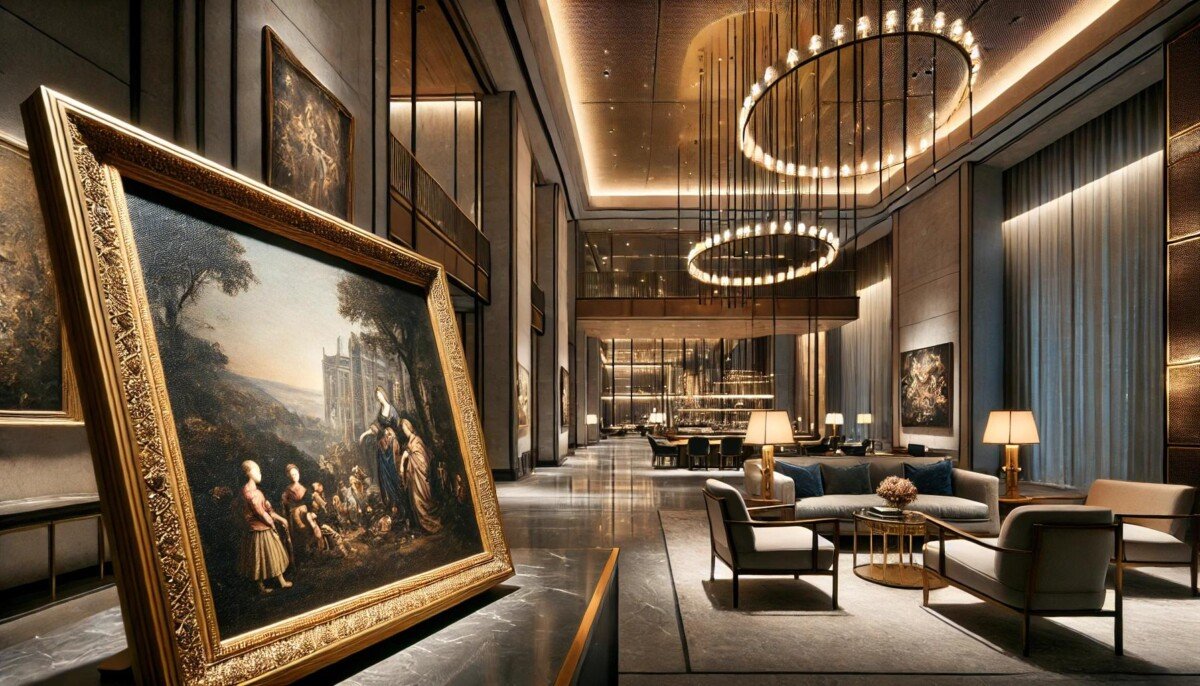
When a Western collector builds a collection, they tend to work within well-established art historical narratives. They are often guided, consciously or not, by the canon – by what the institutions have already validated, by where the critical conversation has already moved. There is safety in this, and also a kind of conservatism. The market reflects and amplifies what it already knows.
The new Middle Eastern private collector often enters from a different angle. They are not trying to complete someone else’s canon. They are building something that reflects a different experience of modernity – one shaped by cities that have changed unrecognisably within a single lifetime, by cultures that held their ground while absorbing enormous external pressure, by a sense of time that is simultaneously ancient and furiously accelerated. When you have grown up in a place where a desert became a skyline within your parents’ memory, your relationship to the idea of transformation – and to art that speaks about it – is visceral in a way it cannot be for someone raised in a city whose architecture settled three centuries ago.
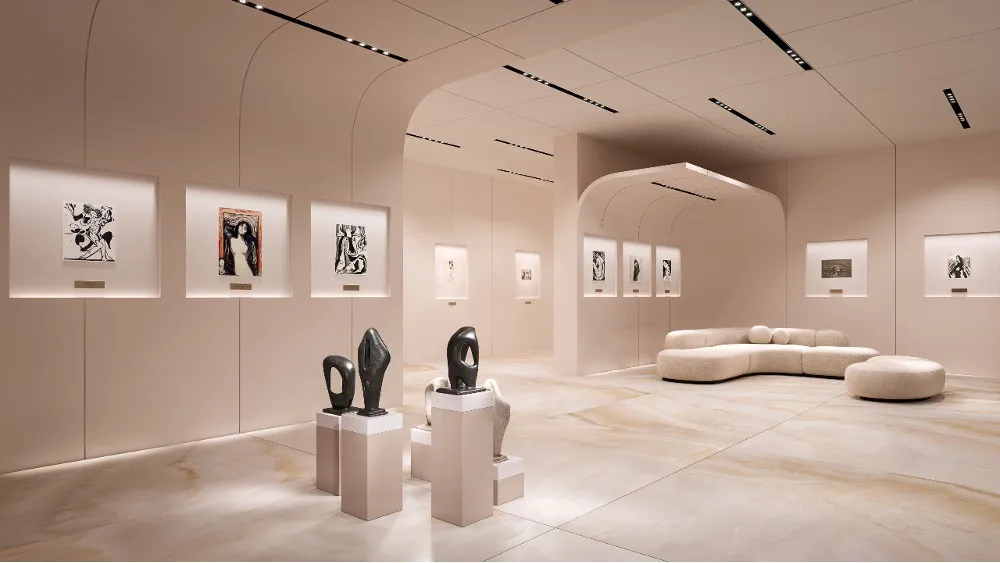
This shows in what they collect. Works by artists from the Arab world, from Iran, from South Asia and East Africa appear alongside blue-chip Western names – not as a political statement, but as a natural expression of a different geography of relevance. Artists who were considered peripheral by the major Western market twenty years ago are now achieving serious secondary market results, in part because a generation of collectors has made visible what was always there. The market, which is ultimately just a mirror of accumulated attention and desire, is beginning to reflect a wider world back at itself.
Several galleries in London, New York and Paris now quietly maintain dedicated relationships with collectors based in the Gulf, relationships that function less like client management and more like ongoing intellectual partnerships. A gallerist who once described their role as “educating” collectors from the region now speaks differently. The conversation, they say, runs in both directions. A collector who arrives having spent the previous week in a studio visit in Cairo, or who has been following a young Beiruti artist for three years before that artist’s first solo show, is not someone who needs to be educated. They are someone who often knows something you do not.
This shift in dynamic is consequential. When a collector has genuine knowledge and genuine conviction, they create conditions for artists to take risks. The collector who buys early, who buys because they believe in a practice rather than because an institution has already validated it, provides a form of support that is different in nature from a grant or a residency. It is a market signal. And market signals, for better or worse, shape what artists can afford to spend their time making.
There is a particular kind of confidence that comes from building a collection without a template to follow. It looks, from the outside, like taste. From the inside, it feels like a long conversation with yourself about what matters.
There is also a spatial dimension to this shift that rarely gets discussed. Many of the collectors in this generation are not simply buying art to hang on walls. They are building environments – homes, offices, hospitality projects – in which art is not decoration but architecture of experience. The collection and the space grow together, each shaping the conditions for the other. A work commissioned for a specific interior in Dubai or Riyadh is designed to live in a particular quality of light, in proximity to particular objects, in a cultural context that is specific and located. This is a different relationship to art than the white-wall neutrality of the classic collection. It asks art to be present in a life, not held at a contemplative distance from one.
Some of the most interesting commissions happening right now in the region are entirely private. A sculptor working with local stone and traditional geometric patterns produces a site-specific installation for a private residence that no curator will see, no critic will review, no auction house will catalogue for decades. The work exists in a relationship between artist and collector that is direct, unmediated, and – in the context of an art world saturated with institutional positioning – unusually honest.
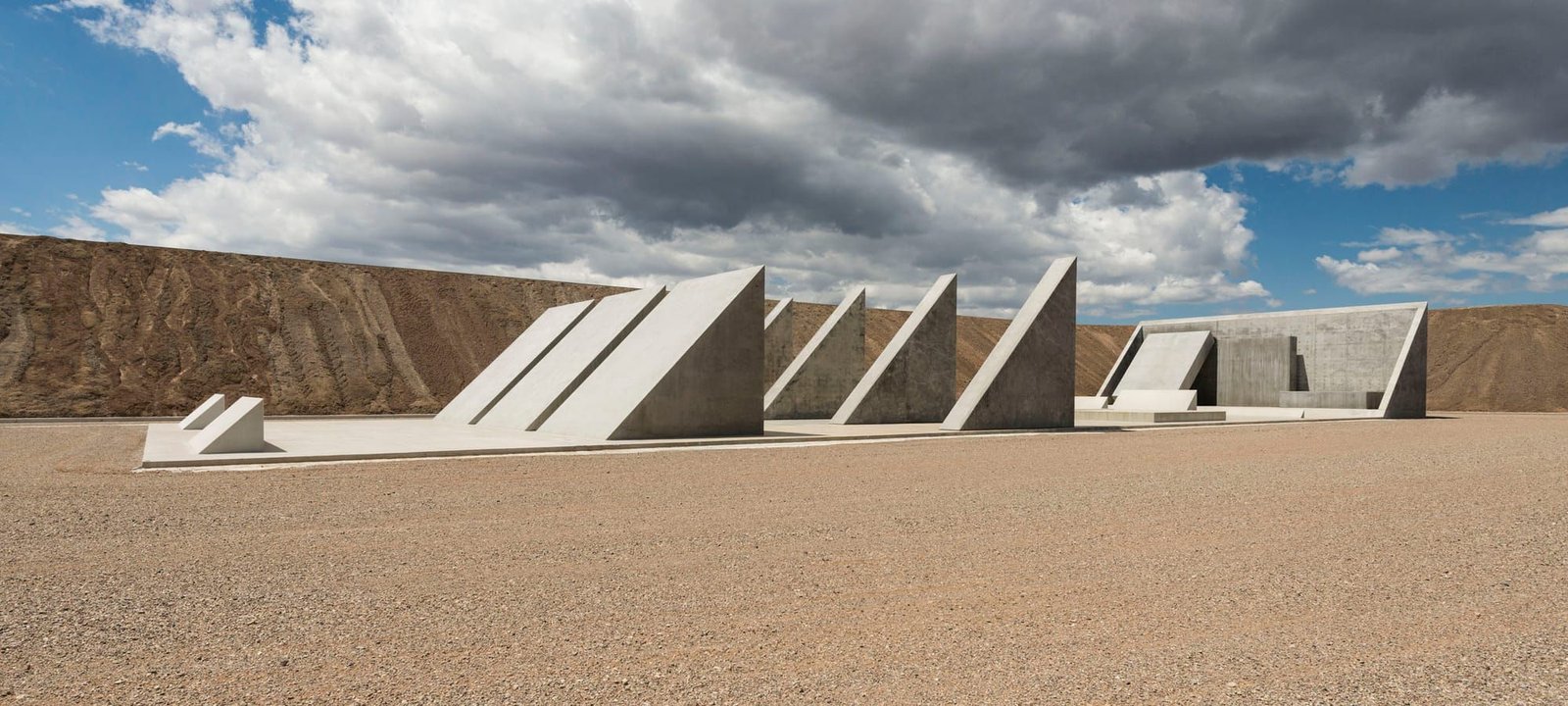
The effect of all this on what artists make is beginning to be felt. Artists who know that a serious collector from the region is paying attention – who knows that work engaging with Islamic geometric tradition, or with the experience of cities built at speed, or with the tension between inherited identity and global modernity, will find a sophisticated and committed audience – are freer to go deep into those territories. The collector’s gaze, when it is genuinely curious and genuinely informed, functions as a kind of permission. You do not need to translate yourself for a room that already speaks your language.
This does not mean the work becomes regional in a limiting sense. Quite the opposite. The most compelling art emerging from and around this collector culture is simultaneously rooted and universal – specific enough to have real weight, open enough to speak across cultures. The work of artists now being collected seriously by this generation tends to hold multiple registers at once: the local and the global, the historical and the accelerated present, the material and the conceptual. It is work made for a world that does not sort neatly into Western and non-Western, contemporary and traditional, centre and periphery.
The art market has always been a map of where power feels confident enough to look at itself. Today that map is being redrawn.
What comes next is harder to read. Markets have a way of absorbing disruption and converting it into new forms of orthodoxy. The artists and regions that this generation of collectors has elevated will, in time, be fully canonised – and when they are, a different set of collectors will need to find the next edge. The question is whether the shift in sensibility is durable, or whether it flattens as it institutionalises.
The early signs are that it is durable, because it is grounded in something more than trend. A collector who builds a collection out of genuine cultural affinity, out of a real relationship with a region’s past and a real stake in its future, is not easily redirected by fashion. They are building something personal, something that will outlast the current market cycle and the current fair season. That kind of collection – the kind that reflects a life rather than a portfolio – has always been the most significant kind.
The global art market is used to being shaped by those who arrived first, who built the institutions, who wrote the histories. It is now being shaped, quietly and consequentially, by those who have a different history to draw from – and the patience, the resources, and the fluency to make it matter.
Share


WE RECOMMEND
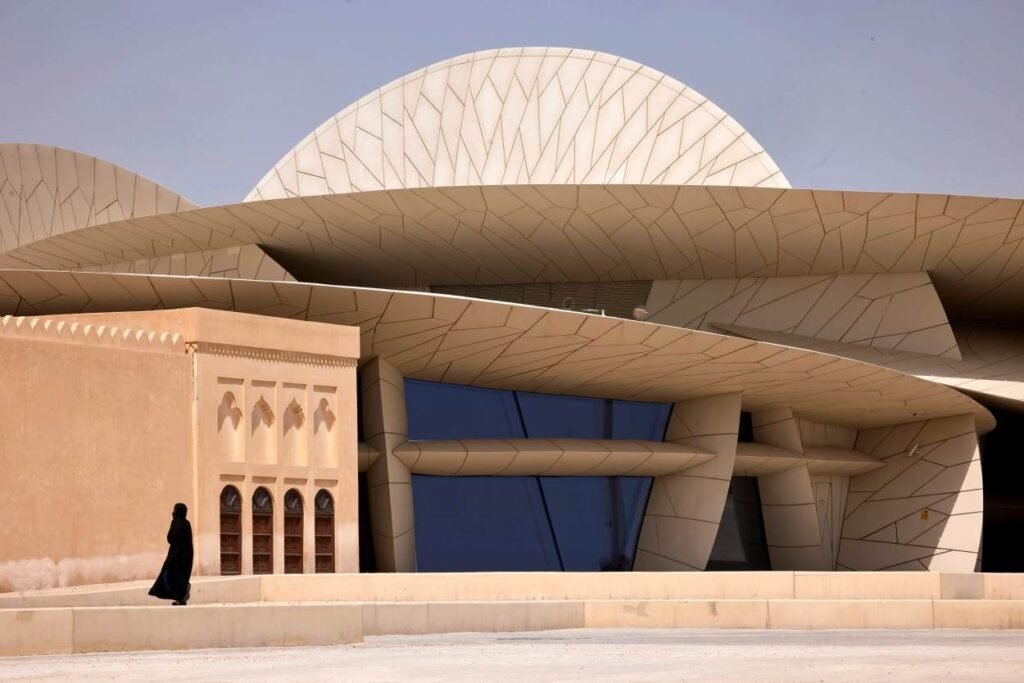
Art Basel Qatar: why Doha’s art moment matters beyond the fair
From February 5 to 7, 2026, Doha steps into the global art spotlight with the launch of Art Basel Qatar, marking a…
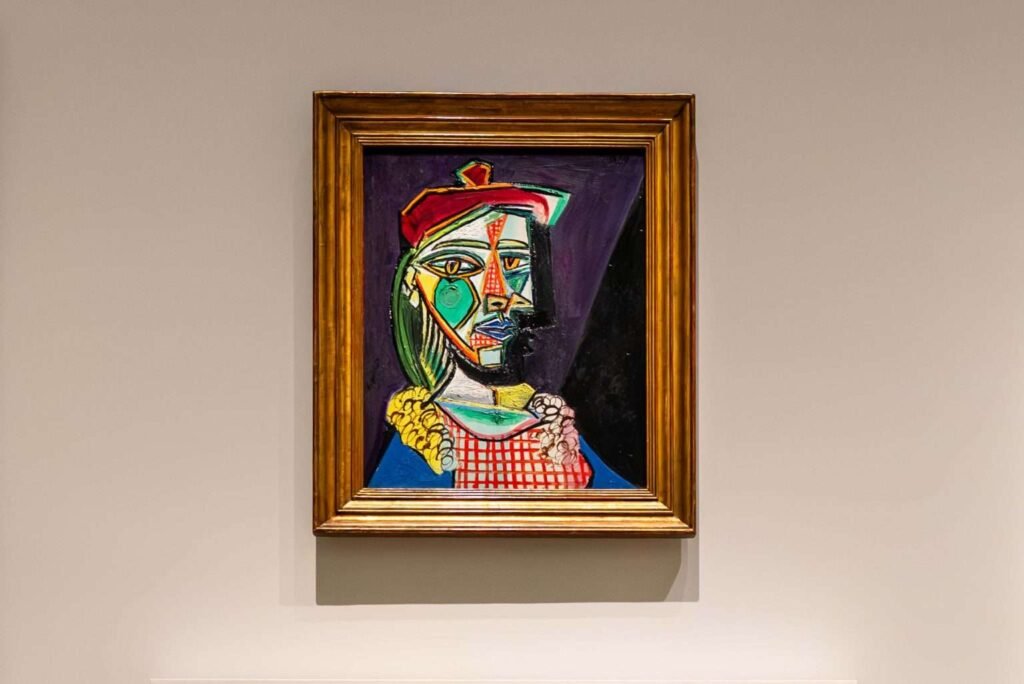
Now on view: Picasso, the Figure at Louvre Abu Dhabi
Why go to see Picasso at Louvre Abu Dhabi, and what can it offer today if you need a shift in perspective…
UAE Art Season 2026 – The Shows That Matter
The UAE’s art season is now in its clearest stretch: major exhibitions in Dubai, museum anchors in Abu Dhabi, and Sharjah’s institutional…
