



Six Senses The Palm
UAE Wellness Residences Boom: What’s Actually Inside Them?
From Dubai's forest communities to Abu Dhabi's dedicated wellness islands, the UAE is building one of the world's most ambitious map of longevity residences. We looked inside them.
Developers are no longer selling only views, marble kitchens, and private pools. They are selling cleaner air, filtered water, circadian lighting, medical diagnostics, recovery spaces, nutrition programmes, longevity clinics, and entire communities designed around the idea of living better for longer.
Some of it is serious. Some of it is highly branded. Some of it still sits closer to promise than proof. But the direction is clear: wellness has moved from the spa floor into the structure of the building.
The UAE has become one of the most active markets for this shift. In Dubai and Abu Dhabi, residential projects are now using the language of healthspan, biohacking, healthy ageing, regenerative design, sleep quality, air purification, and nature-led living. The result is a new property category somewhere between branded residences, private clinics, resort living, and lifestyle infrastructure.
Here are some of the UAE projects defining this new map.
Eywa Dubai
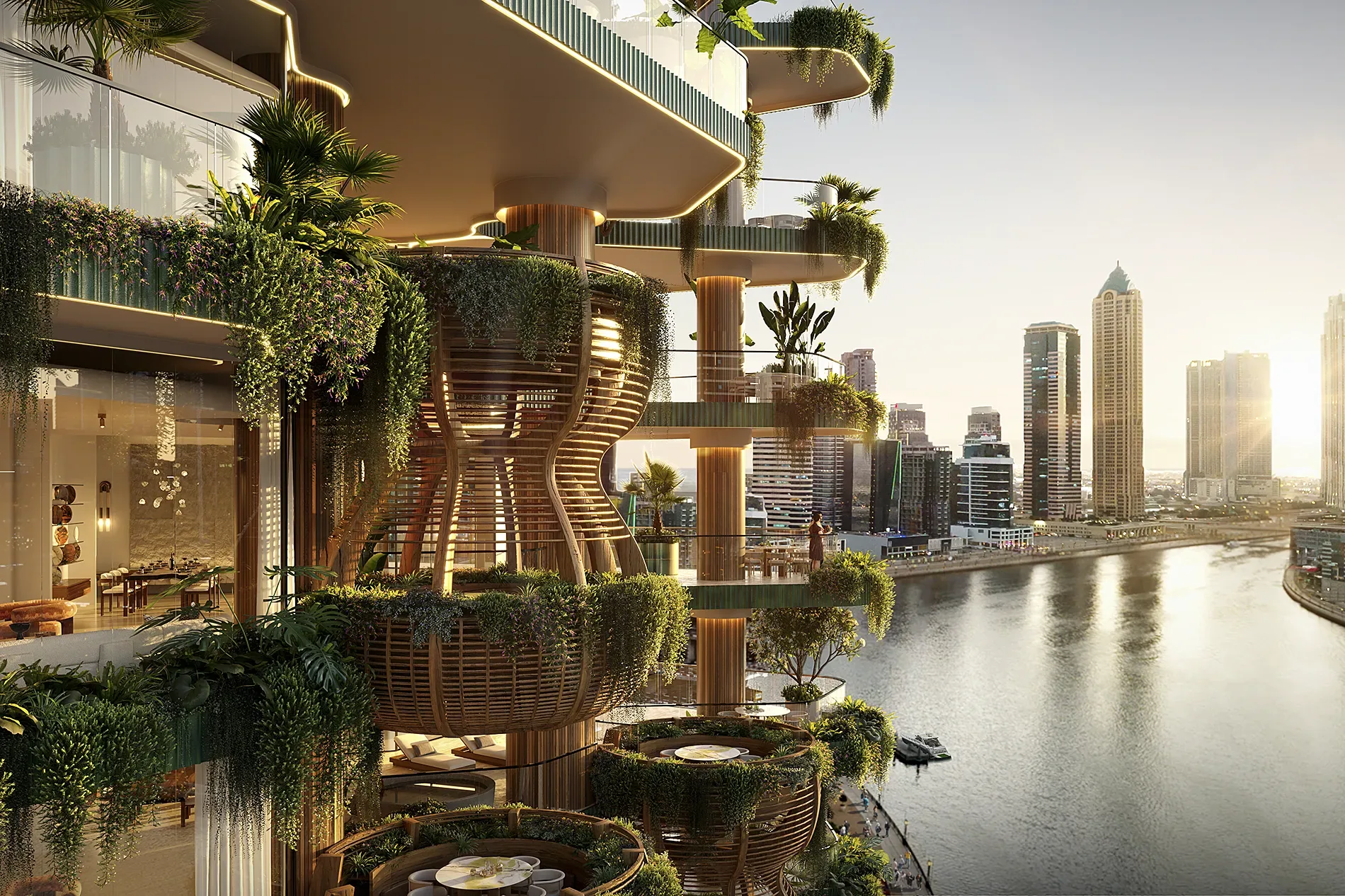
Eywa Dubai is one of the most visually distinctive wellness residences in the city. Located on the Dubai Water Canal (Business Bay), the project is built around the image of the Tree of Life, with organic balconies, sculptural forms, water elements, greenery, and a strong biophilic design language.
Its wellness narrative goes far beyond the usual gym-and-spa formula. The project materials describe MERV-14 air purification, EMF-shielded bedrooms, non-toxic materials, Vastu-informed planning, sound-vibration harmonised water, and a structure incorporating large quantities of crystals and semi-precious stones.
It combines several wellness languages at once: ancient spatial systems, energy-based design, air and water engineering, sleep protection, and nature as architecture.
Akala by Arada
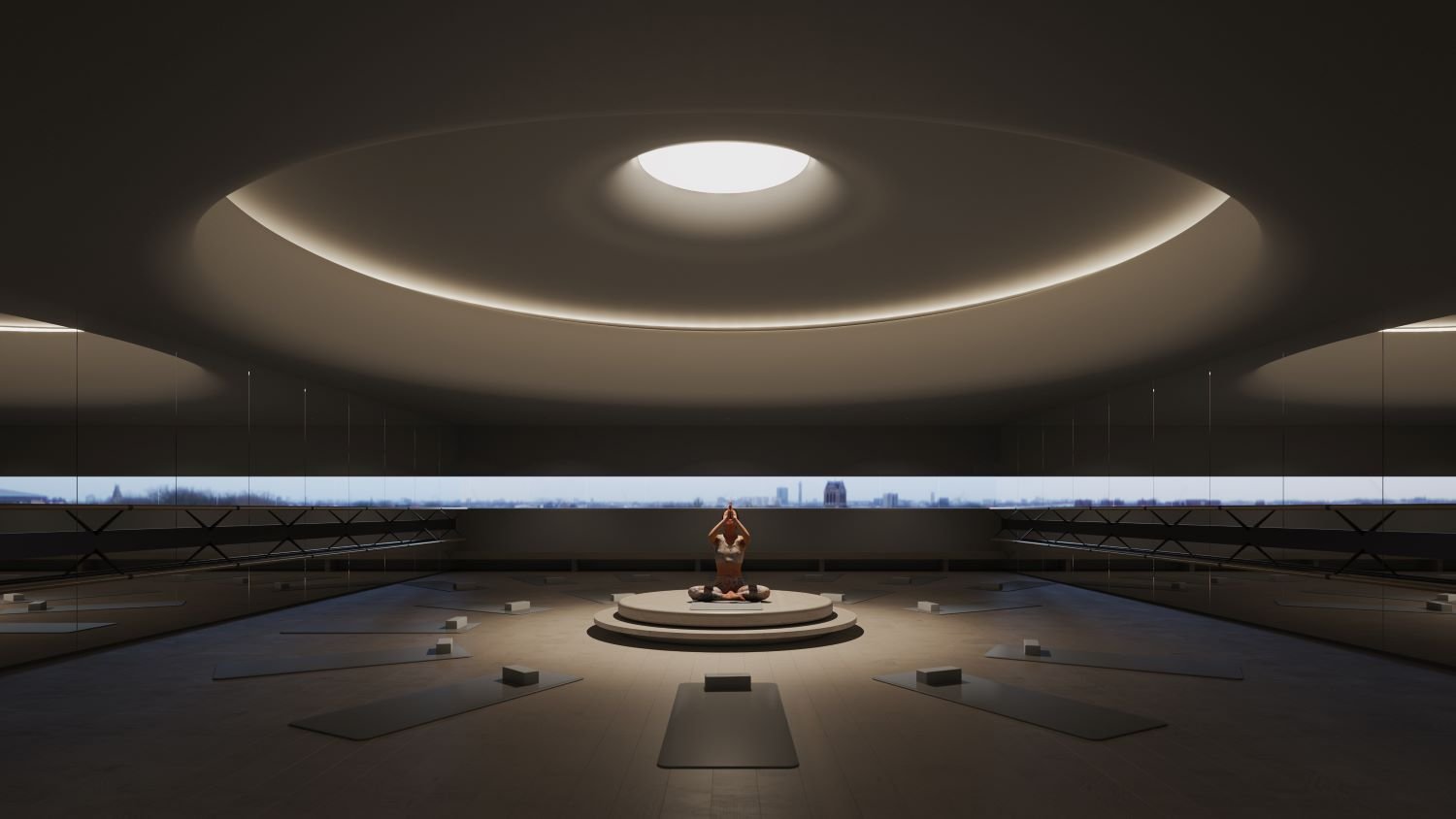
Akala by Arada brings a more clinical and technology-driven version of wellness to Dubai. Planned in Za’abeel, near DIFC, the development is positioned as a precision wellness destination, combining residences, hospitality, wellness services, medical-grade health support, and AI-driven service systems.
The project includes branded residences, a hotel component, wellness studios, the Akala Spa, organic dining, and Everwell, a medical wellness clinic designed around health optimisation and longevity. Project materials refer to diagnostics, personalised health plans, stem-cell therapies, hormone optimisation, and advanced wellness services.
Akala belongs to the part of the market where wellness is becoming data-led. The promise is less about escape and more about measurement: understanding the body, tracking its condition, adjusting behaviour, and using the residential environment as part of a broader health system.
That makes the project part of a larger shift in Dubai’s positioning. The city is becoming a testing ground for new forms of preventive living, where hospitality, real estate, medical wellness, and AI-enabled personalisation increasingly sit inside the same building.
SHA Emirates
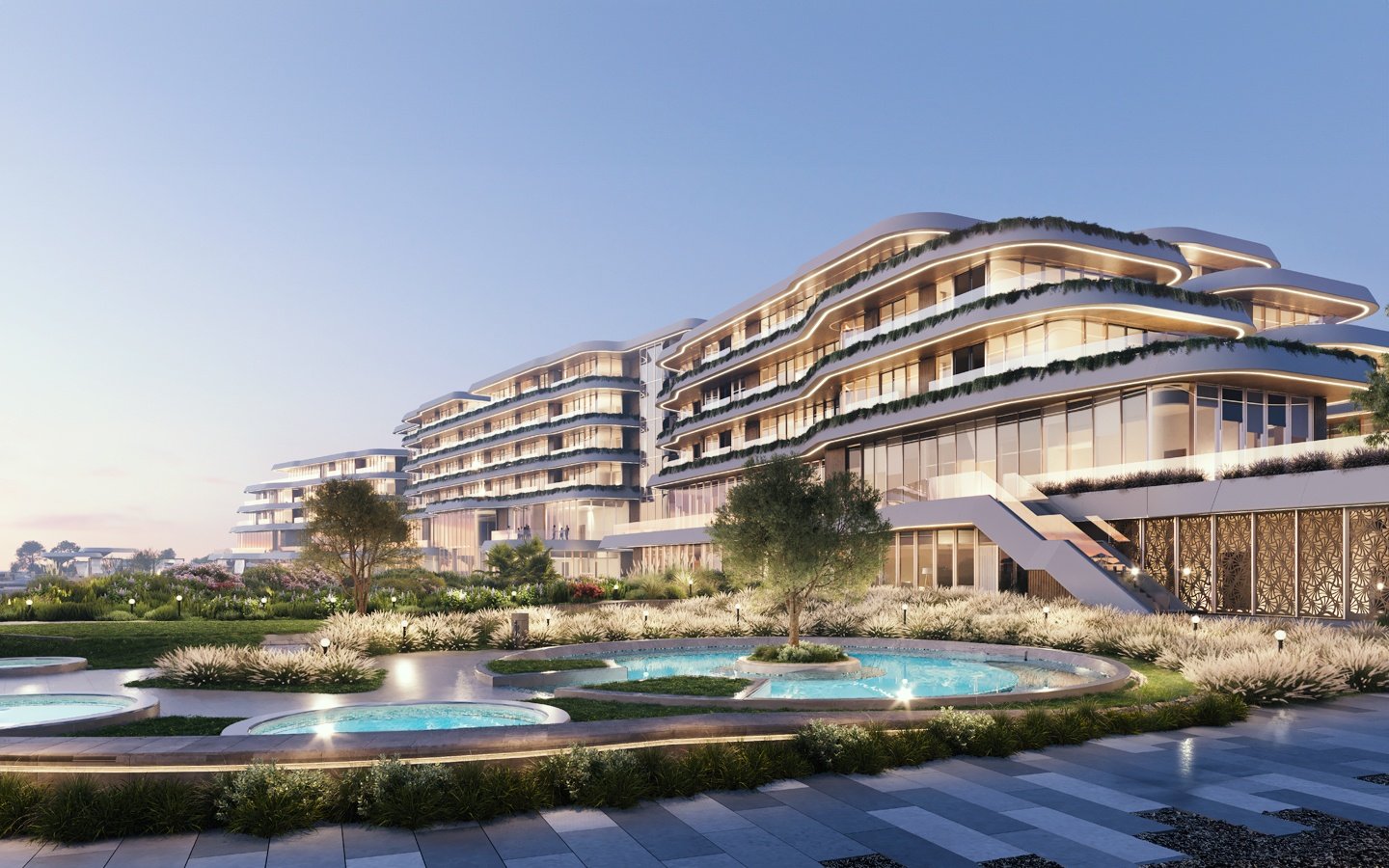
SHA Emirates brings one of the most established names in destination wellness into the residential category. Located at Al Jurf, between Dubai and Abu Dhabi, the project extends the SHA Wellness model into a permanent living environment with residences, villas, medical services, nutrition, movement, recovery, and healthy ageing programmes.
The key difference here is that SHA already has a defined methodology. Its clinics are built around preventive medicine, longevity, nutrition, movement, sleep, stress management, and behavioural change. In the Emirates project, that model is translated into residential life, with access to SHA Wellness Clinic experts, medical consultations, therapists, personal trainers, healthy-cooking chefs, and wellness services that can reach residents at home.
The residence is connected to a clinic-led ecosystem, which makes the health proposition easier to understand. This gives SHA Emirates a more structured foundation than many wellness-branded projects.
Al Jurf area is quieter and more removed from the urban density of Dubai and Abu Dhabi. The project is built around the idea that environment itself affects recovery: light, sea, movement, privacy, food, and clinical support become part of one daily system.
Aman Residences Dubai
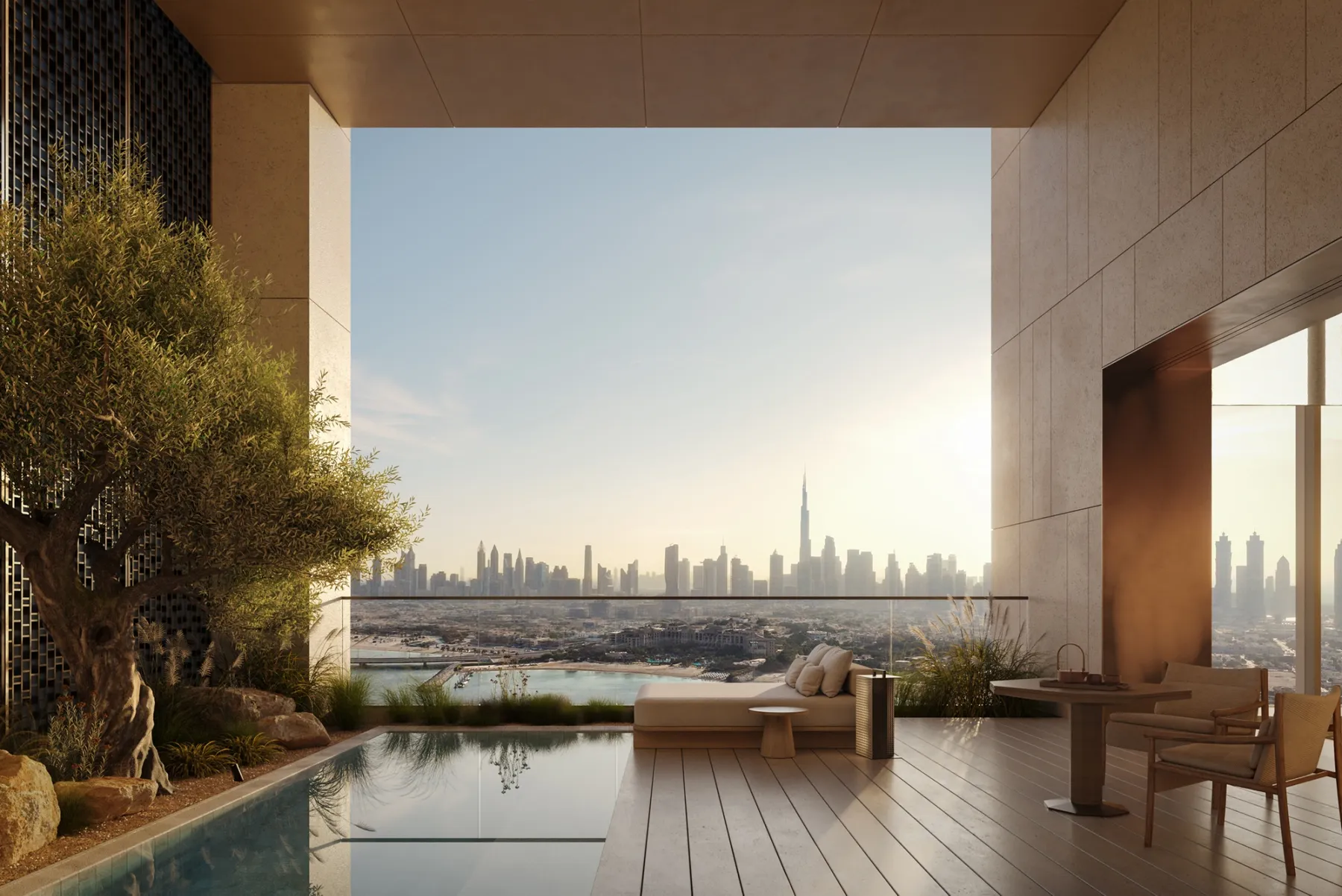
Aman Residences Dubai sits in a different category. Its wellbeing story is quieter and more architectural. Located on Dubai Peninsula along the Jumeirah coastline, Aman Dubai will include a hotel, Aman Club, and a limited collection of branded residences surrounded by gardens and private beach access.
The offer includes access to an Aman Spa, dining, members’ club facilities, service, and the brand’s established language of privacy, proportion, silence, and spatial calm. Here, wellness is less medical and more atmospheric. It is expressed through space, landscape, controlled service, and the removal of visual and social noise. The project does not need to overload the wellness message because the Aman brand already carries a strong association with calm, discretion, and retreat.
The Alba Dubai, Dorchester Collection
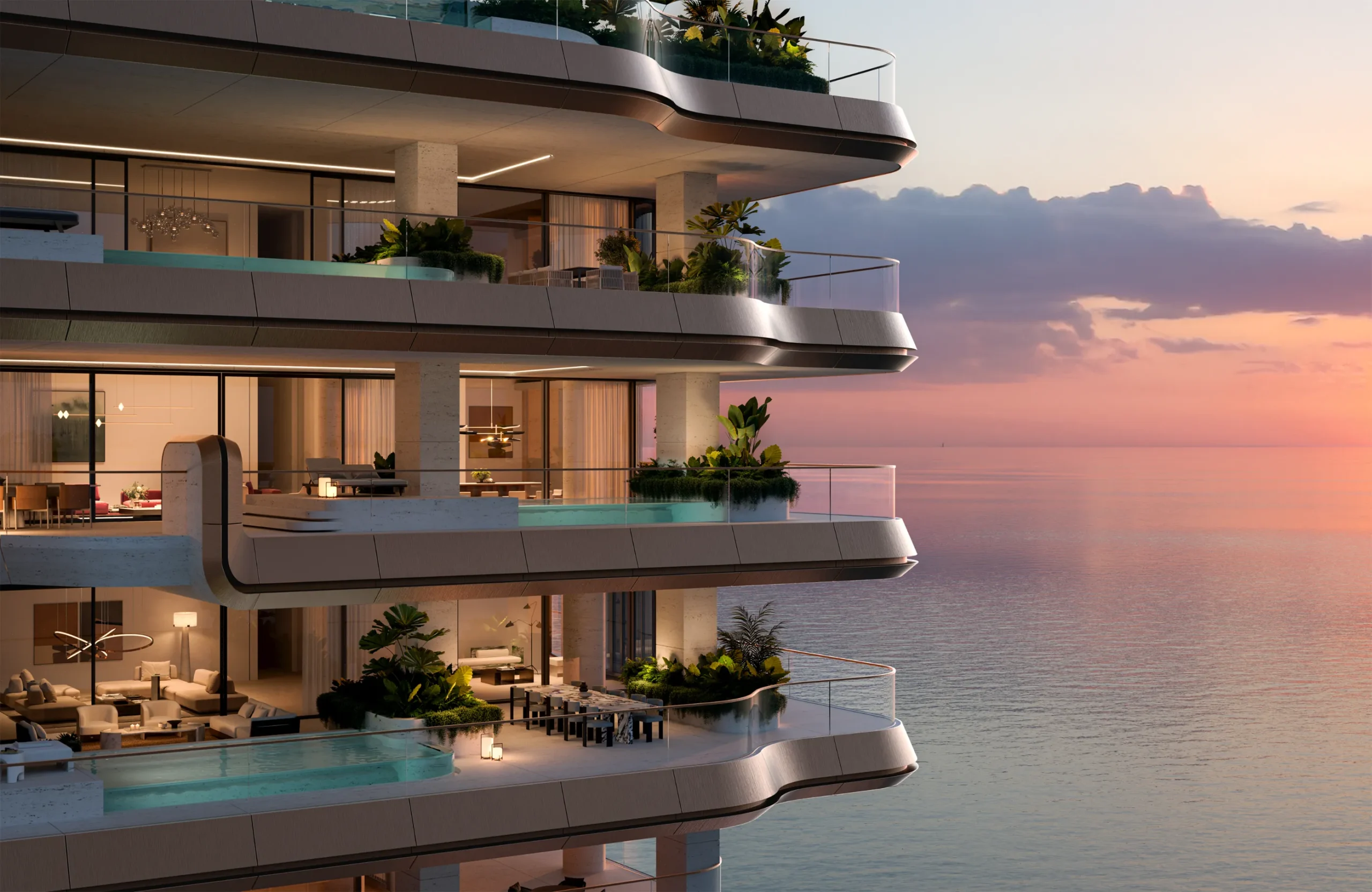
The Alba Dubai, Dorchester Collection, brings another version of wellness to the Palm Jumeirah. Designed by Zaha Hadid Architects and developed by OMNIYAT, the project is positioned as a garden retreat by the sea, combining residences, hospitality, landscape, and a dedicated wellness centre.
Project materials describe a large wellness centre with longevity therapies, diagnostic areas, treatment rooms, movement studios, vitality wet areas, fitness, and nutrition-led living. The Dorchester Collection connection gives the project a strong hospitality layer, while the architecture and landscaping create the emotional tone: soft forms, sea air, gardens, and service.
The Alba sits close to the new intersection between beachfront living and longevity programming. It is not presenting wellness as an occasional treatment. It is building it into the daily geography of the project: where residents move, eat, recover, train, and access services.
Six Senses The Palm
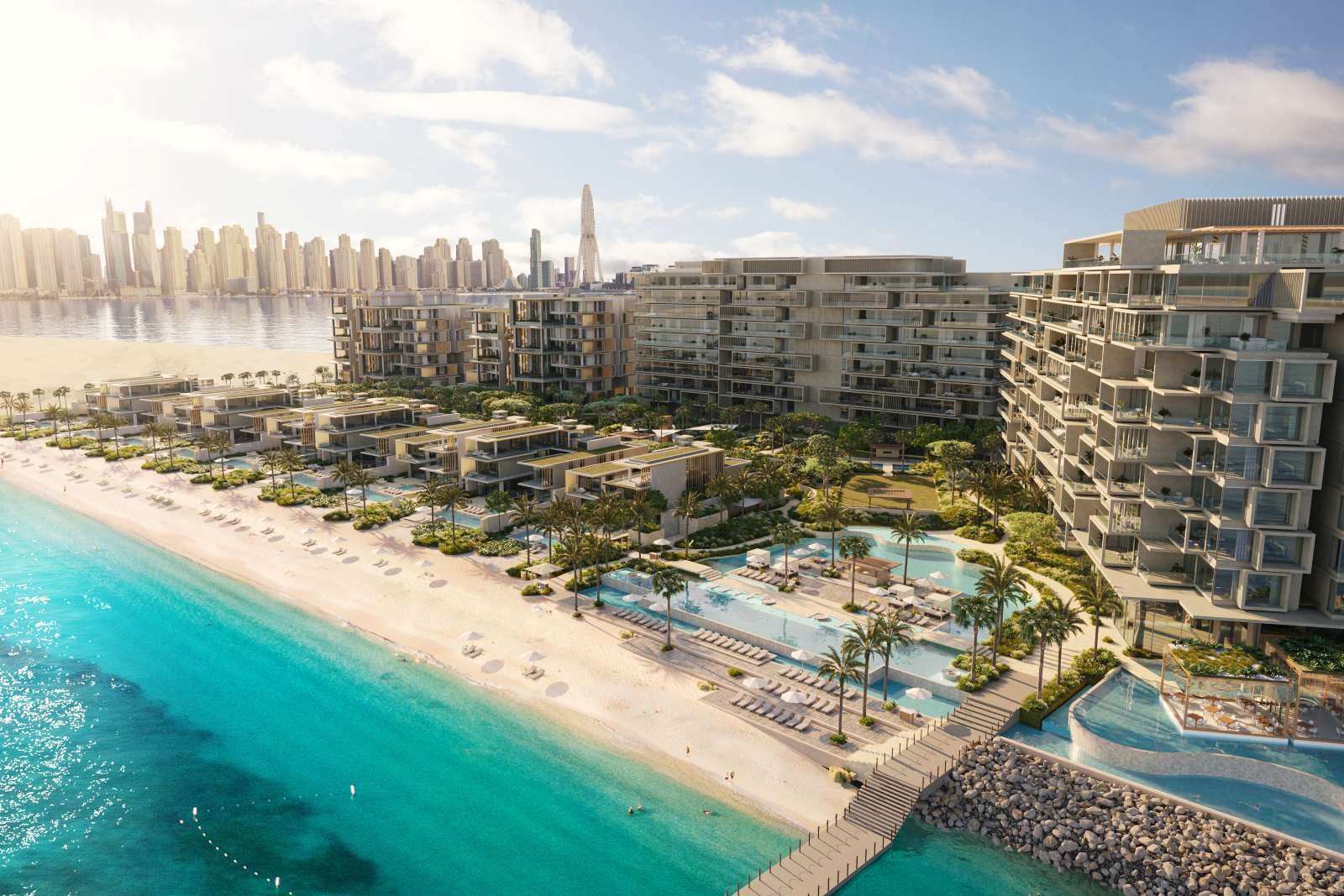
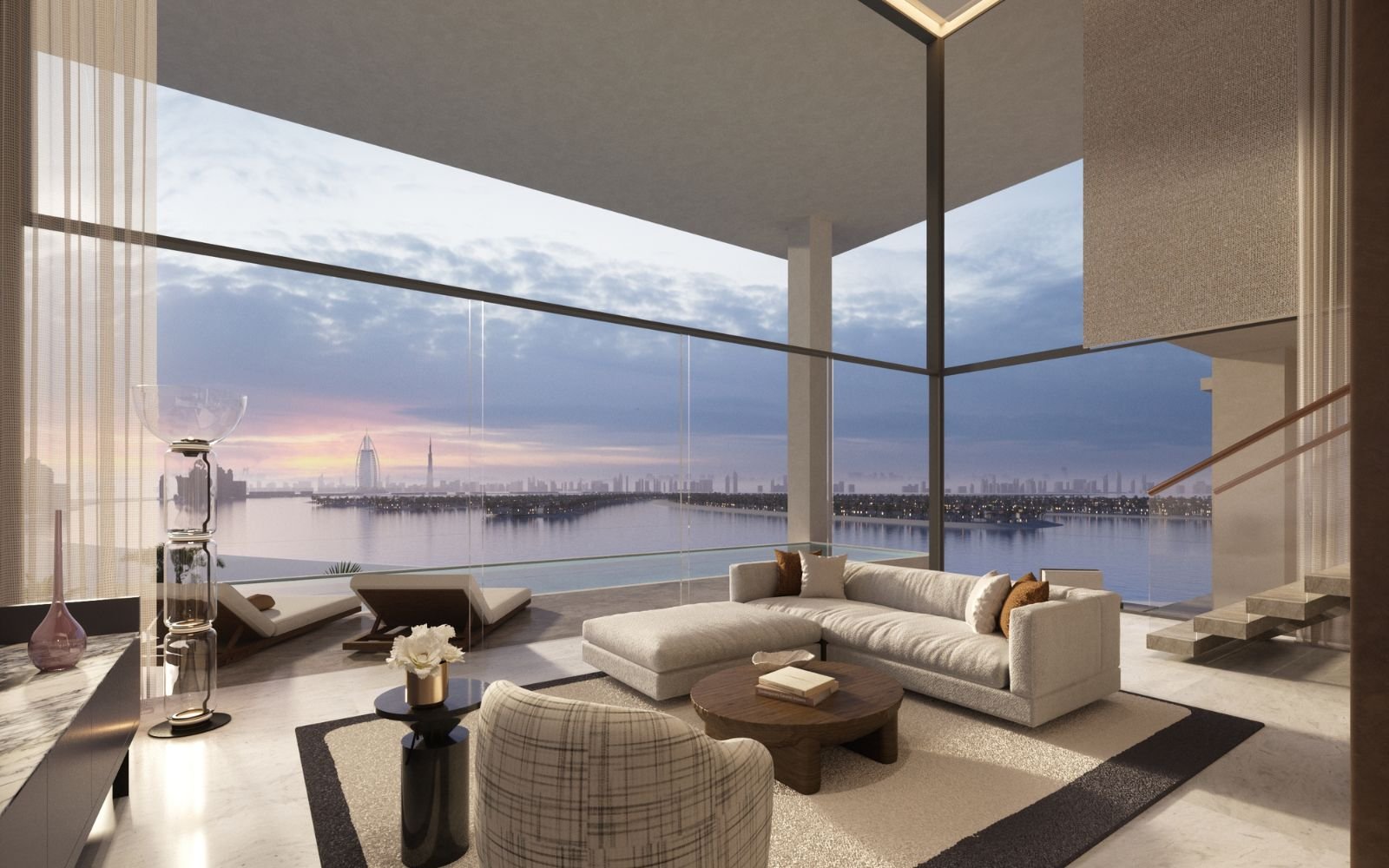
Six Senses The Palm is one of the clearest examples of a global wellness hospitality brand entering Dubai’s residential market. Located on Palm Jumeirah’s West Crescent, the project includes a resort and branded residences, with residents gaining access to the hotel’s facilities and Six Senses’ broader wellness philosophy.
At the centre of the residences is a large social and wellness club with a longevity clinic, IV lounge, biohacking room, massage circuit pool, squash court, working spaces, and Six Senses Spa. The brand also brings its wider approach to sleep, nutrition, sustainability, movement, and personalised wellness programming.
Six Senses has an advantage here because wellness is already part of the brand’s core identity. The Palm project does not have to invent a health story from scratch. It brings an existing hospitality framework into the residential market.
It also reflects a broader change in how branded residences are being sold. The old model was about hotel service at home. The new model adds health programming, community, recovery, and lifestyle design.
Ghaf Woods
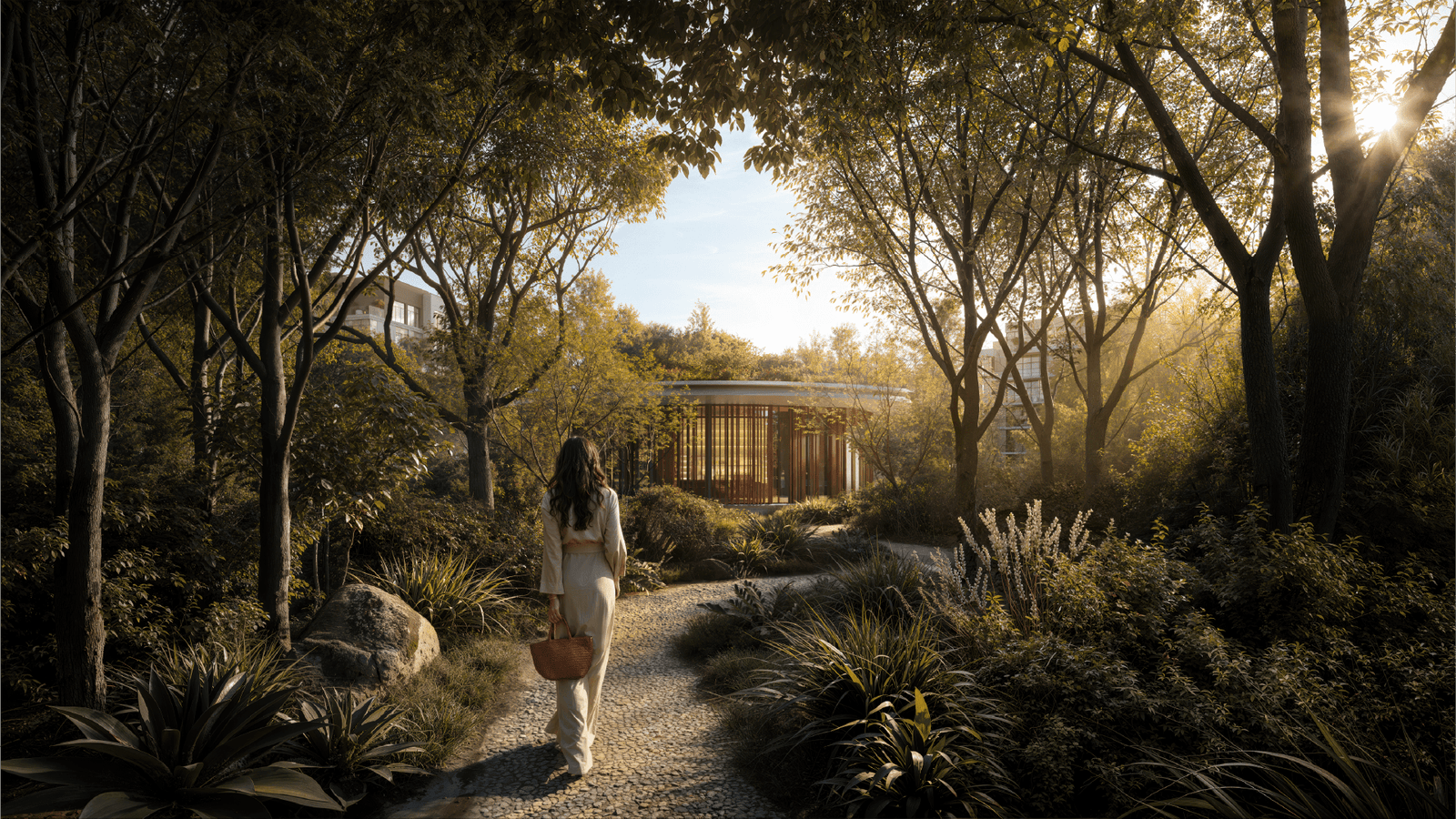
Ghaf Woods by Majid Al Futtaim expands the wellness-residence conversation beyond clinics and branded spas. It is planned as Dubai’s first forest-living master community, with dense greenery, native trees, walking routes, cycling infrastructure, shaded spaces, and underground traffic zones.
The project materials describe more than 35,000 native trees, a cooler microclimate, cleaner air, and a 14km mountain bike trail. The development is designed around the idea that the outdoor environment itself can become a wellness system.
This is a different wellness proposition. It is less about a resident booking a treatment and more about daily exposure to shade, walking, cleaner air, greenery, and lower heat stress. In a city where climate shapes how people move, socialise, exercise, and recover, that is a serious urban idea.
What this boom really says
The UAE wellness residences boom is not one single trend. It is a collection of different responses to the same question: what should a home do for the person living inside it?
Eywa answers through biophilic design, air, water, crystals, Vastu, and energetic symbolism. Akala answers through diagnostics, medical wellness, AI, and longevity services. SHA Emirates answers through a clinic-led health methodology. Aman answers through privacy, service, silence, and architectural calm. The Alba answers through seaside living, wellness infrastructure, and hospitality. Six Senses answers through an established global wellness brand. Ghaf Woods answers through trees, cooler microclimate, outdoor movement, and urban nature.
Together, these projects show how the idea of residential value is changing. A prime address is still important. A strong brand still matters. Views, service, and design remain central. But the next layer is health: how people sleep, breathe, move, recover, eat, think, and age inside the place they call home.
The real test will come later. Developers can promise wellness. Buildings will have to prove it through daily use, maintenance, and the lived experience of residents.
For now, one thing is clear: in the UAE, wellness has become one of the most powerful new languages of real estate.
Share


WE RECOMMEND
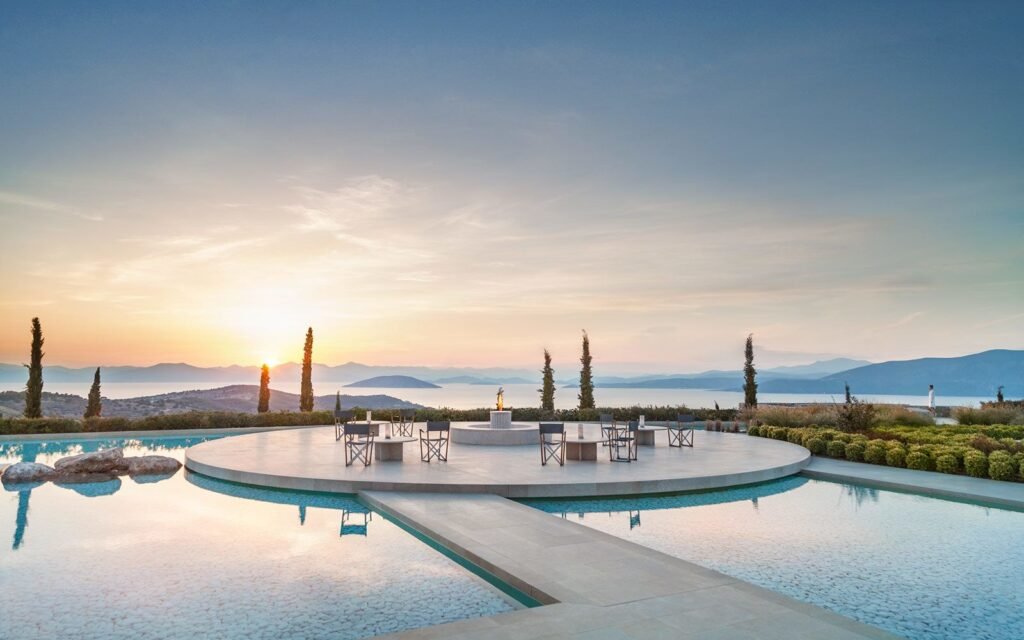
20 Best Longevity and Wellness Destinations Around the World
A longevity trip begins with a simple choice: to go somewhere where the days are shaped around feeling better and returning with…
“Dubai Doesn’t Let You Stop. That’s Exactly the Problem”
Dr. Sarah Rasmi, psychologist and founder of Thrive Wellbeing Centre Dubai, on anxiety in a city that never pauses, the illusion of…
Build Well to Live: What the Global Wellness Institute Discovered in the Gulf
A new report from the Global Wellness Institute reveals that while the rest of the world is still debating what a "healthy…
