





Mitochondrial Antioxidants in Skincare: Can They Become the Next Big Thing?
Mitochondrial antioxidants are shaping one of the most compelling new directions in skincare, as premium beauty increasingly focuses on skin longevity.
The language of the beauty industry itself is changing. Instead of the familiar framework of “hydration, glow, lifting,” we are seeing a different lens more and more often – cellular energy, oxidative stress, mitochondria, and the skin’s built-in resilience. This is no longer just cosmetic vocabulary. It is an attempt to explain skin aging at the level of biology, not only visible signs.
Mitochondria are the energy centers of the cell, powerbands. When they function steadily, the cell is better able to renew itself, recover, and cope with stress. When oxidative load increases and the protective systems cannot keep up, the impact goes beyond “skin quality” in the everyday sense. It also affects the cell’s speed of recovery, inflammatory response, tolerance to sun exposure, and barrier resilience. That is exactly why mitochondrial antioxidants have moved into premium skincare.

Why this theme looks more convincing than many trend ingredients
There is an important point here. Antioxidants in cosmetics are not new. The new part of the story is that the focus has shifted from “neutralizing free radicals somewhere in the formula” to a more precise question – what happens to oxidative stress inside the cell, and how this is connected to mitochondria.
In scientific literature on skin biology and aging, this connection has been discussed seriously for a long time. In research on dermatology, cellular aging, and photoaging, the same line appears again and again: UV radiation, inflammation, and chronic stress increase oxidative damage, and mitochondrial dysfunction becomes part of the aging cascade. This affects more than wrinkles. It also affects skin tone, sensitivity, recovery after stress, and the overall sense of tissue “fatigue.”
Which skincare brands are already working with this theme
MitoQ is the most obvious example. It is one of the best-known brands built around a mitochondria-targeted molecule, MitoQ (mitoquinone). The brand often appears in conversations about “mitochondrial skincare” as mitoquinol shown health benefits for body’s trillions of cells, including skin cells.
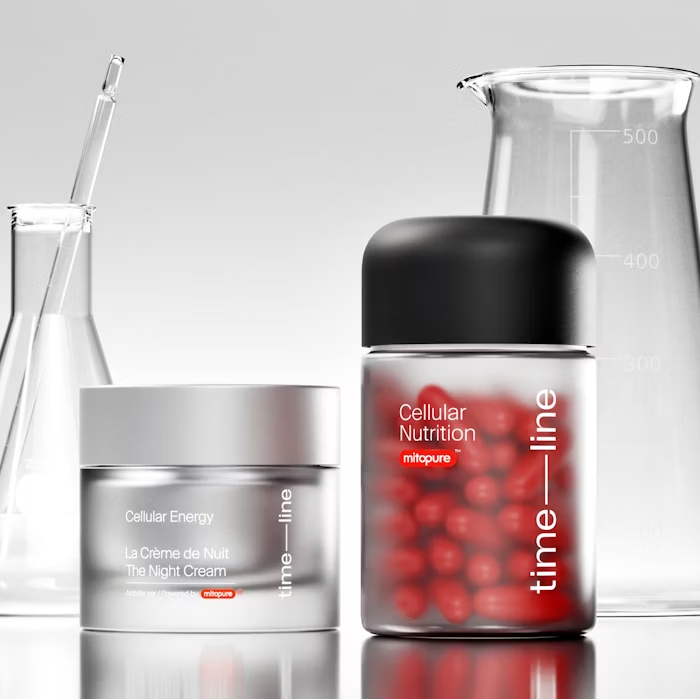
Timeline is the second important case. The brand is built around Mitopure (urolithin A) and for a long time was known primarily as a longevity system and nutraceutical product. Now it also has a skin health direction. It is a strong example of the overlap between beauty and longevity, and already announced upcoming partnership with L’Oreal and their iconic Lancôme brand — bringing longevity science to an unprecedented global stage.
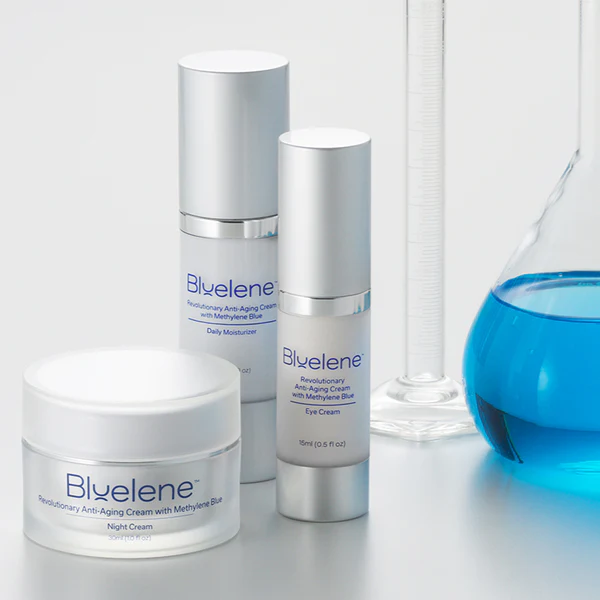
Bluelene is an interesting brand in a more niche but still visible segment. Its logic is built around methylene blue, which is often discussed in anti-aging communication as a molecule with a mitochondrial connection and antioxidant potential. It is not as universal a luxury case as MitoQ, but it is useful as an example of how deep science enters consumer skincare.
Where this category is strong and where it is still weak
The strength of this category is that the scientific logic behind it is real. Mitochondria are genuinely linked to skin aging, inflammation, and photodamage. This is not a random trend, as often happens with the next “rare extract.”
The weak point is different – the consumer market is moving faster than the clinical evidence base for specific finished products. Many actives already have good laboratory data and promising results, but for some products there is still no long-term, independent, and comparable clinical evidence specifically in topical skincare.
Mitochondrial antioxidants may become one of the most important directions in premium skincare, but the category is still being built in real time. The science is strong enough to take seriously, and the marketing still needs to be filtered carefully. The brands that will lead this space are the ones that back their claims with stronger evidence, stay specific in their messaging, and build products with real scientific rigor.
Share




WE RECOMMEND

Beauty Shifts Defining 2026
It seems like this year wellness is taking a more balanced and grown-up shape. The high-effort era is giving way to quieter…

Longevity Pods: What They Are and How Do They Work
Longevity pods turn at-home care into a calming immersive treatment: salt, red light, oxygen, sound, and scent combined into one guided session.
