




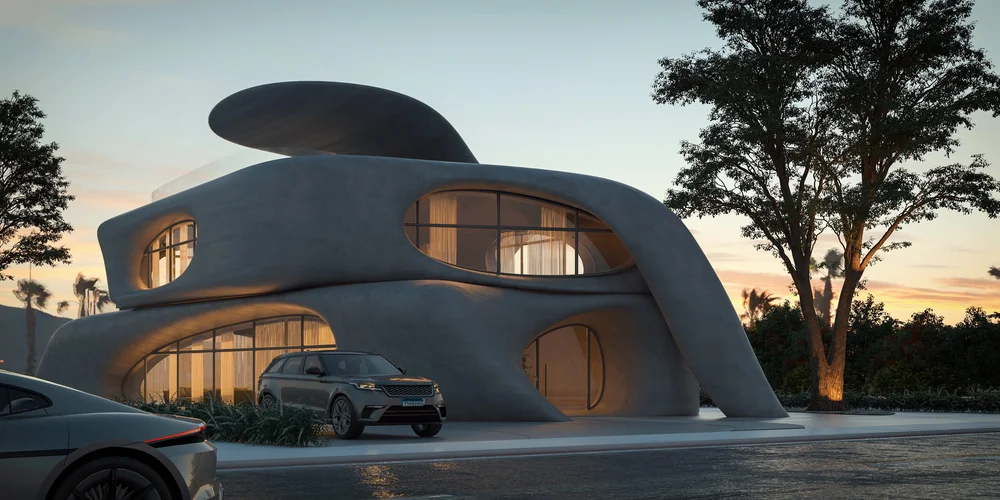
Mohamed Badie: “A deeply human space respects the body and the senses. It allows silence”
We sit down with the founder of award-winning Badie Architects, Mohamed Badie, to talk about what it actually takes to work at the intersection of structure and emotion.
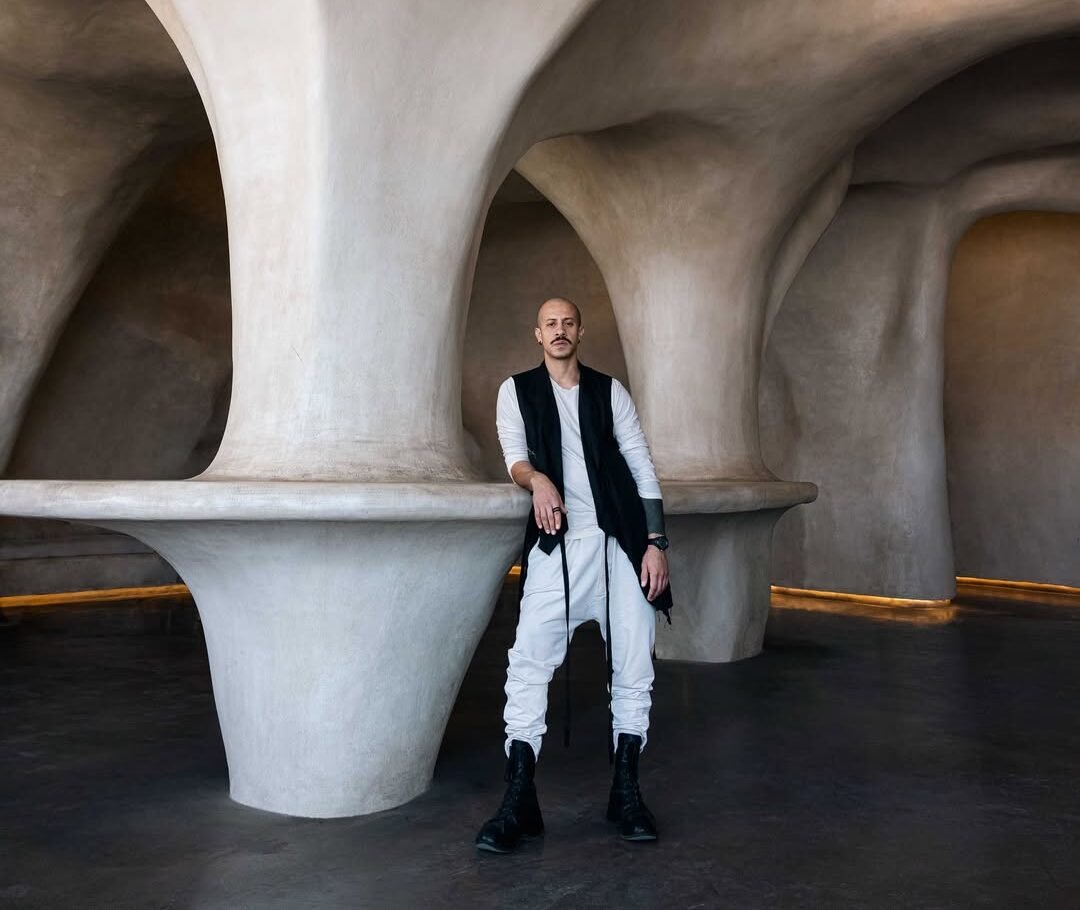
Architect Mohamed Badie does not just design buildings. He designs atmospheres. Before founding Badie Architects, he worked as an art director on film sets. That detour taught him that every space is a story being told. Today, as the Cairo-based founder of one of Egypt’s most internationally recognised architecture studios, he applies that logic to every project. Named to AD100 2026 as one of the best designers in the Middle East and North Africa, he spends his time between Cairo and Los Angeles creating spaces that bend the rules of geometry yet are impossible to look away from.
Mohamed, you often speak of space that feels emotional and truthful. How do you define ‘honest design’ in your own practice?
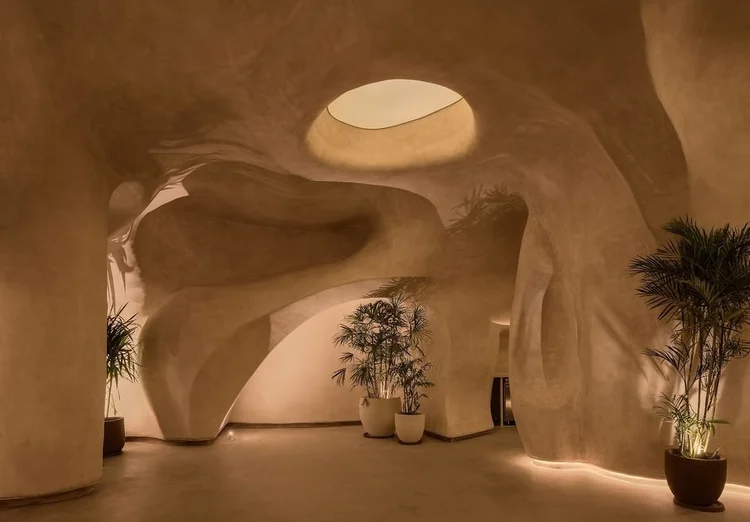
Honest design is when form carries intention without disguise. I do not believe in decorative gestures that hide weak ideas. For me, honesty comes from clarity of concept and purity of structure. The material should feel like itself. The geometry should justify its presence. When nothing is added for approval, only for purpose, the space becomes truthful.
Was there a moment early in your life when you first understood that space can affect the way a person feels? What did that realization change?
I was always sensitive to atmosphere, even before I understood architecture. As a child, I felt how certain spaces made me focused, while others made me uneasy. That awareness shaped my path. I realized architecture is not about walls. It is about emotion. From that point, I stopped seeing buildings as objects and began seeing them as experiences.
You describe new technologies as ‘the contemporary artist’s drawing tools.’ How do you use technology as a sculptor and image thinker?
Technology for me is a sculpting instrument. Advanced software allows me to manipulate form freely, to bend, stretch, compress, and test tension in space. I approach digital tools as a sculptor approaches clay. The computer is simply the medium. The vision remains artistic. I am not using technology to produce faster, but to think deeper.
“The anchor is always human perception. If the person does not feel something, the form has failed”
What do you notice first when you enter a new place as a person, not as an architect?
I notice the energy. Then proportion. Light reveals everything after that. Before analyzing details, I ask myself one question: does this space feel balanced? If it feels heavy, forced, or chaotic, I immediately sense it. Architecture communicates instantly.
When you begin a project, what comes first: the emotional state, the spatial logic, or the visual language? What remains the anchor?
The emotional direction always comes first. I define the atmosphere before I define the shape. Spatial logic is developed to support that atmosphere. The visual language emerges naturally from the structure. The anchor is always human perception. If the person does not feel something, the form has failed.
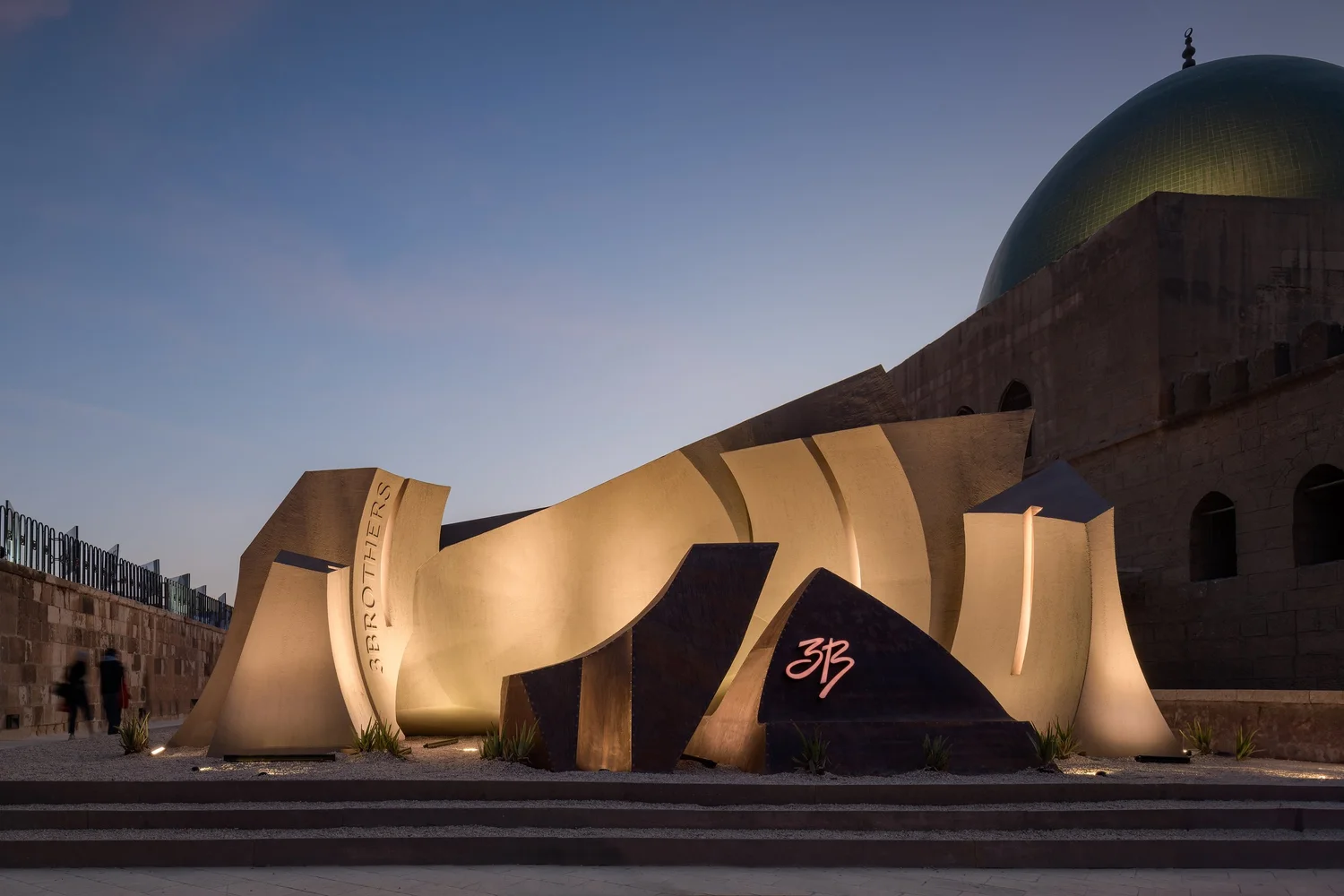
You speak of ‘learning to unlearn.’ What does that mean in practice?
Learning to unlearn means rejecting comfort. It means not repeating myself. In practice, it requires discipline. If I recognize a move that feels familiar, I challenge it. A project asks for change when it becomes predictable. Growth in architecture happens when you step outside your own language and rebuild it.
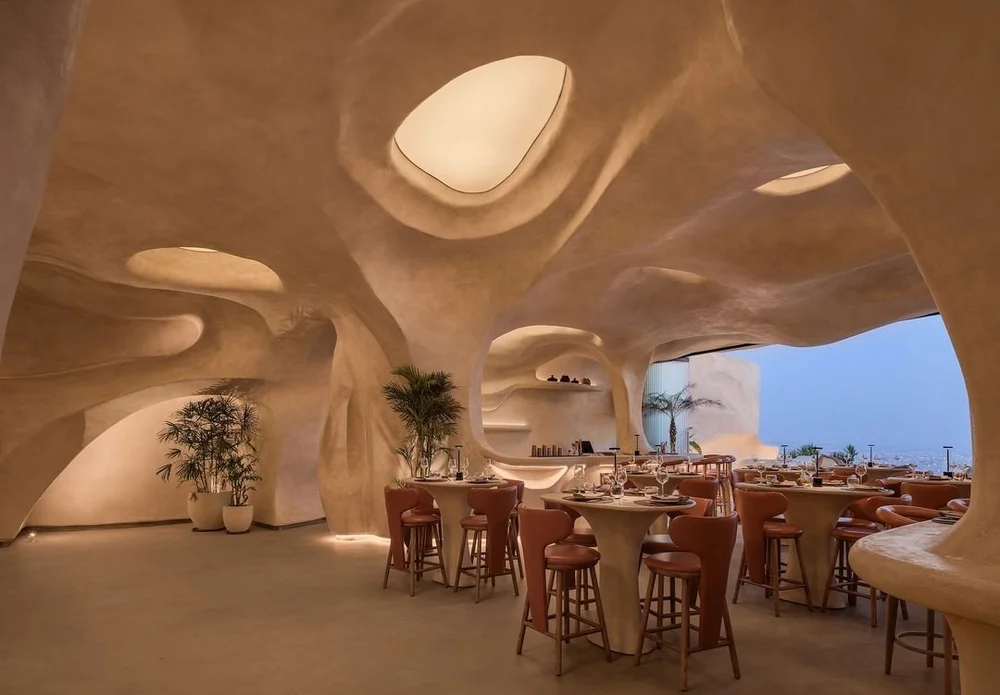
Your architecture carries sculptural movement and fluidity. How do you maintain material depth in spaces that feel dynamic?
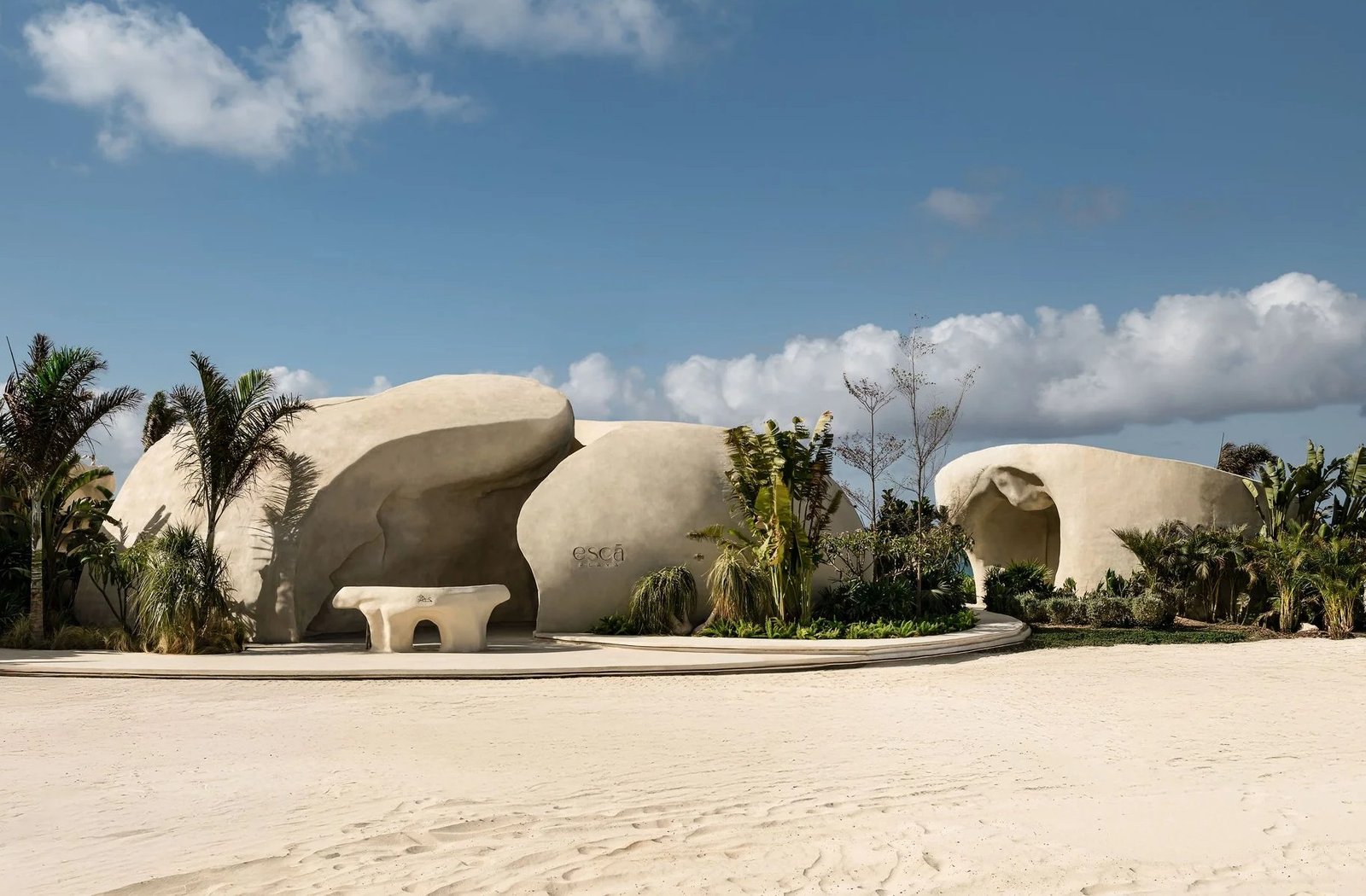
Movement must be grounded. Even the most fluid form needs weight and resistance. I focus on material density, texture, and shadow. Concrete, stone, and plaster are not finishes, they are mass. The dialogue between movement and gravity creates tension. That tension gives depth.
Do you see contemporary architecture as political, neutral, or something else?
Architecture is never neutral. Every decision reflects a belief system. Scale, access, openness, material choice, all of it communicates values. Whether subtle or direct, architecture always takes a position. I believe in designing spaces that elevate awareness rather than impose ideology.
“Architecture is never neutral. Every decision reflects a belief system”
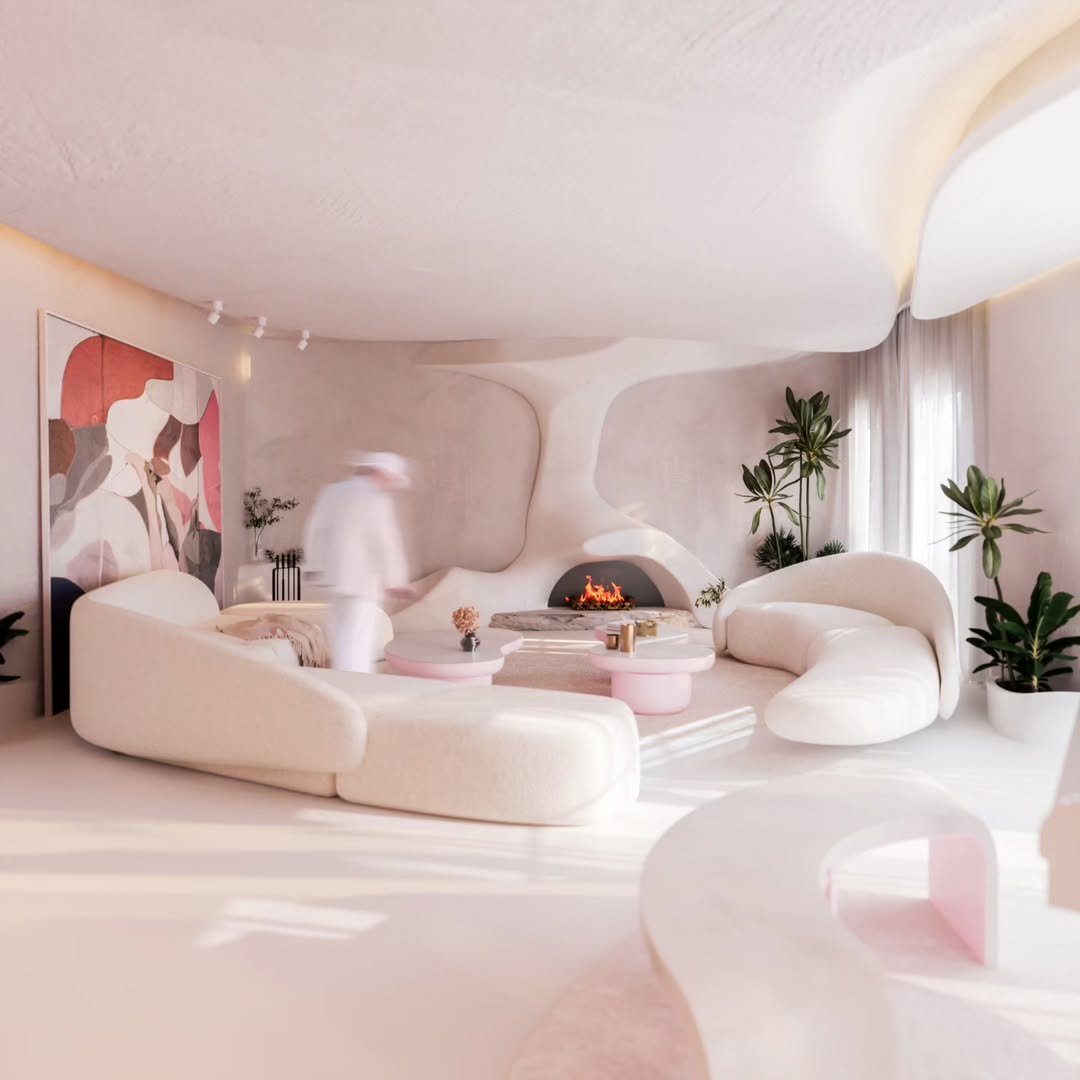
Your work is visually expressive yet emotionally restrained. What makes a space feel deeply human and alive?
Proportion. Light. Imperfection. A deeply human space respects the body and the senses. It allows silence. It does not overwhelm. When a space gives people room to project themselves into it, it becomes alive. Architecture should not dominate the human presence. It should frame it.
Share




WE RECOMMEND
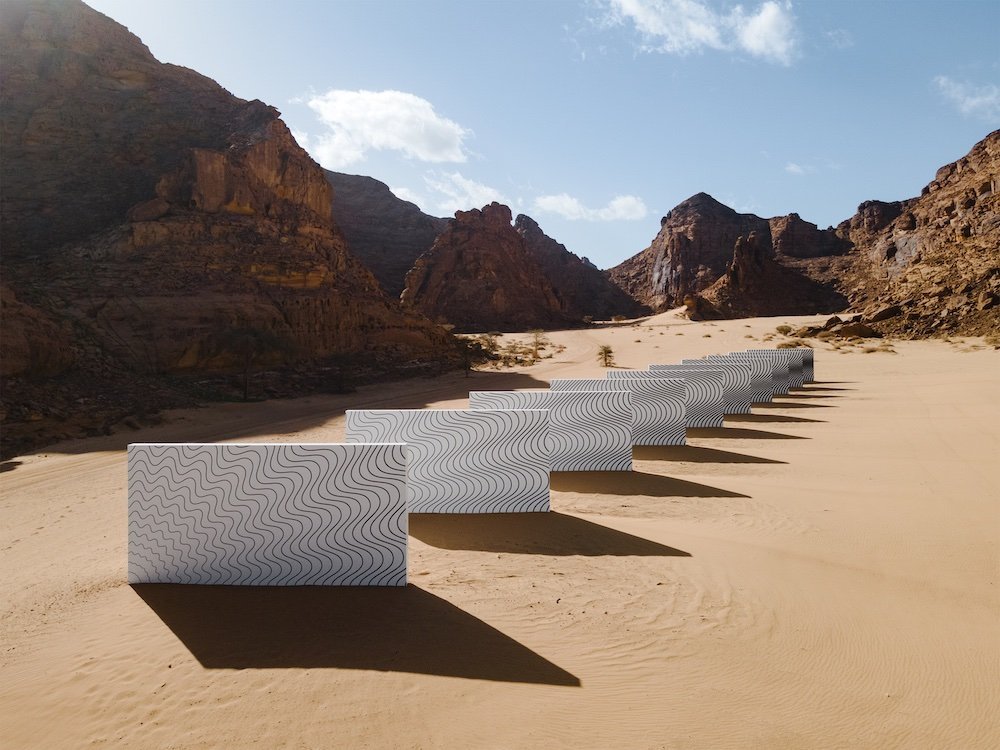
Desert X AlUla returns with a theme inspired by Kahlil Gibran
Desert X AlUla 2026 turned AlUla’s canyons into an open-air route of 11 new site-specific installations, with Kahlil Gibran’s Space Without Measure
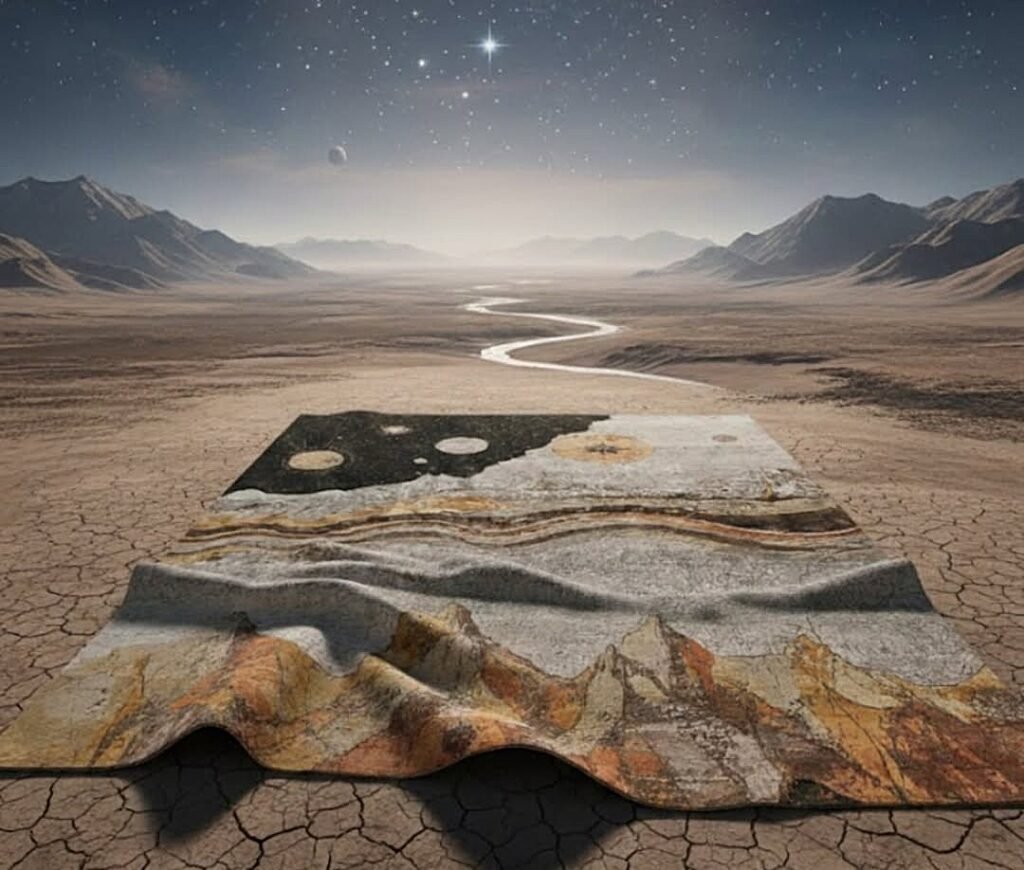
HH Sheikha Bodour Al Qasimi and Jaipur Rugs unveiled a collection of artisan carpets
Inspired by the ancient landscapes of Mleiha and Faya, Whispers of the Desert collection translates desert beauty time into contemporary woven art.
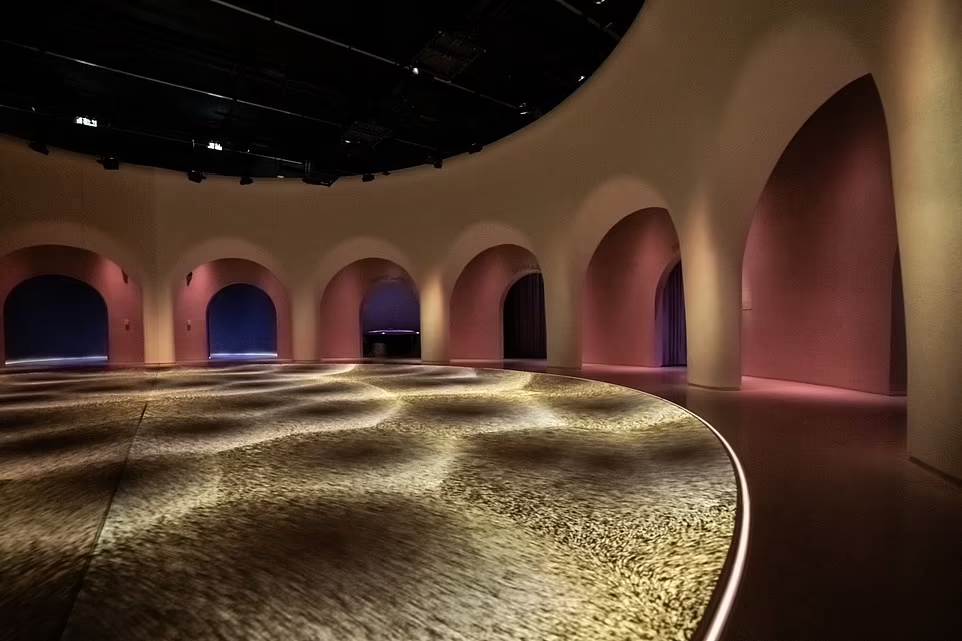
Dubai Built a Space to Calm the Nervous System
Rooted in Arab mind–body traditions and supported by advanced technology, ALWAHA treats the senses as a direct pathway to recovery and presence.
