




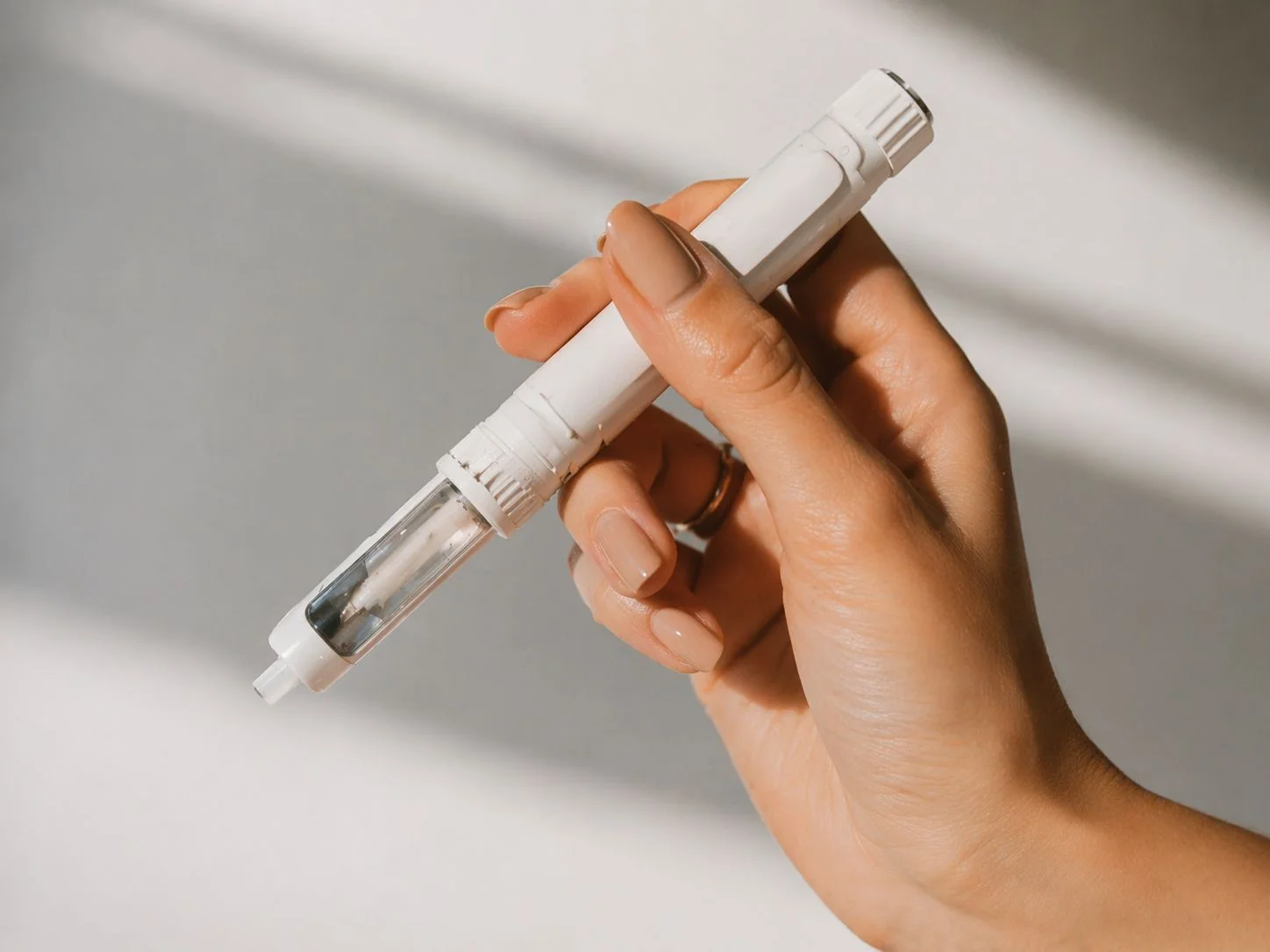
Peptides in Dubai: What Is Approved, What Is Experimental and What It Costs
From GLP-1 medicines to BPC-157 and Epitalon, Dubai’s peptide market combines established treatments with experimental longevity protocols. We created a guide to help you make sense of it all.
Peptides have moved rapidly from specialist medicine and biohacking circles into mainstream conversations about weight loss, recovery and longevity. Yet products marketed under the same label can differ radically in how they work, how they are regulated and how much evidence supports them. We prepared a guide to what is available in Dubai, what it costs and what questions to ask before beginning treatment.
What Are Peptides, Exactly?
Peptides are short chains of amino acids – smaller than most proteins – that can act as signalling molecules in the body. Different peptides participate in very different processes, including hormone regulation, appetite signalling, immune activity and tissue repair.
Synthetic peptide medicines are designed to reproduce or modify particular biological signals. Their clinical value depends on the individual compound, dose, indication and quality of evidence.
The category is broad. GLP-1 receptor agonists like Ozempic are peptides. So is BPC-157, which is promoted in sports and biohacking circles for recovery. So is Epitalon, a tetrapeptide being studied for its effect on biological age. They work through completely different mechanisms, target different systems, and carry very different risk profiles.
Not All Peptide Treatments Are Equal
In Dubai, “peptide therapy” is often used as an umbrella term for products with radically different levels of evidence and regulatory oversight. Semaglutide and tirzepatide are approved prescription medicines supported by large clinical programmes. BPC-157, CJC-1295, ipamorelin and Epithalon remain experimental for many of the recovery and longevity claims attached to them. Orforglipron acts on the GLP-1 receptor but is chemically not a peptide at all.
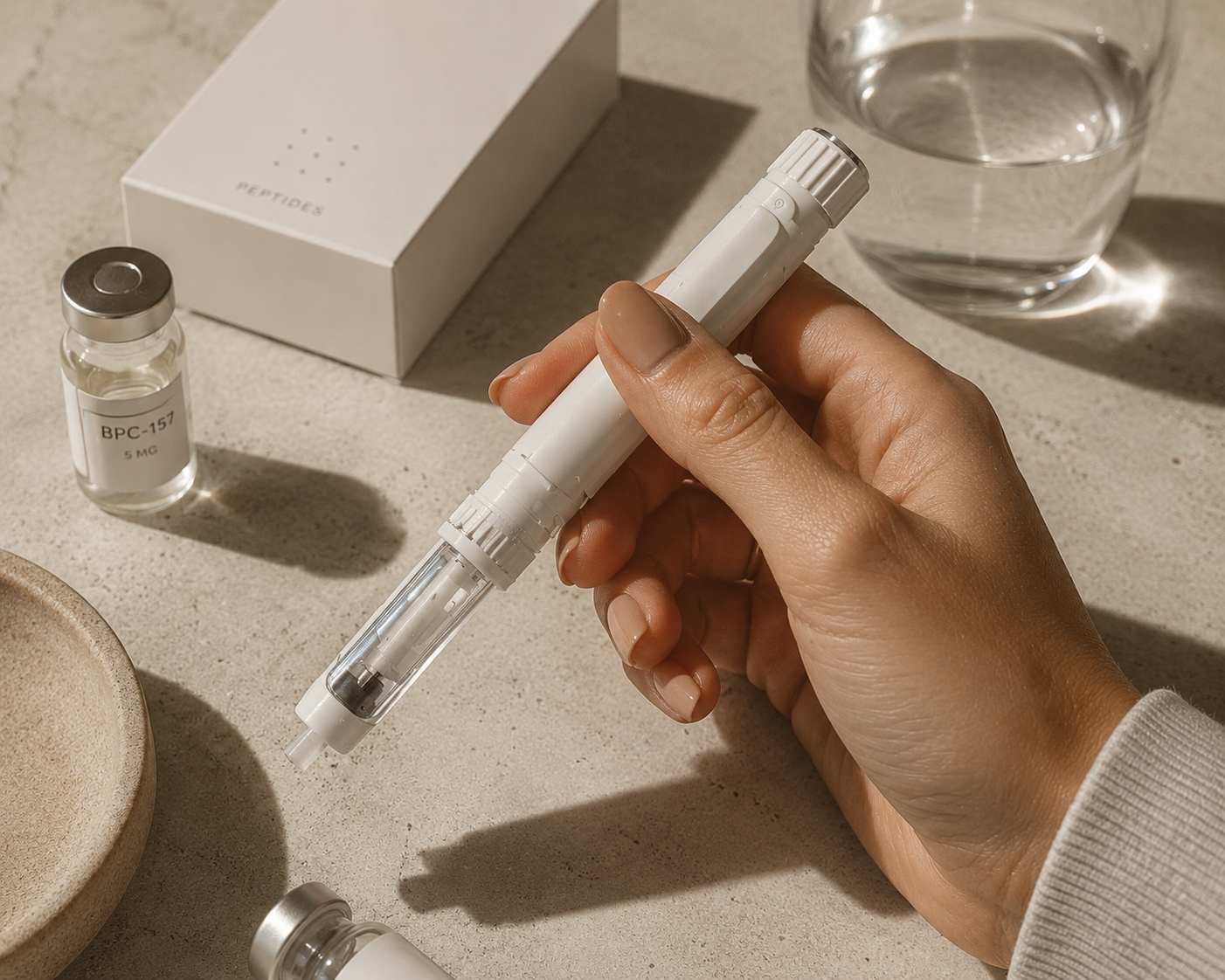
GLP-1 Treatments Reshaping Weight Management in the UAE
The biggest story in peptide therapy right now is GLP-1 receptor agonists – a class of drugs that mimic a gut hormone your body naturally releases after eating. They slow digestion, reduce appetite, and regulate blood sugar. The result, for most people, is significant and sustained weight loss.
Several major GLP-1 medications are currently available in Dubai through licensed clinics and pharmacies: injectable Ozempic (semaglutide, approved for diabetes), Wegovy (semaglutide, approved for weight management) and Mounjaro (tirzepatide, a dual GIP/GLP-1 agonist, approved for diabetes and widely prescribed for weight management).
A fourth option, Foundayo (orforglipron), was approved in the UAE in April 2026. Unlike semaglutide and tirzepatide, orforglipron is not a peptide but a once-daily small-molecule GLP-1 receptor agonist that can be taken without food or water restrictions. For people who see injections as a barrier, this could make treatment more accessible and easier to use.
A fifth option arrived on 1 June 2026, when the Emirates Drug Establishment approved Wegovy in tablet form, making the UAE the second country worldwide to register it. Taken on an empty stomach once a day, it carries the same indications as the injection – long-term weight management, with a demonstrated reduction in major adverse cardiovascular events among high-risk patients – and it travels without cold storage. Trial data put average weight loss at around 16.6% over 64 weeks at the highest dose. Pharmacy pricing runs from about AED 779 at the lower strengths to AED 1,610 for the 25 mg maintenance dose.
What weight loss can you realistically expect?
In clinical trials, these medicines produced substantial average weight loss when combined with dietary and physical-activity support. Individual response varies, and weight regain can occur after treatment is stopped.
In selected obesity trials, the highest studied doses of tirzepatide produced average weight loss approaching 21–22%, while semaglutide trials reported averages of about 15%. The figures should not be interpreted as guaranteed individual outcomes or direct head-to-head comparisons.
What does it cost in Dubai?
Costs separate into two tiers, and conflating them is how most price comparisons go wrong. Medication alone, collected from a licensed pharmacy, runs from about AED 744 a month for the starting dose of Ozempic to roughly AED 1,750 for tirzepatide, which is priced uniformly across strengths.
Doctor-led programmes that fold in consultations, body-composition analysis, baseline and quarterly bloods begin at about AED 1,990 and reach AED 3,000 at the upper end. Insurance sits awkwardly across both tiers: cover is likelier where the prescription is written for diabetes or pre-diabetes, and considerably harder to secure where weight is the sole indication.
Treatment should begin with a medical assessment that considers contraindications, current medication, metabolic health and the need for baseline testing. Be cautious of any provider offering GLP-1 treatment without a proper consultation.
Beyond Weight Loss: The Longevity and Recovery Peptides
GLP-1s get the headlines, but they represent only one corner of what Dubai clinics are now offering. A parallel conversation is happening around peptides used for tissue repair, anti-ageing, and performance – and it is attracting a very different clientele.
BPC-157: The Recovery and Gut Health Peptide
BPC-157 is a synthetic 15-amino-acid peptide promoted for tendon, muscle and gut recovery. Interest in the compound has largely been driven by preclinical research suggesting effects on blood-vessel formation and tissue-repair pathways, while reliable human clinical evidence remains limited.
On 23 July 2026, PCAC, an advisory committee to the FDA, voted to recommend adding BPC-157 and TB-500 to the 503A Bulks List, which could allow licensed compounding pharmacies in the United States to prepare them for individual patients under certain conditions.
The recommendation is an important regulatory shift, but it is not FDA approval of BPC-157 as a medicine and does not establish that its recovery claims are clinically proven. Notably, the committee evaluated BPC-157 for ulcerative colitis – not for the tendon and muscle recovery claims that drive its use in wellness clinics. The FDA’s own scientists had recommended against inclusion, citing a lack of evidence on effectiveness and safety, and the agency is not required to follow the committee’s recommendation.
None of this alters the position in the UAE, where BPC-157 is not a registered medicine. Some Dubai clinics offer BPC-157, sometimes alongside TB-500, as part of recovery or regenerative protocols. Its growing availability should therefore be distinguished from the strength of the evidence: access may be expanding, but the treatment remains experimental for many of the uses attached to it.

CJC-1295 and Ipamorelin: Growth Hormone Support
CJC-1295 and ipamorelin are marketed together as a way to stimulate endogenous growth-hormone signalling. Clinics associate them with changes in body composition, sleep and recovery, but robust evidence for these benefits in healthy middle-aged adults is limited.
Neither is a registered medicine in the UAE, and neither holds marketing authorisation in the United States or the European Union. They carry endocrine and metabolic risks and should not be presented as routine anti-ageing treatment.
Epitalon: The Longevity Peptide
Epitalon is a synthetic tetrapeptide promoted for telomere maintenance, sleep and longevity. Much of the frequently cited research comes from small or older studies, several originating in Russia, and the findings have not been reproduced in large, rigorous clinical trials.
Epitalon remains unregistered in the UAE. On 24 July 2026 the same FDA advisory committee that had considered BPC-157 the previous day voted to recommend epitalon for compounding, with insomnia as the proposed indication – again against the advice of the agency’s own scientists, and again without new clinical evidence to support the longevity claims made for it.
Some Dubai clinics nevertheless include Epitalon in longevity programmes alongside biomarker and biological age testing.
The Longer List
Dubai’s clinics work with a much longer list than this guide covers. TB-500 and GHK-Cu are offered for tissue repair, sermorelin and AOD-9604 alongside the growth-hormone group, thymosin alpha-1 for immune support, semax and selank for cognition, melanotan II for pigmentation. Several of these have approved relatives: tesamorelin, closely related to sermorelin, has held FDA approval since 2010 (but proximity to an approved molecule is not approval).
The picture is moving, though. The same committee is expected to consider LL-37, GHK-Cu, dihexa, melanotan II and PEG-MGF at a second meeting before the end of February 2027, meaning the regulatory picture may shift again within the coming year.
How to Navigate Dubai’s Peptide Clinics: A Practical Checklist
The peptide space in Dubai, as globally, contains clinics running evidence-informed protocols and operators moving fast on trend. The difference is important when you are talking about compounds that interact with your hormonal and metabolic systems. Before you book a consultation, consider the following:
Ask what lab work is required upfront. Reputable clinics run comprehensive bloodwork before prescribing any peptide protocol. Be cautious if a clinic proposes treatment without taking a medical history, reviewing contraindications or explaining whether baseline testing is required.
For non-GLP-1 peptides, ask about the legal source, manufacturer, pharmacy and quality controls applied to the product. A purity certificate does not by itself establish clinical effectiveness, regulatory approval or safety.
Ask what monitoring looks like during treatment. Peptide therapy requires ongoing monitoring rather than a single prescription or purchase. The physician should explain how response, side effects and relevant biomarkers will be assessed, and what criteria would lead to a dose adjustment or discontinuation.
Be cautious with complex stacks. The biohacking community loves complex stacks. Clinically, starting with one peptide makes it possible to understand how your body responds – and to identify the source of any side effects. When several compounds are introduced simultaneously, it becomes difficult to identify which one caused a benefit or adverse effect. The rationale for every component should be explained by the prescribing physician.
For GLP-1 treatment, begin with a DHA-licensed endocrinologist or obesity-medicine physician rather than selecting a clinic solely because it advertises peptides.

The Honest Summary
Peptide therapy is not a shortcut. GLP-1 medicines are the most clinically validated treatments and have changed the management of obesity and metabolic disease. Many compounds marketed for longevity and recovery remain experimental, with commercial availability running far ahead of human evidence.
Dubai is well-positioned in this space. The UAE’s regulatory environment has moved quickly on GLP-1 approvals, and the concentration of premium wellness infrastructure means access to supervised protocols is real. What is less consistent is the quality of guidance patients receive before they begin.
Share




WE RECOMMEND
What if the future of skincare is no longer a cream, but a beam of light?
LYMA is part of a new wave of beauty that brings advanced laser technology into the home.

New Longevity Clinics to Watch Around the World
We selected five new retreats where longevity is approached through data, medicine, recovery and nature: from Kerala and the Mediterranean to the…

The Longevity Industry Has Money. What It Lacks Is Evidence
Billionaires can buy scans, supplements and experimental protocols. What they cannot yet buy is proof that any of them will materially extend…
