




Frieze Abu Dhabi 2026: A New Chapter on Saadiyat Island
From 19 to 22 November, the world’s best-known contemporary art fair opens its first Gulf edition on Saadiyat Island – 89 exhibitors from 37 countries and the Emirati artists at the centre of the conversation.
Anyone who has spent a few winters in the Emirates knows that November carries its own particular light. The heat finally loosens its grip, the sea turns the colour of pale jade and the cultural calendar fills almost overnight. For years, Abu Dhabi marked this moment with Abu Dhabi Art, a fair that grew quietly from a local gathering into one of the region’s most respected meeting points for collectors. Its final edition closed last autumn. This year the same season opens a new chapter.
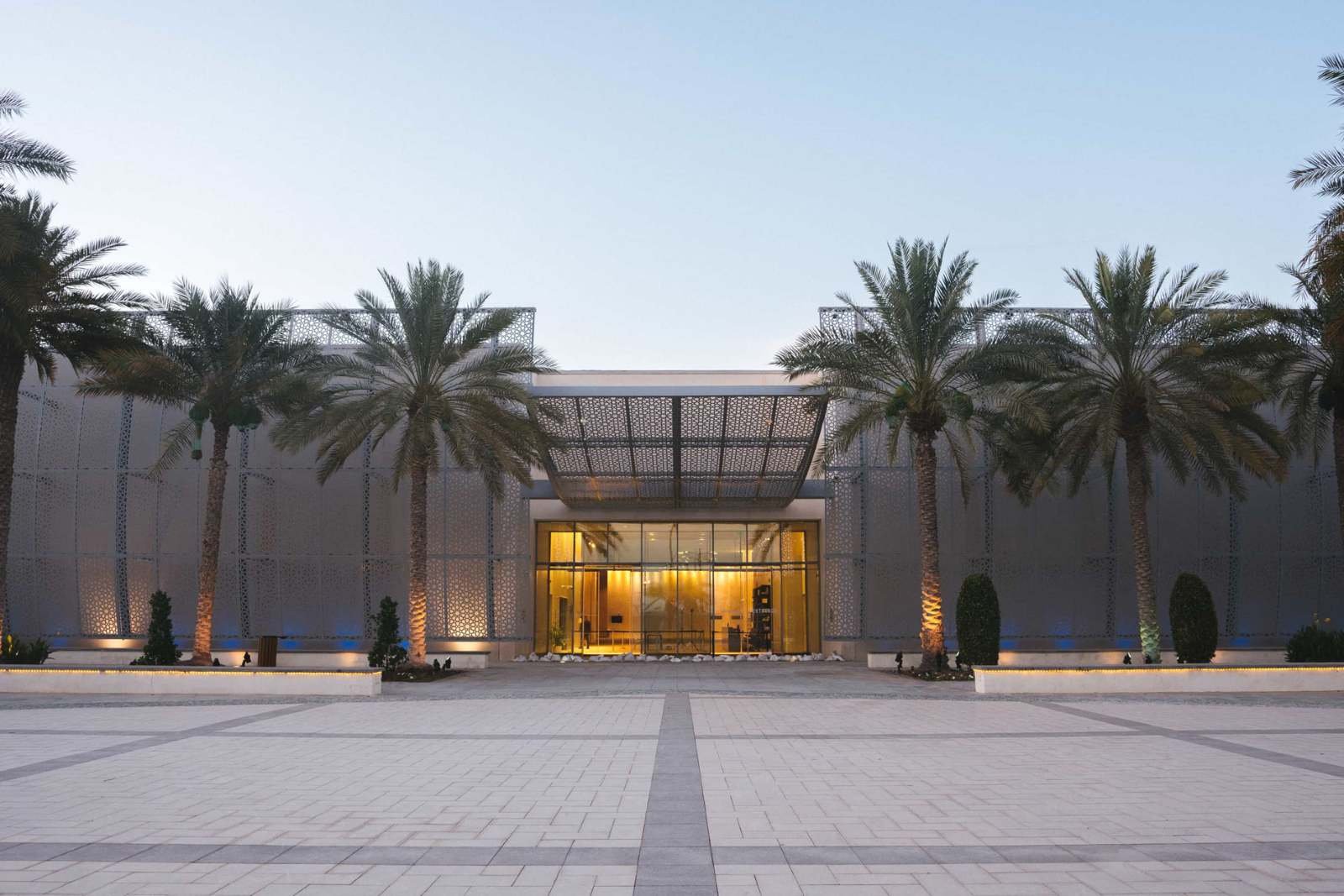
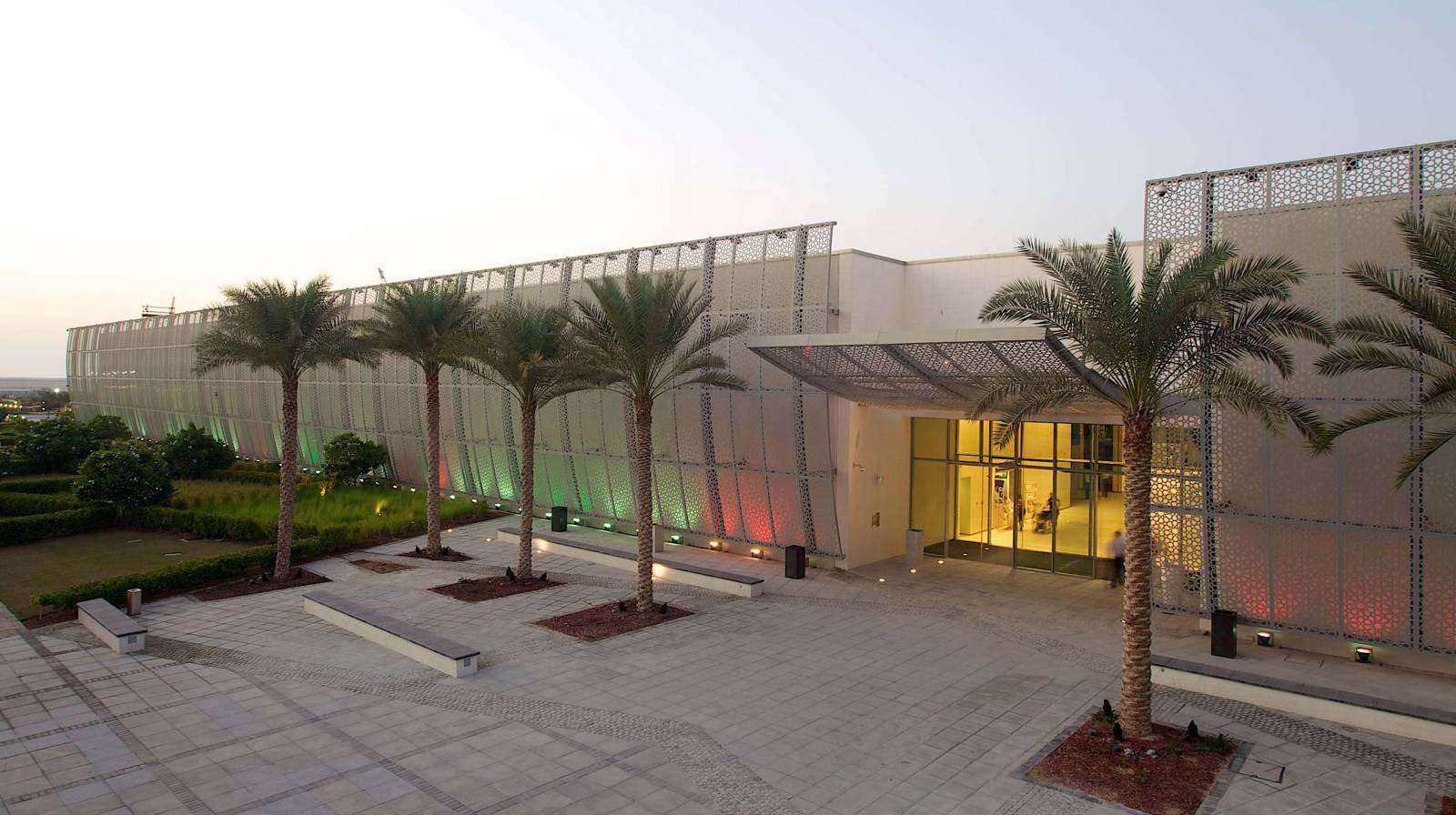
From 19 to 22 November 2026, Frieze Abu Dhabi will hold its inaugural edition at Manarat Al Saadiyat, at the heart of the Saadiyat Cultural District. Organised with the Department of Culture and Tourism – Abu Dhabi, the fair brings together 89 exhibitors from 37 countries and regions. It joins a family of fairs that began with a magazine in London in 1991 and now stretches from New York and Los Angeles to Seoul.
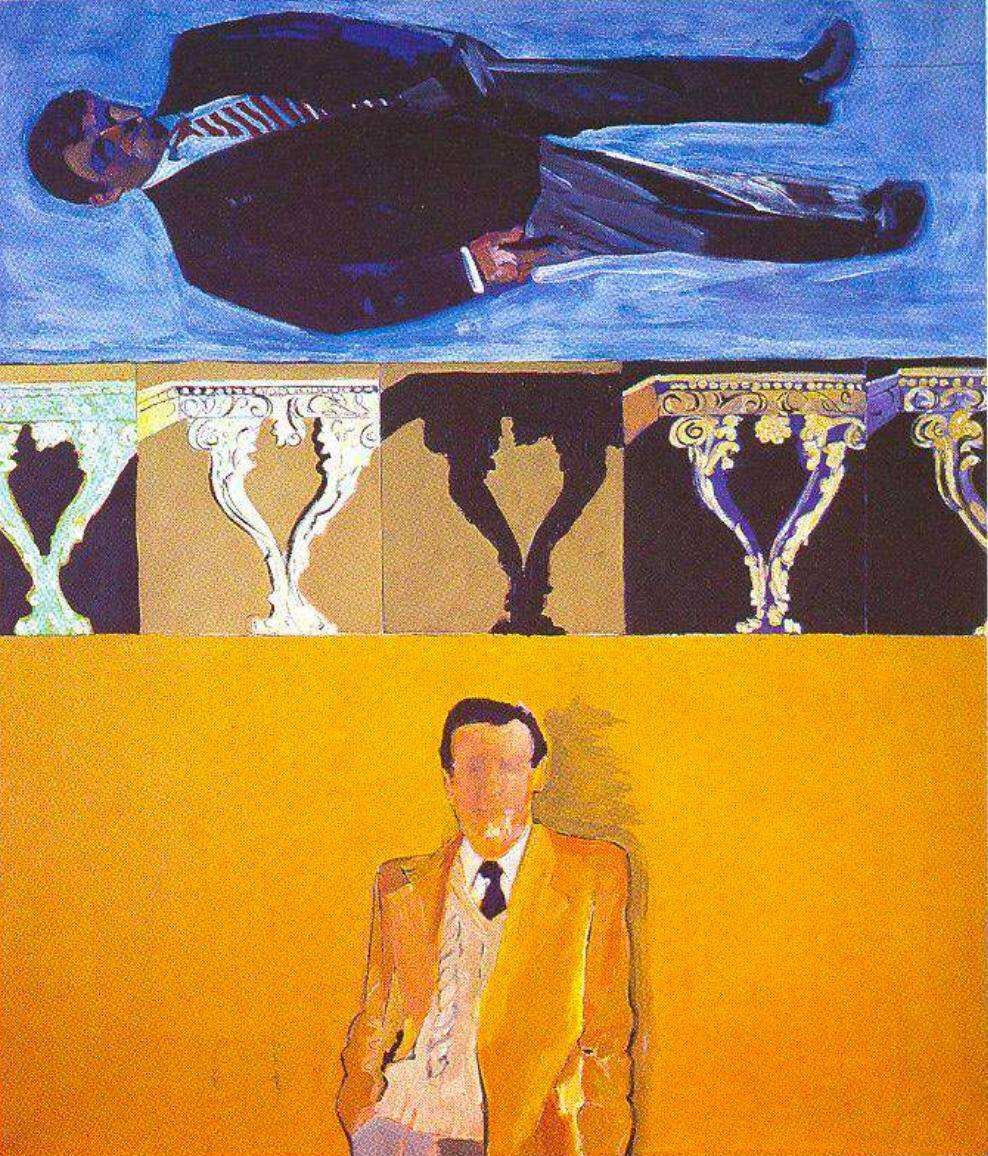
The ambition is clear from the first line of the programme: Frieze Abu Dhabi begins with the region. Pioneering artists from West Asia, North Africa and South Asia will hang alongside leading international names, while objects that once crossed the Indian Ocean on merchant ships will share the halls with work finished only this year. Centuries, generations and coastlines – all under one roof.
“Frieze Abu Dhabi is a fair genuinely rooted in Abu Dhabi’s cultural landscape, while bringing together extraordinary artistic practices across generations and geographies,” says Dyala Nusseibeh, Director of Frieze Abu Dhabi, who previously led Abu Dhabi Art. For her, the richness of the inaugural edition lies in the conversation between galleries from the region and from around the world – and in the depth of art-historical research behind each presentation.
Pioneers and great names
The main Galleries section gathers more than 60 galleries, with work ranging from the mid-20th century to today. Several stands read almost like small museum retrospectives. Leila Heller Gallery devotes its space to Farideh Lashai (1944–2013), tracing five decades of painting, works on paper, installation and moving image, with a darkened room for her projected works. Athr celebrates the Saudi pioneer Mounirah Mosly, bringing early pieces back into view for the first time in years.
From further afield comes a remarkable thread of artists drawn to nature as a language of the spirit. Vigo Gallery shows eight works from Ibrahim El-Salahi’s Tree series, inspired by the Haraz tree of Sudan – a tree that blossoms in the dry season and stands bare during the rains. El-Salahi treats it as a self-portrait and a bridge between heaven and earth. Pace presents a career-spanning booth of Emily Kam Kngwarray, from her early batik textiles to the later colourist canvases, including paintings never exhibited before.
Textile, too, has its moment. galerie frank elbaz dedicates a solo presentation to Sheila Hicks, the American artist who turned thread into sculpture and whose relationship with the Arab world began in the early 1960s. At Thaddaeus Ropac, Imran Qureshi’s new painting, rooted in the 16th-century Mughal miniature tradition, hangs beside two new falcon paintings by Yan Pei-Ming – a bird every Gulf resident will greet with a smile of recognition.
And then there is Yayoi Kusama. Victoria Miro brings one of her Infinity Mirror sculptures, a prelude to the Infinity Mirror room that will be on view at Guggenheim Abu Dhabi when the museum opens on 11 December 2026. Sfeir-Semler Gallery, meanwhile, assembles three generations of artists from the Arab world, from modern pioneers Etel Adnan, MARWAN and Samia Halaby to Lawrence Abu Hamdan, Tarik Kiswanson and Dana Awartani.
The Emirati story
Artists from Abu Dhabi and across the UAE stand at the centre of this first edition, and their presentations tell the story of a young art scene with deep roots. At Salwa Zeidan Gallery, Art Without Compromise brings Hassan Sharif (1951–2016), the father of conceptual art in the Emirates, into dialogue with his brother Hussain Sharif through repetition, accumulation and labour. Gallery Isabelle pairs Hassan Sharif with Mohammed Kazem and Alia Zaal.

A younger generation answers with its own vocabulary. Carbon 12 shows Sarah Almehairi’s Off Centred series, where surface becomes sculpture and empty space takes on weight. Iris Projects gathers six Gulf artists – Ammar Al Attar, Dhabia Al Qubaisi, Juma Al Haj, Shamsa Al Omaira, Suliman Al Salem and Eman Al Hashemi – in Fields After the Digital Flood, a presentation on finding an authentic visual language amid rapid technological and urban change.
Perhaps the most poignant work for anyone who knows the island is by Jawad Al Malhi at Iyad Qanazea Gallery. His series Caves of the Forgotten and Memories of Future capture Saadiyat itself mid-transformation, holding on to fleeting memories of a landscape as it changes. Art about the ground beneath the fair – shown on that very ground.
Two further presentations deepen the thread. In Dialogue, curated by Dirwaza Curatorial Lab, pairs Mohammed Kazem and Alia Zaal across generations. In the Deutsche Bank lounge, UAE artist Omar Al Gurg presents an installation on overlooked narratives and subtle ecological change – a space for quiet contemplation in the middle of the fair.
Across the Indian Ocean
For many, the true treasure chest of the fair will be Frieze Masters Abu Dhabi. Curated by Marika Sardar, the section imagines the Indian Ocean as it was for millennia – a great crossroads of trade, faith and ideas linking Arabia, East Africa, India and beyond. Rare books, manuscripts, maps and artefacts span Antiquity to the early 20th century.
The star is a young woman who has waited almost two thousand years to come home, in a sense. ArtAncient presents Portrait L, painted in the 1st century AD and one of the oldest surviving painted portraits in the world. It returns to the Middle East for the first time since leaving Egypt in 1888. She wears pearl earrings from the Arabian Gulf and emeralds from the Eastern Desert near the Red Sea. Who was she, and who brought those pearls across the water to her? The portrait keeps its secret, while reminding us that Gulf pearls were adorning women of the ancient world long before the first skyscraper rose on this coast.
The cartographers follow. EQTNA Rare Books shows a rare map charting the pearl banks of the Arabian Gulf, Indian editions of the Arabian Nights and an illuminated French Renaissance manuscript that carried the Arabic wisdom of Mubashshir ibn Fatik into Europe. Daniel Crouch Rare Books brings Hendrik Doncker’s 1644 map of the Indian Ocean alongside gigantic globes. Peter Harrington traces the routes from Marco Polo’s Travels to Ptolemy and Linschoten’s navigational guide, which opened new maritime paths.
There are warriors, too. Peter Finer, making his first appearance in the Middle East, brings a 17th-century horse-headed Indian khanjar of blue jade and a 14th-century Mongol helmet damascened in silver with Qur’anic verses. Inlibris completes the voyage with a royal funerary stele from Yemen and Albuquerque’s Commentarios, recording Portuguese expansion through Muscat and Hormuz.
New voices and quiet connections
Global Futures, curated by Tarini Malik, gathers eight solo presentations around shared questions of place, identity and memory. Abdullah Al Saadi, one of the pioneers of Emirati art, returns with new works from his Naked Sweet Potato series, first shown at the UAE National Pavilion at the 2011 Venice Biennale – an ordinary vegetable transformed through drawing, painting and sculpture into something close to abstraction. Ala Younis rebuilds Abu Dhabi’s modernist landmarks as handmade mosaic panels, using materials from her own environment in Jordan.
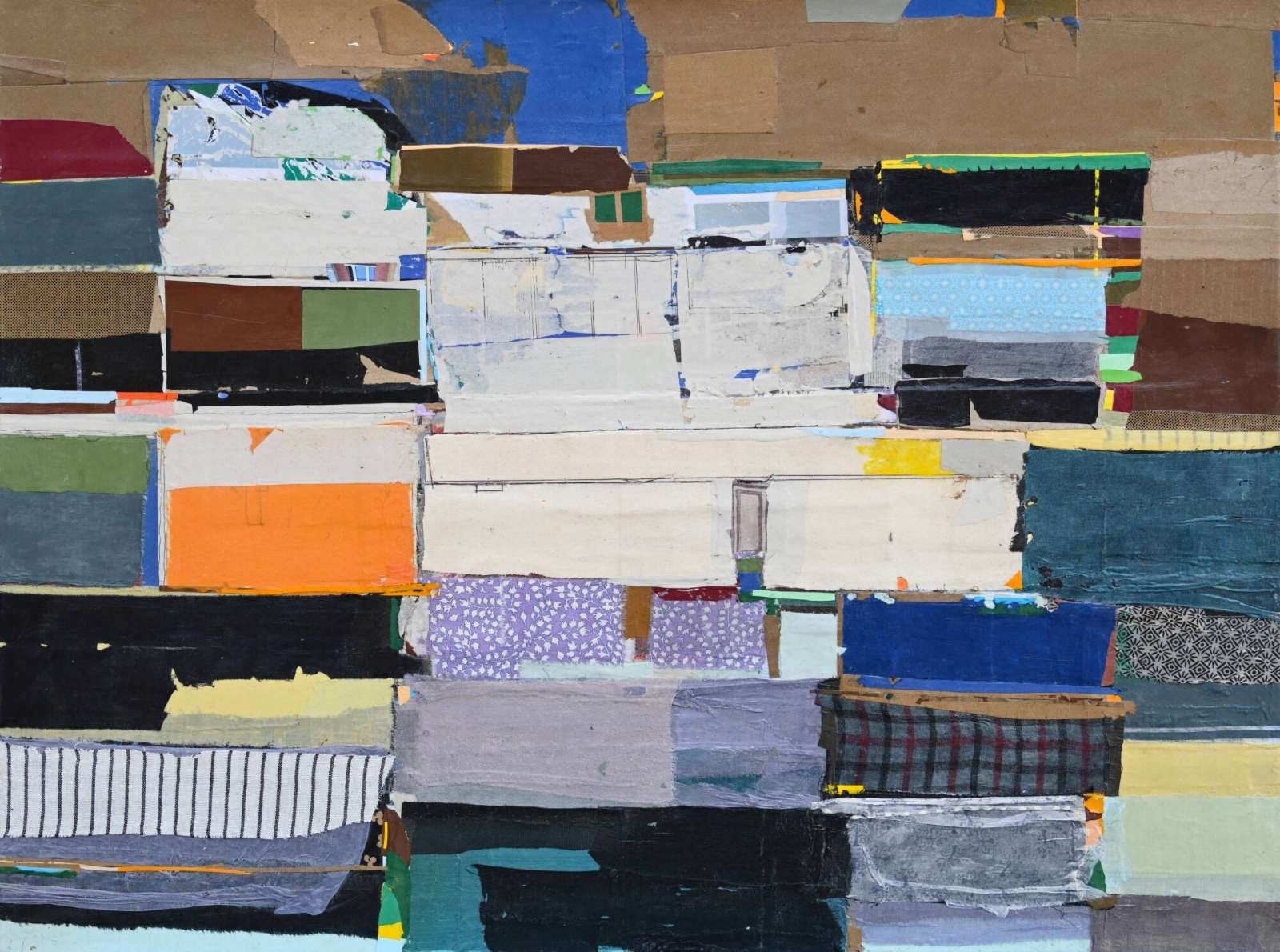
Mohammed Joha presents new works from his No Shelter series, building on his recent presentation at the 61st Venice Biennale. It explores the difference between being houseless and homeless through textile and paper collage. Seta Manoukian shows paintings made since her return to the canvas in 2016, after a decade devoted to Buddhist practice. Tania Candiani embroiders the hidden architecture of plant roots – the underground as a metaphor for the invisible networks that sustain life.
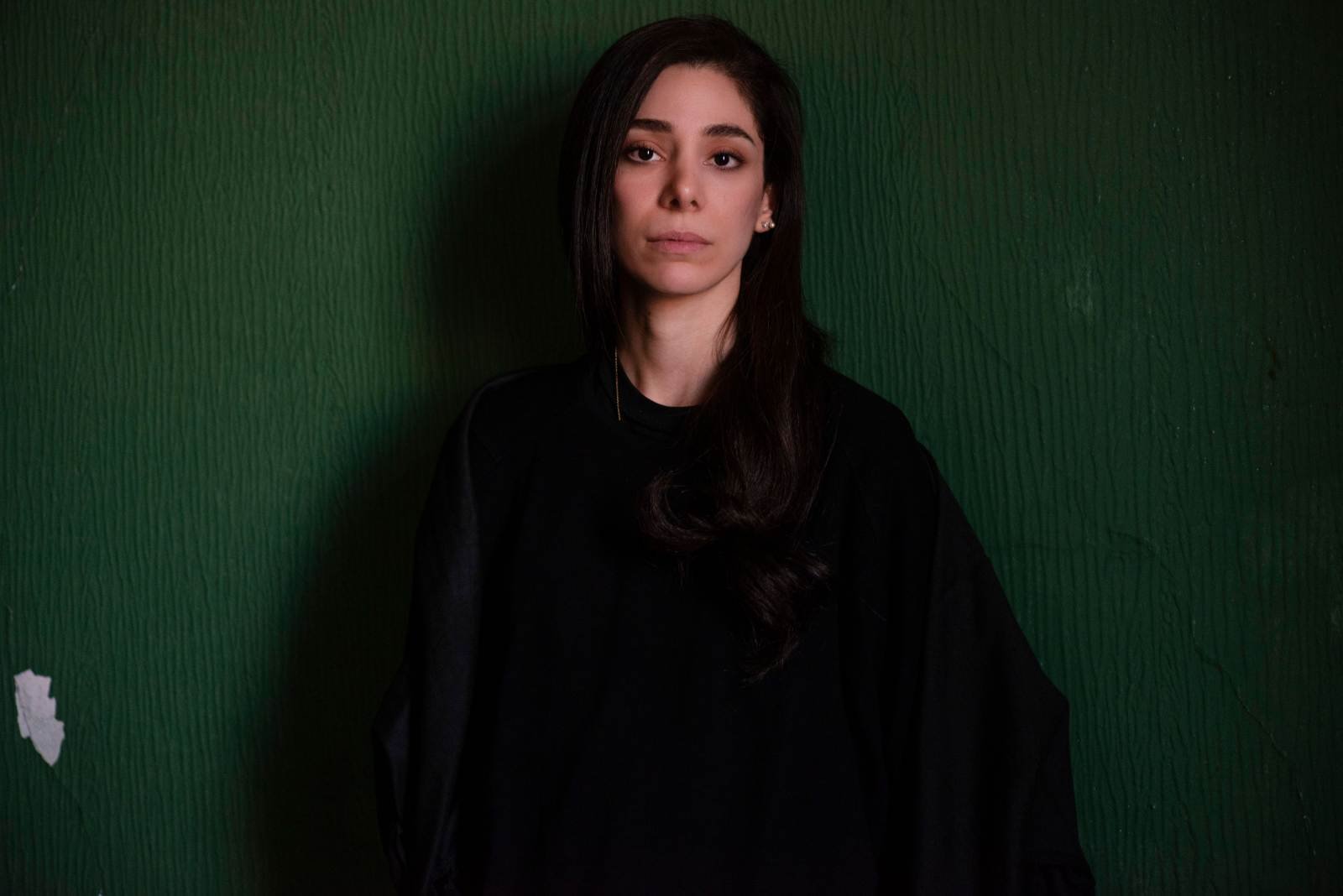
In Focus, the section for younger galleries, every exhibitor receives a bursary to take part. Here sits Dala Nasser, recipient of the inaugural Frieze Abu Dhabi Artist Award, with ash and natural-pigment rubbings of ruins, tombs and rock surfaces from across Western Asia. Her major new commission, Qubbat Duris, curated by Nabila Abdel Nabi, anchors the fair’s programme. Around her, Thuy Tien Nguyen’s automated music boxes echo the interiors of Vietnam’s Independence Palace, Chonon Bensho paints the Peruvian Amazon through Shipibo-Konibo knowledge and Marigold Santos summons the shape-shifting asuang of Filipino mythology.
Beyond the booths
The fair spills out towards the sea. Frieze Sculpture Abu Dhabi, presented by Aldar, places five large-scale works along Mamsha Beach on Saadiyat Island from 16 November to 16 December 2026 – art to be met barefoot, with the salt breeze and the late-afternoon light doing half the curating. A three-day talks programme brings artists, gallerists, collectors and art-world leaders into conversation.
Between halls, some of Abu Dhabi’s favourite tables set up inside the fair, among them LOCAL, Mysk and Ethr, with artisanal baking and carefully crafted coffee from Mysk.
And perhaps this is the real story of Frieze Abu Dhabi. A pearl from these waters once travelled to Egypt and hung from a young woman’s ear. Two thousand years later her portrait sails back, to be seen a short walk from the beach where new sculptures face the same Gulf. The routes of the Indian Ocean are still open. They simply wait for the next traveller.
Plan your visit
- Dates: 19–22 November 2026
- Venue: Manarat Al Saadiyat, Saadiyat Cultural District, Abu Dhabi
- Hours: Thursday 19 November, 2–9pm (preview, by invitation only); Friday 20 to Sunday 22 November, 2–9pm (general admission)
- Frieze Sculpture Abu Dhabi: Mamsha Beach, Saadiyat Island, 16 November – 16 December 2026
- Tickets: friezeabudhabi.com
Share


WE RECOMMEND
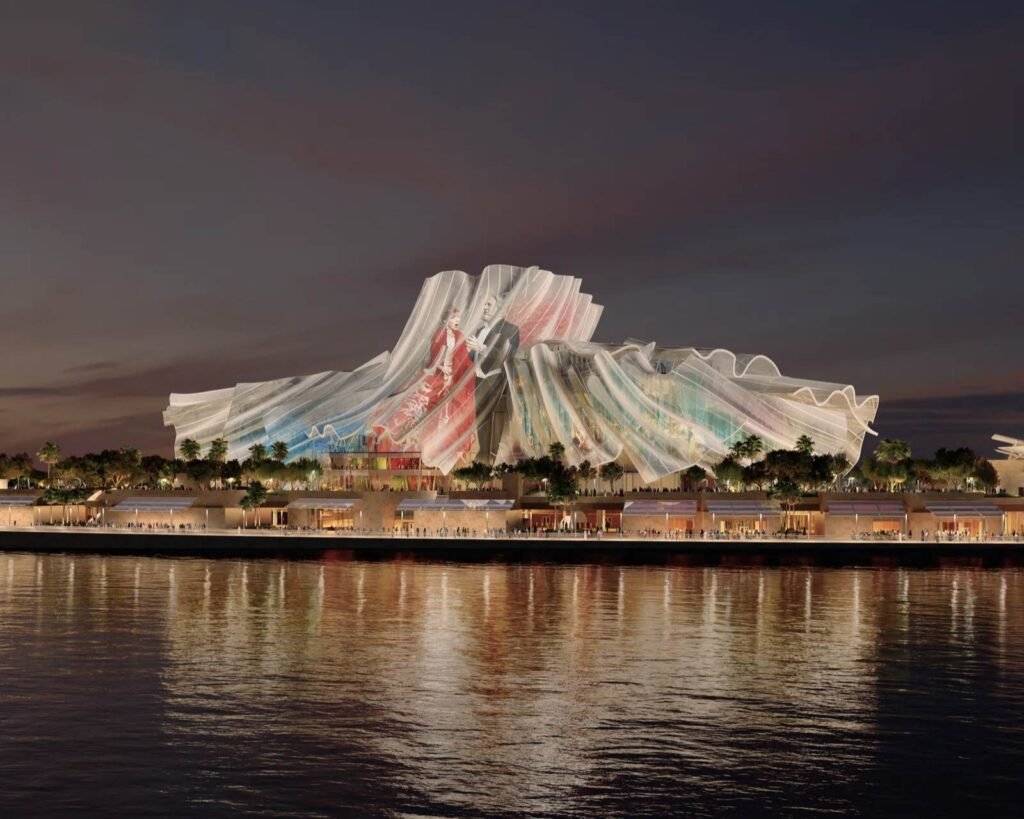
Abu Dhabi Gives Saadiyat a New House of the Arts
The emirate has commissioned Dar Al Funoon Abu Dhabi, a Frank Gehry-designed performing arts centre beside the Saadiyat Cultural District, to open…
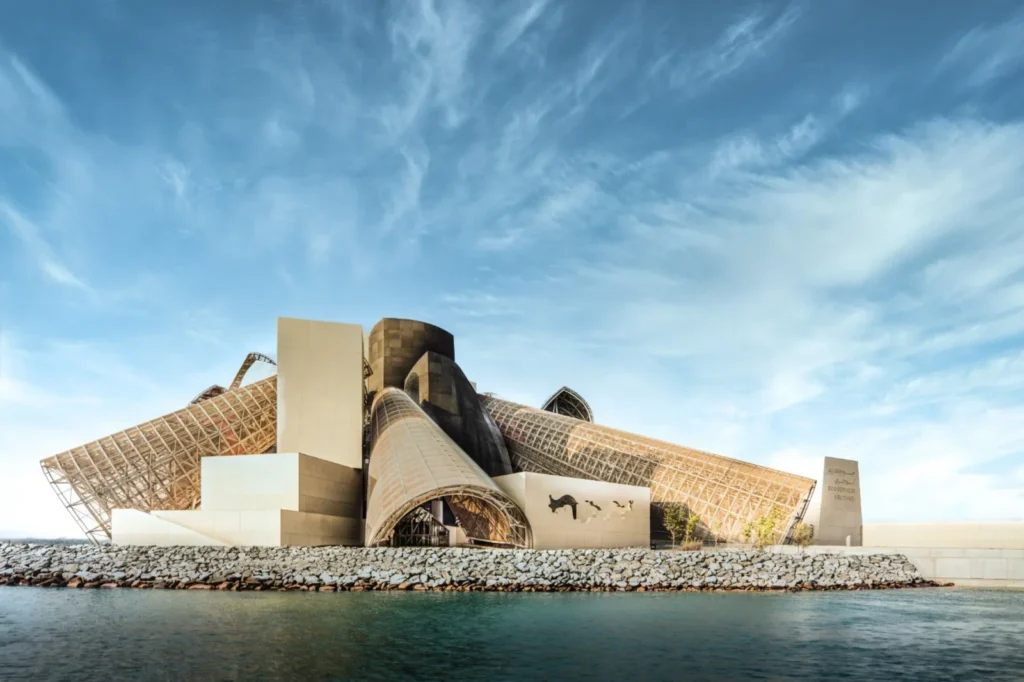
Guggenheim Abu Dhabi Is Ready to Redraw the Map of Global Art
After two decades of anticipation, Frank Gehry’s monumental museum will open on Saadiyat Island on 11 December 2026 – completing one of…

Human in the Loop – a new sound-and-string exhibition opens in Abu Dhabi
At 421 Arts Campus, the Emirati robotics engineer Dr Ahmad AlAttar turns the gallery into a field of sound and strings you…
