





The Human Side of Longevity: What It Really Takes to Live to 120
Everyone wants the next longevity breakthrough. A new molecule. A better biomarker. But after years of reporting on longevity, we’ve started to wonder whether we are looking in the wrong direction.
What does it really take to live to 120? We went looking for answers across research on exceptional longevity, cognitive ageing and lifelong health. Together, they offer a picture of longevity that extends far beyond medicine.
Genetic Luck
Genetics matters. Researchers studying supercentenarians – people who live beyond 110 – have found protective genetic variants linked to cardiovascular health, immune regulation and cellular repair.
Genes shape our biological potential. Two people can begin with similar biology and arrive at completely different versions of old age. The difference lies in what happens over the next eighty years.
The Ability to Repair and Recover
Every second, the body is repairing itself. DNA breaks. Proteins misfold. Mitochondria wear out. The immune system clears damaged cells.
Longevity may ultimately depend on preserving the machinery that repairs this daily damage. In many ways, ageing looks like a gradual loss of resilience.
The ability to preserve muscle throughout life
One of the strongest predictors of healthy ageing is surprisingly ordinary. Strength. Muscles are metabolically active tissue that supports glucose regulation, immunity, balance and recovery from illness. It’s one of the body’s most important organs for healthy ageing.
Ask a geriatrician what matters at ninety. The answer often comes down to a simple question: Can you stand up from a chair without using your hands? Sometimes longevity hides inside remarkably simple tests.
This shift in thinking reflects a broader movement within longevity medicine. Physician Peter Attia has helped popularise the concept of healthspan. In this model, longevity means preserving the strength, balance and independence required to enjoy the decades that medicine may add. A longer life gains value through continued physical freedom.
Stress Is Expensive
The body evolved to manage short periods of danger. Decades of constant alert place a very different demand on human physiology. Chronic psychological stress affects sleep, hormonal regulation, immune function and inflammatory processes.
People who age well often appear able to recover emotionally and return to equilibrium after difficult events. The valuable trait may be resilience: the ability to experience stress without allowing it to define the years that follow.
Purpose Keeps Life Moving
Research from the Rush Memory and Aging Project has associated a stronger sense of purpose with slower cognitive decline and a lower risk of mild cognitive impairment and Alzheimer’s disease.
Purpose creates direction. It gives people reasons to remain engaged, maintain relationships, learn and participate in the world around them. Curiosity can become one expression of that engagement: people continue seeking new knowledge, experiences and perspectives.
Psychological ageing often begins as a gradual narrowing of life. The world becomes smaller, old assumptions remain unchallenged and the future contains fewer possibilities.
Social bonds
The communities popularised as Blue Zones – including parts of Okinawa, Sardinia, Nicoya and Ikaria, along with the Seventh-day Adventist community in Loma Linda — vary widely in geography, diet and culture.
The demographic evidence behind the Blue Zones model remains debated. Yet many of the qualities associated with these communities also appear throughout broader research on healthy ageing: regular movement, social connection, a sense of belonging and a meaningful role within family or community.
Each habit appears ordinary. Together, they create a life that supports health over decades.
Conscientiousness Creates Stability
One of the longest-running studies of human life suggests that longevity often grows from consistency.
Psychologist Howard S. Friedman, drawing on decades of data from the Terman Life-Cycle Study, found that conscientious people tended to live longer. They maintained supportive routines, took responsibility, built stable relationships and considered the long-term consequences of their decisions.
These habits create structure without closing life down. A person can exercise regularly, keep commitments and protect sleep while remaining curious, flexible and open to change.
Longevity may require both: enough consistency to support the body and enough openness to keep the mind alive.
Flexibility Supports Longevity
Flexible thinking helps people revise old beliefs and respond to changing circumstances. Emotional flexibility allows people to move through disappointment, loss and uncertainty while remaining connected to the rest of their lives.
Rigid responses can turn temporary difficulties into permanent patterns. Adaptable people adjust, recover and continue. Longevity may depend partly on the ability to change while preserving a stable sense of self.
Knowing how to live without constant overload
Sleep deprivation. Constant notifications. Ultra-processed food. Sedentary work. Loneliness. Noise. Information overload. Alcohol. Frequent flights. Endless stress.
Together, they create a peculiar modern imbalance: excessive psychological stimulation alongside too little physical movement, recovery and contact with the natural world.
Journalist Michael Easter describes modern life as an environment engineered for comfort. Food is continuously available. Movement has become optional. Temperature is controlled. Digital stimulation fills almost every pause.
The human body appears to benefit from manageable physical challenges: walking, carrying, periods between meals, time outdoors and sustained physical effort. These challenges differ from chronic overload because they have a beginning, an end and a period of recovery.
Resilience grows through appropriate challenge followed by sufficient rest.
A Reason to Look Ahead
The longevity biomarker we still cannot measure. Medicine is becoming exceptionally good at measuring blood. Measuring life remains more difficult. If there is one characteristic we repeatedly notice in people who age well, it is the presence of a future. Some people stop making plans in midlife. Others begin entirely new chapters at eighty. They write books. Start businesses. Plant gardens. Mentor younger generations. Learn languages. Fall in love.
The body grows older as time passes. Psychological ageing follows a different timetable. It accelerates when tomorrow begins to feel empty.
Perhaps longevity is both the science of slowing ageing and the art of preserving a life that still points forward.
Share




WE RECOMMEND

20 Best Longevity and Wellness Destinations Around the World
A longevity trip begins with a simple choice: to go somewhere where the days are shaped around feeling better and returning with…
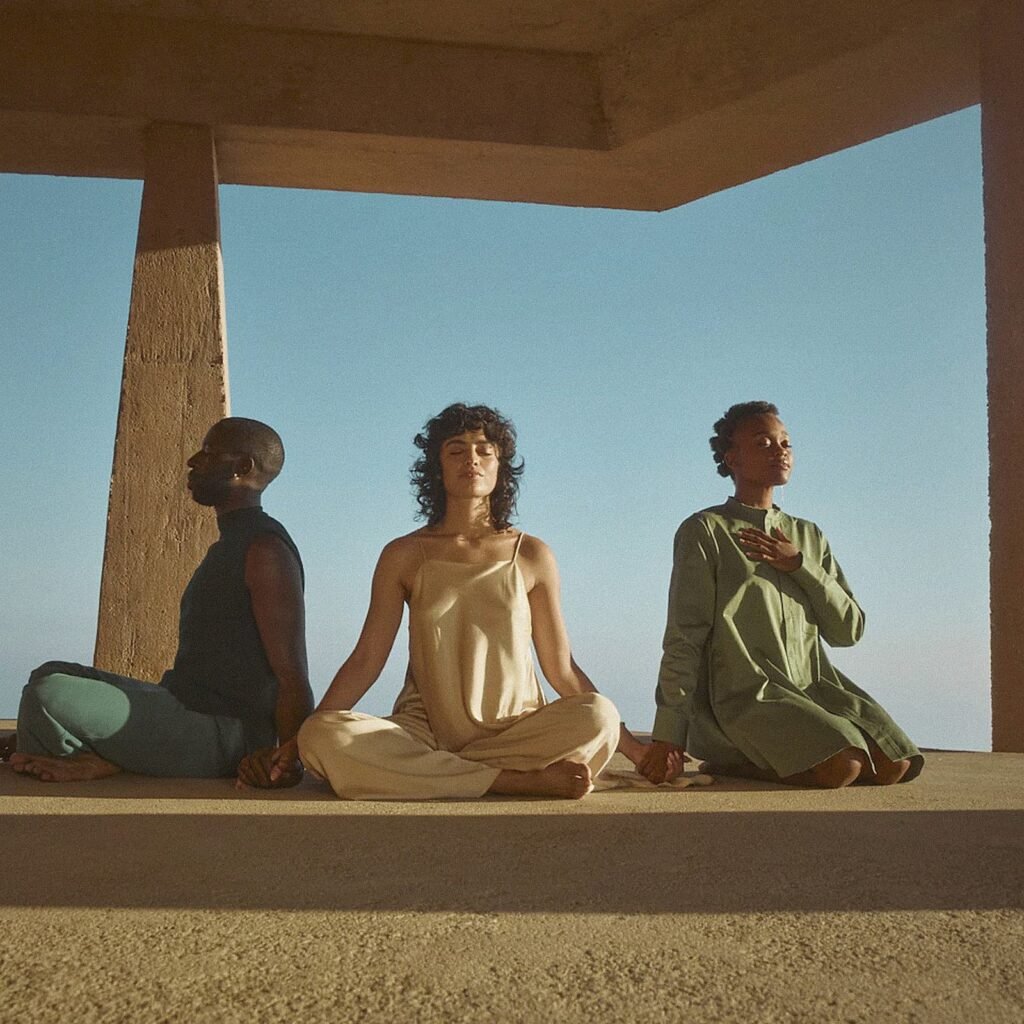
From Neurowellness to Longevity Residences: The 2026 Map of Wellbeing
The Global Wellness Summit has named 10 trends for 2026. Together they show where wellness is moving next.
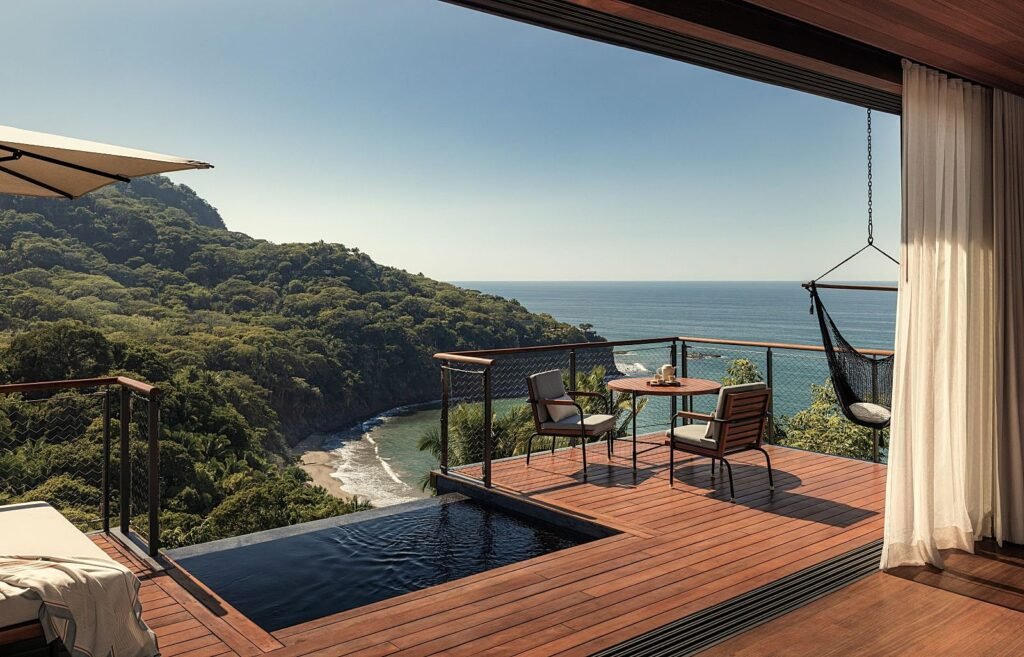
Ancient Healing at One&Only Mandarina
How the oldest spiritual traditions in Mexico found their home inside the most immersive luxury wellness experience in the country.
