




Inside the Billionaire Race for Longevity
From Jeff Bezos and Sam Altman to Priscilla Chan and Brian Armstrong, tech’s richest figures are now building their own longevity projects, from cellular reprogramming to AI biology.
Inside the Billionaire Race for Longevity
From Jeff Bezos and Sam Altman to Priscilla Chan and Brian Armstrong, tech’s richest figures are now building their own longevity projects, from cellular reprogramming to AI biology.
For the world’s wealthiest founders, longevity has become one of the most ambitious frontiers.
The sector is still young and medically uneven. In 2024, global financing for longevity companies reached about $8.49 billion across 325 deals, according to Longevity.Technology’s investment report. That number shows why the field has moved from the fringe into serious capital markets. It also shows why the word “longevity” now covers very different worlds: deep biotech, preventive diagnostics, experimental clinics and personal optimization.
Jeff Bezos – the cellular rejuvenation bet
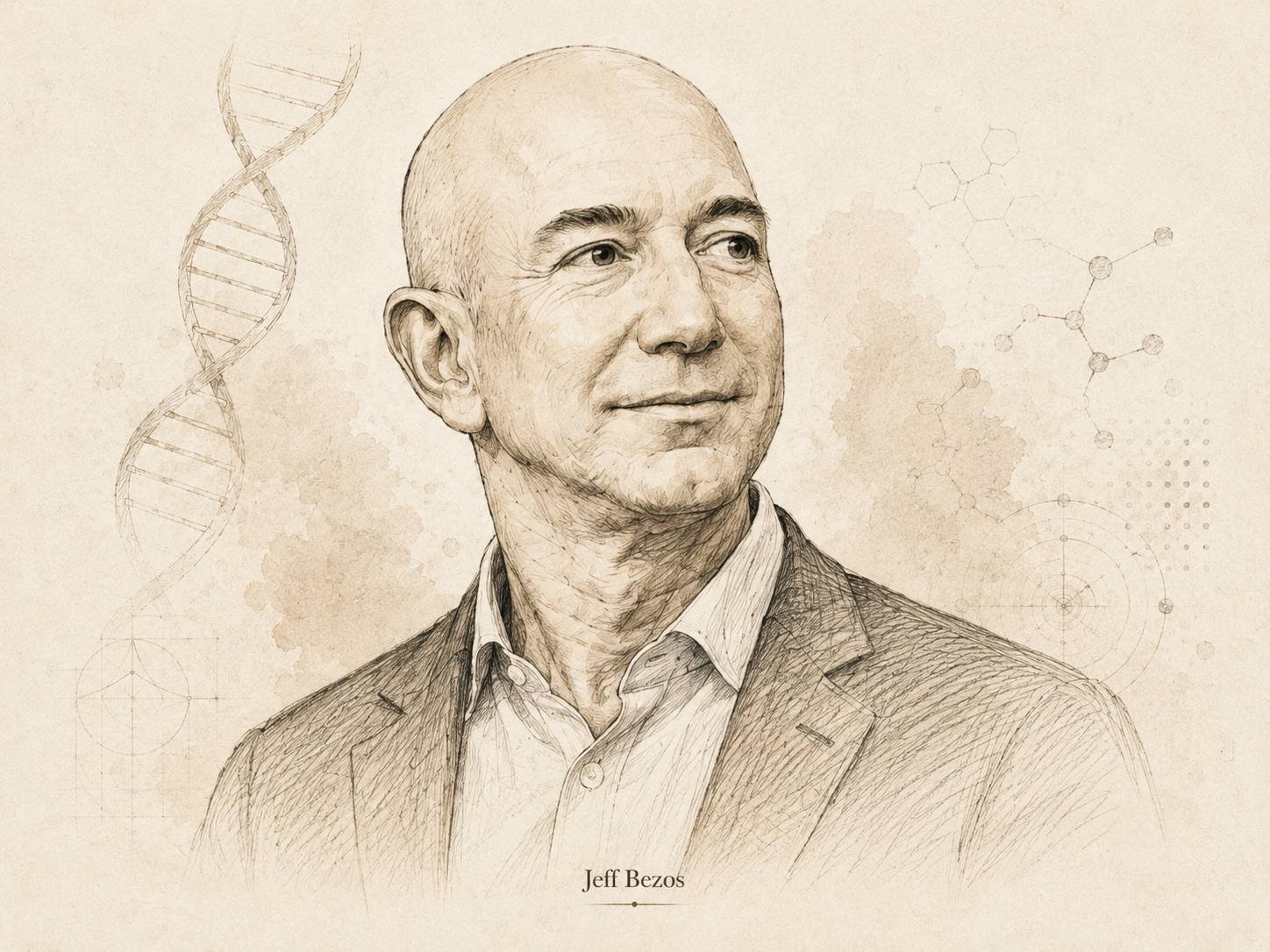
Jeff Bezos is most closely associated with Altos Labs, one of the most heavily funded longevity companies ever launched. Altos came out publicly in 2022 with a focus on cellular rejuvenation programming, aiming to restore cell health and resilience and eventually reverse disease, injury and disability. The company launched with operations in the San Francisco Bay Area, San Diego and Cambridge, with collaborations in Japan.
The reported scale is the key point: Altos launched with around $3 billion in capital, an unusually large amount for a biotech company at inception. Bezos has been widely reported as one of the early backers, alongside other major investors. The science is centered around cellular reprogramming – the idea that cells can be pushed toward a younger, more resilient state without losing their identity.
Mark Zuckerberg and Priscilla Chan – AI biology as disease prevention
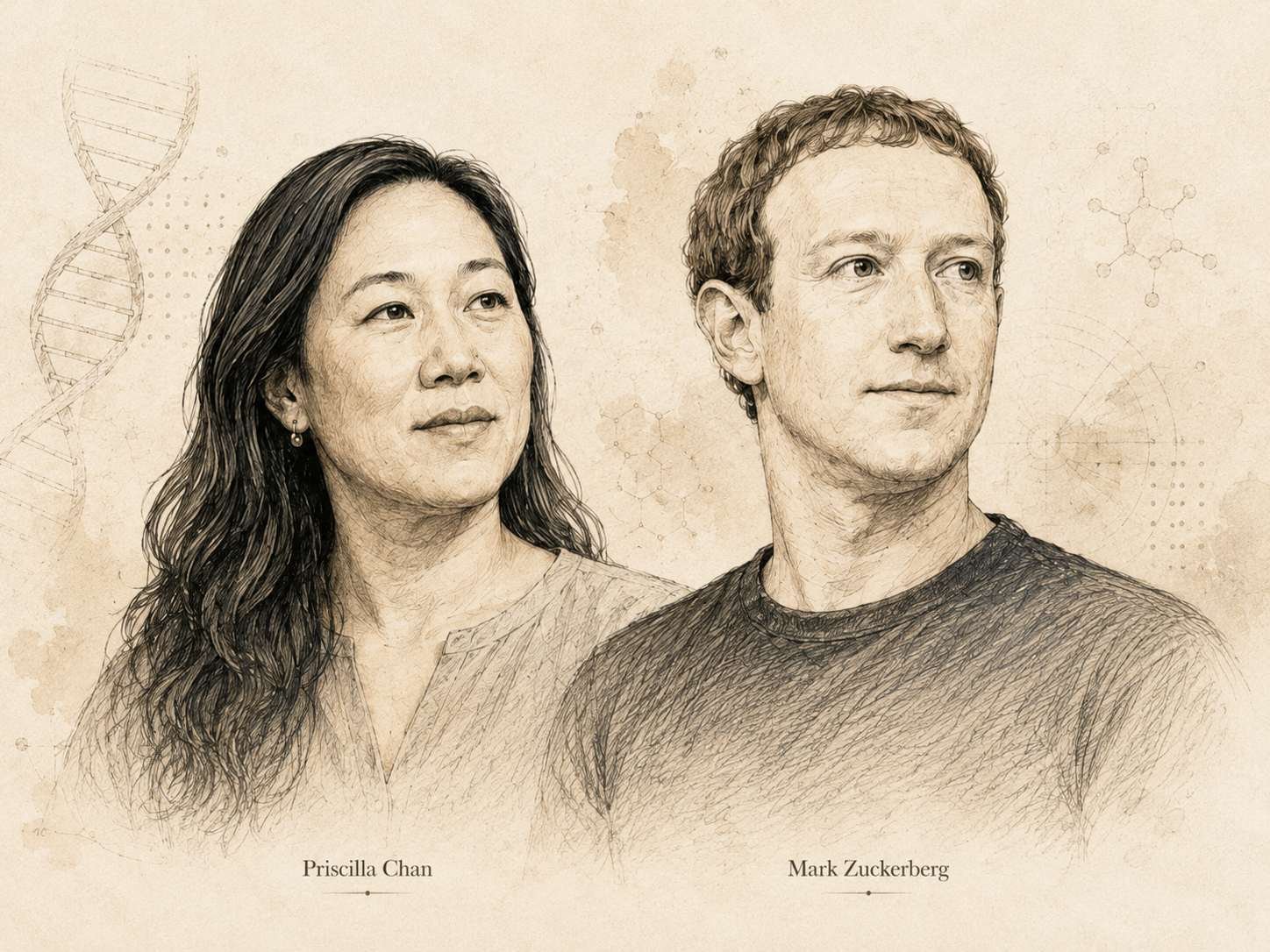
Mark Zuckerberg and Priscilla Chan are building a different kind of longevity infrastructure through the Chan Zuckerberg Initiative and Biohub.
The scale is enormous. CZI launched in 2015 with a pledge of nearly the couple’s entire fortune – over $200 billion at today’s valuation. In 2025, it announced it would commit at least $10 billion to basic scientific research over the next decade, more than double its first-decade spend. Biohub itself, launched in 2016, sits at the center of this push as a permanent research engine.
The latest major move is the Virtual Biology Initiative: a five-year, $500 million commitment announced in April 2026 to build open, global datasets for predictive AI models of the human cell. $400 million is earmarked for internal Biohub research and $100 million for external collaborators, with partners including NVIDIA, the Broad Institute, the Allen Institute, the Wellcome Sanger Institute, the Human Cell Atlas, Human Protein Atlas and others.
The idea is simple and very ambitious: if scientists can simulate cellular behavior digitally, they can test hypotheses in silico, understand disease mechanisms before they appear clinically, and shorten the path from biological insight to therapy. Among private biomedical funders, CZI is on track to become the largest in the world.
Sam Altman – the AI-to-biology bridge
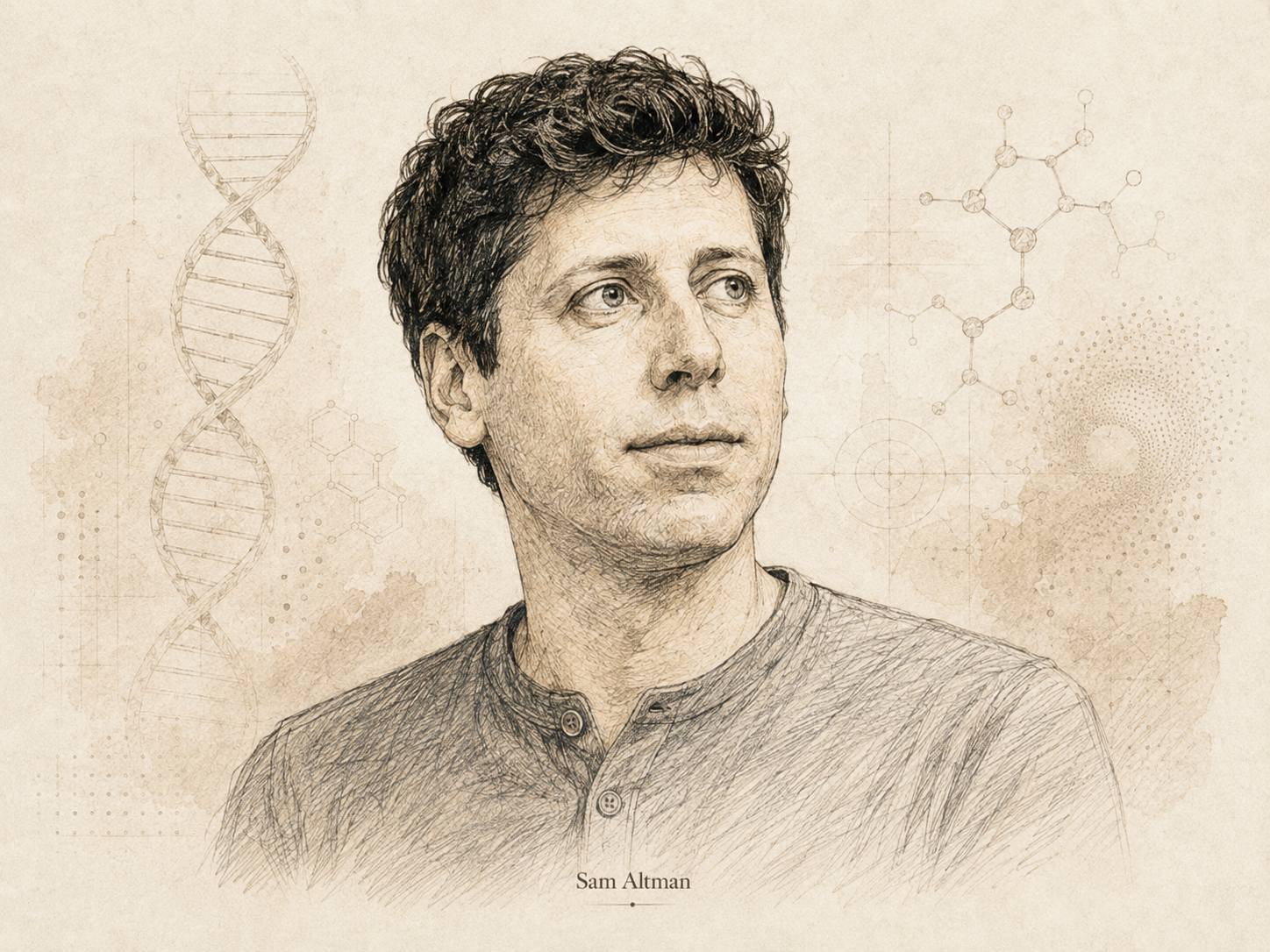
Sam Altman’s major longevity bet is Retro Biosciences. Retro’s stated mission is to add 10 healthy years to human lifespan by developing therapies that reverse age-related disease. The company works across several biological routes, including cellular reprogramming, cell therapies and mechanisms linked to tissue aging.
Altman initially funded Retro’s entire seed round – about $180 million – making it one of the largest individual bets ever placed on a longevity startup. More recently, Retro has been raising a $1 billion Series A at a $1.8 billion valuation, with Altman participating again, as the company moves from broad ambition toward clinical programs (its first trial targets Alzheimer’s disease).
The most interesting part is the OpenAI connection. In January 2025, OpenAI and Retro jointly unveiled GPT-4b micro, a specialized version of GPT-4o built for protein engineering. The model designed enhanced variants of the Yamanaka factors – named RetroSOX and RetroKLF – that achieved a 50-fold increase in the expression of stem-cell reprogramming markers, while also improving the cells’ DNA damage repair. In other words, the AI-designed proteins don’t just reprogram cells, they appear to rejuvenate them.
Larry Page and Alphabet – the long, quiet Calico experiment
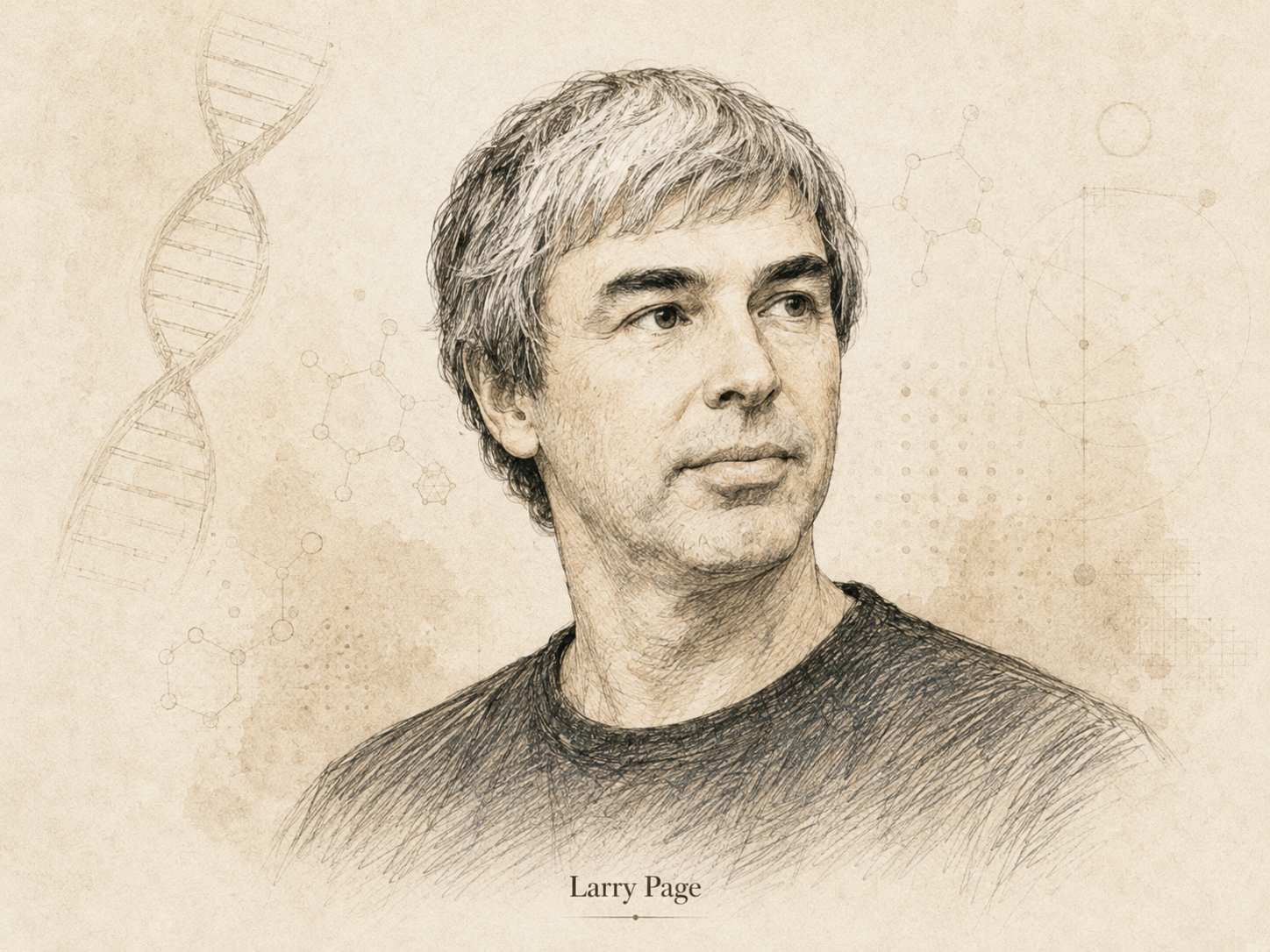
Before Altos, Retro and the new AI-biology wave, Google had already entered aging science through Calico. Founded in September 2013 and led by former Genentech CEO Arthur Levinson, Calico was launched with backing from Larry Page and became part of Alphabet after Google’s 2015 restructuring. Its mission, in the company’s own words, is to use advanced technologies and model systems to understand the biology that controls human aging and to develop interventions that help people live longer.
Calico has worked across basic aging biology, age-related disease, genetics, model organisms and drug development. Its largest external R&D bet was the long-running collaboration with AbbVie, first announced in 2014 as a $1.5 billion partnership and later expanded through additional commitments. By 2021, the potential total had reached about $3.5 billion. In 2025, after more than a decade, AbbVie began winding down the partnership, suggesting that the science had not translated into a pipeline strong enough for the company’s current R&D priorities.
Brian Armstrong – epigenetic reprogramming through NewLimit
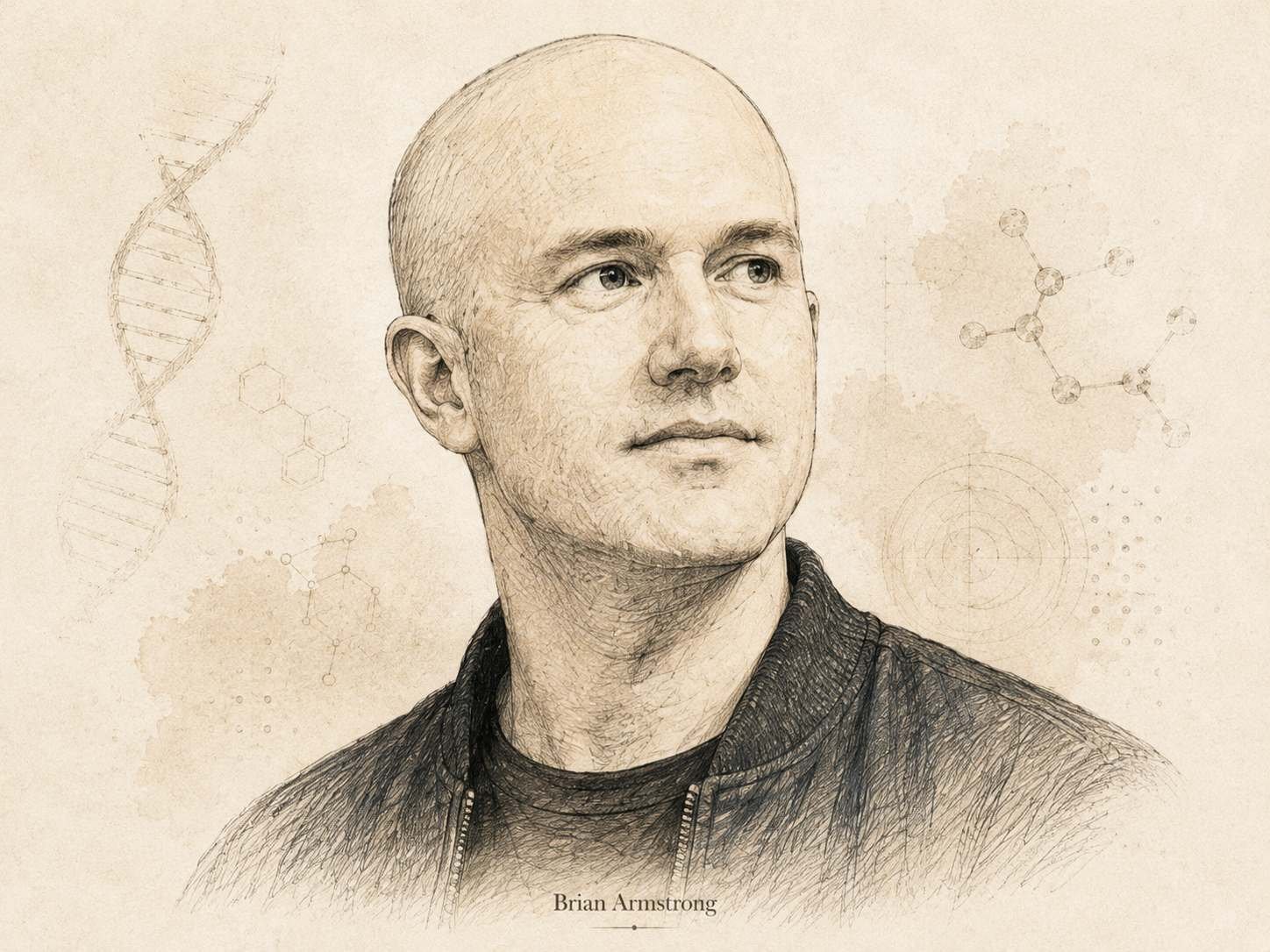
“In the last 50 years, longevity has flatlined. We doubled it once before. Why can’t we double it again?”
Coinbase CEO Brian Armstrong is one of the most interesting newer entrants. His company NewLimit is focused on medicines that add healthy years to human life, using epigenetic reprogramming and AI-enabled biology. In 2025, NewLimit announced a $130 million Series B led by Kleiner Perkins, with participation from investors including Khosla Ventures, Human Capital, Valor Equity Partners, Founders Fund and Armstrong himself.
A few months later, NewLimit announced an additional $45 million from Eli Lilly, Duke Management Co., Section 32 and others, on a $1.62 billion valuation cap. It shows big pharma interest moving closer to the longevity field.
For Armstrong, aging is a programmable cellular process. NewLimit belongs in the same conceptual universe as Altos and Retro, but with a more startup-driven, AI-and-drug-discovery structure.
Peter Thiel – the ideological investor in life extension
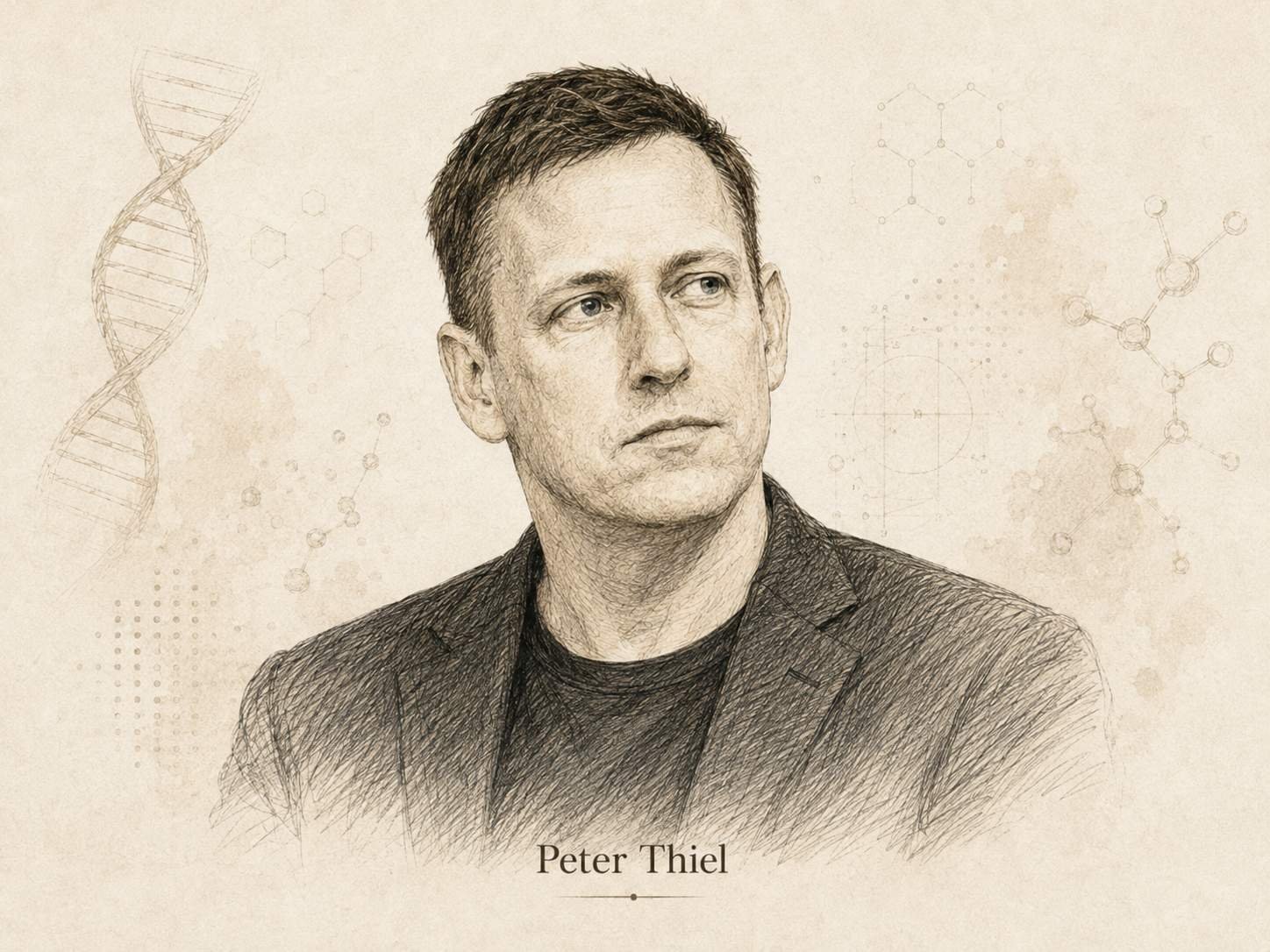
Peter Thiel, co-founder and chairman of Palantir, has been one of Silicon Valley’s earliest high-profile supporters of life-extension research. In 2006, he pledged $3.5 million to the Methuselah Foundation, the organization to fund anti-aging research and SENS-related work.
Thiel later became one of the investors associated with Unity Biotechnology, a senolytic biotech company focused on targeting senescent cells – aging cells that stop dividing but continue to release inflammatory signals. Unity raised significant capital from investors including Thiel and Jeff Bezos, but its lead osteoarthritis program failed to outperform placebo in a Phase 2 trial in 2020. The company became an early cautionary case for longevity biotech: the scientific premise attracted major capital, but clinical translation proved much harder than the market expected.
Larry Ellison – the older model of aging philanthropy
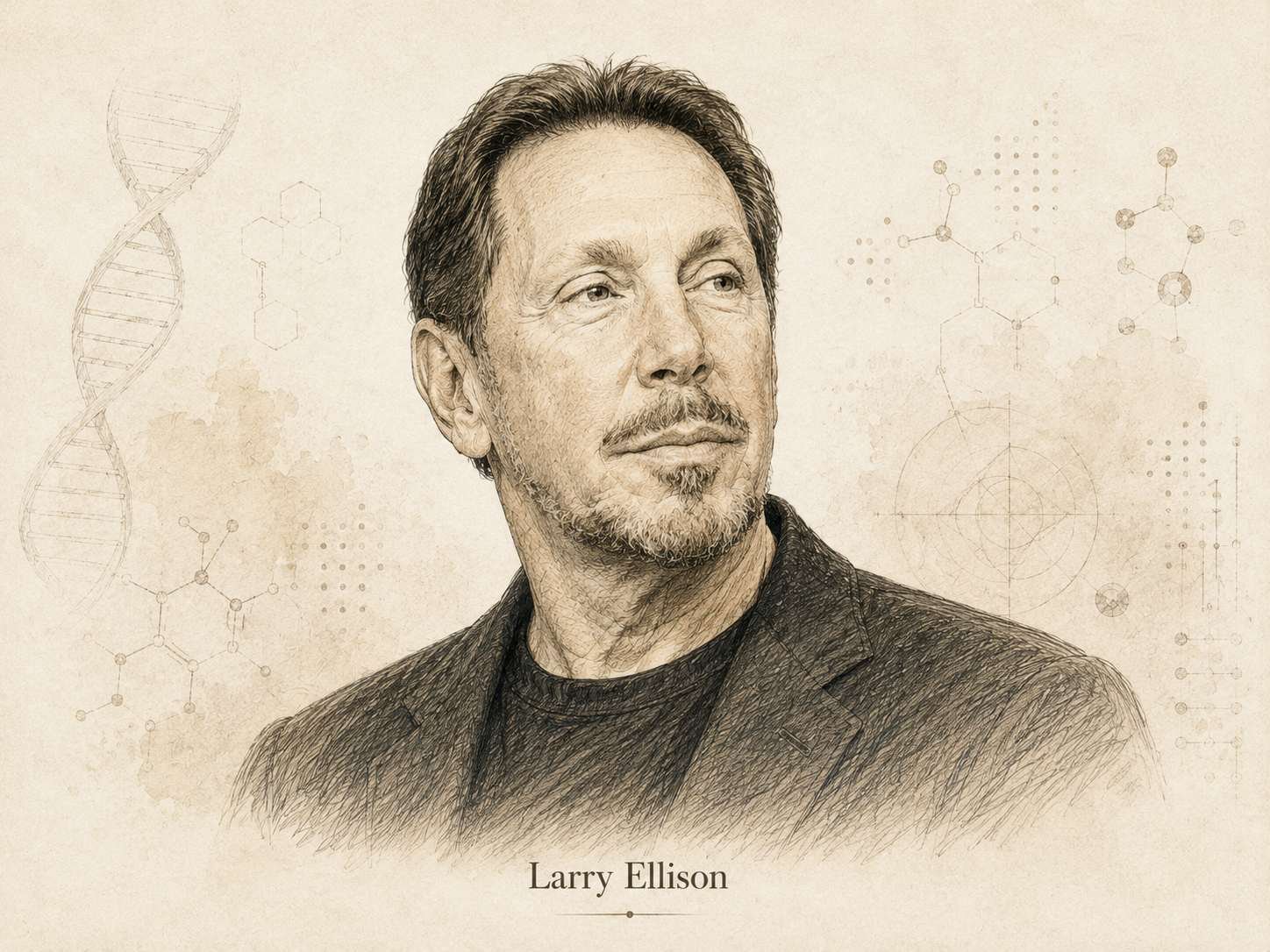
Oracle co-founder Larry Ellison funded one of the most important early private efforts in aging science: the Ellison Medical Foundation. The foundation worked from 1997 till 2013, supported basic biomedical research on aging and age-related disease, as well as global infectious disease research.
The scale was substantial. Philanthropy Roundtable says the foundation distributed about $430 million to around 600 researchers over roughly a decade and a half. That made Ellison one of the early major private funders of aging biology before longevity became fashionable in Silicon Valley.
Sergey Brin – disease-specific longevity through Parkinson’s research
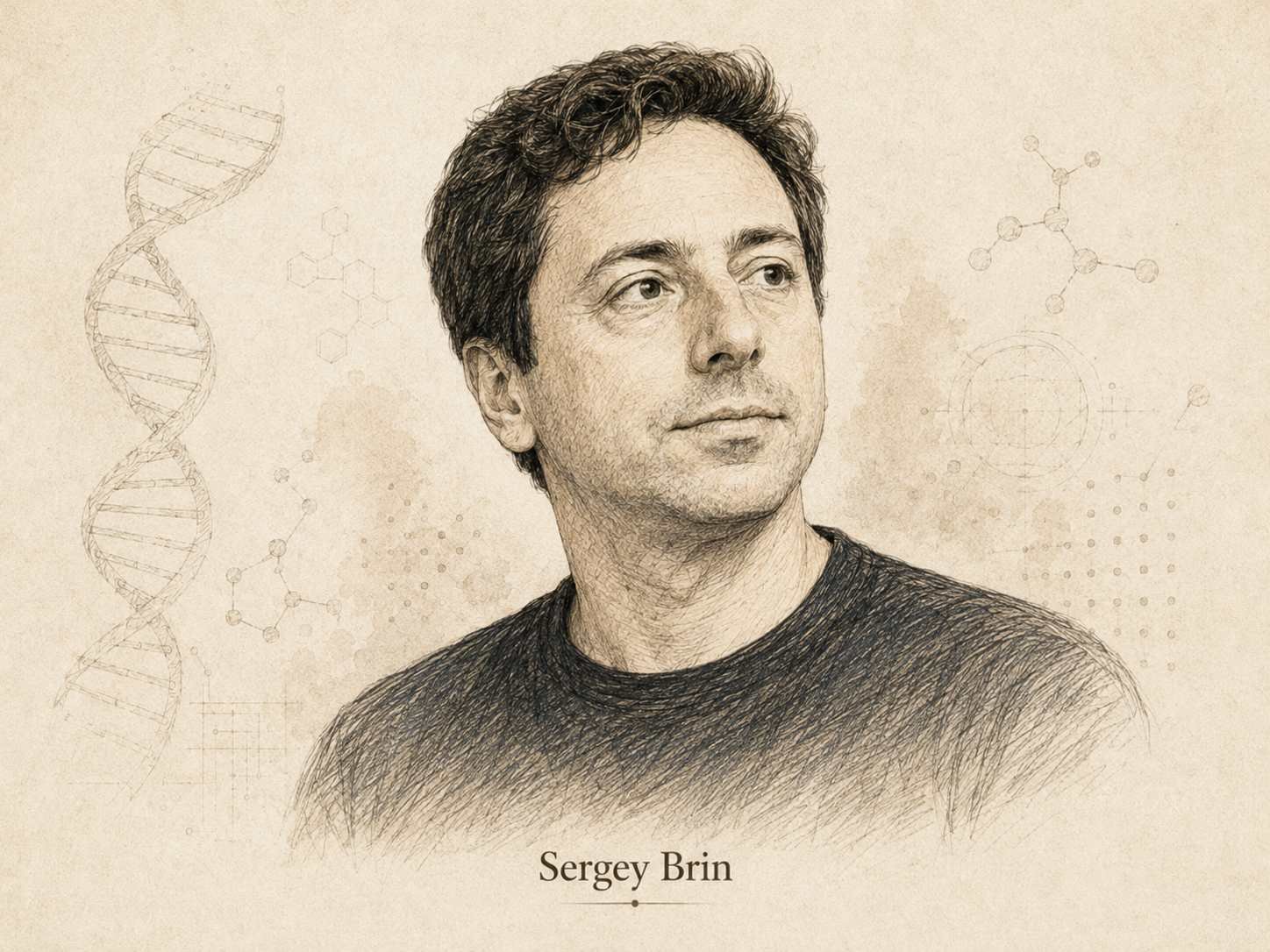
Sergey Brin’s longevity story is more personal and disease-specific. After learning he carries a mutation in the LRRK2 gene linked to elevated Parkinson’s risk, Brin became the field’s major funder. It began in 2009 with a $20 million donation to the Michael J. Fox Foundation, with $15 million earmarked for LRRK2 research, followed by matching pledges with then-wife Anne Wojcicki.
In 2019 he launched Aligning Science Across Parkinson’s (ASAP) to coordinate global research, and in 2021 founded Catalyst4, a foundation focused on CNS diseases and climate. Through these vehicles, his family foundation, and direct gifts of Alphabet stock, Brin has now donated well over $2 billion to Parkinson’s research – making him one of the largest private disease-specific donors in modern biomedical science.
Longevity is often sold as age reversal, but in practice the field is frequently disease-specific: Parkinson’s, Alzheimer’s, cancer, cardiovascular disease, immune decline. Brin’s model is less “live forever” and more “solve the disease pathway that threatens me and millions of others.”
Elon Musk – neurotechnology
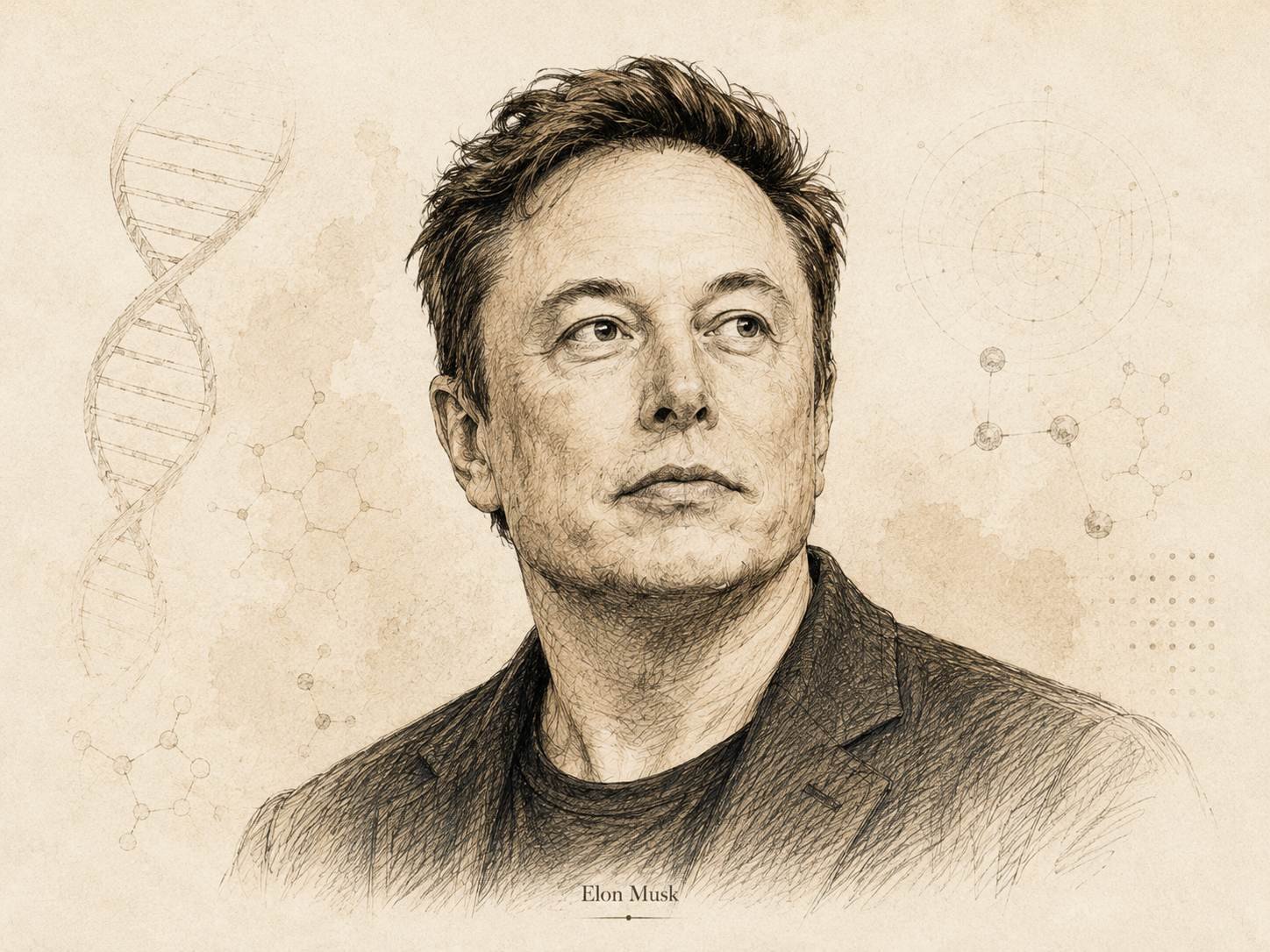
Elon Musk’s Neuralink describes its goal as creating a generalized brain interface to restore autonomy for people with unmet medical needs and, later, to expand human potential.
The company implanted its first human brain-computer interface in 2024. The early clinical target has been people with paralysis, spinal cord injury or ALS, allowing control of devices through thought.
Though Neuralink is not an anti-aging company, it belongs in the broader “human repair and enhancement” ecosystem, where the body and nervous system are treated as systems that can be restored, extended or interfaced with technology.
Bryan Johnson – the consumer face of radical self-optimization
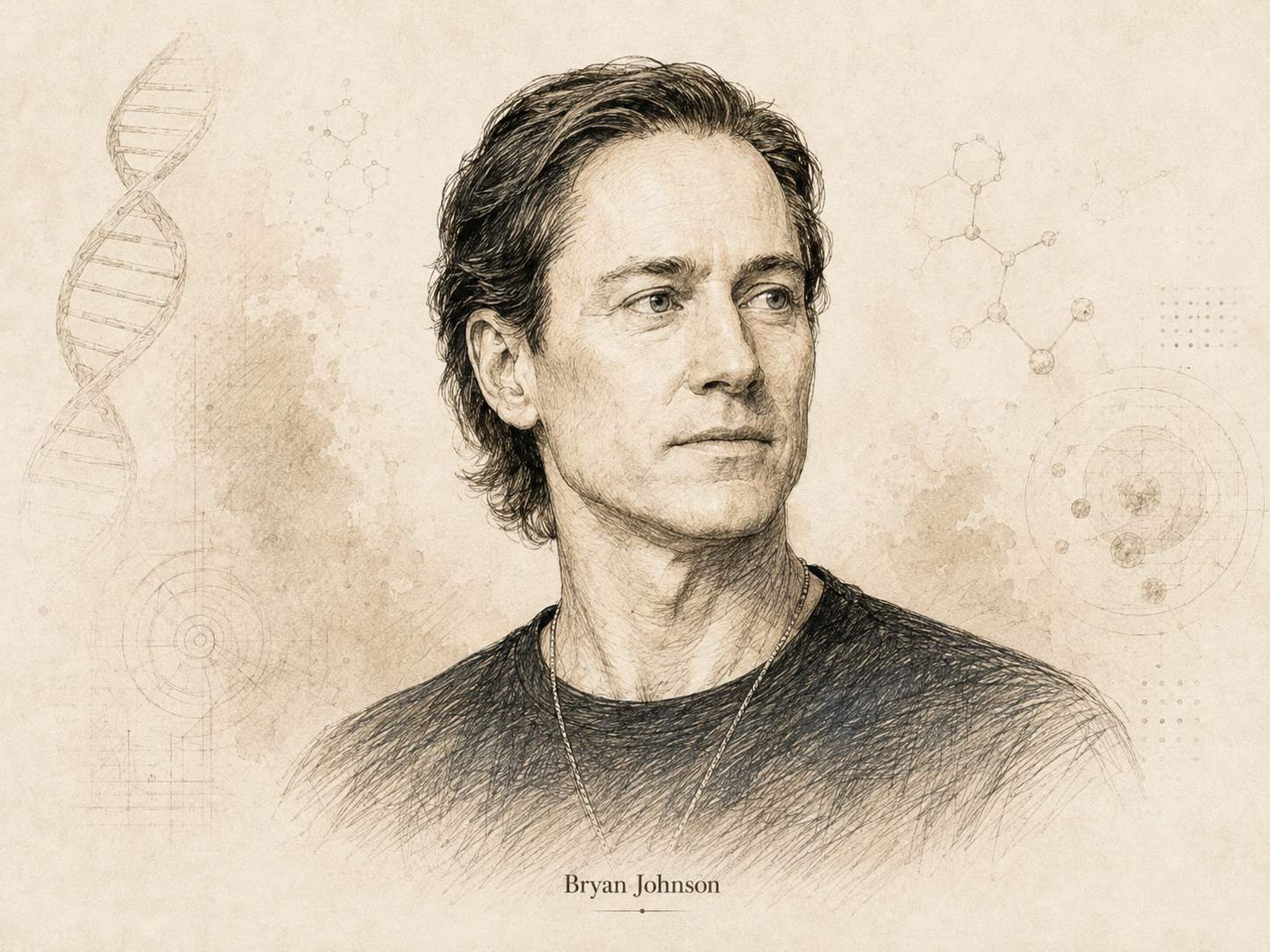
“Don’t Die is the next major ideology for the human race on par with democracy, capitalism, socialism or religion… It’s a new way of being”
Bryan Johnson is one of the most visible faces of consumer longevity. His Blueprint project turned his own body into a public experiment: strict diet, sleep control, exercise, biomarker tracking, medical testing and a heavily managed anti-aging protocol. Reports have repeatedly put his personal spending annually at around $2 million a year.
Johnson also founded Kernel, a neurotechnology company focused on measuring brain activity, and has invested heavily in personal health systems. He shows the consumer-facing, media-friendly version of longevity, where the founder becomes the product, the case study and the marketing channel.
Craig Venter and Human Longevity Inc. – the diagnostic version of longevity
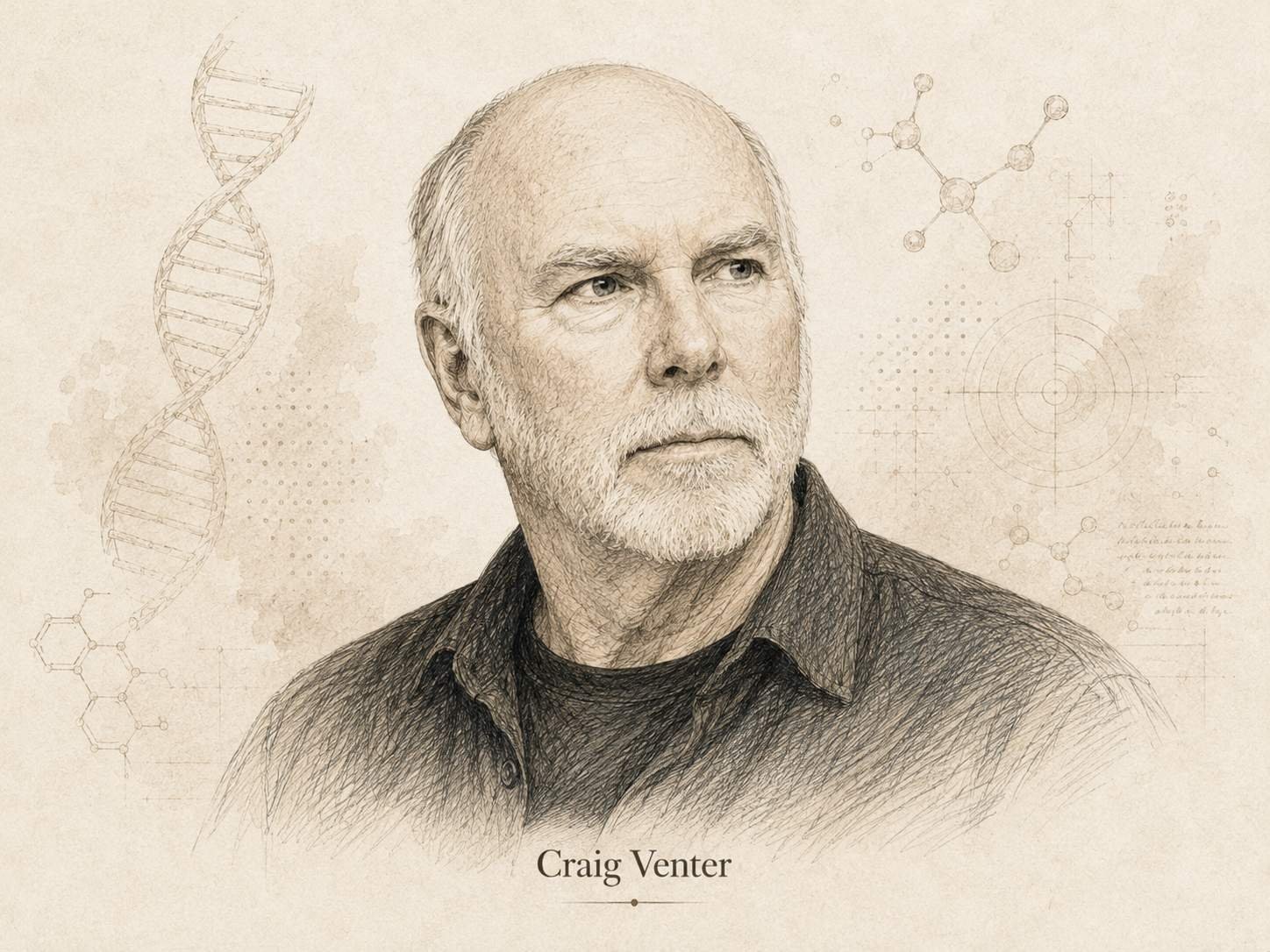
Craig Venter (1946-2026), the genomics pioneer, created Human Longevity Inc. around the idea that deep sequencing, imaging, biomarkers and machine learning could move medicine from treatment to early detection. Human Longevity now sells executive health programs that include whole genome sequencing, full-body MRI, 120+ biomarkers, cardiac imaging and AI analysis, with pricing starting around $8,000 annually for its Executive Health program.
The premise is that catching cancer, cardiovascular disease, neurodegeneration or metabolic dysfunction early can extend healthy life without needing to reverse aging itself. It is commercially more immediate than cellular rejuvenation, but it also raises questions about overdiagnosis, unnecessary interventions and access.
The bigger picture
The richest people are not funding one unified longevity movement. They are funding several competing interpretations of the future of medicine.
One group is betting on cellular rejuvenation – Bezos with Altos, Altman with Retro, Armstrong with NewLimit. Another is building AI biology infrastructure – Zuckerberg and Chan through Biohub. Another has historically funded aging research through philanthropy – Ellison and Thiel. A fourth group is pushing adjacent technologies: Musk through brain-computer interfaces, Johnson through measurable self-optimization, Venter through predictive diagnostics.
The field still has open questions. Access remains unsolved – early therapies will likely reach wealthy patients first, and the gap between who can afford them and who cannot is real. Clinical translation is harder than the funding rounds suggest: Calico has been running for thirteen years, and Unity Biotechnology’s lead drug failed in trials. And for all the ambition, some researchers argue the money could also move faster if directed at diseases that already have known solutions. None of this makes the science less interesting – but it does make the optimism worth tempering.
The serious story is that longevity is becoming a new layer of medicine. The weak story is that billionaires want to live forever. The stronger version is more precise: the people who built software, search, e-commerce, crypto and AI are now applying the same logic to biology. They see the body as a system that can be measured, modeled, repaired and eventually reprogrammed. This may become the defining medical question of the next decade: can biology be engineered?
Share




WE RECOMMEND

Longevity Pods: What They Are and How Do They Work
Longevity pods turn at-home care into a calming immersive treatment: salt, red light, oxygen, sound, and scent combined into one guided session.

The Quiet Hack. How Vipassana Became a Tool of the Tech Elite
Tech CEOs spent years trying to hack productivity from the outside. Vipassana offered a harsher proposition: to turn inward and confront the…

Can We Really Make Our Pets Live Longer?
As humans invest more time and money in living longer, attention is also turning to the animals we love – and, perhaps…
