




The Famous Faces Behind the Longevity Business
Thor has co-founded a longevity platform, a Stanford neuroscientist has joined a telehealth board and the world’s most measured man sells his protocol for a million dollars a year. Celebrity has found its next frontier – the business of time.
It is a warm November evening in Dubai. My phone lights up with a familiar face. Chris Hemsworth strolls past a white wall with a white box under his arm, and the wall carries five words: “Here’s to living forever-ish.”
That small “ish” is the most honest syllable I have met in longevity marketing all year.
Within days the box had a name and a business behind it. On 12 November Hemsworth launched KINSYN in the United States as its co-founder – a platform that gathers physician-guided care, prescription therapies, supplements, lab testing and health data under one roof. The same week Andrew Huberman took a seat on the board of Hims & Hers, and Bryan Johnson, the most quantified body on the planet, kept selling his protocol at a price that reads like a misprint. Hollywood and the podcast studio have discovered what the Swiss clinics have known for a century: time is the rarest commodity of all.
Thor’s most personal role
In Limitless, the National Geographic series streaming on Disney+, Hemsworth dangled from ropes above canyons and plunged into icy water in search of the secrets of a longer life. The most dramatic moment happened far from any cliff edge, in a quiet conversation with longevity physician Dr Peter Attia. Genetic testing for the show revealed that Hemsworth carries two copies of APOE4, the gene variant most strongly linked to Alzheimer’s disease. The producers offered to cut the scene. He chose to keep it. Later, in A Road Trip to Remember, he travelled by motorcycle with his father Craig, who lives with Alzheimer’s, through the places that shaped their family story.
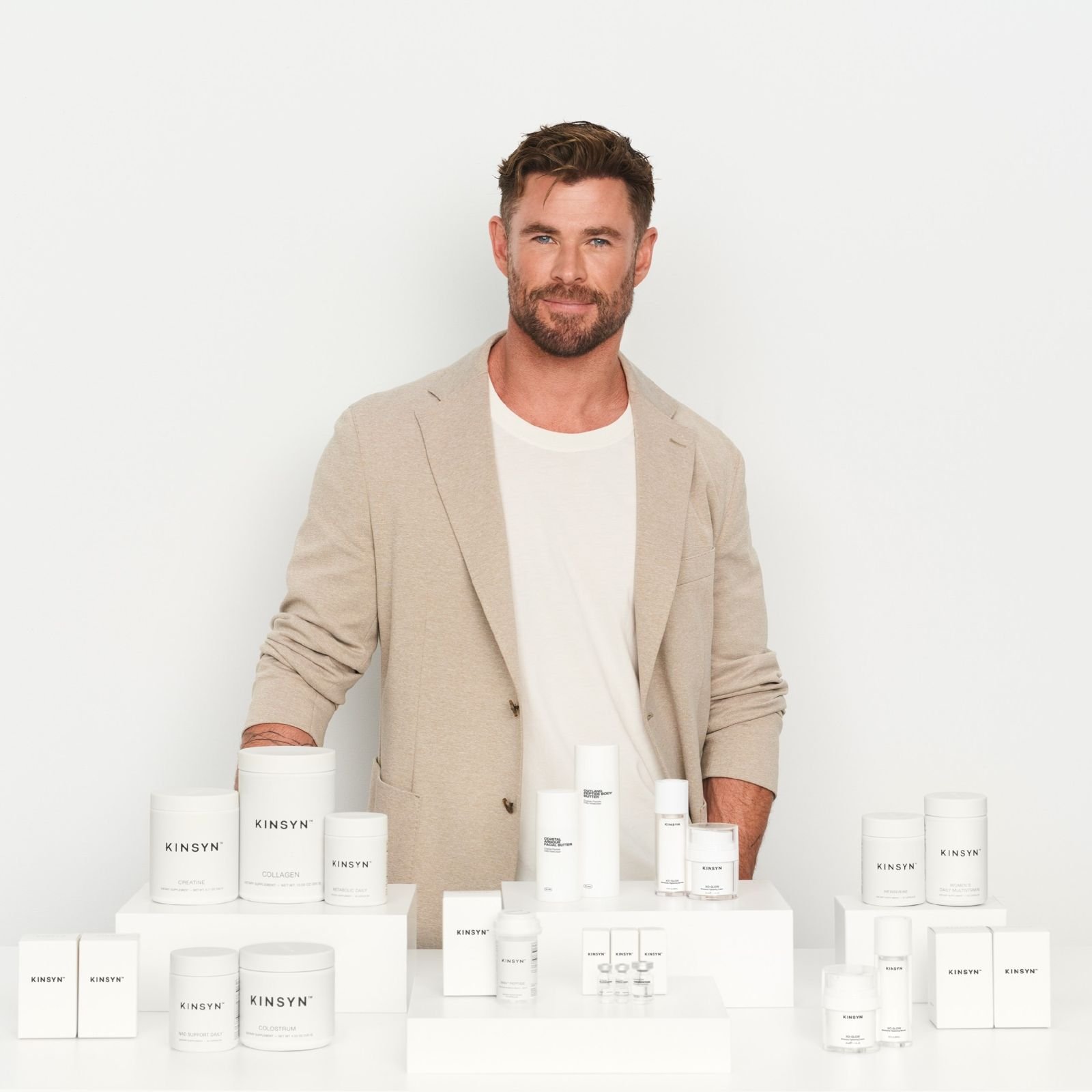
So when the KINSYN website announces “This role is personal”, the line lands with real weight. Hemsworth describes longevity as a question of “how you experience your life along the way.” The platform behind that sentiment is built around the US healthcare market. It connects medical records from participating US healthcare systems with blood work, wearables and lifestyle data, and its proprietary AI helps affiliated physicians shape individual recommendations. The menu reads like a portrait of the 2026 wellness economy: tirzepatide and semaglutide for weight management, NAD+ and glutathione, creatine, prebiotic fibre, a copper peptide body butter – and a curated shelf called Hemsworth’s Picks. The medical side is led by Chief Medical Officer Dr Jonathan Schoeff, co-founder of The Longevity Lab, supported by an advisory board spanning metabolic health, immunology, genomics, women’s health and precision medicine. Membership prices remain undisclosed, and for now the service operates in the United States only.
There is a touch of warm irony in the timing. In August the same Hemsworth became co-owner of Archie Rose, a Sydney whisky distillery preparing for its American debut. Longevity, it seems, leaves room for a single malt.
The professor and the peptides
For years Andrew Huberman’s strongest currency was independence. A tenured professor of neurobiology and ophthalmology at Stanford, he built one of the world’s most listened-to health podcasts, with a YouTube audience above eight million, by explaining sleep, light, cold, heat and supplements from the lectern rather than the shop counter.
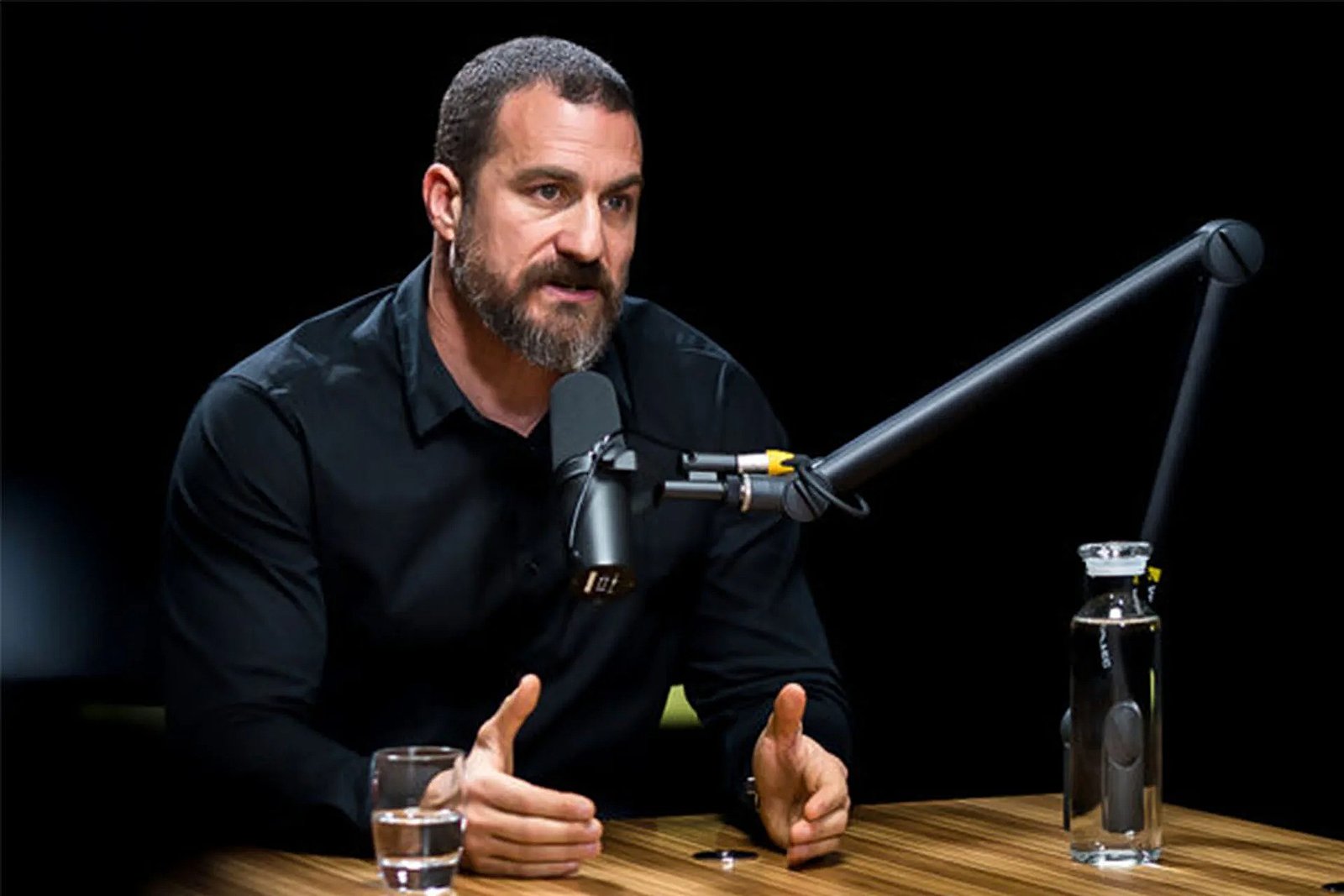
In November 2026, Huberman has joined the board of Hims & Hers, the telehealth company with nearly three million customers and its own pharmacy and manufacturing, as a non-independent director advising on science and brand marketing. The numbers in the SEC filing are generous by any standard: a $3.5 million annual advisory fee for two years; $5 million a year for up to three years to Scicomm Media, the company he co-owns, for podcast advertising; up to $1 million a year more for short-form videos; and a board package of around $300,000. Taken together, the arrangement could be worth up to $24 million.
The context explains the price. By the end of November Hims plans to open Peptides+, offering sermorelin, glutathione, NAD+ and vitamin B12 with blood testing and ongoing clinical care, while BPC-157 and TB-500 wait for final FDA rules. Few public voices have done more to bring injectable peptides into mainstream conversation than Huberman, and Hims now has the scientist who can frame them. He says his content will continue to cover the pros, the risks and the unknowns. Investors greeted the week with caution: Hims shares fell 12% on the Monday after disappointing quarterly results. The audience, meanwhile, will judge the new arrangement episode by episode.
The man who sells his own blueprint
If Hemsworth is the charming face of longevity and Huberman its professor, Bryan Johnson is its performance artist. The entrepreneur who sold Braintree, the parent of Venmo, to PayPal for $800 million in 2013 has spent the years since turning his own body into the world’s most documented experiment, a story the Netflix film Don’t Die carried around the globe.

In October 2025 Johnson’s company Blueprint, self-funded until then, raised $60 million – and the investor list read more like an awards-night seating plan than a pitch deck. Kim Kardashian, Paris Hilton, Naval Ravikant, the Winklevoss twins, Ari Emanuel, Steve Aoki and Logan Paul were among the backers. The plan: turn one man’s regimen into a consumer longevity service, from supplements and olive oil to a $365-a-year biomarker testing platform.
Then came the summit of the pyramid. On 12 February 2026 Johnson announced Immortals – his exact protocol, a dedicated concierge team, an AI companion called BryanAI and continuous biological monitoring, for $1 million a year. Three places. More than 1,500 people applied within the first 30 hours. A $60,000 “supported” tier was promised for later, and the pyramid has since gained a broad base: Immortals now also exists as a free app that builds a personalised longevity protocol from the user’s wearables and lab results, guided by the same BryanAI.
Biology, however, keeps its own calendar. In late June Johnson announced that he has autoimmune gastritis, a chronic condition in which the immune system attacks the stomach lining. A month later he wondered aloud on X whether he had taken “this whole longevity thing too far.” What happens when the most optimised body on Earth meets a disease with no approved cure? Perhaps it becomes the most valuable data point of the entire experiment – a reminder that longevity is a practice, with nature as a permanent co-author.
The Long Game
Cristiano Ronaldo turned 41 in February and still leads the line for Al Nassr in Riyadh. Few athletes have built a legend so openly on physical discipline, and few have turned that discipline into a portfolio with such precision.
The first move came in October 2024, when Ronaldo became a shareholder in Bioniq, the London company that blends personalised supplements from each client’s blood biomarkers. He had been taking its formulas since 2022, and his investment lifted the company’s valuation to $82 million. Ronaldo described the deal as a shared bet on health, performance and longevity, while Bioniq named the Middle East among its priority markets.
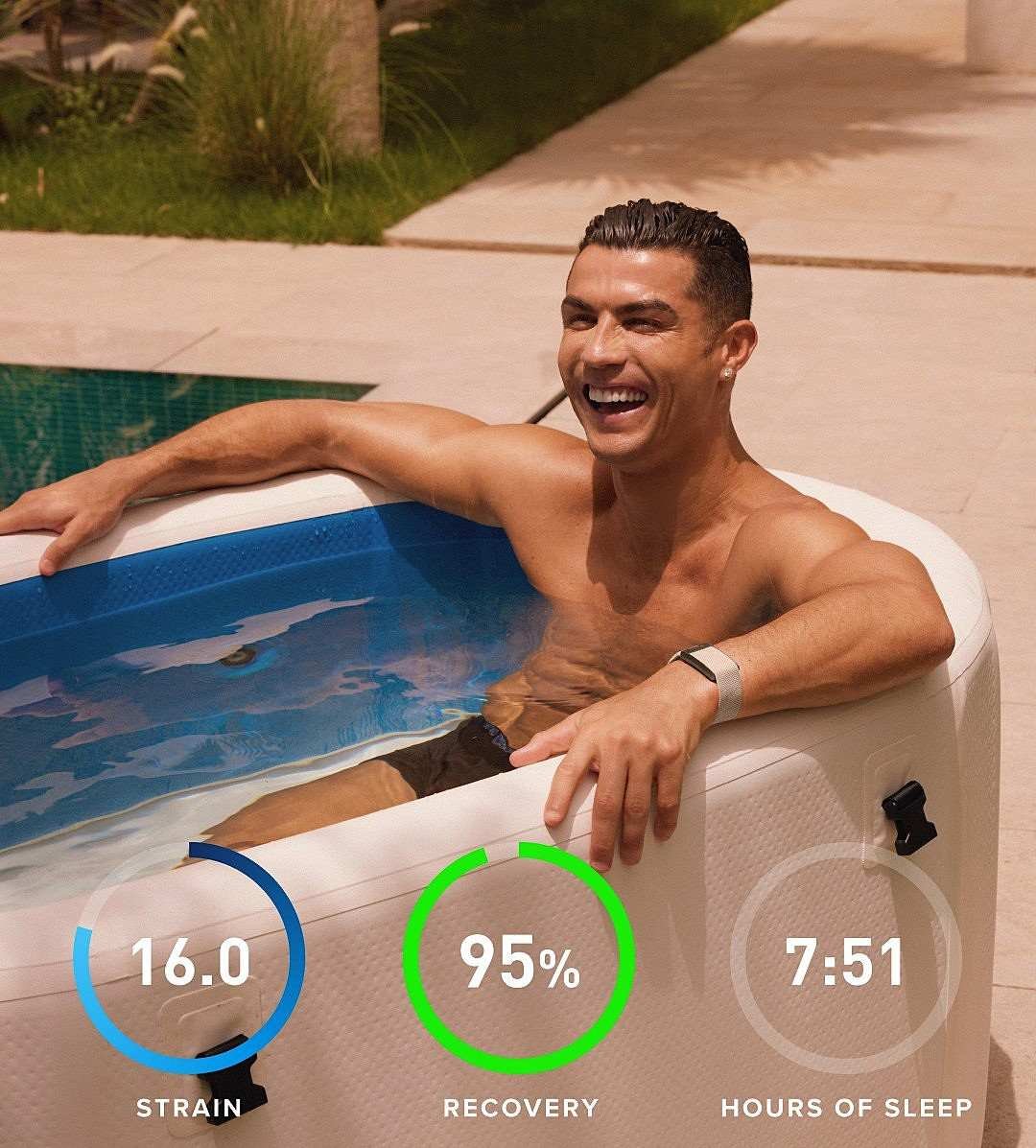
His bond with WHOOP runs deeper still. Ronaldo joined the company as investor and global ambassador in May 2024, and in March 2026 he returned for a far larger round: WHOOP, the screenless wearable that tracks sleep, strain and recovery, raised $575 million at a valuation of $10.1 billion. The investor list reads like a map of Gulf ambition: Qatar Investment Authority, Abu Dhabi’s Mubadala and 2PointZero Group sit beside Abbott and Mayo Clinic, while the individual backers include Ronaldo, LeBron James, Rory McIlroy, Virgil van Dijk, Niall Horan and Dubai-based entrepreneur Karen Wazen. Part of the new capital is earmarked for expansion across the GCC. Ronaldo calls the strap “one of the most important tools I use to support my long-term health.” For the earliest believers, the bet has already paid: Kevin Durant, who backed WHOOP in 2017, has seen his stake grow 81-fold
Hollywood on the cap table
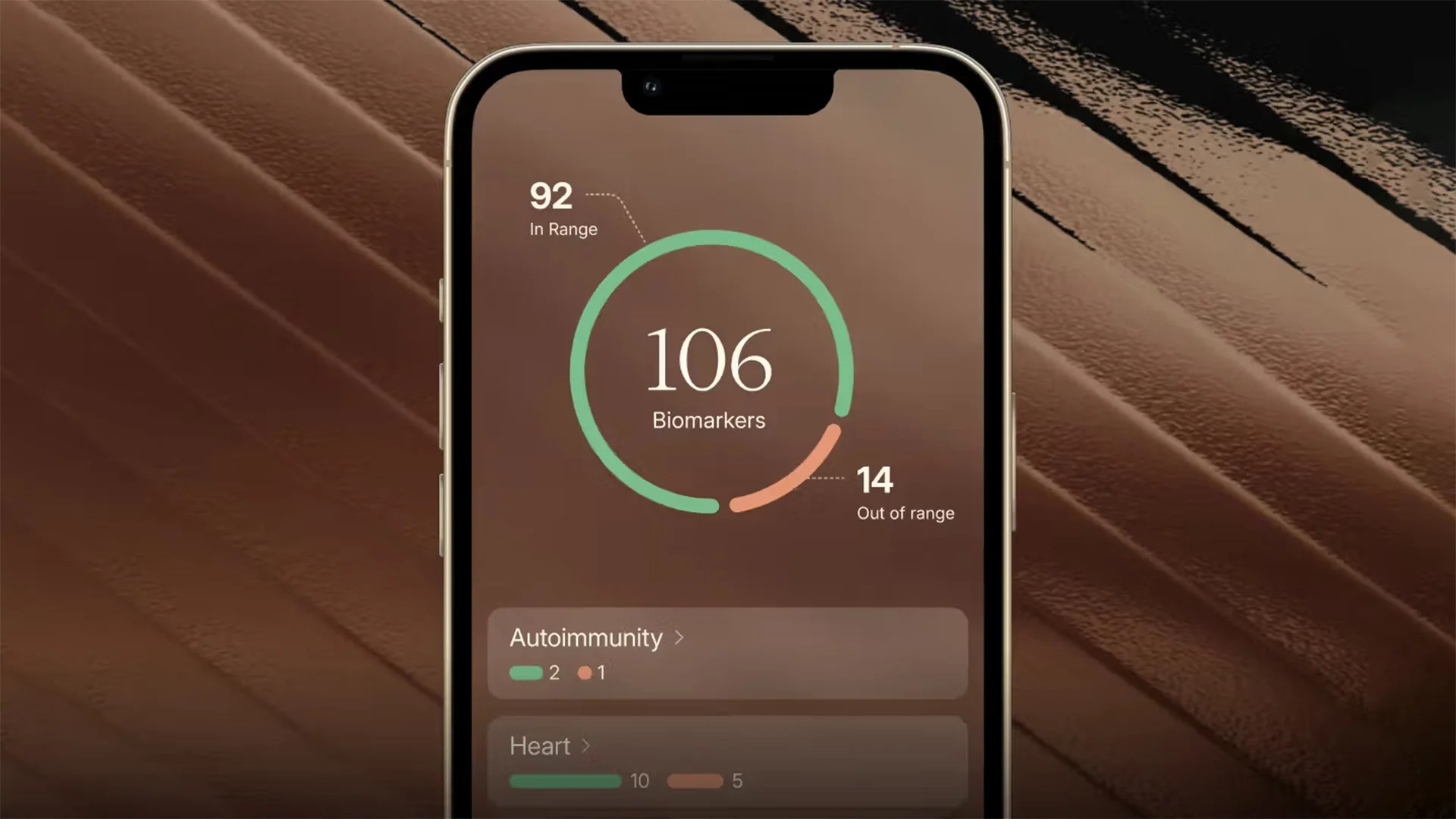
Behind the headline names stands a quieter procession of famous investors, and Matt Damon has proved one of its most loyal members. In June 2024 he joined the $53 million Series A of Function Health, the Austin-based membership platform co-founded by Dr Mark Hyman, alongside Kevin Hart, Zac Efron, Pedro Pascal, Jay Shetty and athletes Blake Griffin, Joel Embiid and Colin Kaepernick. In November 2025 he returned for the $298 million Series B, which valued the company at $2.5 billion, this time beside Magic Johnson and Efron once again; J Balvin also appears on the cap table. The proposition is simple: an annual membership, now $365, that tracks more than 160 biomarkers and has since added full-body MRI. Damon once spent an entire film calculating how to survive alone on Mars. Function sells a gentler version of the same arithmetic – measure everything, act early.
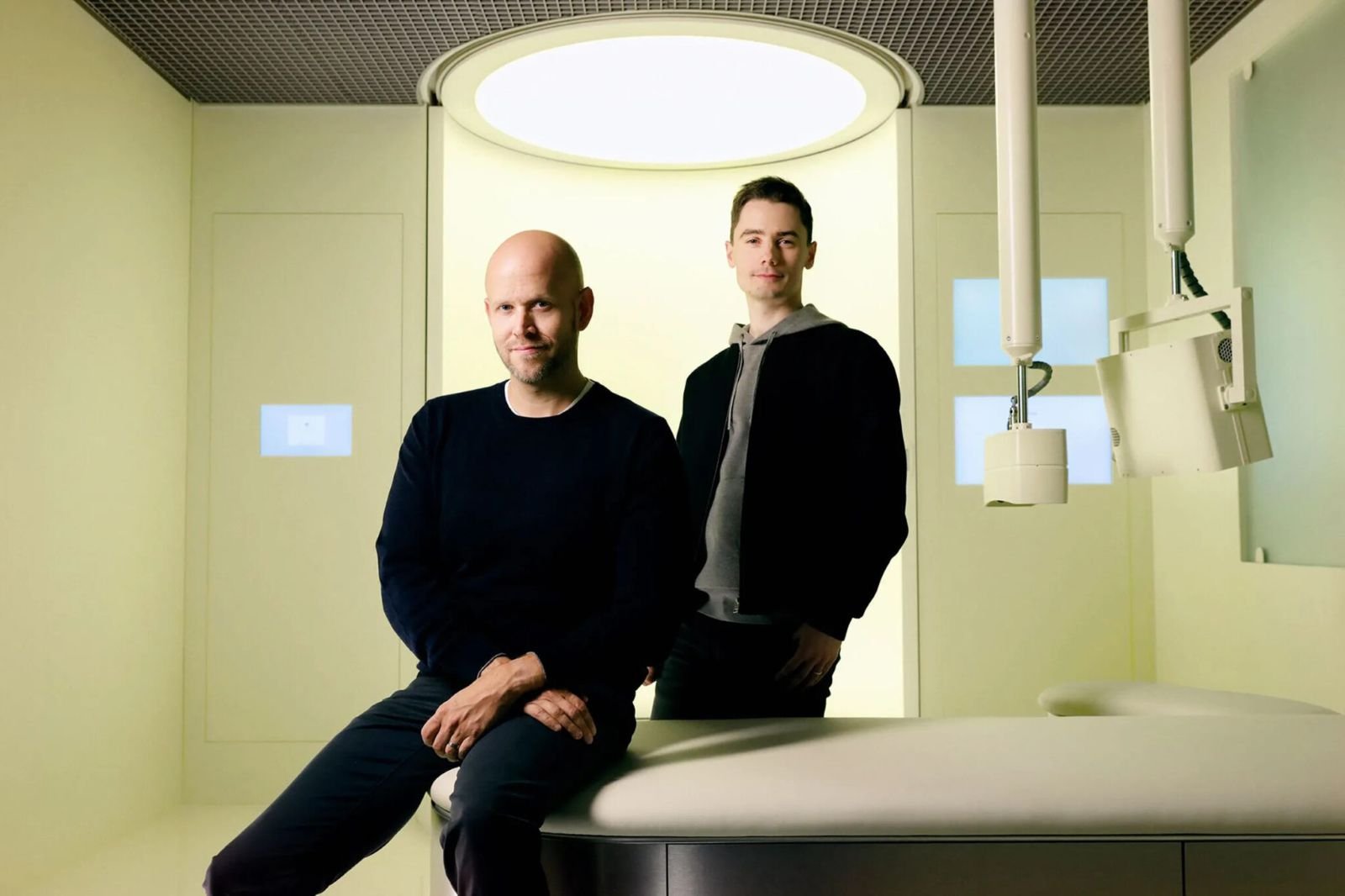
In July 2026 Neko Health, the body-scan company founded by Spotify’s Daniel Ek, closed a $700 million Series C at a valuation close to $7 billion. Mark Zuckerberg and Priscilla Chan, Tim Ferriss, Maria Sharapova, will.i.am, Thierry Henry, Claudia Schiffer and Sir Matthew Vaughn all joined the round, as Neko prepares its first American clinic in New York. Tony Robbins, meanwhile, co-founded Fountain Life with Peter Diamandis, whose top APEX membership costs $21,500 a year.
The pattern is clear. Actors and athletes rarely back an obscure molecule in a laboratory. They back diagnostics, scans and memberships – longevity as a consumer experience, something their audiences can book with one tap. A famous name on the cap table works as a marketing channel in its own right.
Fame and forever fit together
Longevity is, at its core, a business of trust. Few clients can judge a biomarker panel or a peptide protocol on their own, and so they look for a guide. A celebrity offers exactly that shortcut – a familiar face, a body we have watched on screen for twenty years, a personal story strong enough to carry a brand. Hemsworth brings a gene and a father. Huberman brings a Stanford title and thousands of hours of explanation. Johnson brings his own blood results, published for the world.
The economics of 2026 have sharpened the appetite. GLP-1 medicines, compounded peptides and AI-read health data have created a revenue engine that every platform wants to wrap in a story, and both KINSYN and Hims now sit squarely on it. The critics are watching closely. Eric Verdin, head of the Buck Institute for Research on Aging, called the field “medicine for the rich, by the rich.” Dr Rory Melville, medical director of the Institute for Healthier Living Abu Dhabi, admitted on the sidelines that the evidence for a longer life still lags behind the offer.
The view from the Gulf
For the UAE, the growth of longevity businesses brings questions of clinical standards, investment and consumer trust into sharper focus.
Dubai established the Dubai Longevity Authority in June 2026 under Law No. 17 of 2026. Its strategy aims to contribute more than Dh35 billion to the emirate’s economy over the next decade, positioning longevity, wellness and advanced healthcare as a significant economic sector. Abu Dhabi’s Department of Health has also introduced regulatory standards for healthy longevity clinics.
“Longevity is, at its core, a business of trust”
These developments give the celebrity-led business model a relevant regional context. A familiar face can attract an audience; a healthcare business also needs qualified clinicians, responsible prescribing, transparent communication and evidence to support its claims. As Dubai builds its longevity sector, the credibility of the services offered will shape its appeal to patients and investors alike.
KINSYN currently serves the United States. Its launch offers a glimpse of the consumer health platforms that Gulf regulators, investors and healthcare providers may increasingly encounter: physician-guided services built around personal data, recurring memberships and the reach of a global name.
Forever-ish
Hollywood has always known the value of a good story. Longevity gives it something deeply personal to work with: our wish for more time.
Perhaps that is why Hemsworth’s “forever-ish” stays with me. There is room in that small syllable for hope, uncertainty and a little humour. More good years, lived well, with the people we want to be here for.
Share




WE RECOMMEND

8 Advanced Longevity Technologies You Can Try Around the World
From pressurised oxygen to plasma filters and gene therapies on a Caribbean island – a world tour of the technologies reshaping how…
Inside the Billionaire Race for Longevity
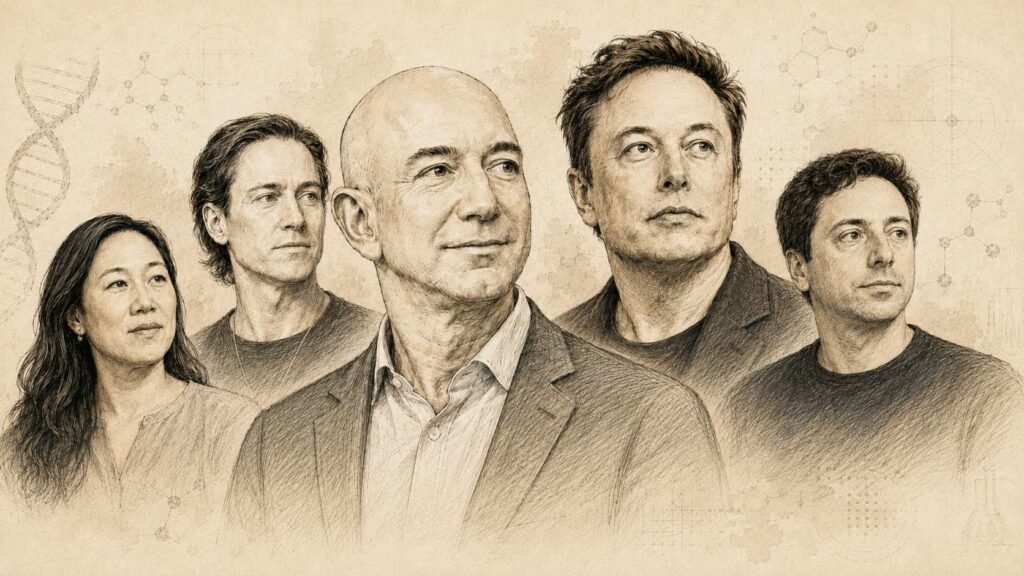
From Jeff Bezos and Sam Altman to Priscilla Chan and Brian Armstrong, tech’s richest figures are now building their own longevity projects,…

Dubai Approves New Longevity Strategy With AED 35 Billion Economic Target
Longevity is becoming part of Dubai’s next chapter, with a new strategy designed to turn longer, healthier lives into a major new…
