




What Art Actually Does to You
Art affects our state more deeply than it seems. Today, it is increasingly seen as a factor that can shape emotional tone and the overall quality of inner life.
What Art Actually Does to You
Art affects our state more deeply than it seems. Today, it is increasingly seen as a factor that can shape emotional tone and the overall quality of inner life.
For a long time, art was seen as something pleasant, elevated, and culturally desirable. Today, it is being approached with greater precision. Not as an ornament to life, but as a factor that can alter attention, the nervous system, emotions, and even recovery after illness. This is exactly what the emerging field of neuroarts explores – a discipline at the intersection of science, art, and technology that studies how aesthetic experience affects the brain, the body, and behavior.
In real life, we have known it for a long time: one kind of music gathers you together, another dissolves you. Some spaces calm you, while others drain you. After a good exhibition or a powerful performance, a person sometimes leaves with more than an impression – they leave with a different inner rhythm. Neuroarts suggests that we look at this not as a beautiful metaphor, but as a measurable process. On the website of NeuroArts Blueprint, a research initiative launched in 2019, this is stated directly: art and aesthetic experiences can change the brain, the body, and behavior, and this knowledge can be used to support health and well-being.
NeuroArts Blueprint was created by the Johns Hopkins International Arts + Mind Lab and the Aspen Institute, and the project itself was designed as a plan for developing the field: expanding research, advancing evidence-based arts practices, and changing public perceptions of art so that it is seen as a factor in health, not only in culture.
Why does this work? Because art engages several systems at once. According to the project, artistic experience activates networks associated with reward, movement, perception, and the senses, and it does so in combinations that are difficult to achieve through other means. In other words, art does not act on just one point. It gathers the person as a whole: attention, memory, bodily response, emotional reaction, and the feeling of connection with oneself and with the surrounding environment.
Art affects us more deeply than we are used to thinking – it changes not only our mood, but the very quality of our inner life
Against this background, one idea becomes especially compelling: art is not a secondary element of a good life, but part of the biology of well-being. Blueprint states plainly that scientific research is increasingly confirming what people have long understood intuitively: human beings are literally wired for art, and different art forms can support physical and mental health, brain development in children, community resilience, and overall quality of life through several biological systems at once.
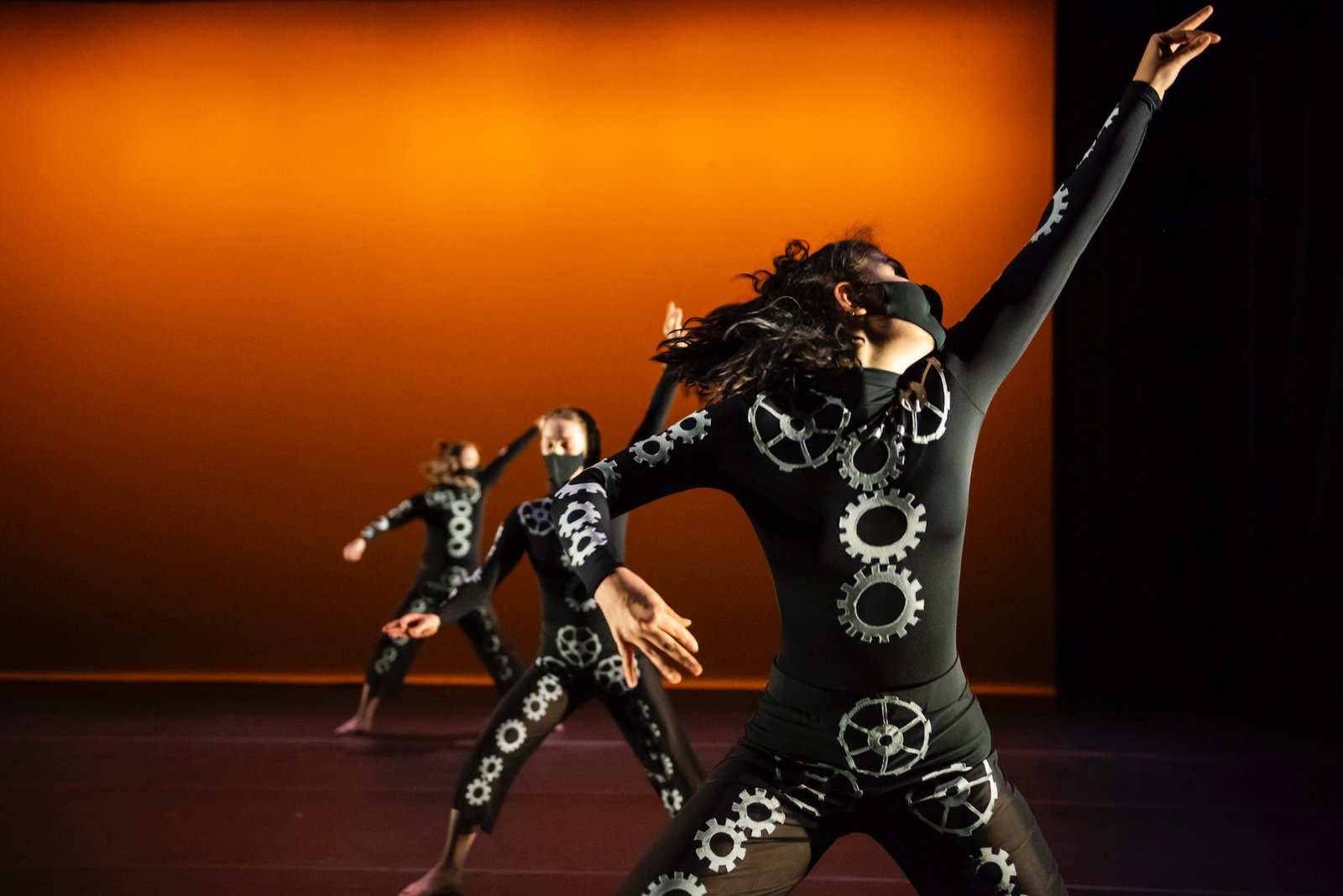
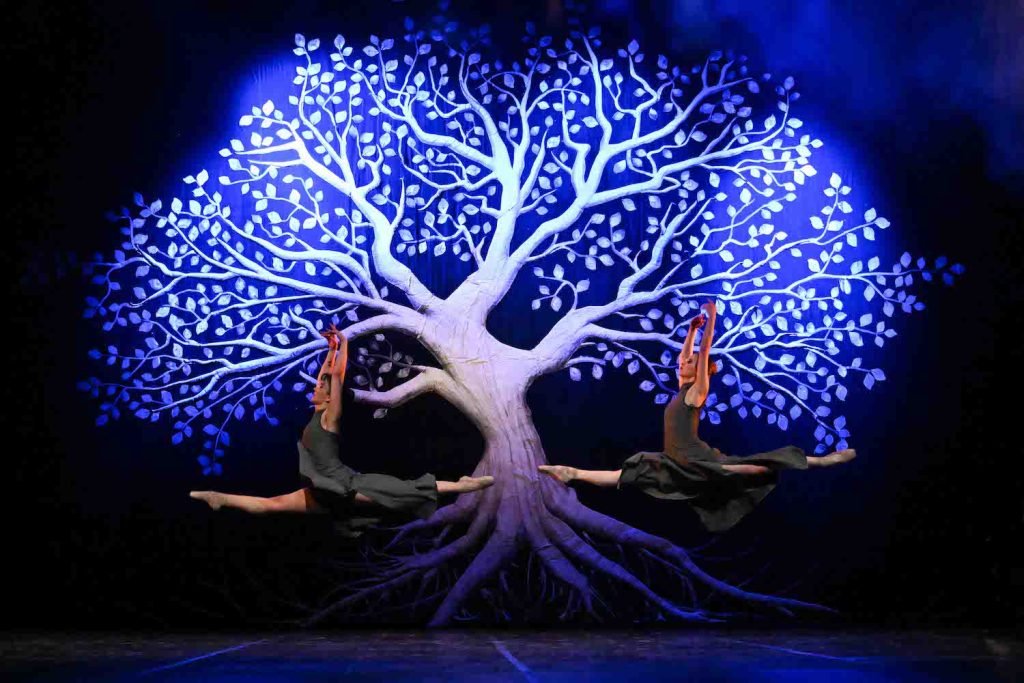
This is where the subject becomes truly practical. The conversation is no longer only about inspiration, but about application. Music has been associated with improved cognitive function in people, reduced anxiety in cancer patients, relief of trauma symptoms, and better motor coordination. Dance helps with the symptoms of Parkinson’s disease and improves psychological well-being. Poetry helps people move through end-of-life experience, and reading literary fiction strengthens the capacity for compassion. Architecture and interior design can support recovery in clinical settings, reduce stress among healthcare workers, and improve well-being in the workplace.
This is where it becomes clear that the conversation about art has long moved beyond exhibitions and museums. If the design of a clinic can affect stress levels, if music can play a role in rehabilitation, and if reading can deepen emotional perception, then aesthetics cease to be merely a matter of taste. They become a matter of the quality of the everyday environment. What we listen to, where we live, and how the places in which we work, recover, and spend our time are designed.
Good art does more than leave an impression. It retunes attention, slows the inner noise, and returns a person to a sense of self.
Today, well-being is increasingly shaped not around a single procedure, but around the overall condition of the environment. A person rarely recovers through a pill alone, a massage alone, or a simple piece of advice to “stress less.” What restores a person is a combination of factors: light, sound, rhythm, color, a sense of safety, and the chance to experience meaning rather than just noise. Neuroarts is trying to describe this layer of life in the language of science.
Another powerful idea in Blueprint is that art is accessible, relatively low-cost, and can become part of public health rather than the privilege of a narrow audience. The authors write that arts-based interventions can reduce the burden and cost associated with chronic illness, mental disorders, addiction, and trauma. This is no longer a conversation about cultural leisure, but about how societies can support people in ways that are more intelligent and more humane.
At the same time, the researchers openly acknowledge the limits. The science is developing quickly, but there are still many questions without precise answers. The field is still taking shape: we need a better understanding of which art forms are more effective, in what dose, under what conditions, and for whom. NeuroArts Blueprint states directly that much remains to be studied, including the duration of impact and the ways interventions can be more accurately calibrated for different groups and individual experiences.
And that is perhaps the strongest part of the whole story. There is no promise here that a painting will replace therapy or that a playlist will solve every problem. What there is instead is a serious and compelling idea: a person’s state changes under the influence of beauty, rhythm, form, meaning, and participation. What used to be seen as something “too subtle” to discuss seriously is now beginning to acquire a scientific framework.
This is no longer a luxury to be postponed until the weekend, but a way of restoring clarity, coherence, and emotional depth. Sometimes one well-designed interior, one concert, one text, or one dance class can do more for a person’s inner state than another hour of mindless consumption. And perhaps that is why the conversation about art today is increasingly being conducted not in the language of taste, but in the language of health.
Share




WE RECOMMEND
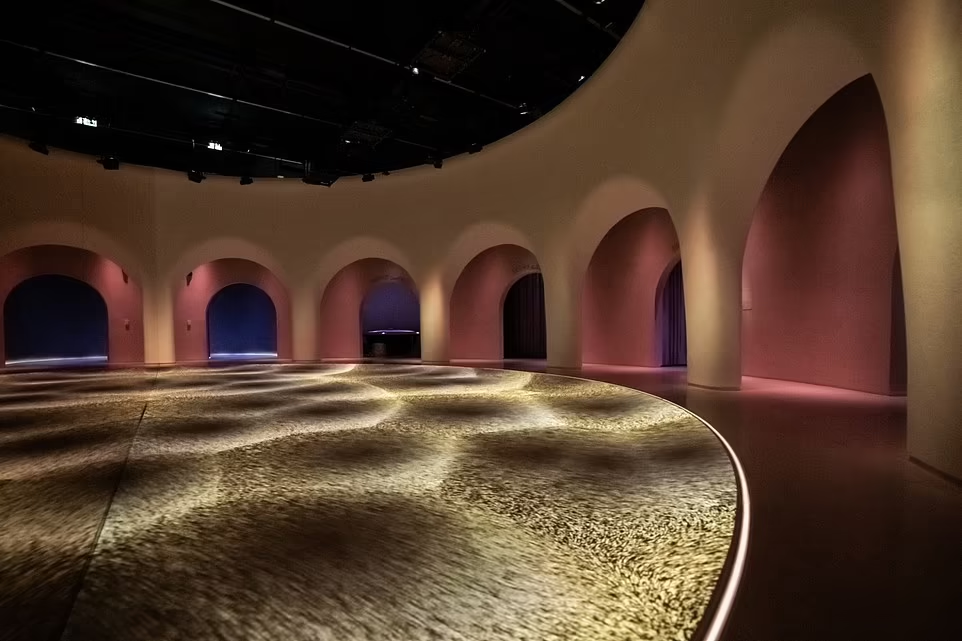
Dubai Built a Space to Calm the Nervous System
Rooted in Arab mind–body traditions and supported by advanced technology, ALWAHA treats the senses as a direct pathway to recovery and presence.
How to Train Your Brain for Optimal Longevity
The most mature idea in brain longevity today is this: the brain is preserved not when we try to “hack” it, but…
Submersive and the Future of Immersive Wellness
Wellness is entering a new spatial language. Set to open in Austin in 2027, Submersive brings together immersive art, neuroscience and bathing…
