



The UAE’s Longevity Economy: What Dubai and Abu Dhabi Are Building
Longevity is becoming big business in the UAE. Clinics, hospitals, investors and wellness brands are converging around the same opportunity – and this piece looks at what is actually taking shape.
The UAE’s Longevity Economy: What Dubai and Abu Dhabi Are Building
Longevity is becoming big business in the UAE. Clinics, hospitals, investors and wellness brands are converging around the same opportunity – and this piece looks at what is actually taking shape.
For several years, the UAE’s longevity sector was visible mainly through private clinics, advanced diagnostics and luxury wellness destinations. In June 2026, Dubai established the Dubai Longevity Authority, creating a dedicated institution mandated to develop a science-led regulatory framework and oversee activities spanning research, clinical trials, manufacturing, delivery and patient care.
The challenge now is deciding what belongs within that market. Preventive medicine, wellness, experimental therapies and consumer optimisation are routinely sold under the same longevity label, despite having markedly different levels of clinical evidence and regulatory risk.
Unlike ageing societies in Europe and East Asia, the UAE’s longevity market is not currently driven by a large elderly domestic population. Immediate demand comes largely from affluent residents, medical tourists and working-age consumers seeking metabolic health, prevention and performance. The longer-term opportunity is regional. The World Bank projects that MENA will have the world’s fastest-growing population aged 65 and over, with its size increasing by 243% between 2020 and 2050.
The average effective retirement age across the region is only 54, while people can expect to live for approximately another 27 years after leaving the workforce. This combination will increase demand for preventive healthcare, long-term care and services designed around longer, healthier lives.
Private capital is beginning to organise around the same opportunity. In July, Nova Capital Enterprises and Metamorph announced plans to build a UAE-anchored wellness and longevity investment platform. The joint venture is targeting an initial $100 million pipeline of assets, initiatives and acquisition opportunities, which the partners say could eventually exceed $200 million. These figures describe a prospective investment pipeline rather than disclosed committed capital.
Abu Dhabi has been building the category from another direction. Its Department of Health introduced a dedicated licensing framework for Healthy Longevity Medicine Centres and subsequently licensed PureHealth’s Pura Longevity Clinic under the model. The two emirates are therefore approaching the emerging sector differently: Abu Dhabi through clinical standards and facility licensing, and Dubai through a broader authority spanning regulation, research, investment and commercial development.
The Infrastructure Behind the Market
The UAE enters longevity with several structural advantages: affluent international demand, a large private healthcare sector, luxury hospitality, medical tourism and a dense network of clinics, laboratories and specialist providers.
Dubai in particular allows patients to move between advanced diagnostics, medical consultations, rehabilitation and hospitality within a relatively compact market. Its digital healthcare infrastructure adds another layer. DHA’s NABIDH health-information exchange connects more than 1,500 healthcare providers and contains more than 9.5 million electronic medical records. It was not designed specifically for longevity, but it demonstrates the infrastructure available if preventive medicine becomes increasingly continuous and data-driven.
Abu Dhabi adds a different set of strengths: major hospital systems, state-backed healthcare groups and a more explicitly clinical regulatory approach. Together, the two emirates give the UAE both a consumer market for premium longevity services and an institutional base for testing how those services can move into mainstream healthcare.
Where Investment Is Moving
The UAE’s longevity economy is developing across seven interconnected markets: preventive and precision medicine; metabolic health; advanced diagnostics; regenerative and experimental medicine; performance and recovery; wellness real estate; and the research, technology and investment infrastructure surrounding them.
Some are already commercially mature. GLP-1 medicines, continuous glucose monitoring and medically supervised weight-management programmes have created a large metabolic-health business supported by substantial clinical demand. Advanced diagnostics are expanding alongside them through genomics, metabolomics, biological-age testing, imaging, wearables and continuous monitoring.
At the more experimental end of the market sit cellular therapies, peptides, hormone protocols and plasma-based procedures. These attract considerable consumer interest but often operate with a much thinner evidence base than established preventive interventions.
Longevity is also moving beyond clinics. Hotels and private clubs increasingly incorporate sleep optimisation, physiotherapy, heat and cold exposure, recovery technologies, exercise and nutrition. Residential developers are experimenting with air quality, circadian lighting, biophilic design, movement spaces and access to healthcare.
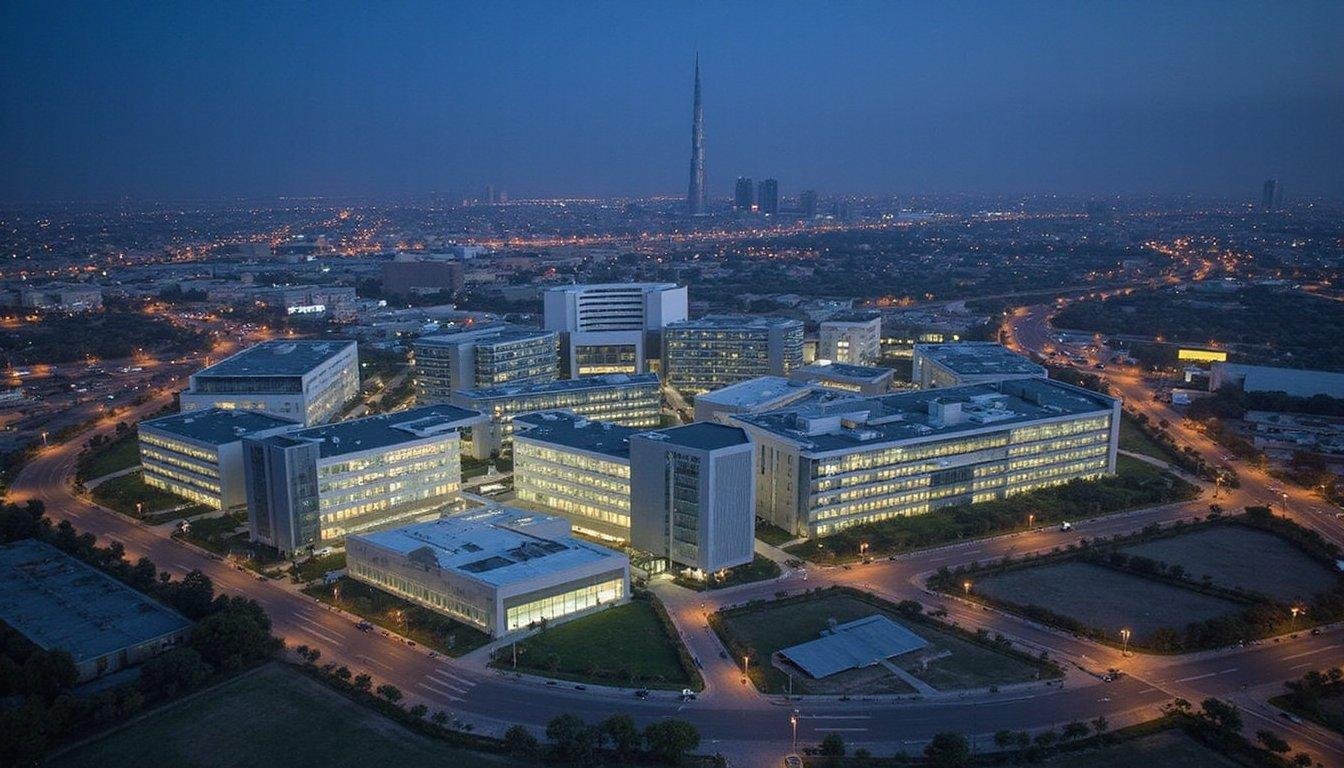
Behind these consumer-facing businesses is another emerging market: laboratories, clinical trials, biotech, medical devices, AI, health-data platforms, personalised pharmaceuticals and specialist investment capital.
Dubai Healthcare City illustrated this expansion in 2026 with new longevity and personalised-health initiatives, including The Formula, an AI-driven tele-compounding pharmacy platform for customised medicines. The development points to a broader shift: longevity is beginning to generate infrastructure around clinics, from personalised pharmaceuticals to diagnostics and continuous health monitoring.
Who Is Building the UAE’s Longevity Market
The market is easier to understand through business models than through a long directory of clinics. A small group of operators already illustrates how different parts of the sector are developing.
Longevity Hub by Clinique La Prairie – One&Only One Za’abeel. The Swiss brand brought its assessment, treatment and long-term follow-up model into one of Dubai’s major luxury hospitality destinations. It represents the international medical-wellness model: established clinical IP distributed through premium hospitality.
AEON Clinic – Atlantis The Royal. Founded by Dr Jaffer Khan, AEON combines advanced diagnostics with regenerative interventions including plasmapheresis, peptides and cell therapies. Its location inside a flagship resort illustrates Dubai’s convergence of high-end medicine and hospitality.
DNA Health & Wellness. Founded in 2018, the group has expanded across Dubai and Abu Dhabi and announced further growth across the Gulf. Its importance lies less in any single treatment than in its attempt to build a replicable regional longevity platform.
OMICS Precision Health – Jumeirah 3. Launched in 2026 in collaboration with Cedars-Sinai, OMICS represents a more prevention- and diagnostics-led version of longevity medicine. The model combines advanced biological measurement, early intervention and longitudinal care planning, supported by Cedars-Sinai clinical expertise.
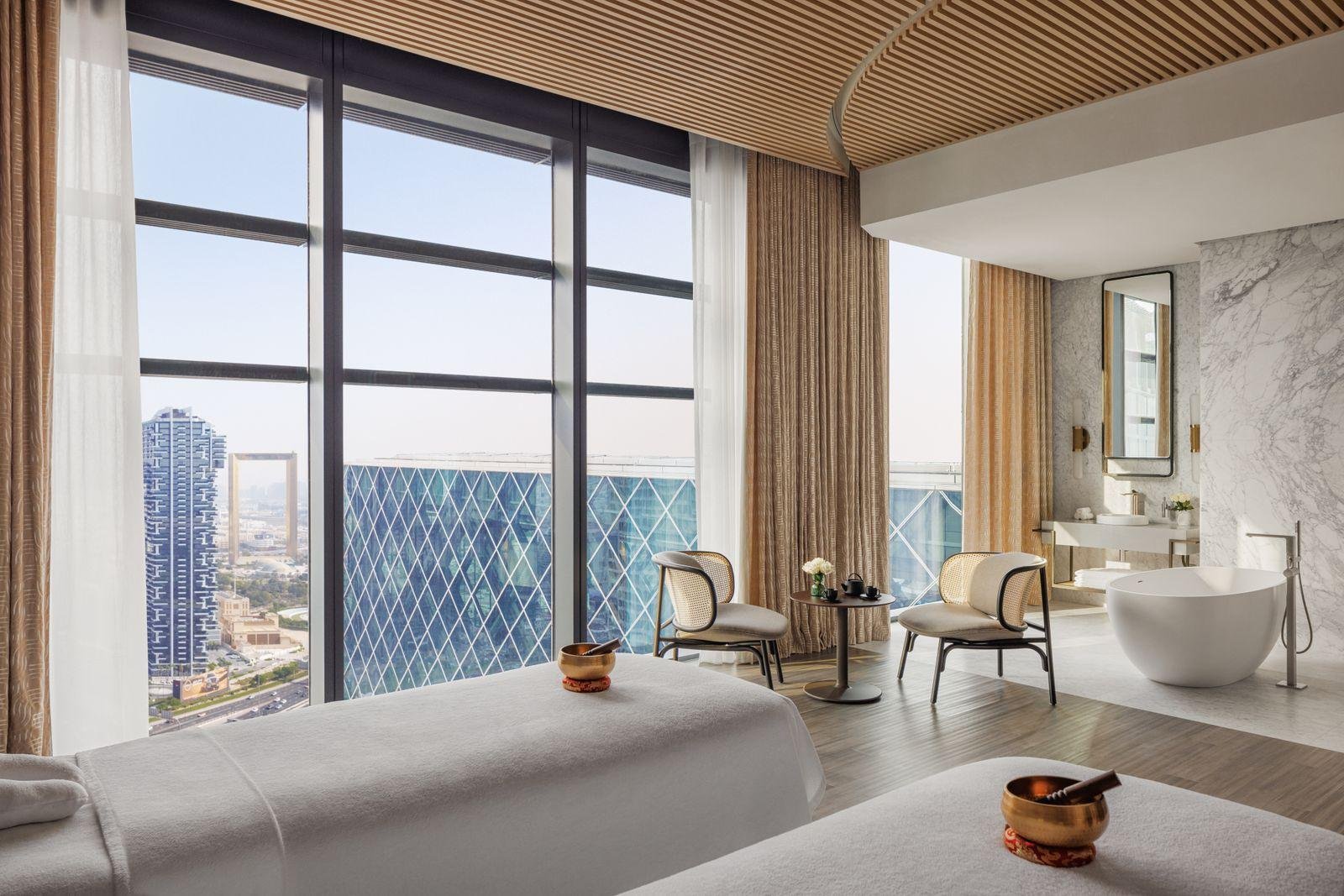
King’s College Hospital London in Dubai. Its longevity service places preventive assessment and personalised follow-up inside a conventional hospital environment. This may prove one of the most important routes for longevity medicine: gradual integration into mainstream healthcare rather than remaining a premium standalone category.
Proto Clinic – Dubai Healthcare City. Its personalised longevity programme integrates diagnostics, genomics, lifestyle medicine and continuous monitoring inside one of Dubai’s largest regulated healthcare clusters. It represents another stage of market development – longevity becoming part of healthcare infrastructure rather than a niche outside it.
Pura Longevity Clinic – Abu Dhabi. Licensed under Abu Dhabi’s Healthy Longevity Medicine Centre framework, Pura represents a different model again: longevity medicine being brought inside a formal regulatory category rather than defined primarily by branding or consumer demand.
Beyond Longevity Clinics
Longevity in the UAE is not developing only through clinics that explicitly use the term. A broader layer of wellness, recovery and performance services is growing alongside them – often addressing many of the same goals, from better sleep and stress regulation to cognitive performance, metabolic health and physical recovery.
MindTune, founded by Ramzi Shehadeh, works at the intersection of neurofeedback, cognitive performance and nervous-system regulation. The company focuses on areas such as sleep, concentration, stress resilience and mental performance without positioning itself as a medical longevity clinic. Its model shows how brain health and cognitive optimisation are becoming part of the wider longevity ecosystem.
Akari Wellness, founded by Katia De Rham, takes a science-led wellness approach built around recovery, mitochondrial health and physical resilience. Its programmes combine technologies such as red-light therapy, intermittent hypoxic-hyperoxic training and compression, with a focus on energy, sleep, recovery and overall wellbeing.
These businesses operate outside the conventional longevity-clinic model, but they address many of the same foundations of healthspan. Better sleep, cognitive function, physical recovery and metabolic resilience may not be marketed as “longevity treatments”, yet they are central to how people maintain function and quality of life over time.
As the market develops, this wider ecosystem – spanning medicine, wellness, recovery, fitness, cognitive performance and hospitality – is likely to become an increasingly important part of the UAE’s longevity economy.
Building the Evidence
As the UAE longevity market expands, clinical validation will become increasingly important alongside the introduction of new treatments and technologies.
Many longevity programmes rely on biomarkers, advanced diagnostics and highly personalised interventions. These tools can be useful, but the long-term value of the sector will depend on whether they translate into measurable improvements in health, function and disease prevention.
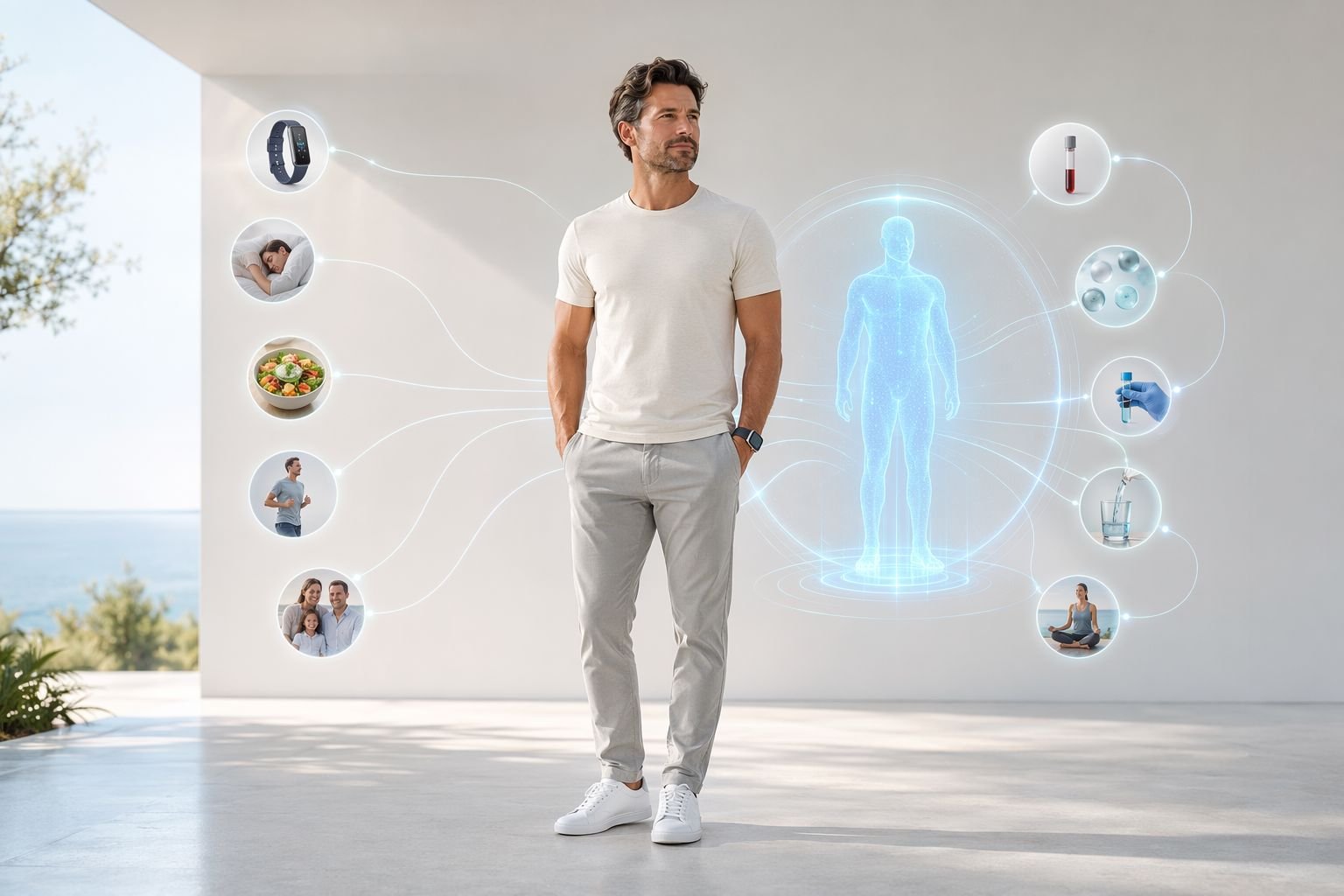
BioTwin, a Québec-founded health technology company now expanding into the UAE, is bringing a different approach to metabolic health. Its platform analyses around 30,000 biomarkers from a single dried blood spot to create a detailed picture of an individual’s metabolic state and track how it changes over time. The company is also conducting a blinded validation study with Cleveland Clinic Abu Dhabi and is involved in additional research at Al Jalila Children’s Hospital, strengthening the clinical evidence behind the technology as it enters the regional market.
For the UAE, this creates an opportunity beyond commercial growth. A market that combines clinical demand with research, regulation and long-term data could become an important testing ground for the next generation of longevity medicine.
Can the UAE Become a Global Longevity Capital?
The UAE already has many of the elements required to become a major global longevity hub: capital, international demand, advanced healthcare, hospitality expertise, digital health infrastructure and a rapidly expanding network of specialised providers.
The next stage is to connect these strengths into a more integrated ecosystem – bringing clinical practice, research, investment and regulation closer together. Dubai’s new longevity authority and Abu Dhabi’s Healthy Longevity Medicine framework provide two complementary approaches to developing the sector, while new clinics, health technology companies and investment platforms continue to expand the market.
This combination gives the UAE an unusual opportunity. It can serve both as a destination for people seeking advanced preventive and longevity care and as a market where new technologies, diagnostics and models of healthcare are developed, validated and scaled.
The UAE is already building the foundations of a global longevity ecosystem – bringing together medicine, research, capital, technology and hospitality in ways few other markets can. As the sector matures, the country is well positioned not only to adopt the next generation of longevity medicine, but to become one of the places helping to shape its future globally.
Share


WE RECOMMEND
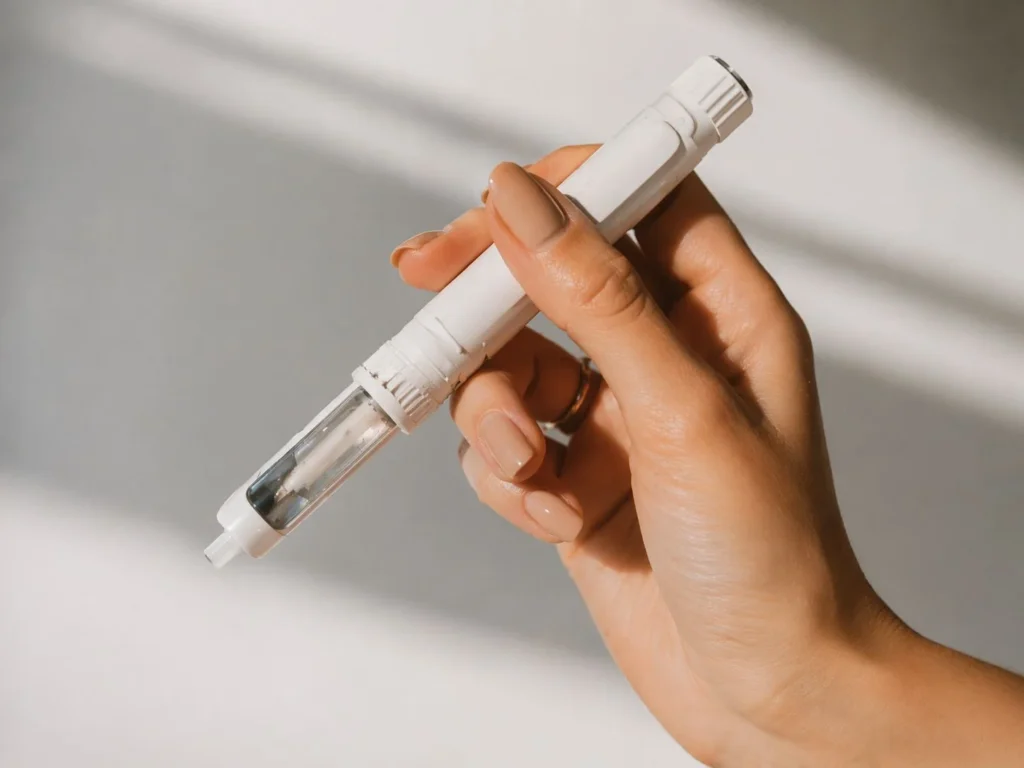
Peptides in Dubai: What Is Approved, What Is Experimental and What It Costs
From GLP-1 medicines to BPC-157 and Epitalon, Dubai’s peptide market combines established treatments with experimental longevity protocols. We created a guide to…

Private Banking: Wealthy Are Spending Less On Status And More On Longevity
As performance and clarity start to influence deals and decisions, private banking is beginning to place health inside wealth strategy, alongside assets…
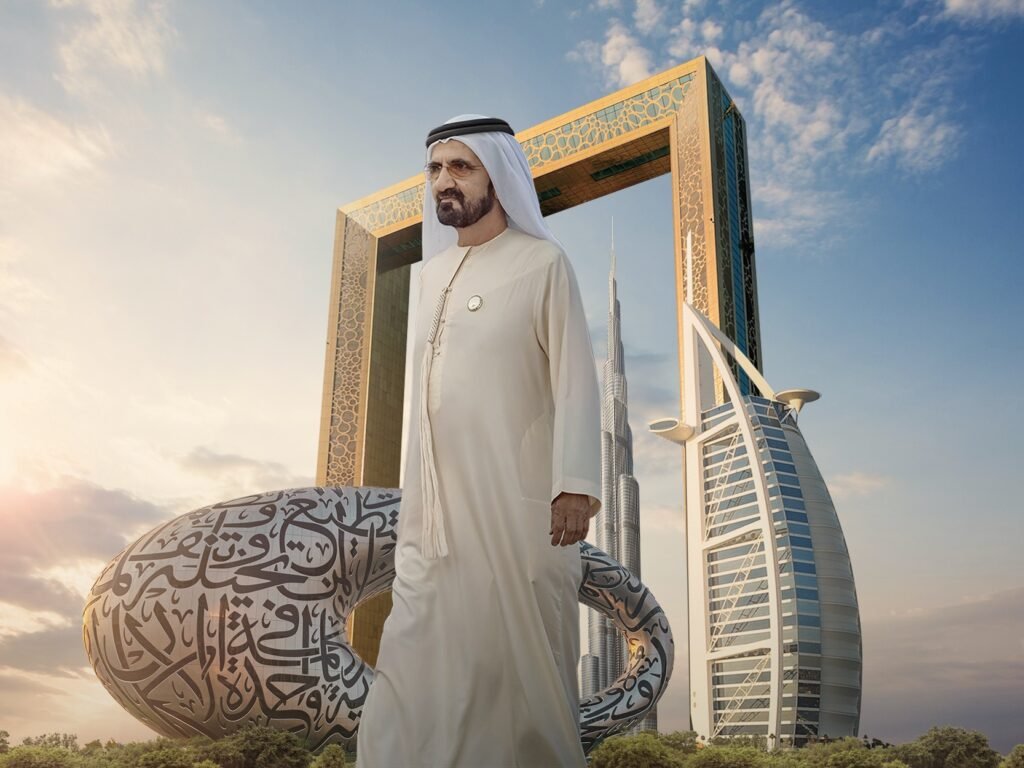
The Capital of Living Well: Dubai Launches Its Longevity Authority
With the stroke of a royal decree, Dubai has positioned itself at the vanguard of one of the defining ambitions of our…
