





Your Digital Twin That Could Save Your Life
A digital twin, built from your scans, biology and real-time health data, can model disease, test treatments and help doctors choose a path. The first versions are already entering medicine in the Gulf.
Imagine having a second version of yourself.
It does not live in a mirror or in fantasy, but inside a medical system, assembled from your blood tests, genetics, scans, sleep, pulse, hormones, diet, stress, and thousands of weak signals the body sends long before illness appears.
This version does not age in your place and does not feel pain for you. But it can show what may happen to your body in a year, five years, or ten years if nothing changes. It can test a drug before you take it. Simulate surgery before you may need one. Show how insomnia, anxiety, inflammation, and metabolism gradually form a diagnosis.
The medicine of the future may begin not in a doctor’s office, but with your digital copy.
A human digital twin is a dynamic virtual model of the body that updates alongside the real body. It may include medical imaging, genetic data, blood biochemistry, sleep metrics, heart-rate data, activity, inflammation, microbiome, hormonal status, and lifestyle patterns.
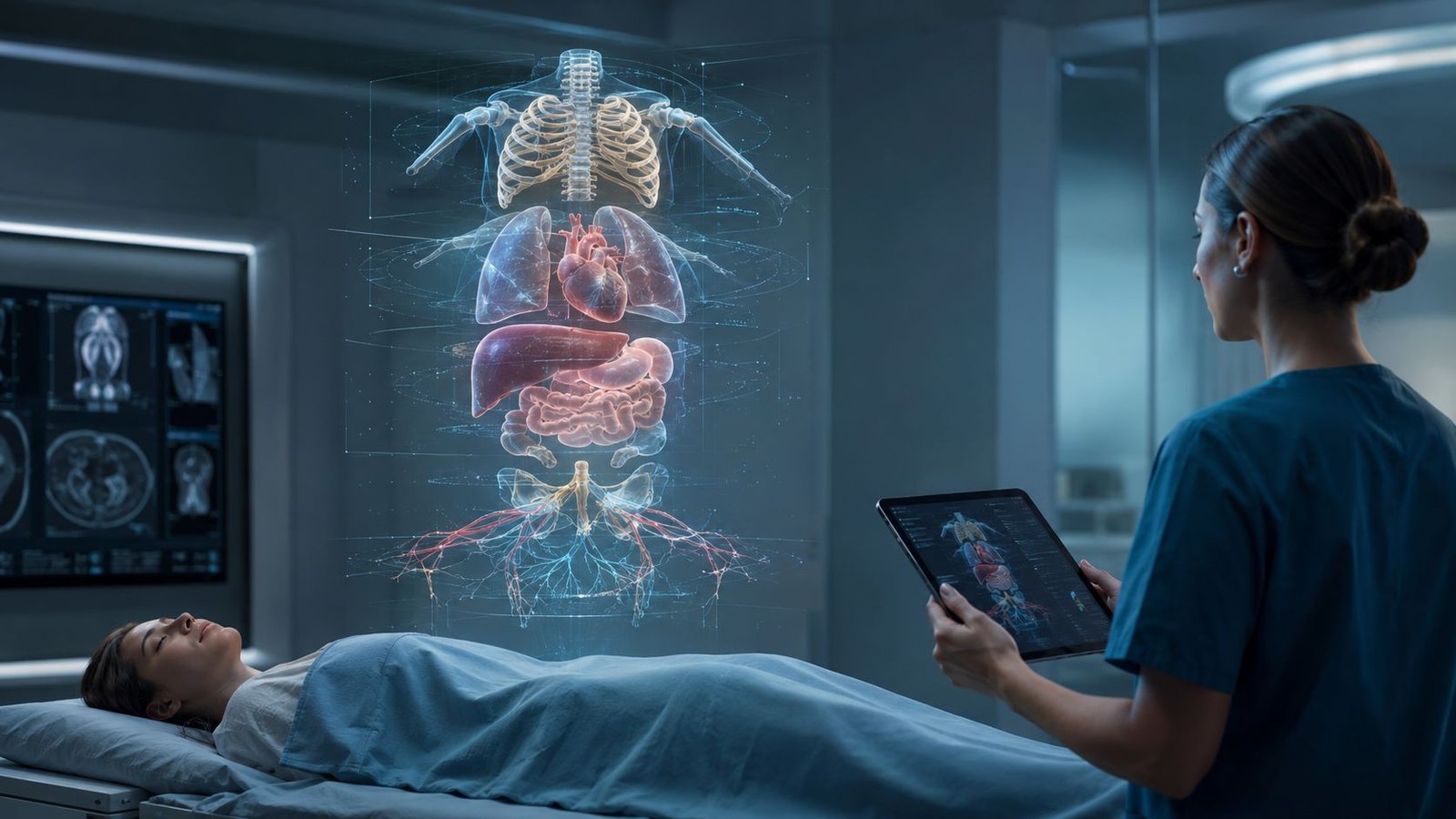
It is not an avatar or a beautiful 3D figure in a medical interface. A true digital twin is a working computational model of the body. Its purpose is not to depict a person, but to behave like that person: to respond to drugs, exercise, stress, disease, nutrition, and medical interventions in the way the real body might respond.
The point of this technology is not to replace the doctor with a machine. Something far more interesting is happening: for the first time, medicine is trying to see not only the disease that has already occurred, but the trajectory along which the body is moving toward it. Ideally, such a system should answer questions that medicine today often resolves through careful trial and adjustment: which drug will work best, which diet will reduce inflammation, how the body will respond to physical load, where the weak point of the system lies, and what risk may emerge several years from now.
A doctor could test several scenarios on a digital twin, for example, how a patient might respond to a specific drug or disease without touching the patient at all. The model could accurately predict disease risk and recommend medication, diet, and lifestyle changes, potentially saving and extending life.
According to the European Commission, around 200,000 people in Europe die each year from the medicines prescribed to them, partly because these treatments are universal and are not designed specifically for the individual patient. The same problem applies to treatment more broadly: doctors are forced to make decisions based on similar, but not identical, patients in similar, but not identical, circumstances in the past.
This is where the main shift begins. Modern medicine often looks backward: at symptoms, tests, diagnoses, and the histories of similar patients after something has already happened. The digital twin is meant to make it more predictive. It shifts the focus from illness as an event to the trajectory along which the body is moving.
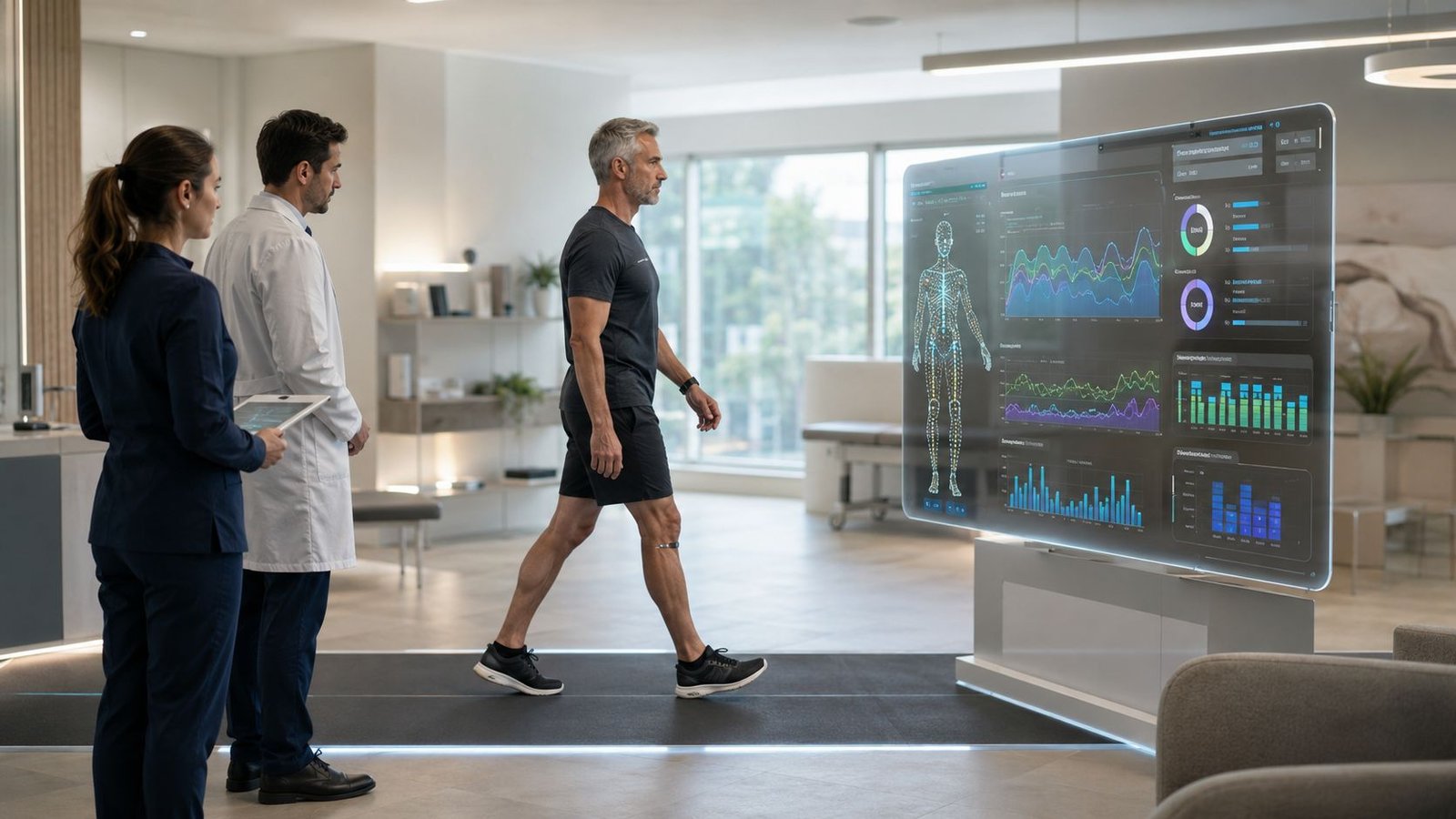
In such a system, the doctor would see not only the patient’s condition today, but several possible versions of their future. What will happen if the person continues living the same way? How will the risk of diabetes change with weight loss? How will the heart respond to a procedure? How will the body tolerate a specific drug? How do chronic stress, poor sleep, and inflammation gradually alter physiology?
In Virtual You: How Building Your Digital Twin Will Revolutionize Medicine and Change Your Life, Peter Coveney and Roger Highfield describe precisely this transition: from universal medicine to a personalized model in which treatment can first be tested on a patient’s virtual version.
The strongest idea sounds almost like science fiction: first, your digital copy takes the medicine. First, your virtual heart undergoes the operation. First, the system sees where your lifestyle is leading, and only then does medicine intervene in the real body.
Such models are already appearing in cardiology, oncology, diabetes, and preventive medicine. In cardiology, digital models of the heart help plan procedures. In oncology, virtual patient profiles are being used for earlier screening. In metabolic health, AI systems are already selecting individual scenarios for nutrition, sleep, movement, and medication support.
But the human body is too complex for a single flat model. It cannot be assembled only from Apple Watch data, Whoop metrics, a genetic test, or a blood panel. The body works simultaneously across multiple levels: molecules, cells, tissues, organs, the nervous system, hormones, immunity, psyche, environment, and behavior. A digital twin has to connect these levels into one system.
This is why the subject of psychosomatics becomes especially interesting here. In strict medical language, this is not about the mystical influence of thought on an organ, but about psychophysiology: stress, the autonomic nervous system, sleep, inflammation, HRV, blood pressure, glucose, digestion, and recovery.
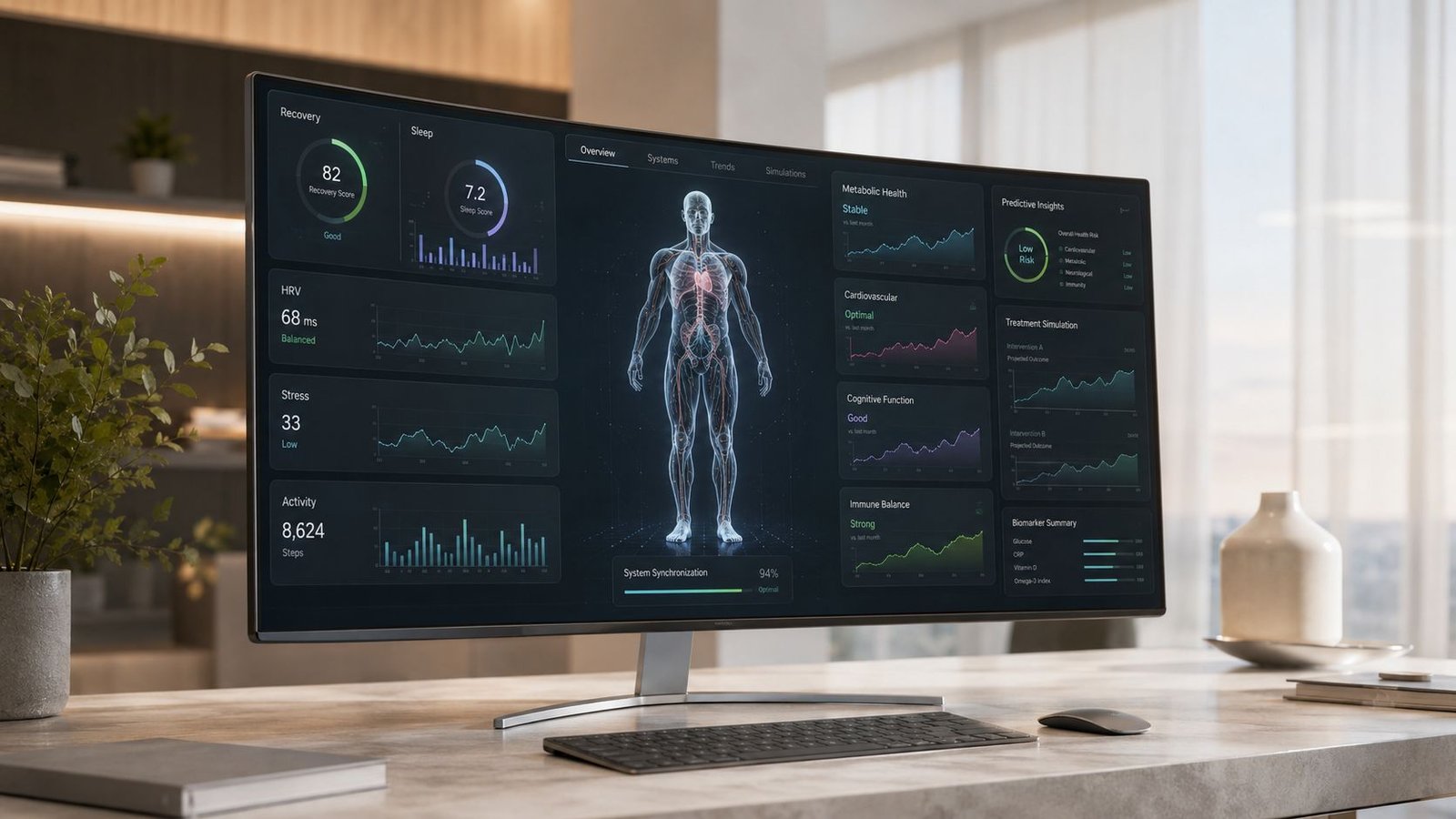
A digital twin can show how an emotional state gradually becomes a physiological pattern. How anxiety changes sleep. How sleep affects blood sugar. How chronic tension is reflected in blood pressure, the immune system, hormones, and inflammatory markers. How a body that has been living for months in a state of internal threat begins to change its biochemistry.
This may become one of the most important directions in the medicine of the future: not abstract “psychosomatics,” but a measurable connection between the state of the nervous system and the functioning of organs.
In the future, such a twin could become a medical simulator of personal life. It would know how you sleep after a late dinner, how your blood pressure changes after a flight, how training affects recovery, how a specific drug interacts with your metabolism, and how a sleepless week changes inflammatory markers.
The doctor would see not the average patient, but the individual trajectory of the body.
In the GCC, this subject is already moving beyond presentations. In Dubai, American Hospital Dubai announced a collaboration with Prepaire Labs and the launch of the GenetiQ Digital Twin platform. According to its description, the platform is designed to combine AI, multi-omics, genomic, microbiome, proteomic, clinical, and wearable data for predictive diagnostics, personalized treatment plans, and health monitoring.
In Abu Dhabi, Cleveland Clinic Abu Dhabi, together with BioTwin, is piloting virtual human twin technology for breast cancer screening. The project is at the stage of clinical validation and is intended to help identify subtle changes that may point to early signs of disease.
In Saudi Arabia, the digital twin is already being integrated into the state-backed Sehhaty app as a virtual representation of a person based on medical and demographic data. Its functions include visualization of health status, BMI, biological age, steps, vaccination, and chronic disease risk prediction.
In the United States, Twin Health is developing programs for type 2 diabetes, prediabetes, obesity, and metabolic health. In Europe, the European Virtual Human Twins Initiative is building research infrastructure for the implementation of virtual human models in medicine.
For now, this is not a mass technology for every patient. A full digital twin of the entire body requires an enormous amount of high-quality data, computing power, clinical validation, and ethical rules. Serious questions remain: who owns your digital copy, who is responsible for an incorrect prediction, whether an insurance company could gain access to your future disease risk, and what happens to the human psyche if the model predicts a dangerous scenario.
But the direction has already been set.
Today, disease is often detected when it has already become a fact. The digital twin shifts attention to an earlier point: what changes before a diagnosis, which weak signals appear in advance, and which interventions may work for this specific body.
In a few years, a medical consultation may look different. The patient will bring not only test results, but their own dynamic model. The doctor will look at several possible trajectories: one with no changes, another with a new diet, a third with medication, a fourth with surgery, and a fifth with restored sleep and reduced chronic stress.
And then the central question of medicine will change.
It will sound like this: which trajectory should be chosen while the body is still able to change direction?
Share




WE RECOMMEND

20 Best Longevity and Wellness Destinations Around the World
A longevity trip begins with a simple choice: to go somewhere where the days are shaped around feeling better and returning with…
The Rise of Neurowellness in Dubai: A conversation with MindTune Founder Ramzi Shehadeh
Inside the startup bringing brain training technology out of elite labs and into your daily routine.

Inside Dubai’s Longevity Scene
Dubai is building a new market around healthspan designed for life inside the city. To understand how this shift is playing out,…
