




Apple Is About to Make Longevity a Mainstream
Health age is not new. What is new is Apple putting longevity at the center of everyday consumer health.
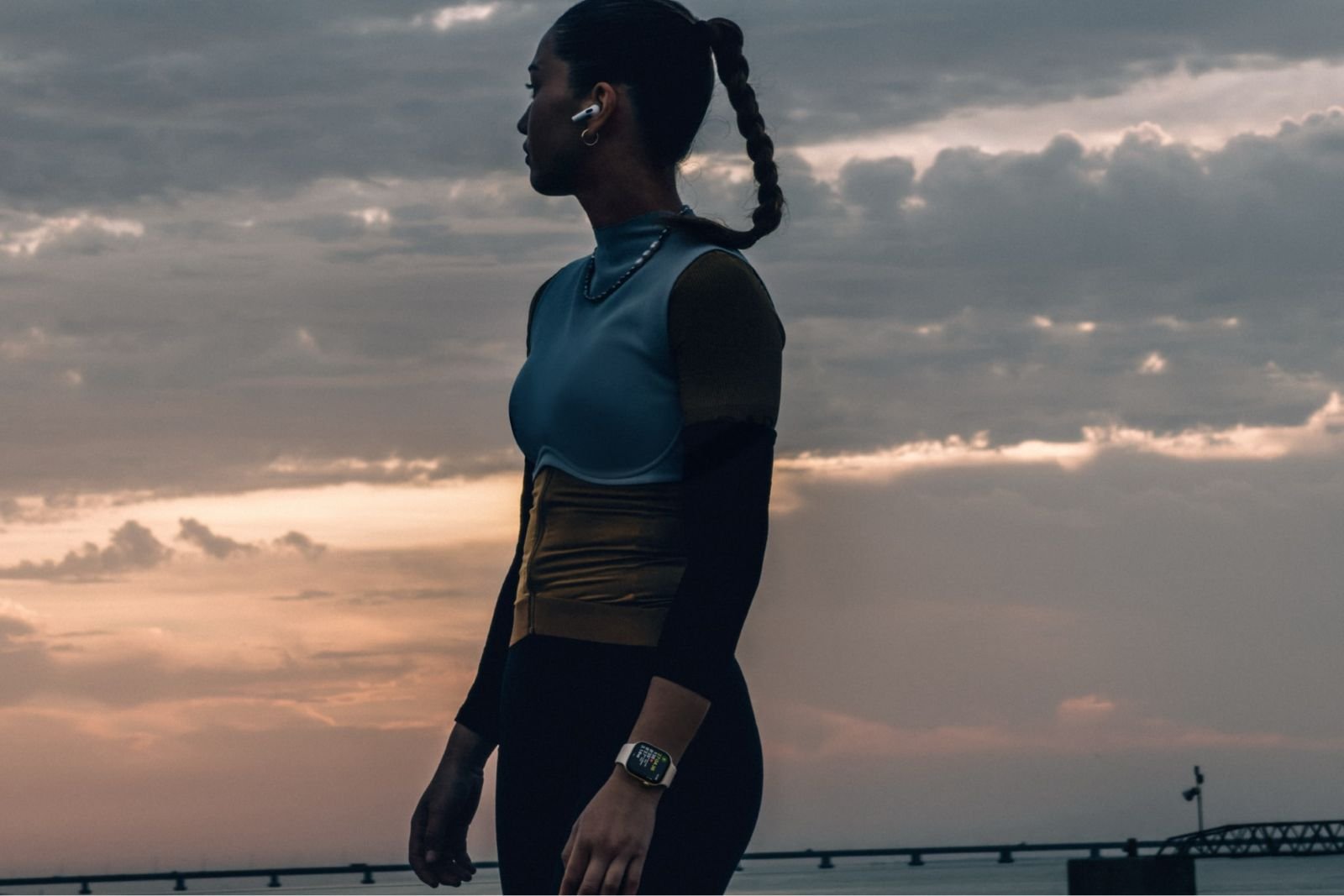
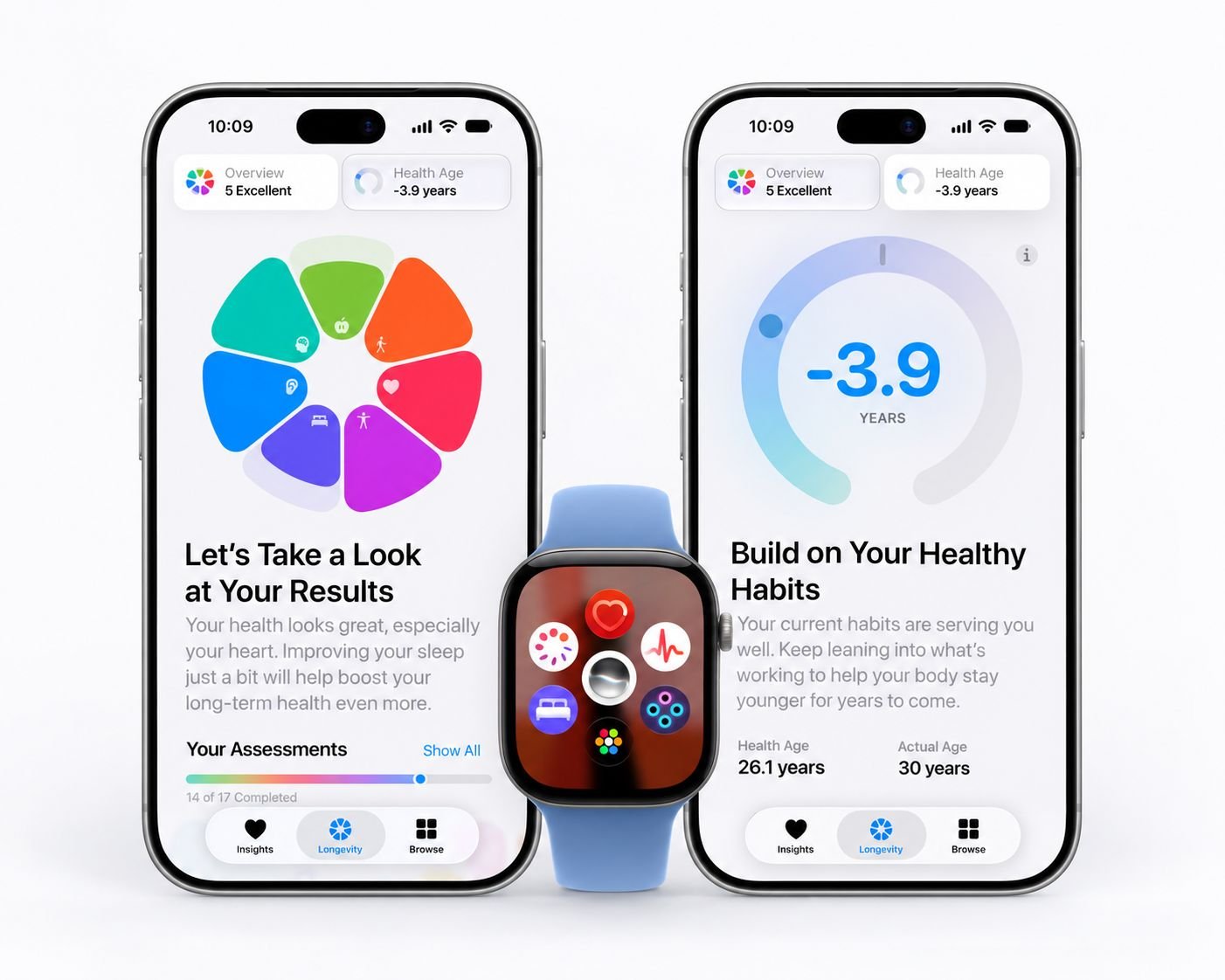
With the Apple Watch Series 12 and a redesigned Health app, Apple is bringing longevity directly into its mainstream health ecosystem. The new Health app introduces a dedicated Longevity tab, Health Age and a Readiness Score, while using Apple Intelligence to interpret data across heart health, sleep, movement, metabolic health, mental wellbeing, hearing and nutrition. Apple says Health Age shows how selected metrics are tracking relative to a user’s chronological age; it is not presented as a definitive measurement of biological age.
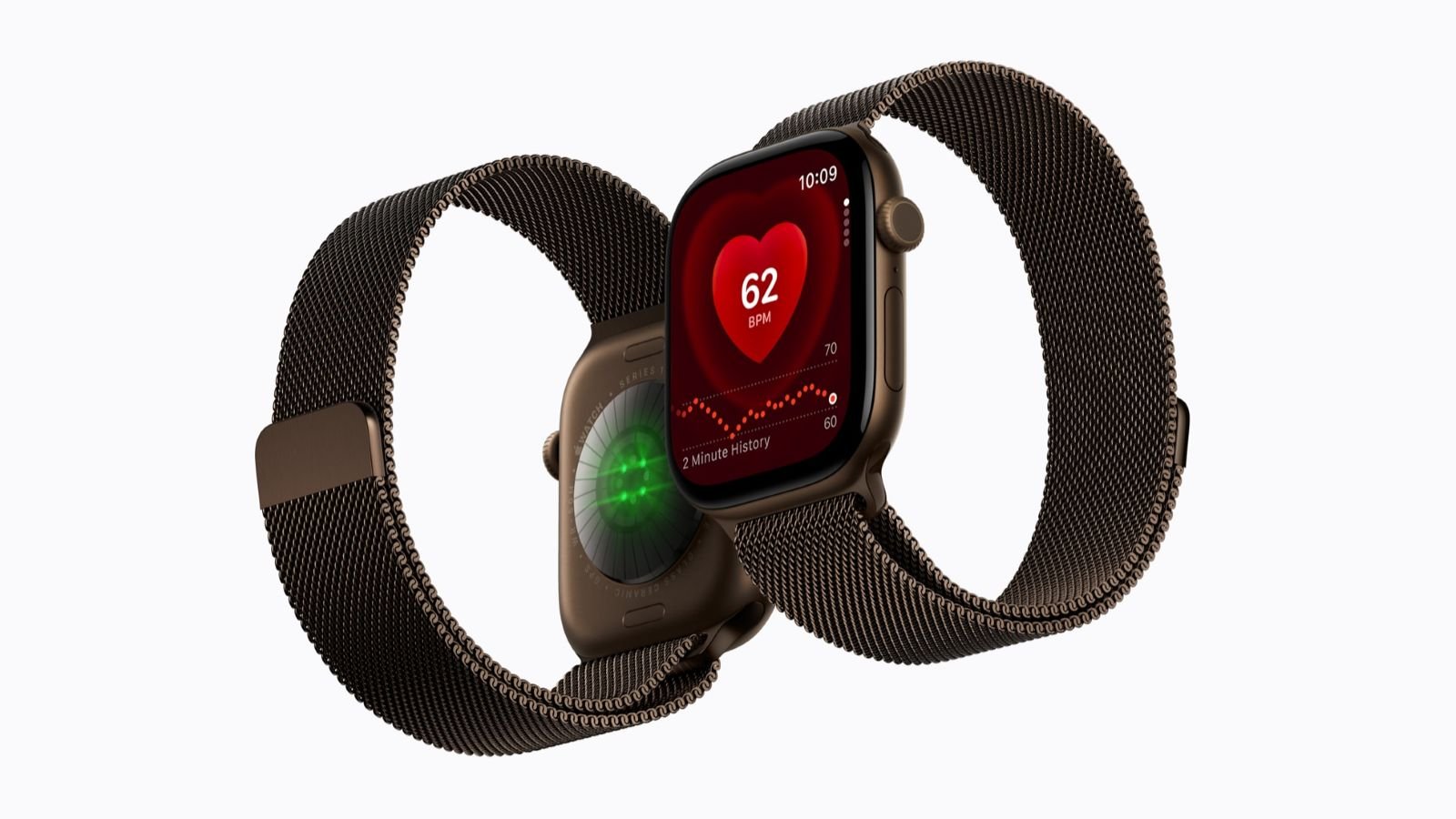
The consumer appeal is obvious. A heart-rate variability reading or VO2 max score still requires some interpretation. Being told that aspects of your health appear younger or older than your chronological age is immediately understandable. Age is emotionally loaded, and once it appears as a number on a screen, it becomes something people may want to improve.
WHOOP has already demonstrated that idea. Its Healthspan feature uses metrics including sleep duration and consistency, steps, cardiovascular fitness, resting heart rate and strength activity to calculate WHOOP Age and Pace of Aging. What Apple adds is scale. A user does not have to enter the longevity world deliberately; longevity can simply appear inside the same Health app that already stores their activity, sleep and other health information.
Until now, different parts of the longevity experience often lived in different places. Wearables measured sleep, activity and recovery. Specialist clinics interpreted biomarkers. Laboratories provided blood data. Dedicated platforms calculated physiological age. Apple is increasingly positioning Health as the layer that can bring many of those signals together.

The new Longevity tab can draw on data from iPhone, Apple Watch, AirPods, clinical health records and third-party apps and devices. Health Age can factor in metrics such as VO2 max, resting heart rate, sleep and HRV, while users can also add laboratory data including A1c and LDL. Apple is also adding the ability (for now in U.S.) to order a panel of more than 50 biomarkers through Quest Diagnostics directly from the Health app.
Consumer technology has repeatedly shown that when a metric becomes visible, people begin optimising for it. Health Age could do something similar for longevity by turning an abstract idea about future health into everyday feedback. Instead of simply collecting raw numbers, platforms increasingly interpret those numbers and tell users what they mean.
That raises a more complicated question. If someone wakes up feeling energetic but receives a poor Readiness Score, which signal will they trust more? If a healthy 45-year-old sees a Health Age that looks older than expected, will that encourage better habits or create unnecessary anxiety? As wearables become more sophisticated, the authority to define how well we feel may gradually shift from subjective experience toward algorithmic interpretation.
Apple is also making physical assessment more accessible. The redesigned Health app will allow users to perform at-home movement evaluations measuring flexibility, strength, balance, movement mechanics and VO2 max using the iPhone camera, Apple Watch and on-device vision-based AI. In other words, activities that previously might have required an exercise physiologist, physical therapist or specialist health assessment are beginning to move into the consumer technology ecosystem.
Activities that previously might have required an exercise physiologist, physical therapist or specialist health assessment are beginning to move into tech-ecosystem
Once longevity becomes easier for ordinary consumers to understand, almost every health and wellness category becomes easier to reposition around healthy aging. Strength training becomes protection against age-related muscle loss. Sleep becomes longevity infrastructure. Protein becomes part of healthy aging. Hotels can sell recovery, residences can sell circadian lighting and cleaner air, clinics can sell measurable changes in health markers, and supplement companies can sell longevity rather than vitamins.
There is, however, a risk of false precision. Human aging is far more complex than any single score can represent. Cardiovascular fitness, muscle mass, metabolic health, genetics, inflammation, cognition, environment and lifestyle all contribute to long-term health. WHOOP calls its metric physiological age; Apple is more cautious and describes Health Age as a way of showing how certain metrics compare with chronological age. Neither should be confused with a definitive answer to the question of how old a body “really” is.
Yet the cultural direction is that longevity is moving away from the language of extreme biohacking and specialist intervention and toward everyday consumer health. It is becoming less about whether someone can live to 120 and more about whether they can maintain strength, recover better, preserve function and remain healthier for longer.
Apple did not invent physiological age, readiness or the idea of quantifying healthy aging. WHOOP and other health platforms were already there. What Apple may be able to do is make those ideas ordinary.
And once millions of people begin checking not only how many steps they took or how well they slept, but how their health is tracking against their age, longevity may stop looking like a niche wellness obsession. It may simply become another part of how we understand ourselves.
Share




WE RECOMMEND

Wearables Are Going Jewellery
Health trackers are moving beyond sportswear and beginning to borrow the materials, language and collaborations of fashion and jewellery.

Longevity Pods: What They Are and How Do They Work
Longevity pods turn at-home care into a calming immersive treatment: salt, red light, oxygen, sound, and scent combined into one guided session.
Meet the Gulf-Born Wellness Innovations Worth Knowing
From smart rings to three-minute mental resets and home hydroponic gardens, a new generation of Gulf-born products is turning everyday wellbeing into…
